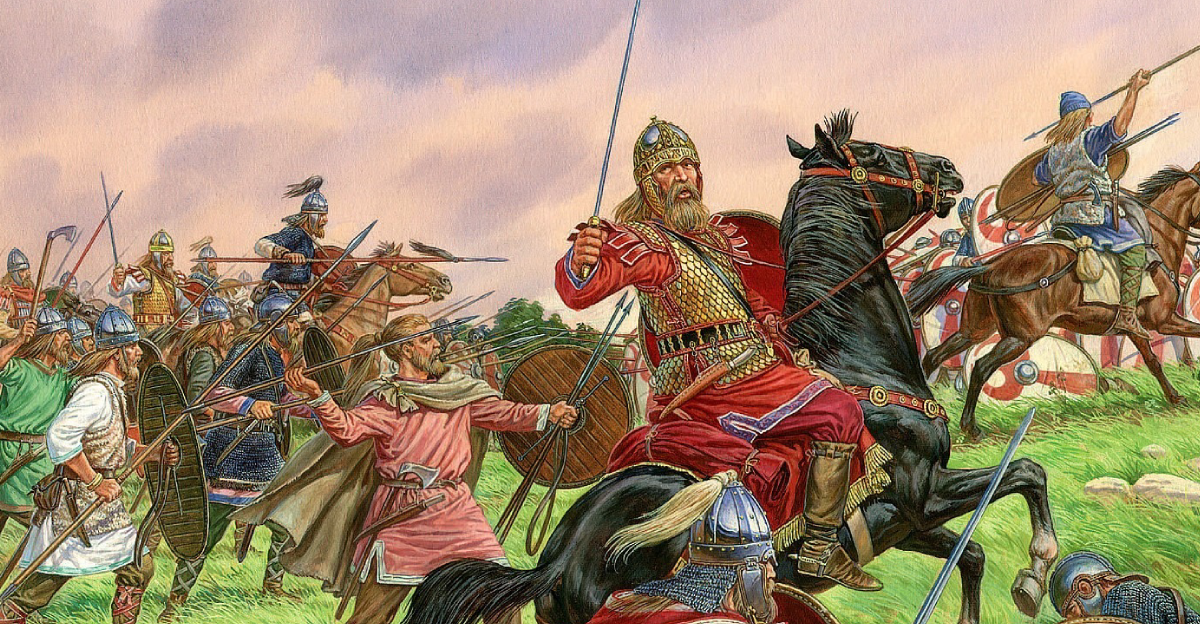
History remembers the biggest armies and loudest victories. But the most brilliant military campaigns often came from desperate commanders outnumbered and outgunned. These leaders turned the odds upside down; using surprise, terrain, and bold innovation to win battles no one thought possible.
What can their stories teach us today? Let’s look at the hidden tactics and daring moves that changed warfare forever.
What Really Makes a Campaign Great?
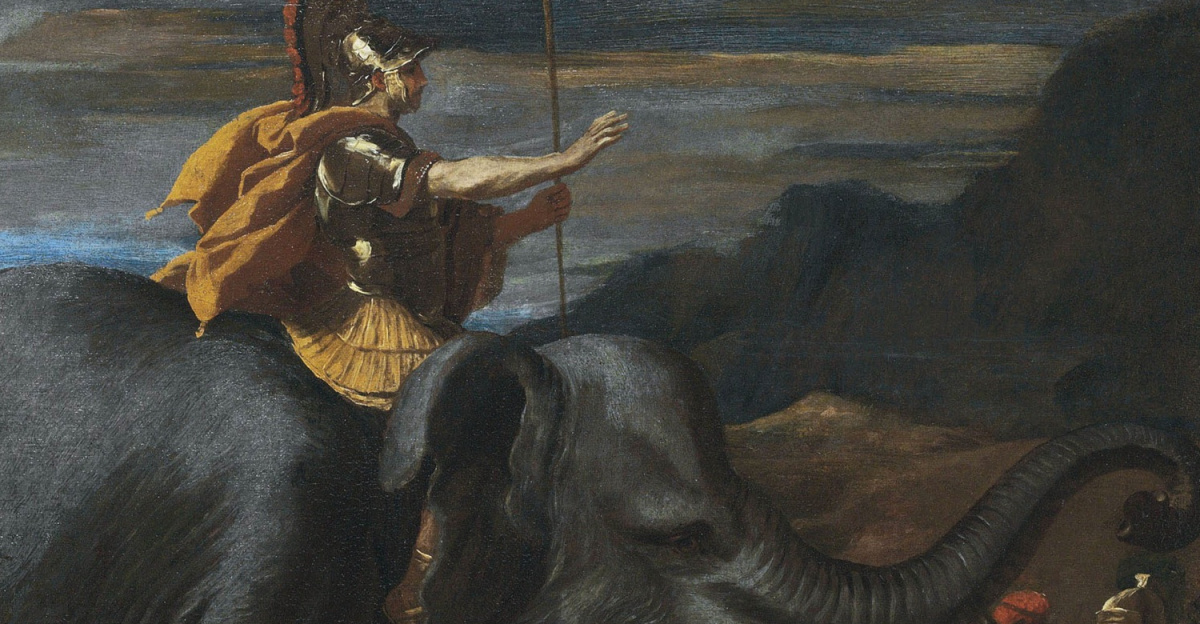
Military greatness isn’t about having the biggest army or the most land. True greatness comes when commanders face defeat and invent new ways to fight. Think Hannibal crossing the Alps or the Vietnamese general who used iron stakes to stop 400 Mongol ships.
These campaigns show how clever strategy and terrain beat numbers. Next, let’s rethink the idea that bigger is always better.
The Myth of Winning by Numbers
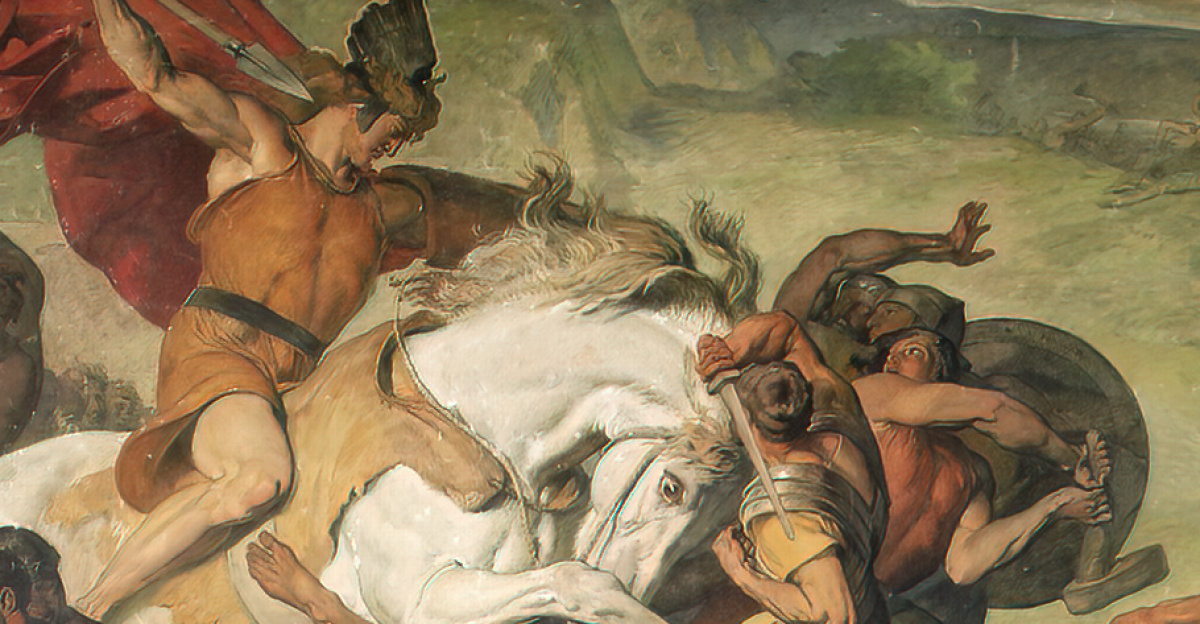
History loves stories of massive armies crushing foes by sheer size. But the truth is different. The best campaigns often came from smaller forces that used surprise and local knowledge.
Take the Romans in 9 CE at Teutoburg Forest. Despite being better equipped, they were destroyed by warriors who knew the land. Numbers alone don’t guarantee victory.
Why Some Military Geniuses Are Forgotten
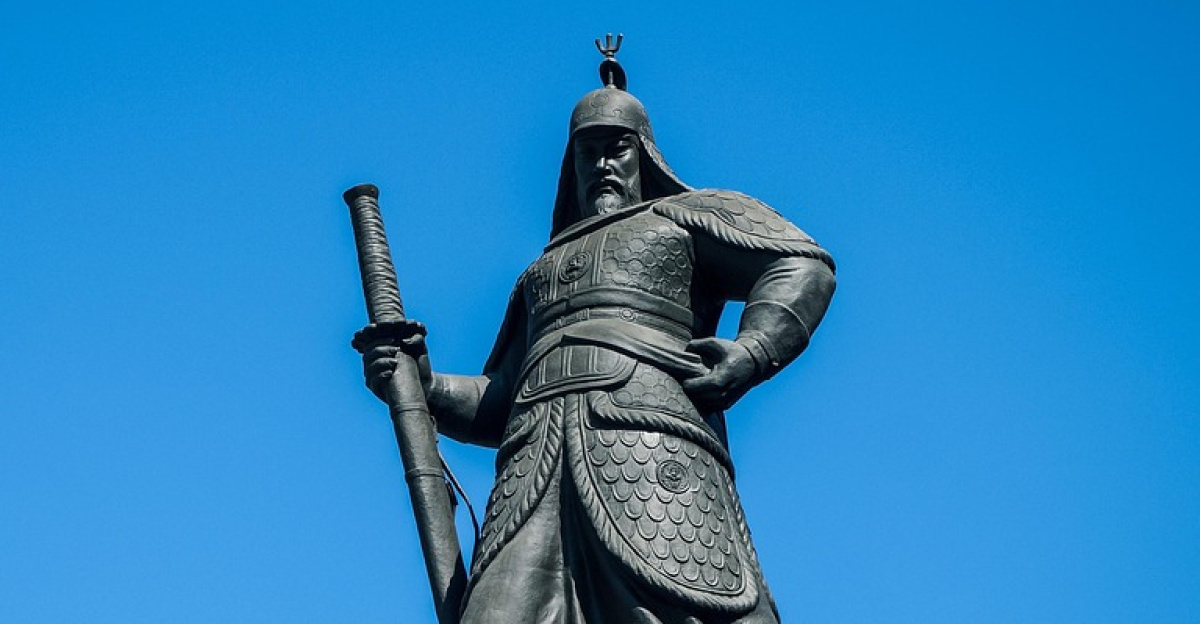
Admiral Yi Sun-sin never lost in 23 naval battles. Khalid ibn al-Walid crossed deserts others thought impossible. Yet, their names aren’t well known in Western schools.
Victors write history and prefer clean stories of destiny. The messy truth, where weather and clever tactics mattered most, is often left out. Let’s now see how terrain became a game changer.
How Terrain Became a Hidden Weapon
![Description of original photograph : gelatin silver ; 16.1 x 21.0 cm.
<p>Inscribed on verso: [Printed on] 24-1-1938.
</p>
This work is out of copyright](https://aws-wordpress-images.s3.amazonaws.com/ruckus/wp-content/uploads/2025/11/aboriginal-fish-traps-made-from-rocks-darling-river-nsw-1938-cropped.jpg)
The smartest commanders didn’t fight against the land, they used it to their advantage. Rivers became traps. Forests turned into killing grounds. From Korea to Arabia, they made nature their strongest ally.
While enemies stuck to standard tactics, these leaders changed the rules. They showed that mud, sand, and sea could decide battles.
Now, let’s look at 10 extraordinary campaigns where terrain and tactics combined to defy the odds and reshape warfare forever.
#10 – Napoleon’s Six Days Campaign (1814)
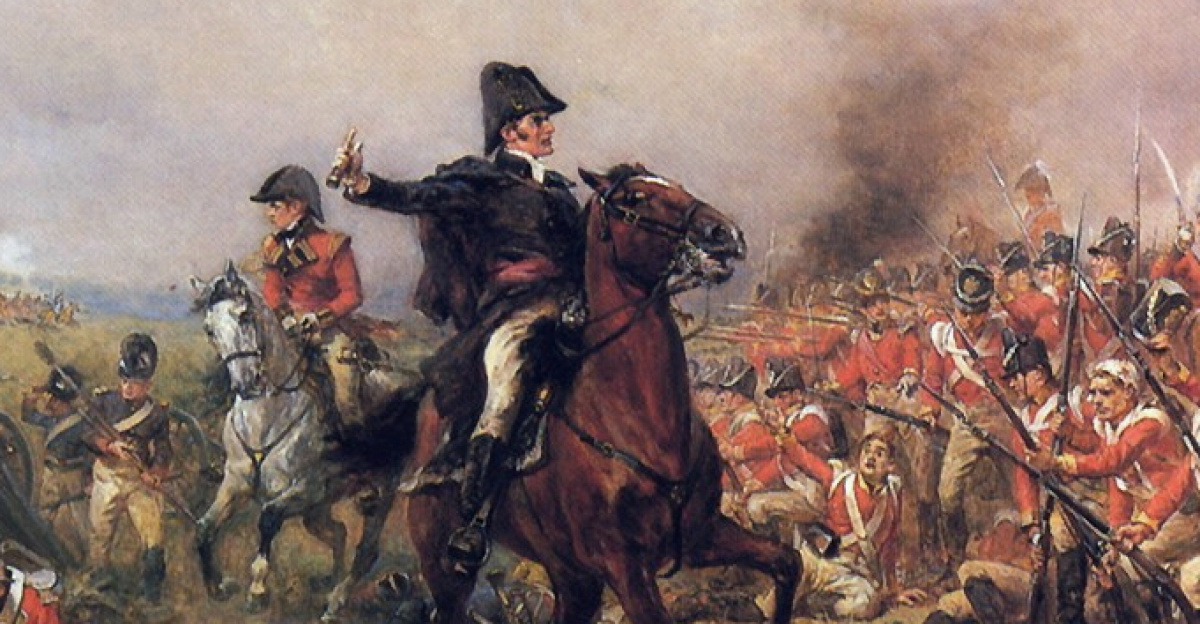
With Paris near, 50,000 Coalition troops under Blücher aimed to end Napoleon’s reign. Napoleon had only 30,000 tired veterans. In six days, at key battles, he inflicted 17,750 casualties while losing just 3,400.
Historian Andrew Uffindell highlights Napoleon’s mastery of timing and strategy. Though the campaign failed, it remains a defensive masterpiece. Next, a march through the desert like no other.
#9 – Khalid’s Desert Ghost March (633 CE)

Khalid ibn al-Walid needed to cross a waterless six-day desert to reach Syria. His clever plan: force-feed camels extra water, seal their mouths, then use them as walking water tanks by slaughtering them daily.
This 500-800 cavalry force appeared suddenly, surprising Byzantine and Persian armies. Historian Moshe Gil calls it “a feat which has no parallel.”
#8 – Subutai’s Brilliant Conquest of Europe
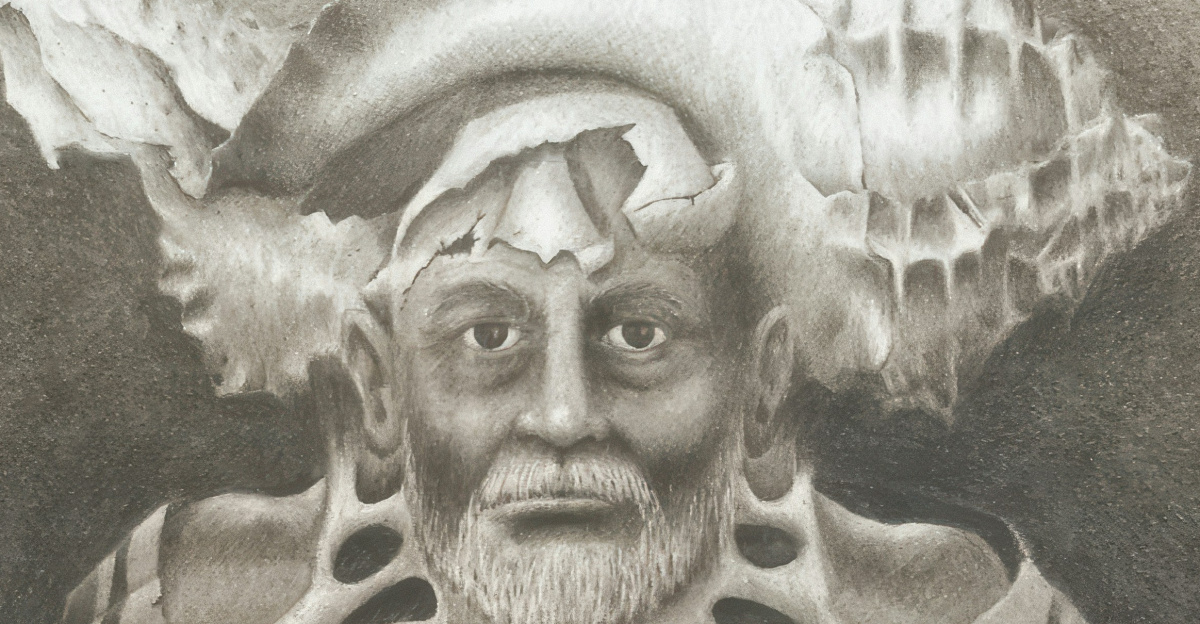
Mongol general Subutai crushed European armies at Mohi and Legnica using fake retreats and perfect timing. His strategy made knights and castles useless. Leading over 20 campaigns and conquering 32 nations, he won 65 battles without loss.
Subutai didn’t follow chivalry. He changed warfare with speed and strategy.
#7 – Nobunaga’s Thunderstorm Ambush
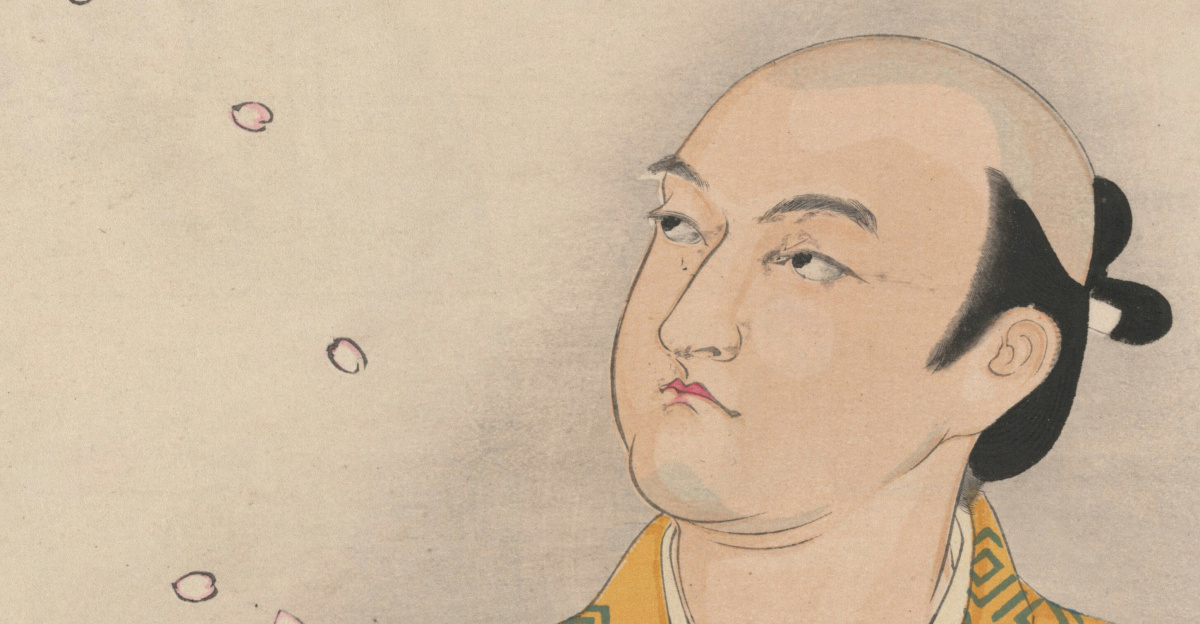
With just 2,000 to 3,000 men, Oda Nobunaga surprised 25,000 enemies during a thunderstorm on June 12, 1560. Attacking at Imagawa’s victory party, Nobunaga killed their leader, changing Japan’s future.
His timing and boldness beat overwhelming numbers.
#6 – Yi Sun-sin’s Naval Brilliance
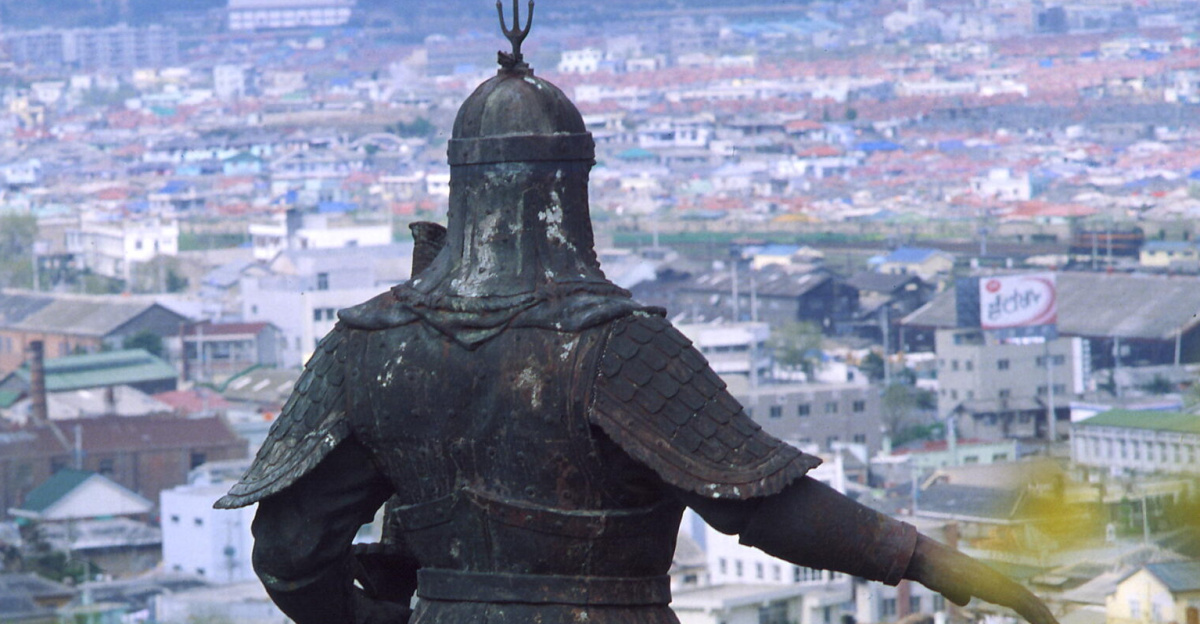
Admiral Yi Sun-sin won 23 battles without defeat. He used iron-spiked “turtle ships” and mastered tides. At Myeongnyang, 13 ships beat 133 Japanese vessels. His final battle words: “Do not announce my death.”
Yi’s crane-wing formation revolutionized naval warfare.
#5 – Vietnam’s Deadly River Trap
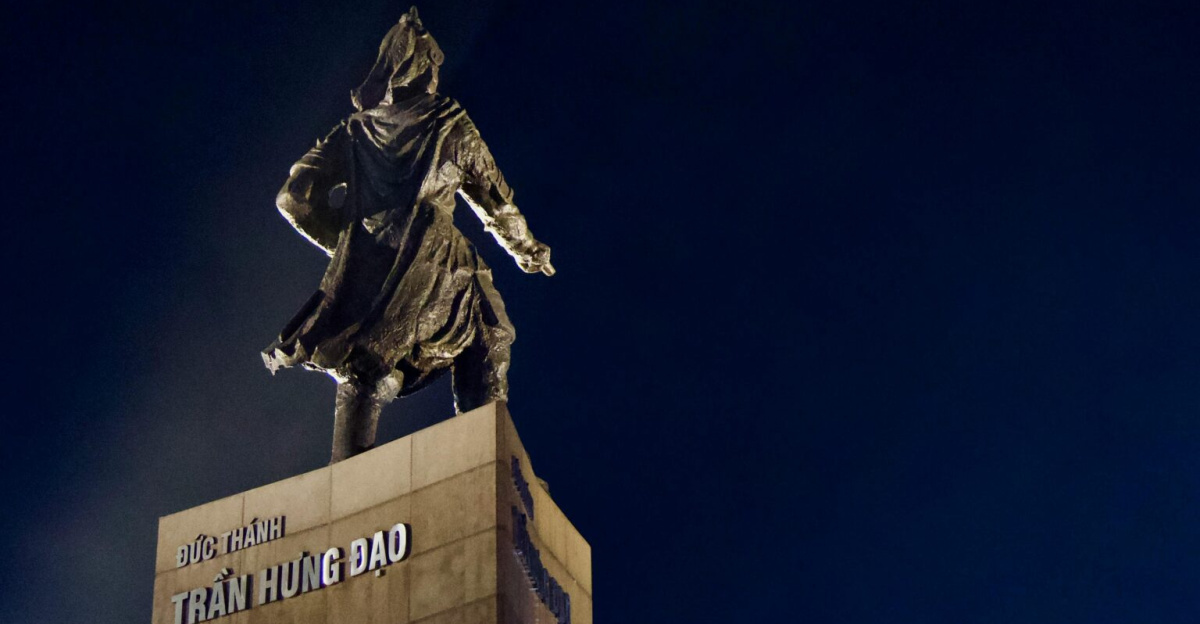
Tran Hung Dao stopped the Mongols at Bach Dang River by planting iron-tipped stakes in the riverbed. He lured over 400 ships upstream, then trapped and destroyed them as the tide fell.
This victory ended the Mongols’ third invasion attempt. Local knowledge beat empire might.
#4 – Belisarius’ Fast and Furious Reconquest
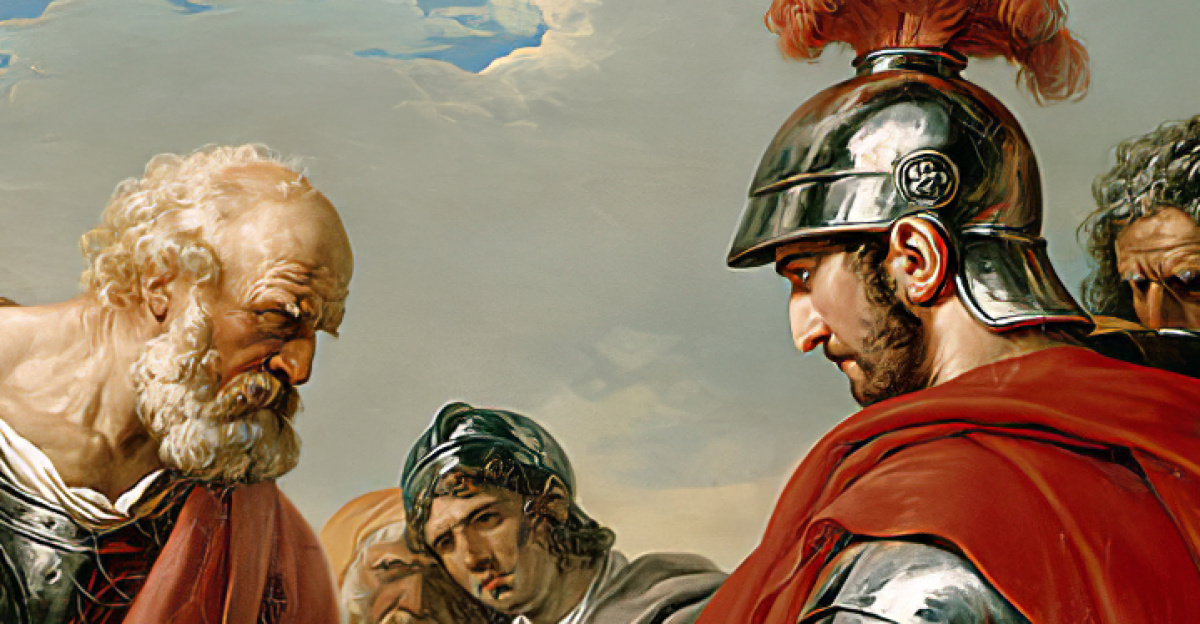
Belisarius retook North Africa for Byzantium with 15,000 to 17,000 troops in nine months. He used speed, strategy, and diplomacy to win locals over. At Ad Decimum, he crushed the Vandals with perfect timing.
Belisarius didn’t just fight; he won hearts and minds.
#3 – Shaka’s Military Revolution in Africa
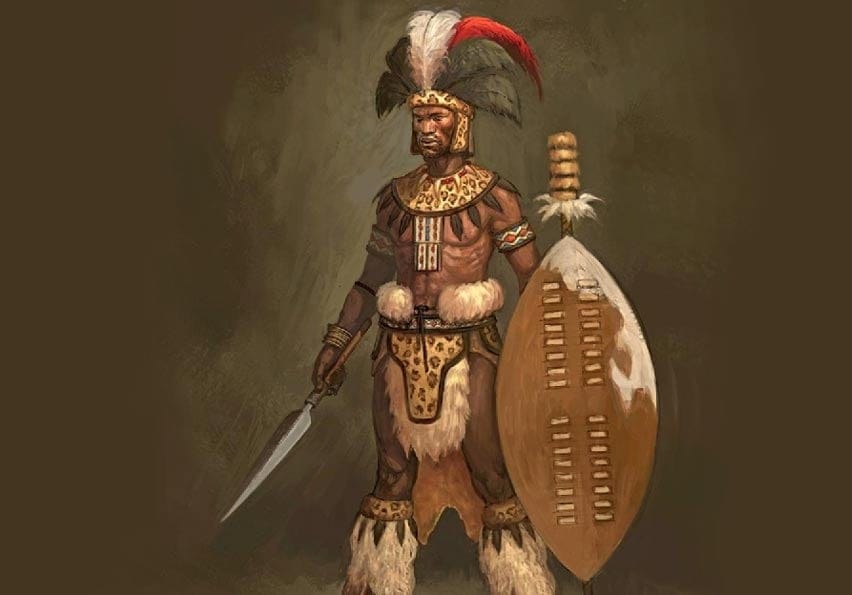
Shaka Zulu created the “buffalo horns” formation and introduced the short stabbing spear (iklwa). He built disciplined armies that dominated southern Africa.
Even decades after his death, his tactics helped Zulu forces defeat British troops at Isandlwana. Shaka proved that smart training and tactics beat sheer numbers.
#2 – Surena’s Stunning Victory at Carrhae
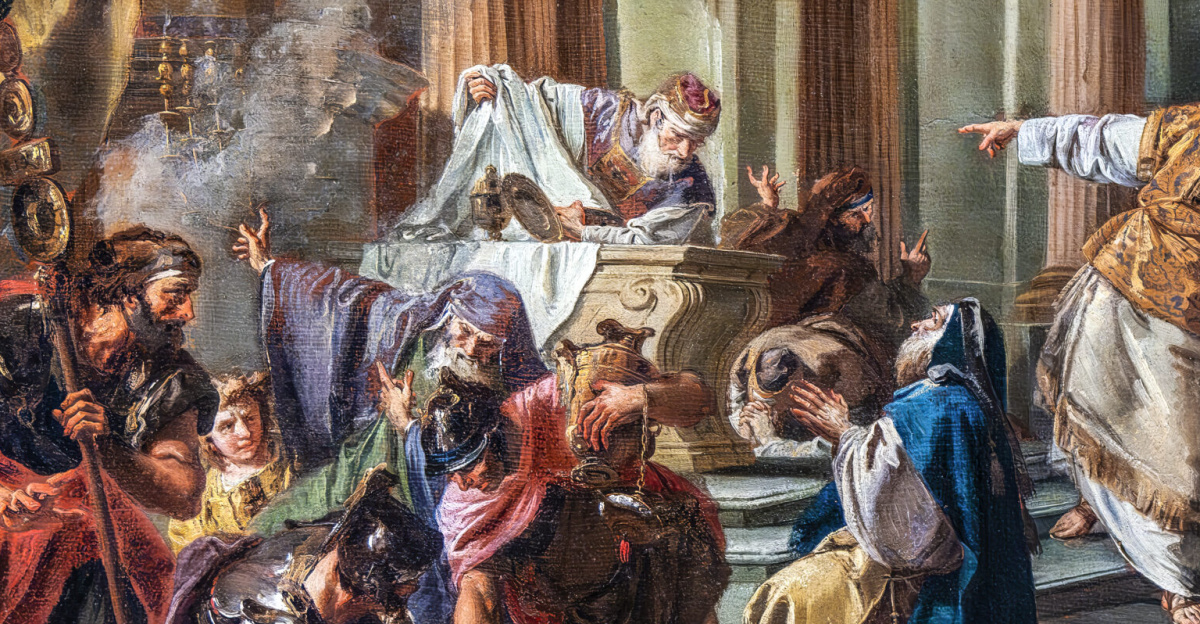
At Carrhae, 10,000 Parthians crushed 40,000 Romans. Surena used fast horse archers and heavy cavalry to exhaust Roman infantry while keeping distance. Arrows came from camel supply trains.
Rome lost 20,000 men and its eastern ambitions. Crassus died. This battle changed history. Now, the deadliest ambush in European history awaits.
#1 – Arminius’ Deadly Forest Ambush

Three Roman legions marched into the Teutoburg Forest and were destroyed. Arminius, a Roman-trained Germanic leader, used hidden walls, rain, and mud to trap about 20,000 troops for three days.
Rome never crossed the Rhine again with conquest in mind. This ambush shaped Europe’s future.
What These Campaigns Have in Common
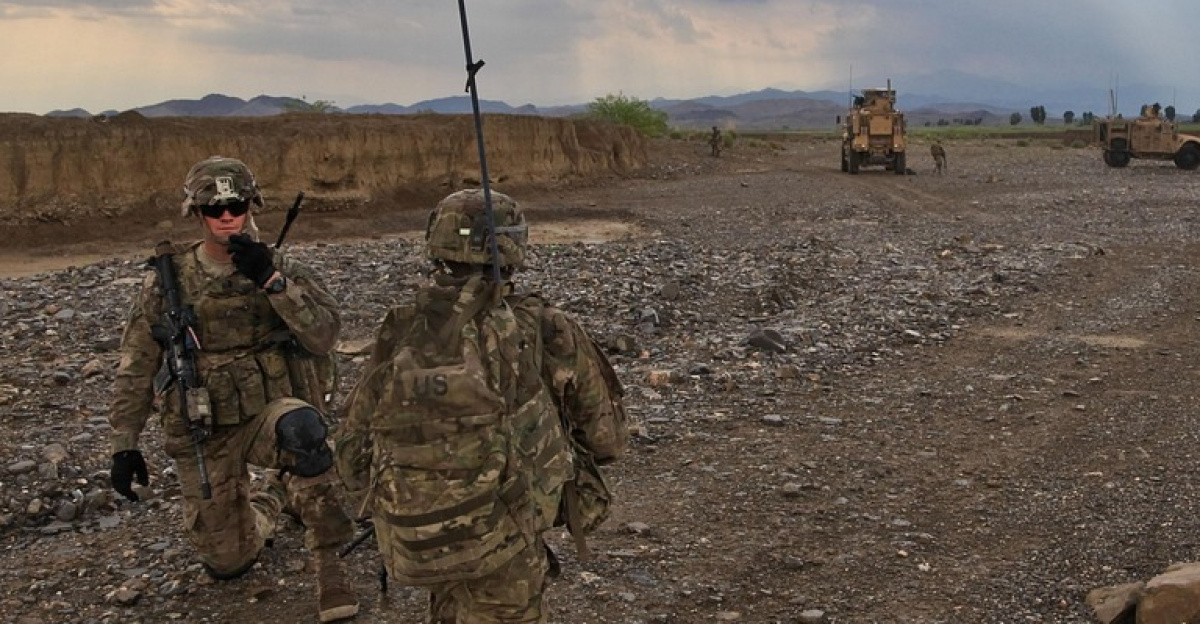
Great commanders saw what others missed. They studied enemy habits and turned terrain into a weapon. From Thermopylae to Agincourt, narrow passes and muddy fields helped smaller forces win.
Modern armies still study terrain carefully. This kind of insight isn’t taught; it comes from instinct and desperation.
Innovation Always Comes First

Before tech, creativity ruled the battlefield. Khalid ibn al-Walid used camels as water tanks in 633 AD. Admiral Yi Sun-sin’s turtle ships in 1592 changed naval warfare with clever design and tactics.
These leaders reshaped war with ideas ahead of their time. From deserts to oceans, innovation won battles. Now, let’s explore what modern warfare often misses.
What Today’s Wars Often Overlook
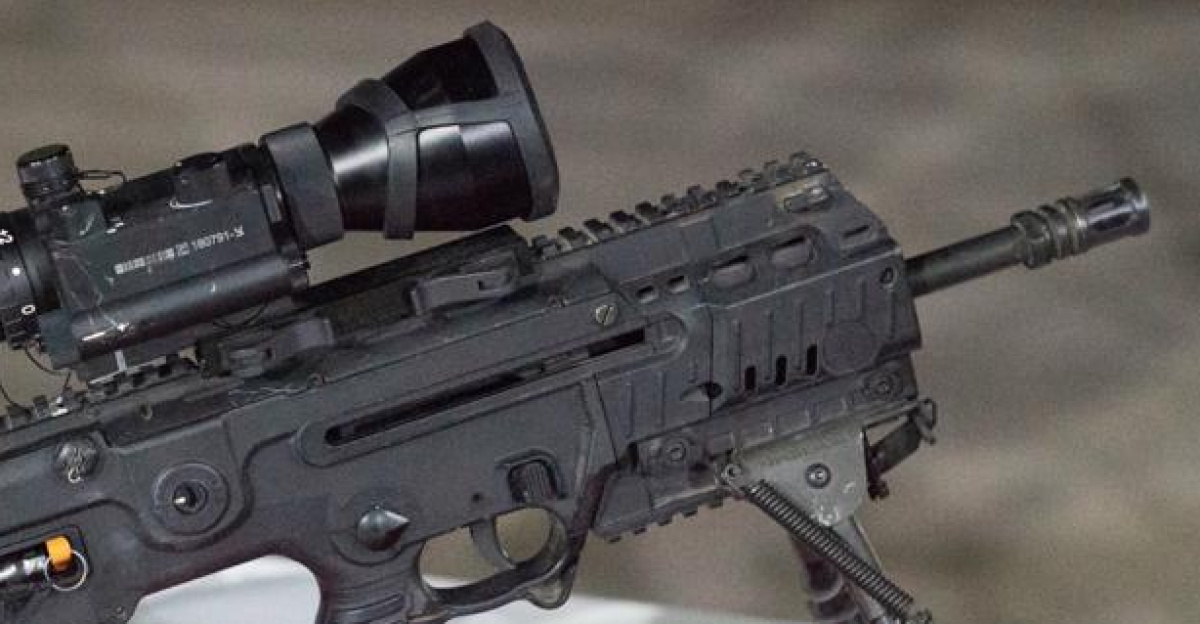
Modern armies rely on machines and missiles, but real battles are fought in minds and terrain. Viet Cong guerrillas and Afghan insurgents showed how tactics can neutralize tech advantages.
Urban fights in Mosul and Aleppo prove that understanding land and people is key. The next military revolution might come from fresh thinking, not new weapons.
Even “Losers” Can Win
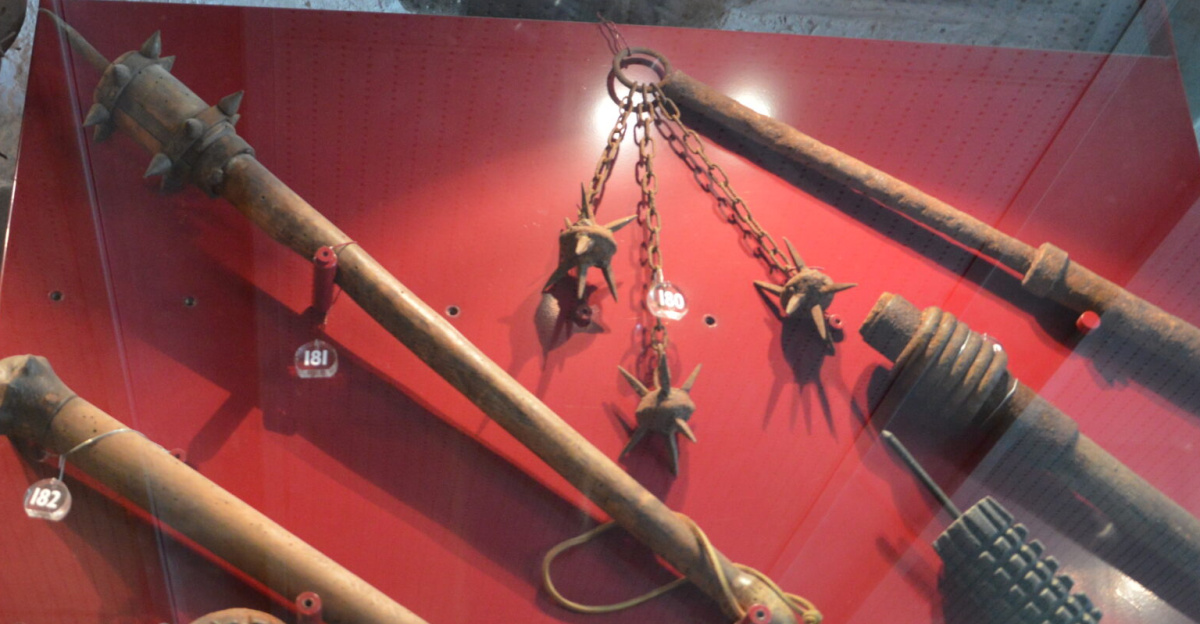
Not all great campaigns ended in victory. Napoleon lost most of his 600,000-strong army in Russia to disease and hunger before winter. Warsaw Ghetto fighters held off Nazis for a month with homemade weapons.
These “failures” live on as tactical lessons. Sometimes the smartest ideas last longer than guns.
The Final Takeaway: Power Is Perception
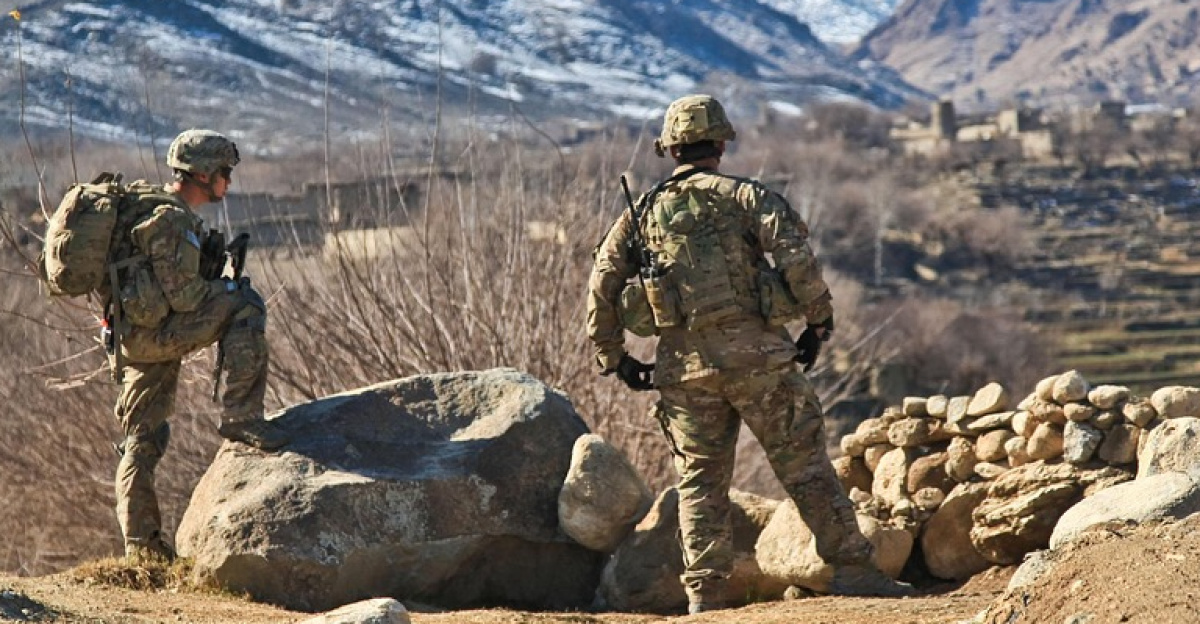
Great campaigns weren’t about size or strength but about mindset and deception. From Sun Tzu’s “Art of War” to Agincourt’s muddy fields, terrain and tactics decided battles.
Modern asymmetric wars confirm: innovation beats tech every time. The best defense is never assuming the enemy can’t surprise you; a lesson that echoes through history and today’s battlefields.