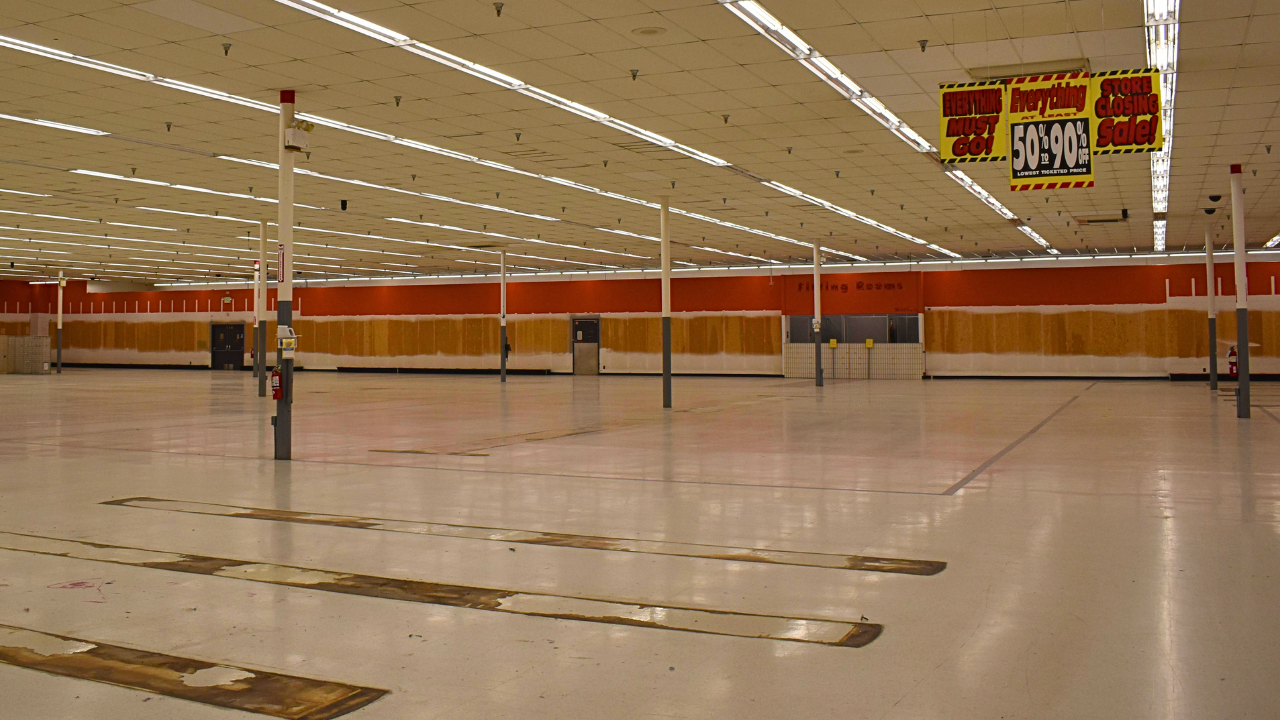
The final transaction will ring up on New Year’s Eve. By midnight on December 31, 2025, Saks Off 5th’s flagship store at 125 East 57th Street will lock its doors permanently, joining nine other locations across major U.S. cities in a coordinated shutdown that signals far more than routine corporate restructuring. Ten stores are closing. A significant number of workers face unemployment. The timing—the holiday season, the symbolic stroke of midnight—suggests a company managing decline while the broader luxury retail sector fractures under pressures it once considered impossible.
Corporate Language Masks Financial Crisis
Saks Global frames the closures as “strategic repositioning” focused on “high-performing and high-potential store locations.” The corporate statement promises this will “better position the Saks OFF 5TH business for long-term success.” Behind the carefully chosen words lies a different narrative: $600 million in debt restructured in June 2025, secured financing to maintain operations, and multiple rounds of workforce reductions, including approximately 550 workers eliminated in April 2025. The company’s denials of restructuring plans issued just months earlier now read as hollow reassurances.
Nine Cities, Thousands Displaced
Austin, Chicago, Philadelphia, Niagara Falls, Pittsburgh, Washington D.C., West Hartford, East Hanover, and Plymouth Meeting will each lose their Saks Off 5th locations by January 2026. These weren’t marginal stores operating in secondary markets. They anchored premium retail districts where affluent shoppers hunted designer merchandise at discounted prices. Each closure represents a shock to local commercial ecosystems that once seemed resilient and permanent.
A Sector-Wide Collapse Accelerates
Saks Off 5th’s ten closures represent just one tremor in a broader seismic shift. Macy’s shuttered 66 stores in January 2025 alone, with plans to close an additional 150 through 2026. Nordstrom eliminated two locations in August 2025. Industry projections now estimate between 3,700 and 15,000 U.S. retail stores will close in 2025. This isn’t optimization or strategic adjustment. It reflects a fundamental failure of the physical retail model to compete with e-commerce, direct-to-consumer brands, and global shopping alternatives.
The $4 Billion Debt Inheritance
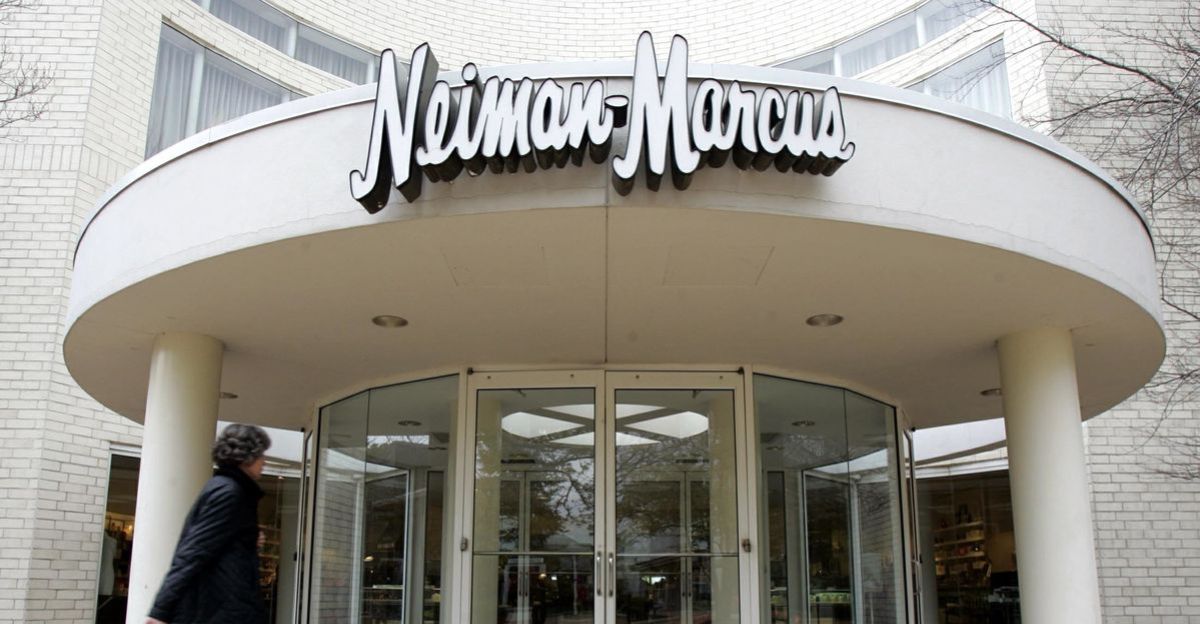
In December 2024, Saks Global acquired Neiman Marcus for approximately $2.7 billion, betting that combining the two luxury retailers would create a dominant force. Instead, the company inherited a significant debt load that has become increasingly difficult to service. The June 2025 debt restructuring forced creditors to accept substantial losses. The subsequent financing provided temporary relief but signaled deeper structural problems. Multiple rounds of workforce reductions followed, with store closures now serving as a form of financial triage rather than strategic planning.
E-Commerce and Global Shopping Rendered Physical Stores Obsolete
The paradox that breaks the traditional retail model is this: luxury consumers haven’t abandoned shopping. They’ve abandoned stores. E-commerce enables global purchasing. Direct-to-consumer brands allow designers to control pricing and exclusivity. International shopping trips and personal shopper networks, accessible via WhatsApp, offer better deals and curated experiences. The treasure hunt that once defined Saks Off 5th—the rush of discovering designer merchandise at marked-down prices—now happens on Instagram, in Dubai, and through digital channels. The store became obsolete not because affluent customers disappeared, but because they found better alternatives.
Manhattan’s Ultra-Wealthy Remain, But They Don’t Shop Retail
The cruel irony emerged immediately after the November 2025 mayoral election. Despite wealthy Manhattan’s significant spending to prevent Zohran Mamdani’s victory—and his proposed 2% millionaire tax that would substantially increase combined city-state tax rates—the ultra-wealthy haven’t fled. In the week following the election, high-value Manhattan real estate contracts remained robust, with significant activity in the luxury segment. Between June and July 2025, luxury deals in Manhattan exceeded the previous year’s comparisons. The millionaires are still buying penthouses. They’re no longer shopping at physical retail locations.
The Human Cost of Strategic Repositioning
Workers across ten locations now face unemployment as the holiday season peaks. The seasonal worker hired for the rush won’t be able to make next month’s rent. The store manager with years of service watched the holiday sales floor empty. The announcement’s timing—mid-holiday shopping season—ensures minimal news coverage while maximizing the financial impact on workers who are already vulnerable during the winter months.
What Remains When Anchors Disappear
For New York City, the loss extends beyond financial metrics. Fifth Avenue’s identity rested on flagship stores functioning as permanent anchors for global shopping tourism. Saks Off 5th represented the democratic interpretation of luxury: carefully curated designer merchandise at accessible prices. With it gone, 57th Street becomes more vulnerable to further deterioration. The Manhattan retail space will likely convert to residential condos and corporate offices—a physical rejection of the retail model itself.
The closure signals a larger transformation: New York is becoming a city for the ultra-wealthy, not the aspirational middle class. Luxury retail’s last stand has crumbled not from bankruptcy or sudden collapse, but from a gradual recognition that the store—once considered a permanent fixture—belongs to the past. E-commerce won. Globalization won. Direct-to-consumer won. At midnight on New Year’s Eve, the doors close on an era that believed physical retail was immune to disruption.