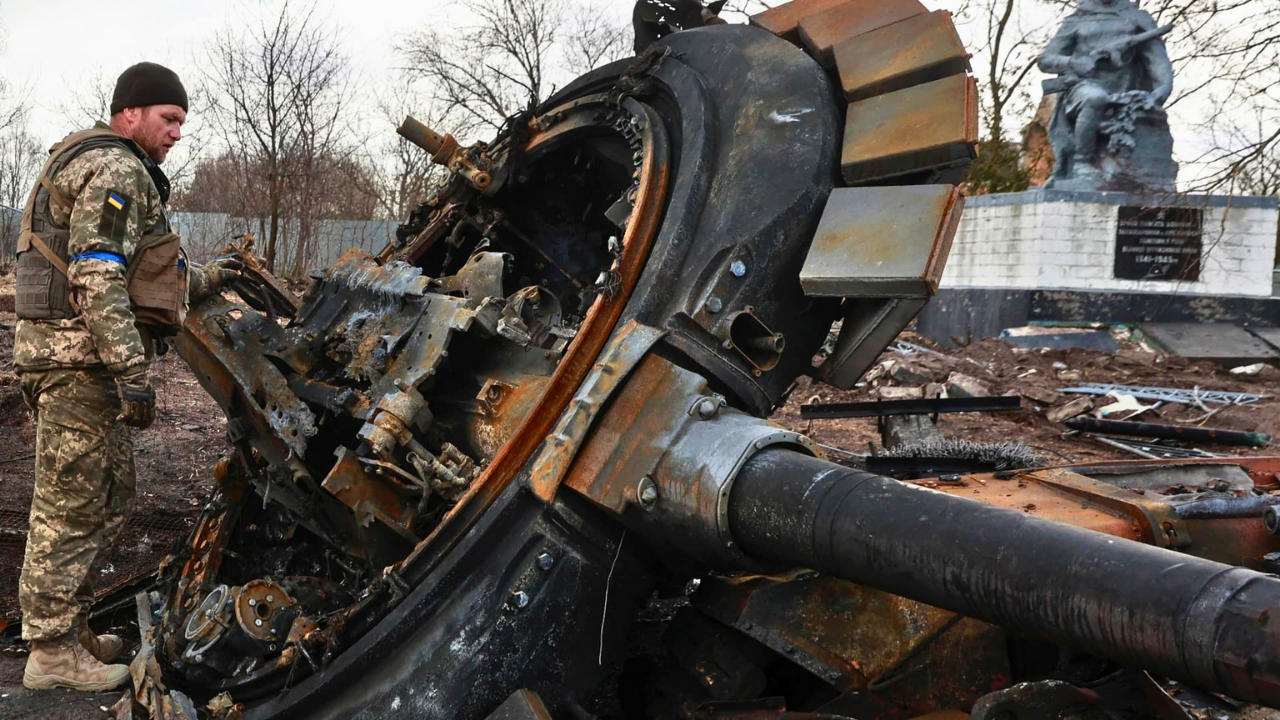
A wave of coordinated drone strikes by Ukrainian Special Operations Forces on November 5–6, 2025, marked a turning point in the ongoing conflict over Crimea. Targeting major fuel depots in the Russian-occupied peninsula, the operation destroyed large storage tanks and two fully loaded fuel trains at sites in Hvardiiske, Simferopol, and Bitumne. The attacks dealt a significant blow to Russian logistics, disrupting regional energy supplies and highlighting Ukraine’s growing capacity for deep, precision strikes.
Strategic Motives and Military Impact
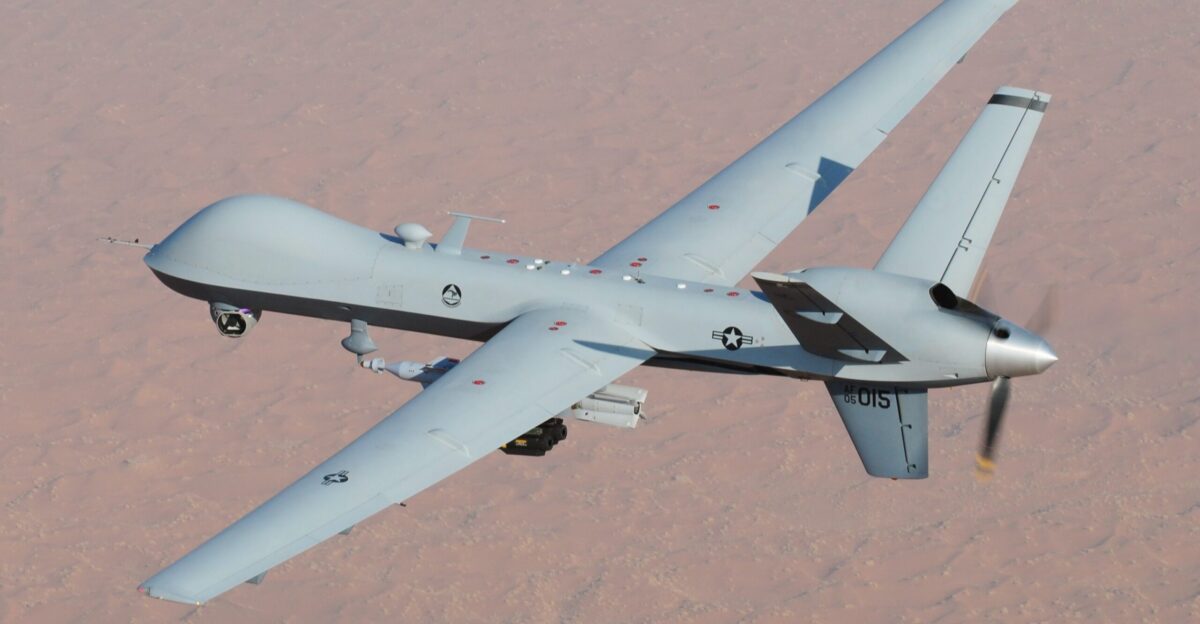
The primary aim of the Ukrainian operation was to undermine Russia’s ability to sustain military operations in occupied territories as winter approached. By focusing on fuel depots—critical nodes in the supply chain—Ukrainian forces sought to weaken Russian logistics and erode the occupiers’ operational resilience. The use of advanced drones for these deep strikes signals a shift toward asymmetric warfare, allowing Ukraine to inflict substantial damage while minimizing risk to its own personnel. Military analysts note that this approach demonstrates Ukraine’s evolving tactics and technological adaptation in the face of a larger adversary.
Immediate Effects on Crimean Infrastructure and Residents

The aftermath of the strikes was visible across the targeted areas. Eyewitnesses reported massive explosions and thick plumes of smoke rising from the damaged depots. Independent media and local officials confirmed extensive fire and structural destruction at all three sites. The loss of fuel reserves quickly translated into regional shortages, prompting Crimean authorities to introduce rationing and price controls. Residents faced immediate challenges as transportation services were disrupted, raising concerns about resource availability as colder weather set in.
Supply Chain Disruptions and Economic Fallout
The destruction of two fully loaded fuel trains further compounded the crisis. These trains, essential for both military and civilian sectors, were rendered inoperable, straining the peninsula’s already limited supply routes. In response, Russian authorities scrambled to reroute emergency supplies and repair damaged infrastructure. State enterprises overseeing depot management faced logistical hurdles as they worked to restore fuel flow and salvage remaining stocks. The attacks forced Russia to increase shipments from the mainland and seek alternative storage solutions, moves that strained broader supply chains and threatened to drive up fuel costs in neighboring regions.
The economic consequences quickly rippled through Crimea. Local businesses and transport providers began preparing for higher operational costs and inflationary pressures. Retail fuel stations implemented rationing, prioritizing emergency services and public transport, while some outlets raised prices to manage demand. The hospitality sector, including hotels and restaurants, reduced operating hours and adjusted services in response to delivery delays. Industries reliant on petroleum, such as agriculture and construction, reported scheduling setbacks and strict fuel rationing, directly impacting productivity and regional stability.
Political and International Reactions

The strikes drew responses from both Kyiv and Moscow. Ukrainian officials characterized the operation as evidence of their advancing military capabilities and a necessary step to curtail Russia’s logistical strength. Russian authorities acknowledged infrastructure damage and moved to tighten security around critical facilities and accelerate repair efforts. International observers noted that the attacks exposed vulnerabilities in Russia’s supply networks, potentially inviting further Western sanctions or export controls. The incident prompted scrutiny from global trade bodies, with analysts warning of possible repercussions for Russia’s ability to import or ship fuel through the region.
Human and Social Dimensions
The destruction of large fuel reserves created hazardous conditions for depot workers and emergency responders, who faced significant risks during firefighting and spill containment efforts. Crimean residents were forced to adapt to reduced transportation options and potential heating challenges as winter approached. Municipal authorities urged conservation measures, and families sought alternative solutions for warmth and mobility. Farmers, particularly dependent on diesel for machinery, faced uncertainty over fuel allocation, threatening crop yields and local economic stability. Public transportation providers reduced services, affecting daily commutes and further straining the region’s productivity.
Looking Ahead: Shifting Dynamics and Broader Implications
Ukraine’s drone campaign against Russian infrastructure in Crimea signals a major tactical evolution in the conflict, demonstrating the potential of unmanned systems to reshape the battlefield. The attacks have not only disrupted immediate logistics but also exposed deeper vulnerabilities in Russia’s supply chains, with possible consequences for regional economies and global energy markets. As both sides adapt their strategies and the international community weighs its response, the stakes for Crimea—and the broader region—remain high, with the coming winter likely to test the resilience of local populations and military planners alike.