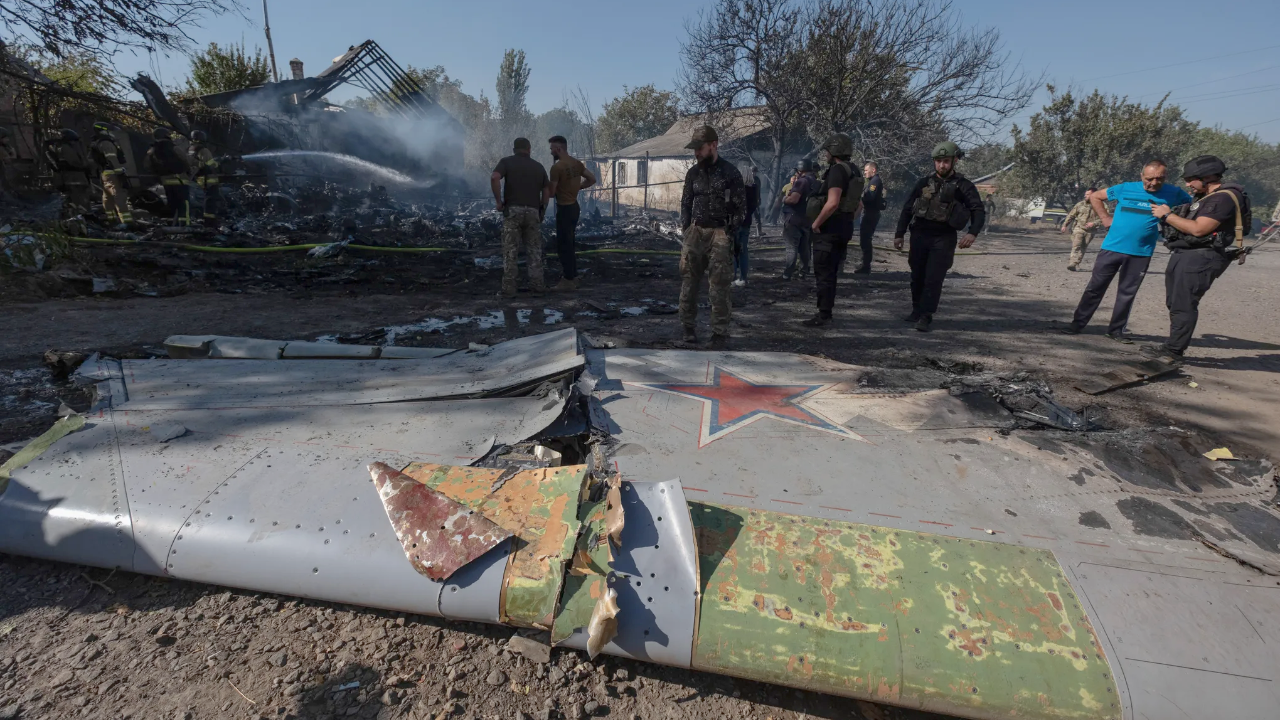
A Ukrainian missile sliced through the winter sky in January 2024, targeting a set of coordinates relayed by special operations scouts. Within seconds, one of Russia’s most secretive electronic warfare weapons—the Triada-2 satellite jammer—was obliterated. This marked only the second confirmed destruction of the elusive system, revealing vulnerabilities in Moscow’s satellite-jamming arsenal and signaling a turning point in the electromagnetic battlefront of the war.
Moscow’s Satellite-Jamming Ambitions

Russian engineers at the Central Research Institute No. 46 spent nearly two decades developing the Triada-2, officially known as Triada-2.3. Conceived in 2001 and completed in 2018, the ground-based system was designed to disrupt satellite communications across multiple frequency bands. Russian state sources claimed the Triada-2 could jam communication satellites, including those supporting Ukraine’s military operations. The first documented deployment occurred in 2019 in the occupied Luhansk region, placing these rare systems along the Ukrainian frontlines well before Ukraine began actively hunting them.
Despite its advanced capabilities, the Triada-2 was produced in limited quantities. This scarcity stemmed from the complexity of its design and the lengthy development cycle, which spanned 17 years from initial concept to operational deployment. The limited supply meant each loss was significant, with no rapid replacement possible—a fact that would later shape Russian deployment strategies and Ukrainian targeting priorities.
Ukraine’s Hunt for the “Ghost Weapon”

For years, Ukrainian forces knew of the Triada-2’s existence but struggled to locate it. The system’s mobility and value to Russian planners kept it hidden, earning it a reputation as a “ghost weapon.” Ukrainian reconnaissance teams invested months in developing signals intelligence and surveillance techniques to detect the Triada-2’s distinctive electronic signatures, differentiating it from other Russian electronic warfare equipment.
The breakthrough came in July 2023, when Ukrainian Special Operations Forces destroyed a Triada-2 system in the Bakhmut sector. This first confirmed kill demonstrated Ukraine’s growing ability to track and eliminate Russia’s most advanced electronic warfare assets. The destruction sent a clear message to Moscow: with only a handful of these systems in existence, each loss was irreplaceable.
Six months later, in January 2024, Ukrainian scouts identified another Triada-2 in the Donetsk sector. They relayed its coordinates to missile units, which executed a precision strike. Ukrainian officials released video evidence of the destruction, underscoring the effectiveness of their reconnaissance and the vulnerability of Russia’s classified arsenal.
Strategic Stakes in the Electronic War
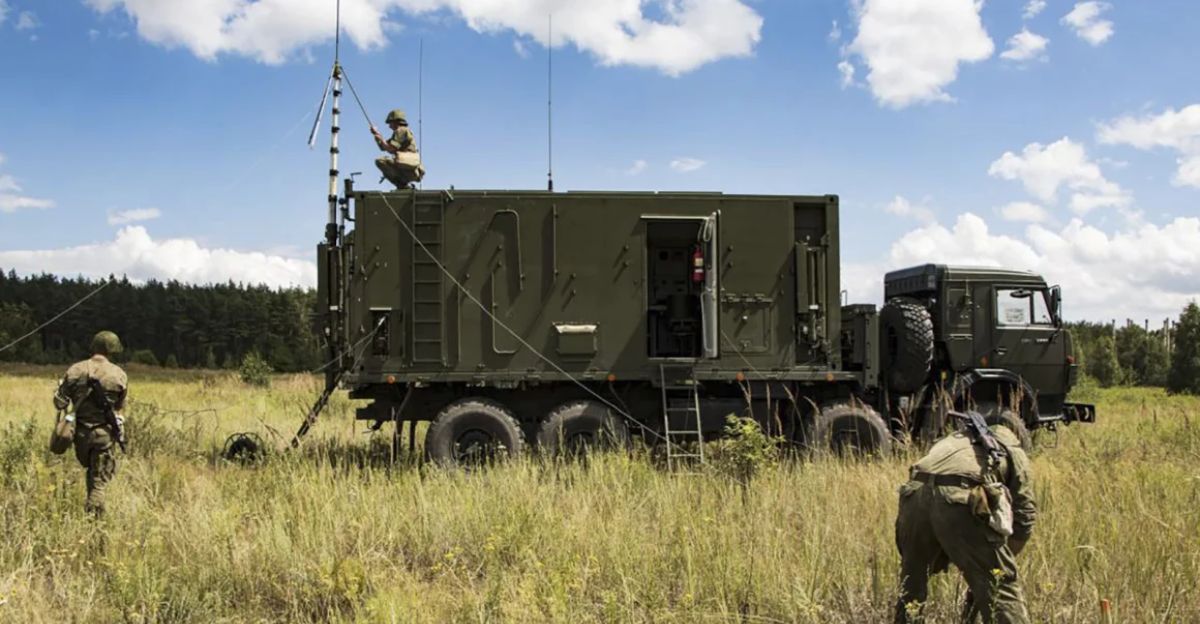
The elimination of two Triada-2 systems represents a critical milestone in Ukraine’s campaign against Russian electronic warfare capabilities. According to analysis by the Molfar OSINT agency, Ukraine destroyed over $1 billion in Russian electronic warfare and radar systems between February 2022 and April 2023. While systems like the Krasukha-4 cost around $2.6 million per unit, and the Borisoglebsk-2 electronic warfare complex costs approximately $200 million per system, the Triada-2’s rarity and specialized function make it exceptionally valuable within Russia’s arsenal.
Russian propagandists dubbed the Triada-2 the “Starlink Satellite Killer,” claiming it could target the satellite internet network that Ukrainian forces rely on for battlefield communications, drone operations, and artillery coordination. However, military experts note that modern satellite designs, including Starlink’s, incorporate frequency-hopping and adaptive antenna patterns to resist terrestrial jamming. The true capabilities of the Triada-2 remain classified, fueling speculation about whether it poses a genuine threat or serves as a tool of psychological warfare.
Ukraine’s reliance on Starlink satellite internet since February 2022 has been pivotal. The network enables encrypted, real-time communications and supports drone operations, making it a backbone of Ukraine’s military infrastructure. Russian planners recognized that traditional jamming methods were insufficient against such systems, prompting the development of specialized anti-satellite jammers like the Triada-2.
Scarcity and Strategic Dilemmas
Western analysts and Ukrainian intelligence estimate that Russia possesses only a small fleet of Triada-2 systems. Each destruction represents a significant percentage of Russia’s anti-satellite jamming capability. This scarcity explains why Russian forces keep the Triada-2 highly mobile and rarely deploy it, fearing detection and destruction by Ukrainian reconnaissance teams.
The lengthy development timeline—17 years from conception to deployment—combined with the complexity of advanced electronic warfare systems that take several months to construct and Russia’s documented component shortages, severely limits replacement capacity. Ukraine’s ability to destroy two systems in 18 months has created a strategic dilemma for Russian planners: deploy the remaining units and risk further losses, or keep them hidden and limit their operational impact.
The Ongoing Hunt and Future Implications
Ukraine’s special operations forces now prioritize the search for surviving Triada-2 systems, deploying reconnaissance units to locate and target these rare assets before they can be relocated. The campaign to dismantle Russia’s electronic warfare infrastructure continues, with each successful strike further eroding Moscow’s technological edge.
The destruction of the Triada-2 systems highlights the evolving nature of modern warfare, where control of the electromagnetic spectrum can be as decisive as control of territory. As Ukraine intensifies its hunt for the remaining jammers, the stakes rise for both sides. The outcome will shape not only the immediate battlefield but also the future of electronic warfare, satellite communications, and the broader strategic balance in the conflict.