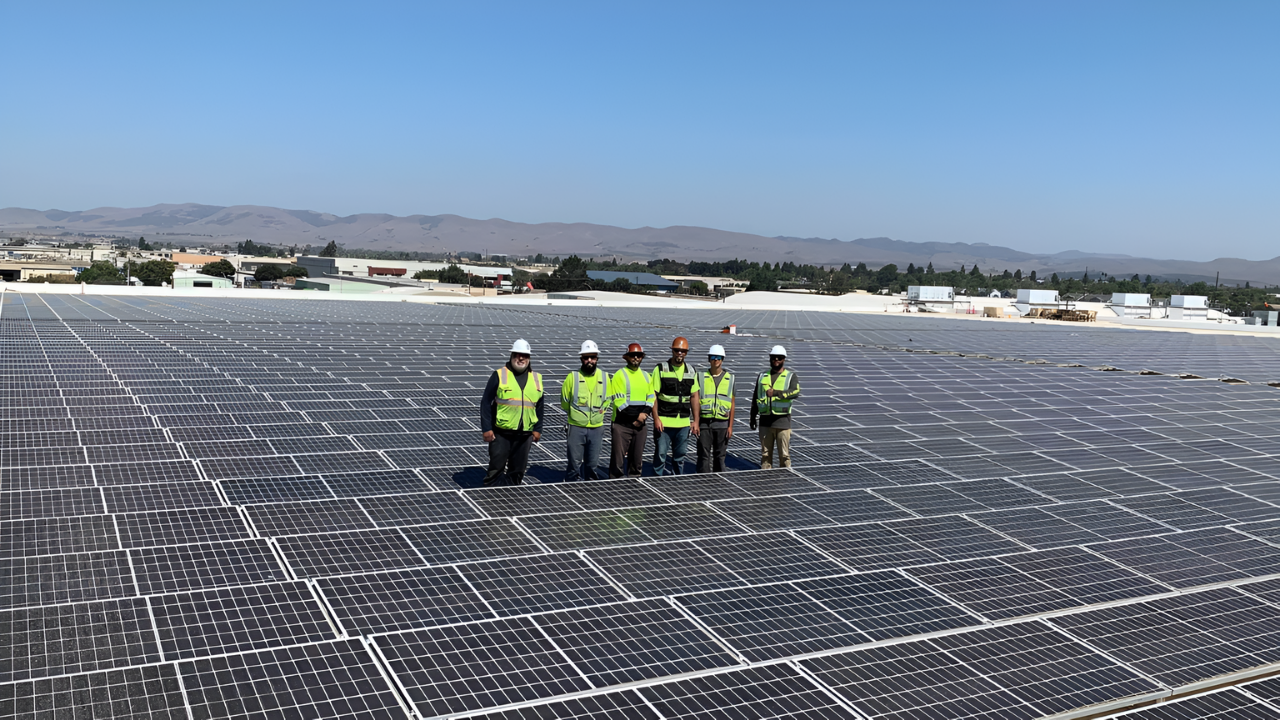
August 2023. ERCOT operators watched demand hit 85.5 gigawatts—catastrophic failure territory. Millions of Texans faced rolling blackouts. Texas dangled on a knife’s edge. Now, nearly two years later, Enel North America flipped the switch on its largest U.S. power plant: a 911 megawatt energy fortress in Wharton County.
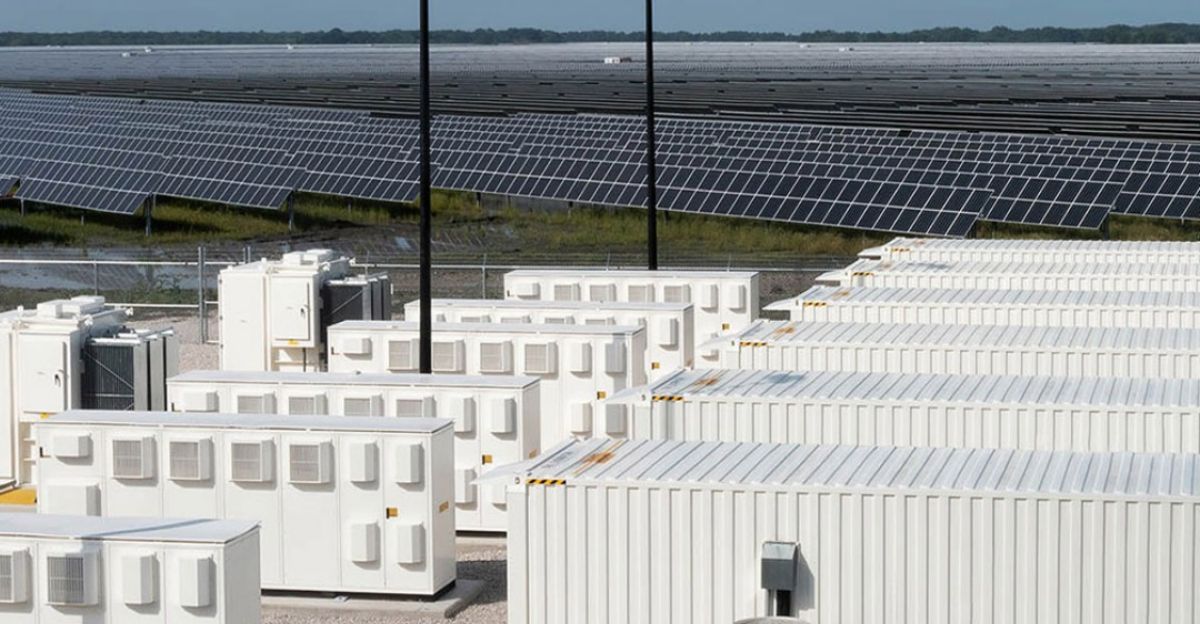
It’s not just solar panels. It’s 556 MW of solar power plus 355 MW of battery storage, a digital heartbeat that converts sunshine into nighttime power.
Why One Texas County Holds America’s Energy Future

Texas added 500,000 residents in 2024 alone. Data centers gorge on electricity relentlessly, adding 25 gigawatts of new demand. ERCOT warned that peak demand between 6 and 9 p.m.—when solar generation typically collapses—poses the maximum risk of grid failure. Traditional power plants can’t ramp up fast enough. Batteries can.
Enel deployed surgical precision: anchor dispatchable power where transmission networks bottleneck. Wharton County threads this needle perfectly, stabilizing voltage during grid stress events that nearly plunged Texas into darkness eighteen months ago.
Enough Clean Power for 200,000 Texas Homes
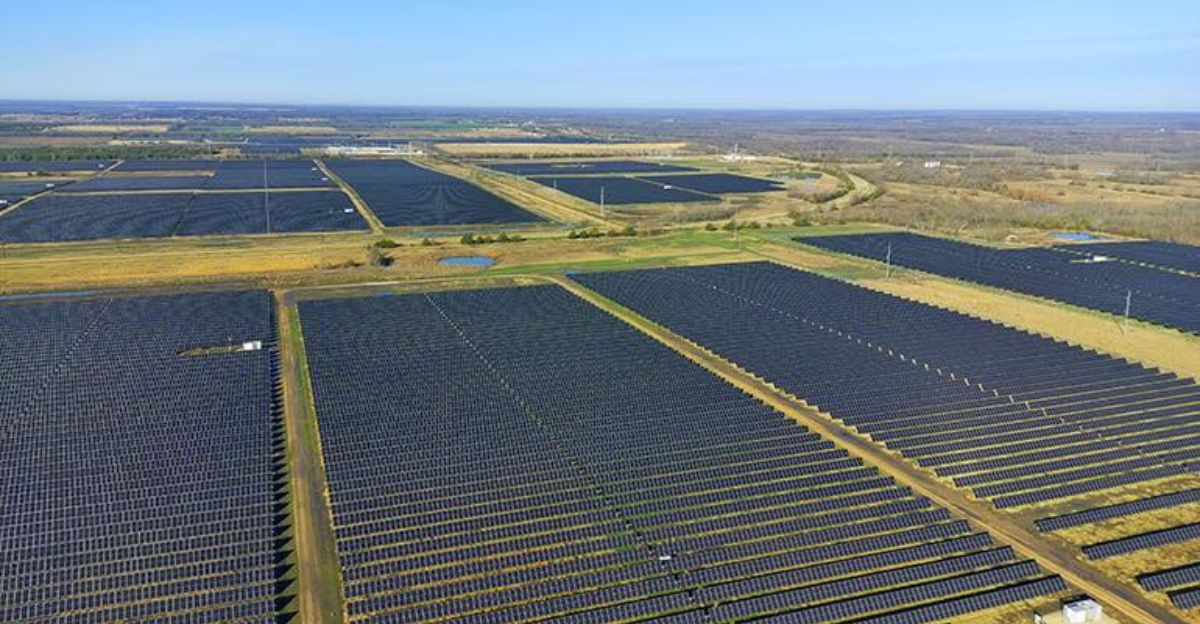
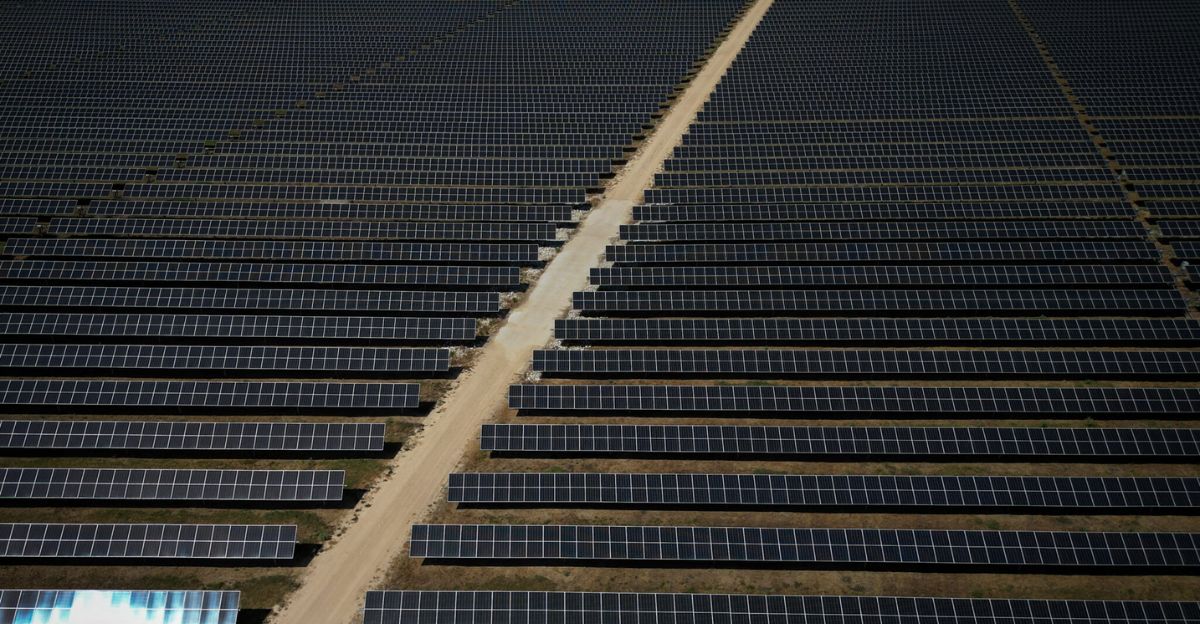
GulfStar’s combined capacity dwarfs any prior Texas solar installation. The 556 MWdc solar array converts sunlight into 450 MWac during daylight; the co-located 355 MWdc battery absorbs and re-dispatches energy after sunset or during demand spikes.
This single facility rivals mid-sized natural gas plants, proving that renewable-plus-storage hybrids compete on scale. Texas’s grid operator now possesses predictable, dispatchable clean power exactly when extreme weather demands it most.
How GulfStar Keeps Lights On
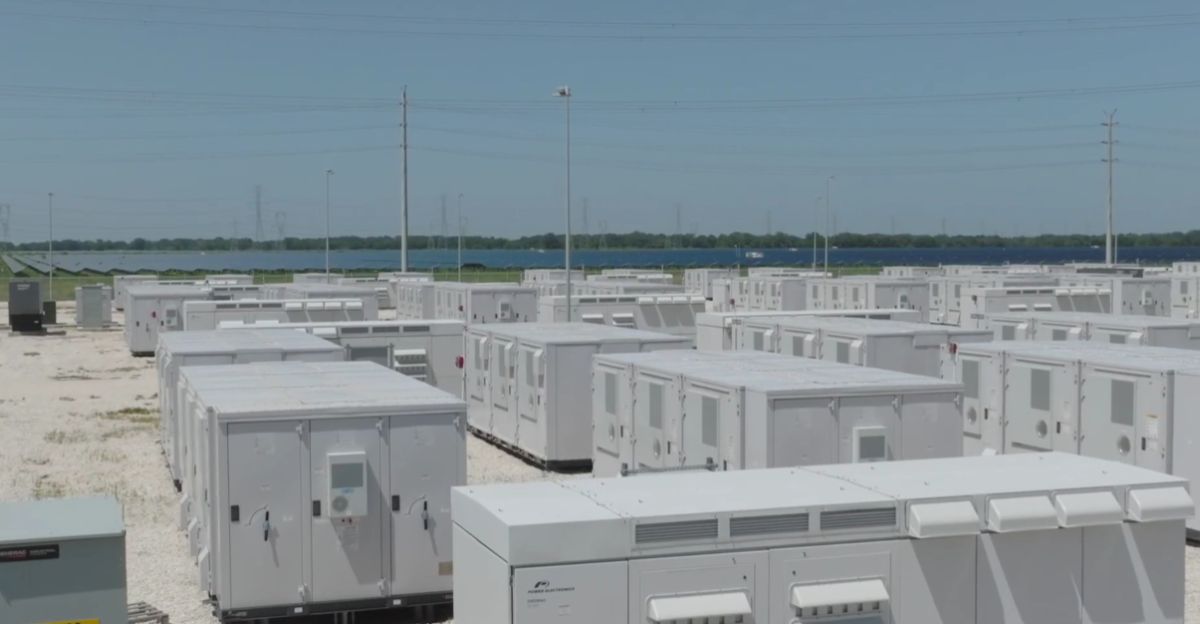
Solar’s fatal flaw: zero nighttime power. GulfStar’s 355 MWdc battery addresses this issue via lithium-ion chemistry, storing midday surpluses and releasing them during evening and morning peaks. ERCOT’s most vulnerable hours occur from 6 to 9 p.m., when demand spikes but solar energy is at rest.
According to ERCOT’s reliability assessment, battery-backed solar reduces emergency probability by 30–35% during extreme winters versus renewable-only portfolios. GulfStar flattens the duck curve—smoothing load swings that challenge operators during rapid weather transitions.
Enel Vaults to America’s #3 Battery Storage Operator
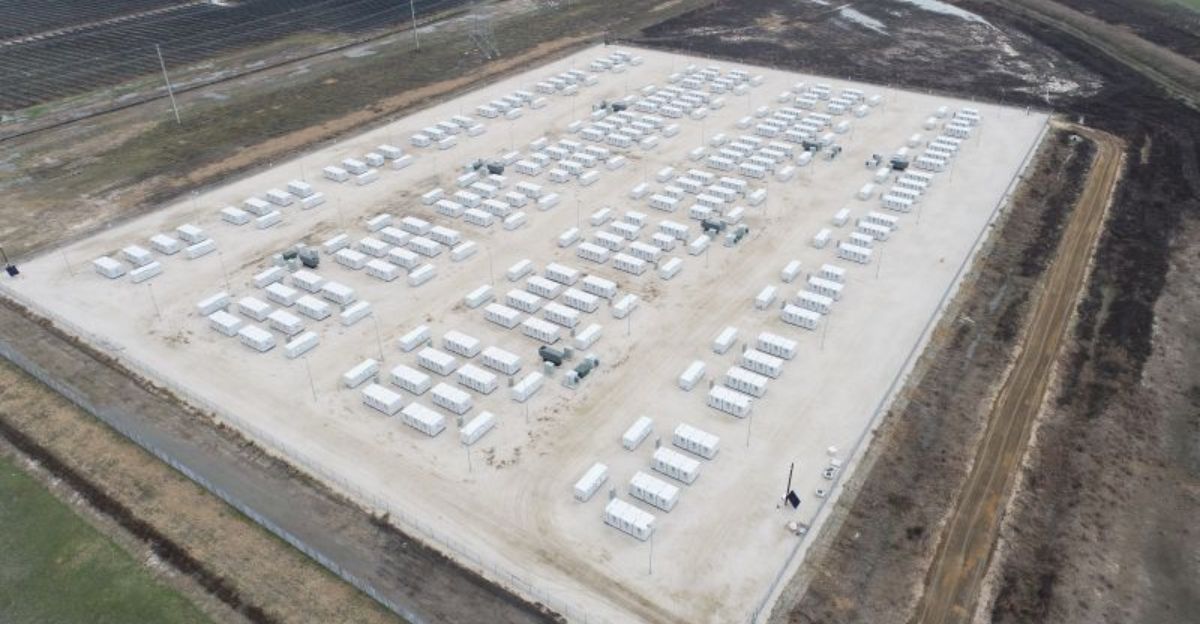
When Photo by Enel North America on YouTube reached commercial operation, Enel crossed a historic threshold. S&P Global ranked Enel as the third-largest U.S. battery storage operator, with a capacity of over 1.25 gigawatts across 14 utility-scale systems nationwide. NextEra Energy operates approximately 3.8 GW of battery storage capacity; ENGIE North America operates 1.8 GW.
Enel’s ascent signals a permanent structural shift: corporate renewable giants now outpace traditional utilities in grid modernization. For Americans concerned about blackouts and climate chaos, corporate capital—not politics—holds the key to solving the problem.
ERCOT Region Won. California Lost. Here’s Why.
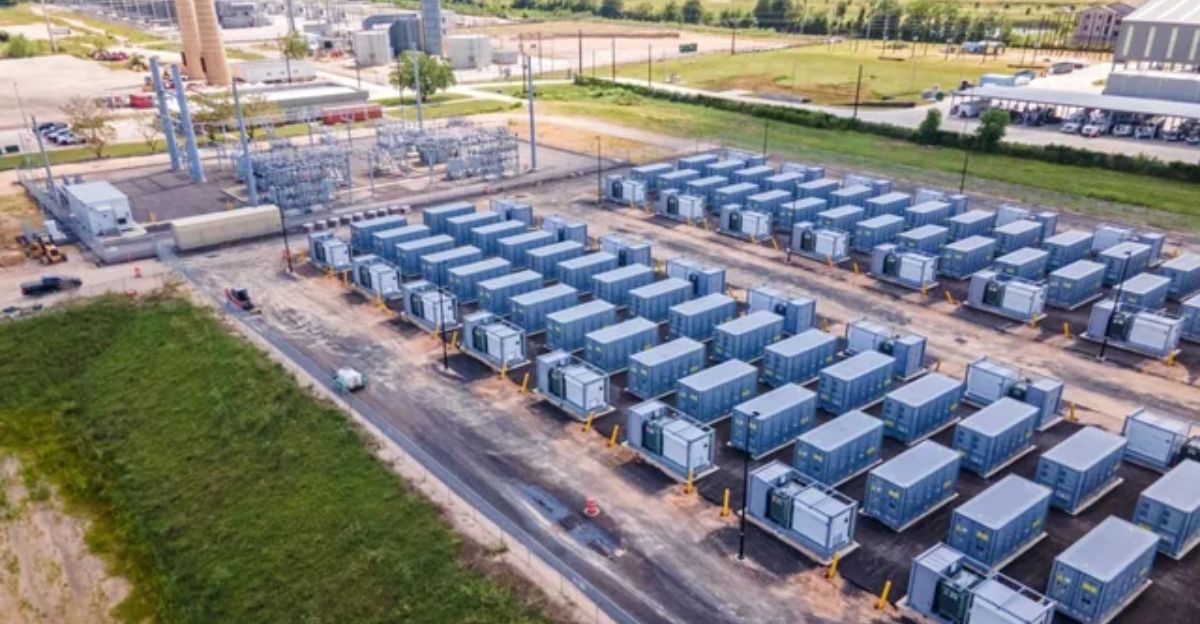
In Q2 2025, ERCOT deployed more battery storage than California’s grid for the first time in history. ERCOT commands 14.173 GW versus CAISO’s 12.419 GW. Texas added 51.5% of all U.S. quarterly battery capacity in Q2 2025 alone. Speed matters: faster time-to-market means higher revenue capture before storage saturation.
Texas’s business-friendly permitting, low land costs, and deregulated markets accelerated GulfStar and over 50 peer projects through their development cycles. Texas—not California—is becoming America’s epicenter for battery storage.
Grid Operators’ $200 Billion Problem
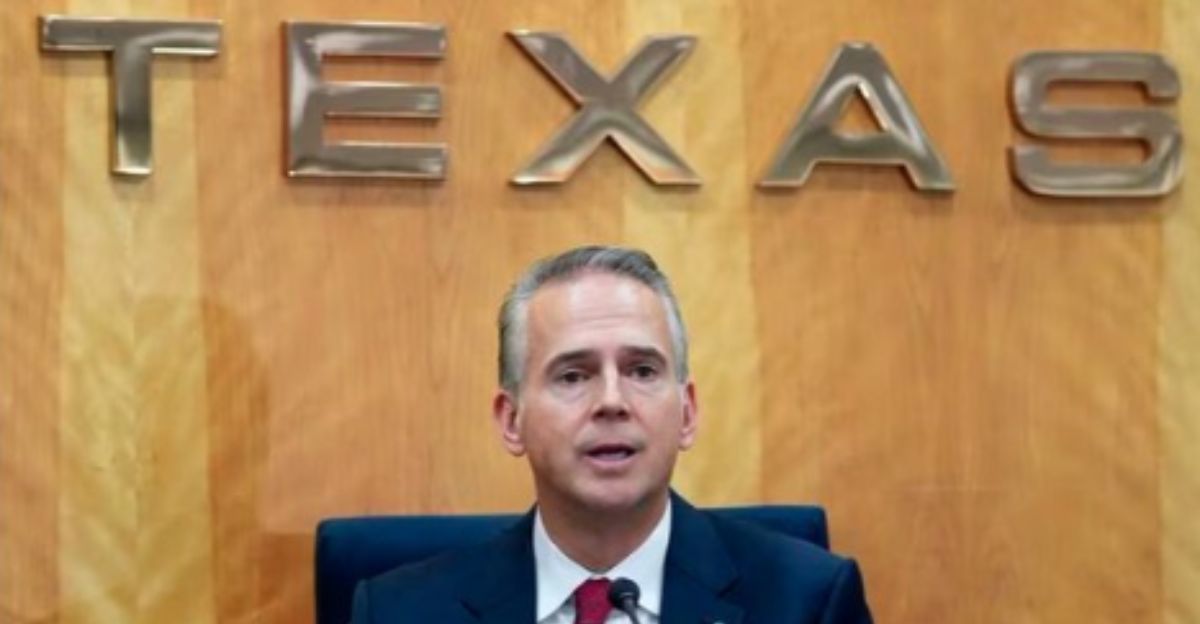
ERCOT CEO Pablo Vegas stated plainly that adding 3,821 megawatts of battery capacity—with GulfStar as the centerpiece—reduced the summer blackout risk from 16% to less than 1%. That’s 94% risk reduction through one technology deployment.
GulfStar alone represents 9.3% of the new battery capacity Texas deployed in a single year. One facility. One technology. One year. Prevented a regional catastrophe affecting 21.4 million people. The electricity equation fundamentally changed.
$200 Million Economic Windfall
During construction, GulfStar employed over 1,200 workers across manufacturing, installation, and logistics. Long-term wealth flows differently: the facility generates over $200 million in local tax revenues and landowner income over its operational lifetime. For Wharton County, historically dependent on fossil fuels and agriculture, this represents a genuine economic transformation.
Permanent operations & maintenance posts anchor skilled careers. Lease revenues flow to landowners year after year—tax payments fund schools and infrastructure.
The Agrivoltaic Revolution
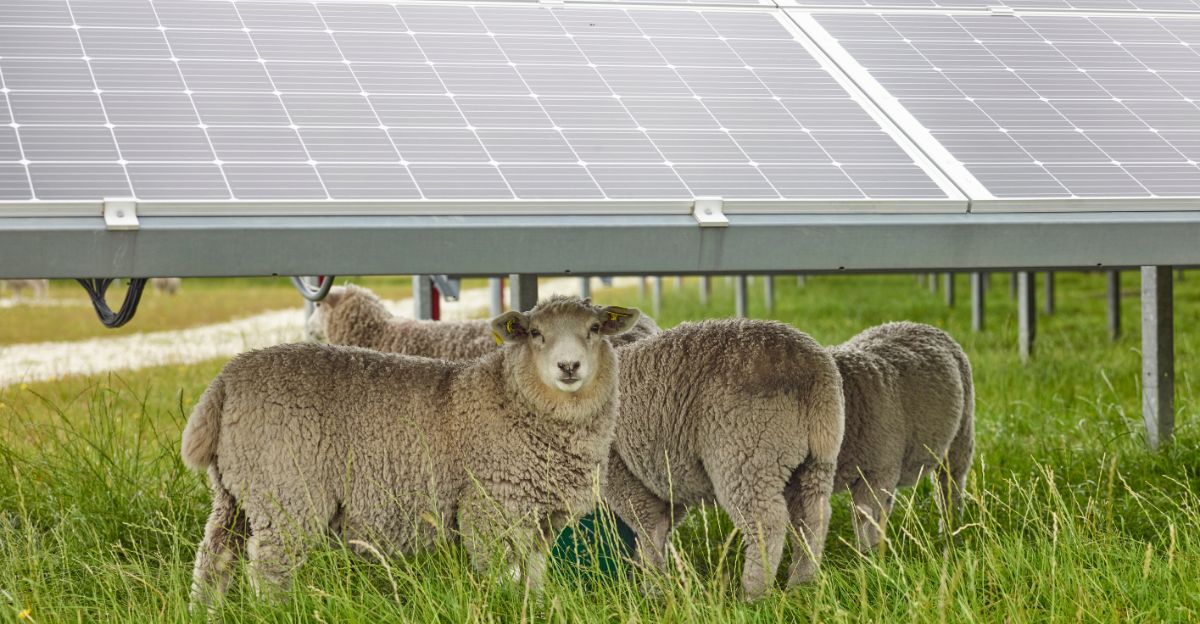
Beneath GulfStar’s solar panels, 6,000 sheep graze, maintaining the vegetation while preventing the need for mechanical mowing. Sheep hooves aerate soil; manure deposits nitrogen—free fertilizer, replacing chemical inputs. Texas Solar Sheep Co. maintains flocks; local ranchers gain seasonal income; Enel cuts operations costs.
The largest solar grazing agreement in U.S. history marks a significant milestone in the evolution of renewable infrastructure, transitioning from energy boxes to multifaceted land stewardship platforms. For rural communities, that’s economic dignity restored.
Industry Benchmarks Versus Enel’s Strategy
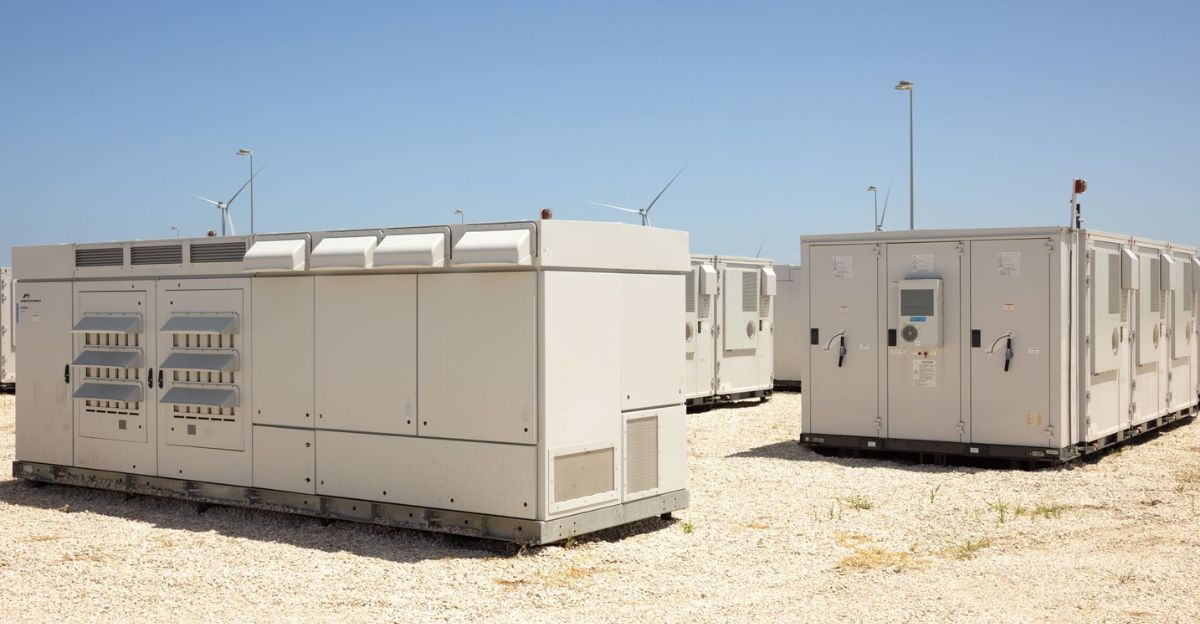
Industry benchmarks indicate that hybrid solar-plus-storage projects cost approximately $1.50–$2.50 per watt of combined capacity, encompassing development, permitting, construction, and commissioning. Applied to GulfStar’s 911 MWdc, this suggests an estimated capital expenditure range of $1.37 billion to $2.28 billion. Enel has not officially disclosed the exact investment amount from GulfStar.
Why invest heavily in hybrid systems? Federal Inflation Reduction Act tax credits support renewables through 2034. ERCOT explicitly relies on battery storage as a reliability hedge. For shareholders, hybrid solar-plus-battery validates profitability via long-term PPAs
Enel’s 11 GW Renewable Empire
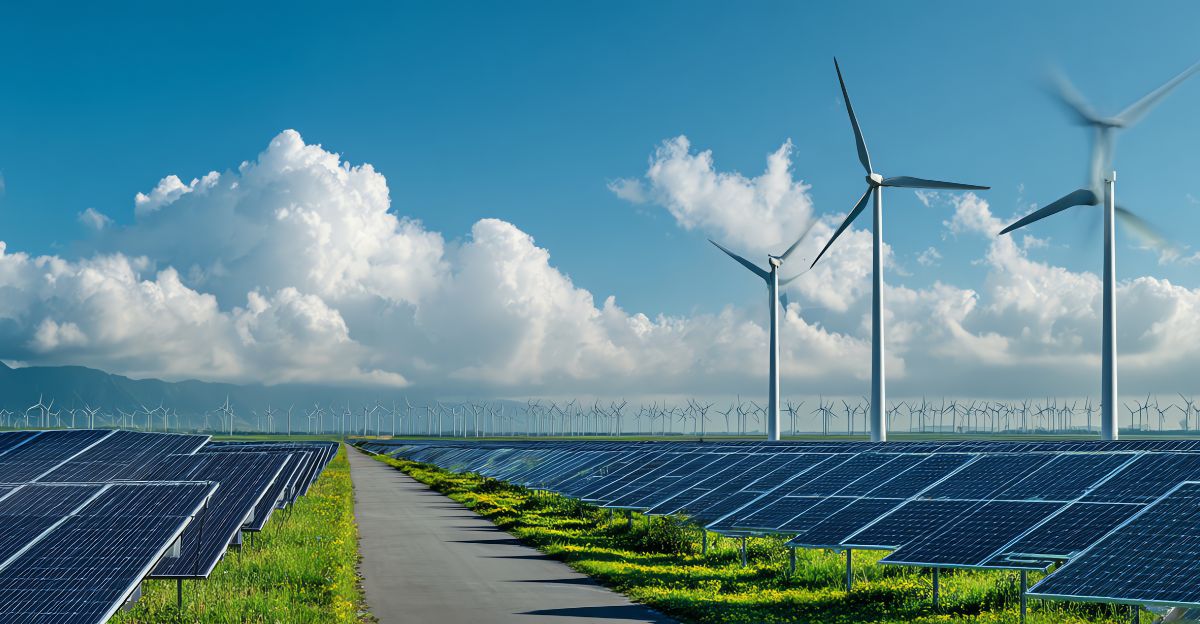
GulfStar crowns Enel’s North American dominance: over 11 gigawatts of installed wind and solar capacity across the U.S. and Canada. The company operates 64 renewable power plants across 14 states and one Canadian province—a top-five North American leader in renewables by installed capacity. Enel has locked in over 100 power purchase agreements with utilities and corporate giants.
The 32 GW development pipeline—with a strong concentration in Texas and Colorado—signals confidence in the continued compelling nature of hybrid solar-plus-battery economics through 2028.
Powering 21.4 Million Texans Through Extreme Heat

Peak summer demand in August 2025 reached 85,759 megawatts, the highest on record. That represents power for 21.4 million Texas homes during simultaneous air conditioner operation. Without the addition of 3,821 megawatts of battery storage since 2024—with GulfStar as the centerpiece—ERCOT faced emergency conditions. Instead, blackout risk dropped to less than 1%.
GulfStar alone represents 9.3% of the new battery capacity Texas deployed. One facility prevented a catastrophe that would have affected tens of millions.
CO₂ Avoided: How Much Clean Energy Matters
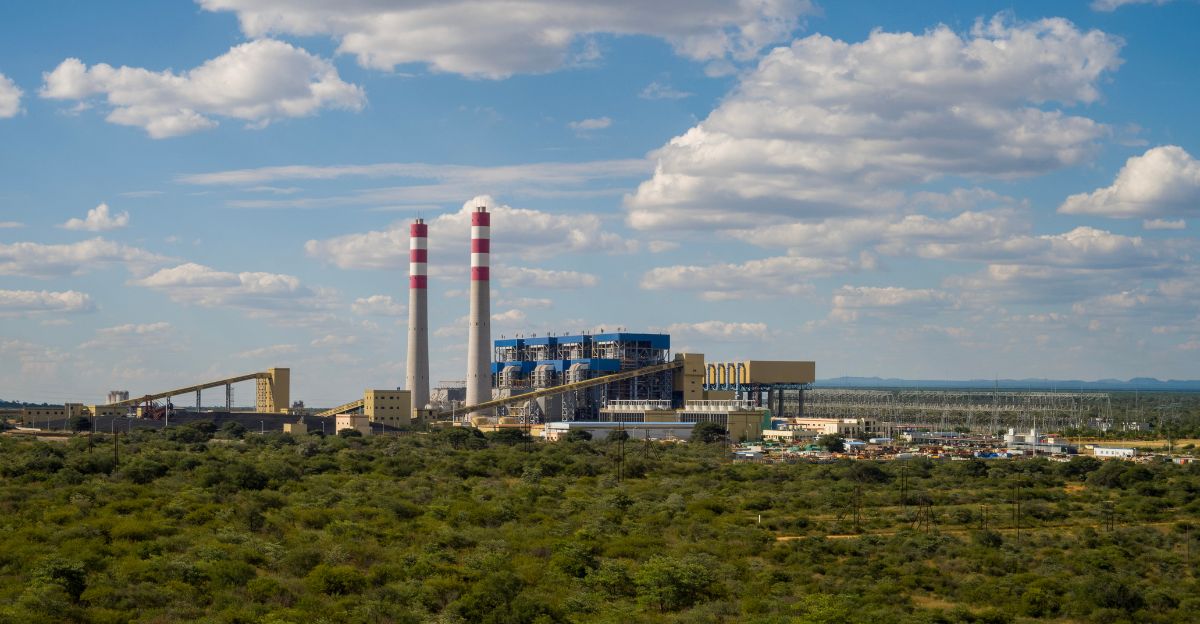
GulfStar’s 556 MWdc solar facility generates approximately 1.4 million megawatt-hours annually at approximately 2,500 peak sun hours, typical for Texas. Using EPA grid-average displacement methodology (~0.5 metric tons CO₂ per MWh), this displaces roughly 700,000 metric tons of CO₂ annually.
Over 30 years, GulfStar erases approximately 21 million metric tons—equivalent to taking 4.5 million cars off roads for one year. This calculation assumes full solar generation and standard EPA displacement factors.
Can Batteries Survive Multi-Day Extreme Weather?
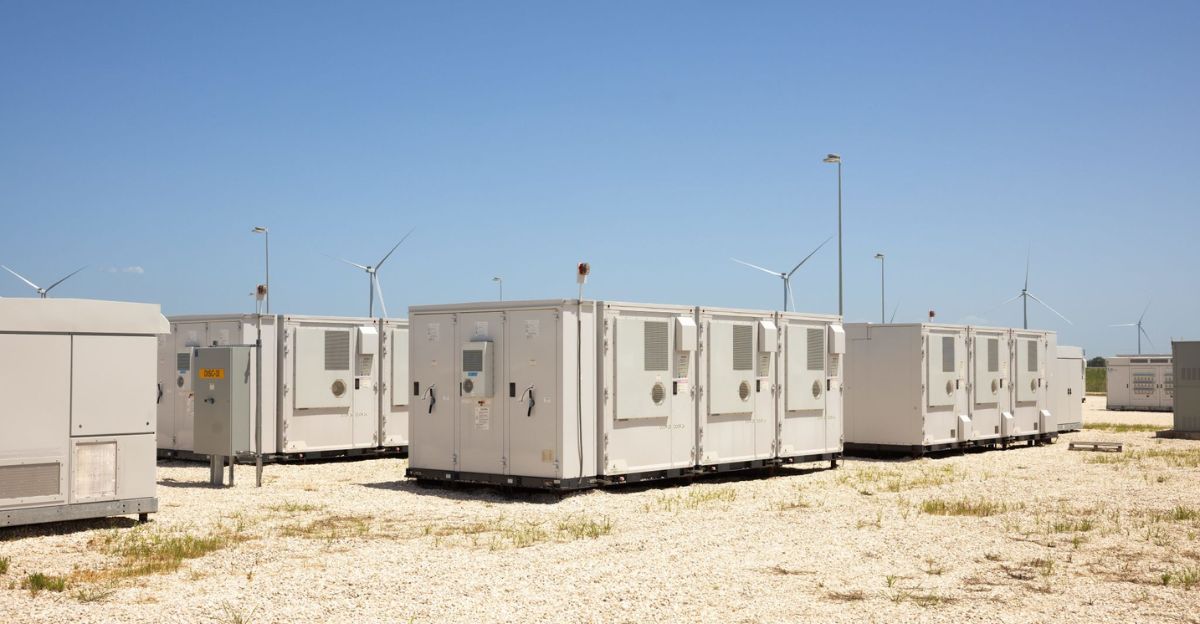
Real-world battery tests remain limited. They performed admirably in California, Australia, and Europe during peak-demand hours. Their durability under sustained multi-day extreme weather remains partly unproven at a massive scale. A 355 MW battery stores roughly 1,400 MWh at four-hour duration, dispatching continuous power for approximately 1.6 days if fully charged.
ERCOT models assume batteries participate in multiple revenue streams—arbitrage, frequency regulation, voltage support—diluting emergency backup capacity. GulfStar’s true test arrives during the next polar vortex.
Enel’s Italian Playbook
Enel, headquartered in Rome, orchestrated an audacious expansion of renewable energy on U.S. soil. By leveraging Italian engineering expertise, European capital markets, and long-term PPA experience, Enel has positioned itself as one of America’s top five renewables operators in under a decade.
GulfStar exemplifies this global-to-local playbook: Italian management and European balance-sheet strength combined with Texas land, labor, and market knowledge.
Google and Meta In on Corporate Renewables

Google, Meta, and Amazon have collectively signed over 50 renewable power purchase agreements with North American operators, including Enel. Why? Corporate ESG commitments demand decarbonization proof by 2030. Hyperscale data centers consume power equivalent to small countries.
PPA commitments allow these corporations to meet climate targets while securing long-term pricing stability in volatile markets. GulfStar’s existence depends on corporate demand. Its profitability relies on aligning economic incentives to reshape American infrastructure.
Enel’s Three-Year Plan to Reshape North America
GulfStar is operationally one piece of Enel’s aggressive expansion, targeting 11 GW of new renewable energy delivery, along with aggressive battery growth. Additional hybrid projects—Azure Sky, Roseland, Stampede, and Fortress (Colorado)—are under construction or advanced development.
The 32 GW development pipeline signals confidence that hybrid solar-plus-battery economics remain compelling, corporate PPA demand remains robust, and federal tax incentives survive through 2028.
Extreme Weather is the New Normal

Texas’s past three summers have ranked among the six hottest on record, dating back to 1895. 2023 was second-hottest; 2022 third; 2024 sixth. Climate experts predict that 2025 will be among the top ten hottest years in history. ERCOT now assumes that summer peak demand will consistently exceed 85 gigawatts through the 2030s.
This isn’t a temporary crisis—it’s a permanent shift in the baseline. Enel’s bet wasn’t on weather normalizing. It was in a state of permanent chaos, requiring permanent storage infrastructure.
Will GulfStar Prevent the Next Catastrophe—Or Just Delay It?
Skeptics argue a single 355 MW battery cannot shield Texas from catastrophe during polar vortex or heat dome. They’re right. ERCOT modeling shows that the emergency probability drops from 62% to 35% if sufficient storage is deployed system-wide, rather than at a single site.
GulfStar’s placement matters enormously: Wharton County anchors transmission zones where battery dispatch prevents thermal overloads. Enel’s 14 BESS systems total 1.25 GW; combined with those of competitors, which amount to 14.173 GW, battery storage is the most cost-effective reliability backstop for the next five years.
America’s Energy Future
GulfStar represents an inflection point when hybrid solar-plus-battery systems achieved scale, affordability, and grid value simultaneously. Completion in November 2025 occurred amid a surge in corporate renewable procurement, momentum for federal tax credits, and acute crises on the Texas grid.
For Enel, it validates the business model defining corporate renewables for the next decade. For Texas, technology and capital can solve reliability faster than politics. For climate advocates, gigawatt-scale clean deployment is economically viable and necessary. GulfStar is prophecy—showing what comes when profit aligns with atmospheric survival.