
On the night of November 10, 2025, Ukrainian Special Operations Forces struck the Gvardeyskoye oil depot in occupied Crimea. This marked the third successful attack on the same facility in less than a month, highlighting Ukraine’s ability to strike deep into Russian-occupied territory.
The official SOF statement confirmed: “The SOF drones hit a pumping station on the territory of the oil depot. This is the third successful strike by the Special Operations Forces in less than a month.” The pattern suggests that Russia struggles to repair its infrastructure fast enough to prevent repeated attacks.
What’s Behind Ukraine’s Oil Targeting?

Ukraine focuses on oil and gas facilities because they fund Russia’s war effort. SBU Chief Vasyl Maliuk noted in October 2025 that oil and gas make up nearly 90% of Moscow’s defense budget and around 50% of state revenues.
By targeting depots and supply lines, Ukraine disrupts military logistics and export income. Nearly 160 successful strikes occurred in 2025 alone, including at least 21 of Russia’s 38 largest refineries. However, the next slide shows the specific vulnerability of Gvardeyskoye.
Gvardeyskoye: A Repeat Target
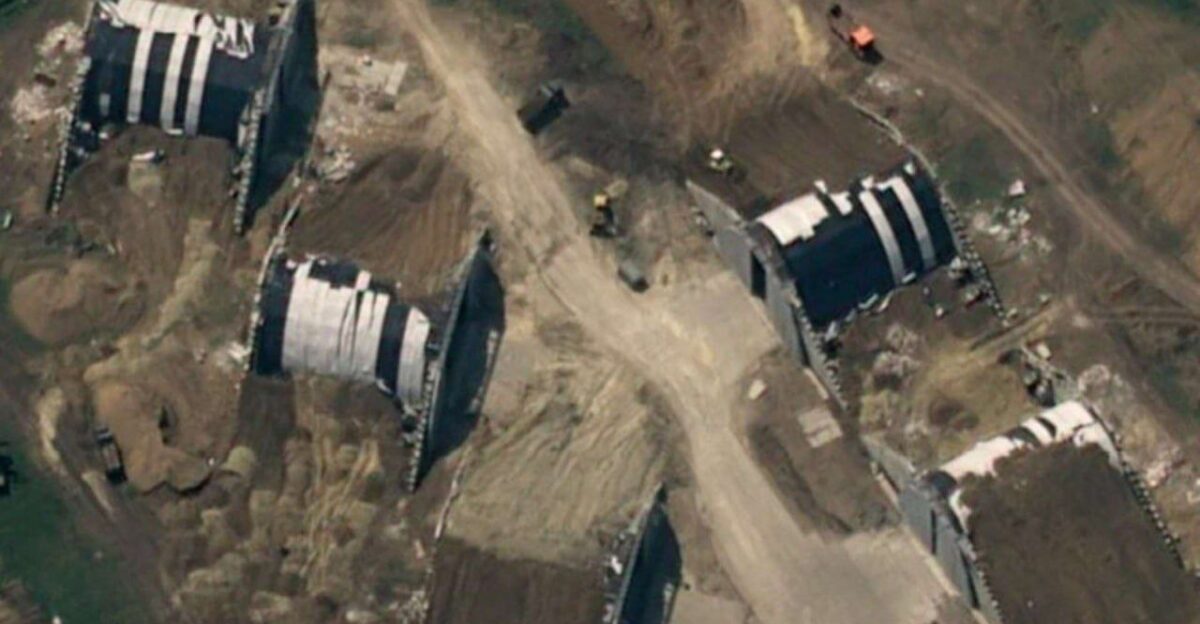
The November 10 strike came just 23 days after an October 17 attack on Gvardeyskoye. Satellite monitoring recorded fires reigniting even after repairs, showing Russia cannot restore the facility fast enough to prevent repeated strikes.
This depot likely fuels Russian operations in Crimea, making it a high-priority target. But why is it so exposed? The answer lies in the collapse of air defenses across the region.
Russian Air Defenses Under Pressure
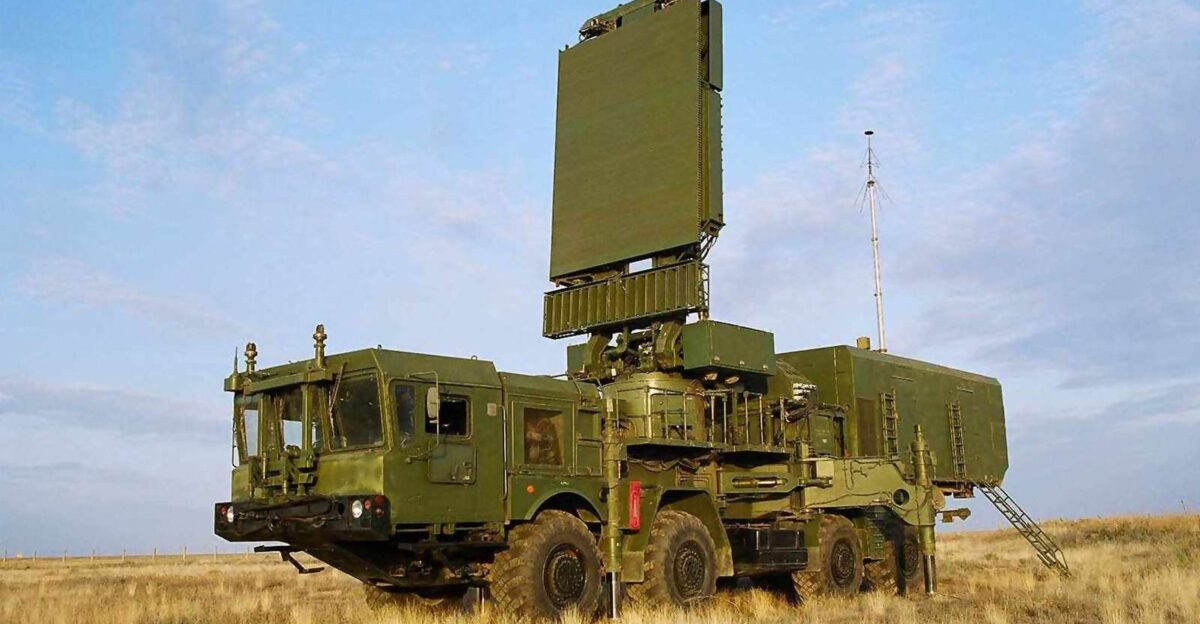
Between October and November this year, Ukraine destroyed key Crimean radar systems, including a 92N6E S-400 radar and the associated command post power supply. The SOF explained: “Without the observation and guidance element, the entire system loses its combat capability.”
With radars offline, Russia faces gaps or must redeploy units, weakening air defense elsewhere. The next slide examines the discrepancy between Russian claims and the reality on the battlefield.
Russia’s Claims vs. Reality
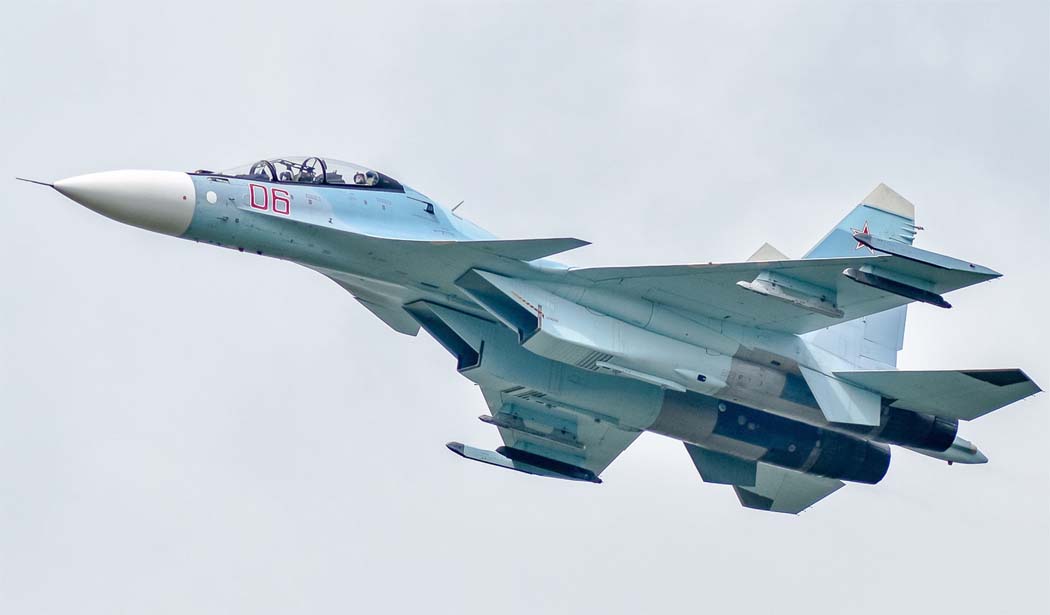
Russia claimed its defenses shot down 10 Ukrainian drones over Crimea on November 9-10, but the Gvardeyskoye depot still caught fire. Earlier, Russia mistakenly downed its own Su-30SM while countering drones.
This raises questions about the accuracy of air defense. Either drone losses are overstated, or some attacks succeed. The next concern is how these gaps affect Russian fuel exports.
Energy Sector Hit Hard

Russian oil exports decreased by 17.1% in September 2025 compared to August, totaling 7.58 million tons, with further declines expected in October. Domestic supply shortages reached roughly 20%, prompting rationing and export limits.
President Donald Trump announced further sanctions on Rosneft and Lukoil, effective November 21, which will increase export pressure. This strain shows how deeply Ukraine’s energy strikes have begun affecting Moscow’s economy.
Daily Life in Crisis
Residents and workers face immediate hardships. Petrol stations ration fuel to 20-30 liters per customer, and explosions at Gvardeyskoye lit the night sky on November 10.
Transportation has slowed, businesses are struggling, and communities are relying on fuel-sharing. These human impacts reveal the tangible cost of energy warfare. Yet Russian military responses continue to escalate.
Russian Military Pushback

Moscow claims to intercept dozens of drones and calls strikes “terrorism,” while bloggers warn of “unacceptable vulnerabilities.” Yet no successful interdiction of Ukrainian domestic drone production has occurred.
Sanctions further strain resources. Russia diverts attention to air defenses rather than repairing critical oil facilities, leaving infrastructure exposed to future attacks.
Economic Consequences Mount

Ukraine estimates the damage to Russian oil infrastructure at $74.1 billion, which is roughly 4.11% of Russia’s annual GDP. Fuel exports fell sharply, affecting military funding and domestic logistics.
Russia’s capacity to produce weapons and fuel is compromised. With repair delays and ongoing strikes, the energy crisis risks long-term structural damage, not just temporary disruption.
Coping With Fuel Shortages

Communities in Crimea and southern Russia have adapted their daily lives to cope with fuel scarcity. Public transport usage has increased, while vehicle travel is limited.
Businesses reorganize logistics and production, delaying expansion or relocating operations. The impact on civilian sectors demonstrates how energy scarcity reshapes regular economic activity.
Environmental and Ethical Concerns

Oil depot fires generate toxic smoke, harming air quality and posing a risk to water contamination. Satellite imagery confirms widespread pollution visible for tens of kilometers.
Debate arises over targeting dual-use infrastructure. Advocates highlight the military necessity, while critics emphasize the harm to civilians. How this fits Ukraine’s broader strategy is the next focus.
Ukraine’s Strategic Shift

Ukraine increasingly targets deep infrastructure rather than frontline positions. Domestic drones, produced at a 95% local capacity, support prolonged strikes.
Observers see growing military sophistication and resolve, with a calculated strategy of economic attrition. However, analysts caution about the potential escalation’s impact on civilians and regional stability.
Winners and Losers

Alternative fuel suppliers and logistics firms benefit from the disruption of Russian supply chains. Iran, China, and Venezuela increase exports.
Conversely, Russian oil firms suffer a loss of production and reputation, while consumers in affected areas face higher prices. Military logistics suffer. The ripple effects reveal a changing regional economic balance.
Market Volatility Intensifies

Energy markets remain unpredictable as strikes continue. Gasoline prices rise regionally, with futures contracts factoring in uncertainty premiums.
Investors debate whether Russian oil companies are undervalued bargains or long-term traps. Consumers in impacted regions must prepare for extended shortages rather than short-term disruptions.
Strategic Turning Point

Ukraine’s energy campaign marks a decisive shift. With 160 strikes in 2025, 38% of refining capacity offline, and an estimated $74.1 billion in losses, Russia faces a multi-front resource crisis.
Repeat strikes at Gvardeyskoye and expanding domestic drone production suggest future targeting of remaining refineries and Arctic platforms, potentially forcing Moscow toward negotiation or economic exhaustion.