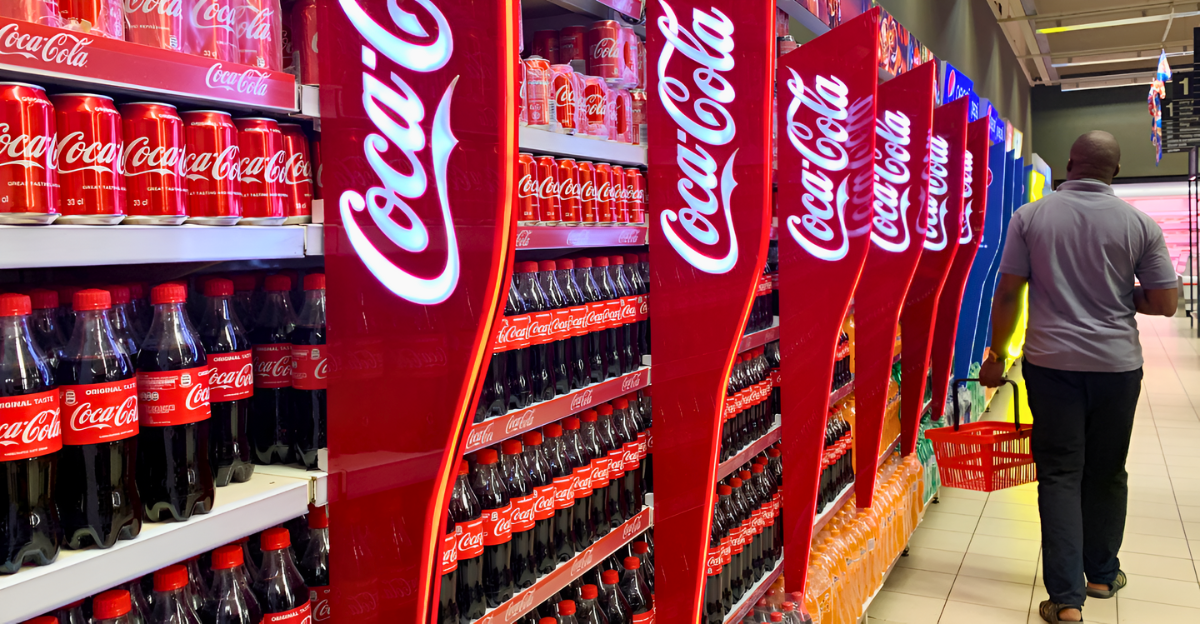
Coca-Cola’s upcoming fall 2025 launch of a cane sugar cola marks a pivotal moment for America’s beverage industry. This significant switch from high-fructose corn syrup to cane sugar reflects consumers’ changing tastes and preferences.
“People are more conscious about what they’re drinking,” says a local farmer from Louisiana. Early analysts predict that this shift could have far-reaching implications for Coca-Cola, U.S. agriculture, and the beverage market. As this iconic brand repositions itself, it sets the stage for transforming how soft drinks are perceived and produced nationwide.
Rising Stakes

The implications of Coca-Cola’s move extend beyond soda: up to $3.5 billion in annual economic benefits is anticipated for sugarcane-producing states. While local farmers are excited about potential growth, debates are heating up among agricultural stakeholders.
“Every opportunity we get to grow the market helps us all,” says a Florida sugarcane grower. Yet, questions abound: can this one company’s shift lead to sustained economic prosperity for the industry? The uncertainty leaves farmers, processors, and policymakers pondering whether this newfound momentum will translate into lasting success or be a temporary spike.
Roots of the Industry
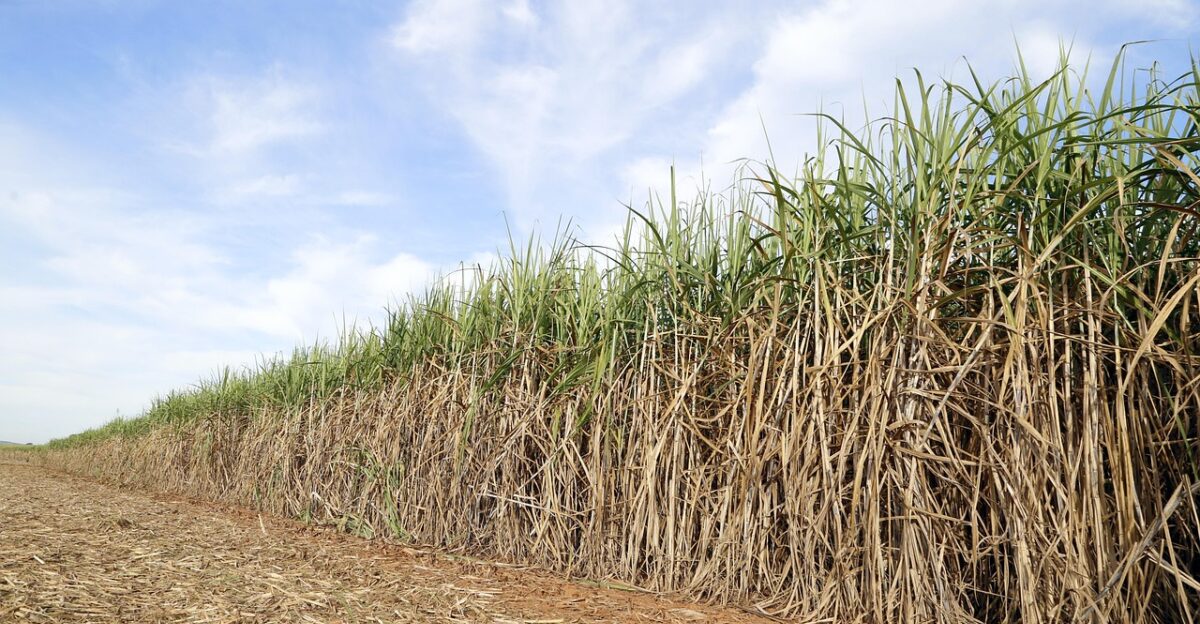
Sugarcane farming has been integral to the U.S. agricultural landscape, with Florida and Louisiana leading players in sugar production. For generations, these states have cultivated cane sugar, fueling local economies.
“It’s not just a crop; it’s a way of life for many families,” reflects an LSU AgCenter economist. Unfortunately, once a contender in sugar production, Texas has seen a decline, closing its last cane processor in 2024. This shift highlights not only the evolution of the industry but also the need for continued adaptation to shifting market demands.
Pressing Change
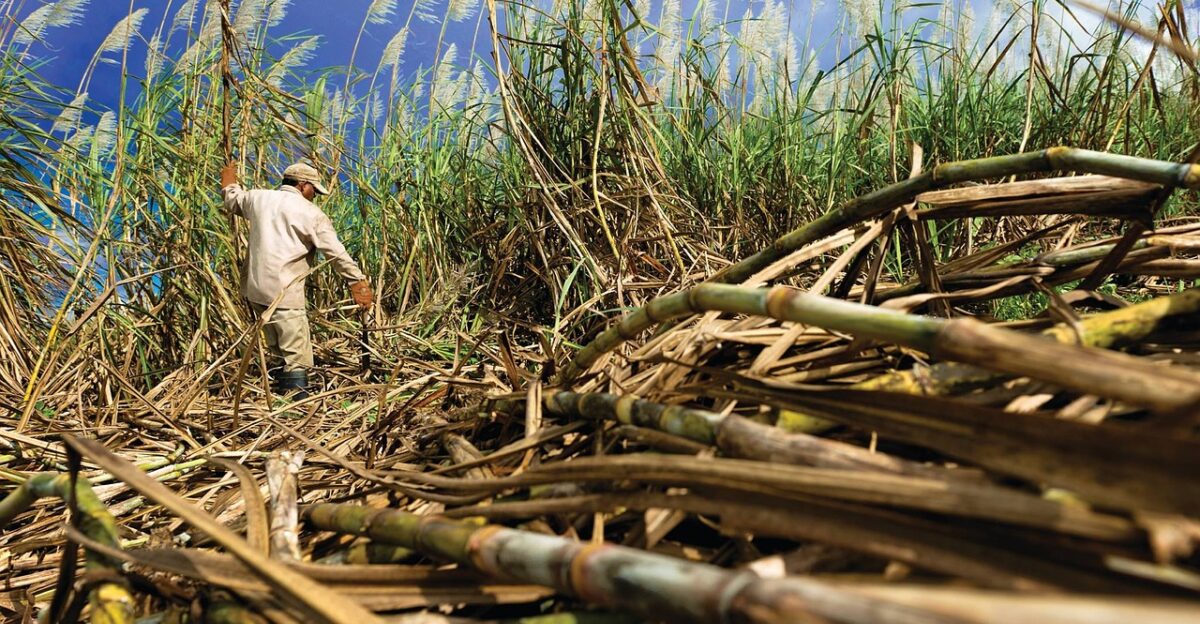
With rising consumer awareness concerning health, beverage companies are feeling increased pressure to shift away from high-fructose corn syrup. The call for more natural sweeteners is echoed by an awakening consumer base. A recent survey indicated that 70% of young Americans prefer drinks made with natural ingredients.
“As consumers, we deserve transparency and healthier options,” shares a health-conscious customer. This growing scrutiny from consumers and regulatory bodies has forced industry giants, including Coca-Cola, to rethink their production methods and ingredient sourcing, ushering in a new era of beverage formulation.
The Big Reveal
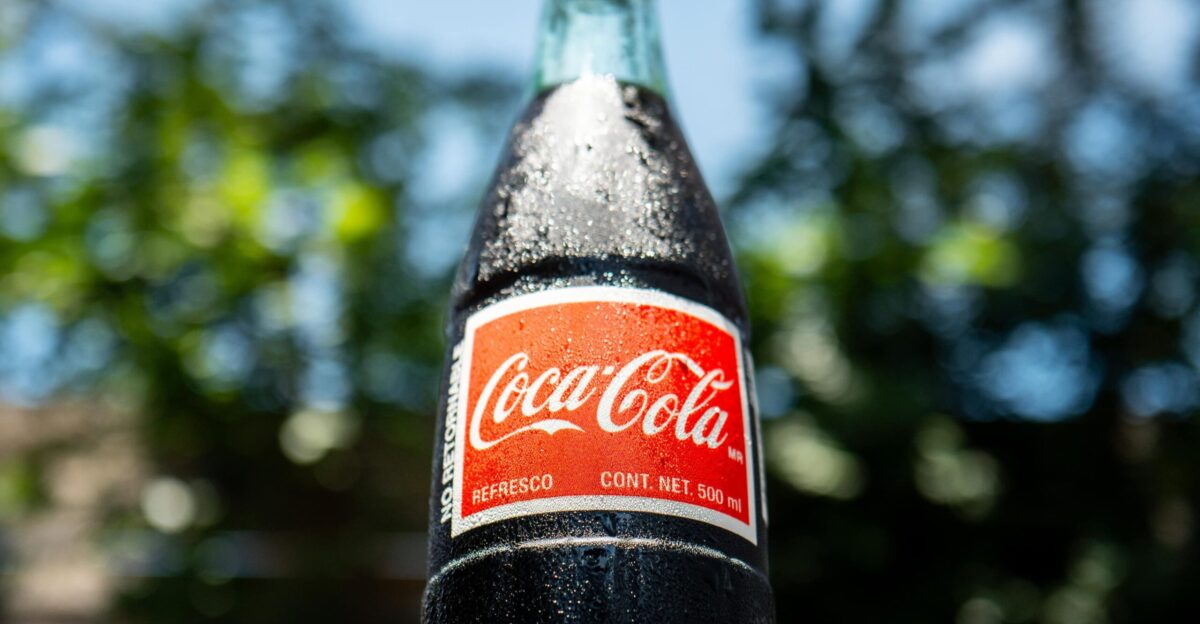
In July 2025, Coca-Cola officially announced its new line of U.S.-grown cane sugar–sweetened cola, generating considerable media buzz and excitement in agricultural circles. This move was celebrated as a turning point for the beverage industry, highlighting the potential for a major procurement shift.
“This is a huge win for local farmers who have long sought a way to reinvigorate their markets,” says a Florida farmer. The White House and agricultural leaders have praised this initiative, viewing it as an opportunity to support domestic production while catering to changing consumer preferences.
Local Benefits
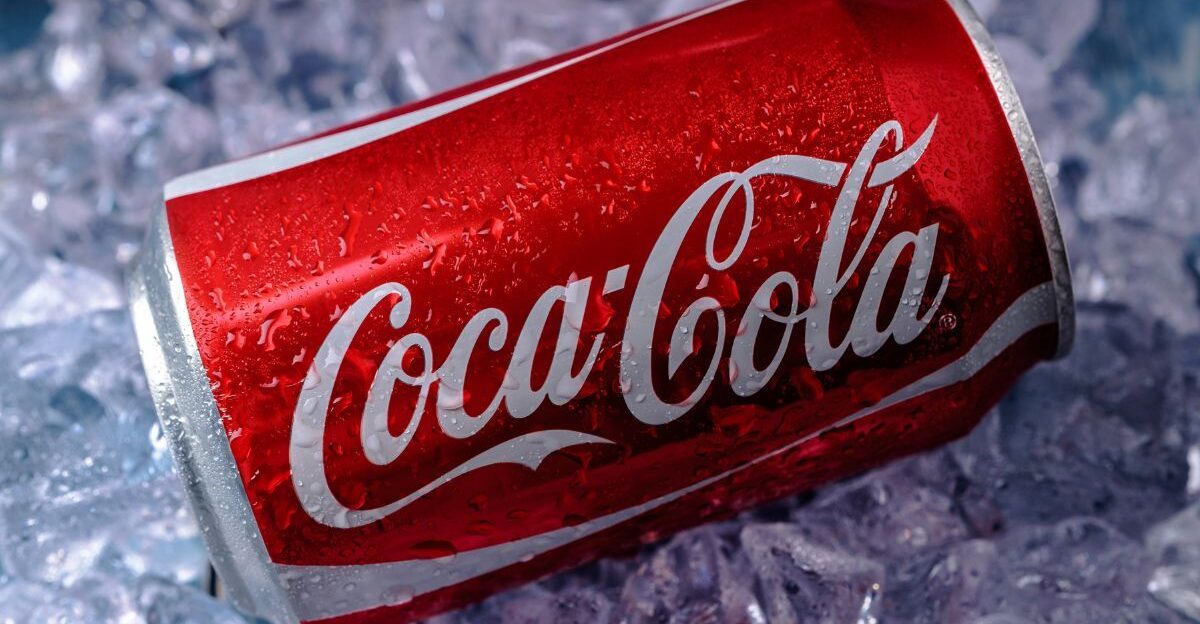
As the leading sugarcane producer, Florida stands to gain the most from Coca-Cola’s cola debut. With numerous farms near Lake Okeechobee, the state’s infrastructure is poised to meet the anticipated rise in demand for cane sugar.
“Our fields are ready for harvest; we just need the contracts,” notes a local grower. This realignment in sourcing has generated optimism among Florida farmers, who hope that increased demand at national levels will translate to job growth and enhanced economic stability in their communities. It marks a unique moment where local agriculture can directly benefit from corporate strategy.
Optimism in Louisiana
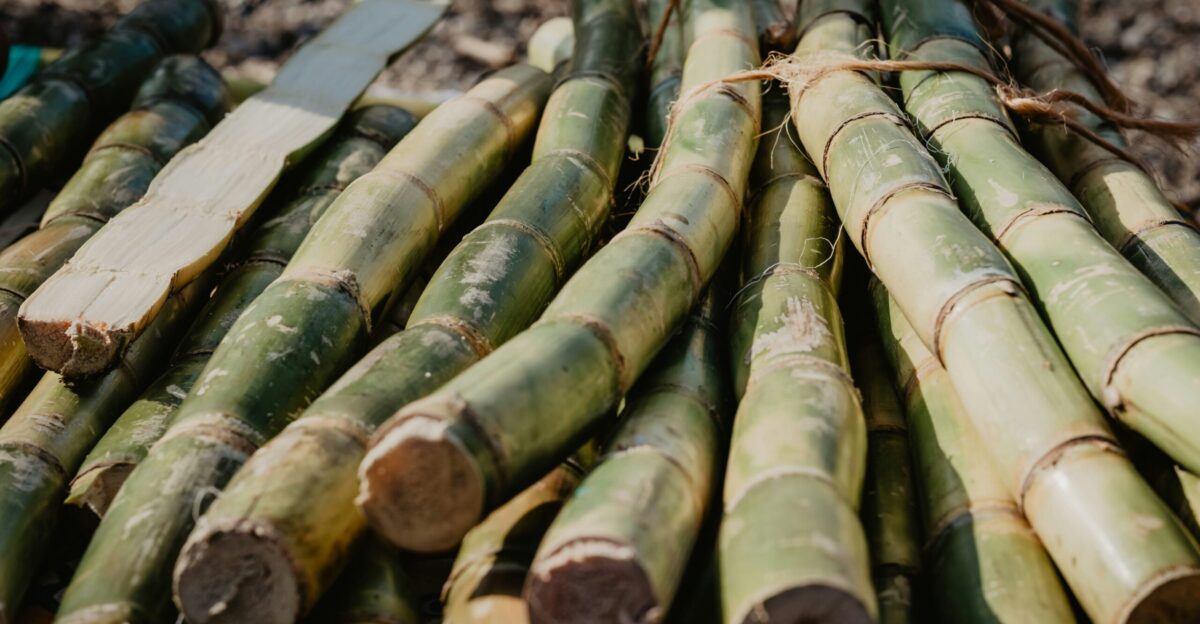
Louisiana’s sugarcane farmers share similar enthusiasm, highlighting the industry’s critical role in local economies. “Sugarcane is more than just a crop; it’s vital for our livelihoods,” says an ag economist from LSU. The state’s sugar industry contributes around $4 billion annually, making it an economic backbone for rural communities.
Recent reports celebrate renewed opportunities for farmers and workers as they anticipate potential production increases. However, there are underlying challenges and questions about whether these gains can be sustained over time as competition intensifies and market conditions fluctuate.
Industry Watchers

Beverage competitors closely monitor Coca-Cola’s strategic pivot to cane sugar, with many speculating that this trend could spark a broader market shift. Industry analysts forecast that other companies may follow suit if successful, amplifying benefits for domestic cane growers and processors.
“It’s a game-changer. If Coca-Cola can do it, others will too,” predicts an analyst. The cascading effect of this decision is likely to reshape the landscape of the beverage industry, encouraging additional investments into domestic agriculture and changing how consumers view soft drink options in the years ahead.
Long-Term Considerations
Despite the opportunities, Coca-Cola’s cane sugar shift spotlights the vulnerabilities within the U.S. sugarcane industry. While Florida and Louisiana currently lead production, experts warn that they may not be able to fully meet the nationwide beverage demand projected after this shift.
“Supply chain bottlenecks could lead to increased prices down the line,” cautions a USDA economist. This concern poses a challenge as companies and consumers weigh the potential costs against the benefits of shifting toward more natural sweeteners, making long-term planning essential for sustainable growth.
Texas Out

The closure of Texas’s last sugarcane processor in 2024 has effectively sidelined the state from reaping benefits from Coca-Cola’s new sourcing strategy. As a result, Texas’s role in America’s sugar landscape has mainly become historical, with limited impact on future developments.
“It’s disappointing to see an industry fade away,” a former Texas farmer laments. The state’s inability to engage in this emerging market shift underscores the necessity for states involved in agricultural production to evolve continuously or risk losing relevance altogether in the ever-changing economic landscape.
Uncertain Futures
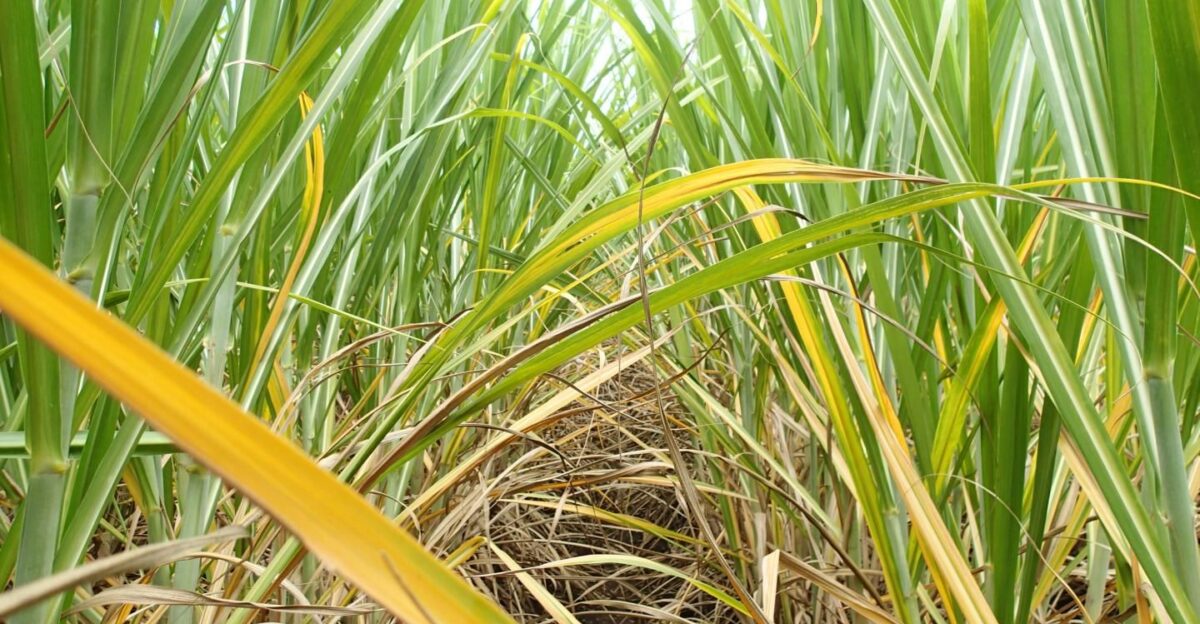
Despite growing enthusiasm in Florida and Louisiana, local growers are grappling with uncertainties regarding future capacity and the sustainability of this shift. “We’re excited about the new contracts, but we need to ensure we can deliver,” states a Florida sugarcane farmer.
Questions persist about how large-scale procurement will affect current farming practices and whether growers will have the resources to meet increased demand. The delicate balance between revenue potential and agricultural sustainability hangs in the balance, prompting discussion on how to navigate this uncertain terrain effectively.
Competition for Contracts

Major processors, including Florida Crystals and Louisiana Sugar Refining, are racing to secure supply contracts with Coca-Cola. This competitive dynamic further pressures local suppliers looking to become preferred partners in the evolving marketplace. “We’ve never had this kind of urgency before,” shares a Louisiana refinery manager.
The stakes are high, and processors invest in relationships and capabilities to capitalize on the anticipated demand surge. Navigating procurement effectively will be crucial as different stakeholders vie for Coca-Cola’s business, shaping the industry’s future.
Expansion Efforts
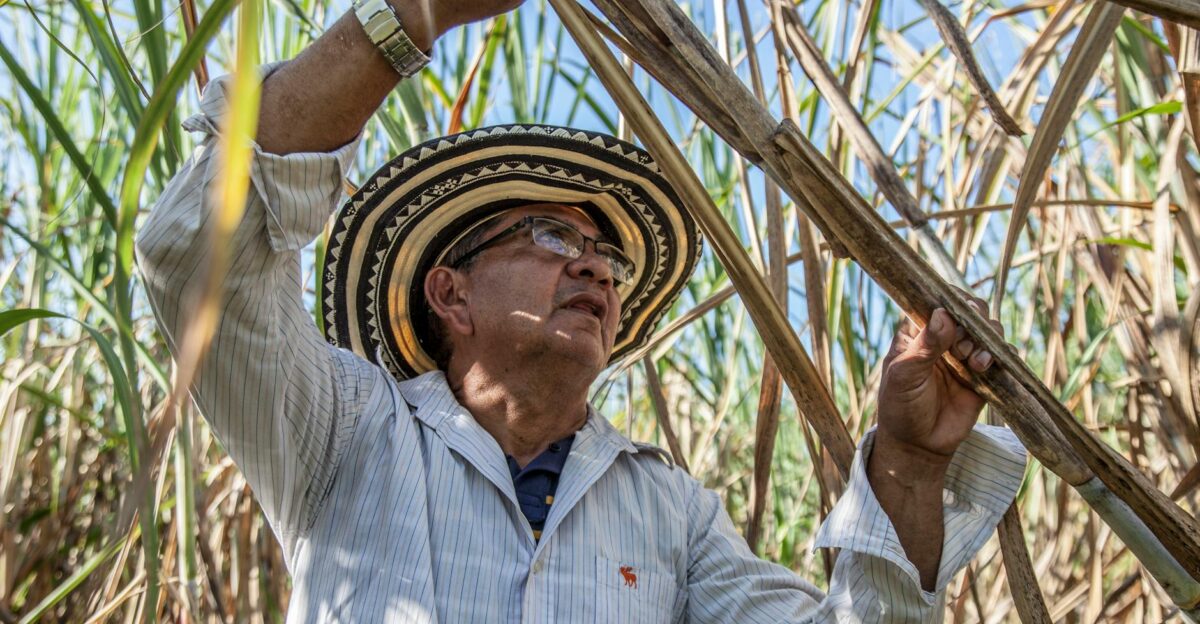
Processors proactively seek investments to expand their facilities and boost sugar yields to meet Coca-Cola’s anticipated demand. “We’re gearing up for what could be a significant growth period,” says an LSU AgCenter representative.
Cooperative initiatives and technological upgrades are already in motion across major farming regions, signifying a concerted effort to build the necessary infrastructure. The collaborative approach among farmers, processors, and agricultural experts reflects a dedication to preparing for a potentially transformative shift in the industry.
Expert Opinions

Though optimism abounds, some food scientists caution that an increased focus on cane sugar could divert acreage from competing crops like rice and soybeans. “We’ve seen similar cycles before – it’s vital to maintain crop diversity,” asserts Bryan Le, an agronomic expert.
The sustainability of the supply chain, coupled with market cycles, will dictate the long-term success of Coca-Cola’s pivot. As stakeholders navigate the shifting landscape, attention to agricultural diversity and resilience will ensure a balanced approach, promoting economic gain and safeguarding food systems.
Future Insights
As Coca-Cola blazes the trail, the question remains: Will other beverage companies follow suit? Industry analysts believe that consumer reception and ingredient cost fluctuations will shape this trend’s trajectory. “If consumers respond positively, it could set off a chain reaction across the market,” shares a beverage industry expert.
The evolution in consumer preferences for natural ingredients may drive lasting change in beverage formulation, and the focus on cane sugar could redefine industry standards in a rapidly contested market.
Political Influences

Political advocacy surrounding the use of cane sugar in U.S. beverages has intensified, with figures like former President Trump pushing for policy changes favoring domestic sugar sources. “Regulatory influence is an essential piece of the puzzle,” stresses an agricultural policy expert.
This development adds a new layer of complexity regarding procurement choices and industry responses. Policymakers must weigh the interests of consumers, agrarian stakeholders, and corporate entities to ensure that changes in the beverage landscape align with broader agricultural goals.
Global Connections
Coca-Cola’s pivot may also have international ramifications, particularly in increased cane sugar imports from Latin America and the Caribbean. “If domestic growers can’t meet the demand, we may see more trade deals emerging,” notes an international trade analyst.
This shift can potentially reshape supply chains and alter price dynamics in the U.S. market while simultaneously impacting international agricultural economies. Understanding these global connections is crucial as the industry adapts to changing consumer demands and regulatory landscapes.
Environmental Considerations
The move towards cane sugar sourcing invites scrutiny regarding environmental consequences, from water utilization in Florida to land use changes in Louisiana. “Sustainability must be at the forefront of this discussion,” urges an ecological advocate.
As Coca-Cola and local growers step into this new era, there is a growing call for responsible farming practices and eco-friendly operations. Balancing economic ambitions with environmental stewardship will be critical in ensuring that this wave of change does not come at the cost of ecological health.
Cultural Shift
This momentum toward natural ingredients reflects a broader cultural shift, especially among younger consumers seeking authenticity in their food and drink choices. “We want products that align with our values,” declares a millennial consumer.
Coca-Cola’s decision to embrace cane sugar appears to resonate with this demographic, positioning the brand to reclaim its relevance in a rapidly transforming market. As sweetener preferences evolve, it’s evident that consumers’ connection with their beverages is deepening, signaling both a challenge and an opportunity for the industry.
The Final Outcome and Future Prediction
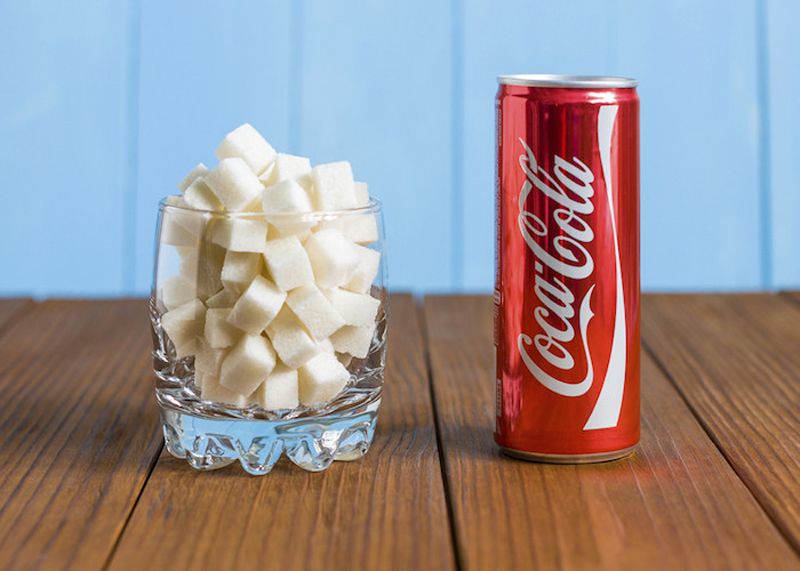
In conclusion, Coca-Cola’s cane sugar cola debut marks a notable transformation in America’s beverage landscape. The move aligns with shifting consumer preferences and presents economic opportunities for sugarcane-producing states while challenging existing supply chains.
The journey is just beginning, and stakeholders across all levels are poised to navigate the possibilities and uncertainties ahead. As industry dynamics continue to shift, the collaboration between growers, processors, and beverage companies will determine whether this change is merely a momentary ripple or the catalyst for a new wave of sustainable practices in the beverage sector.