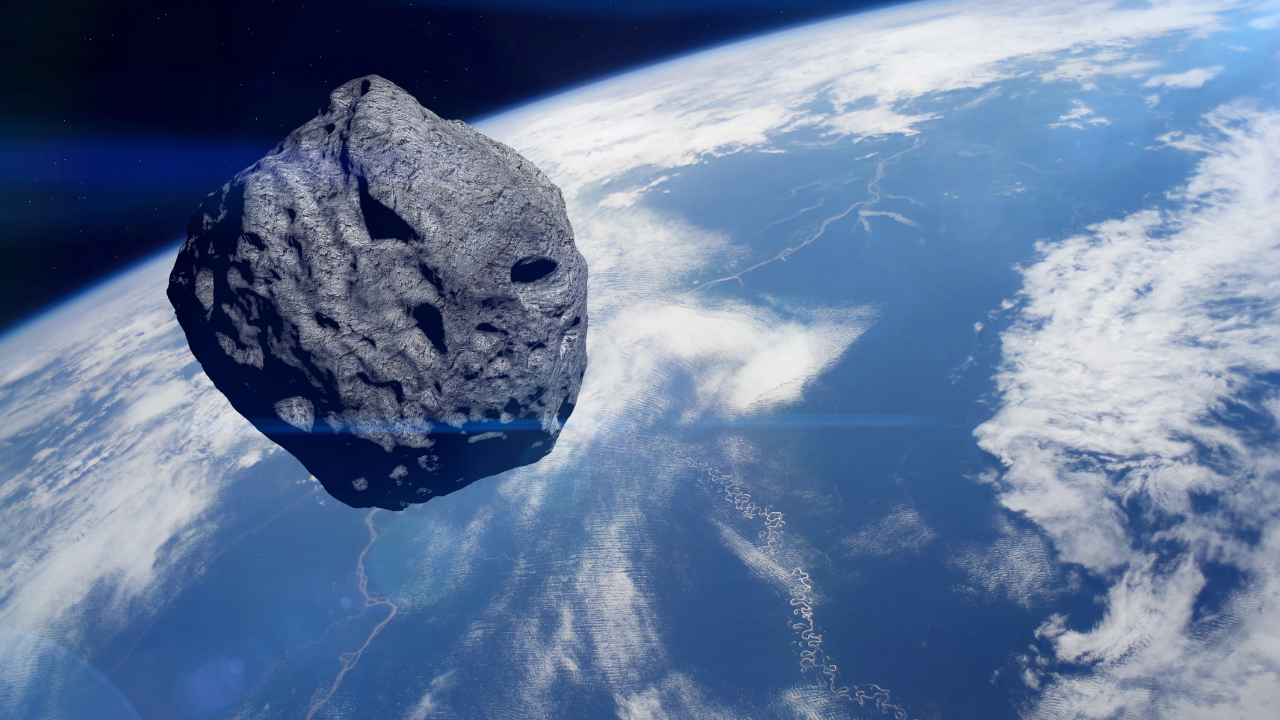
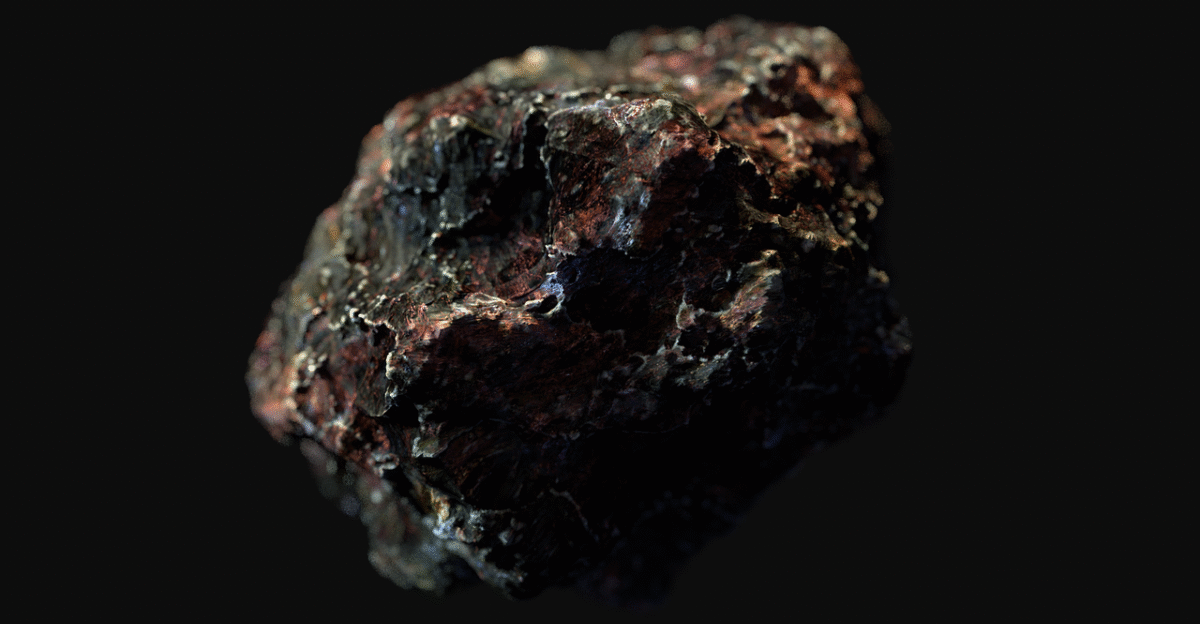
NASA’s Center for Near-Earth Object Studies is tracking two house-sized asteroids approaching Earth this week. Asteroid 2025 VW measures 39-91 feet across and passes at a distance of 1.29 million miles, traveling at a speed of 15,900 mph.
The second, 2025 VC2, spans 32-75 feet and approaches from 1.92 million miles at 20,500 miles per hour. No impact threat exists.
Understanding the Sizes
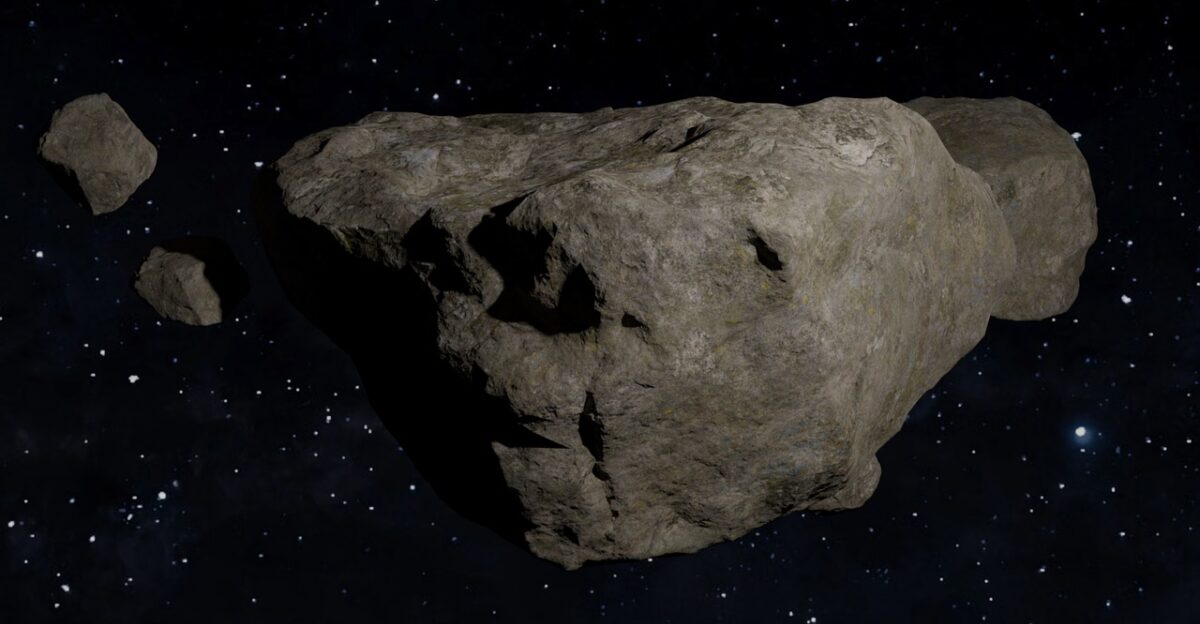
These asteroids are comparable to typical two-story houses or small commercial buildings. At maximum estimates, they’re roughly the length of a professional tennis court.
They’re significantly smaller than the 17-meter Chelyabinsk meteor that exploded over Russia in 2013. At a maximum of 91 feet, these would cause significant local damage if they impacted populated areas.
Safe Distance Guarantee
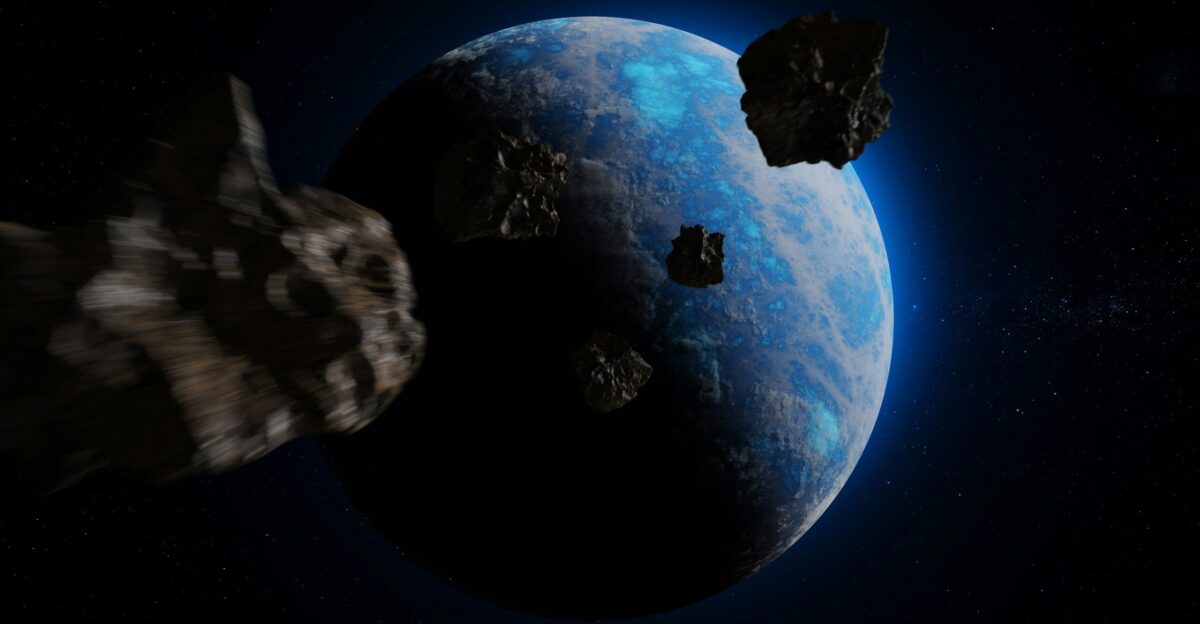
At 1.29 million miles for 2025 VW and 1.92 million miles for 2025 VC2, these asteroids pose no threat whatsoever. The Moon orbits Earth at 239,000 miles—meaning these rocks pass more than five times farther away.
NASA’s trajectory calculations confirm both will safely bypass our planet with tremendous clearance margins exceeding all established planetary defense safety requirements.
What Makes Them “Potentially Hazardous”
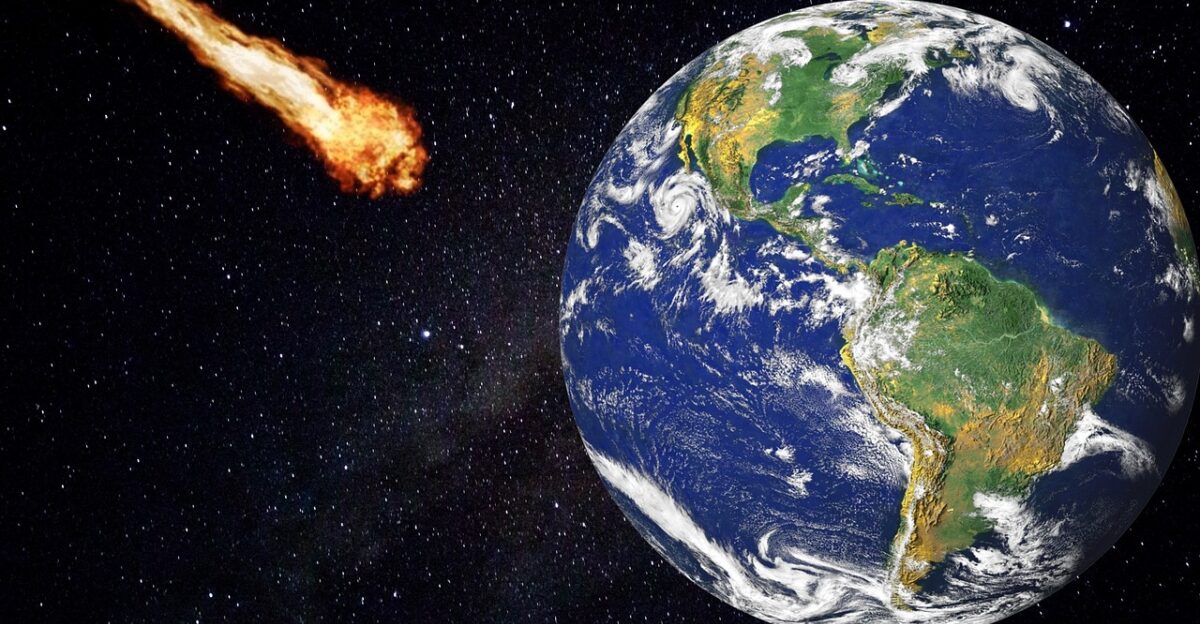
Potentially Hazardous Asteroids (PHAs) must approach within 0.05 astronomical units (4.6 million miles) and measure at least 140 meters in diameter. These asteroids don’t meet the size threshold for PHA classification despite their relative proximity to Earth.
The “potentially hazardous” label relates strictly to orbital geometry and physical dimensions, not immediate danger whatsoever.
NASA’s Detection Systems
NASA’s Center for Near-Earth Object Studies at the Jet Propulsion Laboratory leads asteroid tracking worldwide. Ground-based telescopes including Pan-STARRS in Hawaii and ATLAS in multiple locations scan the sky continuously.
These systems detect objects weeks to months before close approaches, providing crucial assessment time for emergency response protocols if necessary.
The Chelyabinsk Reminder
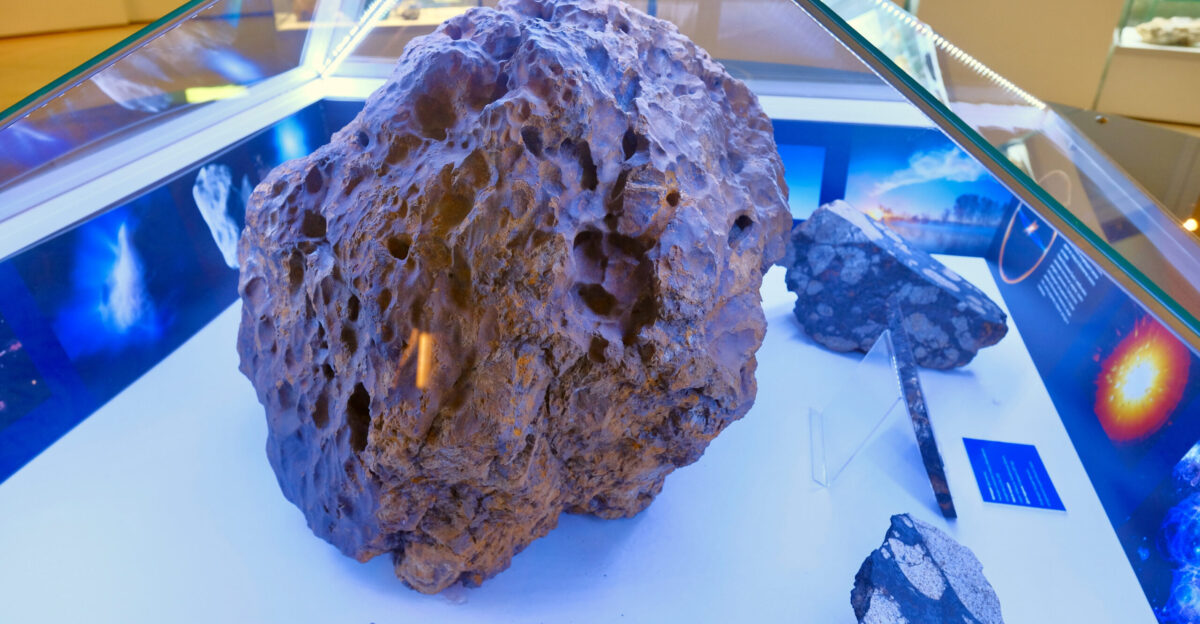
In February 2013, a 17-20 meter asteroid exploded over Chelyabinsk, Russia, releasing 500 kilotons of TNT—30 times the Hiroshima bomb. It injured 1,491 people and damaged 7,200 buildings.
The object approached undetected because its trajectory came from the Sun’s direction. This highlights detection challenges motivating modern monitoring improvements worldwide.
Damage Potential by Size
Asteroids 20-30 meters across explode in airbursts with devastating local effects. A 100-meter asteroid could kill millions if impacting a populated center.
Objects 140 meters and larger can trigger regional catastrophes affecting multiple nations. These two asteroids, at maximum 91 feet, would create significant local damage if they impacted inhabited areas.
The Tunguska Precedent
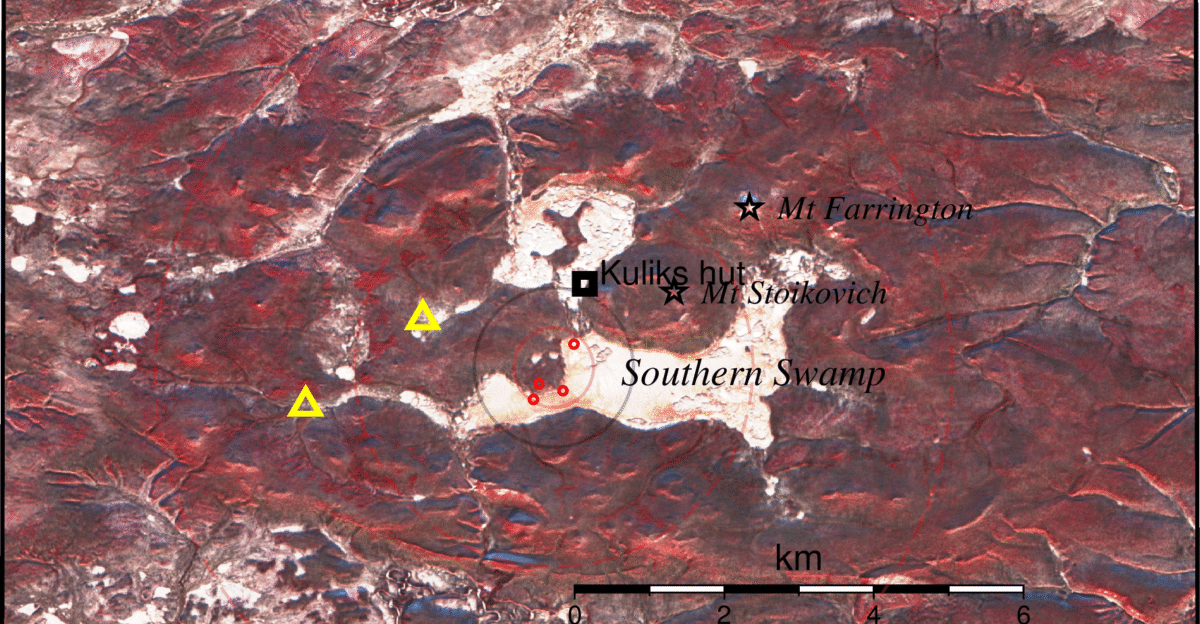
The 1908 Tunguska event involved a 50-80 meter asteroid that exploded over Siberia, flattening 830 square miles of forest instantly.
The airburst occurred 6-10 kilometers above ground, demonstrating how non-impact explosions cause massive destruction. This remains the largest recorded asteroid event in modern history, emphasizing early detection importance.
CNEOS’s Role
The Center for Near-Earth Object Studies computes high-precision orbits for detected NEOs and assesses impact probabilities over the next century. CNEOS maintains the Sentry system, which automatically scans asteroid catalogs for potential Earth impacts.
When trajectories appear concerning, CNEOS immediately alerts NASA’s Planetary Defense Coordination Office for evaluation.
Planetary Defense Coordination Office
NASA established the Planetary Defense Coordination Office (PDCO) at headquarters in Washington, D.C., to manage planetary defense missions.
The PDCO coordinates with FEMA for emergency planning and works internationally through the Asteroid Warning Network. This office represents America’s commitment to protecting Earth from asteroid threats.
Detection Improvements
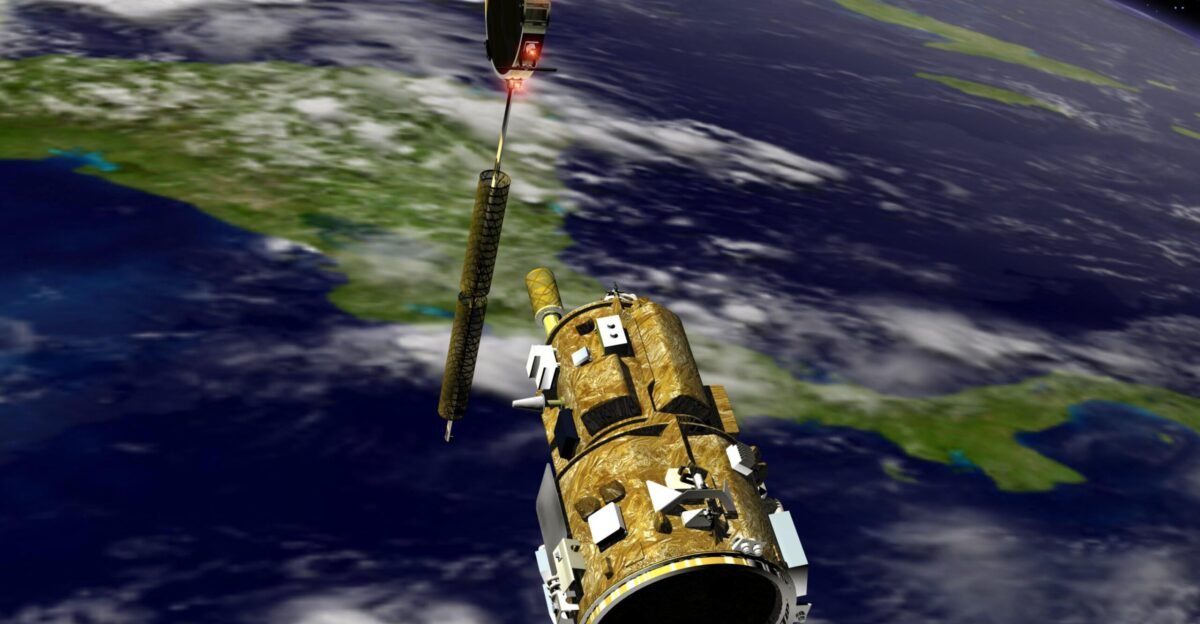
NASA’s NEO Surveyor mission, launching in 2027, will dramatically improve asteroid detection capabilities. This infrared space telescope is expected to find 90% of potentially hazardous asteroids within 10 years of operation.
Operating from the Sun-Earth L1 Lagrange point, it will detect dark asteroids invisible to ground telescopes, providing earlier warning times.
The DART Success
In September 2022, NASA’s Double Asteroid Redirection Test successfully altered the orbit of asteroid Dimorphos by 32 minutes, demonstrating the capability to deflect asteroids.
Recent analysis revealed that ejected boulders carried three times more momentum than the spacecraft itself. This groundbreaking data refines future planetary defense strategies.
International Collaboration

Asteroid defense requires global cooperation through the International Asteroid Warning Network (IAWN) and Space Missions Planning Advisory Group. These UN-endorsed organizations coordinate observations, data sharing, and response planning across nations.
When asteroids are discovered, observatories worldwide contribute tracking data to the Minor Planet Center for comprehensive calculations.
Public Communication Strategy

NASA maintains transparent communication about asteroid approaches through public databases and press releases. The CNEOS website provides real-time data on close approaches, allowing anyone to track NEOs.
This openness fosters public trust and demonstrates that monitoring systems are functioning effectively. Transparent communication prevents unnecessary panic while maintaining informed awareness.
Frequency and Probability
Asteroids this size approach Earth frequently, but actual impacts remain rare. A 20-meter asteroid impacts Earth approximately once every 60 years. Most burn up or explode harmlessly over oceans and unpopulated areas.
Impact risk correlates strongly with asteroid size and population density, making early detection critical.