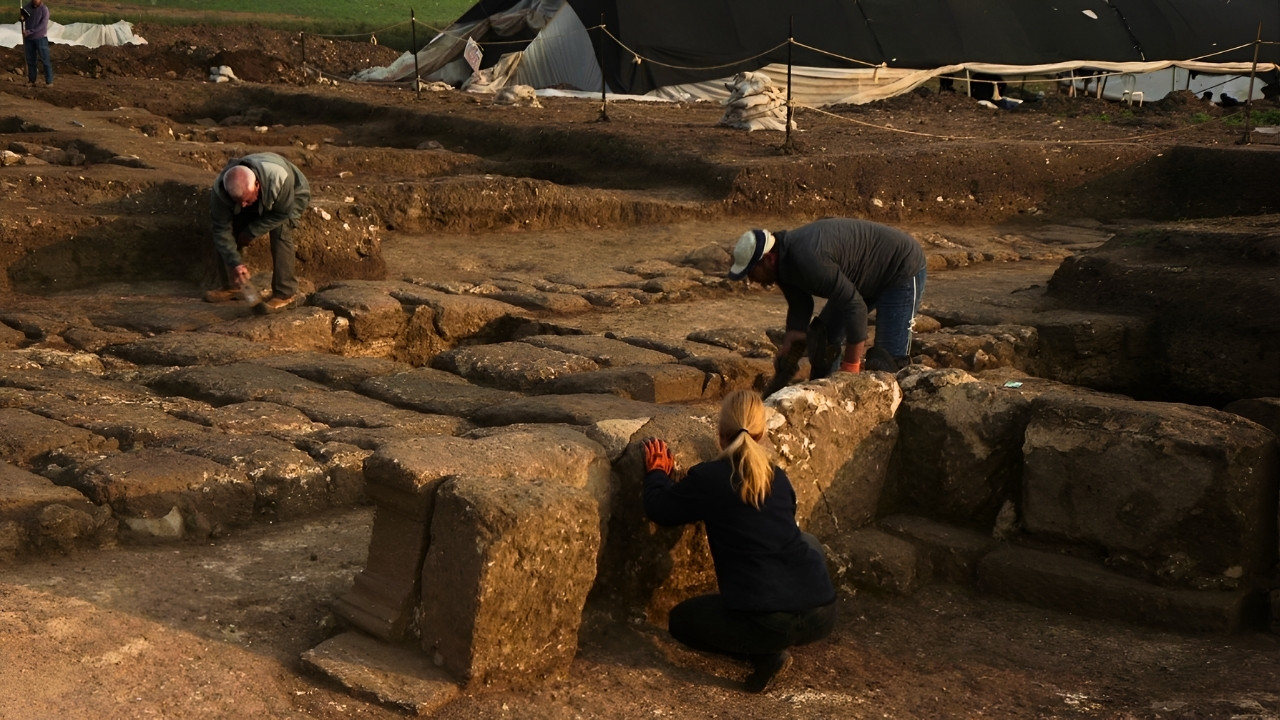
At 7,000 feet above the Swiss Alps, a surprise discovery has stunned the world of archaeology. In August 2024, researchers uncovered a Roman military camp hidden beneath layers of snow and stone. This wasn’t just any outpost—it was a high-altitude fortress, perched above the clouds, where the air is thin and time seems to stand still.
How did the Romans build and sustain such a camp in this harsh environment? The stakes for Roman history are about to change forever.
Unexpected Heights
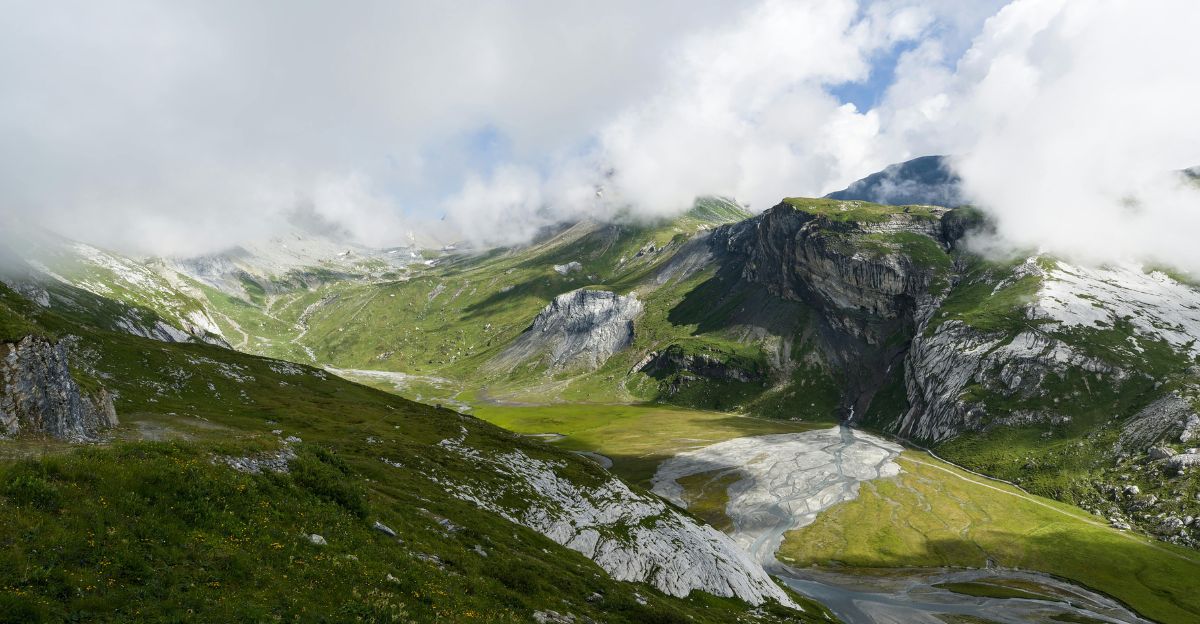
For centuries, scholars believed that the Roman Empire’s military outposts were confined to lower lands. But the discovery of a Roman camp above the modern ski slopes of the Swiss Alps changes everything.
Here, at an altitude of 7,000 feet, archaeologists have found evidence of strategic Roman operations that challenge previous assumptions about the limits of ancient logistics, tactics, and technology. What drove the Romans to establish such a remote outpost?
Romans in Switzerland
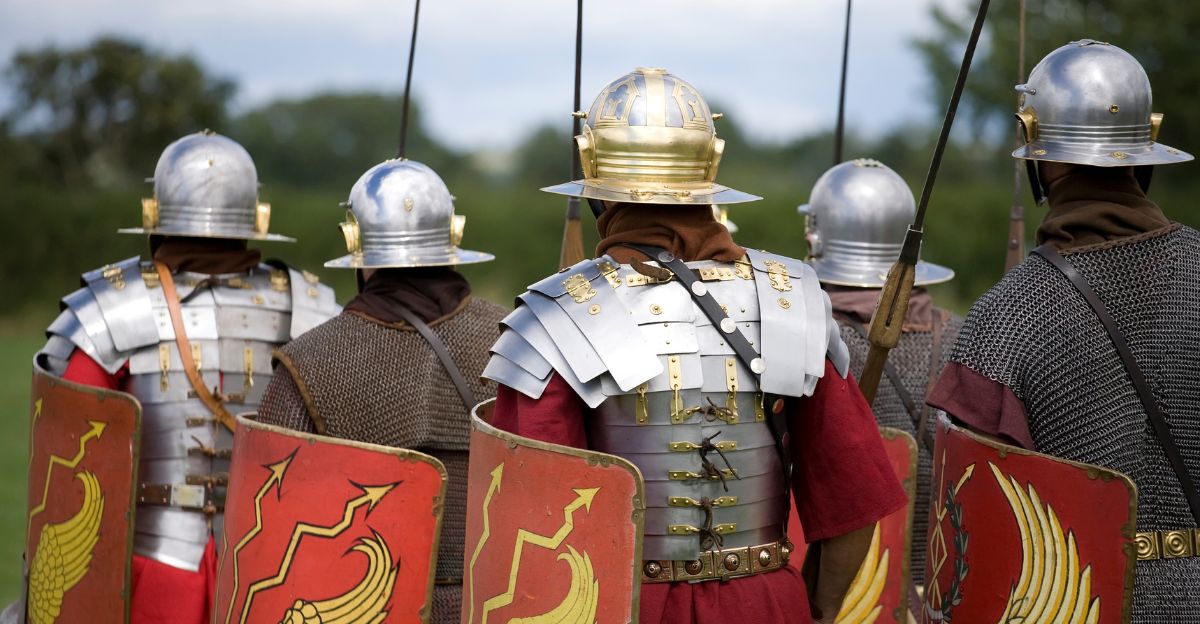
The Swiss region of Graubünden was not unfamiliar to the Roman Empire. As early as 15 BCE, Roman legions were sent to control Alpine passes, securing trade routes and preparing for potential rebellions.
Though historians have known about Roman activity in the area, this recent find provides compelling evidence of how far their reach extended into the unforgiving Alpine landscape. This discovery adds new depth to our understanding of Roman military ambitions.
Pressure in the Peaks
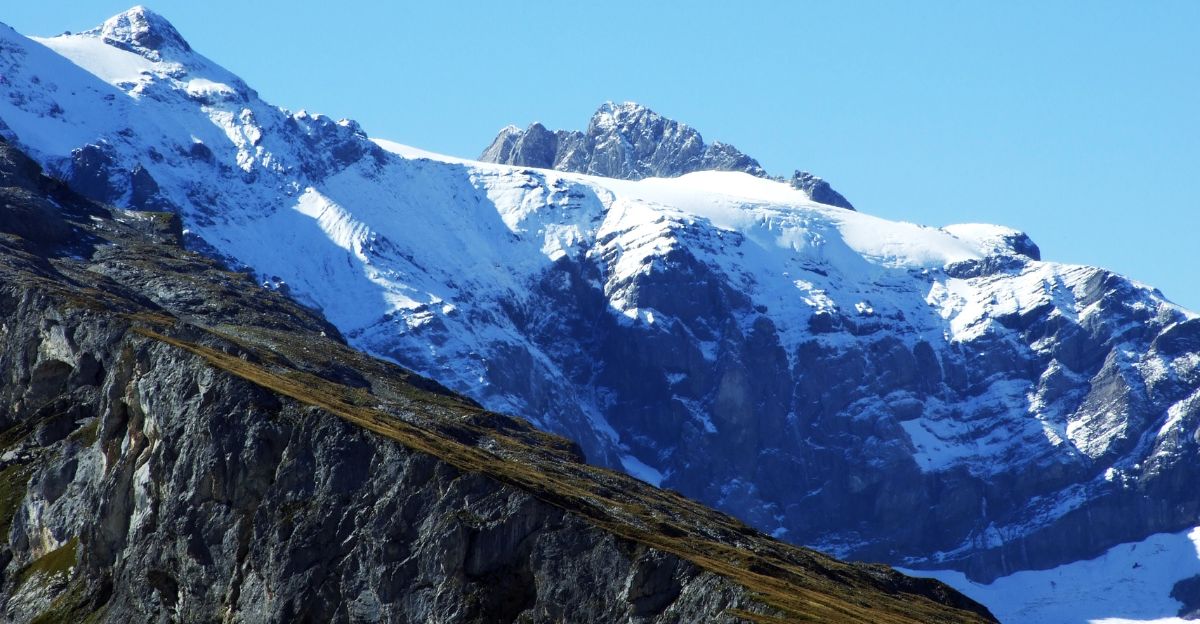
Climate change has accelerated the melting of glaciers, exposing ancient artifacts and structures that were once buried in ice. Archaeologists, along with volunteers, are racing against time to document and protect these historical sites before they are lost forever.
The Roman camp, now revealed to the world, may soon disappear again as the landscape shifts further due to rising temperatures and erosive forces.
Record-Breaking Find
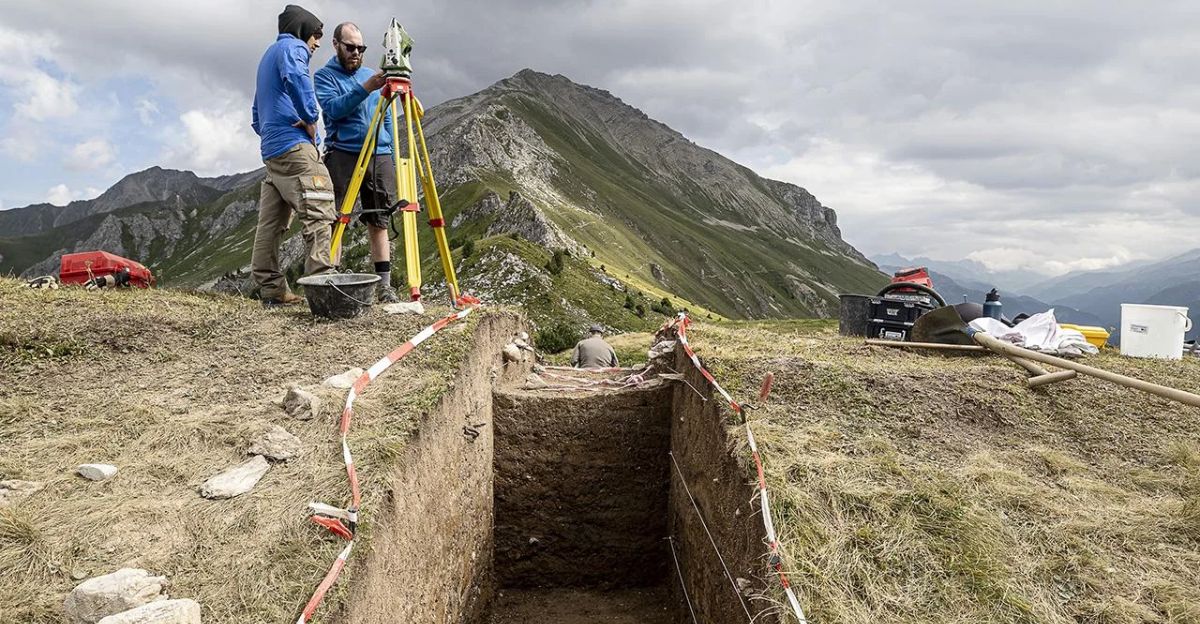
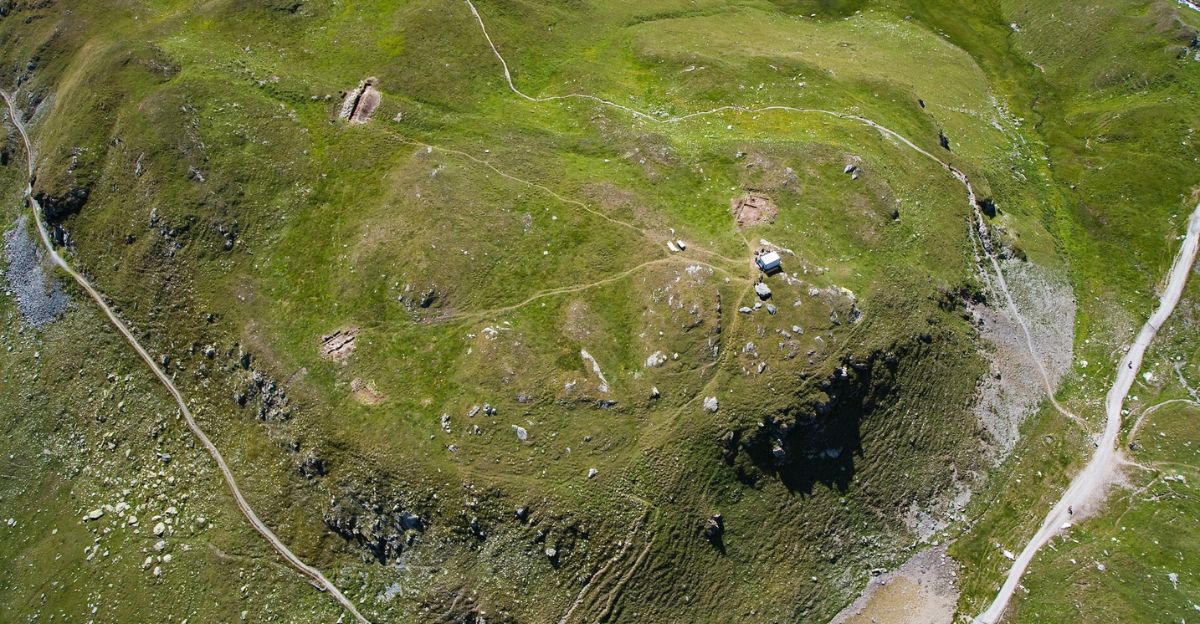
The 7,000-foot Roman military camp was first discovered in the fall of 2023 by a sharp-eyed volunteer from the University of Basel. Using digital terrain models and on-site excavation, researchers identified fortifications, ditches, and various relics that date back nearly two millennia.
This discovery, announced in August 2024, is already being hailed as one of the most significant archaeological finds of the decade.
Strategic Vantage
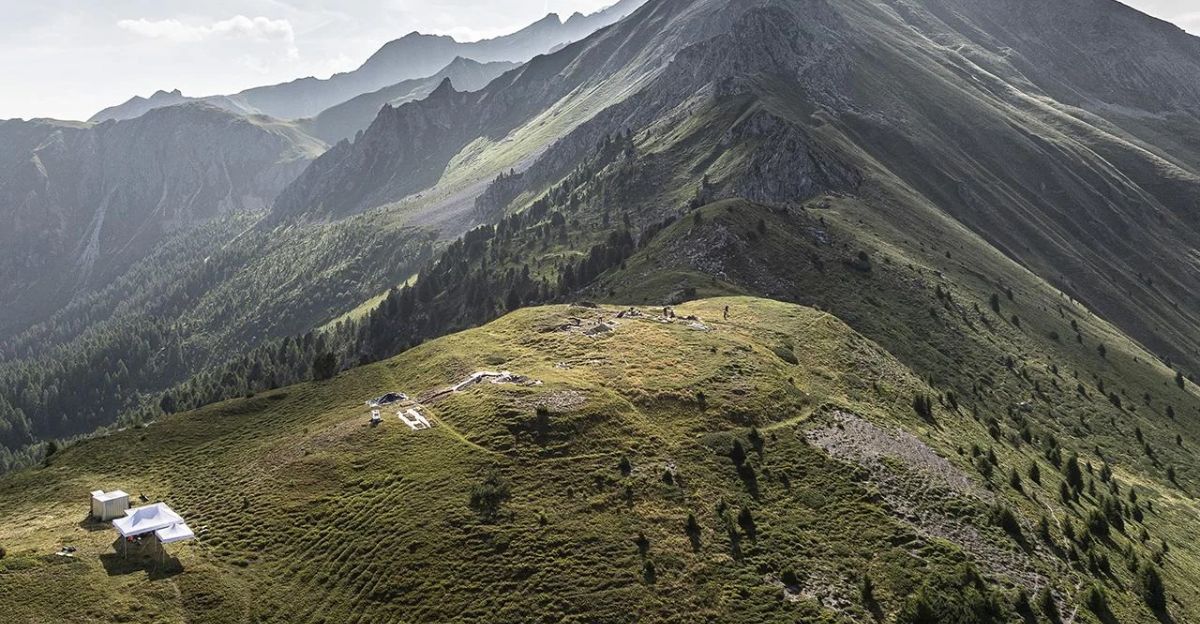
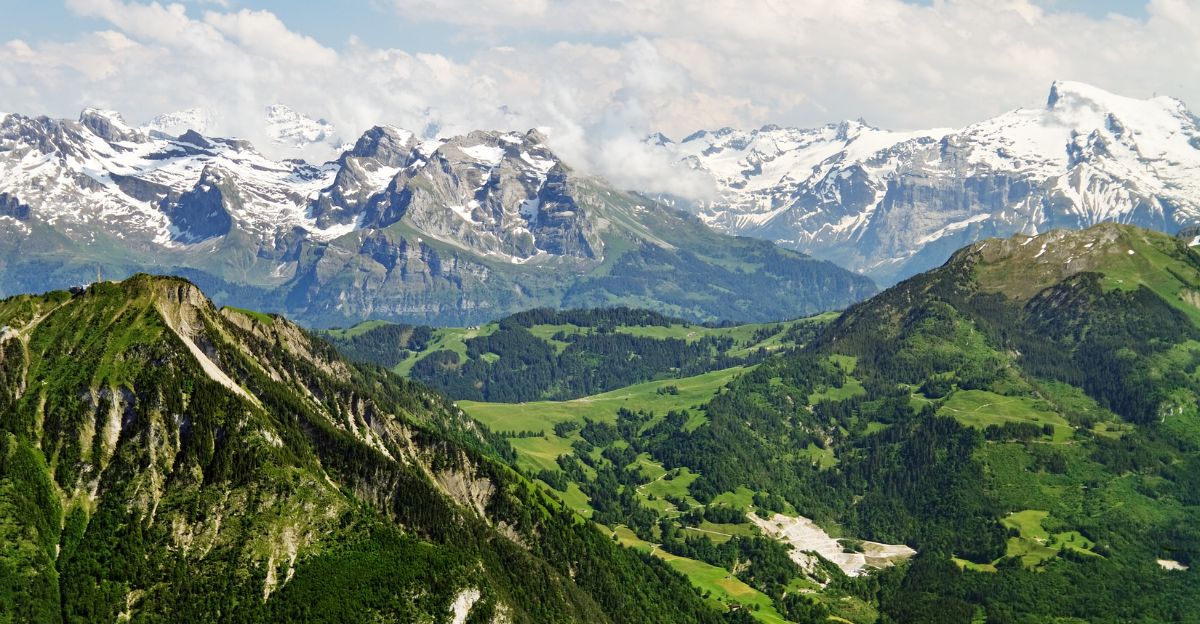
Perched high above four key valleys, the Roman camp offered a strategic vantage point that would have allowed its occupants to control critical trade routes and monitor enemy movements. The camp overlooked Landwassertal, Albulatal, Domleschg, and Surses valleys, as well as the Lenzerheide mountain pass.
This location provided the Romans with unparalleled visibility of the surrounding region, enhancing their ability to secure the upper Rhine region.
Human Discovery
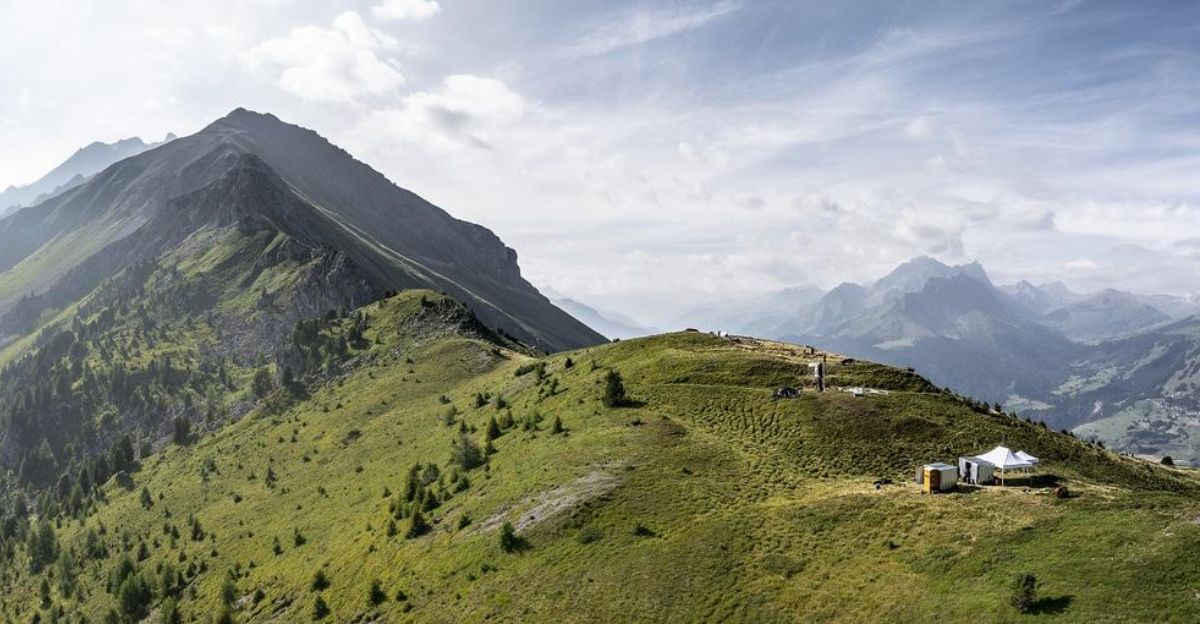
The discovery came after a hiker from the University of Basel’s excavation team noticed something unusual about the terrain while hiking in the area.
Their quick response to this observation led to a thorough investigation that uncovered human remains, Roman artifacts, and other signs of ancient military presence, including boot nails and slingshot lead stamped with the unmistakable mark of the Roman 3rd Legion. The site, once hidden beneath centuries of ice and snow, is now yielding its secrets.
Fortress in the Clouds
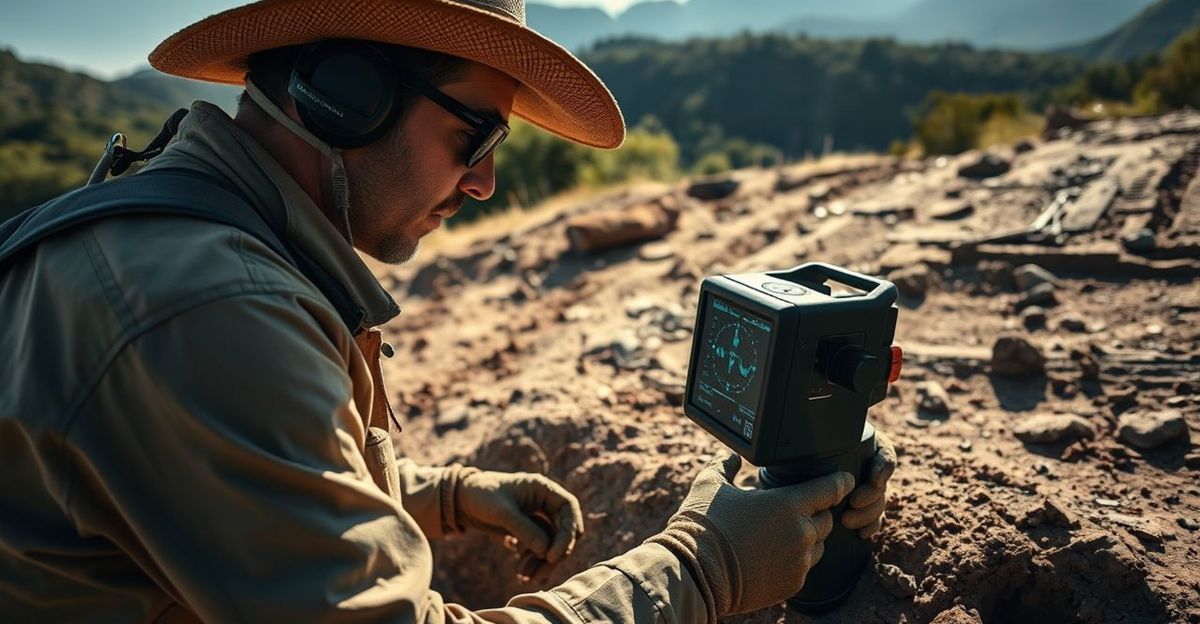
Archaeologists believe the site was once a fully fortified camp, with three defensive ditches and stone ramparts designed to protect the Roman soldiers stationed there. In such a harsh environment, these soldiers endured extreme conditions, making the camp one of the most challenging to sustain.
The discovery of these fortifications has left historians in awe of Roman engineering and military strategy in the mountains.
Empire on Edge
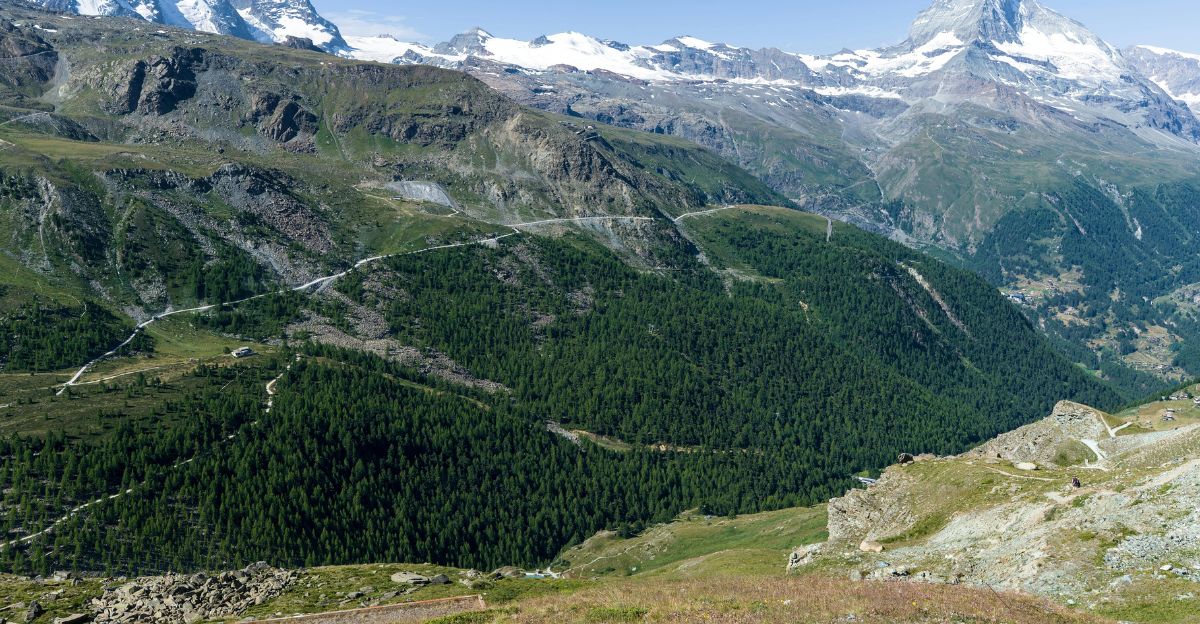
The high-altitude camp discovered in the Swiss Alps is part of a broader pattern of archaeological discoveries in Switzerland that reveal how the Roman Empire was not confined to lowland regions. These new findings challenge the conventional view of the Alps as an impassable barrier.
Instead, the Romans demonstrated remarkable adaptability in extending their empire into rugged and seemingly inhospitable terrain.
Legion’s Mark
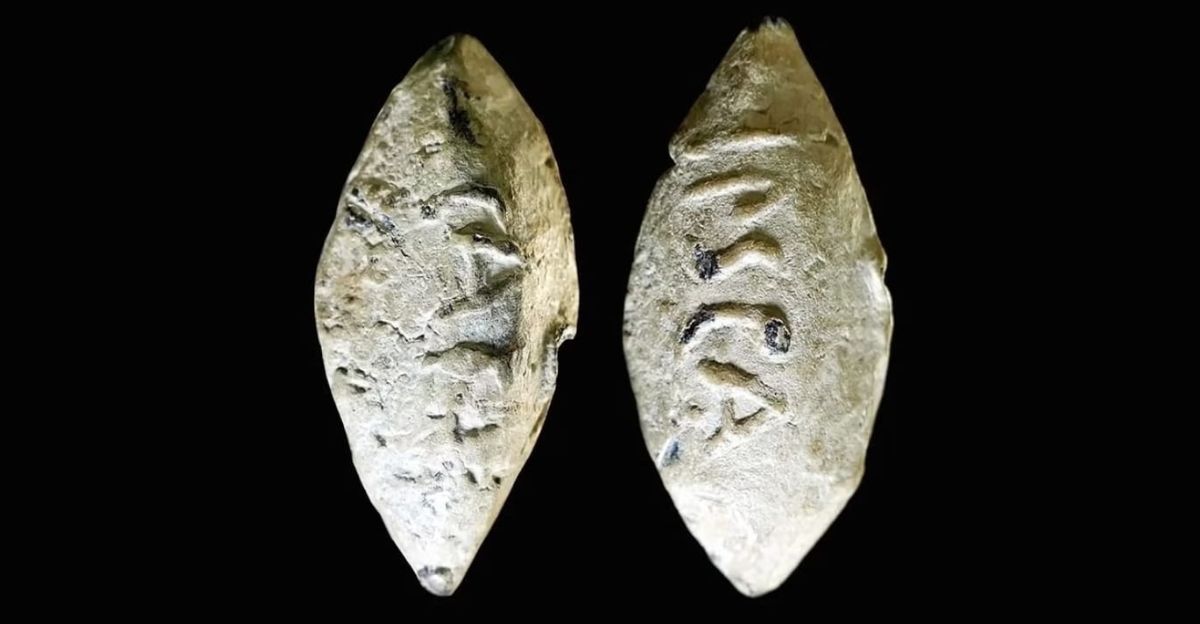
Among the artifacts recovered from the site, sling bullets stamped with the Roman 3rd Legion insignia provide direct evidence that the Romans not only passed through the region but used the camp as a base of operations.
This marks the first time archaeologists have connected the presence of the Roman 3rd Legion to a high-altitude outpost in the Alps, strengthening our understanding of their military reach.
Volunteer’s Triumph
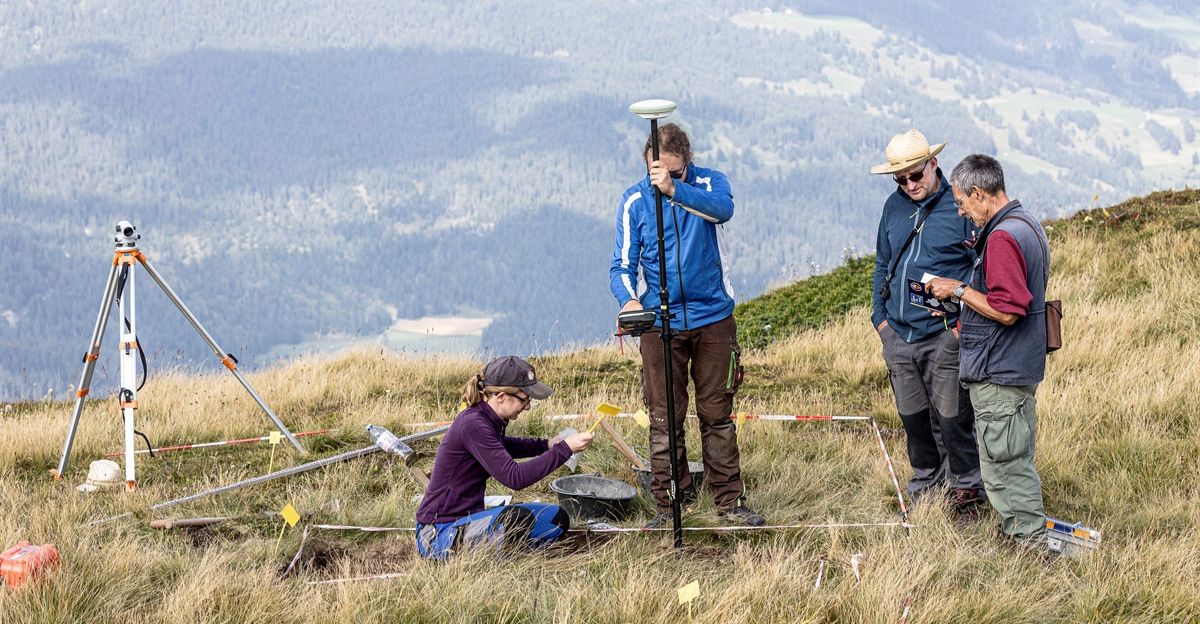
What makes this discovery even more remarkable is the role of a single volunteer, whose keen observation led to the finding of this remote site.
Despite advances in remote sensing technology, it was human intuition that outperformed the tools of modern archaeology. This discovery shows how a single person’s determination can still alter the course of history.
Academic Scramble

Once the University of Basel released news of the discovery, international interest skyrocketed. Archaeologists from Swiss universities and global research teams clamored to access data and conduct further studies.
The competition to unravel the secrets of the Roman Alpine operations has spurred a new wave of collaborative research, though each team is eager to claim their own piece of history.
Preservation Challenge
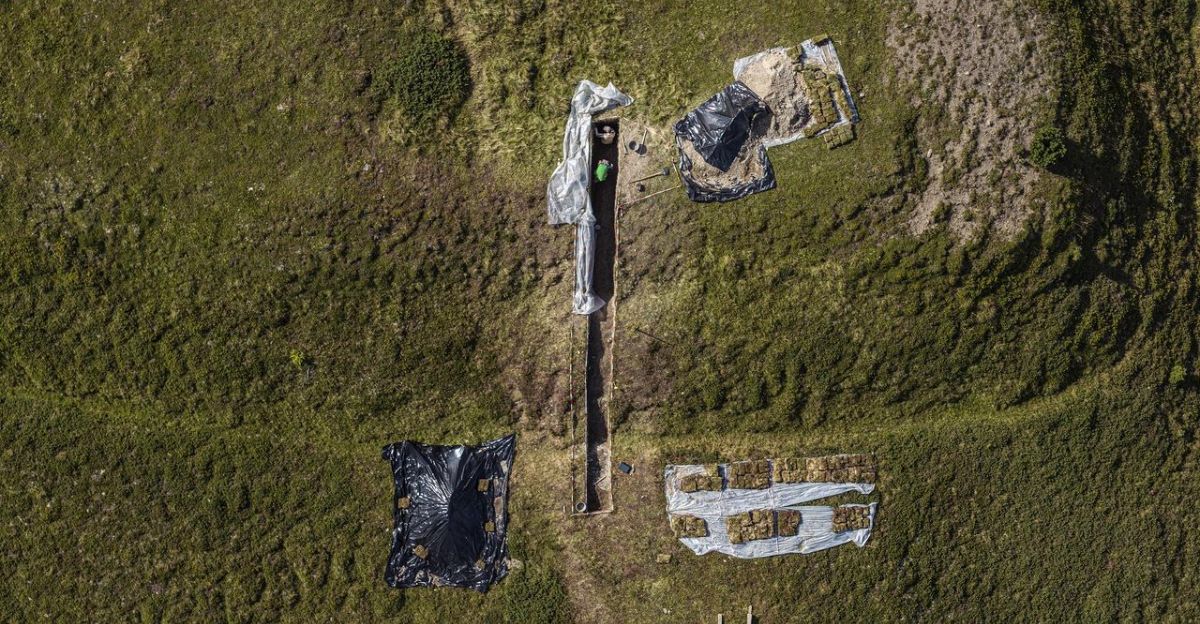
With the newfound attention came the challenge of preservation. Local archaeological authorities rushed to stabilize the site, fearing further damage from erosion and unauthorized artifact removal.
As tourism in the Alps grows, the need to protect this invaluable site has become a critical concern for Swiss heritage officials and archaeologists alike.
Experts Weigh In
Despite the excitement surrounding the find, some experts questioned whether the Roman camp could have housed a large garrison year-round in such a harsh environment.
However, after studying the camp’s structure and the abundance of artifacts, most archaeologists agree that the Romans were fully capable of conquering and maintaining this high-altitude outpost. The evidence points to a military strategy that included holding the vertical high ground.
Next Hidden Summit?
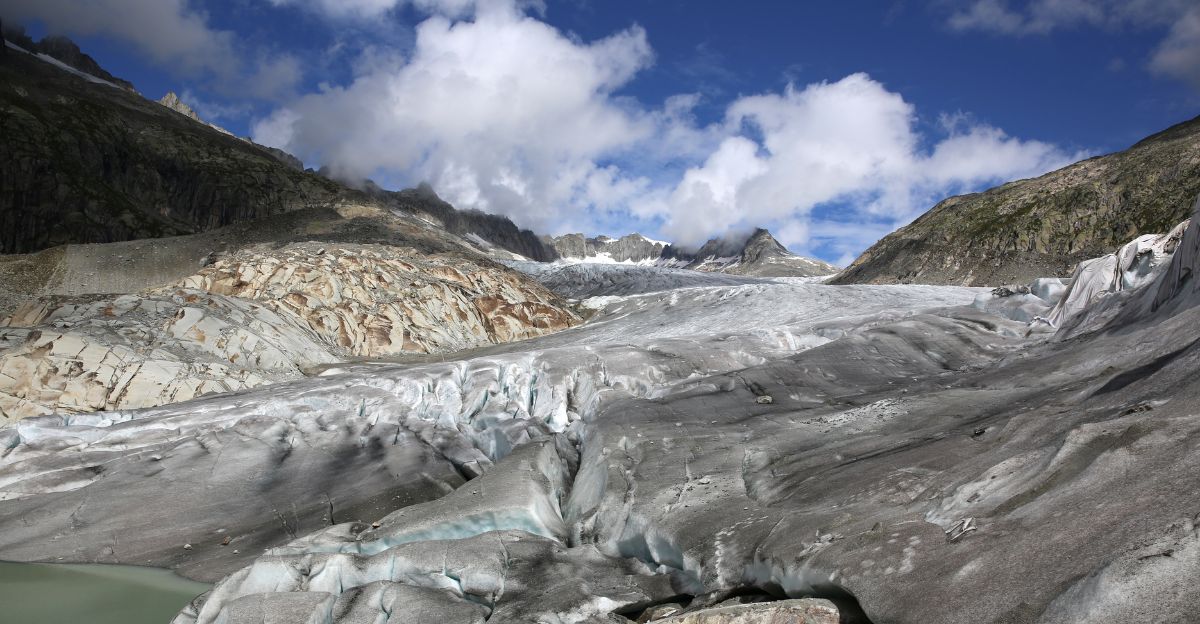
As the glaciers continue to retreat, experts predict that more hidden Roman strongholds may soon be uncovered in the Swiss Alps.
The discovery of this 7,000-foot camp raises the tantalizing possibility that there are many more Roman sites yet to be discovered, each one shedding new light on ancient military strategies in the Alps. What other secrets lie hidden in the mountains?
Cultural Repercussions
This discovery has had a profound impact on Swiss heritage and archaeological efforts. The concept of “Roman Switzerland” has gained new prominence, and the story has sparked a surge of interest in community archaeology across the Alpine regions.
Volunteers and local enthusiasts are now more motivated than ever to uncover and preserve other ancient Roman sites in the Swiss mountains.
Global Spotlight

The international media has been quick to pick up the story, generating renewed interest in Roman frontier archaeology. From Europe to South America, the discovery has captivated the public and drawn attention to the Roman Empire’s far-reaching influence.
Museums are already petitioning to display artifacts from the site, recognizing the camp’s significance in understanding world military history.
Ecological Risk
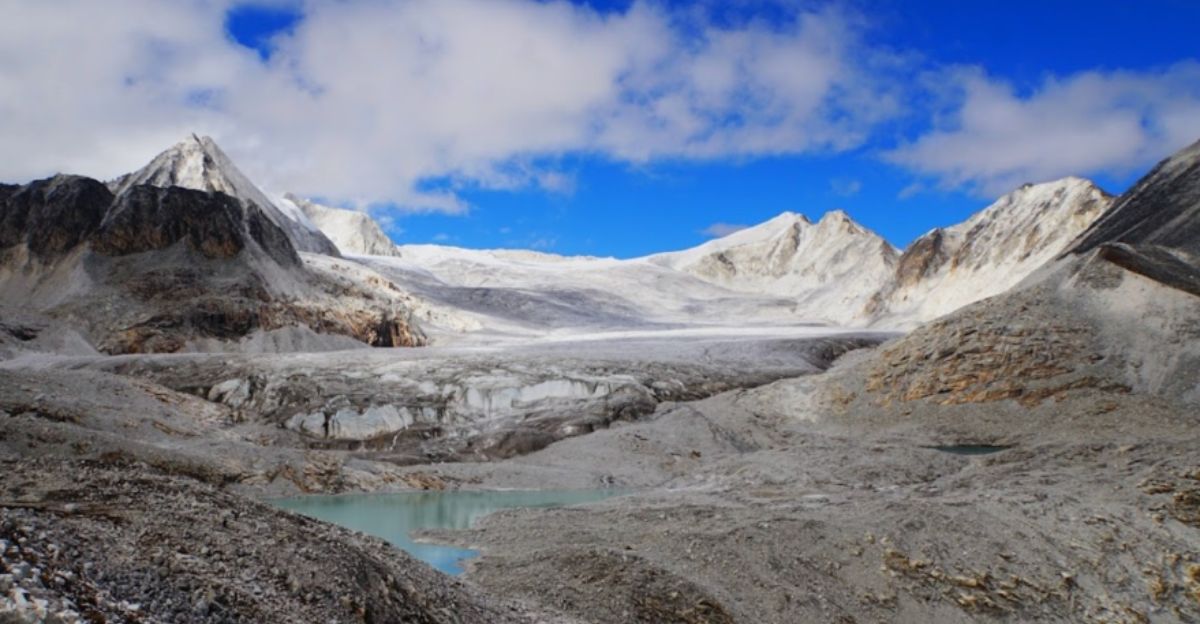
While climate change has made the discovery of ancient sites possible, it also poses a serious risk to their preservation. Melting permafrost threatens to destabilize the Roman fortifications, and the artifacts may soon be scattered by erosion.
Archaeologists are urging swift action to protect these ancient sites before they are damaged beyond repair.
Rewriting the Narrative
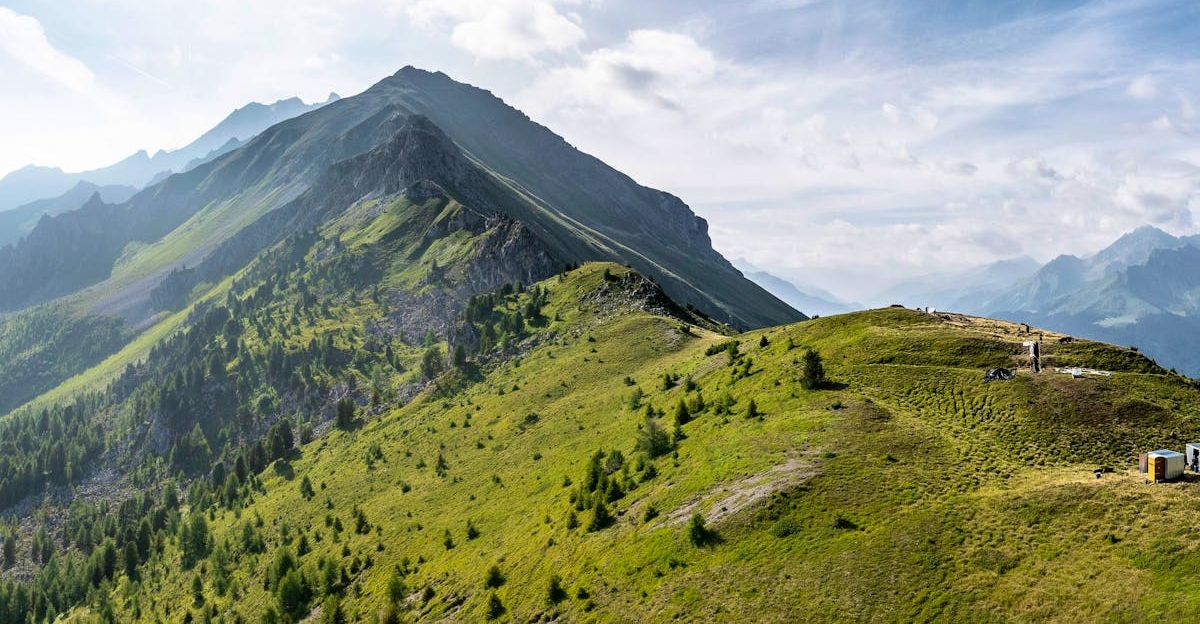
The discovery of this high-altitude Roman camp has forced historians to reevaluate long-held beliefs about the empire’s military reach. The Alps, once considered an impassable barrier, are now revealed to have been a key region in Roman strategy.
Textbooks and academic syllabi are already being updated to reflect this new understanding of Roman military operations in Switzerland.
Legacy in Stone
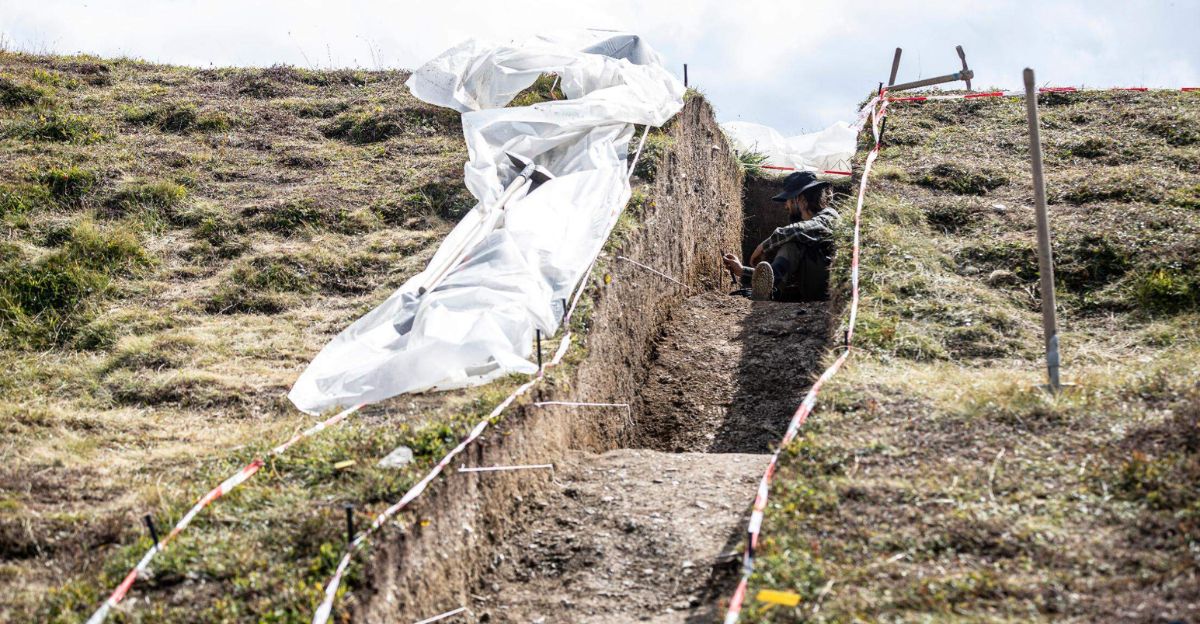
This 7,000-foot military camp is more than just a collection of stone walls and artifacts; it is a testament to humanity’s relentless drive to conquer new frontiers. As one official put it, “Discoveries like this ensure that our past remains a living, evolving puzzle for every generation.”
The Roman presence in the Swiss Alps is a powerful reminder of the enduring human quest to reach new heights.