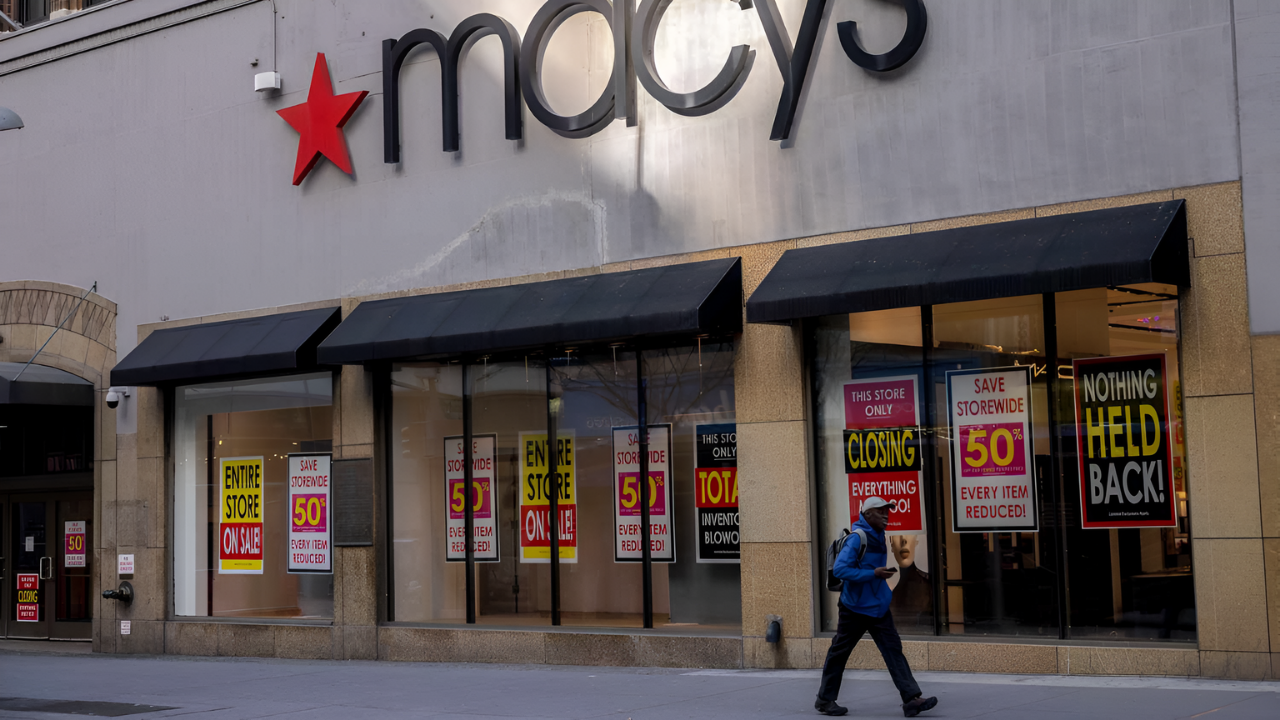
The machinery at Macy’s South Windsor, Connecticut distribution center is falling silent. After years as a regional hub for off-price order fulfillment, the Backstage facility will close between late December 2025 and early January 2026. The shutdown, part of Macy’s sweeping restructuring plan, will permanently eliminate 106 jobs and marks a pivotal moment in the company’s shift toward automation and supply chain consolidation.
Why Macy’s Is Closing Its Connecticut Center
Macy’s decision to shutter the South Windsor warehouse is rooted in a broader strategy to modernize its logistics network and generate resources for reinvestment. The company is consolidating off-price fulfillment into fewer, larger hubs equipped with advanced automation. As part of its restructuring announced in February 2024, Macy’s expects to generate $600 million to $750 million in proceeds from the sale and closure of underperforming stores and distribution facilities through 2026—funds earmarked for technological upgrades and new distribution infrastructure. Executives say this capital generation and operational consolidation will speed up shipping and reduce operating costs, helping Macy’s remain competitive as consumer expectations for fast, reliable delivery intensify.
The Connecticut closure is one piece of a larger transformation. Macy’s is closing 150 namesake stores nationwide by the end of 2026, aiming to streamline operations and focus resources on high-volume, technologically advanced facilities. The company’s new distribution centers in Columbus, Ohio, and North Carolina are central to this plan, offering proximity to major transportation routes and the capacity to handle a significant share of Macy’s digital order volume.
Impact on Workers and the Local Community
For the 106 employees at the South Windsor center—warehouse associates, leads, managers, and coordinators—the closure brings abrupt uncertainty. The layoffs, confirmed through a mandatory Worker Adjustment and Retraining Notification (WARN) Act notice issued in late October 2025, end jobs that have long provided stable, middle-class employment in the region. With Macy’s scaling back its national footprint and centralizing operations at new mega-facilities, opportunities for internal transfers are scarce.
The effects ripple beyond the warehouse walls. Local businesses, childcare providers, and municipal budgets all feel the loss of a major employer. Retail distribution jobs are increasingly hard to replace, especially as automation reduces demand for traditional roles across the sector. While Macy’s has pledged to offer transition assistance and severance, most workers face the reality that their positions are eliminated for good.
Automation and the Changing Face of Retail Logistics
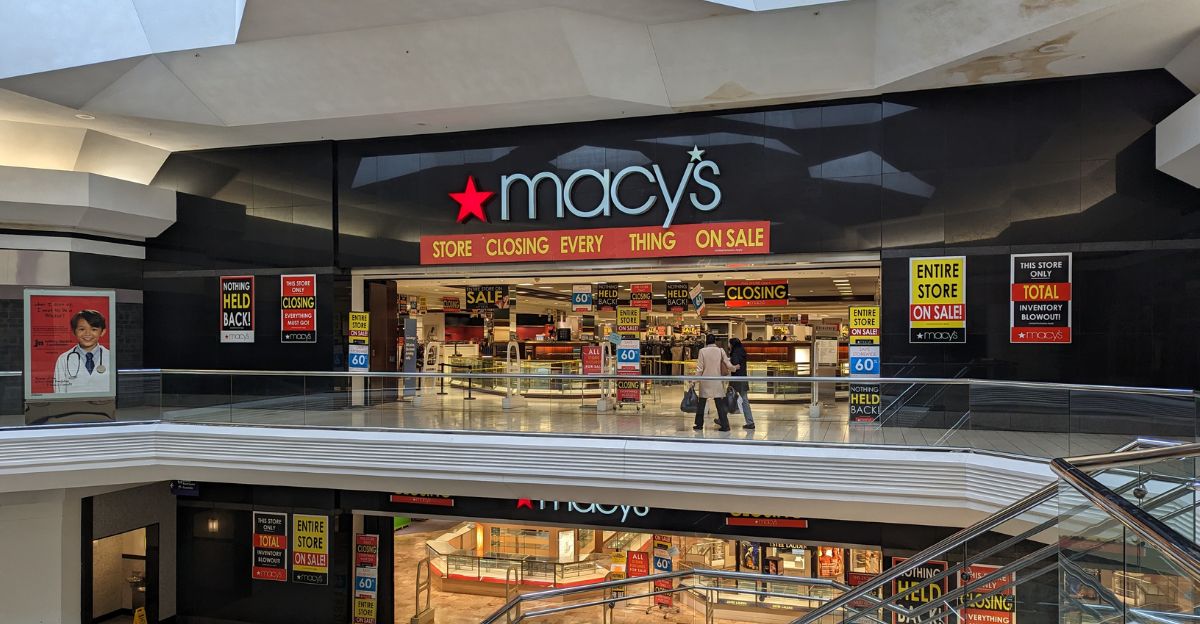
At the heart of Macy’s restructuring is a commitment to automation and centralization. The company’s new 2.5-million-square-foot North Carolina facility in China Grove, completed in October 2025 at a cost of $584 million, represents its most advanced distribution center yet. The facility relies on robotics and automated systems to process orders with greater speed and accuracy, significantly reducing the need for manual labor. This technological leap promises operational efficiencies and improved customer service, but it also accelerates the decline of manual warehouse jobs.
Macy’s is not alone in this shift. Competitors like Amazon, Walmart, and Target have already invested heavily in robotics and automation infrastructure, setting new standards for speed and cost-effectiveness in retail logistics. Macy’s rapid pivot to mega-facilities and automation signals that legacy department stores must adapt quickly or risk falling behind. As more companies follow suit, the landscape of regional delivery, warehouse employment, and consumer expectations is poised for further change.
Legal Protections and Worker Vulnerability
The closure of the South Windsor center triggered a mandatory WARN notice, ensuring employees received advance warning of the layoffs scheduled for early 2026. However, the workforce is not unionized and lacks bumping rights, meaning no one can transfer into another role to avoid termination. Local officials may step in to offer retraining or support, but the absence of collective bargaining underscores the vulnerability of retail distribution workers in an era of consolidation and automation.
A Glimpse Into Retail’s Future
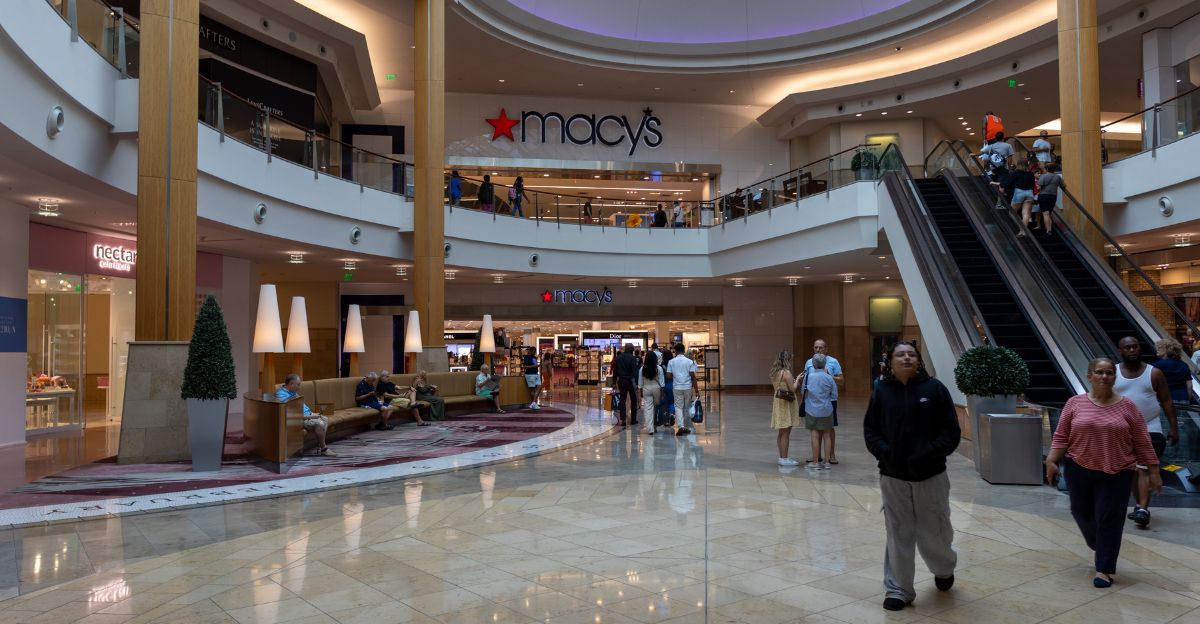
Macy’s Connecticut shutdown is emblematic of a much larger transformation sweeping through American retail. The $600 to $750 million in expected proceeds from the company’s real estate strategy through 2026—derived from 150 store closures and multiple distribution center shutdowns—will fund further modernization and new distribution infrastructure. For consumers, these changes may bring faster shipping, better inventory accuracy, and more seamless online-to-store fulfillment. For workers and communities, however, the story is one of disappearing jobs and shrinking economic anchors.
The debate over retail automation is intensifying. Proponents argue that modernization is essential for survival in a digital-first marketplace. Critics warn that the pursuit of efficiency comes at the expense of community stability and working-class livelihoods. As Macy’s and its competitors continue to invest in high-tech infrastructure and consolidation, the challenge will be finding ways to balance operational gains with support for those displaced by automation.
The closure of Macy’s South Windsor distribution center offers a preview of retail’s next decade: fewer facilities, fewer workers, and highly automated mega-hubs directing the flow of goods nationwide. The stakes are high—not just for Macy’s, but for the future of work and community life in an industry undergoing relentless change.