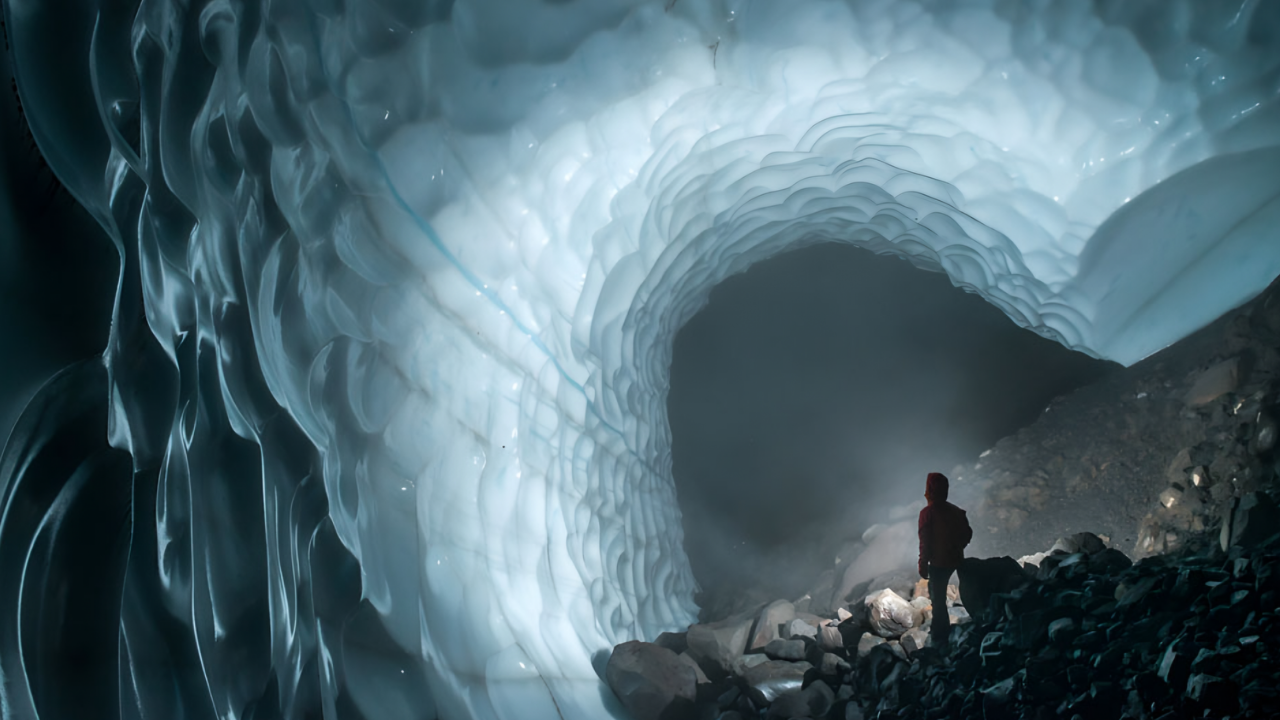
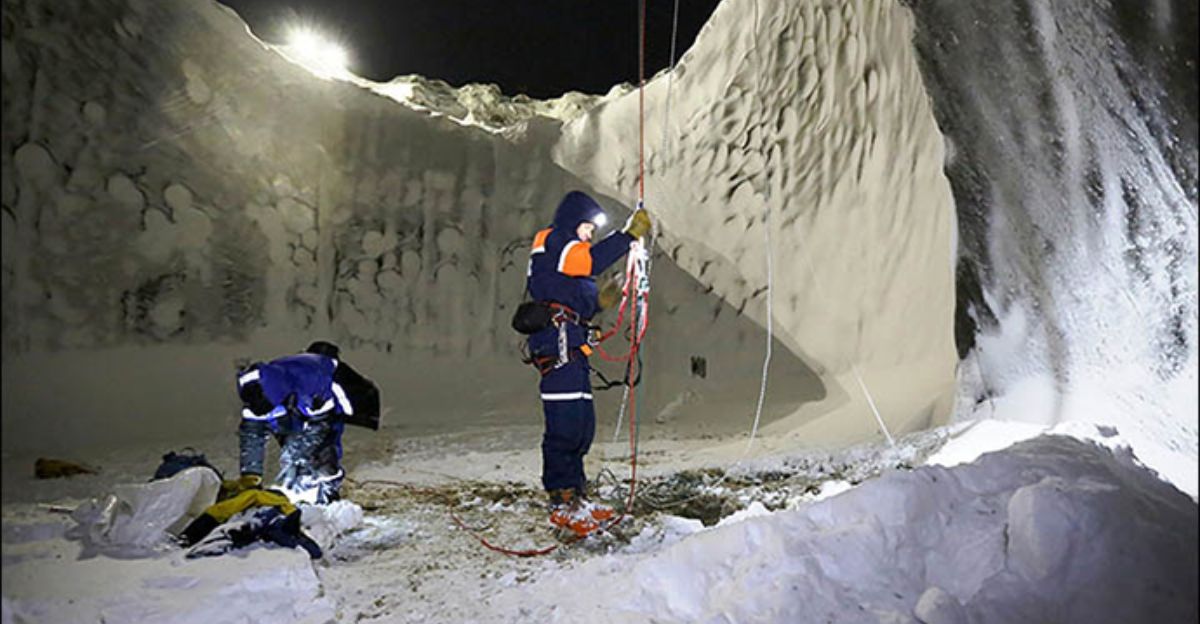
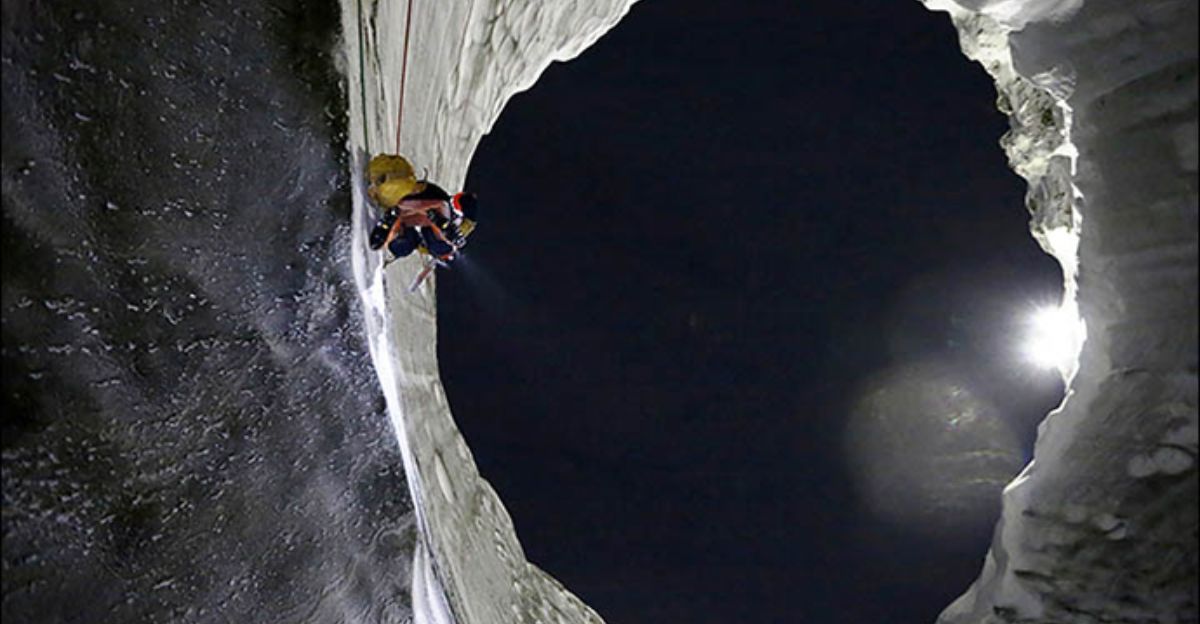
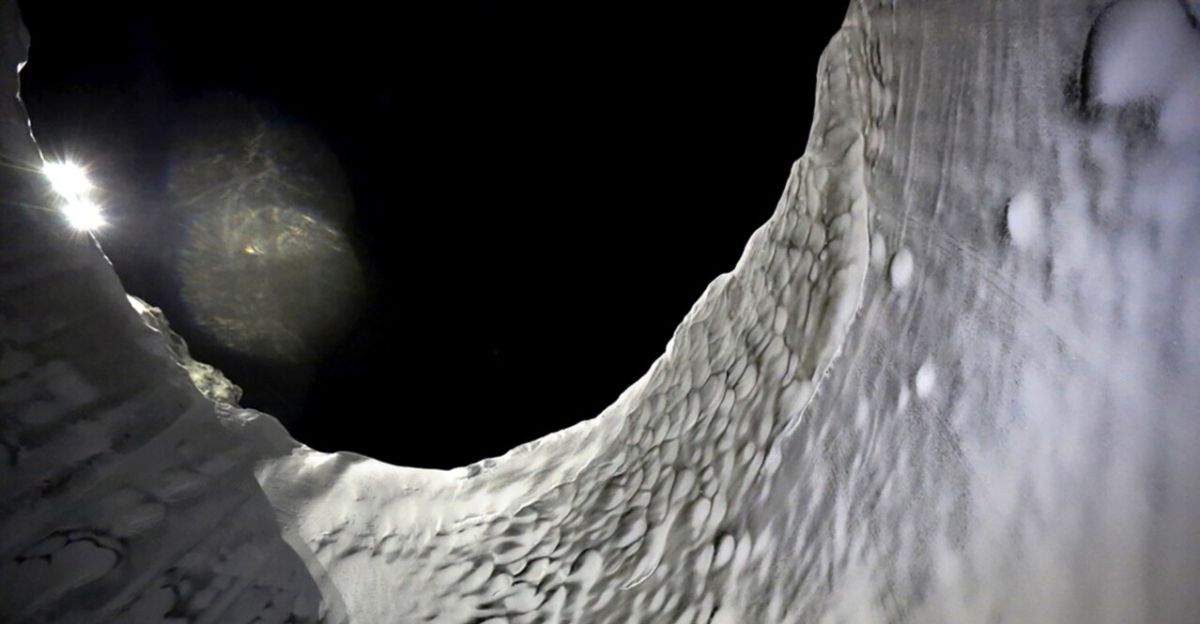
A team of Russian scientists prepared for the descent in subzero Arctic conditions, preparing to descend 16 meters into a vast, eerie crater that had only recently emerged from beneath the frozen surface.
It was a moment of mystery and danger, the first time anyone would explore the depths of this massive hole, a symbol of the Arctic’s rapidly changing landscape.
As they began their descent, the world below remained still, frozen, and waiting to reveal what lay hidden beneath. But what they found was only the beginning of a larger, terrifying discovery about the Arctic’s future.
The 2014 Discovery
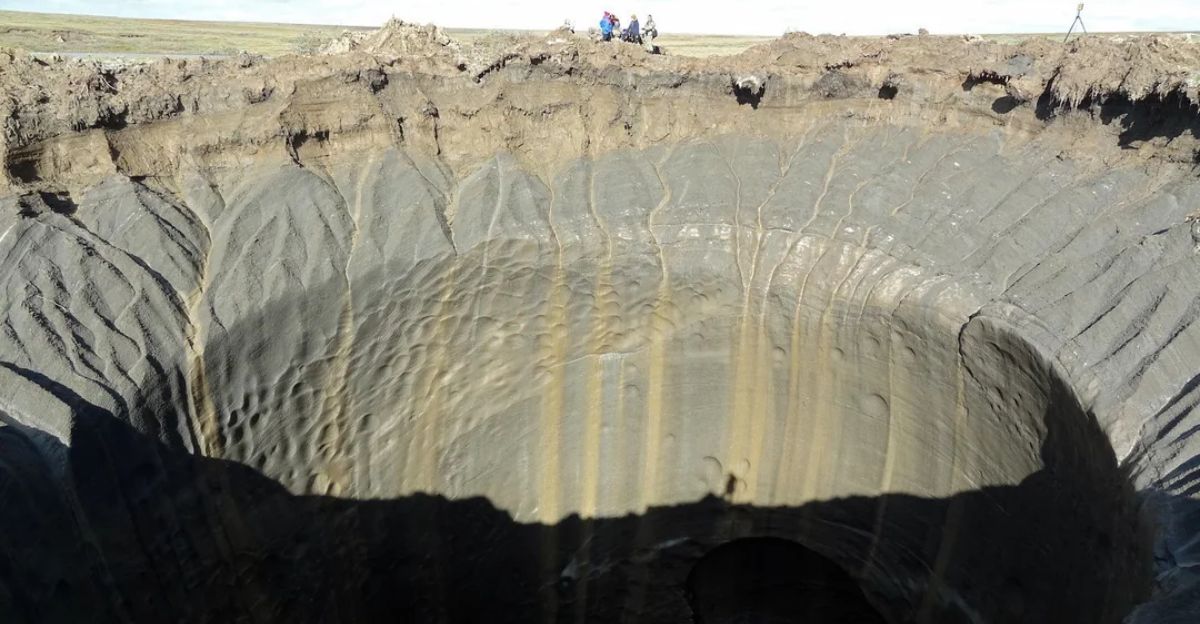
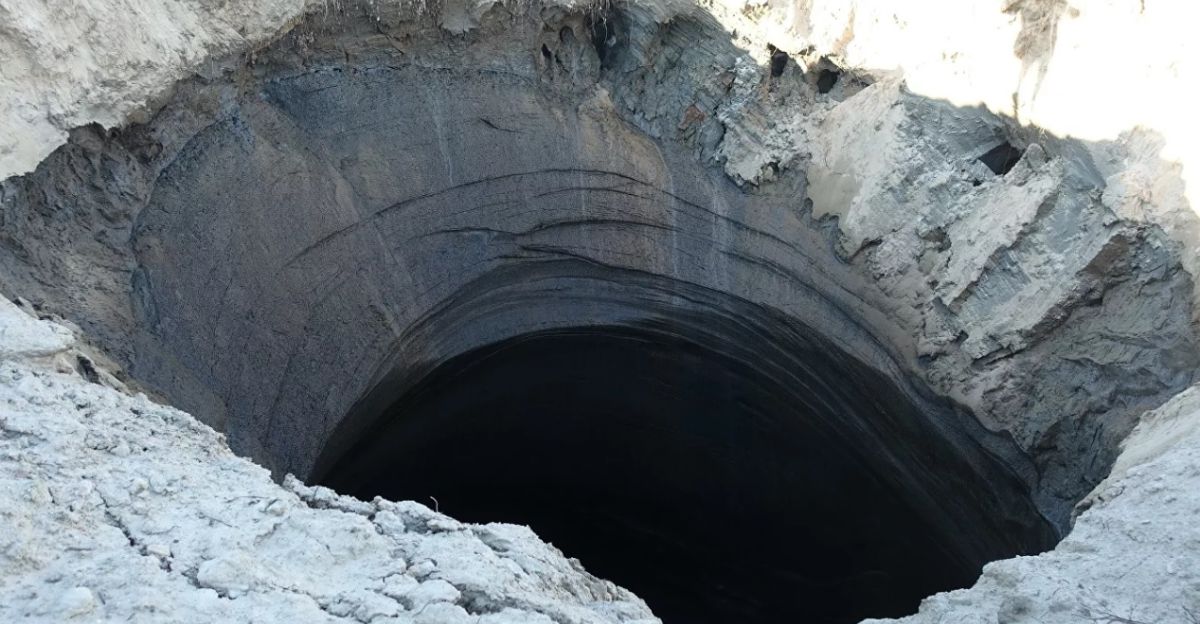
A decade earlier, in July 2014, a helicopter pilot captured the first dramatic aerial photographs of a vast, mysterious crater in Siberia’s permafrost.
The circular opening, approximately 20 meters in diameter, sparked immediate scientific curiosity and global attention.
This unexpected discovery initiated research that would continue for years, prompting scientists worldwide to investigate the phenomenon and its origins.
A Decade Passes

For ten years following the 2014 discovery, scientists studied the crater remotely through satellite imagery and preliminary observations.
During this period, additional craters were identified across Siberia’s vast permafrost regions, suggesting the phenomenon was more widespread than initially believed.
By 2024, technological advances and growing concerns about climate change had finally prompted an expedition to reach the crater’s bottom and conduct direct measurements.
Geological Background
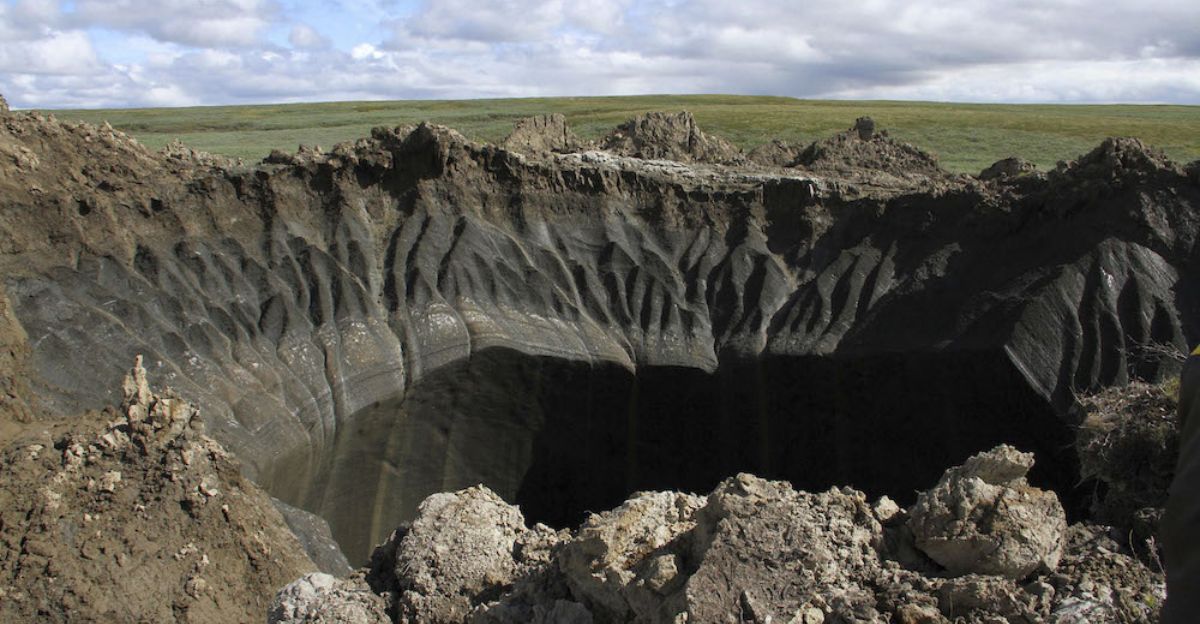
The craters are located on the Yamal Peninsula in northern Siberia, a region previously considered geologically stable.
Satellite imagery analysis, examining decades of data, reveals no evidence of such large craters before the 21st century, marking a significant change in the area’s geological landscape.
The sudden emergence of the craters has puzzled scientists and raised urgent questions about the stability of permafrost in a warming Arctic.
Climate Change Alarm
Global temperatures are rising, causing Siberian permafrost to thaw at unprecedented rates. This thawing threatens to release massive quantities of methane gas trapped beneath the frozen ground. This raises concerns about rapid ground collapse and methane blowouts.
Scientists warn that the consequences extend far beyond Siberia, potentially accelerating the global climate system through powerful feedback mechanisms.
First Descent Success
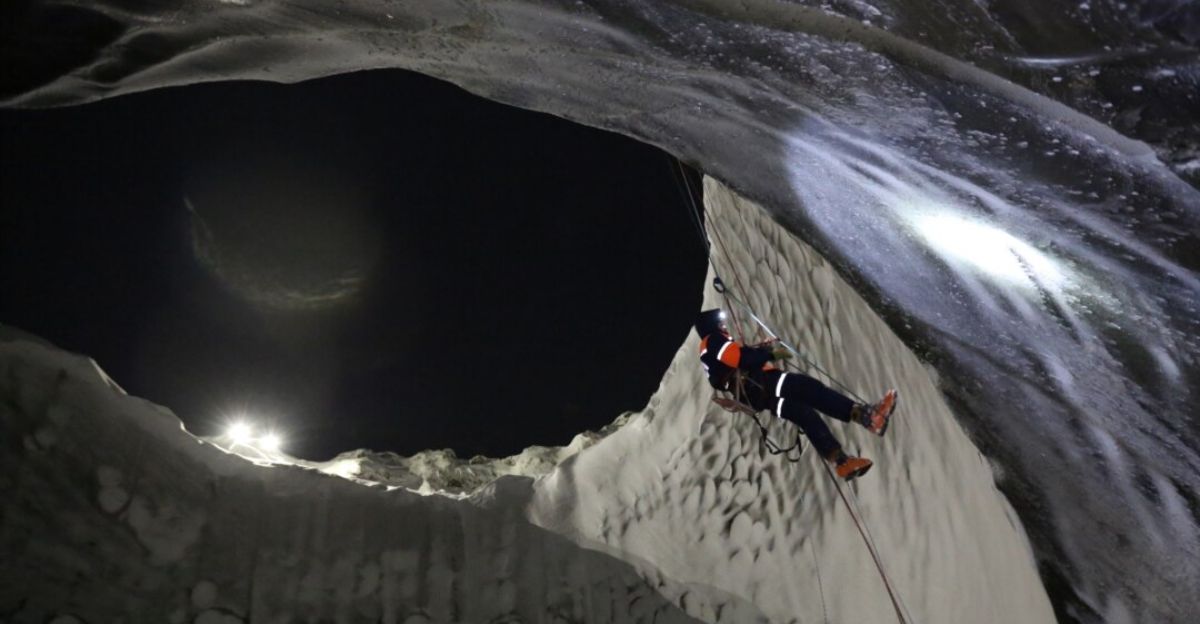
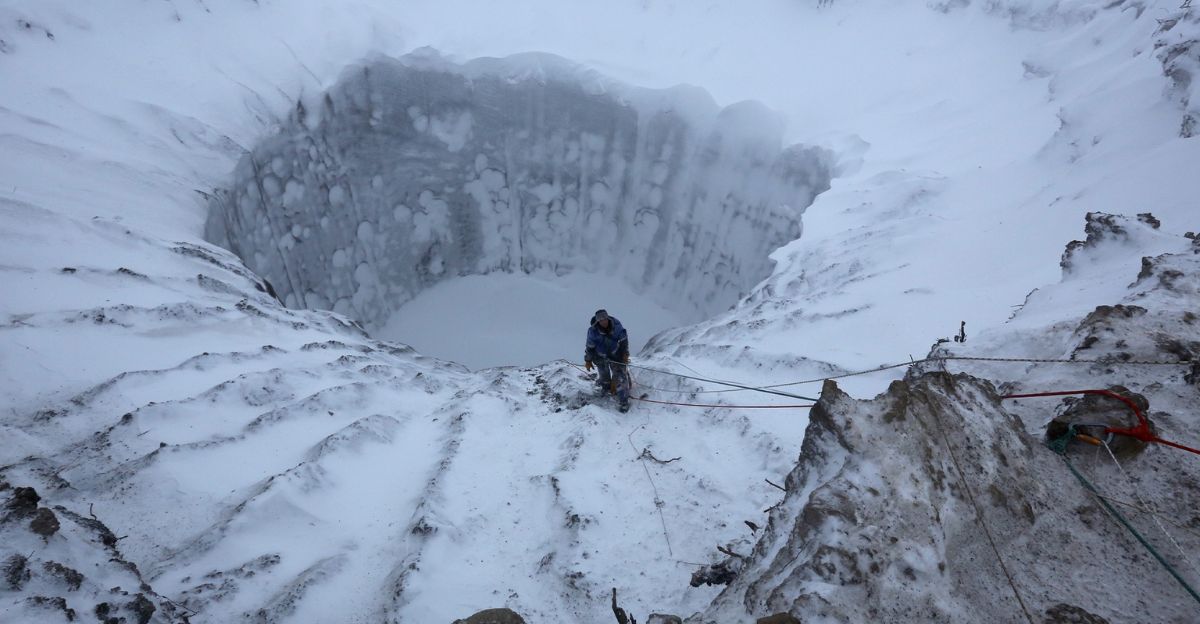
Led by Vladimir Pushkarev, director of the Russian Centre of Arctic Exploration, a team of scientists became the first to descend to the bottom of a Siberian crater physically.
With air temperatures plunging to -11°C, the expedition required careful planning and specialized equipment.
The team successfully gathered soil and ice samples, made precise depth measurements, and documented the subsurface environment for the first time.
Regional Infrastructure Risk
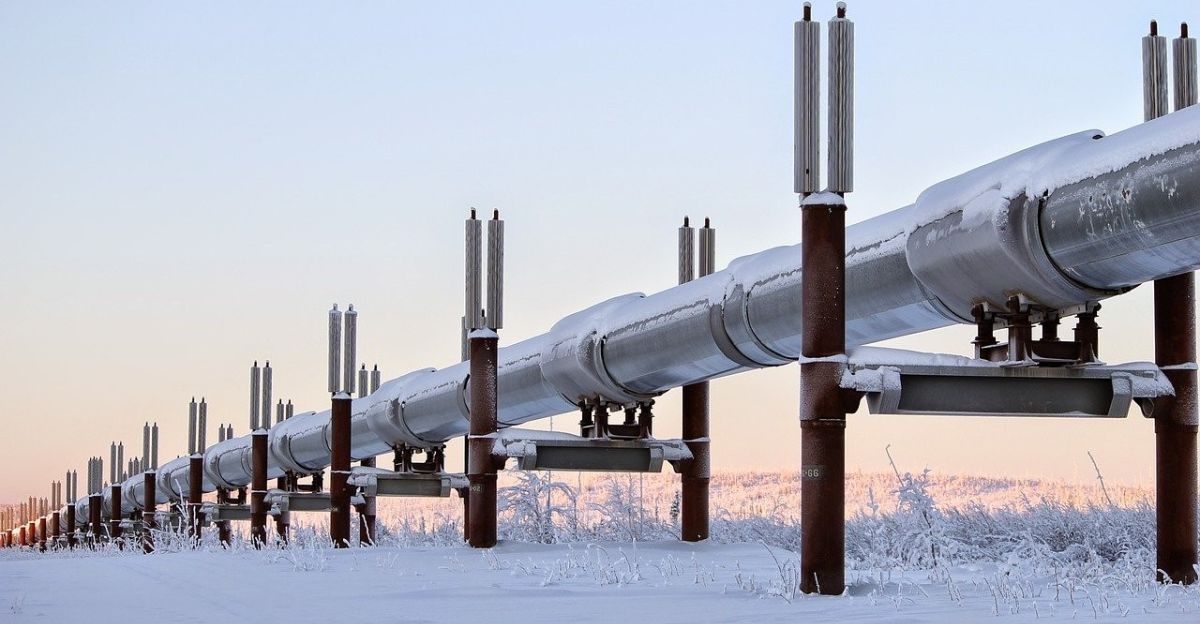
These craters pose more than academic curiosity—they threaten critical Arctic infrastructure. The Yamal Peninsula features pipelines, roads, settlements, and energy facilities constructed on top of permafrost.
Sudden ground collapse resulting from crater formation and methane release could devastate regional infrastructure, disrupt energy supply chains, and endanger Arctic communities that are already vulnerable to climate-related hazards.
Expedition Leader’s Account
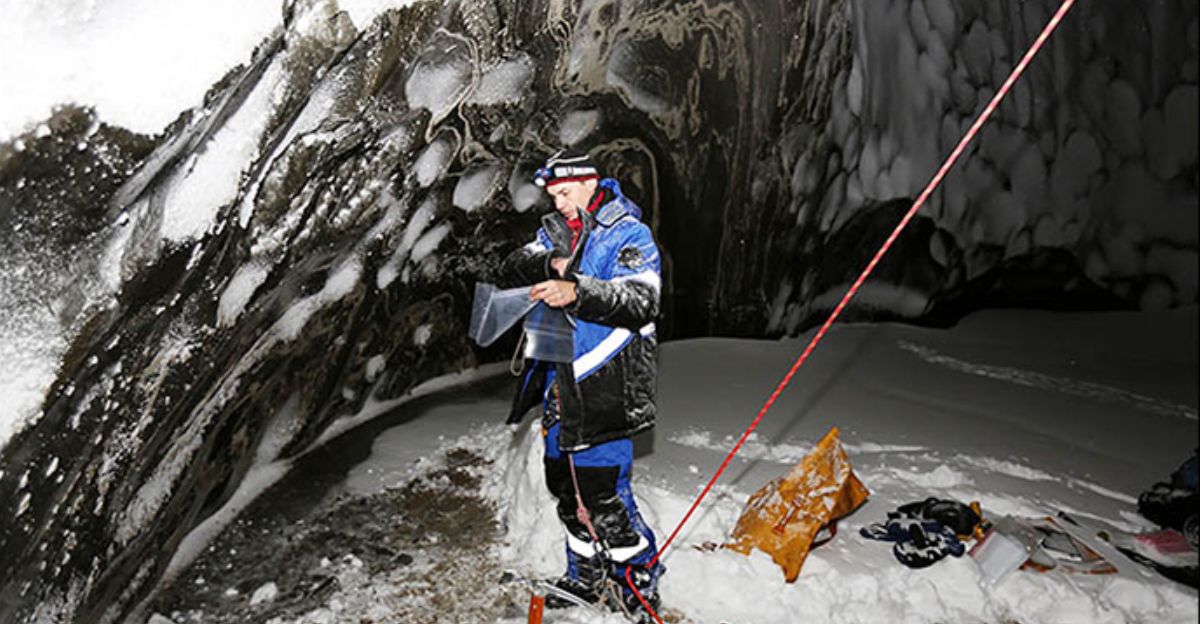
Vladimir Pushkarev shared the expedition’s findings, stating: “We took all the probes we planned, and made measurements. Now scientists need time to process all the data.”
The team collected comprehensive data on subsurface conditions, temperature anomalies, and geological composition.
Local residents, accustomed to harsh Arctic conditions, expressed concern about the unprecedented formations appearing in their landscape.
Theories Under Investigation

Scientists debate the origin of the craters with multiple competing hypotheses. Leading theories include gas hydrate destabilization from warming, pingo collapse (an Arctic ice mound phenomenon), and pressure from deep methane pockets.
The sheer scale and speed of crater formation defy simple explanation, leaving researchers with complex puzzles that require extensive data analysis and field investigation.
The Methane Threat
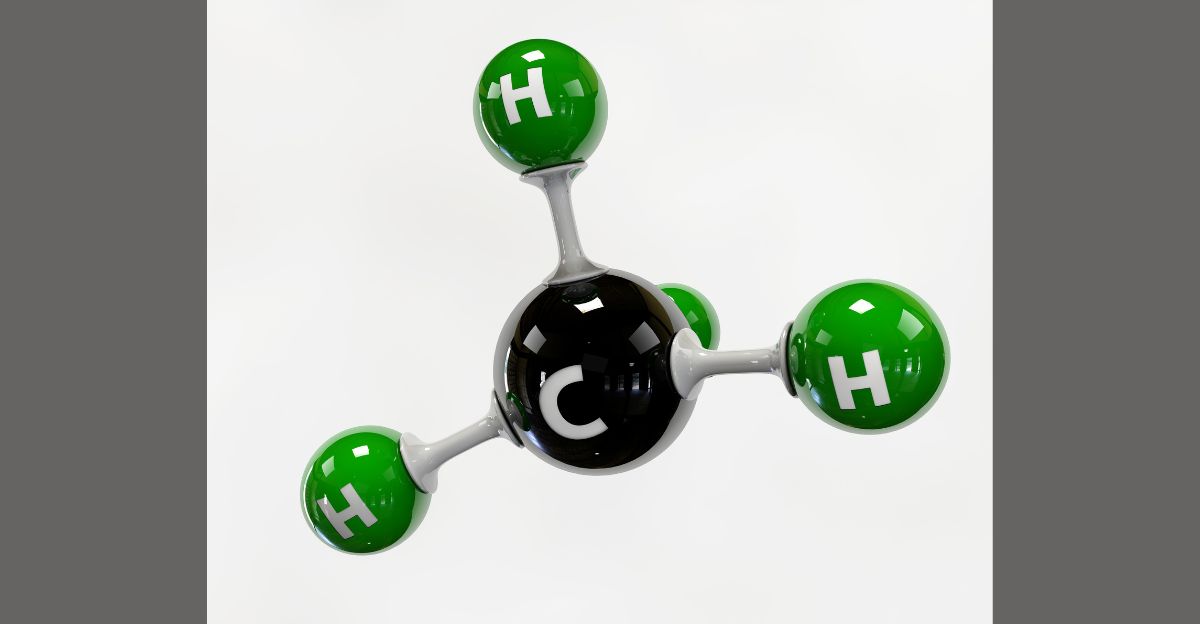
Methane is a potent greenhouse gas, 80 times more powerful than carbon dioxide over a 20-year period. Scientists warn that the sudden emergence of Siberian craters may signal methane blowouts from thawing permafrost, potentially triggering a dangerous climate feedback loop.
If confirmed, these craters could represent visible evidence of accelerating Arctic methane release with cascading global climate consequences.
Hidden Frozen Lake
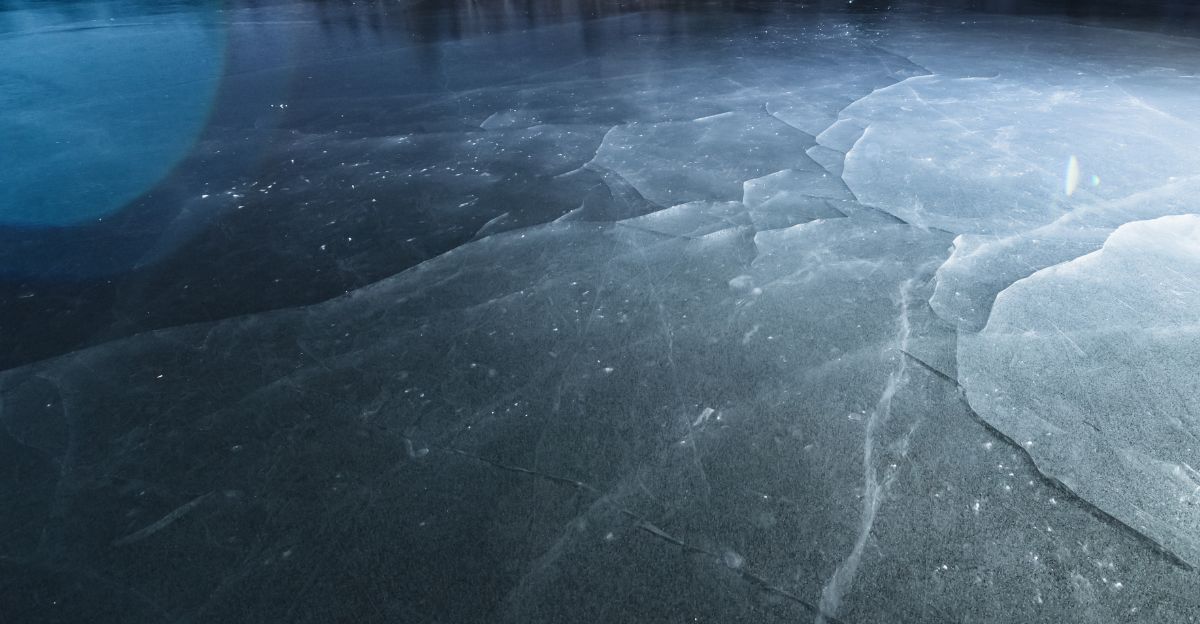
At the crater’s bottom, scientists discovered an unexpected frozen lake extending at least 10.5 meters deep. This hidden subsurface water body adds complexity to the crater system, creating a total cavity depth of approximately 26.5 meters when combined with the surface crater.
The lake’s existence suggests complex hydrogeological dynamics and persistent cold conditions despite temperature anomalies detected at depth.
Widespread Collapse Risks
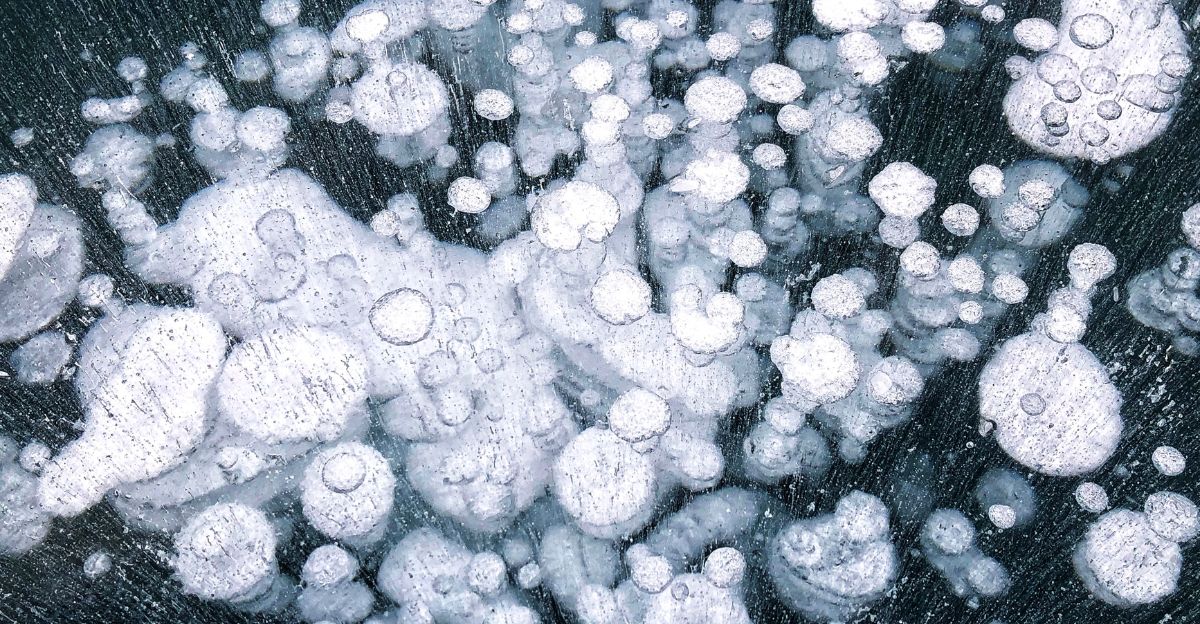
The discovery of methane pockets beneath the crater raises concerns about the potential for more widespread permafrost collapse.
Researchers fear that additional methane pressure zones could trigger similar formations across vast Siberian regions, potentially destabilizing the ground supporting critical infrastructure.
This cascading failure scenario could severely damage pipelines, roads, settlements, and energy facilities dependent on permafrost stability.
International Research Response
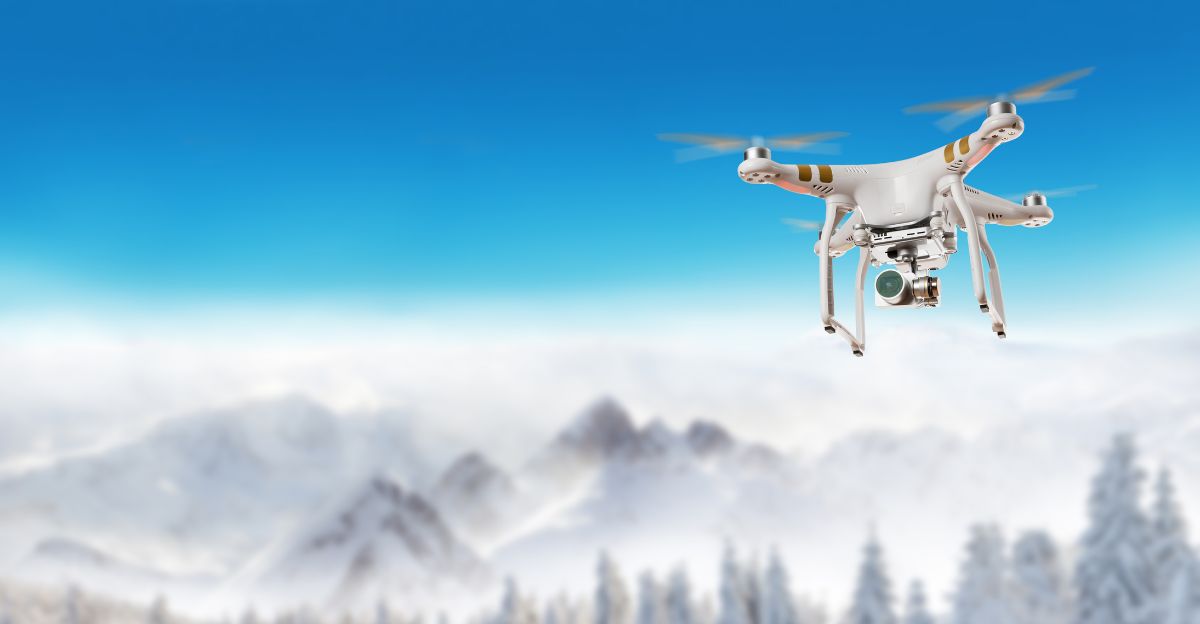
Following the Russian expedition, international scientific teams have intensified Arctic research efforts. Teams from multiple nations employ drones, remote sensors, and satellite monitoring to track crater formation and analyze subsurface conditions.
This international collaboration reflects the growing recognition that changes in Arctic permafrost affect global climate dynamics and require coordinated scientific investigation.
Enhanced Monitoring Protocols
Recognizing the mounting risks, Arctic authorities have established enhanced monitoring systems to ensure permafrost stability.
Research teams routinely track temperature fluctuations, methane concentrations, and ground subsidence across critical infrastructure zones.
Real-time monitoring networks aim to detect early warning signs of permafrost instability, enabling emergency response before catastrophic failures occur.
Competing Scientific Theories
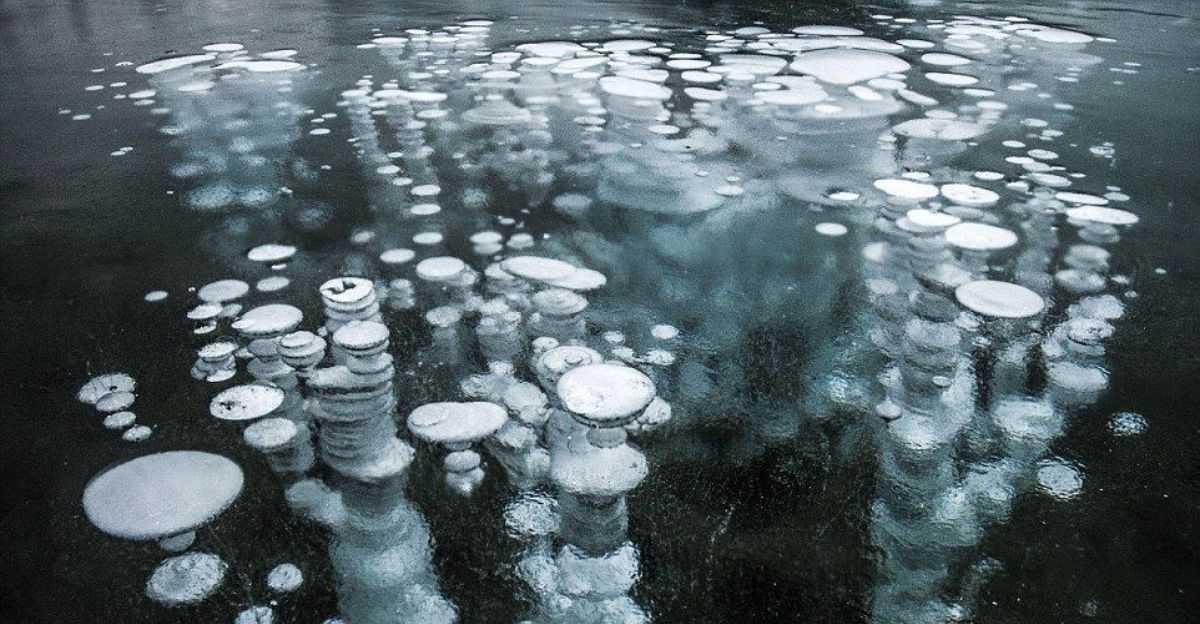
While the methane blowout theory dominates the discussion, some experts emphasize other contributing factors. Chemical reactions, geological movements, and hydrological processes may interact with thermal dynamics.
This scientific debate underscores the complexity of Arctic permafrost systems and highlights the need for multidisciplinary investigations that combine geology, chemistry, hydrology, and climate science.
Potential for More Craters
Satellite analysis of historical imagery suggests additional craters likely exist across Siberia’s permafrost regions. As of 2020, researchers had identified 17 confirmed gas emission craters, but ongoing analysis may reveal dozens more in remote areas.
The full geographic extent and total number of these formations remain uncertain, complicating risk assessment and climate modeling efforts.
Arctic Policy

The crater discoveries prompt a reassessment of policy across Arctic nations. Russian authorities are funding multi-year research projects to study crater formation and mitigate infrastructure risks.
International climate agreements increasingly incorporate permafrost dynamics and methane emissions into Arctic policy frameworks, recognizing that rapid thawing represents a critical climate tipping point.
International Arctic Implications
Permafrost destabilization affects all Arctic nations, not just Russia. Alaska, Canada, Scandinavia, and Greenland face similar infrastructure threats from thawing ground.
Oil, gas, and mining interests must reassess project viability as permafrost stability becomes increasingly uncertain, shifting investment decisions and resource development strategies across the circumpolar Arctic region.
Environmental Feedback Loop
Thawing permafrost destabilizes riverbanks, damages wildlife habitats, and releases long-sequestered greenhouse gases. This feedback loop accelerates global warming while complicating climate model predictions.
Indigenous communities and Arctic ecosystems face unprecedented challenges as landscapes transform at rates far exceeding historical norms, disrupting the ecological relationships and traditional practices that have sustained them for generations.
Early Warning Signals
Siberian craters serve as early warning signals of rapid Arctic change and climate system disruption. Scientists are racing to understand these mysterious formations, knowing that their findings could fundamentally reshape Arctic stability models and climate projections.
International research efforts continue to intensify as the urgency of Arctic permafrost dynamics becomes increasingly undeniable in shaping the future of Earth’s climate.