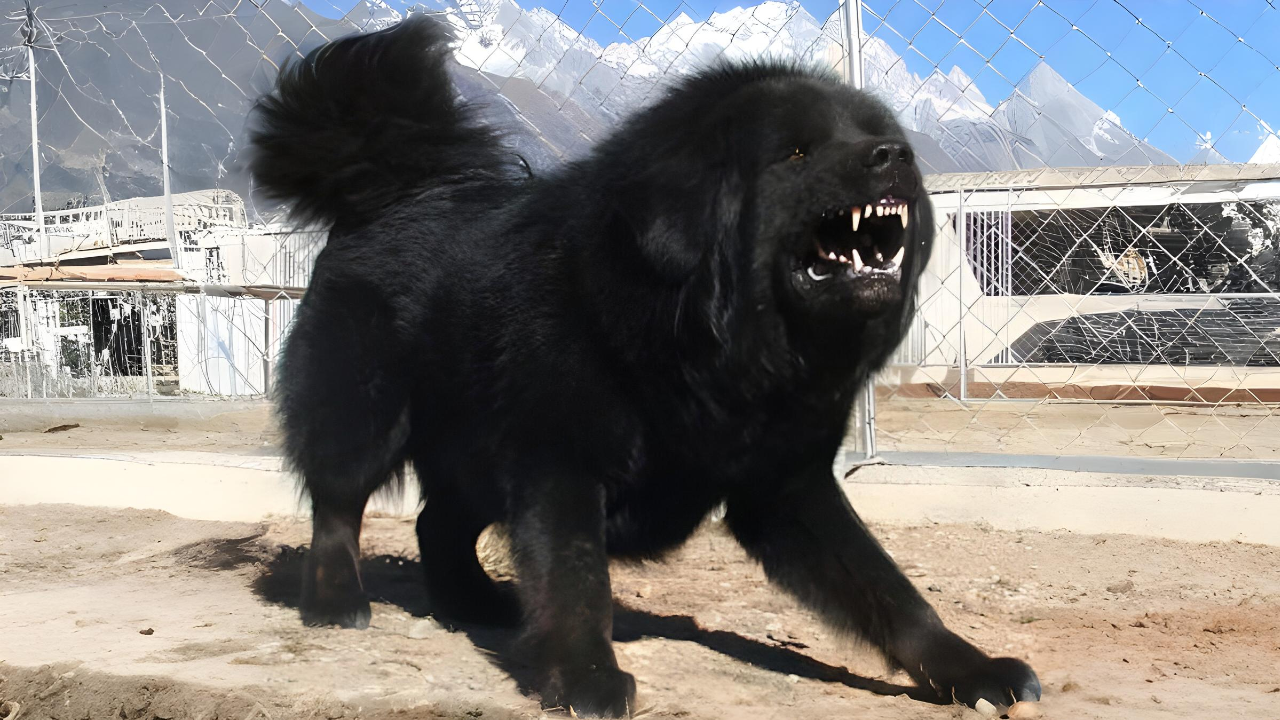
You’ve probably scrolled past a French Bulldog on Instagram today. Maybe you considered adopting one. Here’s what you need to know: a practicing veterinarian who’s treated thousands of dogs just went viral, saying he wouldn’t own ten of America’s most beloved breeds—not out of spite, but from years of watching these dogs suffer in ways most owners never see.
These aren’t obscure show dogs locked away in kennels. They’re the breeds sitting in celebrities’ laps, commanding six-figure waitlists, and featured in every pet store window.
A Nation’s Love Affair with Genetically Broken Dogs

French Bulldogs have held the #1 most popular breed ranking in America for three straight years. Everyone wants a Lab. Golden Doodles cost more than used cars. Yet here’s the uncomfortable part: each of these breeds represents what happens when breeders prioritize Instagram aesthetics over actual health.
Popularity isn’t earned through intelligence or temperament anymore—it’s manufactured through celebrity endorsements, designer pricing, and calculated marketing that sells a fantasy.
Your Dream Dog Could Cost You $100,000 Over Its Lifetime

The numbers are brutal. A French Bulldog’s breathing surgery? $5,000+. A Dachshund’s spinal crisis? $2,000–$5,000 per episode—and they have multiple episodes. Golden Doodles? $25,000+ over their lifetime just managing joint problems. A Shar-Pei’s never-ending skin infections? Lifelong veterinary bills that never actually stop.
When you do the math across America’s 6+ million households owning these ten breeds, you’re looking at over $100 billion in aggregate veterinary costs spanning dogs’ lifetimes. These are predictable, breed-engineered catastrophes that hit families hard while breeders pocket their $3,000–$5,000 deposits and disappear.
How Breeding for Cute Has Created Suffering

For over 150 years, breeders have chased specific traits: flat faces for Instagram cuteness, wrinkled skin for charm, extreme size variations, and working instincts so intense they make everyday pet life impossible. This obsession has created genetic destinies where suffering is hardwired.
French Bulldogs can’t breathe naturally because their airways are genetically too short—not a treatable disease, but a result of their biology. Approximately 25% of Labradors carry a mutation that genetically programs them to overeat, while burning 25% fewer calories than normal dogs. Genetics don’t negotiate.
The List of Breeds That Should Never Have Become Pets
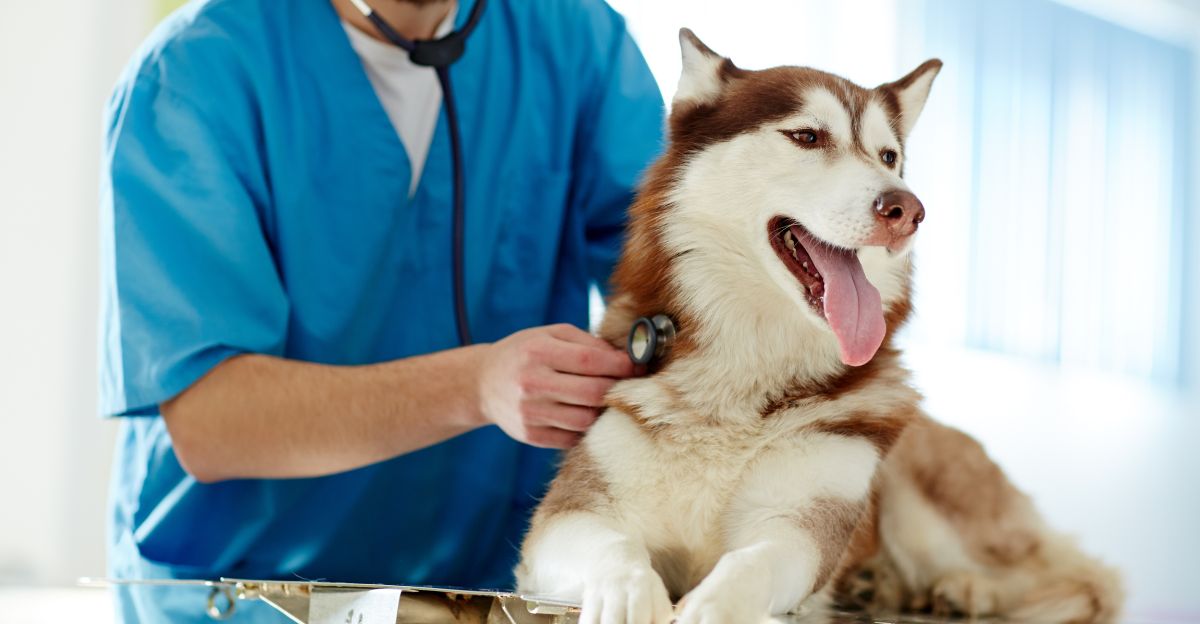
Veterinarian Amir Anwary identified the following ten breeds, and what connects them isn’t size or cuteness—it’s a single brutal truth: each breed’s genetics or behavioral wiring transforms normal pet ownership into a medical emergency, behavioral catastrophe, or financial disaster.
They’re objectively beautiful. They’re undeniably popular. They’re also, by design, unsuitable for typical families. Here’s what you absolutely need to know before falling for one.
1. French Bulldog: A Breathing Crisis

French Bulldogs command magazine covers and celebrity Instagram accounts, yet their flat-faced anatomy has left them susceptible to perpetual respiratory distress. That adorable smooshed face? It’s actually brachycephalic obstructive airway syndrome (BOAS)—not a treatable disease, but their permanent normal. They struggle to breathe during play, overheat when it’s warm outside, and wake up gasping at night.
Expensive surgeries might help, but they rarely cure the core problem: their biology was engineered to suffer. Add chronic skin fold infections, allergies, and spinal problems, and a single Frenchie racks up $15,000–$25,000 in medical costs over 8–10 years.
2. Dachshund: A Spine Built to Fail

One in four Dachshunds will develop intervertebral disc disease (IVDD) during their lifetime—a condition where spinal discs herniate and crush the spinal cord, potentially causing permanent paralysis. When it happens, surgery costs $2,000–$5,000 per episode, and many dogs need multiple surgeries.
Beyond the spine bomb waiting to detonate, Dachshunds struggle with separation anxiety so severe that it triggers destructive behavior, barking all night, and chronic obesity. .
3. Golden Doodle: The Designer Breed Deception
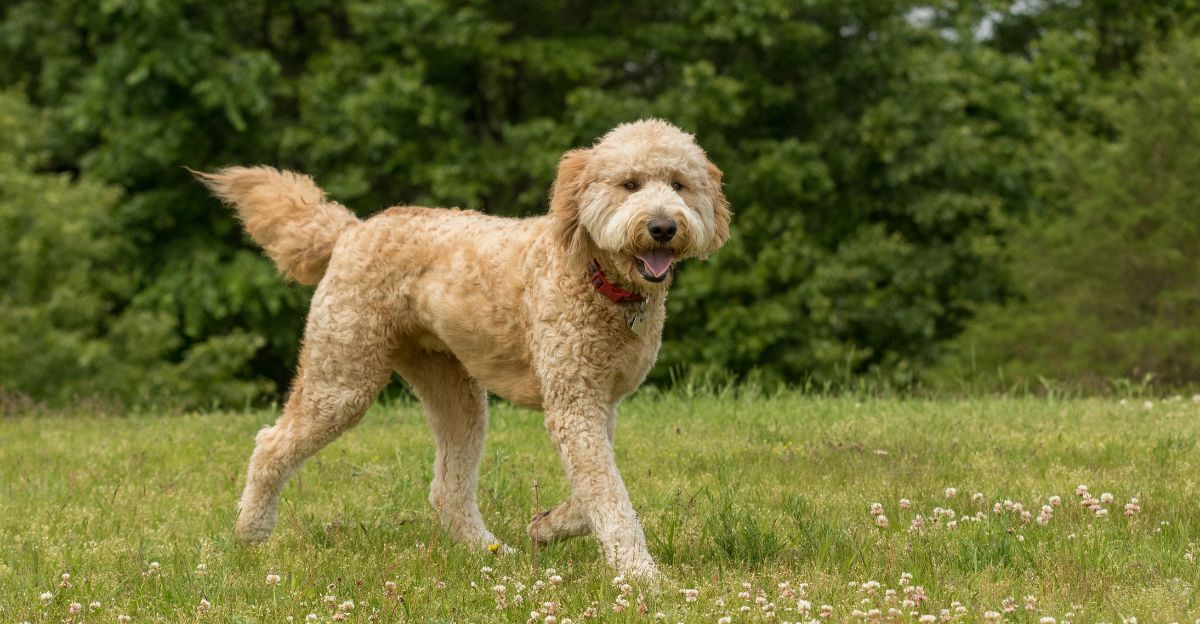
Veterinarians say these designer dogs are on “a fast-track to becoming one of the dog breeds with the highest vet bills,” despite not even being purebreds. They inherited hip dysplasia, elbow dysplasia, chronic ear infections, and allergies from both parent breeds, which means the worst genetic traits converged instead of canceling out.
One joint dysplasia surgery costs $5,000–$7,000, and many dogs need multiple surgeries before they’re even three years old. Here’s the cruelest part: breeders charge $3,000–$5,000 for these dogs, marketing them as problem-free while owners face veterinary bills that dwarf purebred costs.
4. Belgian Malinois: This Isn’t a Pet, It’s a Military Machine

Malinois are literally military and police working dogs, not companions. They require more than 40 minutes of intense exercise daily, along with constant mental stimulation, or they become destructive. Without a job, they demolish furniture, gnaw through drywall, create escape routes through windows, and develop unpredictable aggression.
A Malinois thrives in a police unit. That same dog in a suburban house? Behavioral catastrophe.
5. Border Collie: Your House Will Become a War Zone

Border Collies are arguably the most intelligent dogs ever bred, engineered to herd sheep all day with laser-focused intensity and problem-solving abilities that border on the alien. In suburban homes, that neurological hyperactivity becomes separation anxiety, destructive chaos, and obsessive behaviors that genuinely terrify unprepared owners.
Adopting a Border Collie without understanding its working-breed intelligence needs is like adopting a concert violinist and expecting it to be content playing background music in an empty room.
6. Labrador: Genetically Programmed for Obesity
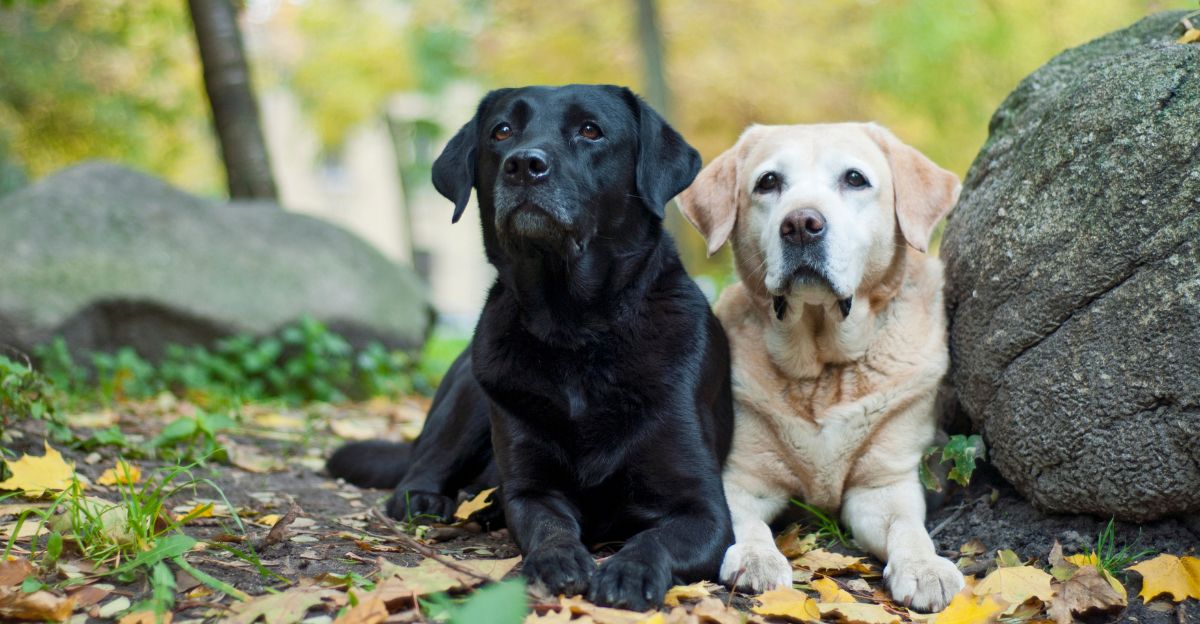
Labradors are universally praised as the ultimate family dog, beloved by nearly everyone. Here’s the problem: 25% of the breed carries a genetic mutation in the POMC gene that leads to a metabolic disorder. This mutation causes them to be constantly hungry while simultaneously burning 25% fewer calories at rest than normal dogs—a genetic one-two punch that makes obesity nearly inevitable.
Overweight Labs develop joint problems, diabetes, and heart disease earlier than leaner dogs, and their lifespans shrink accordingly. Without military-grade diet discipline, a Lab will inevitably become overweight, sick, and suffering.
7. Cocker Spaniel: The Rage Syndrome Roulette

Cocker Spaniels have a reputation for being cheerful and friendly, which makes what comes next genuinely disturbing. Solid-colored Cockers, particularly reds and goldens, carry the risk of “cocker rage syndrome”: spontaneous episodes of unprovoked, savage aggression that appear without warning. During an episode, the dog goes glassy-eyed with dilated pupils, often seeming confused as it attacks, biting hard enough to cause serious injury.
This isn’t dominance. It’s not a training failure. It’s a recognized neurological condition unique to the breed. Less than 10% of Cockers develop it, but when it strikes, families face a beloved pet that has transformed into something dangerous and unpredictable.
8. Chihuahua: Fear-Based Aggression in Tiny Packaging

Chihuahuas rank as America’s most aggressive dog breed—and not because they’re bold or dominant. It’s fear. These tiny dogs are often mishandled by careless owners who fail to impose serious training due to their size. Picked up roughly, squeezed by excited children, never socialized properly, and because they’re small, nobody trains them like they would a German Shepherd.
The result? Deep anxiety and defensive behaviors that make them bite-prone and virtually unsocializable.
9. Siberian Husky: The Escape Artist From Hell
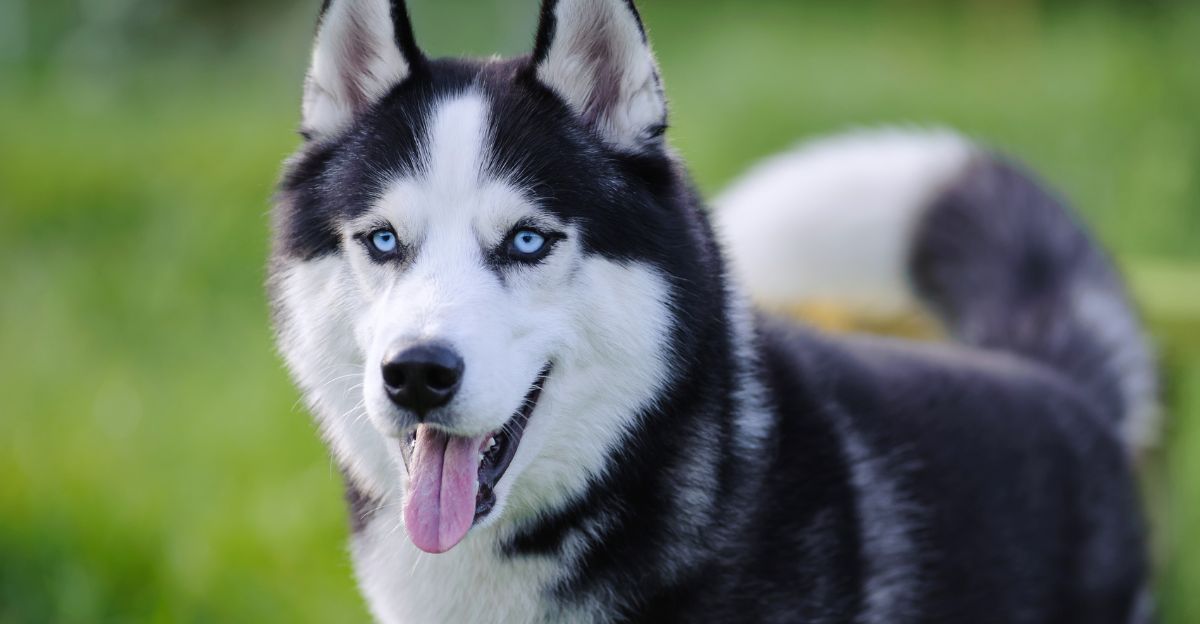
Siberian Huskies were built for sled racing across frozen tundra, which means they possess an irresistible drive to run combined with stubbornness that makes them nearly impossible for typical owners. These aren’t dogs that understand boundaries. They’re escape artists capable of digging, climbing, and jumping free from fenced yards with what trainers call “alarming ease”.
Without hours of daily intense exercise, Huskies become frantic, destructive, and genuinely dangerous. Their genetics were built for arctic work, not suburban living, and they don’t compromise.
10. Shar-Pei: Medical Suffering Disguised as Wrinkles

Those iconic wrinkles that make Shar-Peis look wise and adorable? They’re genetic suffering traps. Each wrinkle traps moisture, dirt, and bacteria, creating chronic skin fold infections, ear infections, and dermatitis that require constant veterinary management and never actually fully resolve. Beyond the wrinkle nightmare, Shar-Peis face Shar-Pei fever—spontaneous fevers that spike to 107°F—plus allergies requiring lifelong medication, hip and elbow dysplasia, and a documented tendency toward aggression.
These aren’t occasional problems that resolve with treatment. They’re a lifelong medical sentence that transforms veterinary care into a permanent, draining commitment.
How Profit Motive Trumps Dog Welfare

Here’s the uncomfortable truth nobody wants to discuss: the dog breeding industry operates with essentially zero regulation, maximum profit incentive, and absolutely zero accountability when things go catastrophically wrong. Breeders choose traits that sell—flat faces, extreme sizes, designer labels—over traits that keep dogs healthy. When a breed becomes extremely popular, breeders multiply rapidly to capture market share, and suddenly, genetic screening becomes optional and profit-driven.
Meanwhile, veterinarians are stuck treating the fallout: chronic disease, behavioral crises, and families so financially devastated they can’t afford the next surgery their dog needs.
The Professional Secret That Could Save You $50,000 and Heartbreak

Responsible breeders conduct health testing, including OFA/PennHIP screening for hip dysplasia, cardiac evaluations, and genetic testing to identify potential mutations. It sounds reassuring. It’s not. Even with screening, success isn’t guaranteed because environmental factors, spaying/neutering timing, and genetic complexity mean that diseases can still emerge. For breeds like French Bulldogs, screening doesn’t eliminate their inability to breathe naturally—it just reduces severity slightly.
Genetic destiny in these breeds is so deeply ingrained that health testing is essentially a form of theater designed to make buyers feel better. Adopting these breeds isn’t a calculated medical risk—it’s stepping into a genetic certainty disguised as responsible screening.
Why Buying These Breeds Is Complicit in Genetic Suffering

Think of it this way: every adoption of a French Bulldog, Golden Doodle, or Shar-Pei sends a powerful market signal—breeding for these traits is profitable. That demand drives more breeding, more genetic concentration, and exponentially more suffering across entire populations.
You’re not just adopting a dog. You’re voting for an entire breeding system that perpetuates genetic disease, behavioral incompatibility, and the financial exploitation of pet owners. Breeders profit from your demand. You pay for the medical bills. The dog pays with its suffering.
Healthier Alternatives That Give You the Look and Personality

Love French Bulldogs’ charm, but want a dog that can actually breathe normally? Adopt a Boston Terrier or Beagle. Want a Dachshund’s personality without the spine bomb? Jack Russell Terriers or Beagles have healthier bodies. Drawn to Belgian Malinois or Border Collies’ intelligence, but don’t want a destructive nightmare? German Shepherds bred for companionship or mixed-breed rescues often have similar looks and personalities, minus three generations of inbreeding.
Here’s the secret: rescue organizations overflow with healthy mixed breeds—many with the exact aesthetic and temperament you’re looking for, but without the genetic issues. The alternative to genetic suffering isn’t no dog. It’s a healthier, often more grateful dog from a rescue that didn’t cost a breeder $5,000 to produce.
When Aesthetic Breeding Meets Medical Crisis, Everyone Loses—Except Breeders

These ten breeds are genuinely beautiful, remarkably intelligent, and deeply lovable—which is exactly why their popularity contradicts their welfare so painfully. Their genetics make everyday pet life a medical minefield and behavioral obstacle course. Until breeders prioritize health over appearance and buyers prioritize welfare over Instagram aesthetics, these breeds will remain trapped in crisis.
Choosing to adopt one isn’t bold or trendy. It’s consigning yourself to potential heartbreak, financial devastation, and a dog engineered for a life it can never have. The real cost of being cute is paid daily by the dog, in pain it can’t explain.