Coffee shops across the U.S. are closing their doors, some permanently, as prices soar 19% this year. Independent chains like The Blend Coffee & Cocktails and Best Cuppa Austin are filing for bankruptcy, while even Starbucks shutters stores and lays off hundreds.
Tariffs, droughts, and inflation collide to squeeze margins and push workers and consumers into crisis. Here’s what’s driving this unprecedented coffee upheaval.
What’s Going On?
A wave of coffee chain bankruptcies has swept across the U.S. this year. Independent and regional operators like The Blend Coffee & Cocktails and Best Cuppa Austin have been hit hardest, burdened by rising costs and shrinking margins.
Their struggles reveal how a global supply crunch and domestic policy collided to reshape the industry.
A Brewing Bankruptcy Wave
The Blend Coffee & Cocktails filed for Chapter 11 on November 4 through 11 related entities, listing up to $1 million in debt. In Texas, Best Cuppa Austin faced similar trouble weeks earlier, showing how small chains are collapsing under record financial strain.
But the crisis doesn’t stop there.
Compass Coffee Near Collapse
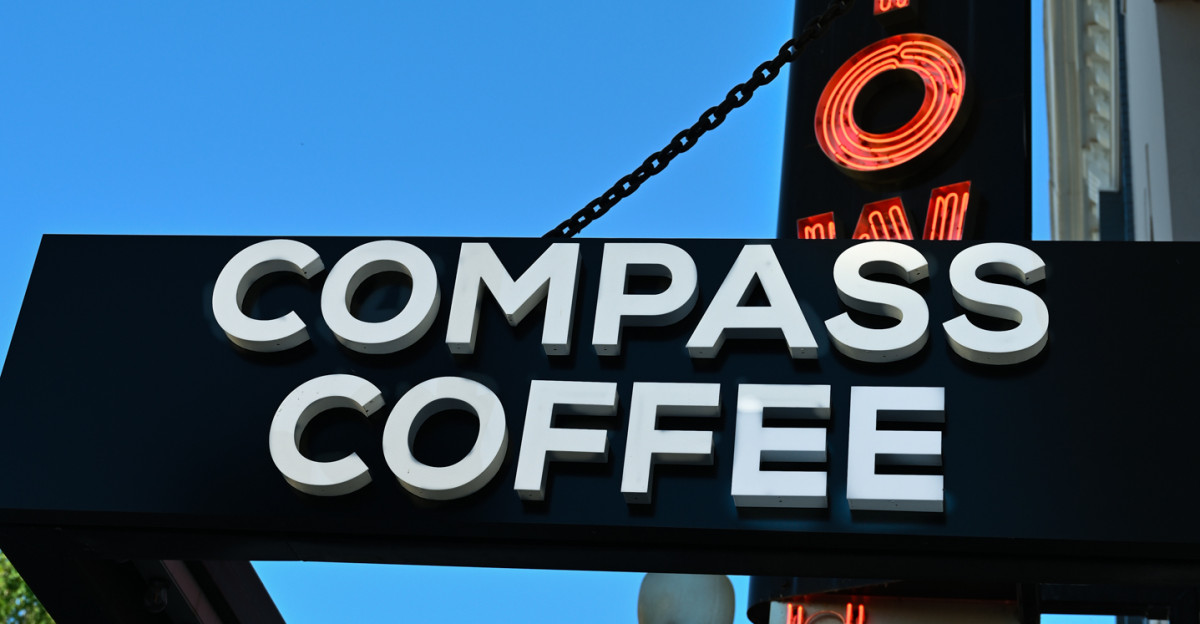
Compass Coffee, a Mid-Atlantic favorite, is “most likely” to declare bankruptcy, according to company statements, after rent disputes ballooned to $1.4 million. The pattern shows how quickly small and regional chains are running out of cash.
Yet, even industry giants aren’t immune to the fallout.
Starbucks Feels the Pressure
Starbucks, with 18,734 North American stores, announced a $1 billion restructuring plan in September that includes 124 store closures and 900 corporate layoffs. CEO Brian Niccol confirmed six straight quarters of declining sales as customers tighten their budgets.
Still, the reasons go far beyond consumer habits.
The Triple Threat Behind It All

Three crises collided this year: climate change, tariffs, and inflation. Together, they created the perfect storm for the coffee industry. Record droughts cut global supply, tariffs raised import costs, and inflation squeezed both businesses and consumers.
But the worst damage began thousands of miles from American shores.
When Brazil and Vietnam Dried Up
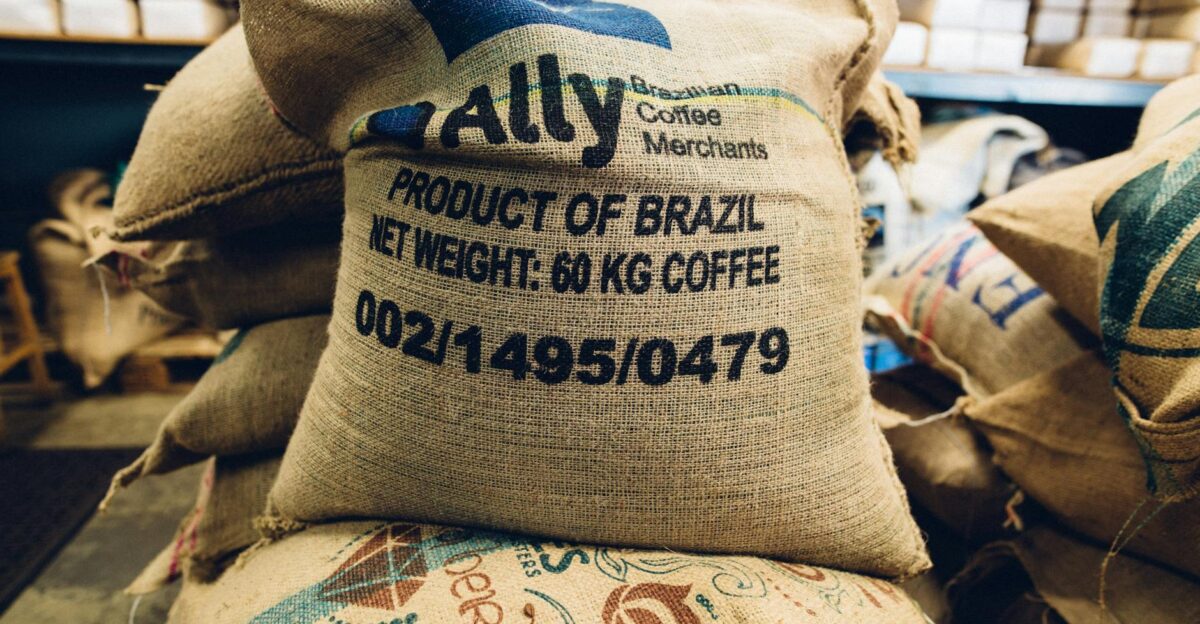
Brazil’s Minas Gerais, the world’s largest arabica region, suffered its driest weather since 1981, devastating crops. Vietnam, the second-largest coffee producer, saw yields plunge up to 50%. Together, they triggered a global supply deficit that’s now lasted five years.
And just as farms were struggling, new tariffs hit.
The 50% Tariff Shock
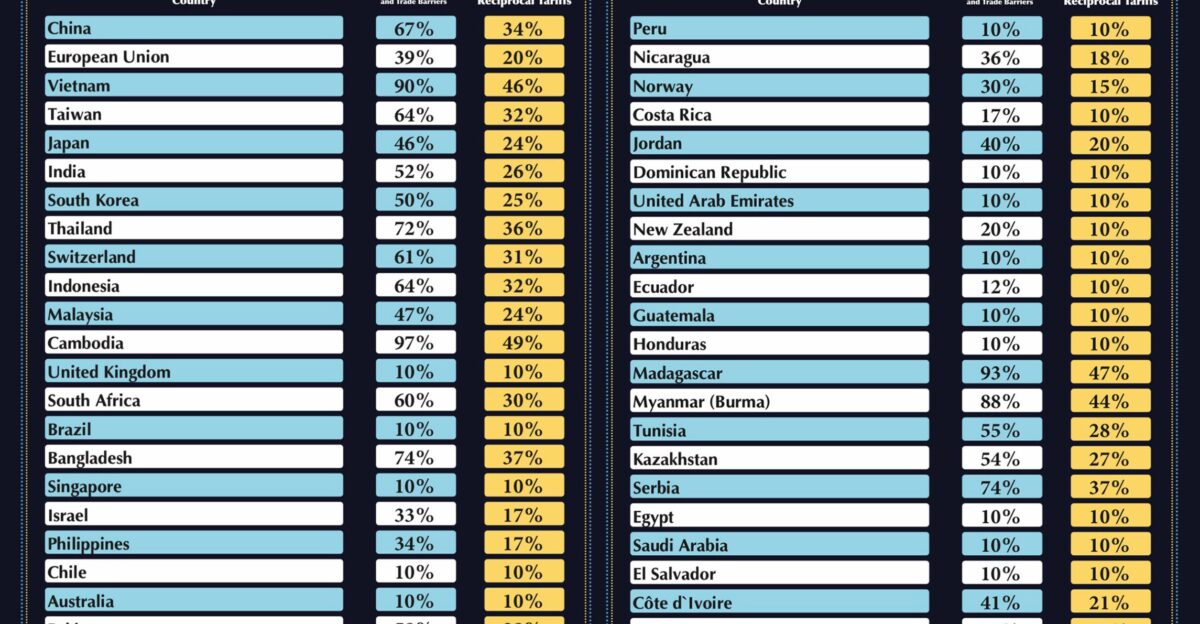
On August 6, the Trump administration imposed a 50% tariff on Brazilian coffee imports—the steepest in modern trade history. Brazil supplies 40% of the world’s coffee, making the U.S. tariff a global market disruptor.
The fallout was immediate and severe for American roasters.
Trade Routes Rerouted Overnight
More than 253,000 shipping containers of Brazilian coffee were redirected to other countries once the tariff took effect. U.S. buyers suddenly found themselves locked out of affordable supplies.
Vietnam’s robusta beans filled some gaps, but drought left little room for rescue.
Price Spikes Hit Home

According to Labor Department data, U.S. coffee prices rose 19% year over year by September. Senator Catherine Cortez Masto noted even higher spikes in some regions, warning prices climbed up to 40%.
For coffee drinkers, that means one thing—smaller cups at higher prices.
Baristas and Workers on the Line
The U.S. coffee industry employs about 2.2 million workers, including nearly half a million baristas. But job losses are mounting. Around 3,000 to 4,000 employees could be displaced from closures at Starbucks, The Blend Coffee, and others.
Behind every café closure are workers facing uncertain futures.
Small Businesses on the Brink
Independent cafés like Hub Coffee Roasters in Nevada have raised prices 30–60% to survive. “We’re just trying to keep the lights on,” said owner Mark Trujillo on November 7.
Yet with consumers cutting back, survival for small operators looks increasingly uncertain.
The Consumer Cost of a Cup
A 19% price jump may not sound huge, but it adds up. The average coffee drinker now spends about $325 a year—roughly $60 more than before. For daily drinkers, that can mean $800 to $1,200 in extra spending annually.
No wonder more people are brewing at home.
Political Battle Over Coffee Tariffs
Senators Catherine Cortez Masto and Rand Paul teamed up to introduce the “No Coffee Tax Act” in late October, aiming to restore zero tariffs. “The United States doesn’t grow coffee, and taxing it won’t create a single American job,” said Paul.
But the White House isn’t backing down yet.
Trump Defends the Tariffs
President Trump argued that coffee tariffs are essential to national security, telling reporters the U.S. is “suffering tremendously” without tariff flexibility. The Supreme Court is now reviewing the policy’s legality.
Meanwhile, every delay deepens the pain for roasters and retailers.
A Crisis With No Quick Fix
Experts warn that recovery may take years. Vietnam’s farms won’t fully rebound until at least 2027, and Brazil’s drought-damaged trees could take just as long. Even if tariffs are lifted, supply gaps and financial scars will linger.
And that leaves one question—how much more can America’s coffee habit endure?