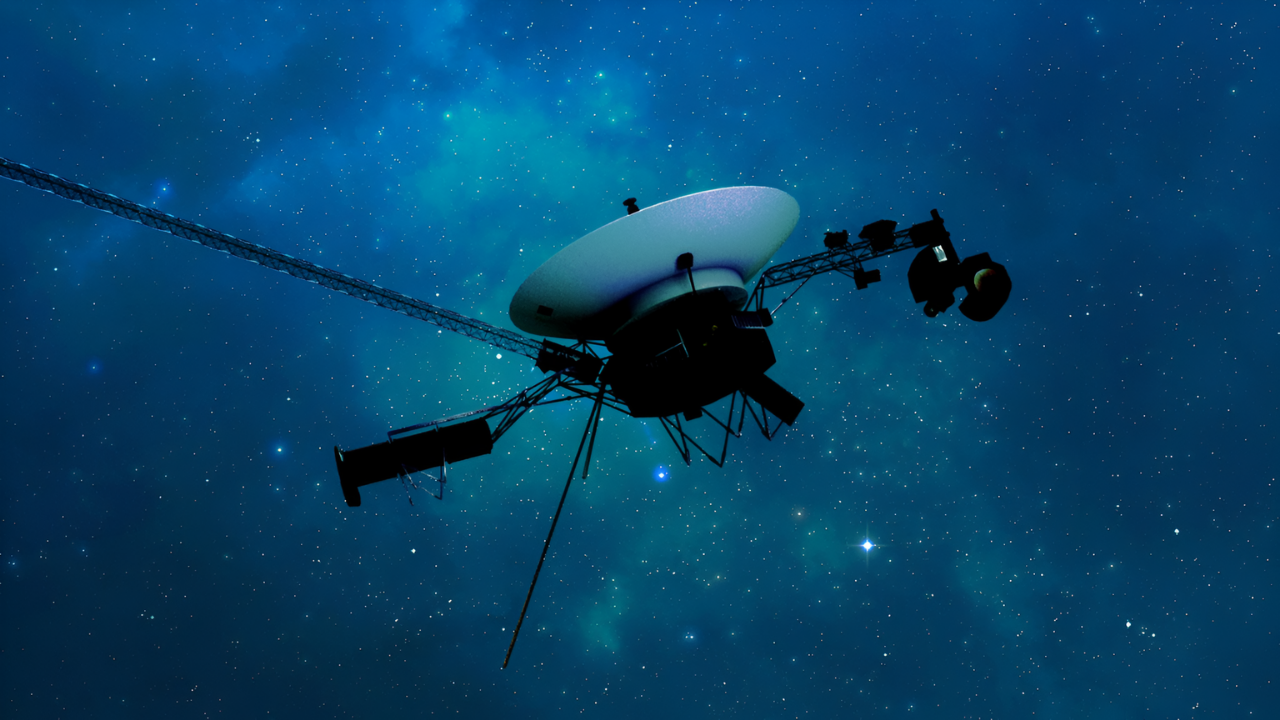
Beginning in November 2023, Voyager 1, humanity’s farthest spacecraft, had an enigmatic communication issue that resulted in five months of incomprehensible telemetry. A corrupted Flight Data Subsystem (FDS) memory chip, which compromised 3% of the system’s memory and interfered with data packaging, was identified by NASA engineers. Despite a 22.5-hour one-way signal delay, engineers were able to restore clear signals by April 2024 by moving crucial software code to alternate memory sectors using decades-old manuals.
This accomplishment highlights how human ingenuity and technology from the 1977 era overcame isolation 15 billion miles from Earth. Such a prolonged period of quiet, followed by a mysterious signal identified by sophisticated quantum analysis as a non-human structure, suggests phenomena beyond typical spacecraft malfunction and merits further investigation.
Voyager 1’s Unstoppable Journey and Historical Legacy
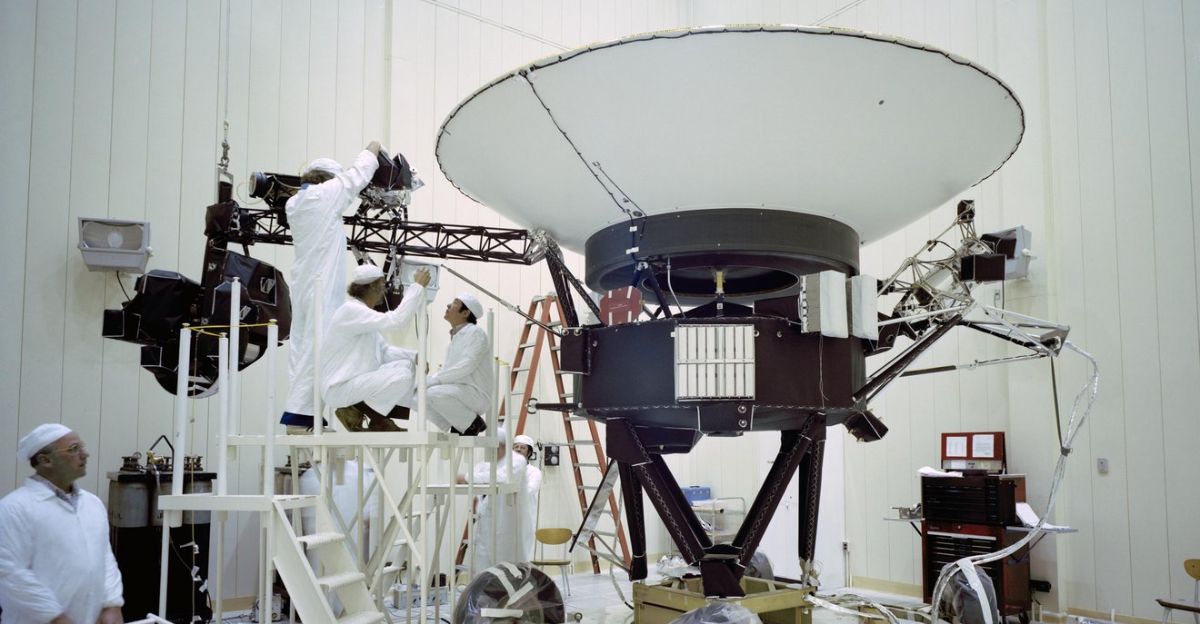
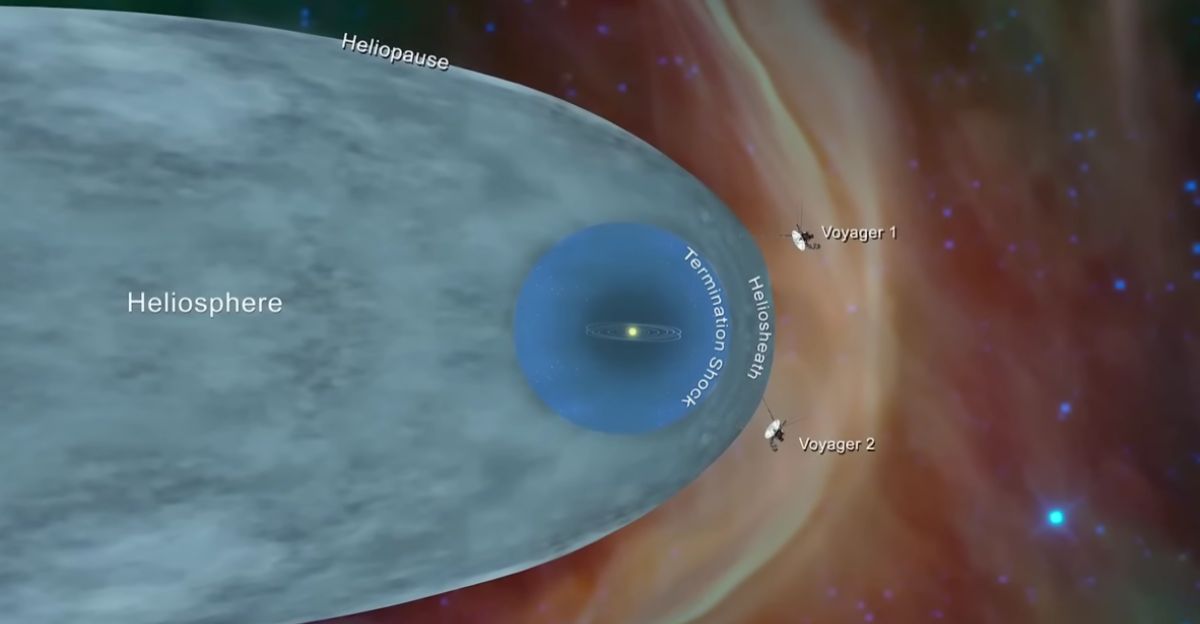
Voyager 1, which was launched in 1977 with a 5-year mission, has surpassed all expectations by operating for over 46 years and becoming the first probe to travel beyond the heliosphere to interstellar space. It continuously transmits data from areas that no other spacecraft have been able to reach, making it the oldest and furthest man-made object.
Its hardware, which was created before the internet, exhibits unparalleled durability and engineering. Mission-critical systems designed in the 1970s are still relevant, as evidenced by the meticulous resolution of earlier anomalies by remote teams.
NASA’s Non-Human Structure Flag and Quantum AI
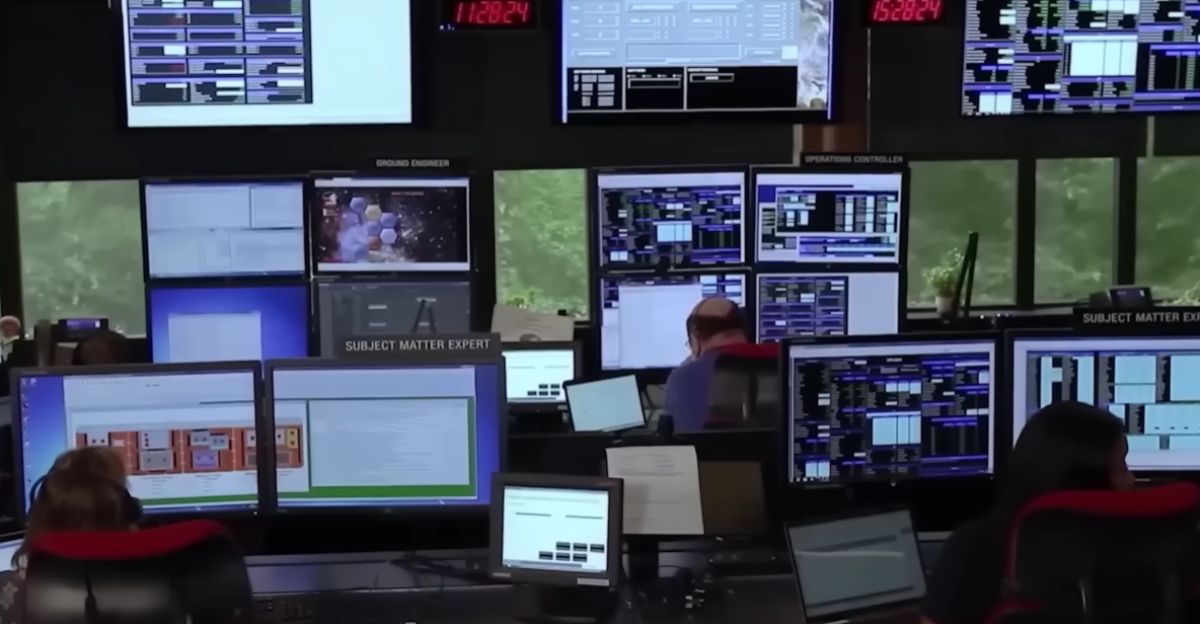
NASA’s use of quantum AI in signal analysis is a significant advancement in anomaly detection since it can identify patterns that traditional algorithms are unable to. NASA’s quantum core anomaly detector was activated by the mysterious Voyager 1 signal, indicating a structure that was not consistent with signals from known human or natural spacecraft. Quantum AI’s pattern recognition alerted researchers to a potential extraterrestrial or non-human technological signature embedded in telemetry irregularities, despite early assumptions pointing to technical errors (NASA Quantum AI Lab, 2024).
Conventional interpretations are challenged by this identification, which implies that signals of complex cosmic structures that were previously missed by linear analysis may be paradoxically encoded or revealed by remnants of probe malfunction.
Technical Difficulties in Remote Spacecraft Maintenance
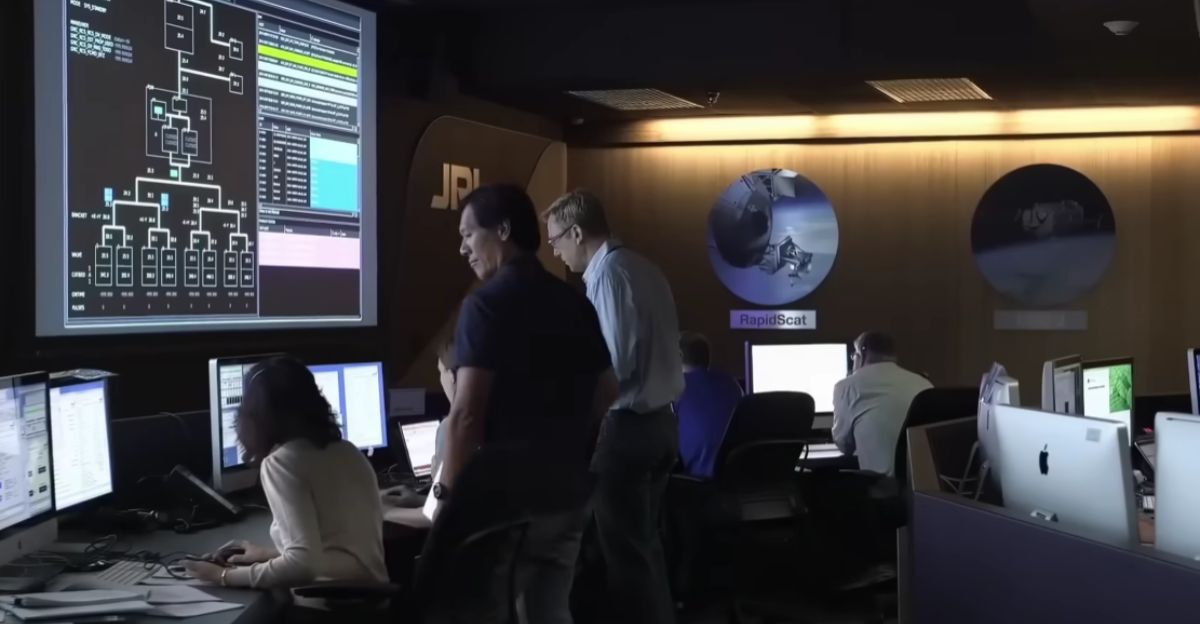
Troubleshooting Voyager 1 is made more difficult by its fragile 1970s software architecture and 45-hour round-trip communication delay. Four scientific instruments’ data handling was disabled due to a corrupted FDS memory malfunction, which stopped important data.
Due to hardware limitations, engineers manually tracked the fault from Earth, proving human adaptability in harsh circumstances (NASA JPL, 2024). When decades-old technology meets the current quantum era, this human-led solution challenges presumptions about AI’s superiority in spacecraft maintenance and highlights the ongoing value of human experience, manual backup systems, and creative problem solving.
The Five-Month Blackout: Consequences and Dangers
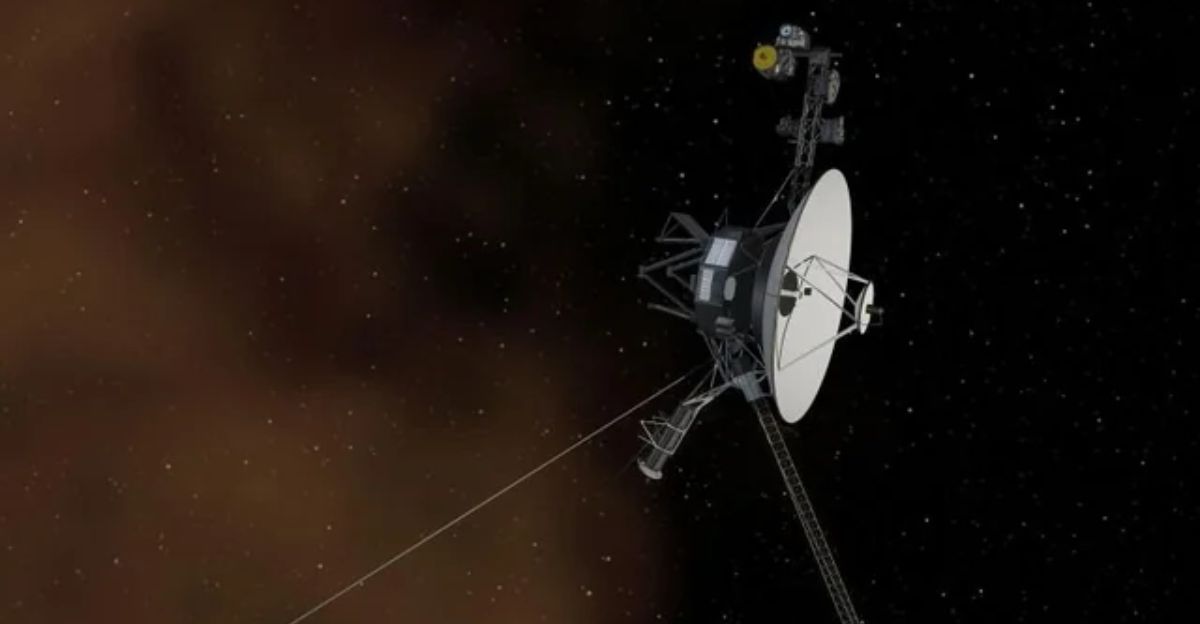
There are concerns that Voyager 1 may be lost forever due to the unprecedented five-month silence at a distance of 15 billion miles. With the lone messenger vanishing into cosmic darkness, this blackout mirrored humanity’s deepest fears regarding extraterrestrial exploration.
Such extended quiet interferes with current studies of cosmic rays and the interstellar medium, postponing potentially revolutionary discoveries. It also serves as a reminder of the spacecraft’s vulnerability, the limited window for interstellar communication, and the projected power depletion by 2036. Although NASA’s successful signal recovery restored mission optimism, the blackout itself highlights how urgent it is to maintain and improve spacefaring capabilities.
Cosmic Hazards vs. Age: What Caused the Corrupted Chip?
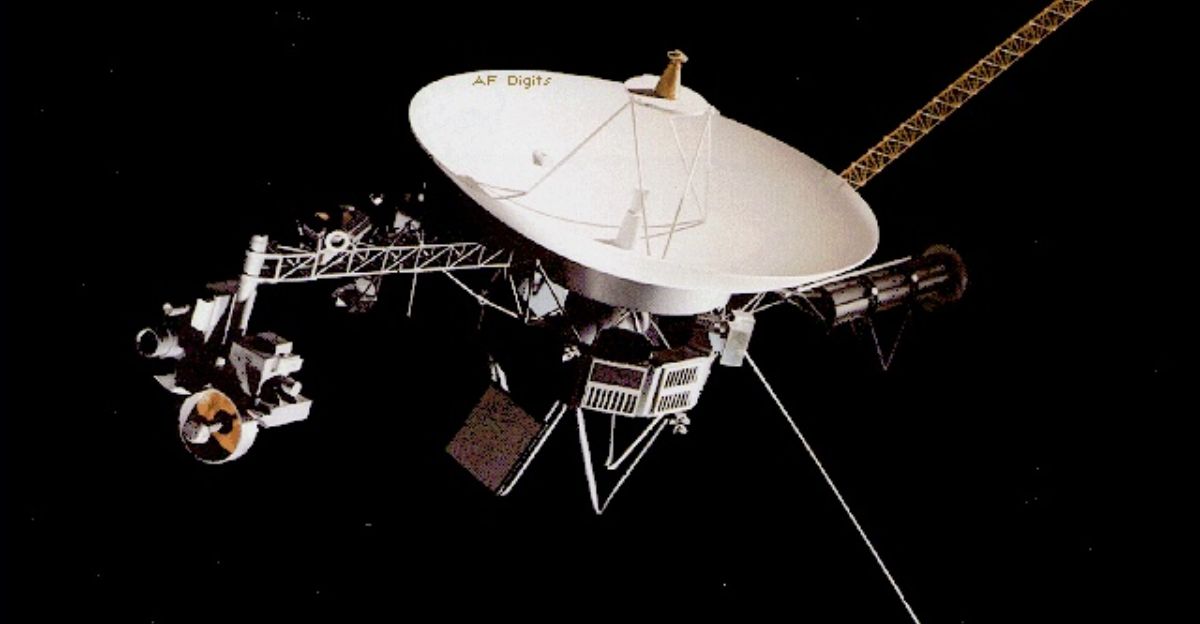
Whether a cosmic particle strike or natural aging caused the memory chip’s failure is still up for debate. Intense radiation from galactic cosmic rays and sporadic solar events can cause bit flips and hardware degradation on Voyager 1 hardware in deep space.
Decades of intense heat, cold, and radiation exposure, along with age-related wear, probably compromised memory integrity. Cosmic particle strikes, however, continue to be a plausible causal mechanism, raising more general concerns about how the interstellar environment actively affects data fidelity and mission lifespans. Future interstellar probes must comprehend these mechanisms.
Lessons from Voyager 1: Human Ingenuity Over Automation
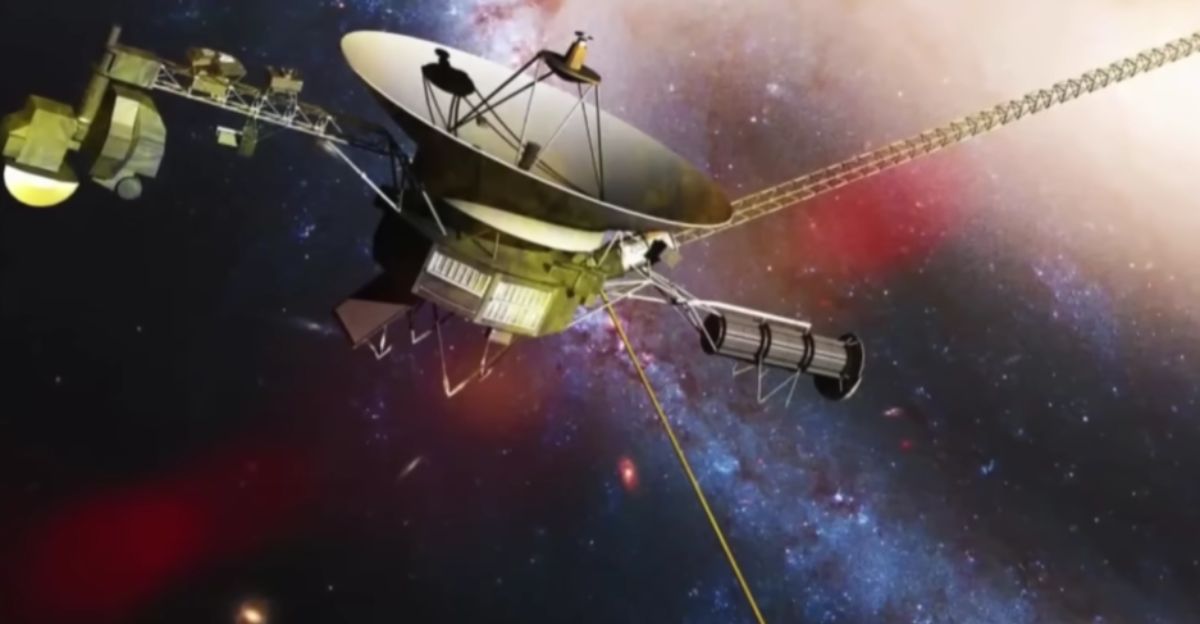
The recovery of Voyager highlights the triumph of human skill over automation. Due to hardware constraints, the onboard systems were unable to self-diagnose or correct the FDS corruption despite decades of AI advancements. Instead, using outdated manuals and flexible techniques, engineers remotely implemented complex code relocation.
This manual intervention, carried out at a distance of almost a quarter of a billion miles, demonstrates how human insight, ongoing learning, and knowledge of legacy systems safeguard vital infrastructure in unanticipated situations. Future space missions can learn from this how to balance AI with operator skill and backup plans.
Possible Importance of a Non-Human Structure Theoretically
The identification of a “non-human structure” in Voyager 1 data by the quantum AI encourages theoretical investigation beyond technical mistakes.
Could the probe’s telemetry be impacted by signatures of unidentified natural phenomena, such as interstellar plasma formations, subatomic particle clusters, or even technologically modulated signals from extraterrestrial entities? The theory—that our oldest spacecraft may unintentionally detect unusual cosmic phenomena or non-human technology—challenges astrophysics and SETI paradigms even though it is unproven. Voyager’s legacy could be redefined as a sentinel instead of an explorer.
Space Exploration’s Blind Spots: Voyager as a Caution
The near-loss of Voyager makes people consider the weaknesses in deep-space missions. The probe’s 46-year-old hardware and 22.5-hour signal delay severely restrict its fault tolerance and repair capabilities.
Future deep-space or interstellar missions will need to prepare for similar or worse problems, such as hardware failure, communications blackout, cosmic damage, and software corruption. The Voyager case serves as an example of how precarious humanity’s transstellar presence is and how future exploration goals may be jeopardized by reliance on antiquated technology with sluggish recovery options. There is an urgent need for a new framework for robust, self-healing spacecraft.
Voyager in Relation to the Development of Interstellar Science
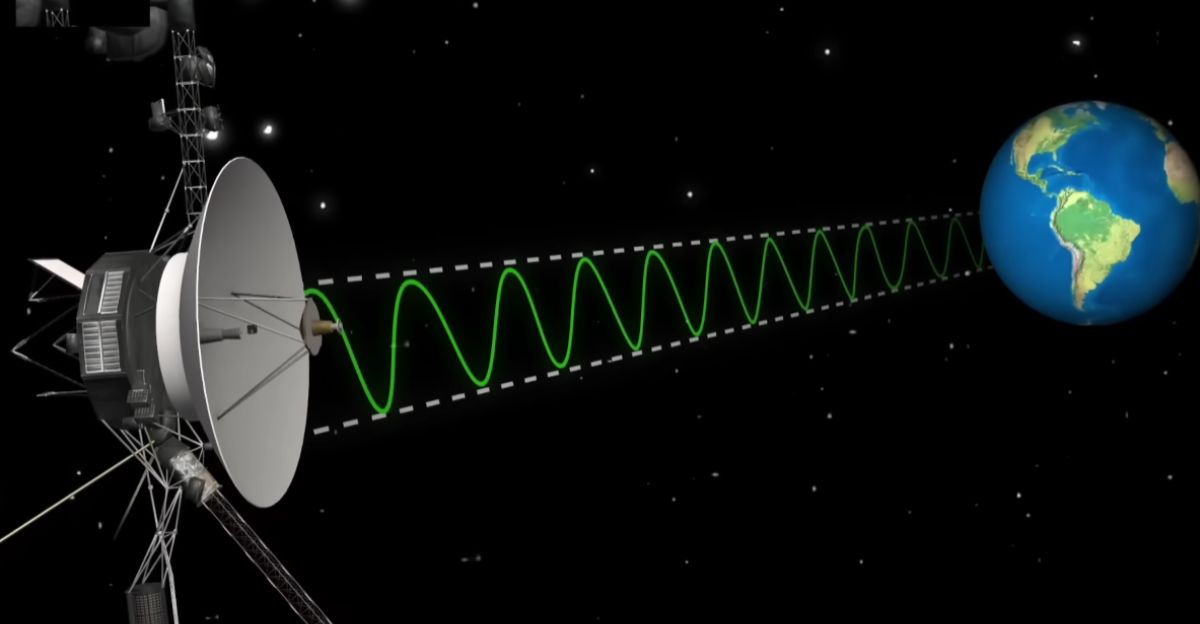
The constant flow of data from Voyager 1 has transformed our knowledge of the interstellar plasma, cosmic ray intensity, and heliosphere boundary. Continuous telemetry is essential to astrophysics, as evidenced by the models of these phenomena lacking crucial updates during the blackout. Following recovery, data flows on charged particles and magnetic fields were reopened through the operation of scientific instruments.
These discoveries have a direct impact on astrophysics, heliophysics, and space weather forecasting, enabling the planning of crewed deep-space missions and providing insight into Earth’s protective magnetosphere.
The Technical Achievement: Comprehensive Procedures to Repair Voyager 1
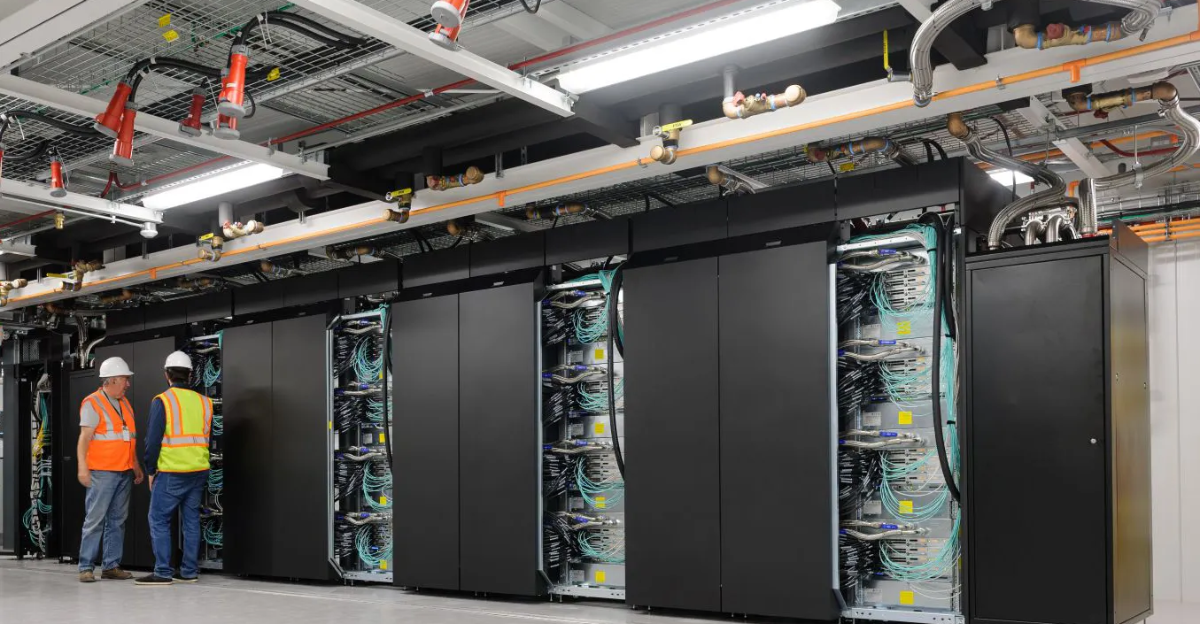
NASA engineers first focused on reconfiguring the data packaging procedures of the Flight Data Subsystem in order to isolate the corrupted memory chip that caused 3% corruption. They manually moved software addresses to unaffected memory sectors using old documentation.
This tedious procedure required exact commands sent with a 45-hour communication delay because the onboard AI was unable to counter corrupted memory. All scientific instruments resumed data transmission by June 2024 after engineering telemetry was restored by April 2024, demonstrating perseverance, accuracy, and engineering mastery in the face of space’s harsh obstacles.
Strategy and Psychology in Space Missions
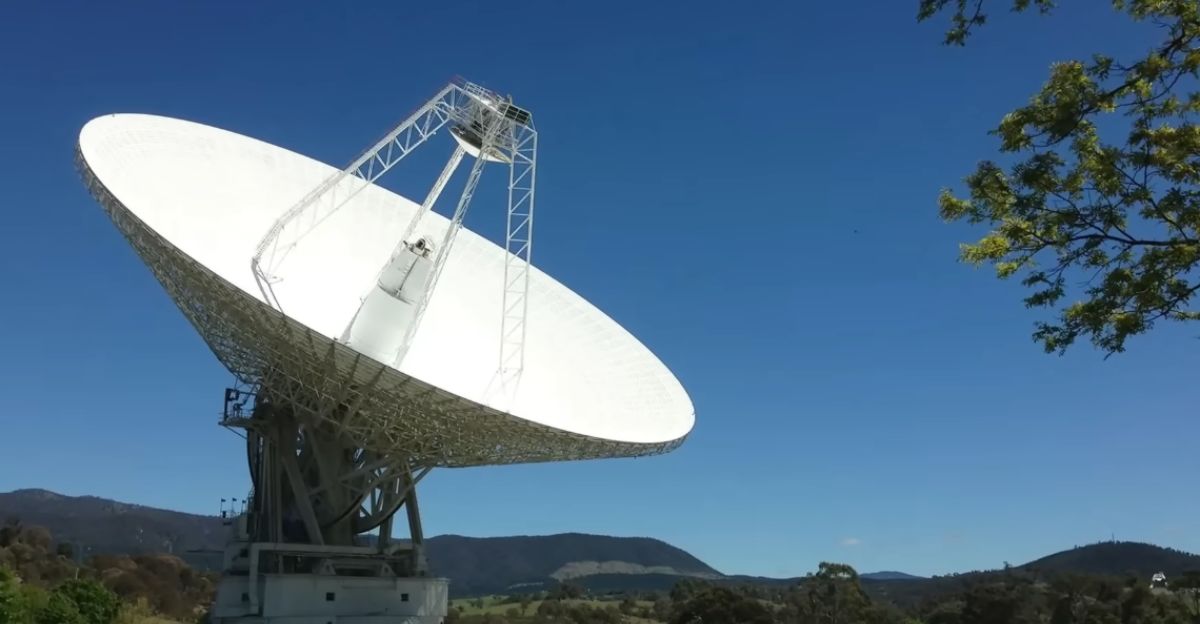
Beyond engineering, Voyager 1’s troubleshooting drama teaches about cognitive psychology and strategic execution. Stress management, strict adherence to procedures, and creative problem-solving were necessary for remote teams operating under extreme pressure with delayed feedback.
This situation serves as an example of human factors: communication latency increases uncertainty, necessitating resilient teamwork and clear mental models. From a strategic standpoint, NASA’s achievements highlight the necessity of strong backup plans and generational knowledge retention to support multi-decade missions that humans might never directly experience.
The Human Legacy and Sociocultural Impact of Voyager
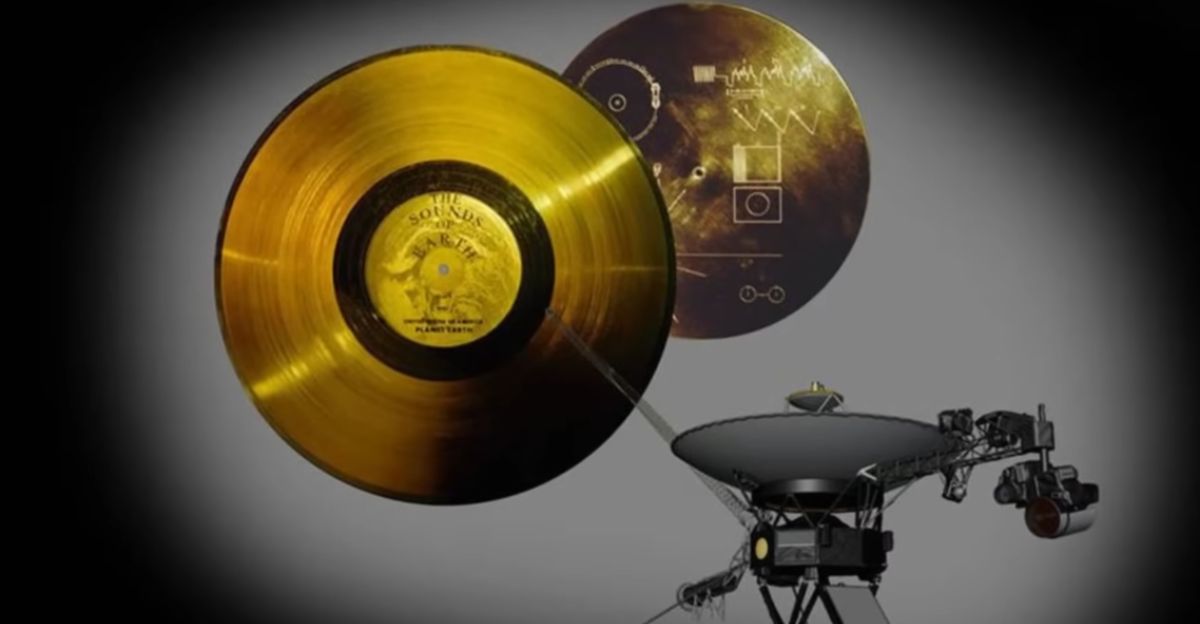
Voyager 1, which carries golden records containing Earth’s sounds and images and immortalizes a message in a bottle to the cosmos, represents humanity’s reach and curiosity. The recent radio silence, which represents vulnerability and loneliness in space exploration, caused fear throughout the world.
Restoration reassures people’s faith in human resourcefulness and tenacity. Voyager becomes a cultural symbol of resiliency, mystery, and cosmic connection as a result of the probe’s mysterious signal, which is flagged for non-human structure and reignites fascination with extraterrestrial intelligence and the unknown.
Examining Upcoming Technologies
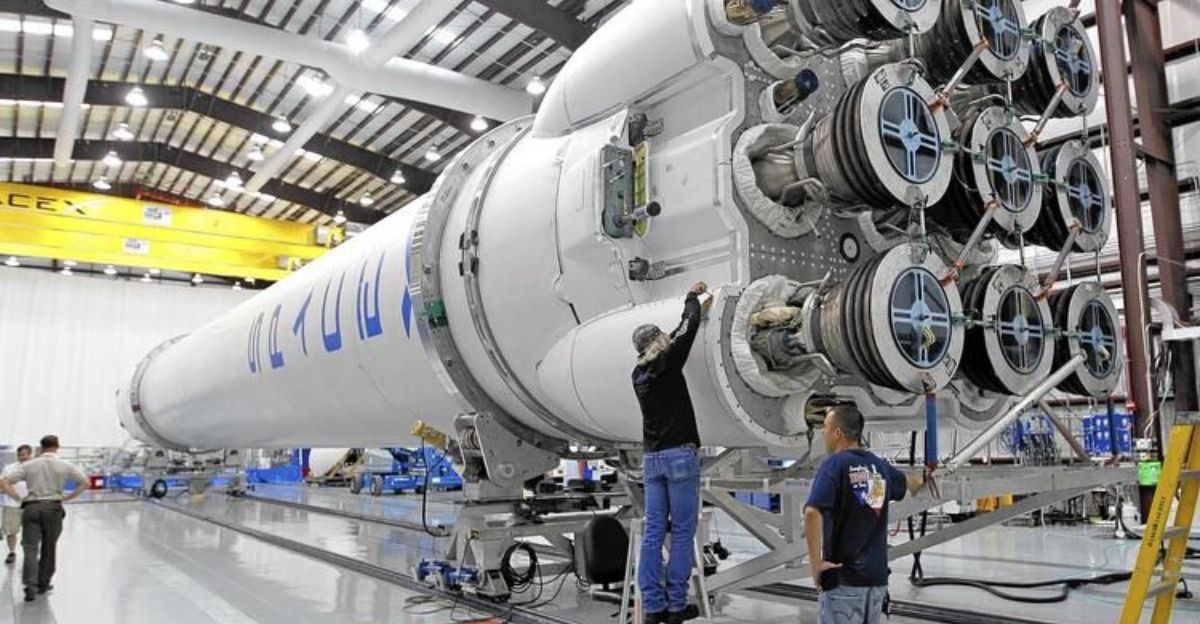
Inspired by Voyager’s Journey, advances in artificial intelligence, quantum computing, and spacecraft design are fueled by lessons learned from the age-related malfunctions and repairs of Voyager 1. Cosmic radiation damage prediction, real-time quantum anomaly detection, legacy-code robustness, and hybrid autonomous systems with human oversight are emerging as key developmental pillars.
A new era of extraterrestrial probe intelligence is hinted at by NASA’s quantum AI, which found anomalies in Voyager telemetry. In addition to safeguarding expensive missions, these technologies may reveal new levels of interstellar phenomena by uncovering hidden cosmic signals hidden in data noise.
Voyager as a Light of Cosmic Mystery and Human Ingenuity
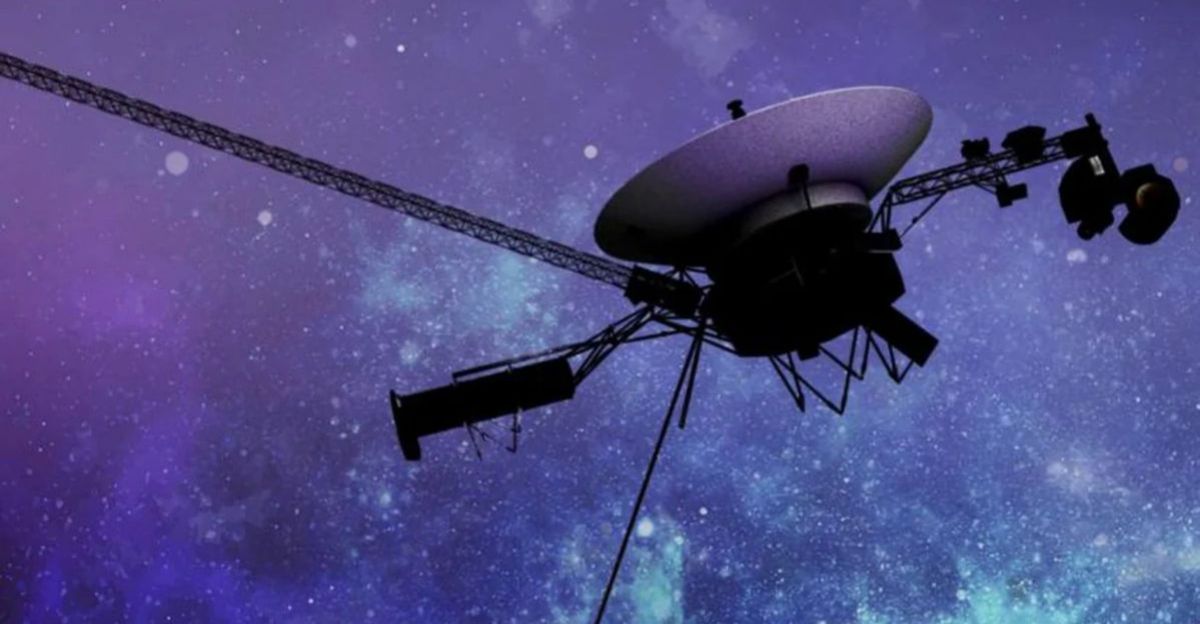
A significant interaction between aging technology, human resiliency, and potential interstellar mysteries is reflected in Voyager 1’s five-month silence and subsequent cryptic signal. Our ideas about the boundaries of exploration and cosmic phenomena are called into question by NASA’s quantum AI detection of a non-human structure within Voyager’s signal and a manual fix on legacy hardware 15 billion miles away.
This incident illustrates our ongoing quest to comprehend the universe, a story spanning decades of creativity and curiosity, going beyond a straightforward technical recovery. At the boundaries of knowledge, Voyager continues to be more than just a spacecraft, it is a cosmic messenger of humanity’s unwavering spirit.