
Sunday, November 9, 2025. Guests at Sonder properties worldwide received shocking emails: reservations could no longer be honored. Vacate by 9 AM Monday—less than 24 hours away. In Boston, housekeeping packed belongings into plastic bags.
In Montreal, guests dragged luggage through the streets. Thousands across 40 cities faced identical crises simultaneously. What triggered this global shutdown?
The Sunday That Changed Everything
On November 9, 2025, Marriott terminated its licensing agreement with Sonder Holdings due to Sonder’s financial default.
The Sunday afternoon announcement came as a complete surprise to everyone. Guests received cancellation emails ordering Monday 9 AM departures. Staff members learned they’d lost their jobs on the same day. Marriott cited breach of agreement; Sonder blamed technology integration failures.
“Pack Your Bags Now” – Guest Eviction Stories
Paul Strack from Arkansas found his toiletries, clothing, and electronics packed in plastic bags by the housekeeping staff. Steve McGraw, a Marriott Elite member in New York, spent thousands finding alternative accommodations.
Craig Murphy from Houston paid an additional $1,401 for his daughter’s wedding trip. These stories replicated across continents.
The 24-Hour Scramble for Accommodations
Last-minute hotel availability was scarce; prices soared. Ahmed Alsheikh from Saudi Arabia nearly canceled his family trip after struggling to find replacements. April Walloga estimated her replacement New York accommodations would cost $3,000 more than originally booked.
Many guests maxed out credit cards to secure emergency housing. International travelers faced language barriers.
Who Is Sonder? The Billion-Dollar Startup
Founded in 2012 in Montreal by Francis Davidson and Lucas Pellan, Sonder leased and managed properties directly—unlike Airbnb’s marketplace model. The company operated 140 properties with 9,000 units across 40 cities.
Valued at over $1 billion by 2019, Sonder went public via a SPAC at $1.925 billion in January 2022. Annual losses exceeded $250 million.
The Marriott Partnership – A Lifeline That Failed
In August 2024, Marriott and Sonder announced a $126 million licensing agreement, adding 10,500 rooms to Marriott’s portfolio. Properties rebranded as “Sonder by Marriott Bonvoy,” allowing guests to earn loyalty points.
However, integrating Sonder’s technology with Marriott’s Bonvoy reservation platform proved far more complex than anticipated, creating unexpected costs.
Technology Integration Nightmare

Sonder’s interim CEO, Janice Sears, blamed the collapse on “unexpected challenges in aligning our technology frameworks” with Marriott’s systems. Integration delays persisted for months, causing unanticipated costs and revenue declines.
The companies’ reservation systems—fundamentally different in architecture—proved incompatible. Sonder’s working capital drained. Despite exploring alternatives, Sonder was unable to secure liquidity.
Marriott Pulls the Plug
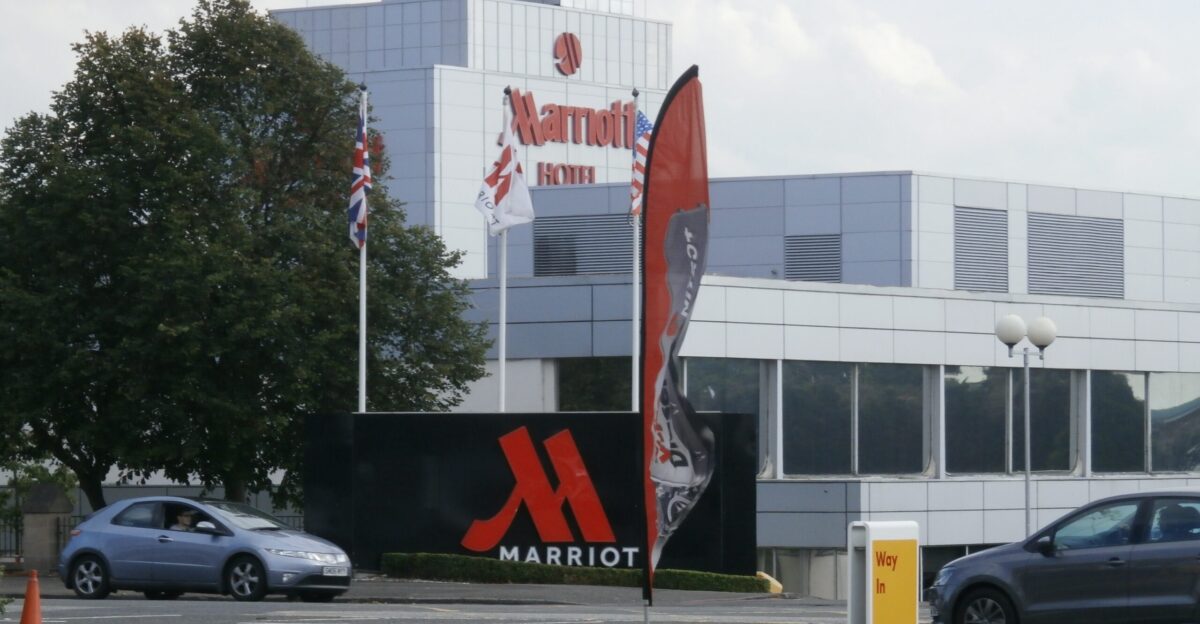
On November 9, 2025, Marriott terminated the partnership, citing Sonder’s default on financial obligations. Marriott’s decision was swift and final. The hotel giant stated, “We do not agree with the characterizations expressed in Sonder’s release” regarding blame.
Marriott prioritized protecting its brand reputation. By Sunday evening, cancellation notices were being sent.
Chapter 7 Bankruptcy
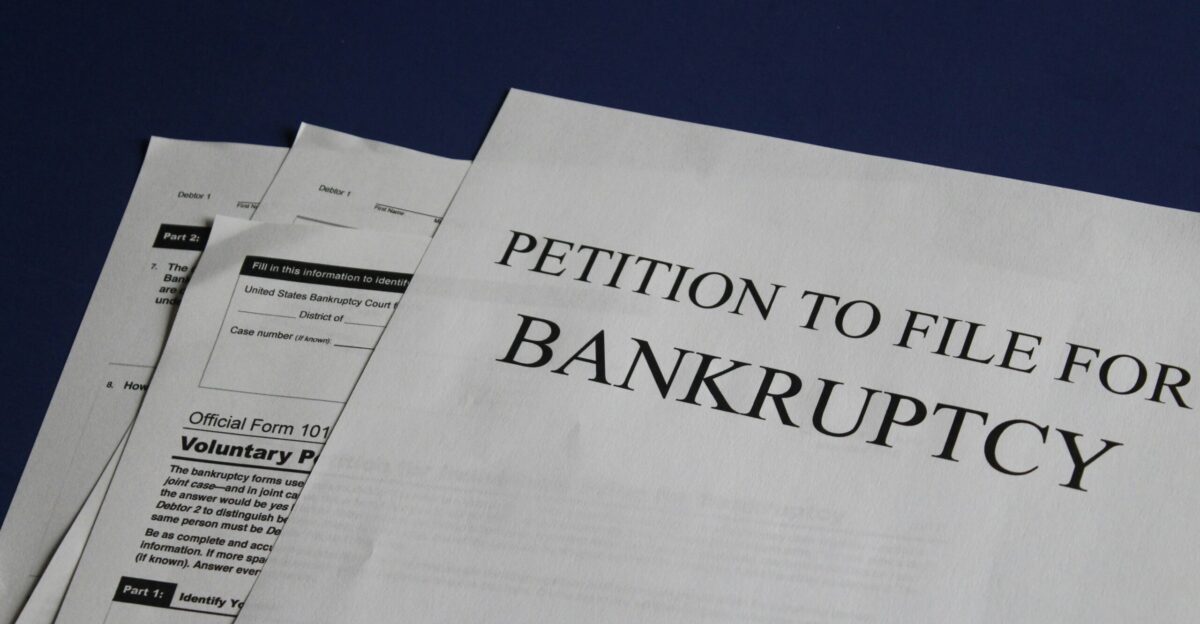
Chapter 7 bankruptcy means liquidation, not reorganization. Unlike Chapter 11, Chapter 7 means a complete operational shutdown. A court-appointed trustee inventories and sells company assets to pay creditors.
All employees are laid off without severance guarantees. Sonder initiated simultaneous insolvency proceedings in international markets. For guests and employees, full compensation is unlikely to be provided.
Thousands of Employees Laid Off Instantly

Sonder’s entire workforce across 40 cities lost jobs with no advance notice. Staff learned about layoffs the same morning guests were evicted.
Alec Arritola, a Harvard student in Boston, found his hotel manager “in tears” after discovering she’d lost her job. Employees became unsecured creditors with uncertain prospects for severance.
Global Impact – From Philadelphia to Dubai
The shutdown affected Sonder properties in over 40 cities across multiple continents: New York City, Boston, Montreal, London, Philadelphia, and Dubai. Patrick D’Aoust in Montreal received minimal notice during an anniversary trip.
Travel vlogger Reece described feeling “basically homeless.” International guests faced language barriers and unfamiliar cities while searching for emergency accommodations.
Social Media Erupts
TikTok, X, and Instagram are filled with guest testimonials and videos. One viral post read: “Marriott Hotels & Sonder Hotels broke up with each other on a random Sunday and told us to leave.”
Comments condemned both companies: “Stranding guests in 40 countries simultaneously? Horrible way to handle this. Heartless.” The digital outcry damaged both brands’ reputations.
Marriott’s Response and Refund Process

Marriott promised to assist affected guests in finding alternatives and process refunds for those who booked through Marriott channels. However, guests must contact credit card issuers directly to initiate refunds.
Marriott would “coordinate with appropriate parties.” Many guests complained about inadequate communication. Email communications offered “potential” rebooking options rather than guarantees.
Guest Rights and Legal Protections

Consumer lawyers advised stranded guests have legal protections. The Fair Credit Billing Act allows credit card chargebacks for undelivered services. Many U.S. states require refunds for canceled hotel or lodging reservations.
Travel insurance with “supplier default” coverage may reimburse costs. Legal experts recommend documenting everything: receipts, emails, and photos. Prepaid bookings through Marriott should qualify for full refunds.
Property Owners Left Holding Empty Buildings

Landlords and property owners faced immediate crises. Sonder’s model involved multi-year lease commitments on properties it didn’t own, creating massive fixed costs. When operations ceased, these obligations remained binding.
Property owners became creditors in bankruptcy proceedings, competing for a limited number of assets. Furnished units remained locked and unused pending legal resolution.
Comparing Sonder to WeWork’s Collapse
Industry analysts drew parallels between Sonder and WeWork. Both branded real estate operations and tech platforms carry massive fixed costs. Unlike Airbnb’s asset-light model, both assumed direct property management responsibility.
The “tech-washing” of operationally intensive businesses attracted venture capital but proved unsustainable. Sonder’s valuation crashed from $1.925 billion to insolvency.
Impact on Marriott’s Brand
Marriott Bonvoy members felt betrayed after being encouraged to book Sonder properties. Steve McGraw stated, “People didn’t book Sonder—they booked Marriott. That logo meant security, and now that trust is gone.”
Some guests canceled memberships. The crisis exposed risks in hotel licensing models that involve third-party operators using trusted brand names.
Industry-Wide Implications and Lessons

Sonder’s collapse signaled a broader reckoning for travel-tech startups. Investors now scrutinize “disruptors” without clear paths to profitability. The failure highlighted challenges in integrating with legacy hotel systems.
Asset-heavy models disguised as technology companies face skepticism. The hospitality sector learned that operational excellence and financial discipline matter more than valuation hype.
What Happens Next?

The court-appointed trustee will inventory and sell Sonder’s assets—furnishings, technology, intellectual property—to generate funds for creditors.
Proceeds are distributed according to bankruptcy priority: secured creditors are paid first, then employees, followed by unsecured creditors, including guests. Most will receive minimal compensation. Property leases will be terminated. Legal proceedings could continue for months.
Moving Forward
Research accommodation providers beyond brand names—investigate actual operators. Verify refund policies before booking. Use credit cards offering travel protections and purchase insurance with supplier default coverage.
Check recent reviews for operational red flags. Remember: licensing agreements don’t guarantee brand-level standards. The Sonder-Marriott disaster shows that trusting brands requires verifying the actual operator.