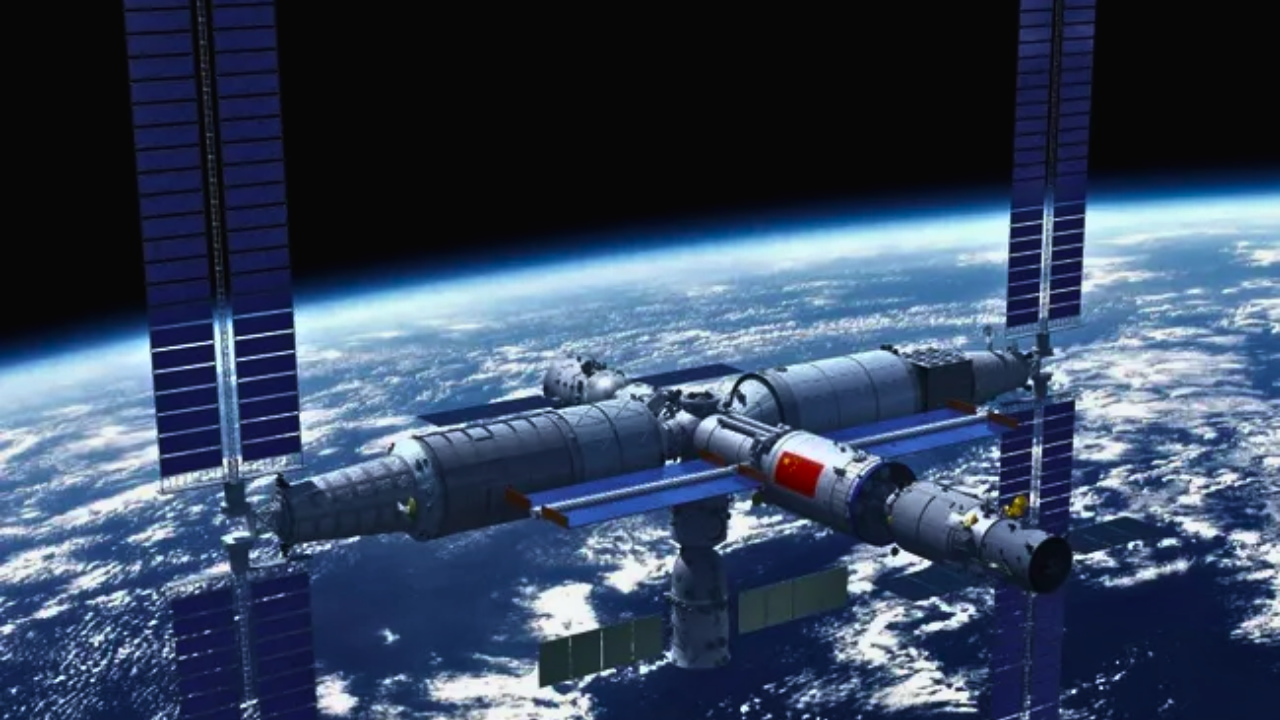
Five Chinese satellites have recently begun moving very close together in low Earth orbit, a move that has caught the attention of U.S. military officials. This activity signals a new stage in the competition for space dominance between the United States and China. For a long time, the U.S. held a commanding lead in space technology, but that gap is closing quickly. China’s latest maneuvers show a growing ability to control satellites in new and sophisticated ways, which could change the balance of power in orbit.
The Chinese satellites’ movements appear carefully coordinated, suggesting they might not just be for research or communication. Instead, they could have military purposes. Space, once seen as a peaceful area for science and exploration, is now being viewed as a new kind of battlefield. The ability to maneuver in space smoothly and accurately gives a country an important military advantage, and the U.S. is increasingly aware that its dominance is being challenged.
Officials at the U.S. Space Command confirmed they are tracking these satellites and described their actions as dogfighting maneuvers, a term taken from aerial combat, where fighter jets move rapidly around each other. This acknowledgment was meant to alert both lawmakers and the public about how serious these developments could be. It shows that the U.S. is watching closely and wants to increase transparency around what is happening in orbit.
Understanding Satellite Dogfighting

In space terms, dogfighting describes satellites moving near each other while performing precise, complex maneuvers. There are good reasons for satellites to come close together, such as refueling or repairing each other. However, the moves made by the Chinese satellites looked different. U.S. Space Force officials noted that these spacecraft were repeatedly forming and dissolving tight groups, which could be practice for future defensive or offensive missions.
These types of operations can be both impressive and concerning. On one side, they show that China now has strong control over its satellites, which can be valuable for maintaining or protecting space assets. On the other, they raise fears that these same skills could be used to disable or damage other countries’ satellites. The U.S. sees such actions as a possible sign that China is preparing for future space confrontations. In today’s world, the ability to move satellites strategically could become as important for national defense as having strong air or naval forces.
The Shrinking Gap Between the U.S. and China
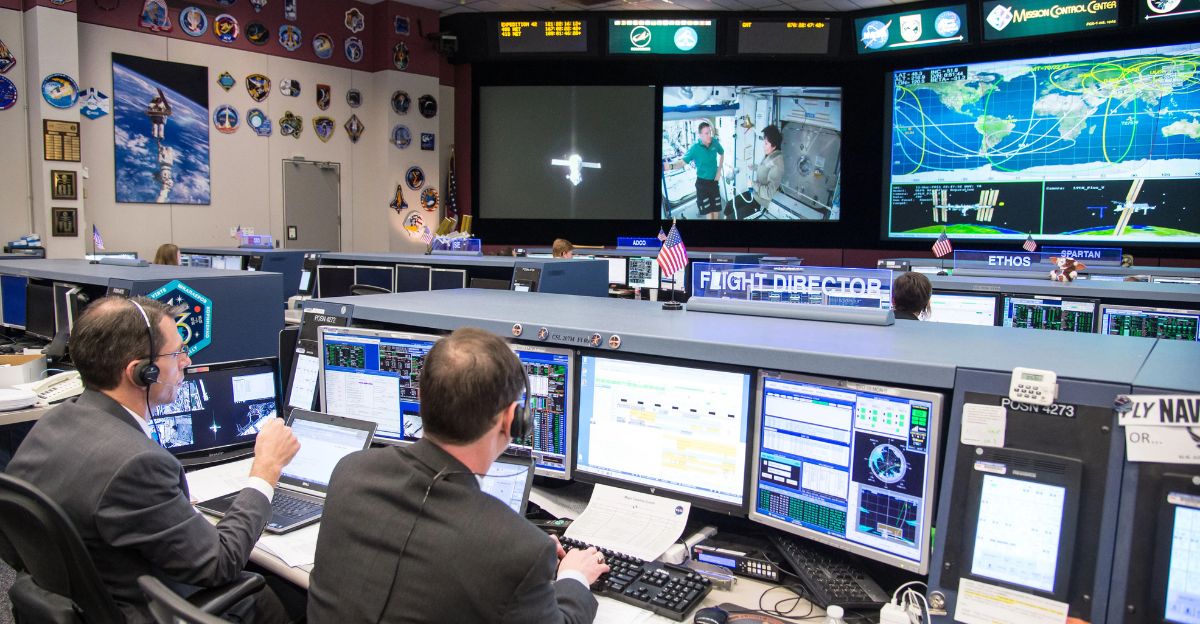
For decades, the United States led the world in space innovation. Its technology and experience made it far more advanced than any other nation. But now, senior defense officials warn that the gap between the U.S. and China has narrowed dramatically. China’s capacity to operate groups of satellites together, carry out advanced maneuvers, and even perform servicing or interference missions marks a clear step forward.
This has caused growing concern in Washington. Many fear the U.S. could lose its technical advantage, which would affect national security and global influence. As a result, the U.S. military is increasing investment in both protective and offensive space systems. Defense planners are exploring new ways to shield American satellites from potential attacks, especially against close approaches that might disable critical systems. The emerging reality is that maintaining security in space will now require constant innovation and preparedness, not just technological superiority.
Global Consequences and a New Space Race
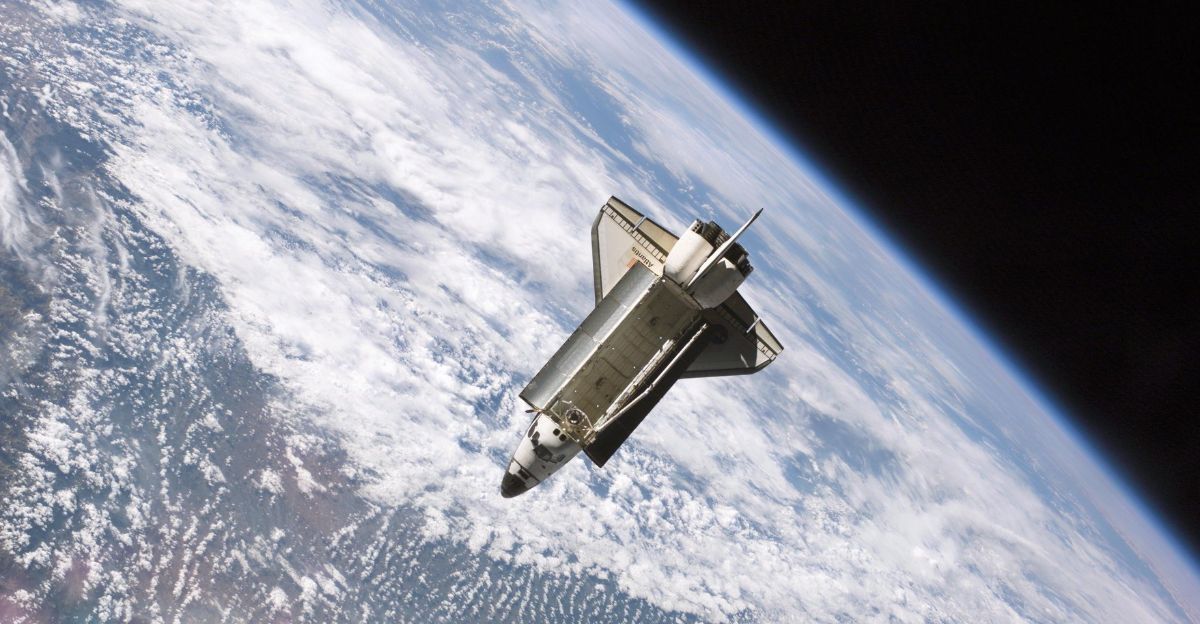
The competition between the U.S. and China is not just a bilateral issue, it affects the whole world. As China’s space abilities grow, other nations are rethinking their own programs and how to defend their space assets. The ability to move satellites in formation or perform in-orbit services like refueling was once considered extremely advanced. Now, these skills are spreading, and that raises the risk of misunderstandings or escalation between countries.
U.S. law requires that Congress be regularly updated on foreign space threats so leaders can make informed policy decisions. Still, experts warn against jumping to conclusions. Not every risky-looking satellite maneuver means aggression. Some satellites may simply be testing new tools, sensors, or technologies. However, it is becoming harder to tell the difference between peaceful testing and military preparation. That uncertainty deepens global tension.
With both nations racing to demonstrate their capabilities, many observers are comparing today’s competition to the original space race of the 20th century, but this one has higher stakes. It’s no longer just about scientific discoveries or reaching new frontiers. It’s about control, defense, and influence in a strategic environment above Earth. The challenge for world leaders now is to ensure that this rivalry drives innovation and cooperation rather than conflict. The choices made in the coming years will determine not only who leads in space but also how safely all nations can operate in orbit.