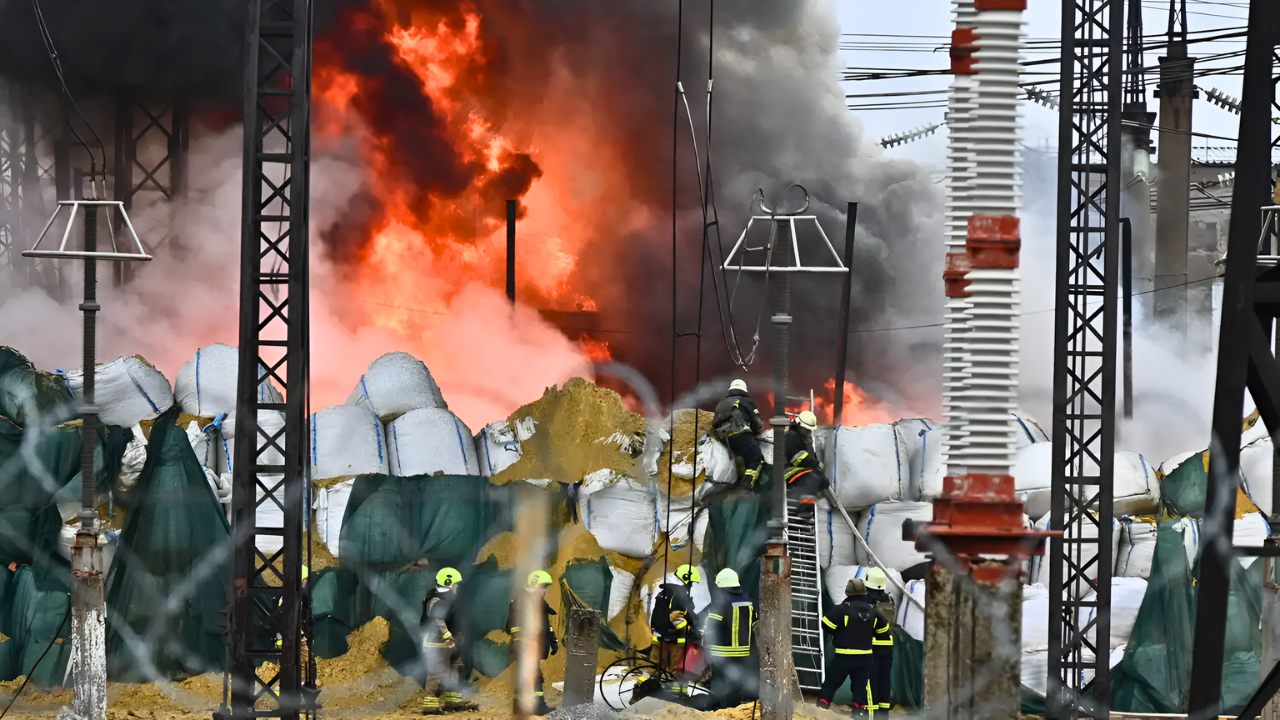
Ukraine conducted a coordinated drone strike on Russia’s Tuapse Black Sea port and the adjacent Rosneft-operated oil refinery in early November 2025, causing significant damage to both the export terminal and the facility, which processes up to 240,000 barrels of crude oil daily. This attack marked the first known instance where drones simultaneously targeted both a major oil export hub and its processing plant, raising concerns over vulnerabilities in global energy infrastructure.
Energy Infrastructure as a Target
Attacking energy infrastructure is a longstanding wartime strategy, but the large-scale use of drones at Tuapse reflects a technological shift. Drones allowed Ukraine to inflict precise disruptions without direct confrontation, successfully halting Russian oil exports and refinery operations in a single action. This was a part of Ukraine’s broader campaign against Russian energy assets, in response to prior strikes on Ukrainian infrastructure. The operation highlights the challenge static defenses face against agile remote-controlled drones and signals the evolution of security doctrines.
Immediate Consequences
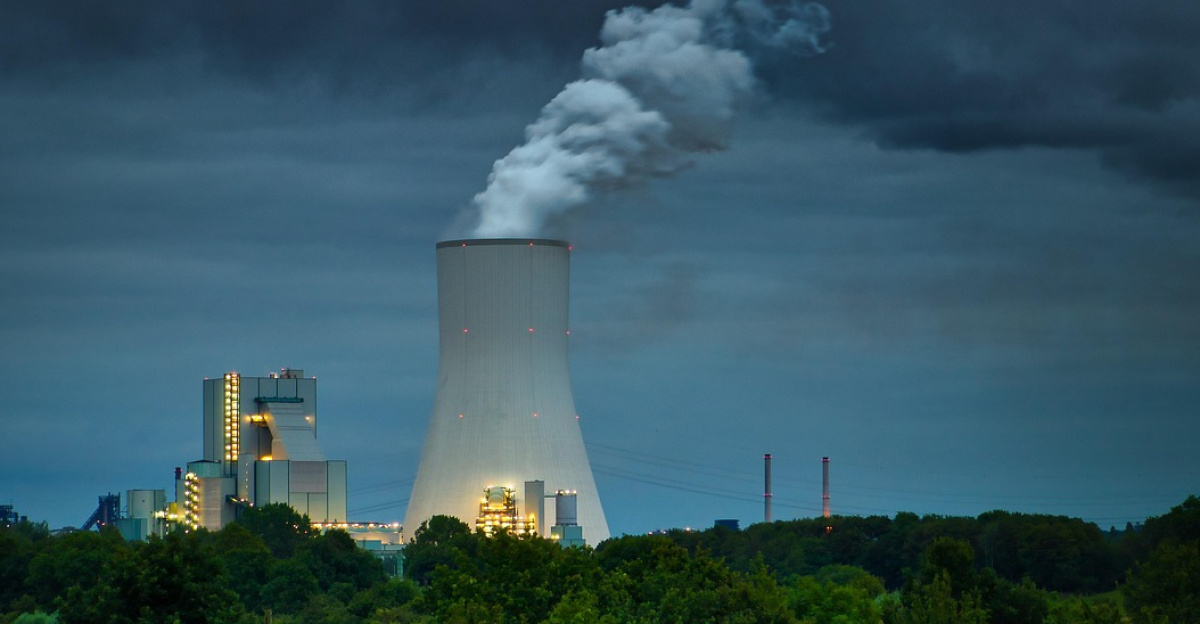
The drone strike led to the suspension of fuel exports and stopped refinery operations, with fires reported at the port and at least one vessel damaged. By the next day, crude processing at the refinery halted entirely, removing up to 240,000 barrels per day from Russia’s capacity—a figure comparable to a small oil-producing country’s output. At an estimated price of $80 per barrel, this could mean monthly losses of approximately $576 million in refining throughput alone, with ripple effects for importers such as China, Malaysia, Singapore, and Turkey, who sought alternative fuel sources in response.
Strategic Importance of Tuapse
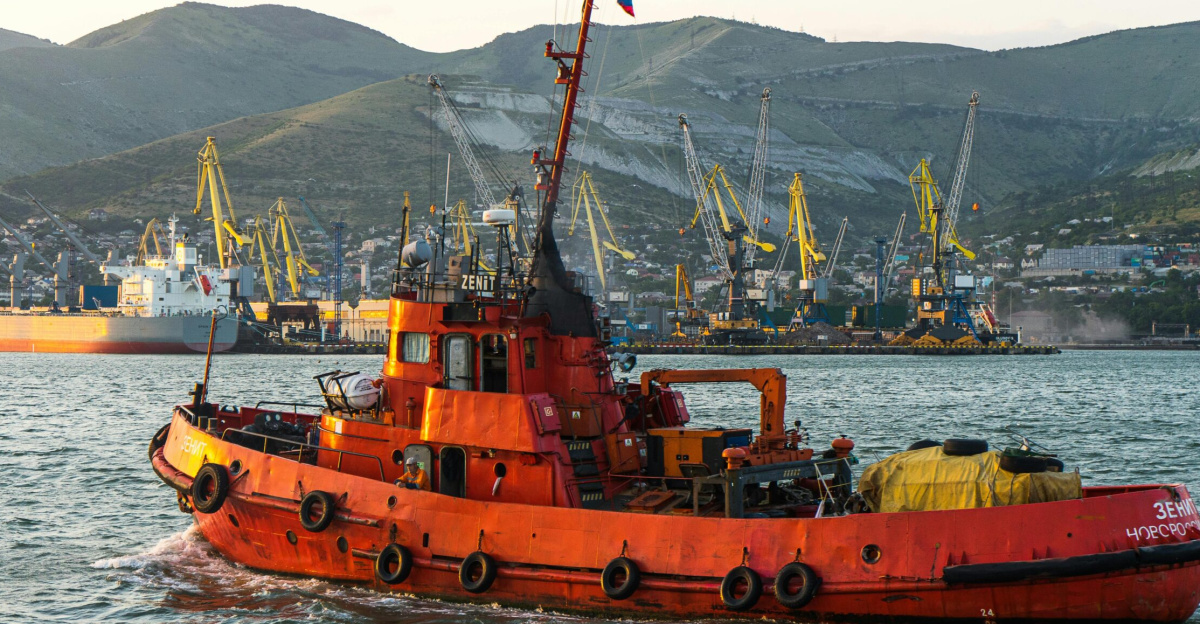
Tuapse serves as a major node in Russia’s Black Sea export network, responsible for a substantial share of refined fuel shipments. The attack threatened roughly 15–25% of Russia’s Black Sea fuel export capacity according to analysts. Russia has since faced increased logistical challenges, as exports needed to be rerouted through less efficient routes, raising costs and operational risks.
Drone Warfare Evolution
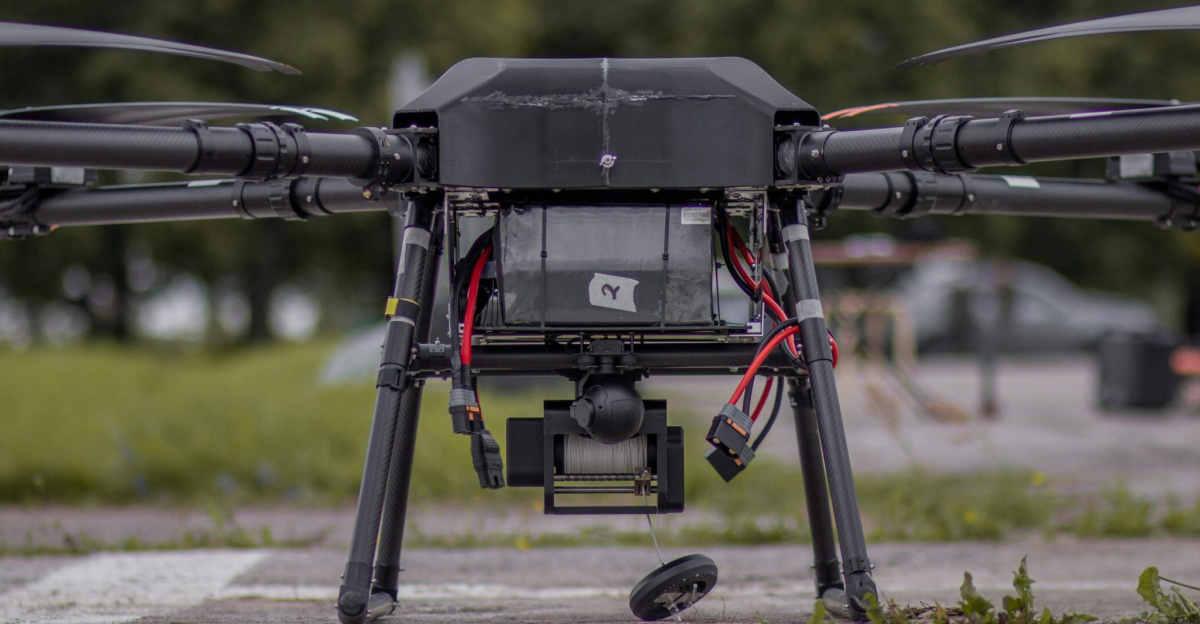
The Tuapse attack represents a shift in how critical infrastructure is targeted. Drones, with their ability to evade defenses and deliver precise strikes, enable even smaller forces to cause significant damage against advanced adversaries. Such attacks increase psychological as well as physical pressure, highlighting weaknesses in presumed secure supply chains and boosting the attacker’s technological reputation.
Implications and Risks

Closing Tuapse created a series of logistical hurdles: tankers were stranded, and supply routes had to be reorganized. Prolonged outages could result in fuel shortages for importing countries, potentially impacting regional economies. The attack also prompted humanitarian concerns, as disruptions to fuel supplies affect civilian transportation, heating, and electricity, especially during winter.
Moving forward, the Tuapse attack exemplifies the rapidly changing nature of conflict. The weaponization of economic assets like energy facilities puts new pressures on policymakers and military planners. As drones become even more widespread and effective, the likelihood of similar attacks and their wider effects are expected to increase, necessitating new approaches to protecting critical infrastructure.