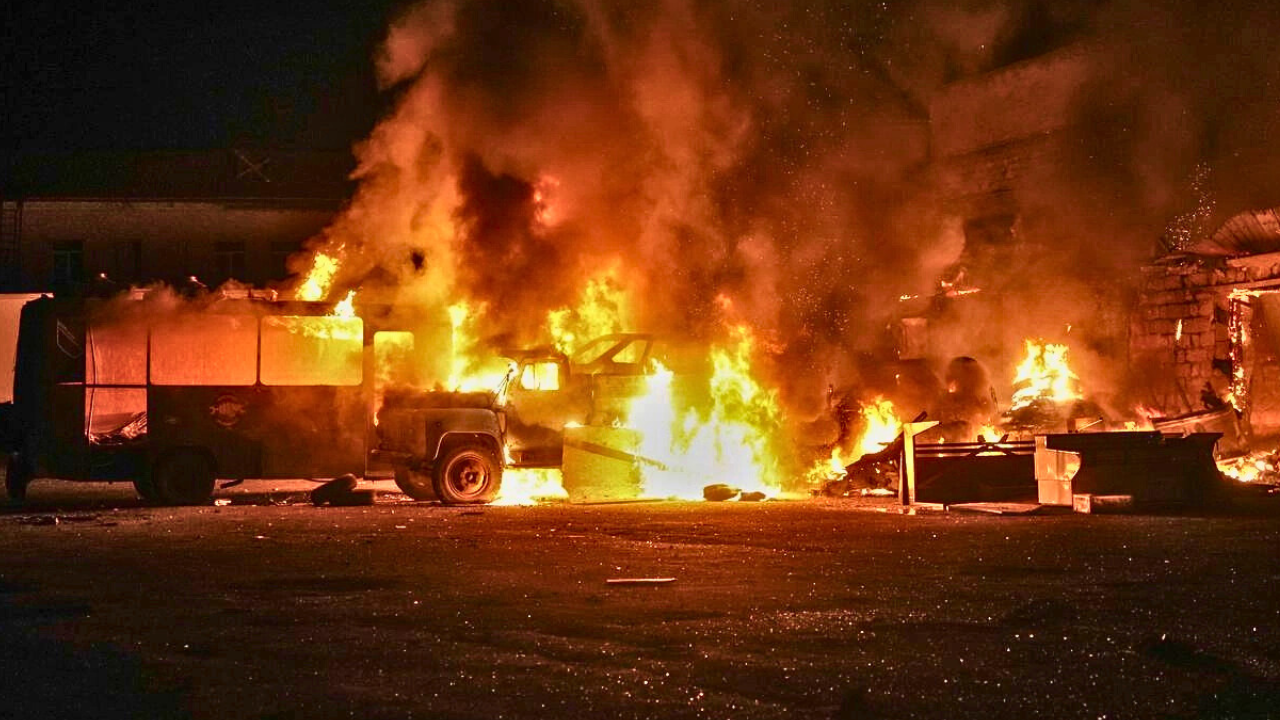
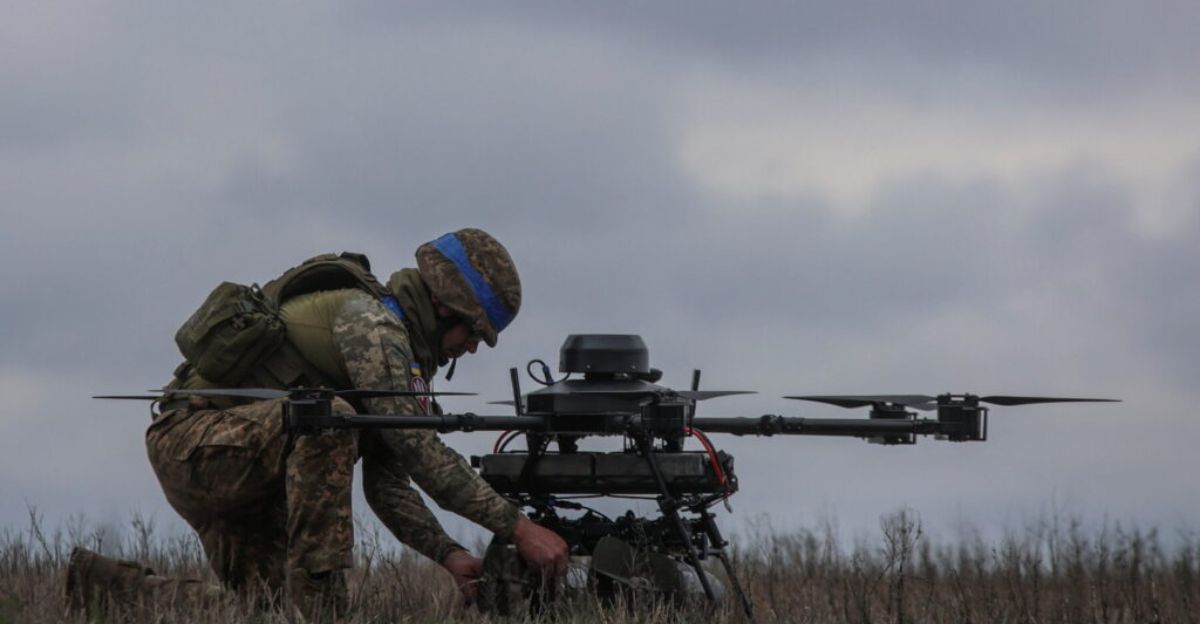
A nighttime drone strike deep inside Russian-occupied Crimea in late October 2025 marked a pivotal moment in the ongoing conflict between Ukraine and Russia. Ukrainian forces, using low-cost aerial drones, destroyed two Russian radar stations, a $20 million Pantsir-S2 air defense system, and two major oil depots. The attack not only inflicted significant material losses but also exposed vulnerabilities in Russia’s much-touted air defense network, challenging Moscow’s claims of an “impenetrable” shield over Crimea.
Fortress Crimea: A Shifting Military Landscape
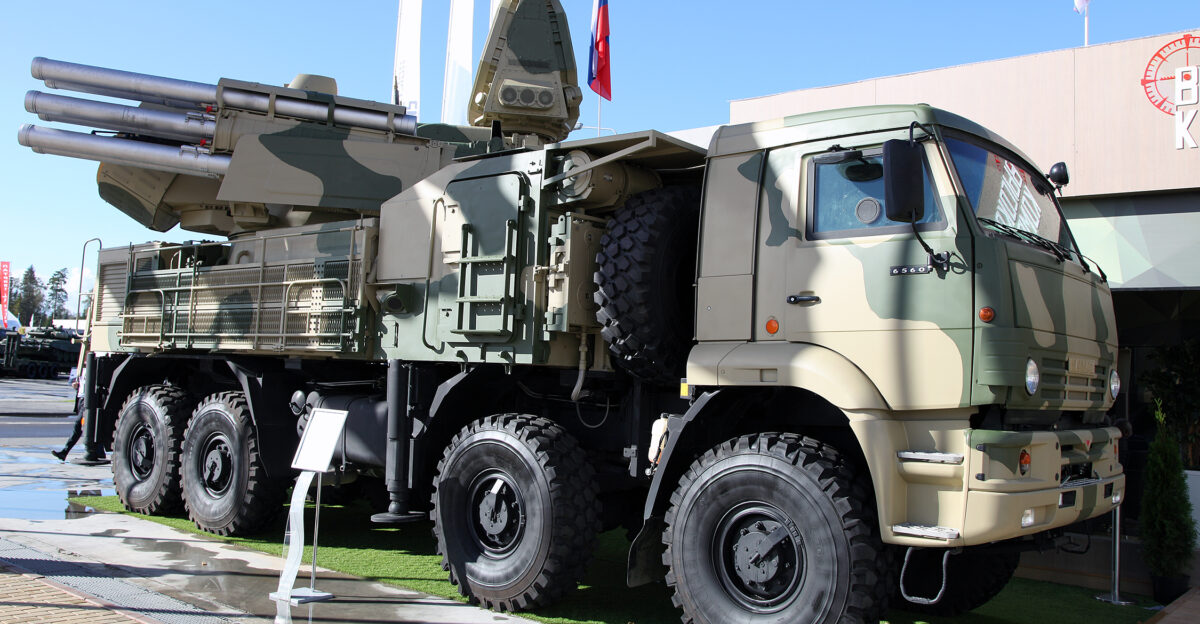
Since Russia’s annexation of Crimea in 2014, the peninsula has been at the heart of Moscow’s military strategy in the Black Sea. Russia invested heavily in advanced air defense systems, including the Pantsir-S2, and built a multi-layered network designed to repel drones and guided munitions. For years, Crimea was seen as an “unsinkable aircraft carrier”—a fortress bristling with technology and firepower.
Ukraine’s successful drone raid shattered this perception. The destruction of high-value assets in what was considered a fortified zone highlighted the vulnerability of even the most sophisticated military equipment. The attack forced a reassessment of the region’s security and demonstrated that determined, innovative tactics could breach even the strongest defenses.
The Pantsir-S2: A Costly Loss
Central to Russia’s air defense in Crimea was the Pantsir-S2, a modern system valued at $20 million and designed to intercept low-flying threats. Its destruction by Ukrainian drones was both a financial and strategic blow. The loss underscored a growing reality in modern warfare: expensive, high-tech defenses can be neutralized by swarms of inexpensive drones guided by precise intelligence.
This incident illustrated the limitations of traditional air defense systems when confronted with evolving tactics. The raid showed that even advanced technology is not immune to disruption by agile, low-cost offensive measures, especially when backed by accurate targeting and real-time intelligence.
Targeting the Nerve Centers: Radars and Fuel Depots
The Ukrainian operation went beyond destroying air defense hardware. By targeting two radar stations, the strike severely degraded Crimea’s early warning and target acquisition capabilities. These radars were essential for detecting incoming threats and coordinating missile defenses across the peninsula.
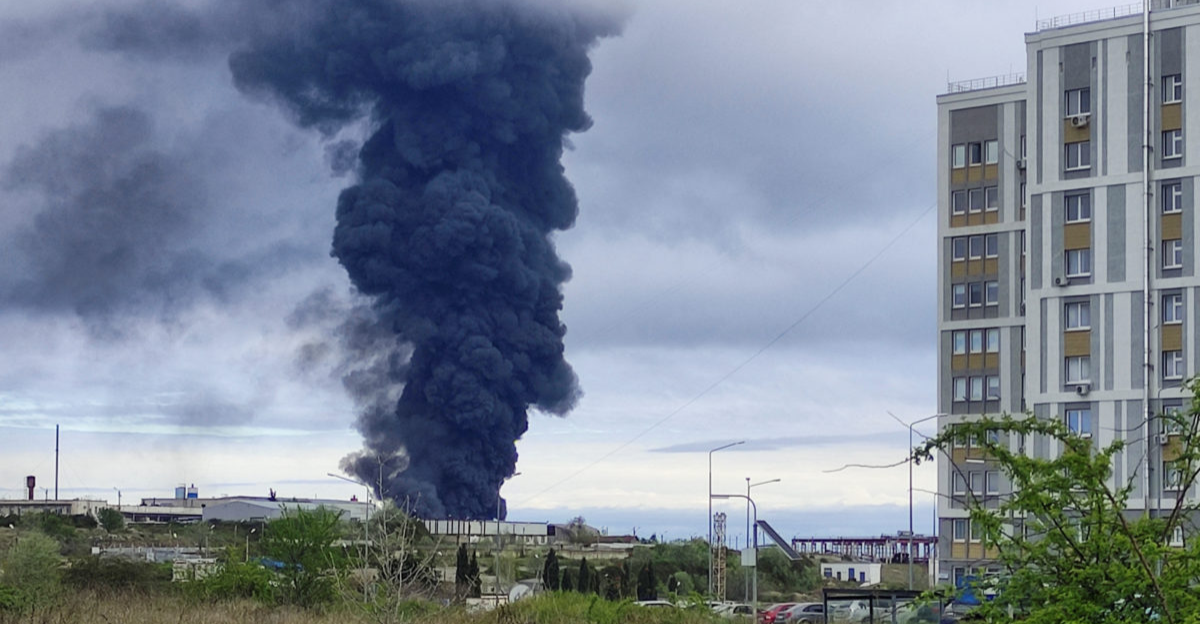
Simultaneously, the attack on oil depots at Hvardiiske and Komsomolsk—believed to store over 500,000 gallons of fuel—struck at the logistical heart of Russian operations in southern Ukraine. Fuel is critical for troop movements, air support, and vehicle mobility. The loss of these depots created immediate supply bottlenecks, likely hampering Russian military effectiveness and slowing resupply efforts on the southern front.
Drone Warfare and the Changing Face of Conflict
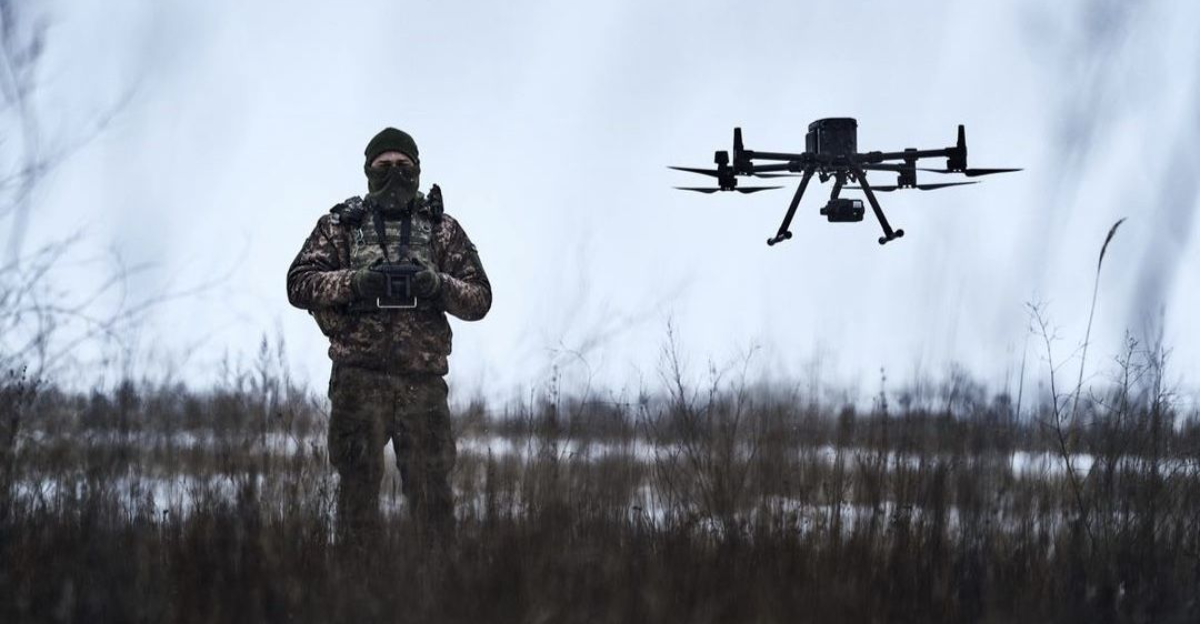
The Crimea raid is part of a broader shift in military doctrine worldwide, where drone warfare is redefining the balance between offense and defense. Low-cost drones, deployed in swarms and guided by sophisticated intelligence, are proving effective against expensive, layered air defense systems. The contrast between the cost of a $20 million Pantsir-S2 and the relatively modest expense of a drone strike highlights a new era of asymmetric warfare.
This development forces militaries to adapt quickly or risk obsolescence. The Ukrainian approach—combining technological innovation, precision targeting, and intelligence gathering—demonstrates how smaller, agile forces can challenge larger, better-equipped adversaries.
Strategic and Psychological Implications
Beyond the immediate physical damage, the raid delivered a powerful psychological blow to Russian forces and leadership. The breach of Crimea’s defenses undermined confidence in Moscow’s military strategy and eroded the image of invincibility that Russia had cultivated. For Ukraine, the operation showcased growing capabilities in intelligence, special operations, and technological adaptation.
The financial impact was also significant, with estimated damages from the raid reaching $25–30 million. Replacing destroyed systems and restoring fuel supplies will strain Russia’s war budget, already under pressure from international sanctions and domestic economic challenges.
Looking Ahead: A New Calculus in the Crimea Conflict
The destruction of key military and logistical assets in Crimea signals a turning point in the conflict. Ukraine’s ability to strike deep behind enemy lines with precision and efficiency challenges Russia’s traditional approach to territorial defense. The operation suggests that future conflicts may increasingly favor those who can innovate and adapt, rather than those who rely solely on expensive hardware.
As both sides absorb the lessons of this raid, the stakes remain high. Ukraine’s success may encourage further strikes on critical infrastructure, while Russia may be forced to rethink its defensive posture and invest in new countermeasures. The evolving contest over Crimea is likely to shape not only the outcome of this war but also the future of military strategy in the region.