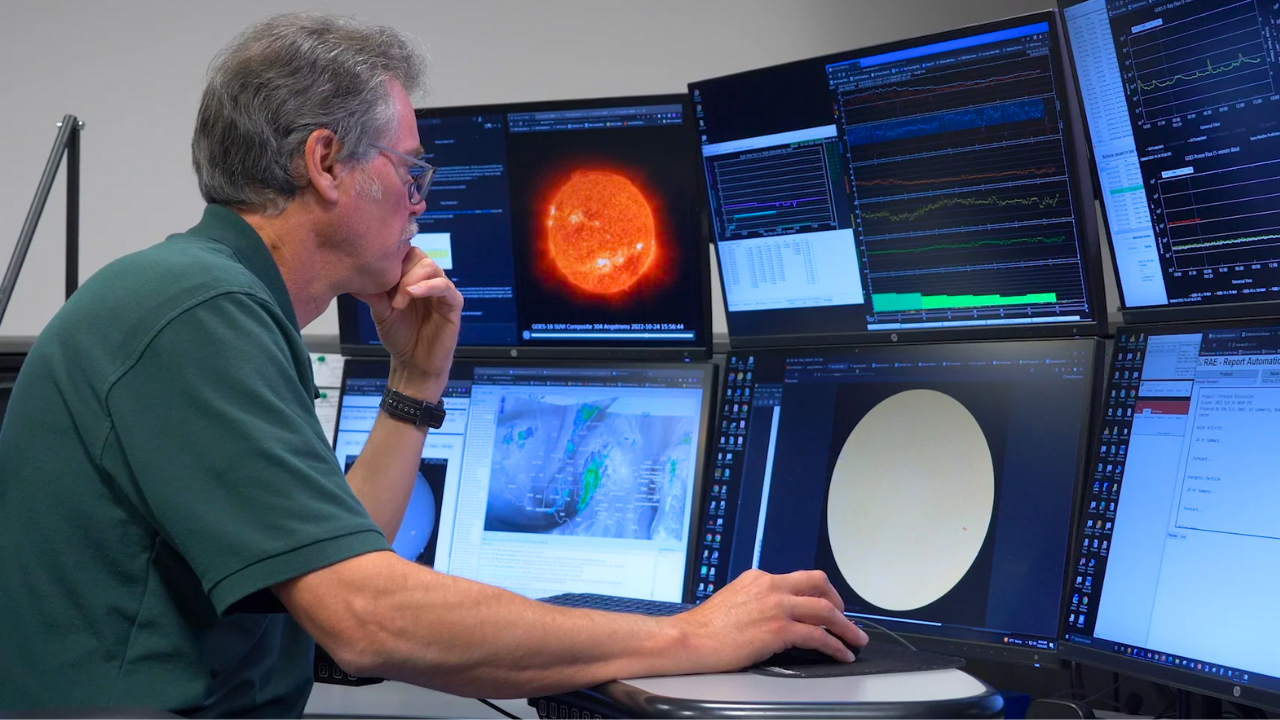
On November 11, 2025, at precisely 5:04 AM EST, the Sun unleashed an X5.1-class solar flare, the most powerful eruption of the year and the sixth-largest of Solar Cycle 25. The massive burst of electromagnetic radiation originated from sunspot cluster Region 4274, positioned directly facing Earth like a cosmic cannon.
Within minutes, R3 (Strong) radio blackouts rippled across Europe and Africa, disrupting high-frequency communications for pilots and ships. But the real threat wasn’t the flare itself; it was what came next. A colossal coronal mass ejection launched toward our planet at 1,856 kilometers per second, carrying billions of tons of superheated plasma.
Why This Solar Storm Is Different
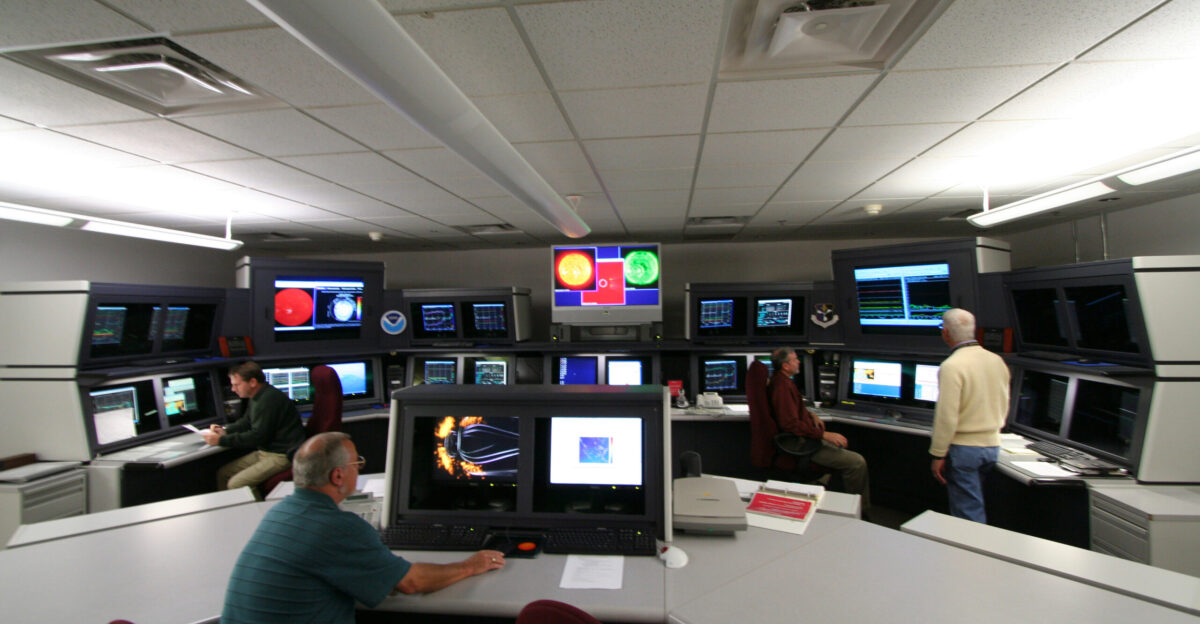
What makes this event exceptional isn’t just the flare’s magnitude, it’s the phenomenon scientists call a “cannibal CME.” Three separate coronal mass ejections launched from Region 4274 between November 9 and 11, with each successive blast traveling faster than the last. The third CME, generated by the X5.1 flare, is overtaking the slower waves ahead of it.
When they merge, the combined force creates an amplified geomagnetic storm that is far more destructive than the individual impacts would be. NOAA’s Space Weather Prediction Center issued a rare G4 (Severe) alert, the second-highest classification on their five-level scale. Geophysicist Jure Atanackov captured the gravity: “This is one of the most impressive near-side CMEs of the cycle.”
21 States Prepare for Lights Out
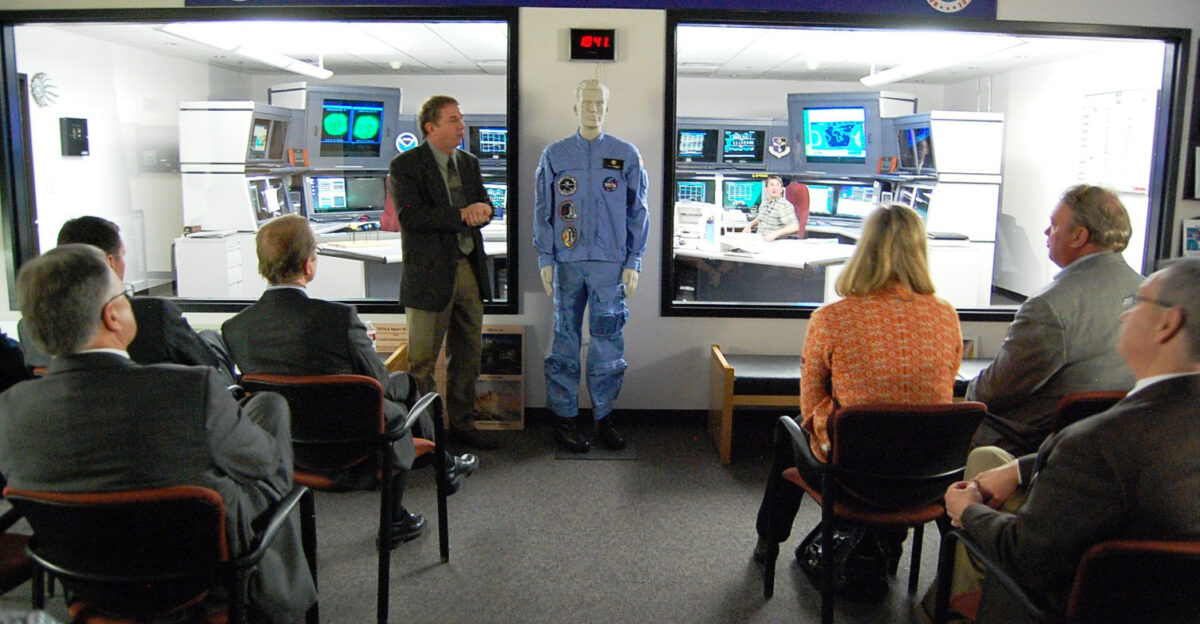
NOAA’s aurora forecast maps show 21 states in the potential impact zone, stretching from Washington to Maine and dipping as far south as northern California and Pennsylvania. Power grid operators activated emergency protocols, redistributing electrical loads and isolating vulnerable transformers to prevent further damage.
The concern isn’t just geomagnetically-induced currents (GICs) that can cause blackouts, but also the damage they can inflict on high-voltage transformers worth millions of dollars each, which require 12-18 months to replace. Northern Tier Utilities placed technicians on a 24-hour watch, monitoring equipment temperatures and voltage fluctuations to ensure optimal performance. One Wisconsin supervisor described the situation as “threading a needle in a hurricane while the storm intensifies around you.”
Airlines Scramble as Polar Routes Become Danger Zones
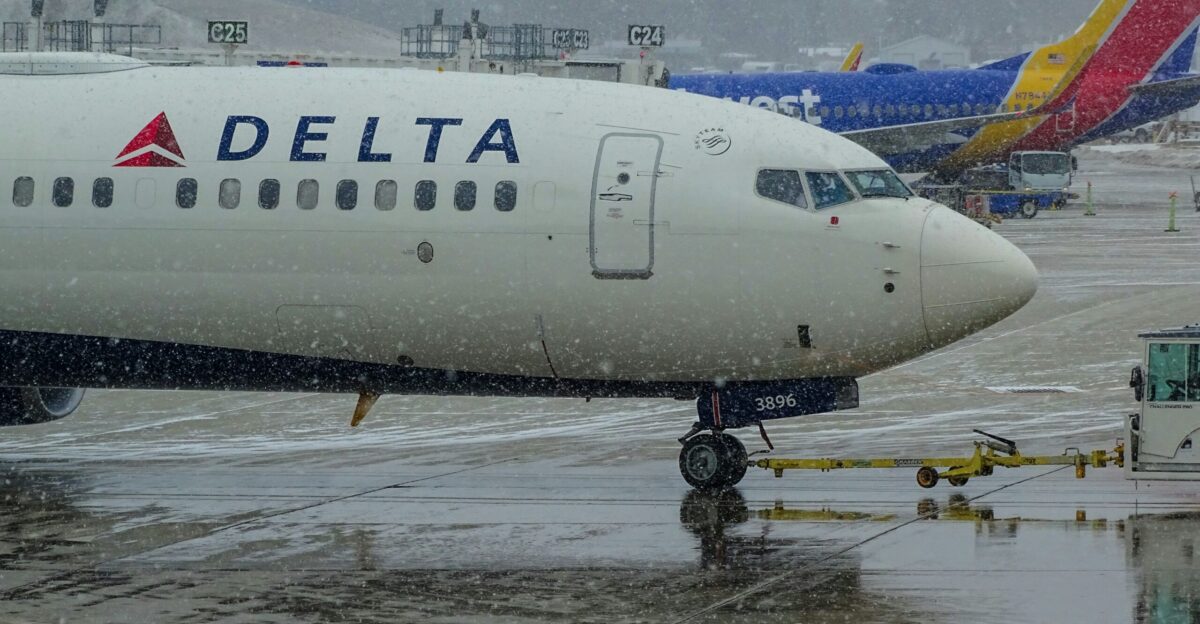
Major carriers, including United, Delta, and American Airlines, diverted dozens of transpolar flights within hours of the G4 warning. Routes crossing northern Canada, Alaska, and Greenland became hazardous as the geomagnetic storm intensified cosmic radiation exposure and knocked out high-frequency radio communications.
The FAA issued advisories for all polar crossings, forcing airlines to choose longer routes over Russia and the Pacific. Each diversion added 30-90 minutes to flight times and burned thousands of extra gallons of fuel. Industry analysts estimated operational disruptions would cost tens of millions over just 48 hours. Crew radiation monitoring systems triggered alerts on multiple flights, forcing some aircraft to descend to lower, less-efficient altitudes.
Your GPS Is About to Lie to You

Here’s where it gets particularly concerning for everyday life. The impact of the cannibal CME on Earth’s ionosphere, the atmospheric layer through which GPS signals travel, causes navigation errors ranging from 3 to 15 meters. That might not sound like much until you consider the implications. Precision agriculture equipment planting crops in the wrong location.
Autonomous vehicles misread lane positions. Emergency services are dispatched to incorrect addresses during medical crises. Surveying equipment is producing faulty measurements for construction projects. Maritime vessels are navigating narrow channels with compromised accuracy. Ride-sharing apps are showing drivers blocks away from their actual position. NOAA warned this accuracy crisis could persist 48-72 hours beyond initial impact as the ionosphere slowly stabilizes.
Satellites Enter Survival Mode
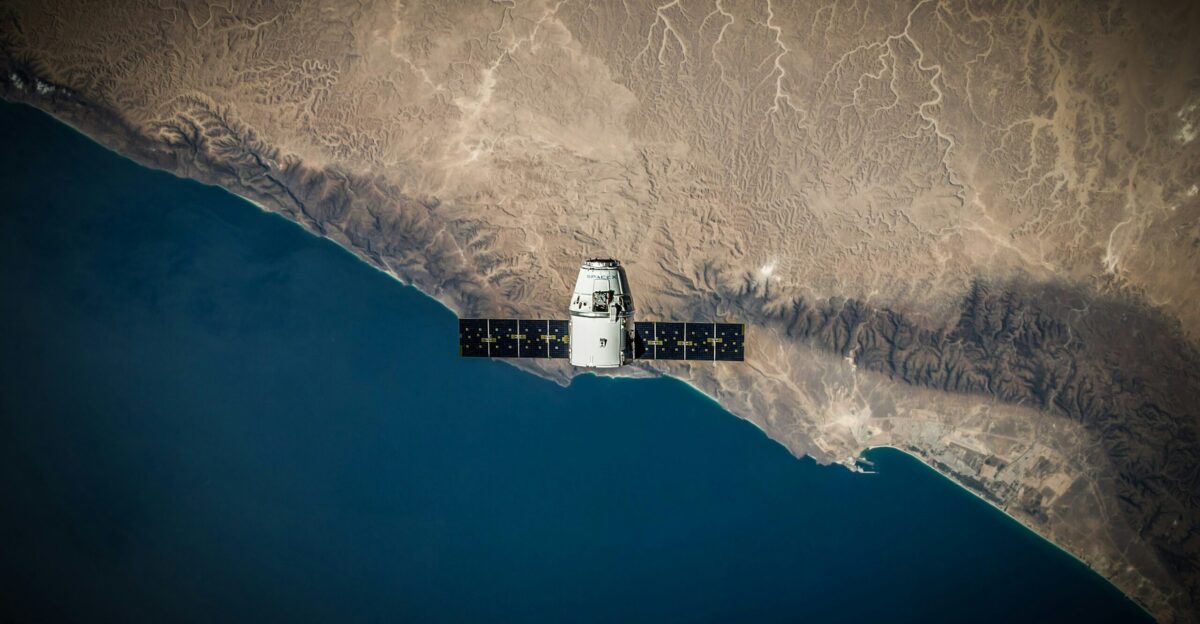
Over 100 satellites across low-Earth and geosynchronous orbits executed emergency safe-mode protocols as the storm approached. The geomagnetic disturbance heats and expands Earth’s upper atmosphere, creating atmospheric drag that accelerates orbital decay, essentially pulling satellites closer to reentry. SpaceX’s Starlink constellation, comprising over 5,000 satellites, features automated protective maneuvers designed to minimize exposure to drag.
Communications satellites issued warnings to customers about potential service interruptions that could affect television broadcasts, internet connectivity, and military operations. The financial stakes are enormous: insurance actuaries projected potential losses in the tens of millions if G4 conditions persisted for more than 24 hours. Older satellites with less sophisticated shielding faced the highest risk of failure, prompting operators to consider preemptive deorbiting of vulnerable spacecraft.
Inside the Power Plants Fighting to Keep Lights On
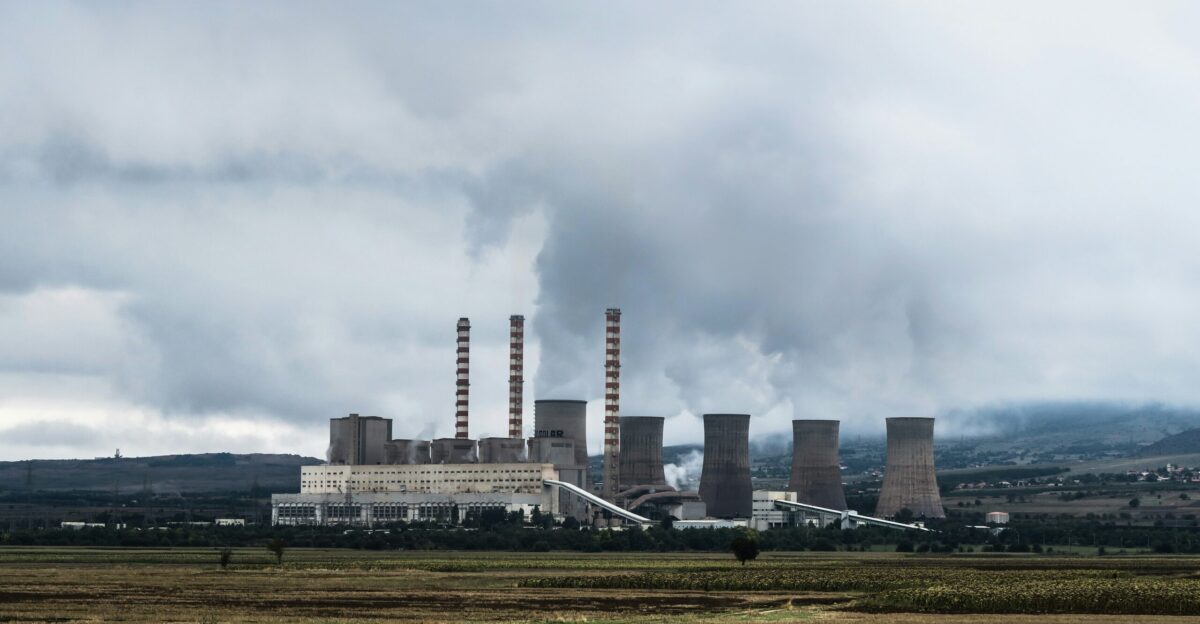
At substations from Minnesota to New York, electrical workers became the first line of defense against infrastructure catastrophe. Armed with thermal imaging cameras, they conducted hourly inspections of high-voltage transformers, the grid’s most vulnerable and irreplaceable components. These massive units, some weighing over 400 tons, can overheat and fail when invisible geomagnetically-induced currents flow through their cores.
Replacement isn’t simple: each transformer is custom-built, costs millions of dollars, and can take more than a year to manufacture and deliver. Grid operators shared real-time data through North American Electric Reliability Corporation networks, coordinating reactive power management to stabilize voltage fluctuations across interconnected systems spanning the continent.
White House Activates Space Weather War Room
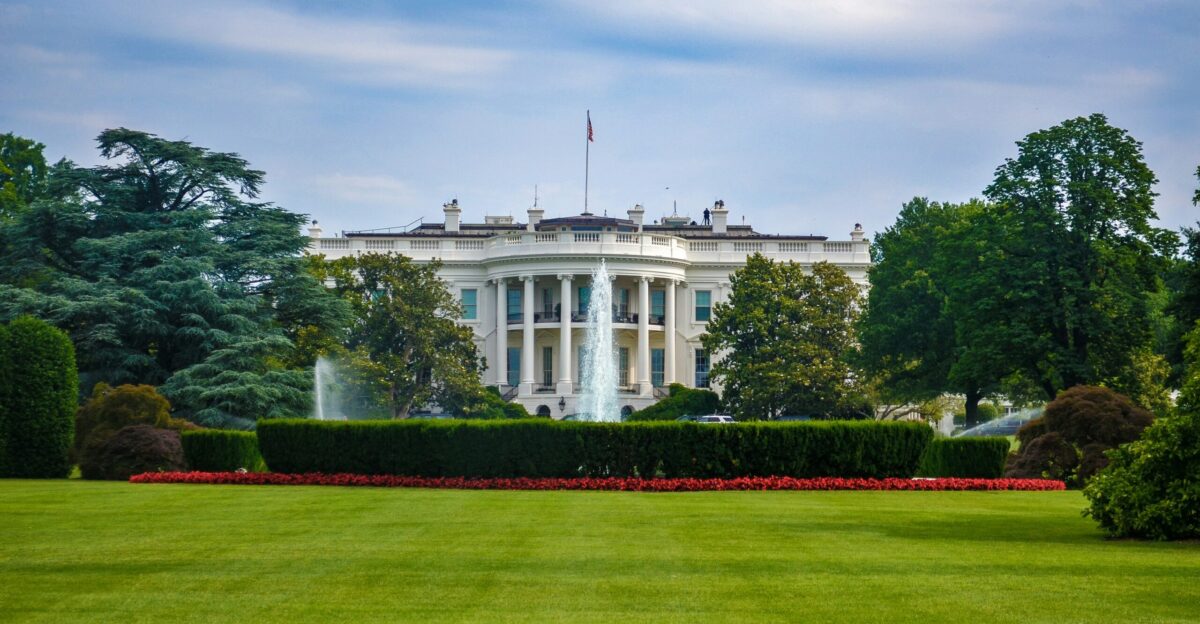
Federal officials convened an emergency session under the National Space Weather Strategy and Action Plan, coordinating across the Department of Homeland Security, the Department of Energy, the FAA, and the Department of Defense. The NOAA Administrator briefed White House officials on critical infrastructure vulnerabilities and economic projections that ranged from hundreds of millions to potentially billions of dollars in damages.
The session reviewed painful lessons from May 2024’s G5 storm, which caused $2 billion in damages, and the catastrophic 2003 Halloween Storm that inflicted $6 billion in losses and left 50 million people without power. Congressional leaders received notifications under space weather emergency protocols, with appropriations committees placed on standby for potential disaster relief funding.
Insurance Industry Faces Billion-Dollar Reckoning

Space weather insurance underwriters faced a nightmare scenario: simultaneous claims across multiple sectors, including satellite losses, aviation disruptions, power grid damages, telecommunications failures, and business interruption. Lloyd’s of London syndicates activated catastrophe response protocols, with exposure models indicating billions in potential insured losses if widespread transformer failures were to materialize.
Premium rates for space weather coverage spiked in immediate futures markets as underwriters recalculated risk models. Reinsurance brokers warned that the event could reshape industry coverage terms, similar to how the 2003 Halloween Storm prompted comprehensive policy rewrites after insurers discovered massive gaps in space weather provisions, leaving them exposed to cascading failures.
Retailers Prepare for Commerce Collapse
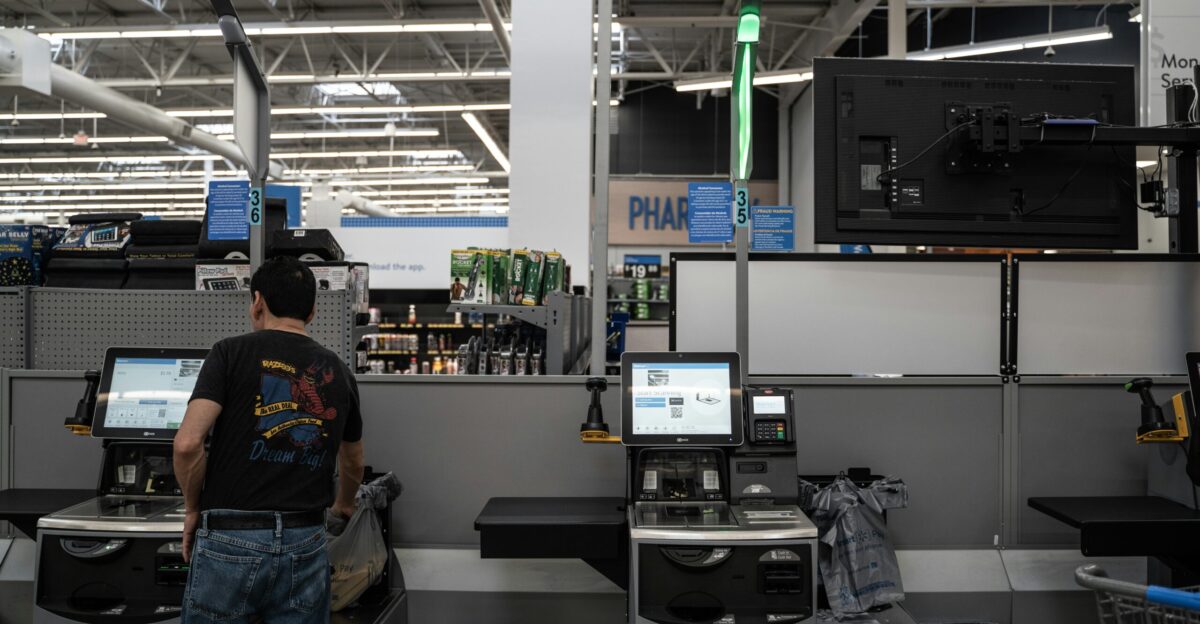
Meanwhile, major retailers, including Walmart, Target, and Kroger, placed their IT teams on maximum alert as the storm threatened payment processing networks, inventory management systems, and supply chain communications. The concern was well-founded: the 2003 Halloween Storm led to cascading point-of-sale failures across Canada, forcing stores to operate on a cash-only basis for hours during peak shopping periods.
Modern cloud-dependent systems face even greater vulnerability to disruptions in satellite communication. Retailers stockpiled manual payment processing equipment, including credit card imprinters that had not seen regular use in decades, and printed backup inventory records. E-commerce platforms implemented additional server redundancies, anticipating traffic surges if physical stores experienced widespread outages during the critical holiday shopping season ramp-up.
Hospitals Brace for Power Grid Failures

Healthcare facilities from Seattle to Boston tested emergency generators and made difficult decisions about postponing elective procedures. Medical device manufacturers issued urgent technical bulletins warning that MRI machines, linear accelerators used for cancer treatment, and cardiac catheterization labs could malfunction during voltage instabilities, potentially during a procedure. Blood banks prioritized refrigeration systems containing irreplaceable plasma supplies worth millions of dollars.
The American Hospital Association distributed G4 storm preparedness checklists emphasizing patient safety protocols during grid disruptions. Veterans Affairs medical centers, recalling the transformer failures of 2003 that darkened facilities for days, stocked extra diesel fuel for extended generator operations. Critical care units moved vulnerable patients closer to backup power sources as a precautionary measure.
Silicon Valley’s Supply Chain Nightmare
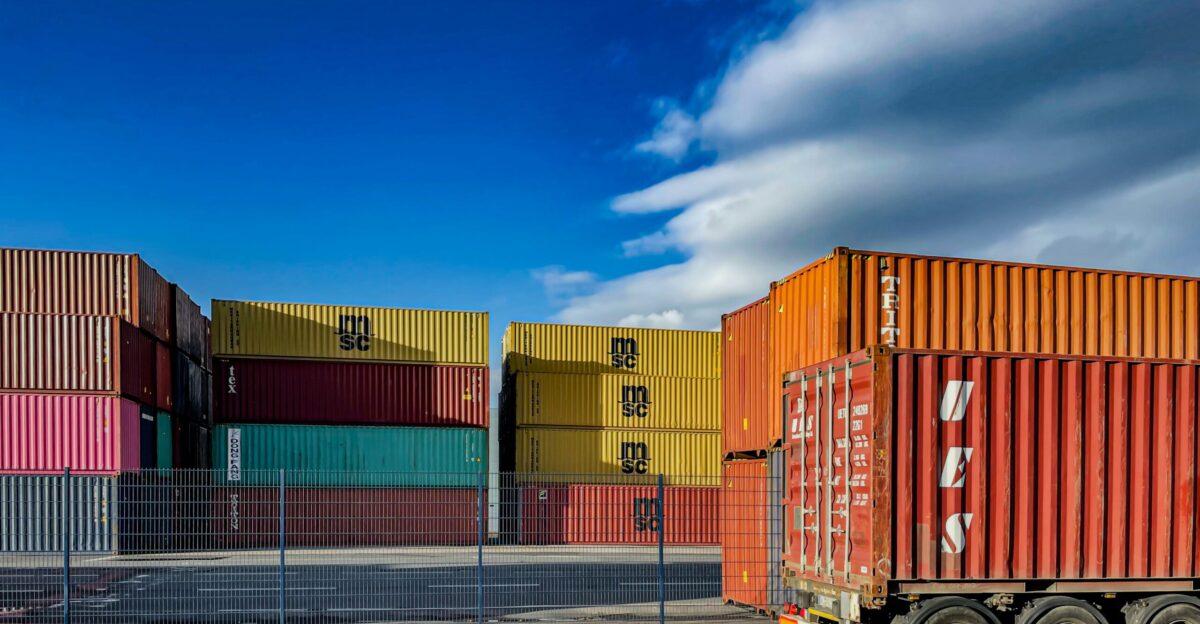
Semiconductor fabrication plants and electronics assembly facilities discovered an unexpected vulnerability: GPS-guided logistics systems that coordinate just-in-time manufacturing. When trucking fleets carrying precision components experienced navigation errors, delivery schedules collapsed. Time-sensitive shipments of microprocessors, display panels, and circuit boards missed critical production windows by hours enough to halt assembly lines manufacturing smartphones, computers, and automotive electronics.
Industry observers estimated that production slowdowns would last between 12 and 36 hours at major facilities. Port operations in Los Angeles, Seattle, and New York reported malfunctions in their container tracking systems, creating bottlenecks as dockers resorted to manual cargo verification procedures that had not been used regularly since the 1990s. The ripple effects threatened holiday electronics inventory.
Aurora Tourism Triggers Southern Economic Boom

An unexpected silver lining emerged as hotels across Alabama, Tennessee, Virginia, and North Carolina reported instant sellouts. Aurora forecasts extending visibility to latitudes that rarely witness the northern lights sparked spontaneous tourism. Photography enthusiasts drove hundreds of miles, astronomy clubs organized emergency viewing parties, and state parks extended hours to accommodate sky-watchers.
Social media exploded with aurora images from locations as far south as Georgia and Arkansas, phenomena not witnessed in these regions since May 2024’s historic G5 storm. Tourism officials estimated the aurora phenomenon generated substantial economic activity, partially offsetting storm-related losses. Hotels in prime viewing locations commanded premium rates, with some properties reporting room prices several times the standard rates.
Doctors Issue Warning for Heart Patients

Cardiologists have issued advisories based on peer-reviewed research that links severe geomagnetic storms to an increased risk of cardiovascular events. Studies documented 15-20% spikes in emergency room visits for heart attacks and strokes during major solar storms, attributed to circadian rhythm disruptions, stress response activation, and potential blood viscosity changes from magnetic field fluctuations.
Patients with pacemakers and implanted cardioverter-defibrillators contacted cardiology offices seeking reassurance, which doctors provided, noting modern devices include geomagnetic shielding absent from older models. Mental health professionals reported increased anxiety and sleep disturbance correlating with storm timing. One emergency room physician in Minnesota noted: “We always see upticks during geomagnetic storms, but people rarely connect the dots.”
Climate Debate Reignites Over Solar Influence
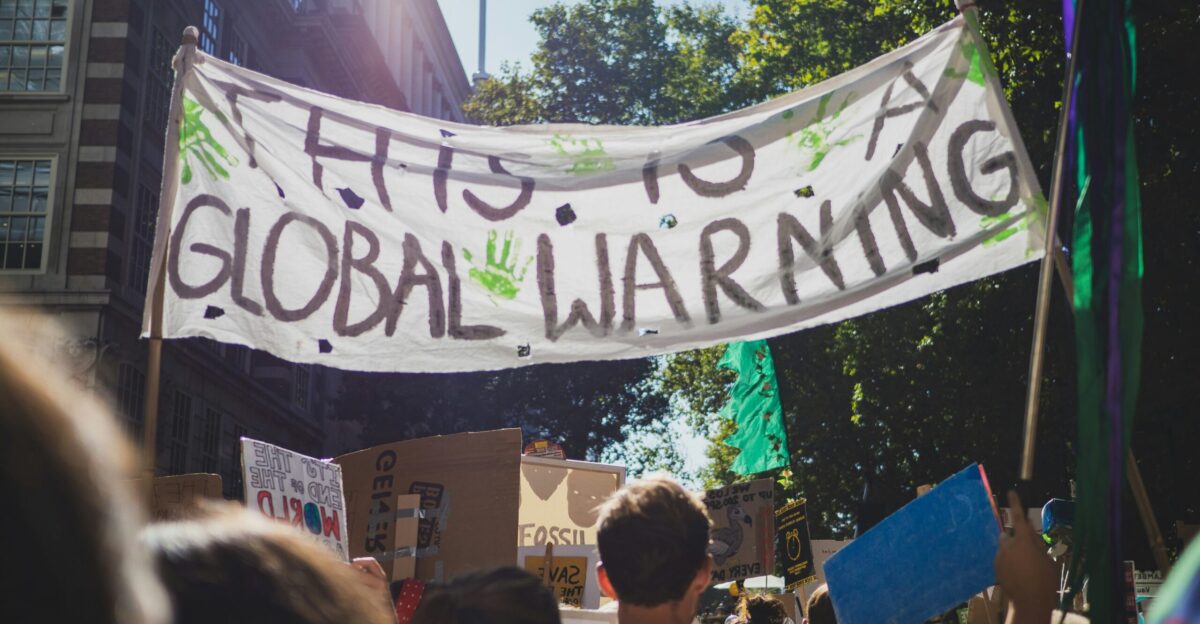
The dramatic X5.1 flare reignited contentious debates over the influence of solar cycles on terrestrial climate. Some researchers have highlighted correlations between solar maxima and shifts in regional weather patterns. At the same time, mainstream climate scientists have emphasized that solar variability contributes minimally compared to anthropogenic greenhouse gas forcing. The storm’s atmospheric heating, which expanded the thermosphere by hundreds of kilometers, demonstrated solar energy’s capacity to alter the Earth’s upper atmosphere.
However, environmental advocates cautioned against conflating short-term space weather with long-term climate trends. One NASA climatologist clarified: “Solar storms are impressive, but fossil fuel emissions remain the dominant climate driver by several orders of magnitude. These are fundamentally different phenomena operating on different timescales.”
Emergency Radio Equipment Flies Off Shelves
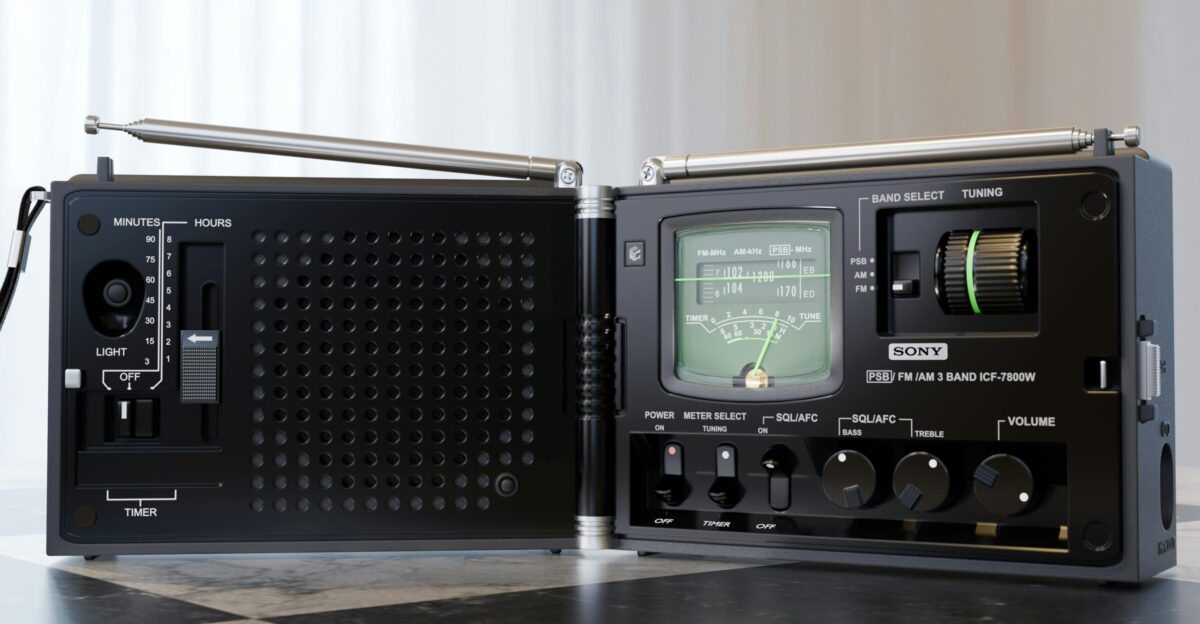
Radio communications equipment manufacturers experienced an unexpected windfall as consumers and businesses sought backup communication methods. Companies like Icom, Yaesu, and Garmin reported dramatic sales increases for handheld radios and satellite messengers within 24 hours of the G4 warning. Amateur radio operators, also known as the “ham radio” community, emerged as unlikely infrastructure heroes, providing emergency communications when conventional systems failed.
The FCC reported 15,000 new amateur radio license applications the week following the storm’s onset, the highest weekly total since 2017’s solar events. RadioShack’s remaining franchise locations sold out of portable communication equipment within hours. One Seattle retailer described scenes of “Black Friday intensity for two-way radios nobody cared about last week.”
Wall Street Reacts to Infrastructure Threat
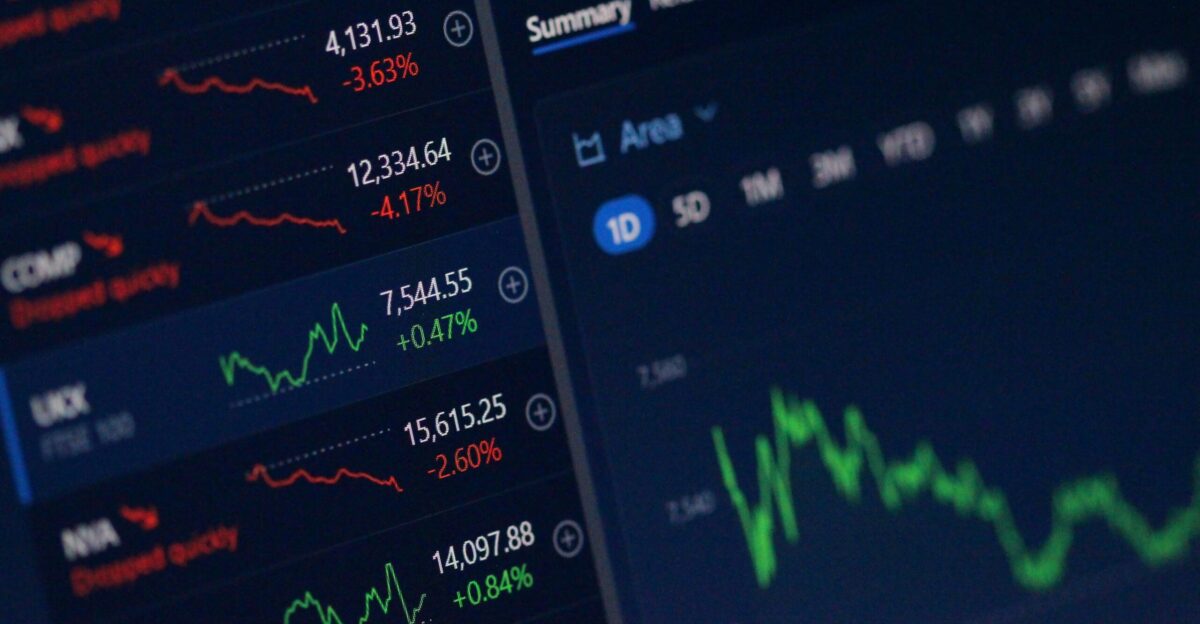
Stock markets responded swiftly as the storm’s implications crystallized. Utility sector stocks declined as investors priced in potential transformer replacement costs and liability exposure. Aerospace and defense contractors with satellite portfolios exhibited pronounced volatility, while manufacturers of emergency backup power equipment posted gains. Insurance sector indices declined due to concerns about the accuracy of catastrophe modeling.
Renewable energy stocks experienced a peculiar divergence: solar panel manufacturers declined due to production disruption fears, while energy storage companies rallied on expectations of backup power demand. Commodities markets saw price increases for copper and aluminum as traders anticipated the need for replacement of grid equipment. Interestingly, cryptocurrency exchanges reported minimal impact from the storm, with blockchain advocates highlighting the resilience of decentralized systems.
What You Should Do Right Now

NOAA and emergency management agencies issued specific recommendations for the 72-hour high-risk period. First, photograph the serial numbers of valuable electronics for insurance claims in case power surges cause damage. Second, maintain modest cash reserves in case payment processing systems fail. Third, fully charge phones, laptops, and backup batteries before peak storm periods, treat it like hurricane preparation.
Fourth, fill vehicle fuel tanks, as gas station pumps require electricity. Fifth, store three days of non-perishable food and water as part of standard emergency preparedness, regardless of the disaster type. Additional advice: avoid unnecessary polar air travel, secure physical copies of critical documents, use surge protectors on sensitive equipment, and consider unplugging valuable electronics during peak geomagnetic activity windows.
The Worst May Still Be Coming
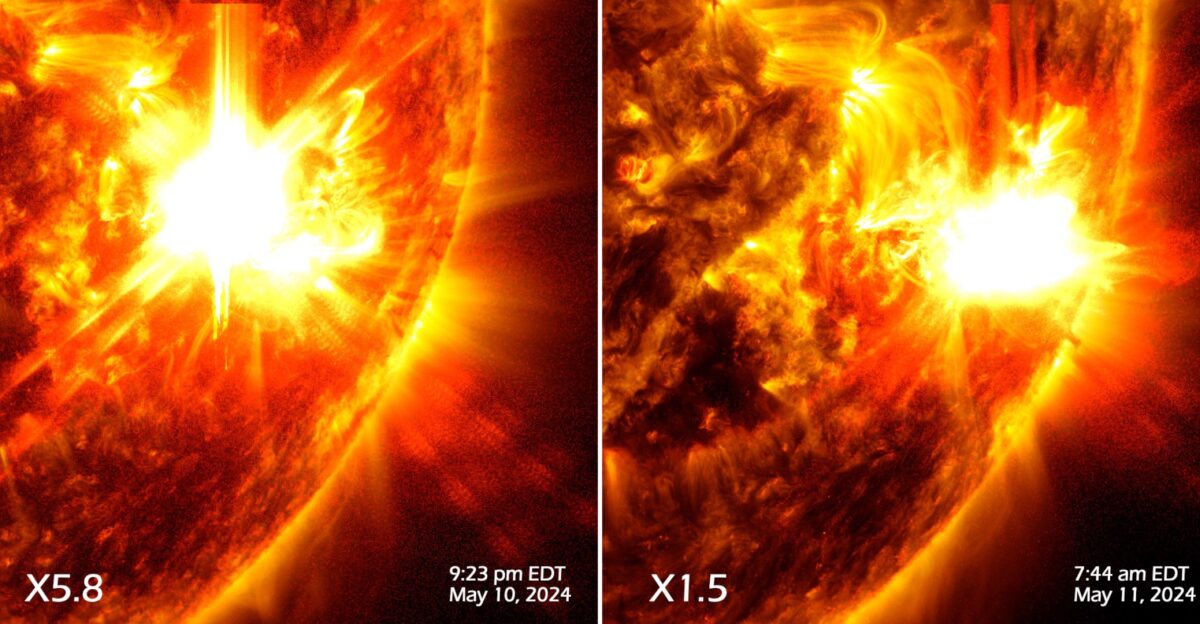
Here’s the unsettling reality: current solar activity represents only the approach to Solar Cycle 25’s maximum, predicted for mid-to-late 2025. More intense storms remain not just possible but probable in the coming months. The October 2024 X9.0 flare, significantly stronger than November’s X5.1, demonstrated the Sun’s escalating violence as magnetic complexity builds toward the cycle peak.
NOAA’s updated forecasts project a 30-50% probability of additional G4 or stronger storms through 2026. Space weather forecasters emphasized improved prediction capabilities compared to previous cycle peaks, but acknowledged X-class flares can erupt with minimal advance notice. Meanwhile, infrastructure hardening initiatives, such as grid modernization and satellite shielding improvements, remain years behind threat evolution timelines, leaving critical systems vulnerable.
Why This Storm Matters for Everyone

The November 2025 solar storm, also known as a CME event, exposed uncomfortable truths about modern civilization’s vulnerabilities. Unlike hurricanes or earthquakes, which strike regionally, solar storms impact the globe simultaneously, testing infrastructure coordination on unprecedented scales. The X5.1 flare proved decisive enough to disrupt aviation, satellites, power grids, and communications concurrently, ranking only sixth in the current solar cycle.
Historical records suggest X15+ or X20+ superflares occur every 50-150 years. The 1859 Carrington Event, the most powerful recorded geomagnetic storm, struck when human infrastructure consisted of telegraph wires. If a Carrington-class event hit today’s interconnected technological civilization, economic damages could reach trillions of dollars. This storm was a rehearsal. The question isn’t if another major event will occur, but when.