
For nearly five decades, the credit card world operated under one ironclad mandate: honor all cards. If a merchant accepted even one Visa or Mastercard, they had to take every card from that network—no exceptions. On November 10, 2025, that foundational rule cracked open.
Visa and Mastercard agreed to a landmark settlement, ending a 20-year legal battle, which gives merchants the power to reject premium rewards cards for the first time in credit card history. The shift could reshape retail nationwide, affecting an estimated 800,000 US stores and millions of cardholders.
Two Decades of Litigation Reach a Turning Point
The legal war between retailers and the card giants began in 2005 when merchants sued Visa and Mastercard over alleged antitrust violations tied to interchange fees. For twenty years, federal courts watched as settlement after settlement failed.
In June 2024, U.S. District Judge Margo Brodie rejected a $30 billion proposal, ruling that it didn’t adequately protect merchants or address the “honor-all-cards” rule. Now, working with a mediator, both sides have crafted a new framework designed to end the litigation and finally reshape how America pays.
The $83 Billion Fee Machine That Powers the System

Every credit card swipe extracts a cost hidden from the shopper’s eyes. Interchange fees—the portion merchants pay to banks and networks for processing credit cards—totaled $83 billion in 2024, according to industry data cited in settlement discussions.
These fees typically range from 2% to 2.5% per purchase, but premium rewards cards, such as the Chase Sapphire Reserve, can reach 4% or higher. .
Why Premium Cards Became the Problem Child
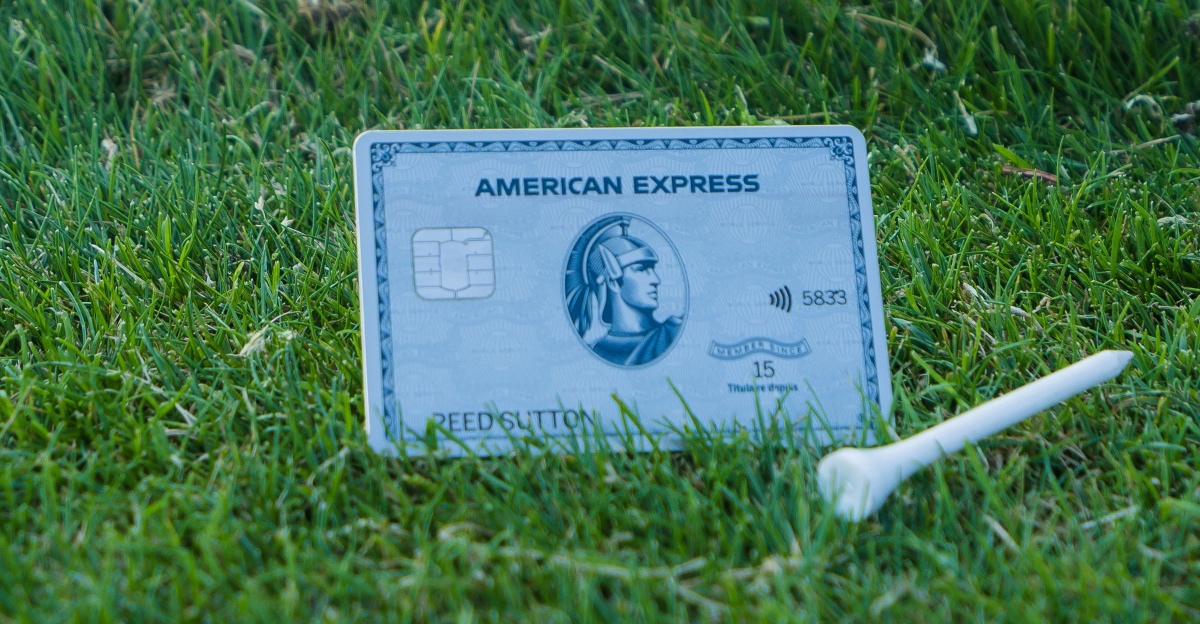
Chase’s Sapphire Reserve carries an annual fee of $795 and charges merchants up to 3.5% in interchange fees. American Express has hiked the yearly fee for its Platinum card to $895. These ultra-premium cards, packed with travel rewards and luxury perks, generated higher interchange fees that fund cardholder benefits.
The rise of affluent consumers favoring premium cards intensified merchant complaints, making the honor-all-cards rule feel less like a rule and more like extortion.
The Settlement That Nearly Broke Through—Then Didn’t

Last year, the parties thought they had resolved the issue. The 2024 settlement proposal would have reduced interchange fees by seven basis points over five years and granted merchants limited flexibility on card acceptance. Economists estimated it would save retailers $30 billion.
But Judge Margo Brodie rejected it. She found the honor-all-cards provisions toothless and the overall relief insufficient. That rejection sent negotiators back to the drawing board, determined to address every concern the court raised.
Three Categories: The New Card Universe

Under the new settlement framework, announced in November 2025, all credit cards are categorized into three types: standard consumer cards, rewards credit cards, and commercial cards. Merchants can now choose to accept all categories, just certain ones, or implement surcharging for higher-fee tiers.
This categorical approach represents the first major departure from uniform acceptance since card networks began operations. For the first time, a Visa merchant could legally reject all reward cards without accepting their standard alternatives—though many won’t risk it.
The Numbers: A 0.1% Cut Over Five Years

The fee reduction at the heart of the settlement is modest: a 0.1 percentage point decrease averaged across all interchange rates for five years. Economists like Joseph Stiglitz and Keith Leffler, who served as expert witnesses for merchants, project that the deal could ultimately save retailers more than $200 billion over its full term.
However, critics note that Visa and Mastercard retain the power to raise their own fees—the portion they keep—potentially offsetting merchant savings entirely.
What Banks Keep, What They Must Lower
Here’s where merchant frustration lingers. Interchange fees are split into two parts: the portion banks receive (roughly 60-70% of the cost) and the portion Visa and Mastercard retain. The settlement caps what banks can charge, keeping standard card rates at 1.25% for the full eight-year term and temporarily lowering premium card fees. But Visa and Mastercard face no cap on their cut.
As the Merchant Payments Coalition pointed out, the card networks could theoretically raise their fees to wipe out all consumer and merchant savings. This concern continues to dog the settlement.
800,000 Stores Prepare for a New Reality

The practical reach of this settlement extends across America’s entire retail fabric. From corner bodegas to grocery chains, convenience stores to gas stations, roughly 800,000 U.S. merchants accept Visa or Mastercard. Now they face a decision: accept all cards as before, or implement the new selective acceptance rules the settlement permits.
For small merchants already squeezed by interchange costs, the temptation to reject premium cards is real. But for large retailers, the calculus is different—rejecting the cards of affluent customers carries its own risks.
Will Amazon, Walmart, and Others Finally Make Their Move?

Big retailers have tested card rejection before. Walmart, Amazon, and Kroger have all temporarily banned Visa credit cards in the past to pressure the network on fees—then relented when customer backlash mounted. Cash usage has plummeted; consumers now use credit or debit cards for more than 60% of their purchases. That dependency gives cardholders leverage.
Under the new settlement, these giants could theoretically reject premium cards while accepting standard ones, but implementing such granular distinctions at the register poses massive technical and customer-relations challenges.
The POS System Problem Nobody’s Talking About

Here’s the inconvenient truth: most retail point-of-sale systems aren’t built to identify and reject specific card categories in real time. Payment terminals would need to recognize whether an incoming card is standard, rewards-tier, or commercial, and then either decline it or apply surcharges accordingly.
This requires hardware and software upgrades across hundreds of thousands of locations. And who pays for it? Merchants.
The Surcharge Showdown at Checkout

Another complication: surcharging. If a merchant accepts premium cards but wants to charge an additional fee for processing them, state laws create a patchwork of rules. Some states ban surcharges entirely; others cap them at the merchant’s cost of acceptance. Disclosure requirements vary.
Implementing category-based surcharging—charging 2.5% for rewards cards but 1.25% for standard ones—would require either dynamic pricing at checkout or pre-printed menus with multiple price tiers.
Opponents Say It’s “Smoke and Mirrors”

Within hours of the November 2025 announcement, major merchant groups denounced the deal. The National Retail Federation, Merchant Payments Coalition, and National Association of Convenience Stores all called it inadequate. “This is the third attempt to settle this case, and the card industry either just doesn’t get it or just doesn’t care,” said NRF Chief Administrative Officer Stephanie Martz.
Doug Kantor, general counsel for NACS and executive committee member of the MPC, argued Visa and Mastercard could reclassify cards to dodge restrictions, and he’s likely right.
Why Merchants May Not Actually Reject Cards

Analysts predict a Mexican standoff. Yes, merchants now have the legal right to reject premium cards. But will they? Baird analyst David Koning noted that merchants “will largely accept all cards of a brand, given potential friction and confusion” at checkout. Premium rewards cards are typically held by affluent consumers—exactly the customers retailers want to attract and retain.
The psychological cost of declining a wealthy customer’s card could outweigh the fee savings, creating a stalemate where merchants accept the settlement but never truly implement it.
What This Means for Your Chase Sapphire Reserve
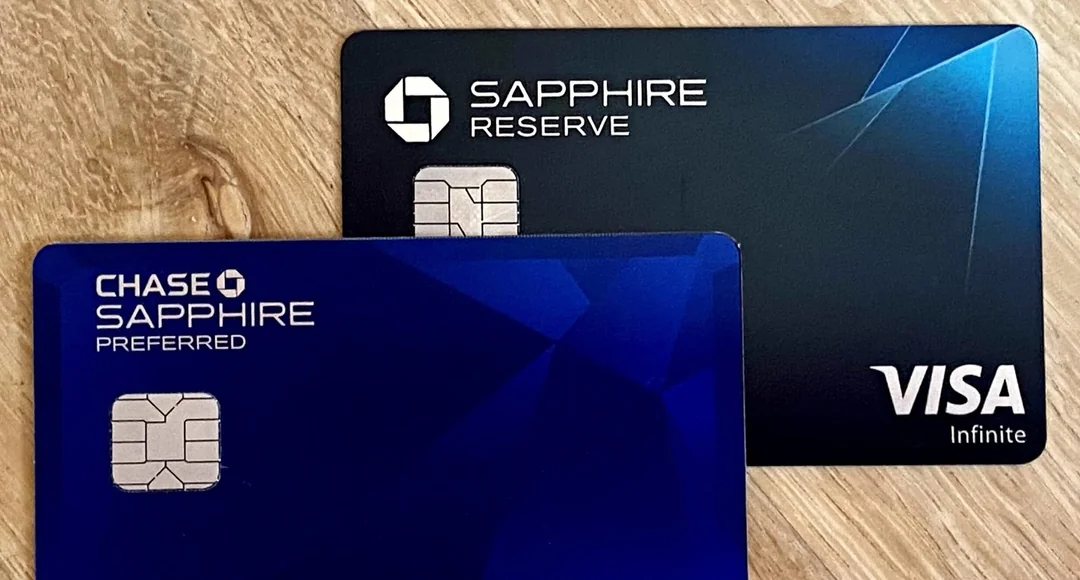
For cardholders, the implications are existential. You pay $795 annually for that premium Sapphire Reserve, expecting rewards and prestige. Under the settlement, the same card could be rejected at your favorite coffee shop or declined at checkout, all while everyone watches. Your 5% cashback rewards funded by merchant fees suddenly become a liability.
Some analysts predict that premium cards will lose value as merchants implement rejections—though history suggests that most retailers will absorb the fees rather than upset their best customers.
The Rewards Ecosystem Under Siege
If merchants truly begin rejecting premium cards, the entire rewards credit card model faces disruption. Interchange fees finance rewards; if merchants refuse to pay those fees, card issuers must either lower rewards or raise annual fees further.
This could force a massive recalibration across JPMorgan Chase, Capital One, Citigroup, and smaller issuers—potentially ending the rewards arms race that has defined credit cards for the past twenty years.
American Express Remains Untouched
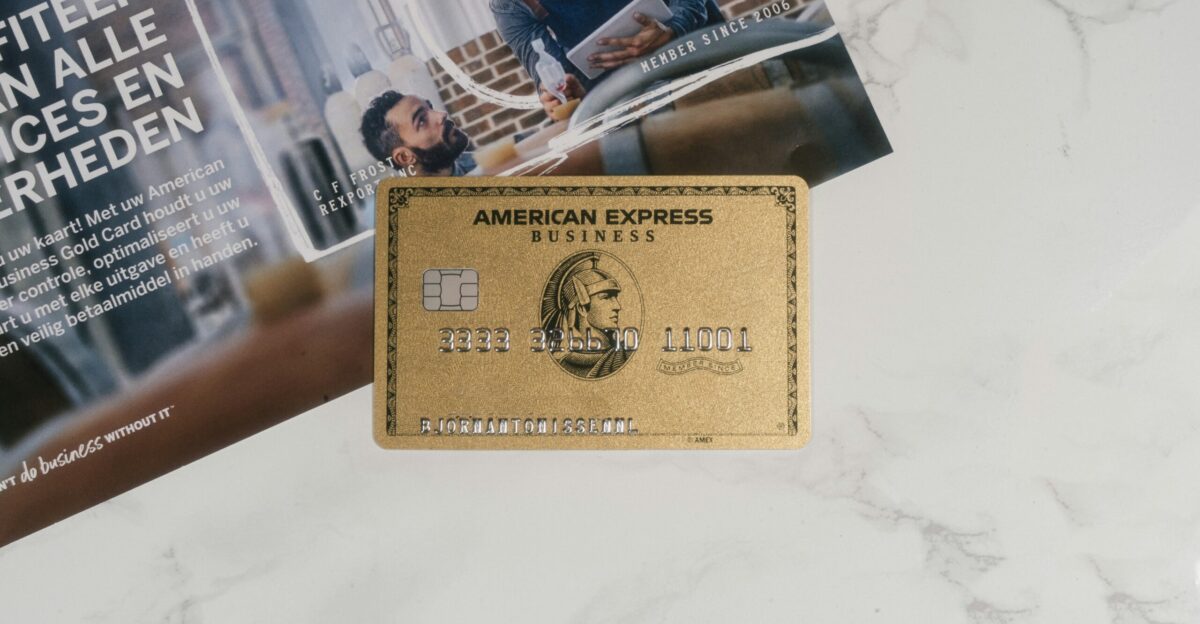
American Express didn’t settle. The agreement covers only Visa and Mastercard, which together control over 80% of the U.S. credit card market. American Express runs its own proprietary network and maintains its own honor-all-cards policy.
This asymmetry means merchants could theoretically reject all Visa and Mastercard premium cards while still accepting American Express Platinum offerings.
Judge Approval—No Sure Thing

The settlement still requires approval from U.S. District Judge Brian Cogan in the Eastern District of New York. Mastercard’s securities filings suggest approval could come in “late 2026 or early 2027″—assuming the judge signs off. But history counsels caution. Judge Margo Brodie rejected the 2024 version on the same grounds that merchants now raise about this deal.
If Cogan shares Brodie’s skepticism, this settlement could face a similar fate: rejection and another round of litigation that would likely stretch well into the 2030s.
Will Merchants Actually Use This Power?
The settlement’s real test comes at the register, in thousands of small decisions made daily by millions of merchants. Legal permission and practical enforcement are worlds apart. Do you risk losing a customer over a $2 fee savings per transaction? Does a McDonald’s turn away a Chase Sapphire holder paying for lunch? Do gas stations implement surcharges when customers are already frustrated at the pump?
The settlement assumes merchants will aggressively wield new power—but retail behavior suggests they’ll exercise caution and accept nearly all cards anyway.
The Biggest Retail Shift Since Plastic Changed Everything

Twenty years of litigation. Three rejected settlements. Billions of dollars in fees are extracted from merchants and passed on to consumers. And now, finally, the possibility of change. The November 2025 Visa-Mastercard settlement doesn’t solve the problem—many argue it barely scratches the surface.
However, it marks the first crack in the honor-all-cards mandate, the foundational rule that has governed credit card acceptance since the 1970s. Whether that crack becomes a chasm or merely seals shut depends entirely on whether merchants and judges are willing to embrace the disruption they’ve been fighting for since 2005.