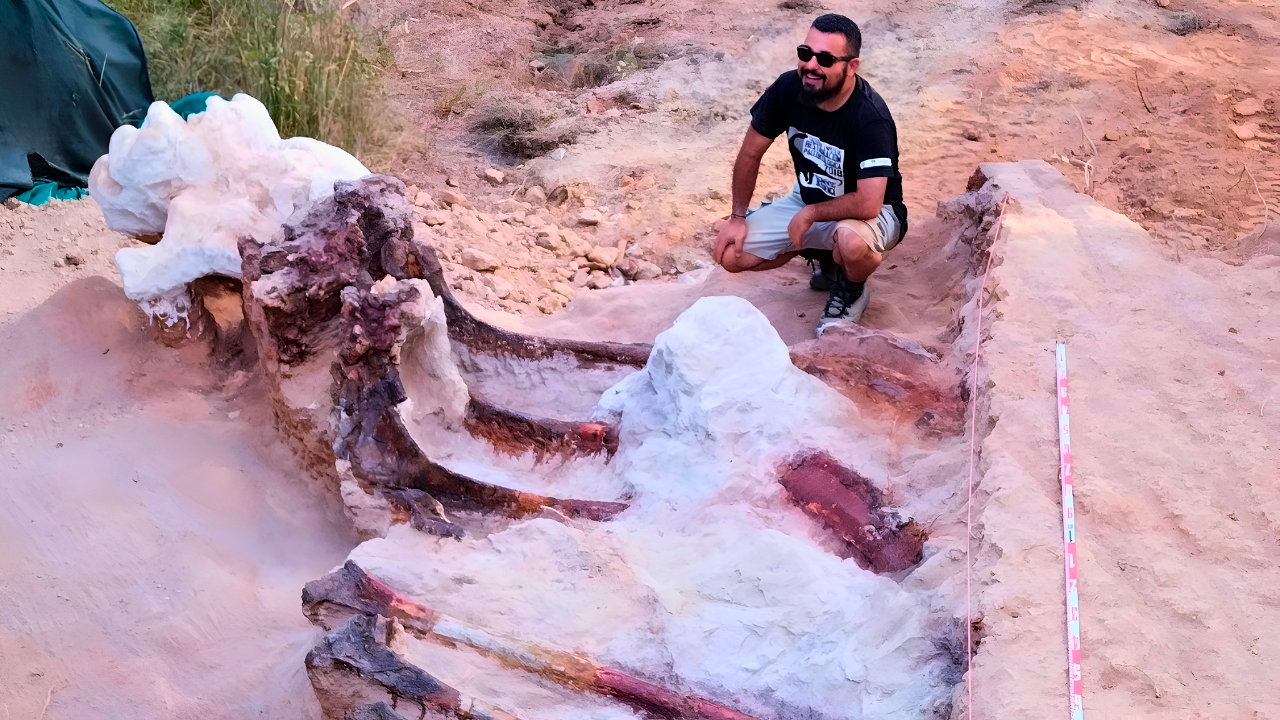
In 2017, a homeowner in Pombal, Portugal, was conducting construction in his backyard when he discovered unusual bone fragments protruding from the ground.
He stopped work immediately and called scientists at the University of Lisbon.
This simple discovery would become one of Europe’s biggest dinosaur finds, changing what scientists know about prehistoric life on the continent.
Waiting Game
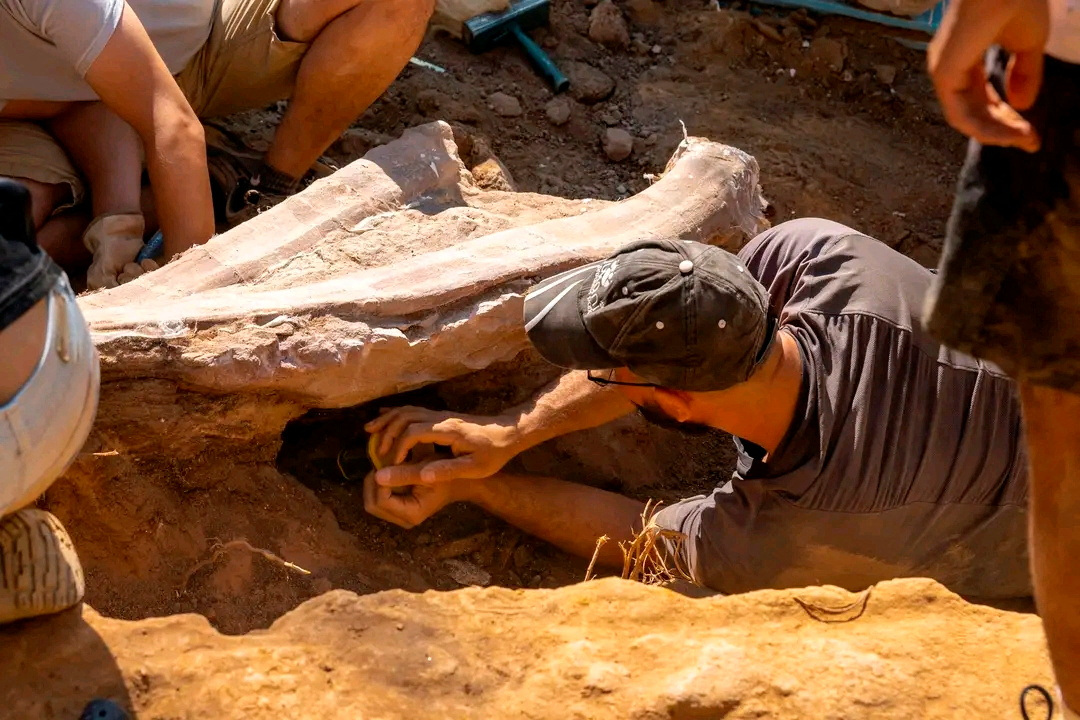
For five years after discovering the bones, scientists worked slowly at the Monte Agudo site.
Dr. Elisabete Malafaia from the University of Lisbon led the team through paperwork, funding requests, and careful planning.
Neighbors watched as researchers came back regularly to map the area. The Pombal region already had dinosaur fossils, but scientists believed this discovery might be particularly significant.
European Context
Portugal is situated in the Lusitanian Basin, a region rich in Late Jurassic dinosaur fossils dating back 145 to 150 million years ago.
Back then, this area was covered with rivers and floodplains—perfect for preserving huge dinosaurs. The basin has produced multiple species of sauropods and other dinosaurs.
Central Portugal’s geology makes it one of Europe’s premier locations for dinosaur fossils, comparable to the Morrison Formation in America.
Mounting Evidence
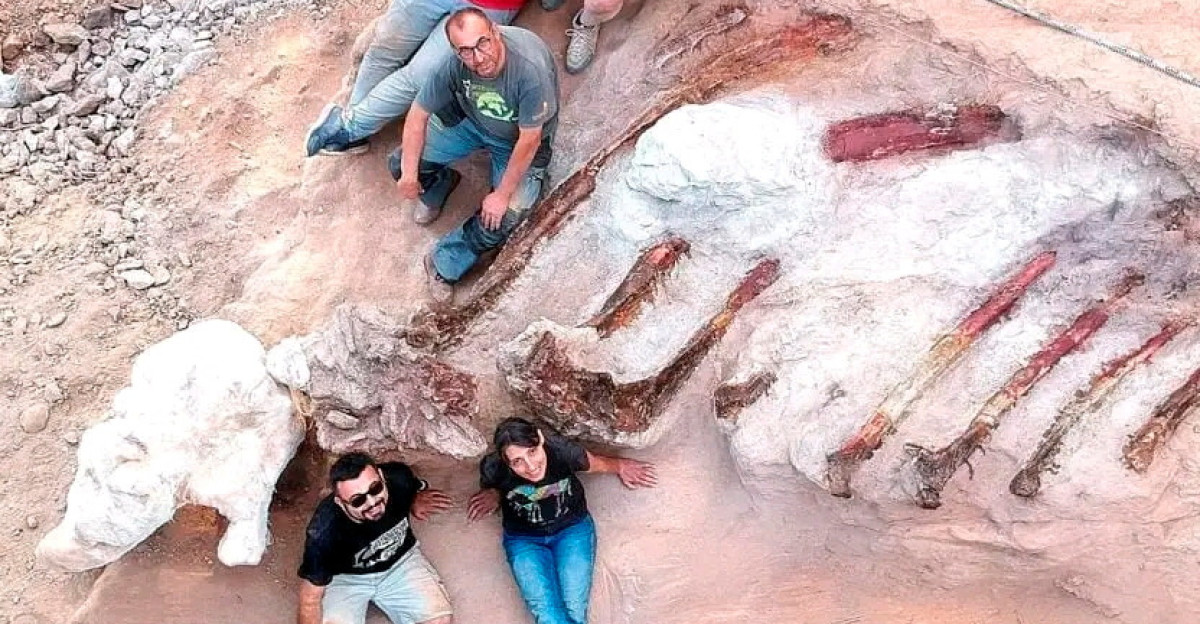
Between 2017 and 2022, excavations revealed a massive structure buried in the Portuguese soil.
Researchers found huge vertebrae in excellent condition, still arranged as they were when the animal died. By summer 2022, Spanish and Portuguese scientists planned a major dig for August 1-10.
The short timeframe was due to limited funding and Portugal’s hot, dry summers, which could damage exposed fossils.
The Reveal
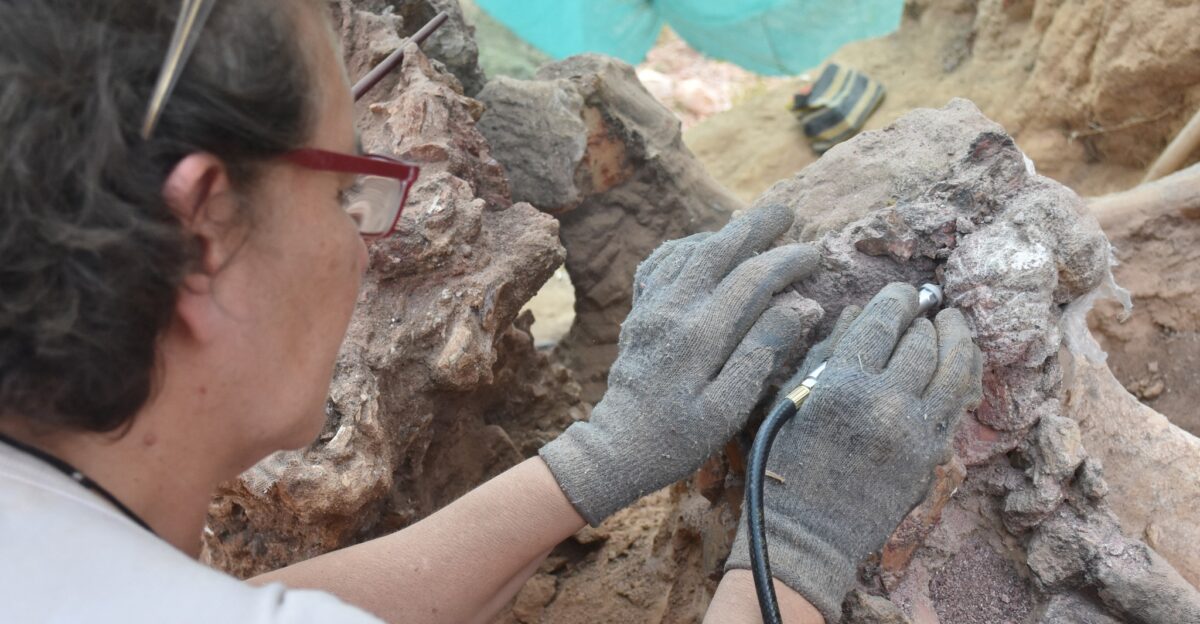
In August 2022, researchers uncovered a complete dinosaur ribcage positioned exactly as it was 145 million years ago—extremely rare.
The sauropod was approximately 82 feet long and 39 feet tall, with ribs that were nearly 10 feet long.
Dr. Malafaia called it “one of the biggest specimens discovered in Europe, perhaps in the world.” It’s possibly the largest dinosaur skeleton ever found in Europe.
Local Impact
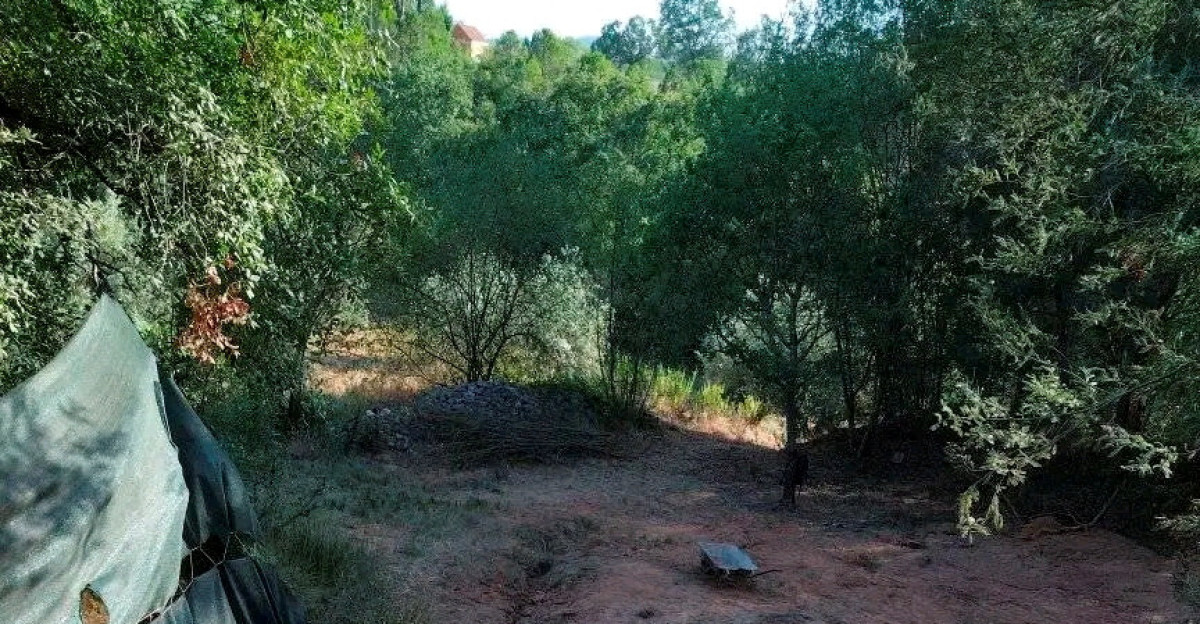
The discovery put Pombal on the world map. The homeowner’s backyard was frozen in time as digging continued, with construction stopped indefinitely.
The Pombal City Council supported the research, recognizing its potential for tourism.
Nearby Lourinhã, known as Portugal’s “Dinosaur Capital,” attracts around 25,000 visitors annually to its dinosaur park and museum. Pombal hoped for similar success.
Scientific Wonder
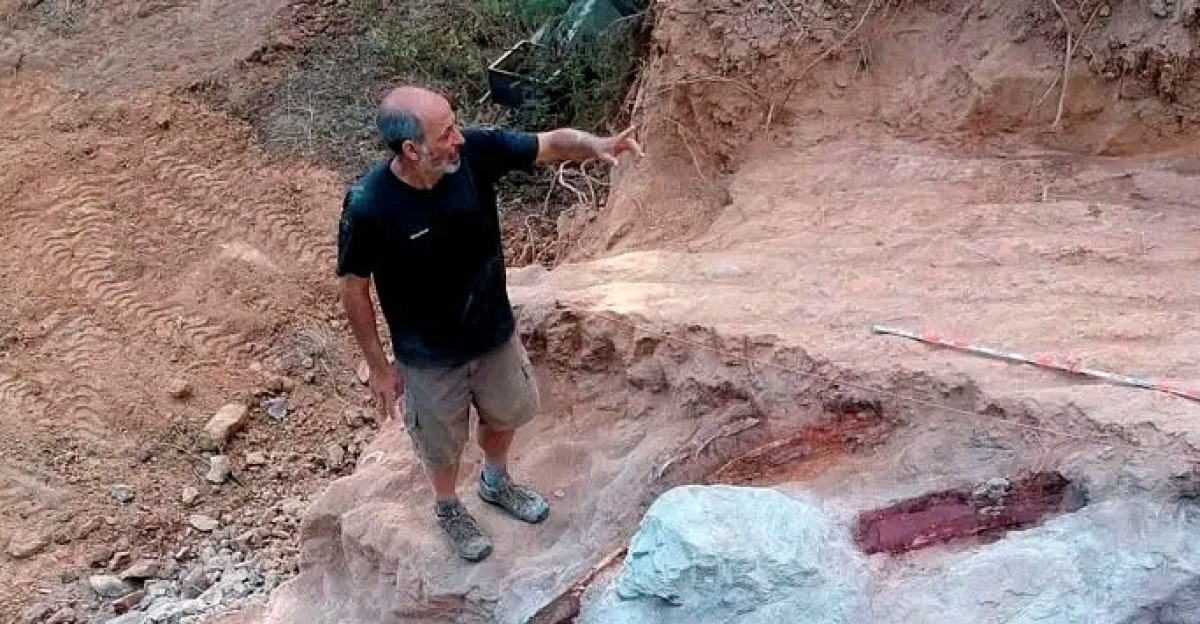
Dr. Malafaia explained that finding all the ribs in their original position is very unusual for dinosaur fossils.
Steve Brusatte, a renowned paleontologist from the University of Edinburgh, described the find as “gobsmacking.” The discovery of a complete skeleton in someone’s garden amazed scientists worldwide.
The intact bones allow researchers to study sauropod anatomy without having to guess how scattered bones fit together.
Continental Implications
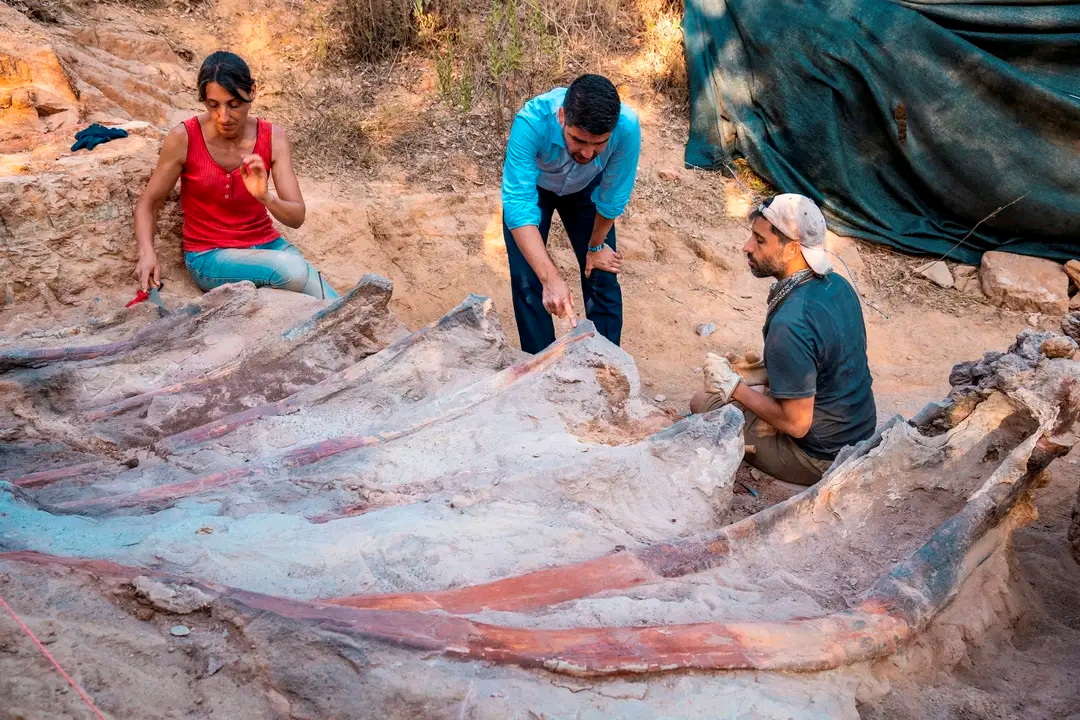
The Monte Agudo dinosaur challenges scientists’ understanding of European dinosaur sizes.
South American giants like Patagotitan weighed 50-80 tons, while European sauropods were thought to be smaller at 60-70 feet.
At 82 feet, this Portuguese specimen matches the biggest estimates and may beat all previous European finds. It shows Late Jurassic Portugal could support truly massive dinosaurs.
Preservation Mystery
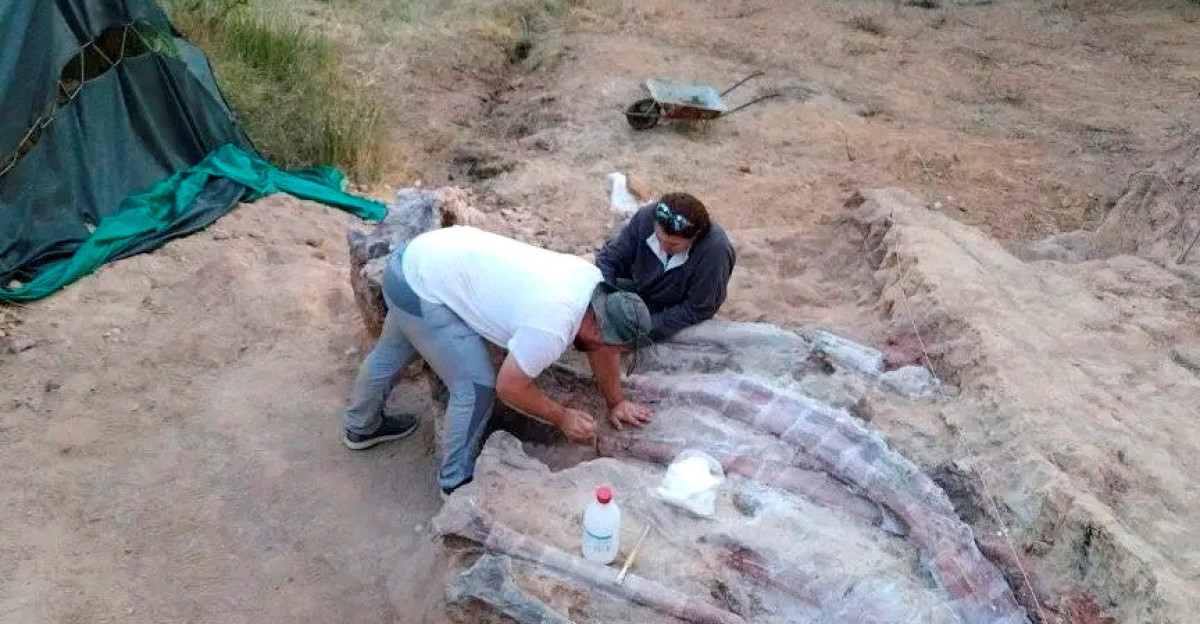
Scientists wonder how this huge creature stayed so perfectly preserved. Usually, scavengers and water scatter large dinosaur bones after death.
However, this specimen’s bones remained in place, suggesting extremely rapid burial—possibly from flooding or volcanic mud that covered the body quickly.
The thick sediment prevented decay and kept the skeleton together far better than the nearby fossils.
Brachiosaurid Identity
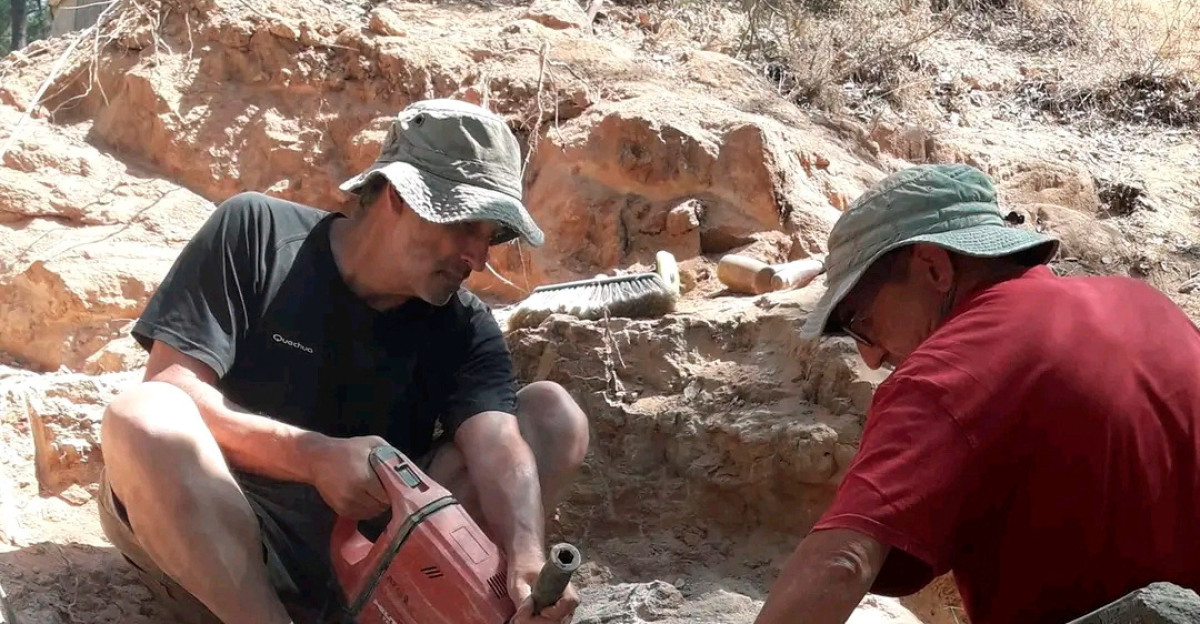
The skeleton likely belongs to Brachiosauridae, a family characterized by long front legs that create a giraffe-like posture.
It’s probably Lusotitan atalaiensis, which was found in western Portugal approximately 152 million years ago. These dinosaurs had extremely long necks—like biological cranes—enabling them to eat leaves from heights of over 40 feet.
This feeding strategy helped them dominate Late Jurassic landscapes across multiple continents.
Excavation Challenges
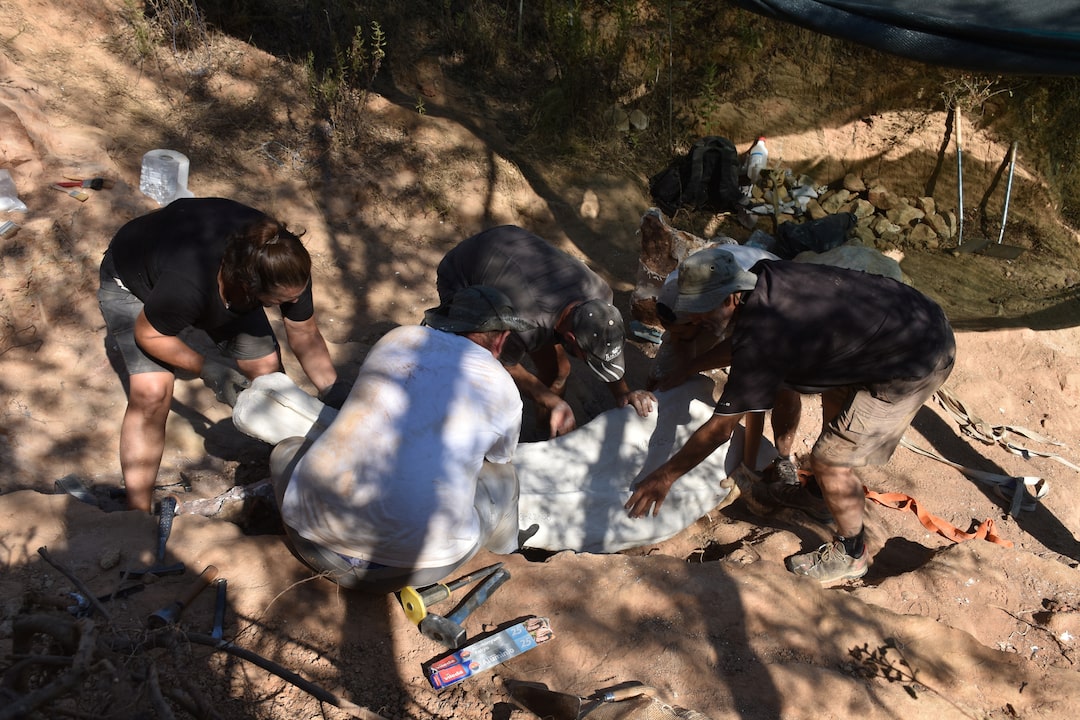
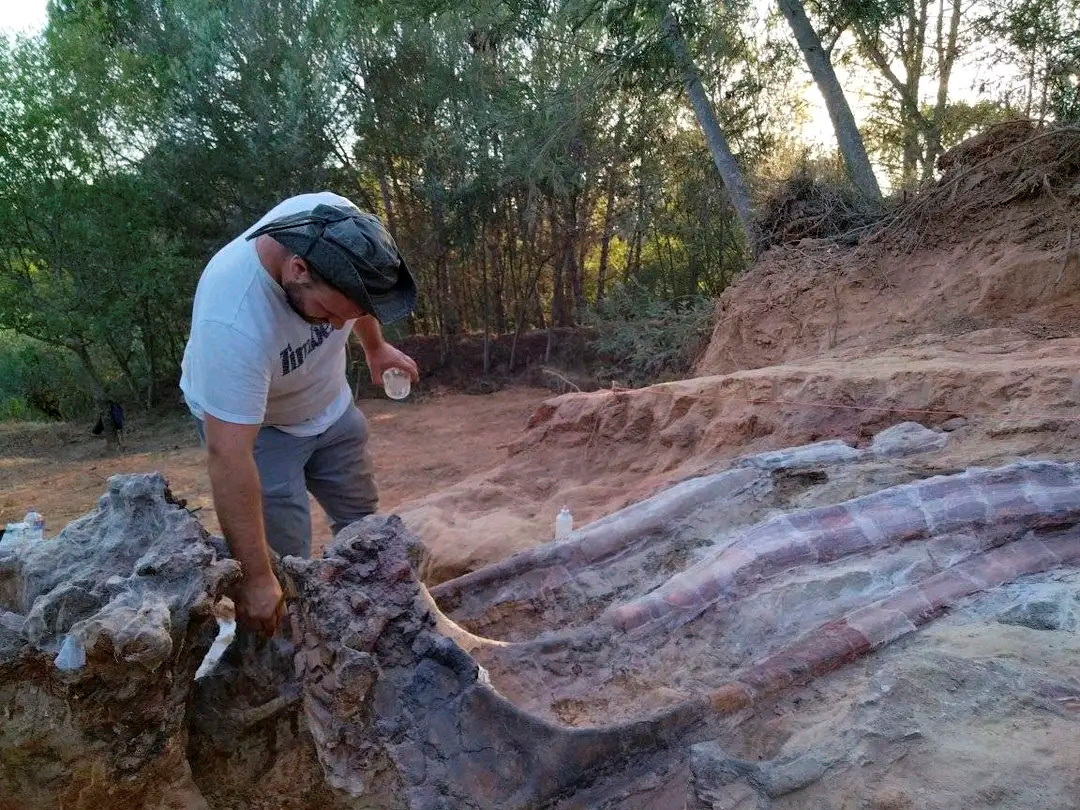
Removing massive fossil bones takes extreme care. Researchers wrapped the fossils in soft materials, then covered them in plaster-soaked burlap strips—much like casts for broken bones.
Each 10-foot rib required multiple people using hand tools, such as hammers, chisels, and brushes.
Special chemicals called consolidants were applied to fragile bones to prevent crumbling. Everything was photographed and GPS-mapped for records.
Laboratory Journey

After excavation, the fossils were taken to the University of Lisbon labs, where specialists spent months or years removing plaster and rock.
They use tools from dental picks to pneumatic micro-jackhammers to miniature sandblasters.
Workers must expose bone details while preserving tiny surface features that reveal the animal’s age and health. CT scans show internal bone structure and growth patterns.
Property Limbo
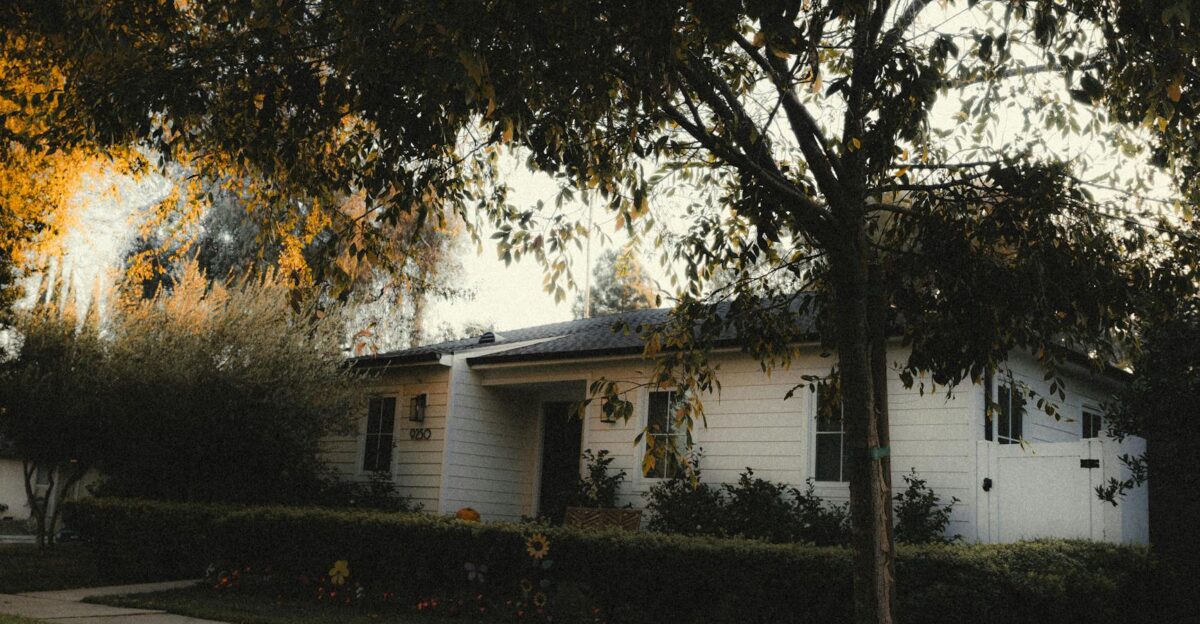
The homeowner’s construction stayed frozen as paleontological work continued.
Portuguese law allows authorities to halt development when important fossils are discovered on private property.
The Monte Agudo site became an official fossil location, giving researchers access for years. Some landowners see this as limiting property use, while others value partnering with museums.
This homeowner cooperated, recognizing the scientific importance of the backyard.
Future Campaigns
Dr. Malafaia’s team believes more bones remain buried at Monte Agudo—possibly limbs, skull pieces, or tail vertebrae.
They planned more digs for 2025 or 2026, depending on funding. Each dig requires international teams, permits, and careful timing to avoid Portugal’s winter rains.
Ground-penetrating radar can safely locate buried bones. Additional finds could make this one of Europe’s most complete large sauropod skeletons.
Looking Forward
The discovery raises questions about what other dinosaur treasures lie beneath Portugal’s cities and farms.
The Lusitanian Basin’s fossil-rich layers extend across hundreds of square kilometers. Future construction in Pombal, Lourinhã, and nearby towns will likely require fossil checks before digging begins.
This could lead to more discoveries. The find highlights the importance of everyday citizens—treasures often depend on people noticing unusual bones.
Regulatory Evolution
Portugal’s fossil protection laws have undergone significant changes since the early 1900s.
The 2001 Cultural Heritage Law designates fossils as protected property, allowing authorities to restrict land use when important fossils are discovered.
New proposals suggest compensating property owners who lose development rights—possibly through tax breaks or payments from museum revenues.
The Monte Agudo case may improve these policies, including landowner rights to benefit from discoveries.
Tourism Economics

Lourinhã shows how dinosaur discoveries help small towns economically. Its Dino Parque features 186 life-sized dinosaur models and attracts thousands of visitors each year.
Adult tickets cost $14.00. The museum holds real fossils, including dinosaur embryos in eggs. Pombal officials watched Lourinhã’s success and saw similar potential.
Estimates suggest that major fossil sites generate between $530,000 and $2.1 million in regional economic activity.
Public Fascination
News of the backyard dinosaur went viral in August 2022, with millions viewing articles and photos of the ribcage.
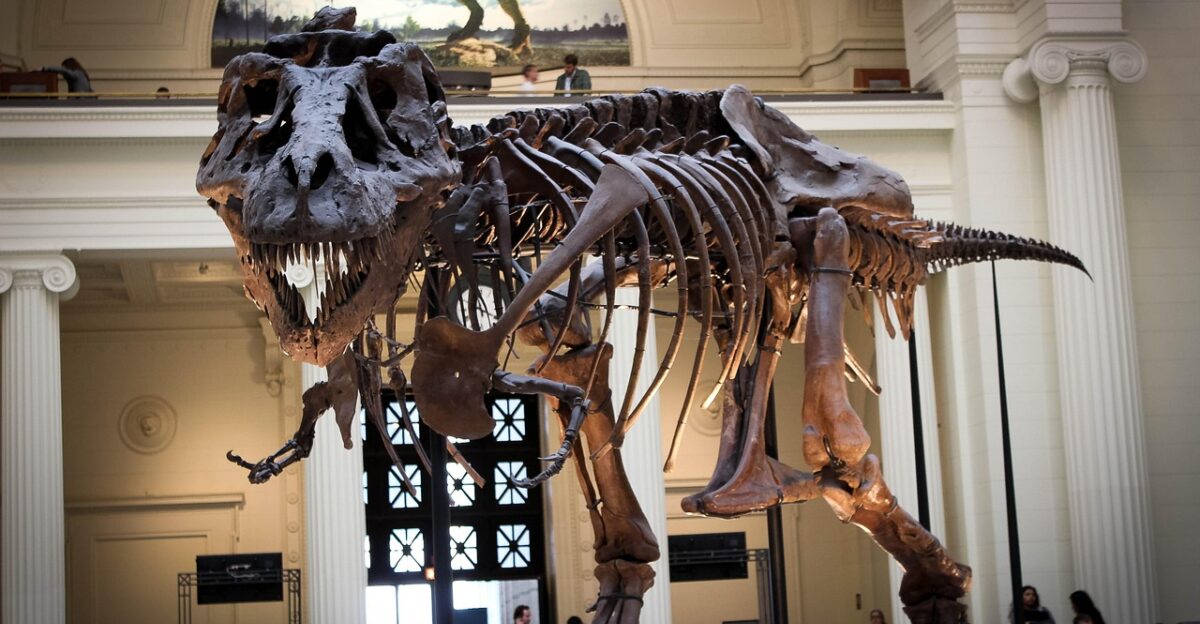
People remain fascinated by dinosaurs as a testament to Earth’s ancient past. Some viral posts spread false information, wrongly calling it a Tyrannosaurus rex or the world’s largest dinosaur.
Dr. Malafaia corrected these mistakes. The discovery’s relatability, in someone’s backyard, made people wonder about their own properties.
Historical Precedent
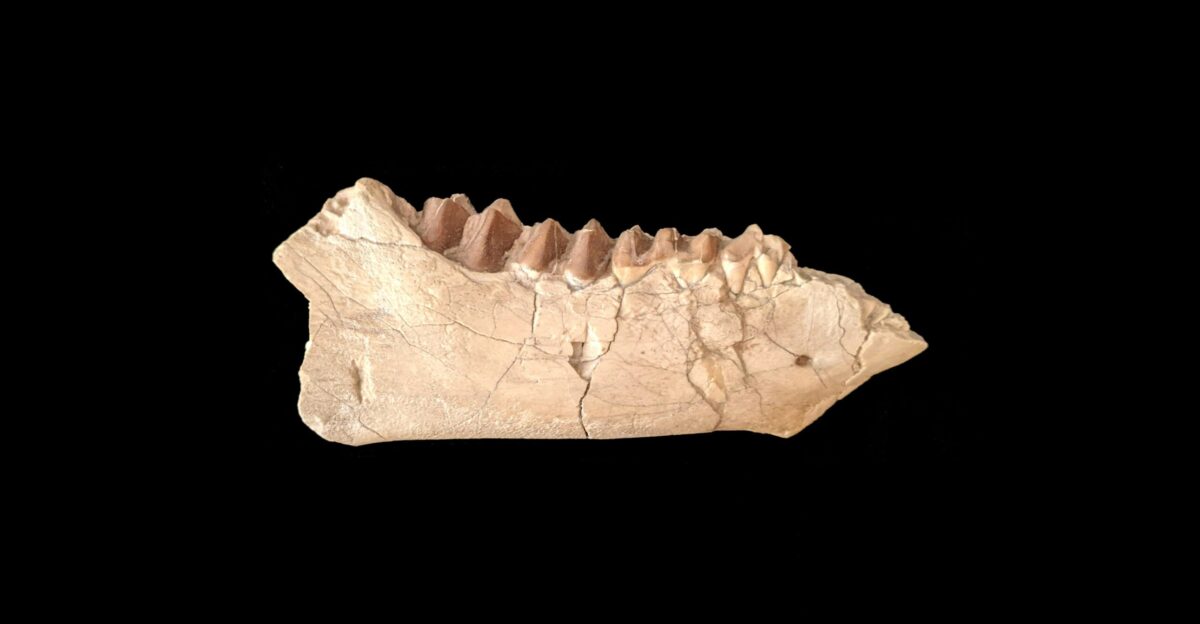
The Monte Agudo discovery bears resemblance to other famous accidental finds. In 1822, Mary Ann Mantell found Iguanodon teeth in England.
In 1990, paleontologist Sue Hendrickson discovered the most complete Tyrannosaurus rex skeleton. By 2000, Los Angeles subway workers found Ice Age fossils.
These chance discoveries show paleontology depends partly on luck—someone noticing something unusual. The Pombal homeowner’s decision to call scientists saved this specimen.
Bottom Line
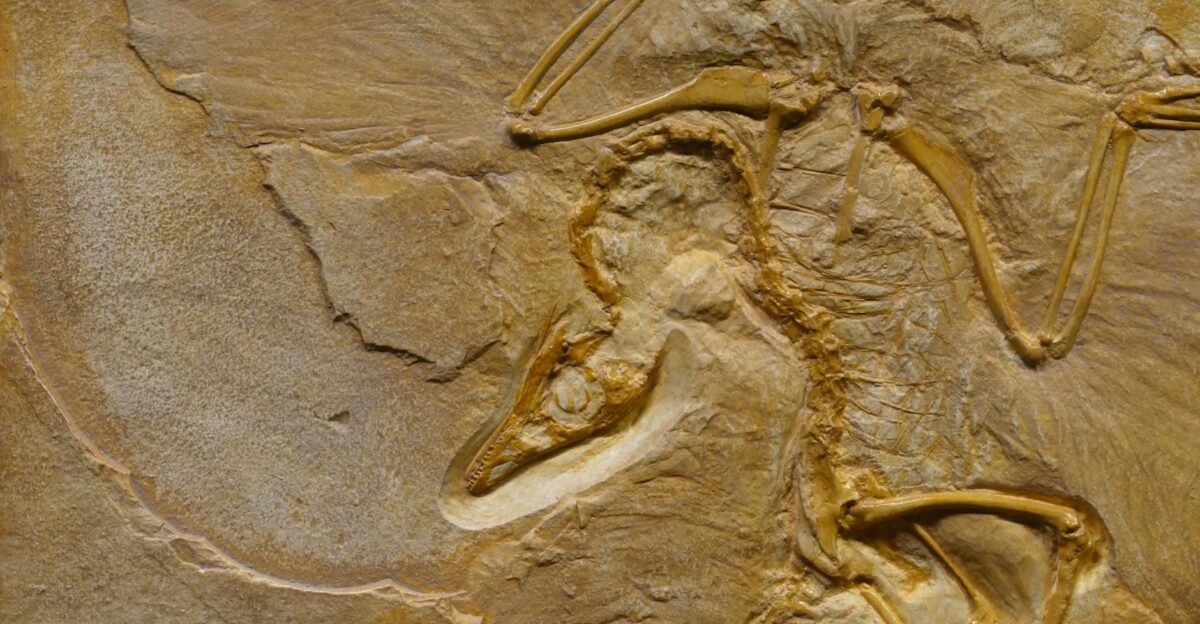
A Portuguese homeowner’s quick action during backyard construction preserved one of Europe’s most important dinosaur discoveries—an 82-foot sauropod with 10-foot ribs from 145 million years ago.
This discovery challenges long-held beliefs about European dinosaur sizes and highlights Portugal’s significance in fossil research.
The specimen will improve understanding of ancient ecosystems while potentially boosting regional tourism. Ultimately, extraordinary discoveries about Earth’s past often lie beneath our feet.