
Classic cars often evoke passion, nostalgia, and a sense of value. But not all names survive the test of time. Some models, despite substantial production numbers or historic firsts, failed spectacularly—leaving owners, collectors, and dealers with losses and rusting relics.
From disastrous engineering to cynical rebadging, these cars reveal how quickly prestige can collapse. Let’s look at these 9 classic vehicles no one wants today.
#9 – Hyundai Pony
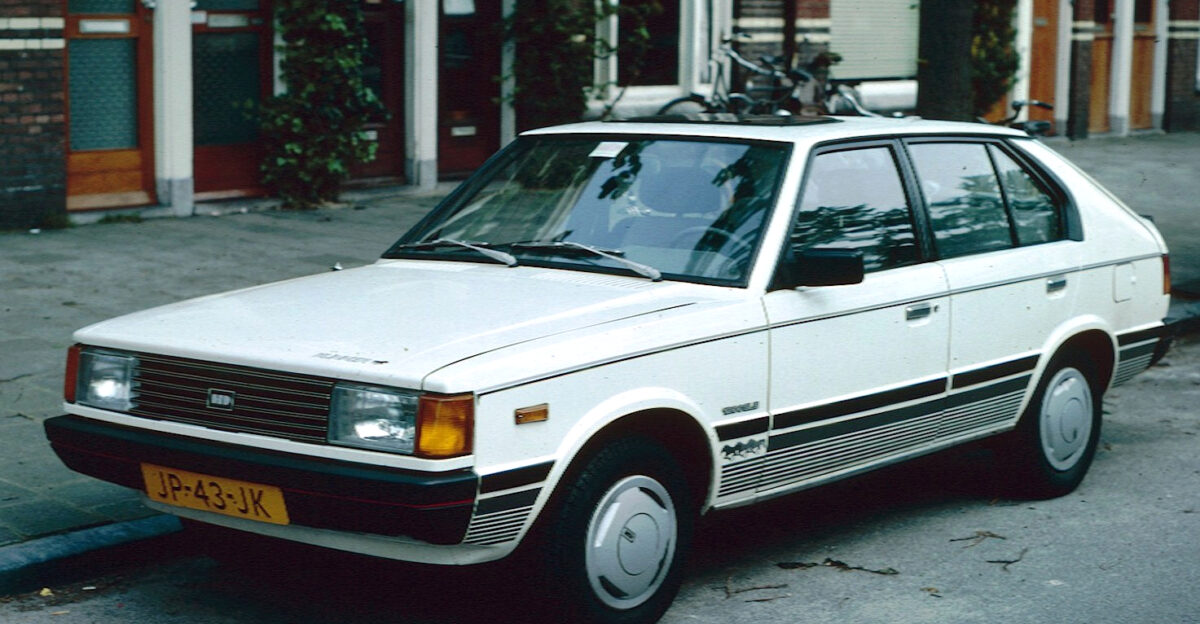
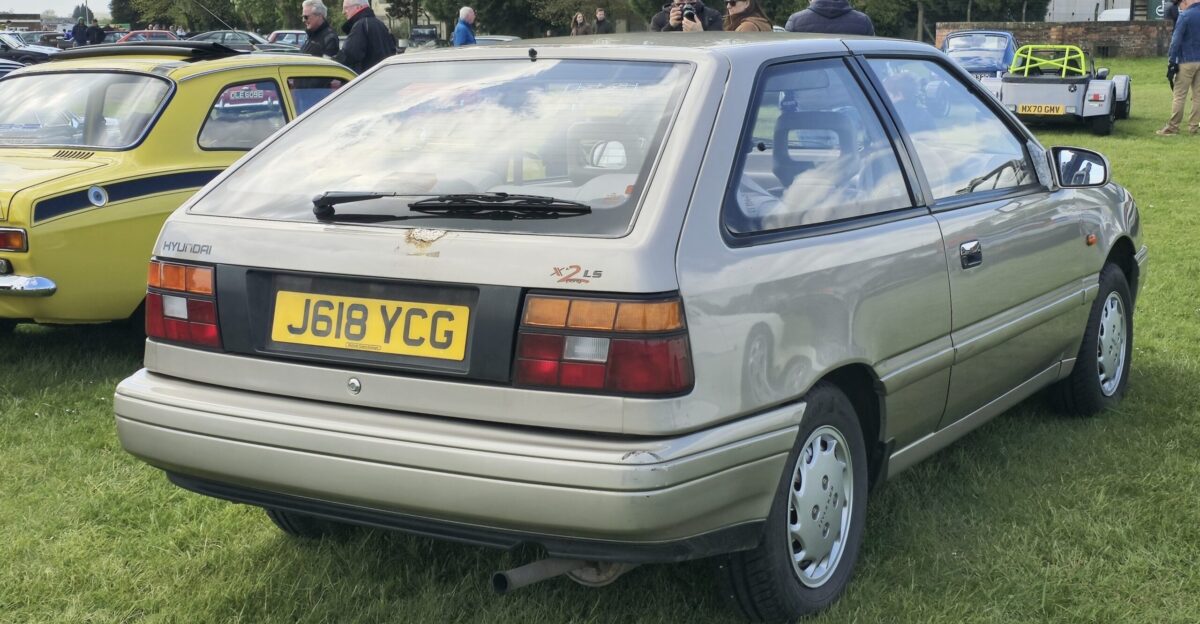
Canada’s unlikely 1985 bestseller quickly became a cautionary tale. The Pony suffered catastrophic rust, poor build quality, and doors that literally fell off in harsh winters. With just 70 horsepower and parts labeled “unobtainium,” reliability was a nightmare.
Even with 50,799 units sold at its peak, few survived. Collectors avoid them, leaving values at $500 to $2,000. However, looking at AMC’s attempt to charm buyers next hints at a car that failed for entirely different reasons.
#8 – AMC Concord
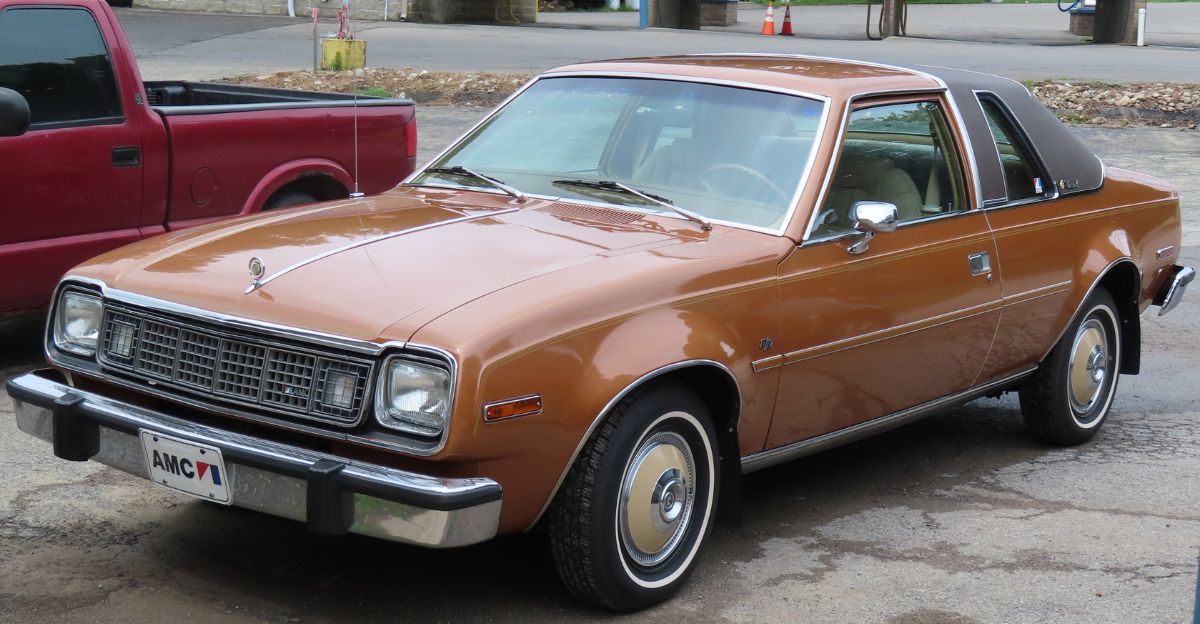
AMC tried to turn the Hornet into a “luxury compact” with the Concord, but buyers weren’t impressed. Selling 118,753 units in its first year, it quickly fell behind more exciting competitors. Its 95-horsepower engine and dull styling left it forgettable.
Oddball AMC cars, like the Gremlin, still draw enthusiasts, but the Concord is largely overlooked. Valued between $1,500 and $7,000, collectors pass. Yet Chevrolet’s next attempt at an economy solution reveals just how far performance can fall short.
#7 – Chevrolet Chevette
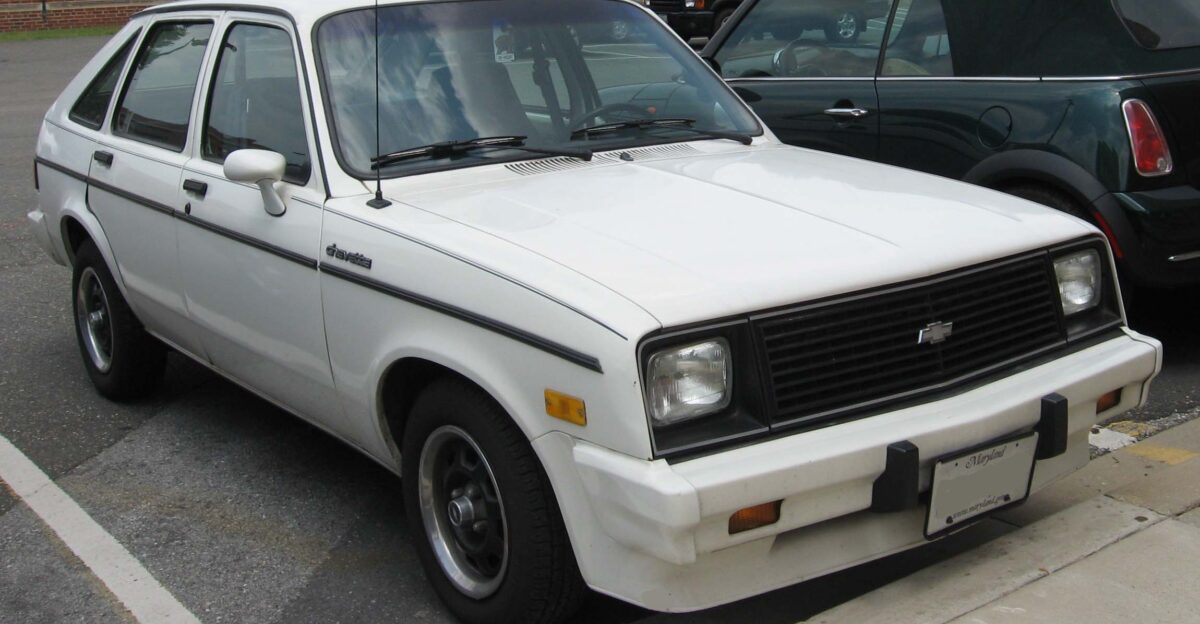
America’s Chevette tried to counter imports but stumbled badly. Its 60-horsepower engine needed nearly 20 seconds to reach 60 mph, earning scorn from reviewers and drivers alike. With 2.8 million built, it was a mechanical embarrassment that couldn’t compete with Japanese efficiency.
In 1980, 449,161 units sold, yet today they fetch $500–$2,000. It epitomized “down-on-your-luck driving” for decades. The next car on the list, Chrysler’s K-Cars, would similarly rescue a brand yet fail to inspire excitement.
#6 – Plymouth Reliant/Dodge Aries K-Cars
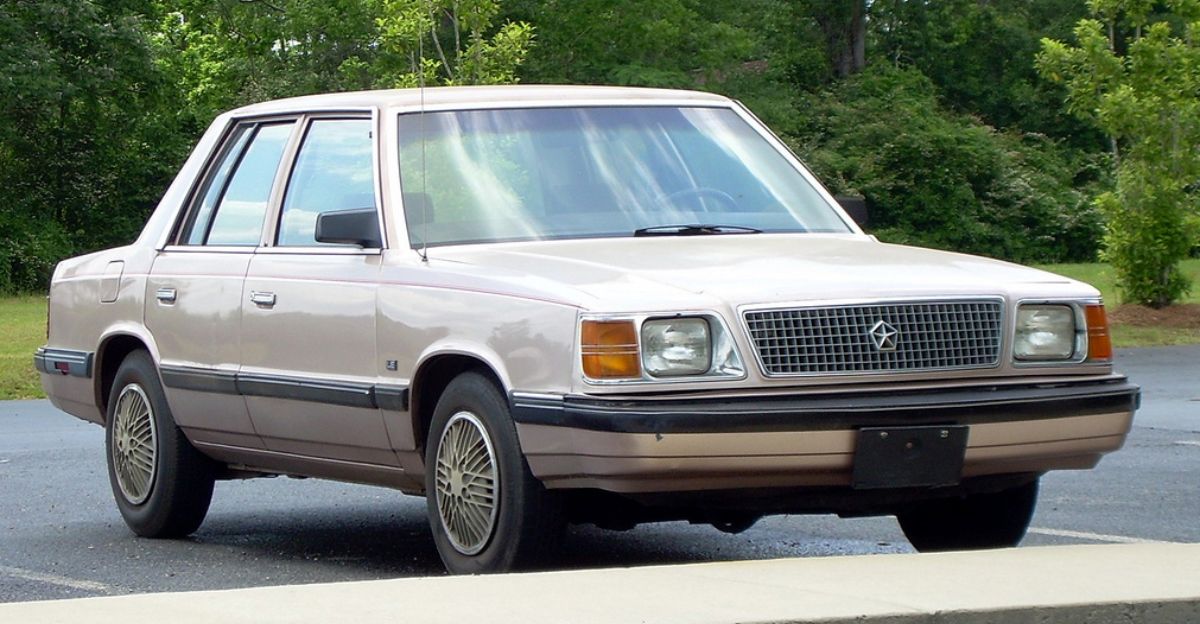
Chrysler’s K-Cars saved the company after a $1.5 billion bailout, comprising 36% of sales in 1981 with 307,000 sold. Built cheaply with vinyl seats and fragile carpeting, they were uninspiring first cars for teens and fleet workhorses.
Despite their importance, collectors ignore them. Today, values range from $500 to $5,000. Their story sets the stage for a crossover pioneer whose innovation was tragically overlooked in the next slide.
#5 – AMC Eagle
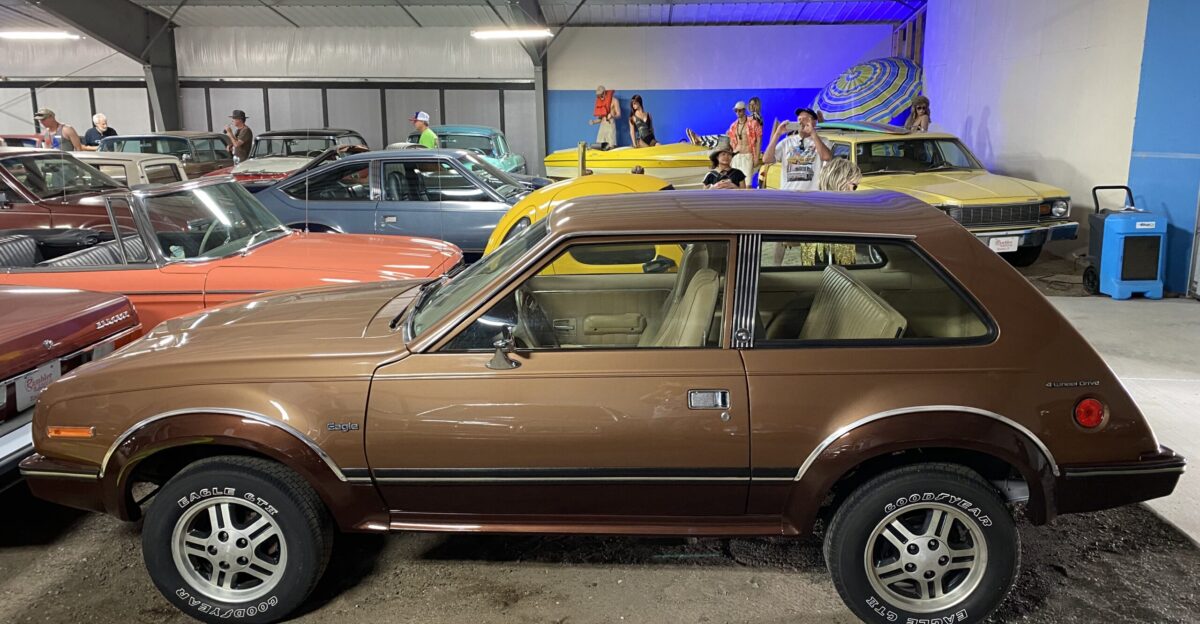
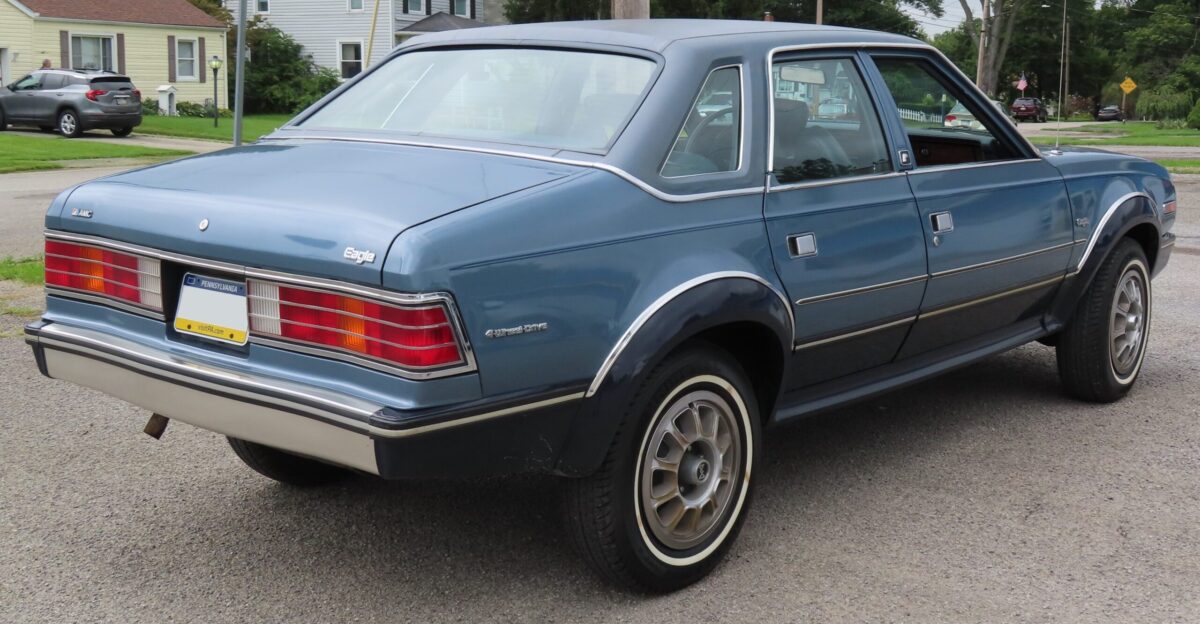
The AMC Eagle invented the crossover but failed to capture attention. Buyers didn’t understand its mix of car, truck, and 4×4, and its stance looked awkward. Rust destroyed many northern examples, while marketing failed to explain its appeal.
Clean wagons fetch $15,000, yet dealers report months of unsold inventory. Enthusiasts admit it “still isn’t as cool as we hoped.” Next up, GM tried its own ambitious gamble with Cadillac’s Catera.
#4 – Cadillac Catera
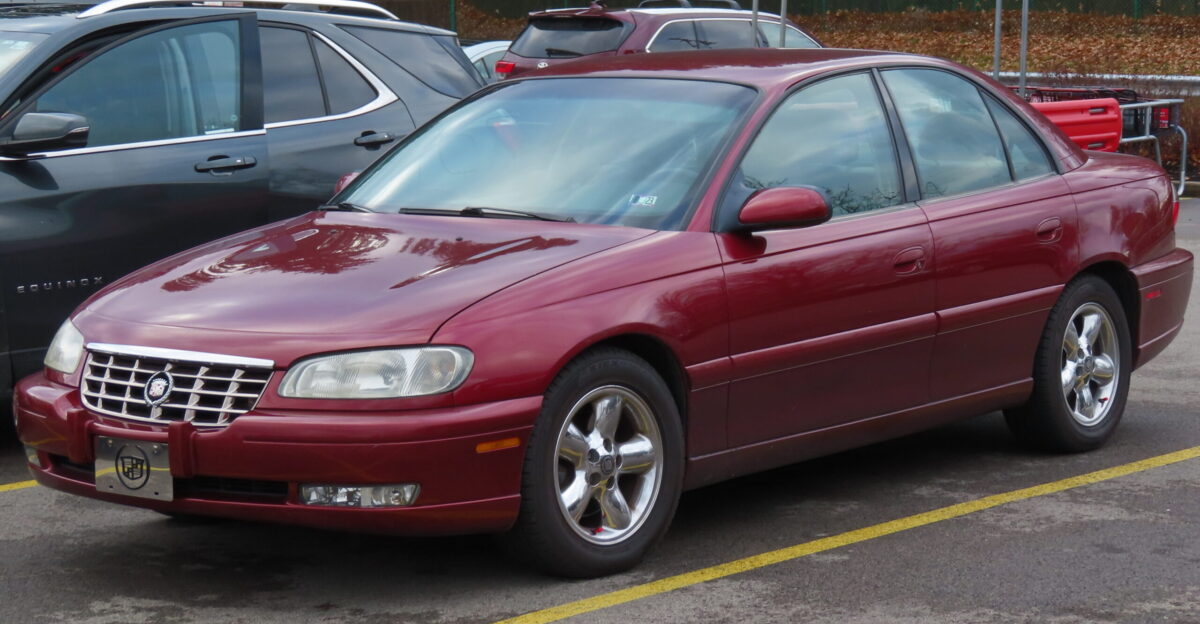
GM’s Catera was meant to be a flashy “zigging” Cadillac, but became a technical nightmare. German engines failed, French transmissions stranded owners, and TSBs piled up. Priced near $40,000, it depreciated faster than a Camry, leaving only 95,000 built.
Today, survivors sell for $1,200 to $2,800. The Catera’s flop mirrors the disaster GM faced earlier with the Vega, another engineering misstep that shook the company to its core.
#3 – Chevrolet Vega
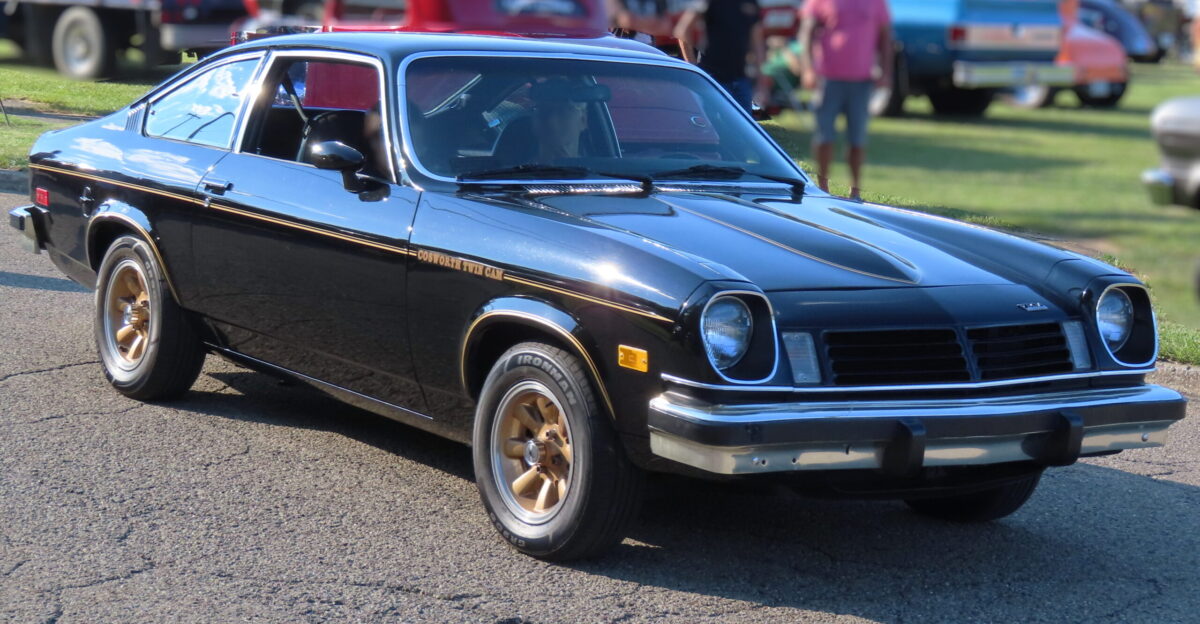
The Vega’s aluminum-block engine overheated, warped cylinders, and failed constantly. Rust appeared immediately, wheels fell off, and gas tanks exploded. Three major recalls affected over 500,000 cars, nearly ruining GM’s reputation for reliability.
Two million were sold, yet most rotted within years. Today, an average $20,330 seems generous. This story of mechanical catastrophe sets up Cadillac’s own rebadging disaster, the Cimarron.
#2 – Cadillac Cimarron
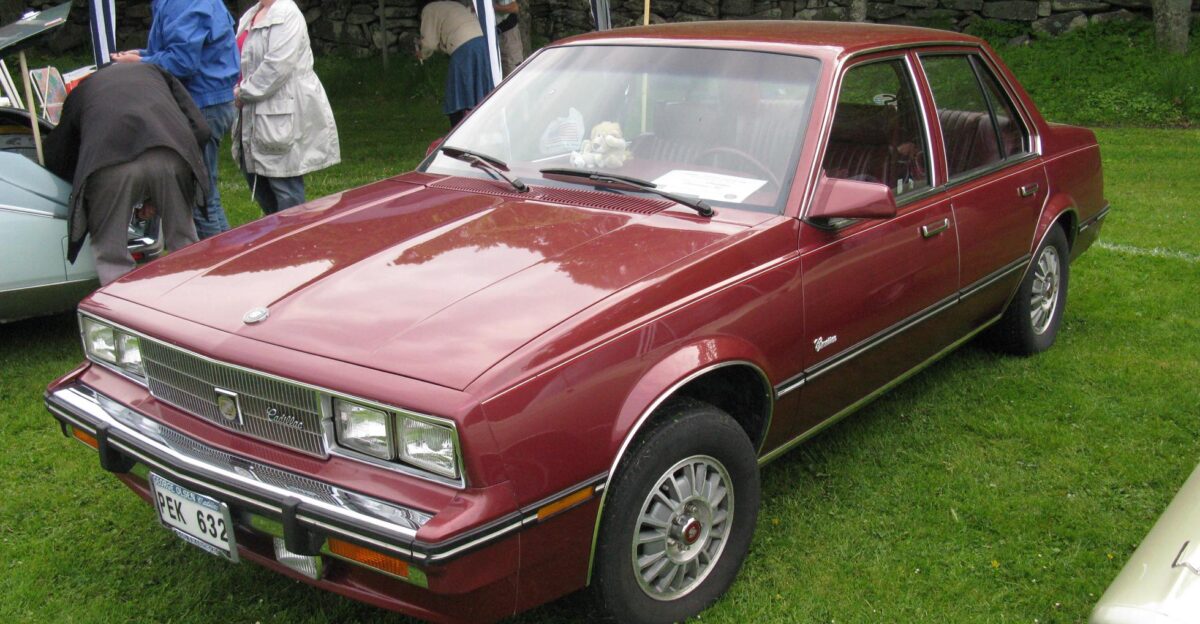
Cadillac’s Cimarron destroyed its “Standard of the World” image. A rebadged Chevrolet Cavalier with leather and a new grille, it charged $12,181 for an 88-horsepower four-cylinder, cheap velour, and a plastic dashboard. Buyers quickly realized its cynicism.
Only 25,968 were sold in 1982, and collectors avoid it. Valued at $1,200–$2,000, the Cimarron’s failure foreshadows the ultimate danger of cutting corners with America’s most infamous rear-fuel tank car—the Pinto.
#1 – Ford Pinto
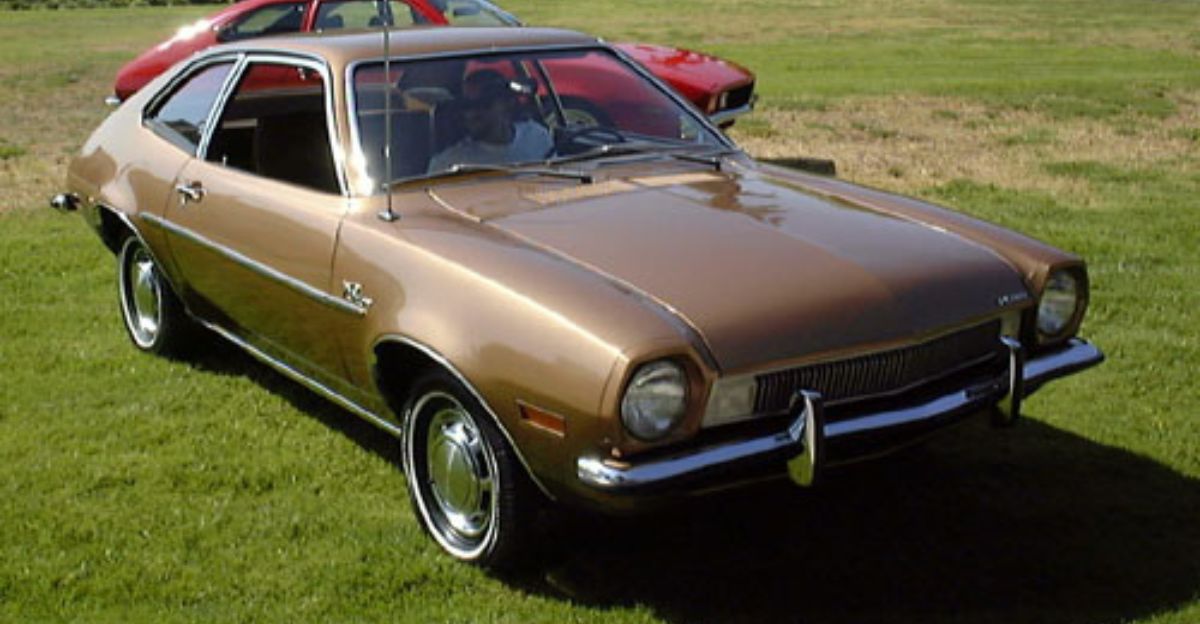
The Pinto was America’s most dangerous classic car. Rear-mounted fuel tanks could rupture in low-speed crashes, spilling gas onto hot exhausts. Ford knew, but lawsuits were cheaper than fixes. With 3.15 million built, 27 deaths occurred, and sales plunged 50%.
Most succumbed to rust or were scrapped. Today, values sit at $5,000–$10,000, and few collectors dare approach this death trap. Its legacy remains a cautionary tale for corporate ethics and automotive safety.
Owners Bear the Brunt
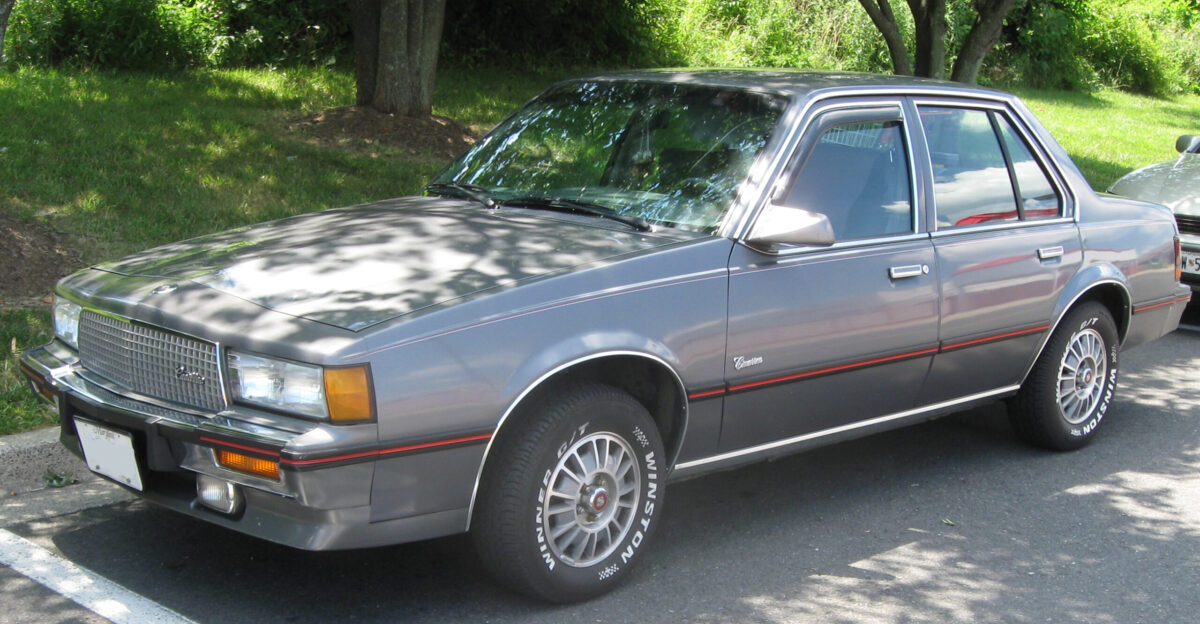
Collectors and owners face steep losses. The Cadillac Cimarron’s value plummeted from $12,181 to just $1,200–$2,000, while Ford Pinto owners lost up to 74% of their vehicle’s value. Investments meant to last decades instead became financial traps, with most cars scrapped or abandoned.
Even nostalgia couldn’t save these vehicles—poor engineering and low desirability dictated the harsh market verdict.
Dealers and Auctions Feel the Pain
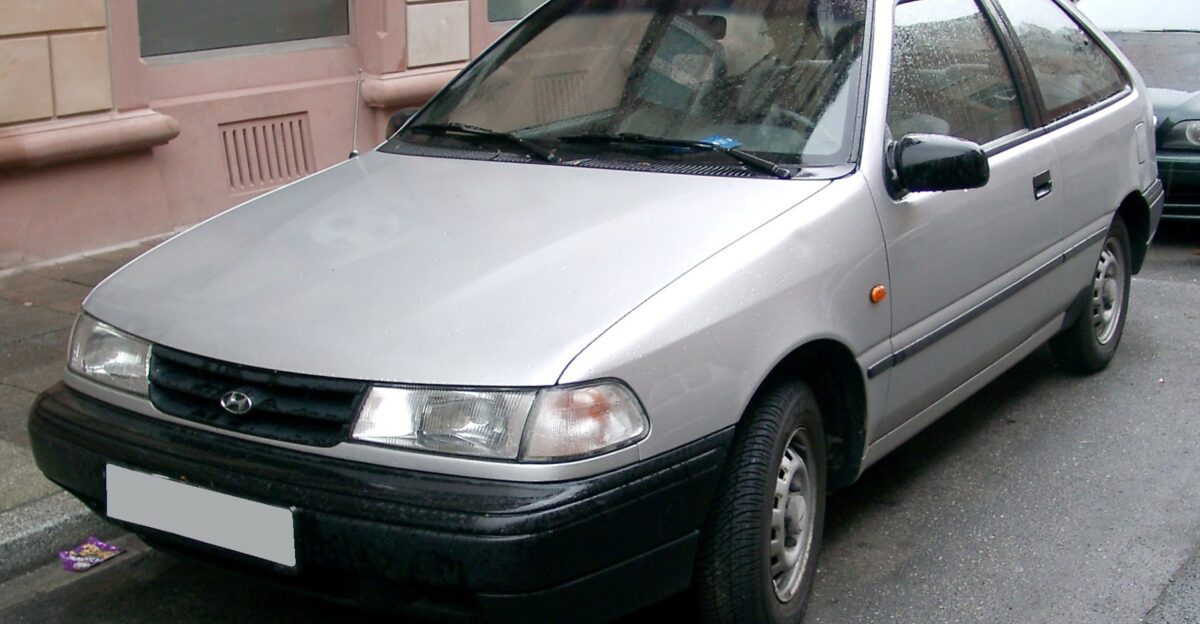
Dealers report months of unsold inventory, from AMC Eagles to Hyundai Ponies. Auction houses rarely feature these cars, and when they do, prices are inconsistent, like a 1987 Chevette selling for $33,000—an outlier in an otherwise flat market.
Most sales fall far below expectations, confirming these classics lack both demand and desirability.
Restorers and Parts Suppliers Struggle
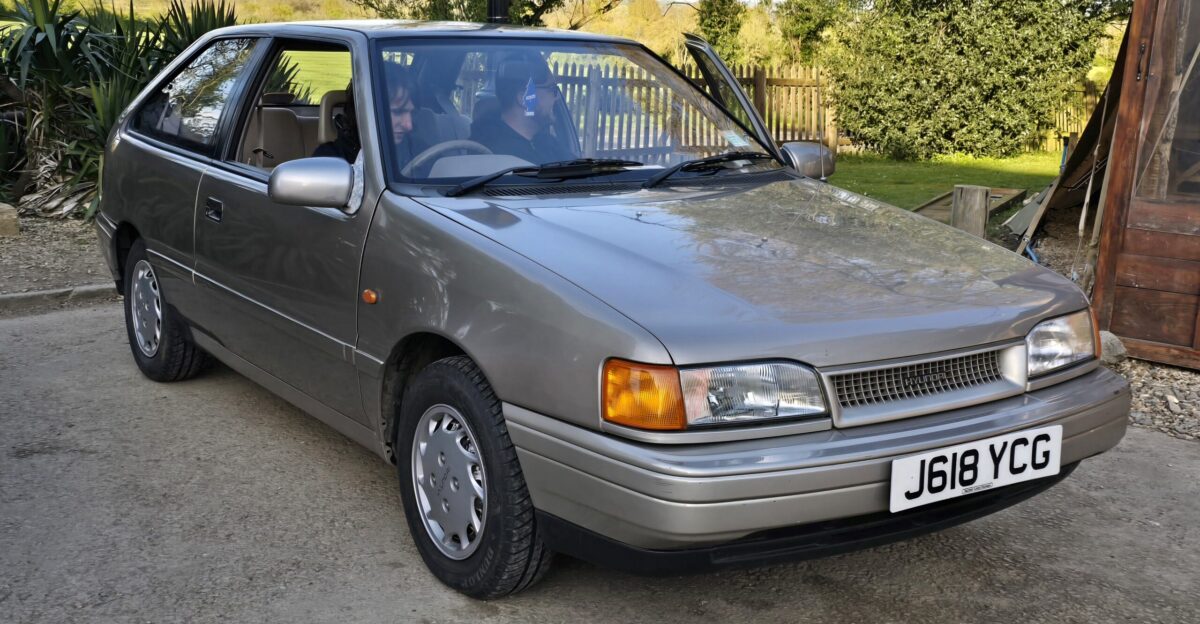
Parts shortages make restoration nearly impossible. Hyundai Pony components became “unobtainium,” while the Cadillac Catera’s international sourcing made repairs uneconomical.
Specialty shops cannot justify restoring cars that lose value faster than repair costs, leaving enthusiasts with projects destined to fail before they even begin.
Insurance and Appraisals Adjust
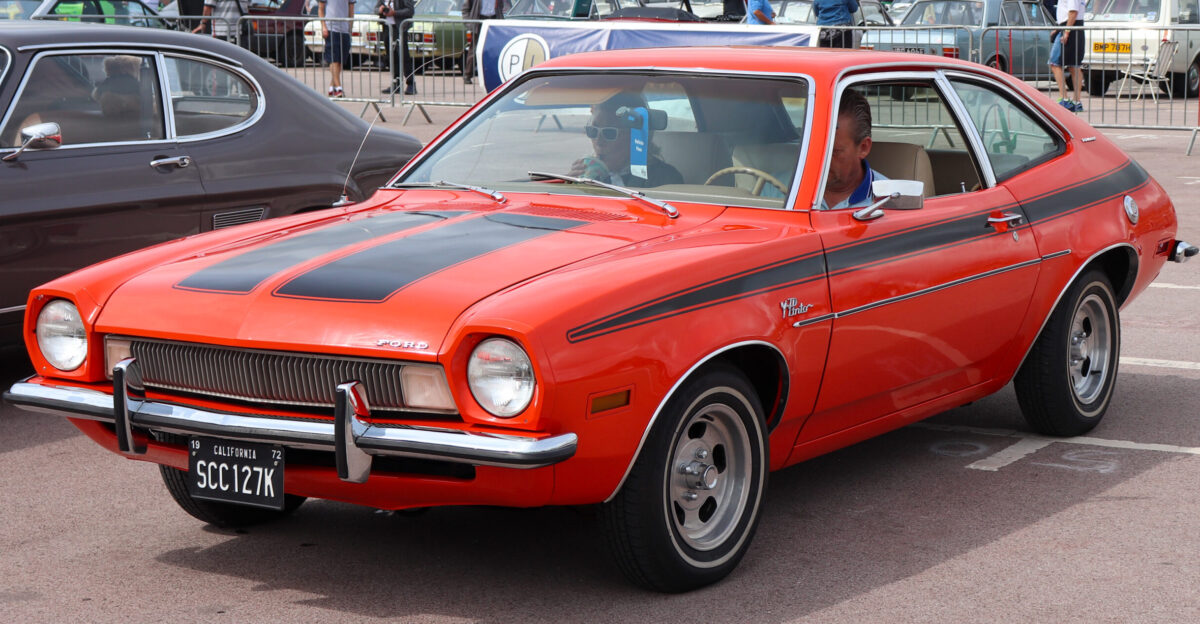
Insurers continuously revise agreed-value policies downward. Ford Pinto values hover near $9,700, while Classic Valuer reports some segments down 11% in 2025.
The financial reality reinforces the narrative: these cars are no longer viable collector investments, leaving owners with stranded assets.
Museums Preserve History, Not Value
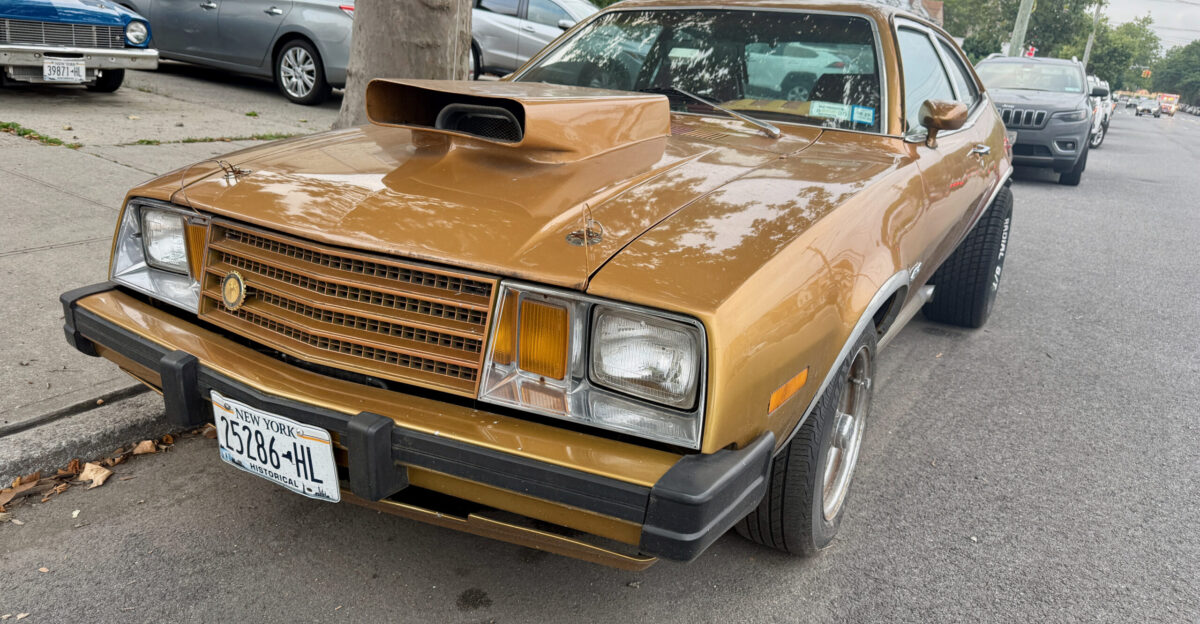
Cars like the Ford Pinto exist in museums as cautionary tales rather than prized collectibles. Ralph Nader’s American Museum of Tort Law houses a Pinto to illustrate corporate negligence.
Even historically significant innovations, like the AMC Eagle’s crossover design, fail to generate collector interest. Cultural memory is rich, but market value is minimal.
Engineering and Design Failures
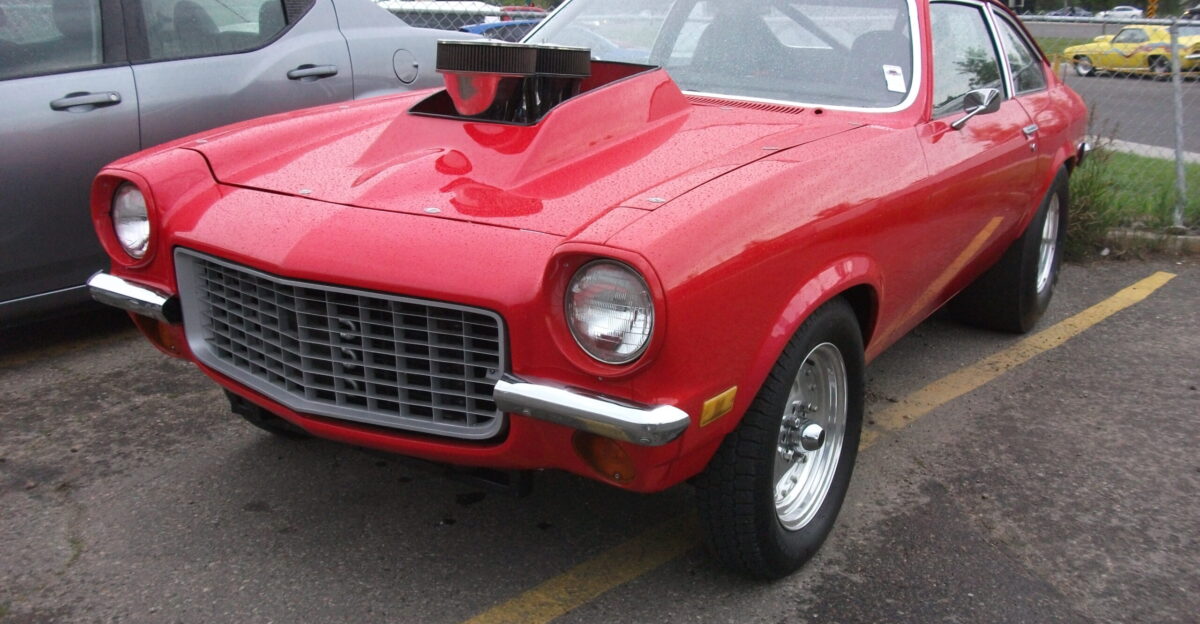
From exploding gas tanks in the Vega to rear-fuel tank disasters in the Pinto, design flaws ensured some cars never survived ownership intact.
Badge engineering, cheap materials, and poor performance compounded problems, proving that innovation alone cannot rescue a car from market rejection.
Market Timing and Collector Psychology
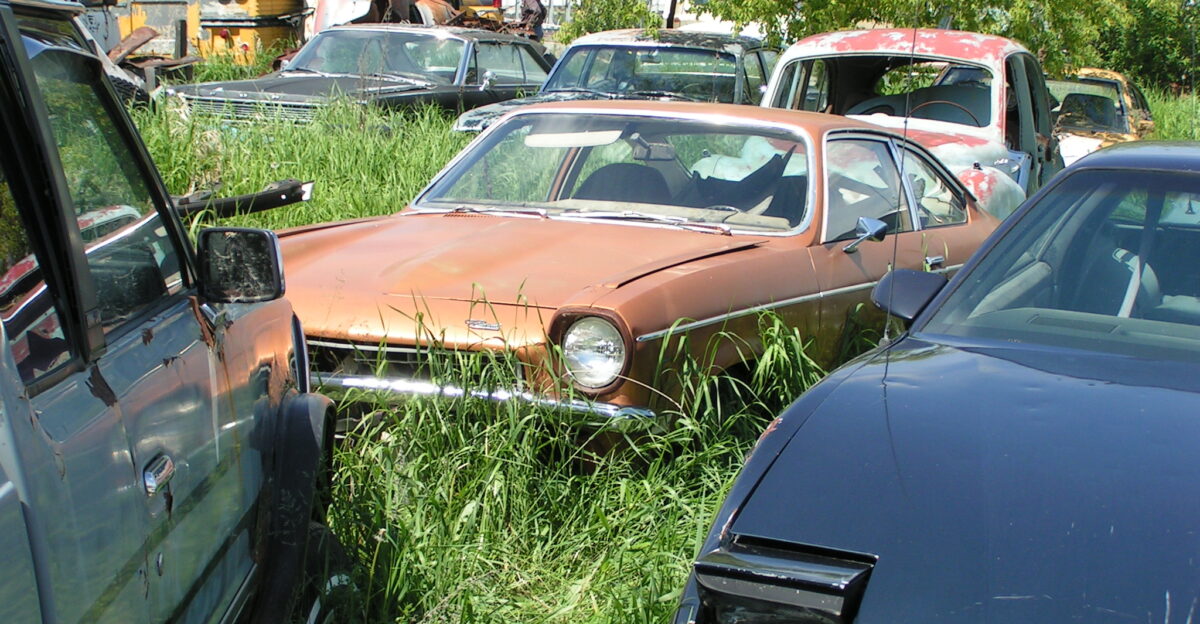
Failures ranged from instant rejection (Cimarron, Pinto) to slow declines (Reliant, Chevette). Buyers reject boring, unsafe, or uninspiring vehicles, regardless of their production volume or historical significance.
Collectors gravitate toward cars with charisma, nostalgia, and reliability—qualities these nine consistently lacked.
The 2025 Classic Car Contraction
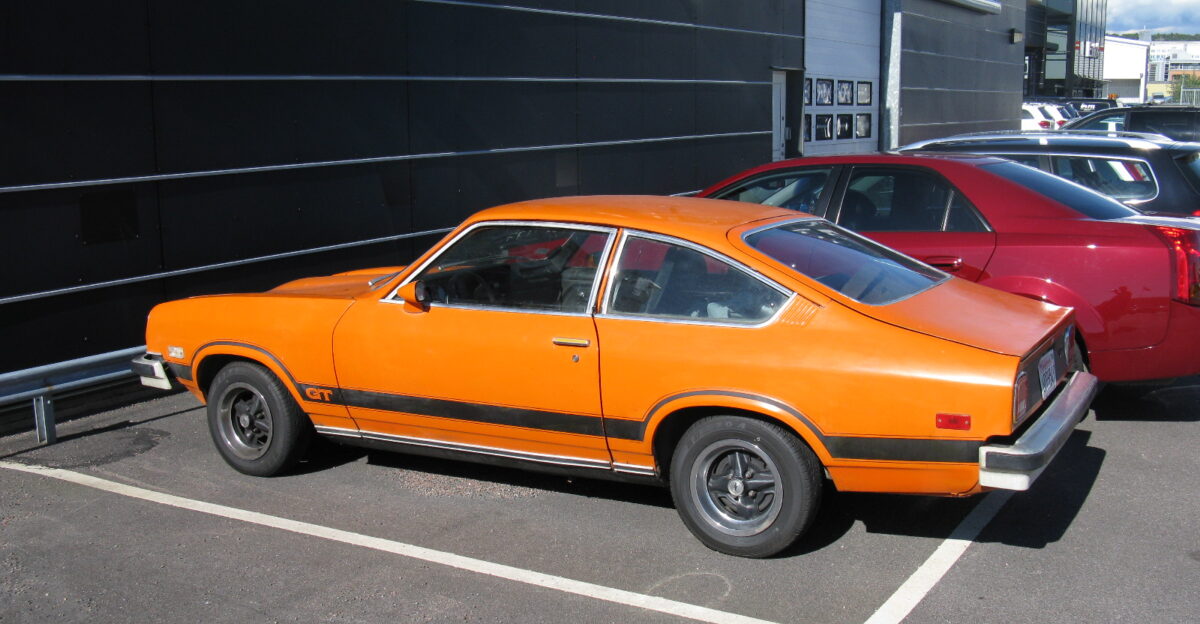
The market confirmed what history suggested: these models occupy the lowest tier. In October and November 2025, 46% of segments were down, and 46% were flat. Dealers and auctions alike report stagnation.
Economic conditions and accumulated negative reputations have relegated these cars to the bottom of the classic car hierarchy.
The Perfect Storm of Failure
Catastrophic engineering, corporate cynicism, performance inadequacy, quality disasters, and market contraction combined to cement these cars’ undesirability.
Despite millions produced and occasional brief successes, survival rates are below 5%, and restoration costs often exceed current market values. Volume and history couldn’t overcome fundamental failure.
Lessons From Automotive History
These nine vehicles show that not all classics are destined for glory. Production numbers, pioneering ideas, or fleeting popularity cannot overcome design flaws, neglect, or market rejection.
Owners, dealers, and collectors learned the hard way: some cars aren’t just outdated—they’re essentially worthless, preserved only as cautionary tales.