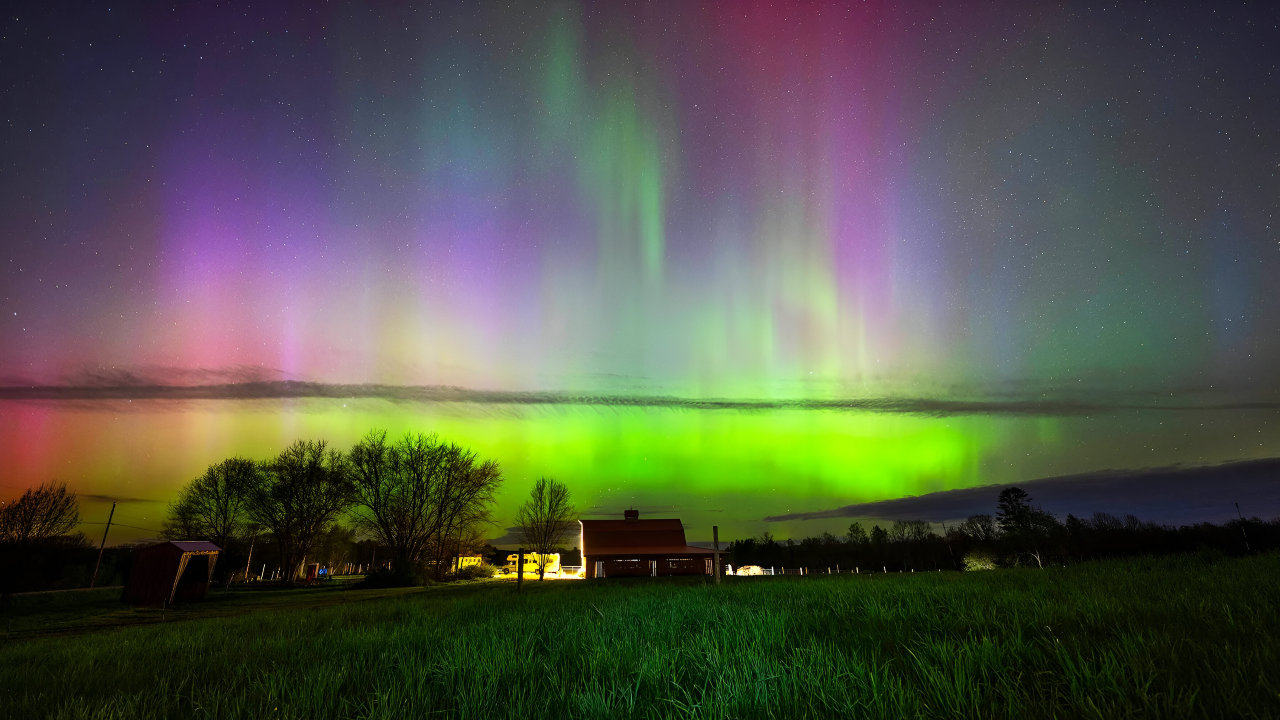
On November 11, 2025, the night sky was set ablaze with brilliant ribbons of green, pink, and purple as auroras danced across regions as far south as Alabama. This was no ordinary celestial display. Sparked by an intense burst of solar activity, the event marked one of the most widespread aurora phenomena in modern history. The beauty of the aurora concealed a serious, high-stakes cosmic risk unfolding above our heads.
The event captured the attention of millions as the phenomenon was witnessed from unexpected latitudes. While the stunning visuals captivated observers, the true magnitude of the solar storm lay in its impact on Earth’s infrastructure, creating both awe and concern as the night unfolded.
Historic Solar Fury
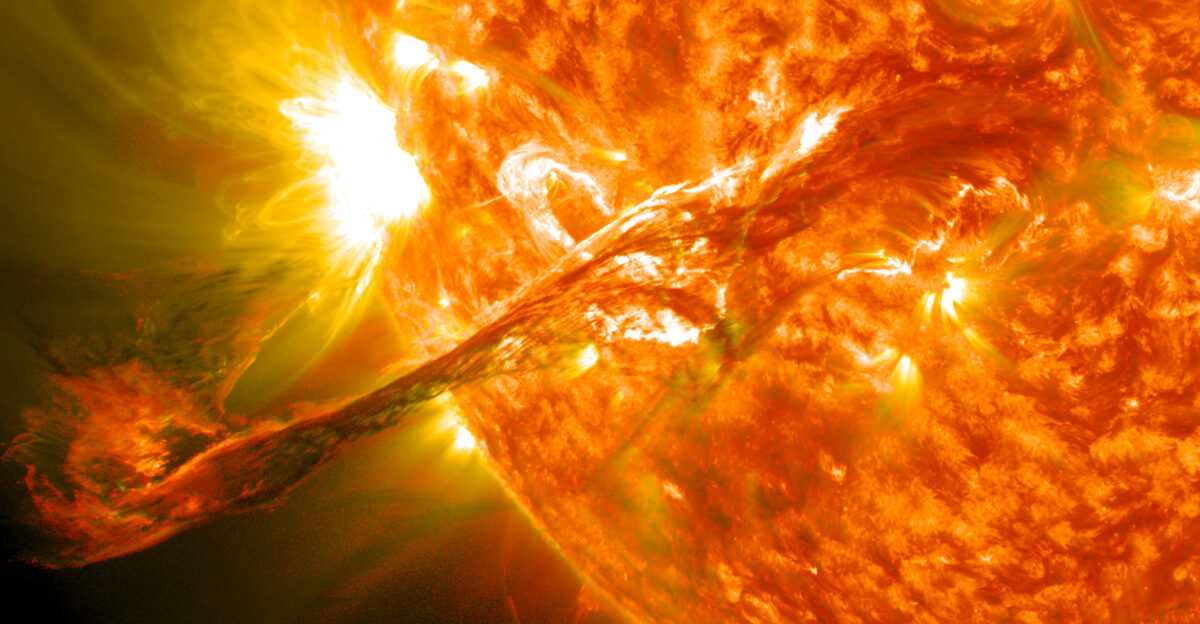
At 5:04 AM EST on November 11, 2025, the sun unleashed its most powerful solar flare of the year: an X5.1-class eruption. This solar outburst was nearly five times more intense than previous flares from the same sunspot, AR4274. The flare triggered radio blackouts across Europe and Africa, creating chaos on high-frequency communication networks. This catastrophic burst was the beginning of a much larger storm.
The sun’s intensity in this solar event marked a critical moment for space weather forecasting. As the flare released enormous energy, the storm’s effects were felt across the globe, setting off a cascade of events that would continue to impact communications, power systems, and space technology for days.
Solar Cycle 25: A Surprising Peak
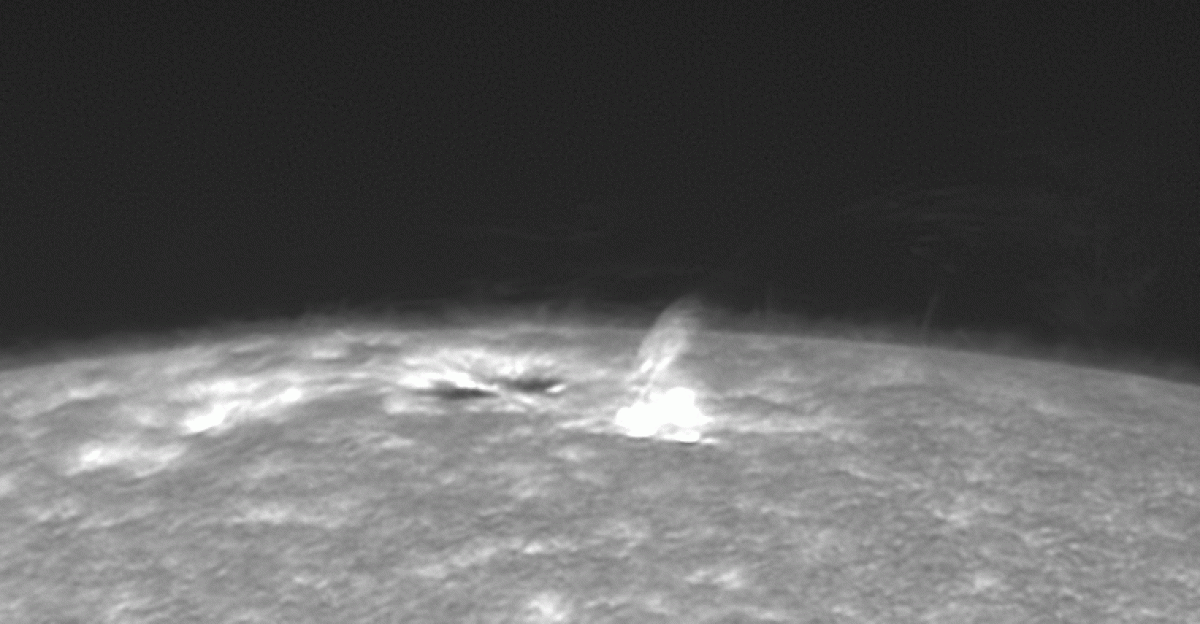
Solar Cycle 25, which began in 2019, was predicted to peak around July 2025 with moderate solar activity. However, the sun’s activity has exceeded forecasts, leading to an unexpected surge in sunspots and solar flares. The November 2025 solar eruptions suggest that the peak of Solar Cycle 25 may have already occurred earlier than expected, turning this event into a significant cycle event.
Scientists are now reassessing their predictions for the cycle’s progression. This unexpected flare not only raised questions about the sun’s behavior but also served as a reminder that solar cycles can deviate from their expected patterns, creating an unpredictable environment for space weather forecasting.
The Eruptive Power of Sunspot AR4274
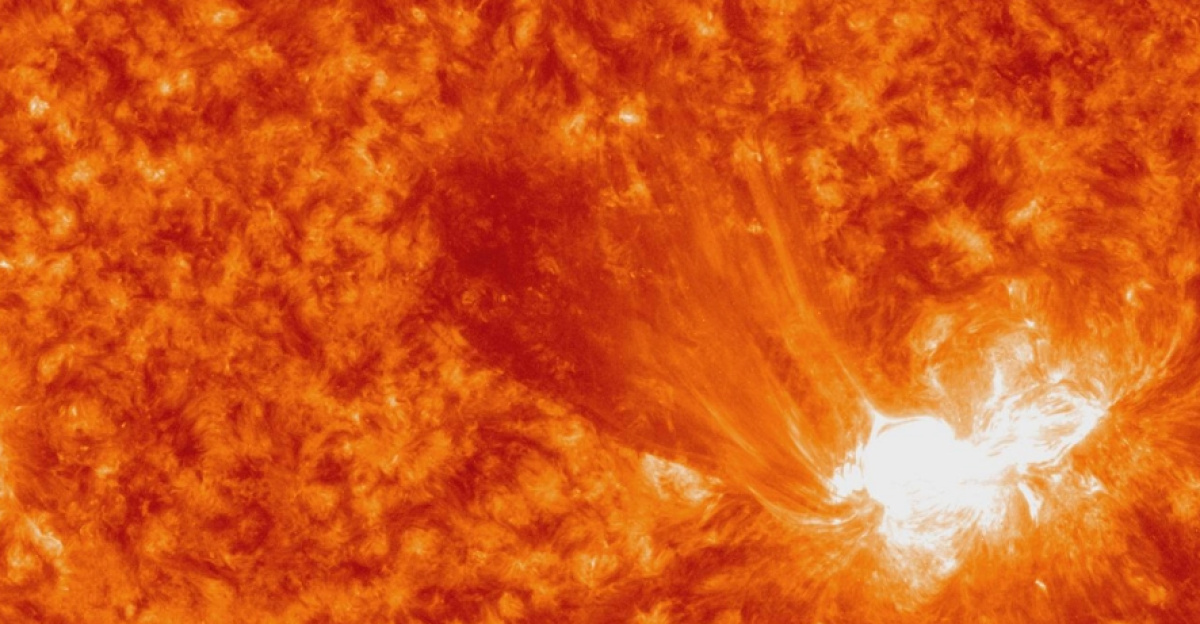
Sunspot AR4274 became notorious for its prolific production of solar flares. Between November 9-11, 2025, AR4274 released three X-class flares, with the final, most powerful eruption measured at X5.1. These powerful flares launched coronal mass ejections (CMEs)—billions of tons of magnetized plasma—directly towards Earth. The rapid pace of these eruptions left scientists scrambling to predict how these massive ejections would interact.
As each CME barreled toward Earth, scientists were faced with the task of assessing the potential damage. The interaction of these flares, combined with the unprecedented speed and intensity, raised concerns about their ability to trigger widespread disruptions across Earth’s infrastructure.
G4 Geomagnetic Storm Watch
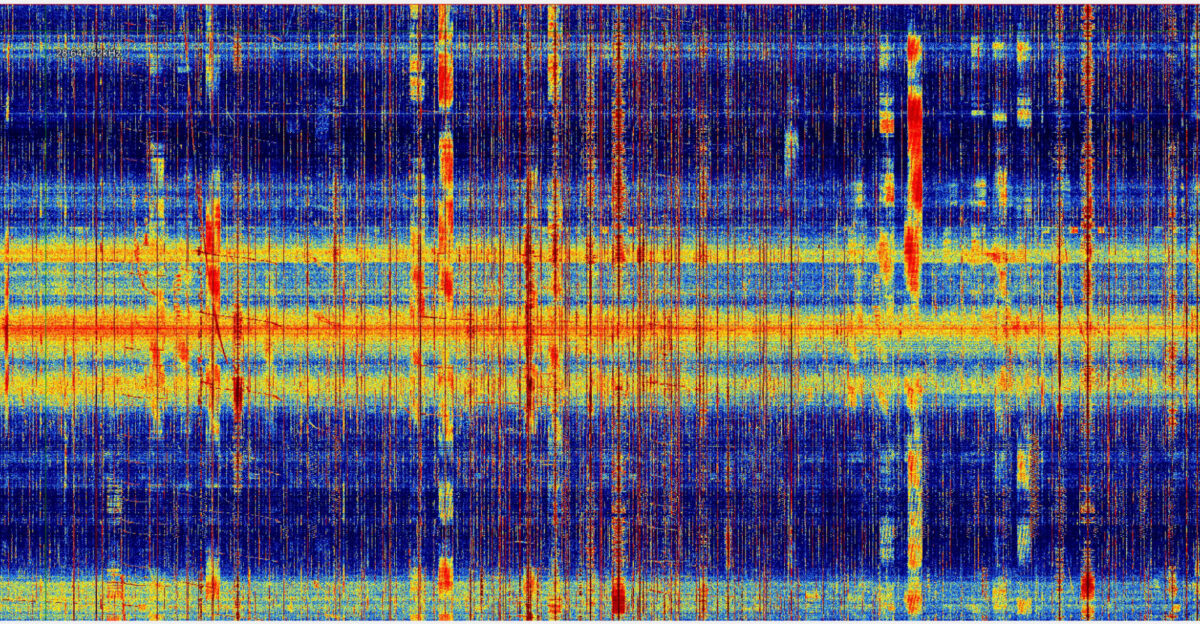
On November 10, 2025, NOAA issued a G4-level geomagnetic storm watch—the second-highest alert level on its five-tier scale. This was only the fourth G4 watch issued during Solar Cycle 25. With multiple CMEs heading toward Earth, forecasters warned of the possibility of a rare “cannibal CME,” where the faster-moving plasma could merge with slower CMEs, amplifying the storm’s impact. The storm was expected to hit on November 12.
The warning signaled a heightened level of preparedness as the storm was predicted to create significant geomagnetic effects. The potential for an amplified “cannibal” effect added an element of unpredictability to the forecast, urging communities in the affected zones to brace for potential disruptions.
Widespread Aurora Visibility
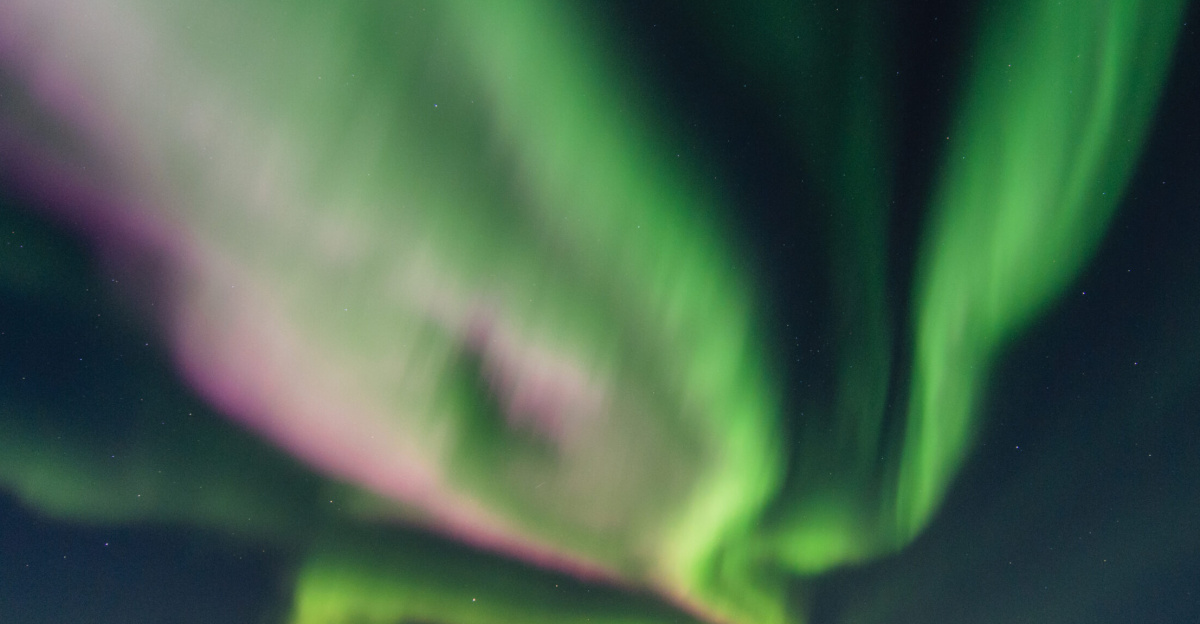
As the solar storm neared Earth, aurora visibility was predicted to stretch from northern California to Alabama, spanning 21 states. This rare celestial display was anticipated by millions of Americans, including those in Minnesota, Wisconsin, Michigan, and even the southern states, who anticipated seeing auroras along the horizon for the first time. The spectacle reached unprecedented southern latitudes, further amplifying its impact.
The spectacle of auroras visible as far south as Alabama marked a historic moment. A rare opportunity for many to experience the northern lights, it also underscored the vastness of the solar storm’s influence, extending its reach to a record number of viewers across the U.S.
A Social Media Storm
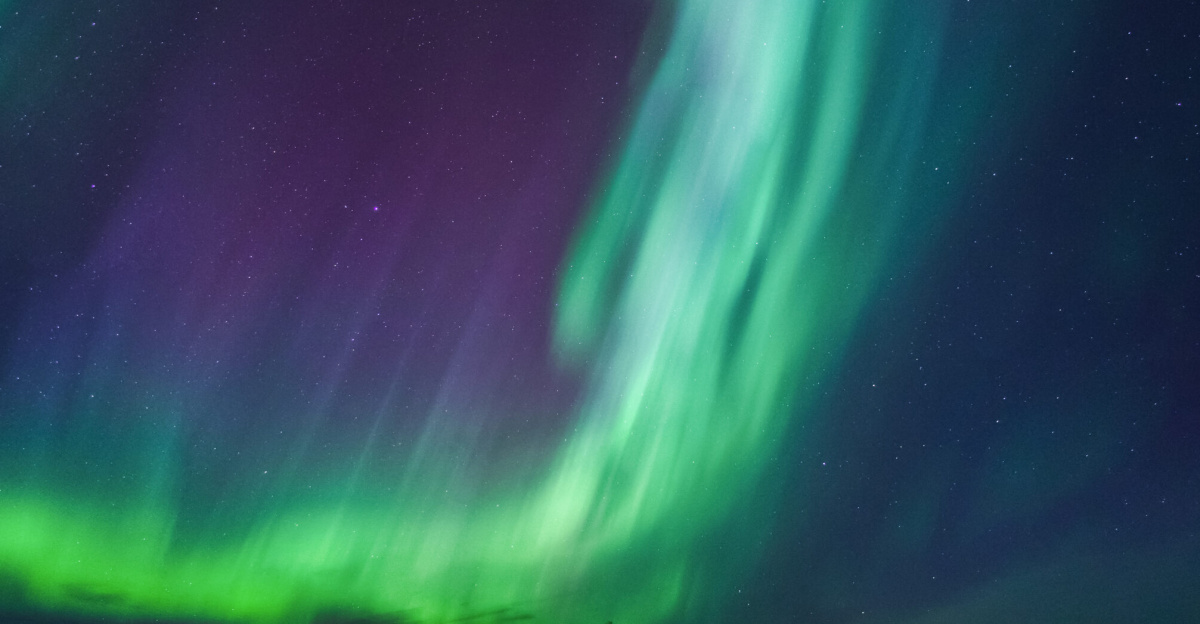
As geomagnetic conditions reached G4 storm levels at 8:20 PM EST on November 11, 2025, social media exploded with images of the vibrant aurora. Observers celebrated the timing, with some noting the display coincided with Veterans Day. From Alabama to Minnesota, photographers shared their awe of the cosmic spectacle, as southern states experienced rare sightings of the northern lights that were once reserved for higher latitudes.
Social media played a key role in documenting the event, with thousands of photos flooding platforms from across the U.S. The rare southern visibility of the auroras turned into a collective experience, as individuals from diverse regions came together to witness and share the once-in-a-lifetime phenomenon.
Risks Beyond the Lights
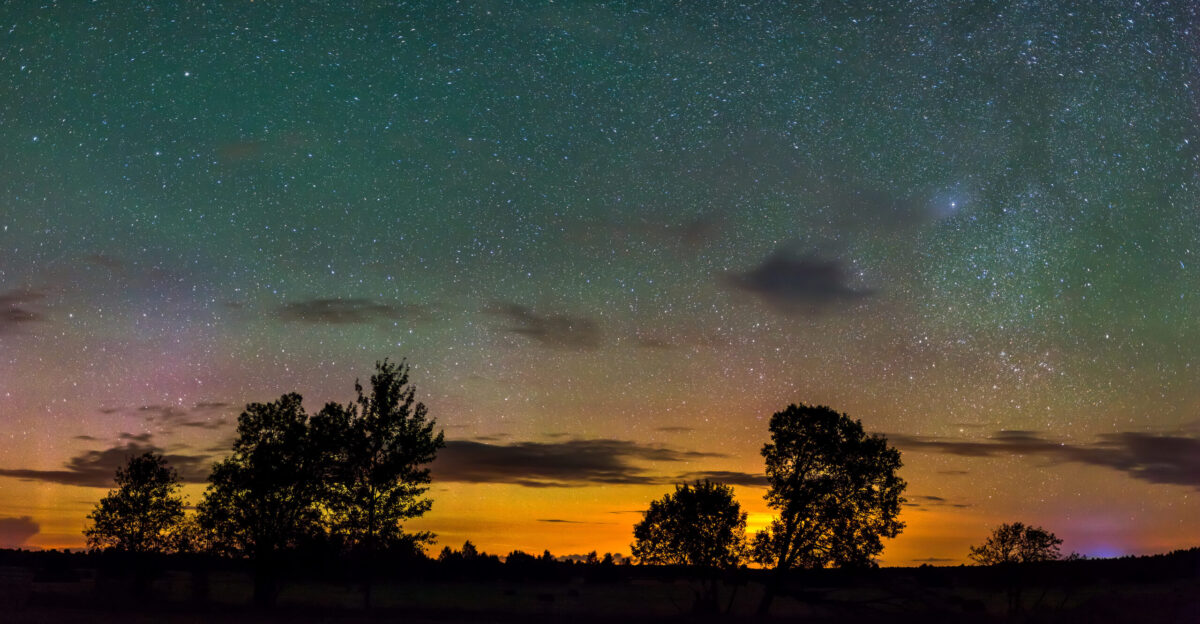
While the aurora offered a mesmerizing spectacle, the solar storm also posed significant risks to infrastructure. G4-level geomagnetic storms can wreak havoc on power grids by inducing geomagnetically induced currents (GICs) that damage transformers and disrupt power flow. GPS systems, crucial for aviation, maritime navigation, and agriculture, also faced degradation, putting a multitude of sectors at risk.
The far-reaching effects of solar storms go beyond the stunning aurora displays. The same forces that create these beautiful lights are also capable of creating chaos for technology and infrastructure, reminding us of the volatile relationship between space weather and modern life.
Global Response to Space Weather
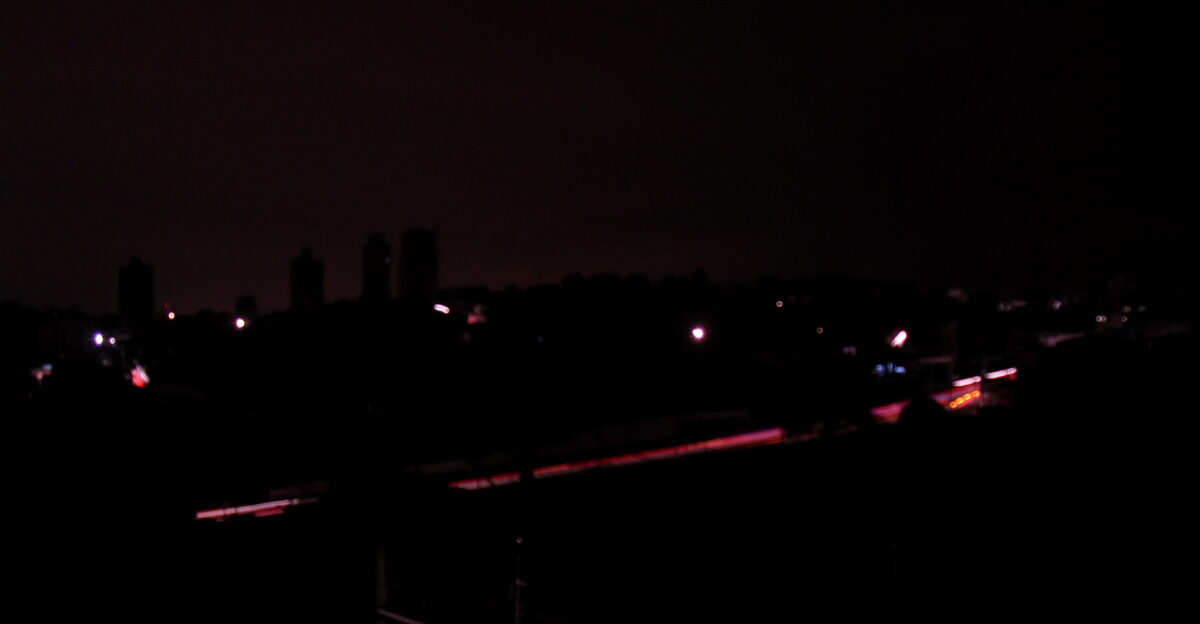
On November 11, 2025, New Zealand’s Transpower implemented a precautionary grid shutdown, removing South Island transmission lines from service to prevent damage to critical equipment. Meanwhile, telecommunications and utility providers worldwide remained on alert for potential disruptions, though major cell service impacts were not expected. This global response illustrated the far-reaching effects of solar storms on critical infrastructure worldwide.
Governments and companies worldwide were on high alert, with utilities and telecoms preparing for potential disruptions. Their proactive measures highlighted the importance of resilience planning in the face of increasing space weather threats.
Rare Ground Level Event
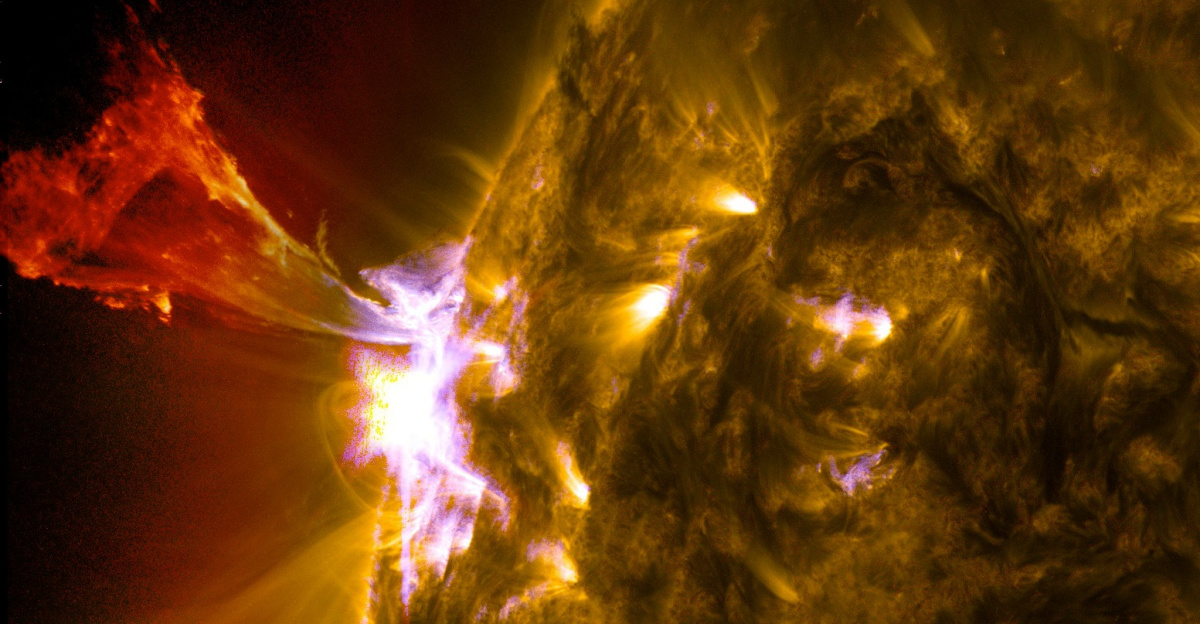
The X5.1 flare sparked a rare Ground Level Event (GLE)—an occurrence so rare that only one or two have been recorded per solar cycle. Solar protons penetrated Earth’s atmosphere, elevating radiation levels, which were detected by neutron monitors globally. High-latitude flight passengers were warned of increased radiation exposure, which could have potentially harmful effects for those traveling at high altitudes during the peak of the storm.
The rarity of a GLE added to the event’s significance, as this phenomenon can lead to radiation exposure in high-altitude flights. The storm reminded both scientists and the public of the dangers that accompany extreme solar activity, with aviation and satellite operations particularly vulnerable.
Satellite Disruption
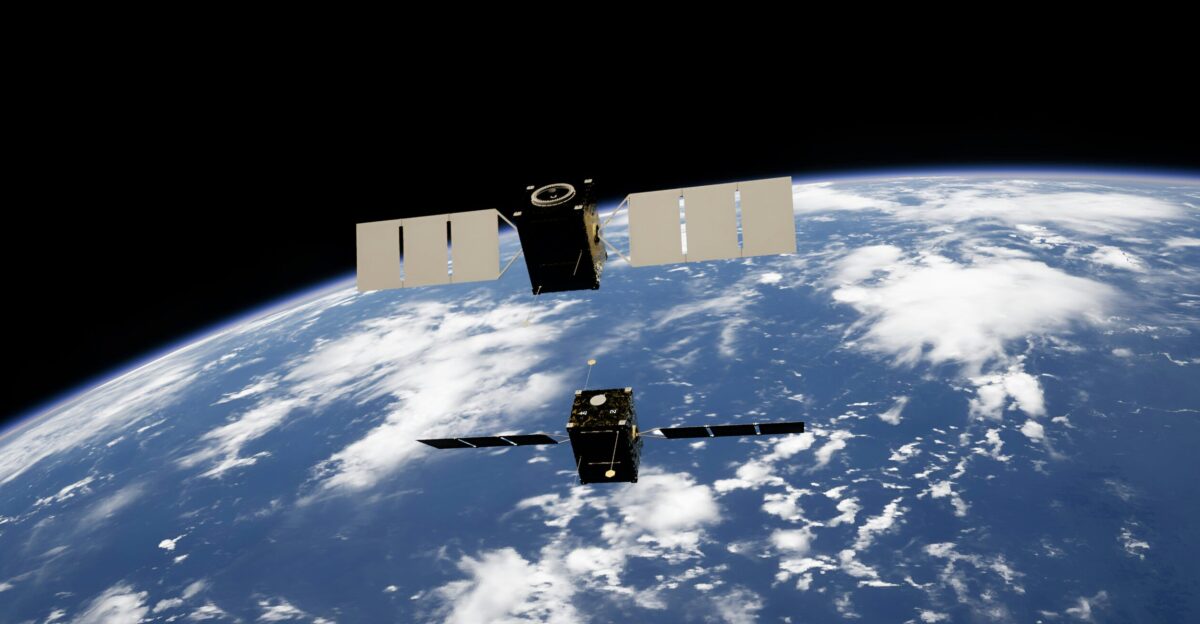
In space, solar protons bombarded satellites, triggering a “hailstorm” of energetic particles that damaged spacecraft and communication systems. NASA’s Solar and Heliospheric Observatory (SOHO) captured images of intense “snow” on coronagraph cameras, which represented energetic particles striking satellite detectors. Space agencies around the world, including Thailand’s GISTDA, issued warnings of potential disruptions to satellite operations and navigation systems.
The solar storm’s impact on satellites marked a critical moment for space agencies, which faced the task of protecting their valuable technology from damage. The radiation storm underscored the vulnerability of satellites to solar activity, disrupting communications and operations in the process.
The Cannibal CME Scenario
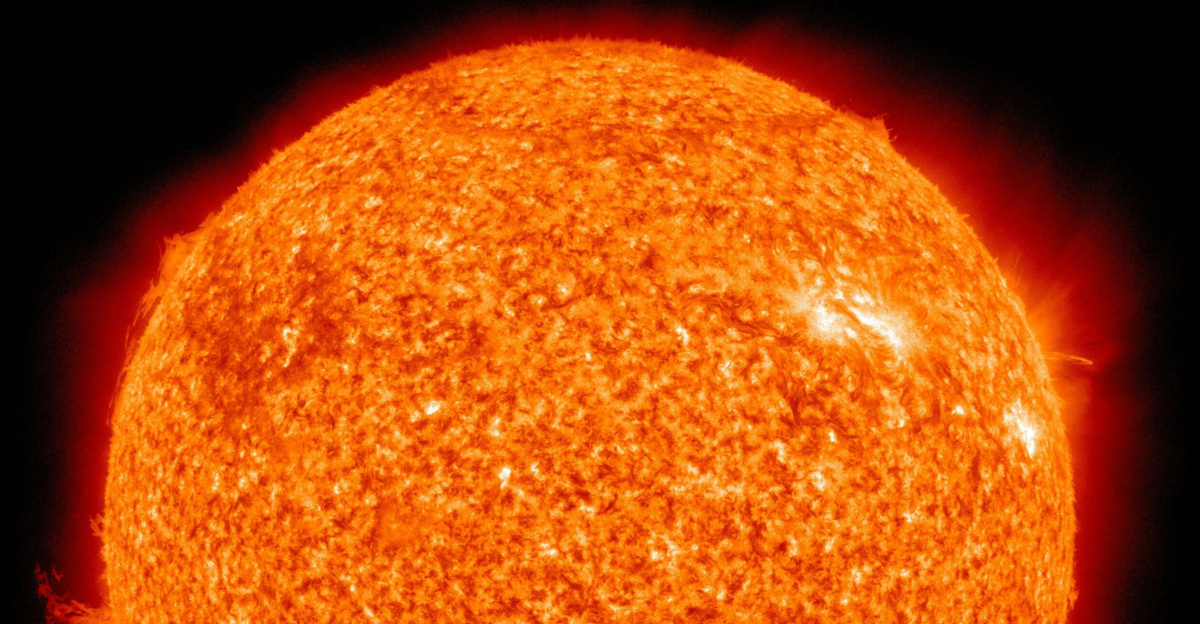
Space weather experts closely monitored the possibility of a “cannibal CME” scenario—where the fastest-moving CME could overtake and merge with slower CMEs, amplifying the storm’s intensity. Historical data showed that such events, though rare, could trigger severe geomagnetic storms with widespread aurora displays. The merged CMEs were predicted to collide with Earth on November 12, heightening the intensity of the ongoing solar storm.
The potential merging of CMEs created an air of uncertainty among forecasters. With the storm continuing to unfold, there was an increasing need to assess how these cosmic forces might interact, and how their combined energy could impact Earth.
Power Grid Defenses
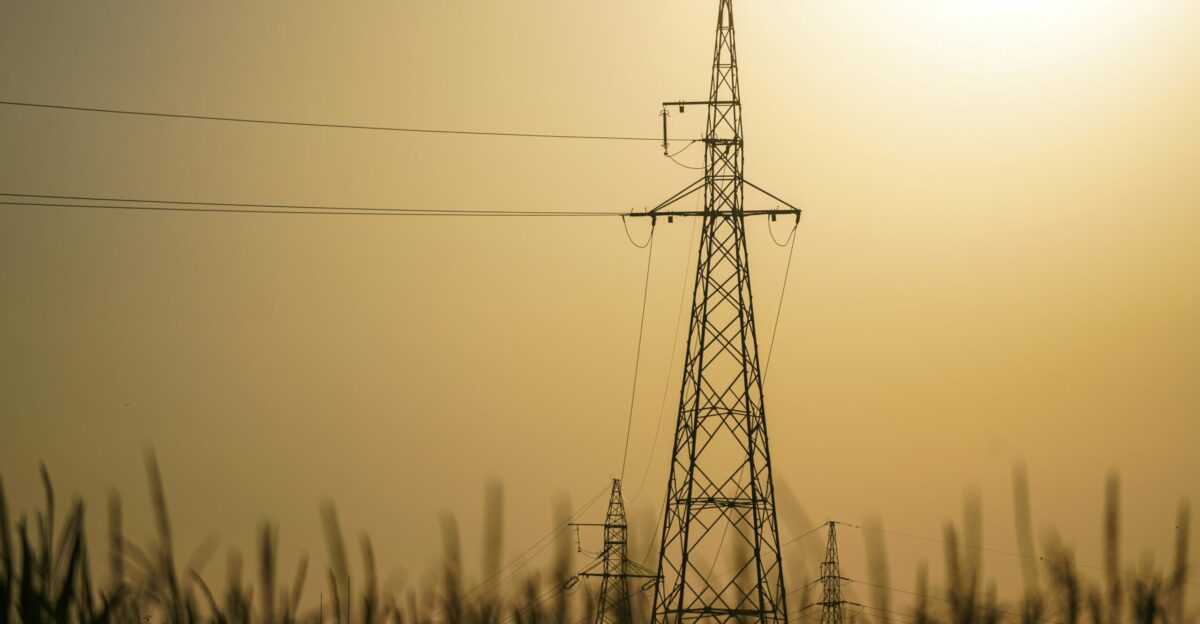
To protect vulnerable power grids from geomagnetic storms, utility operators activated defensive protocols. These included reconfiguring grids, redistributing power loads, and implementing geomagnetic shielding devices such as series capacitors and GIC-blocking filters. In extreme cases, operators preemptively shut down critical transformers to prevent potential damage from overheating and insulation failure.
Utility companies have learned from past events, employing a range of strategies to mitigate damage. As the storm escalated, grid operators across the globe implemented their contingency plans to ensure the stability of power supplies and protect infrastructure from long-term damage.
The Threat to Agriculture

GPS disruptions during solar storms can have a severe impact on precision agriculture, where farmers rely on satellite data to optimize planting, harvesting, and equipment operations. A similar storm in May 2024 caused significant losses in crop production, and experts warned that the ongoing geomagnetic event could disrupt machinery operations, particularly in regions relying on GPS-dependent systems.
Farmers faced the risk of losing crucial GPS signals, which would have impacted their ability to maintain efficiency and precision. The agricultural sector, which depends on accurate data for crop management, was bracing for potential losses as the solar storm affected satellite systems.
A New Era of Space Weather Awareness
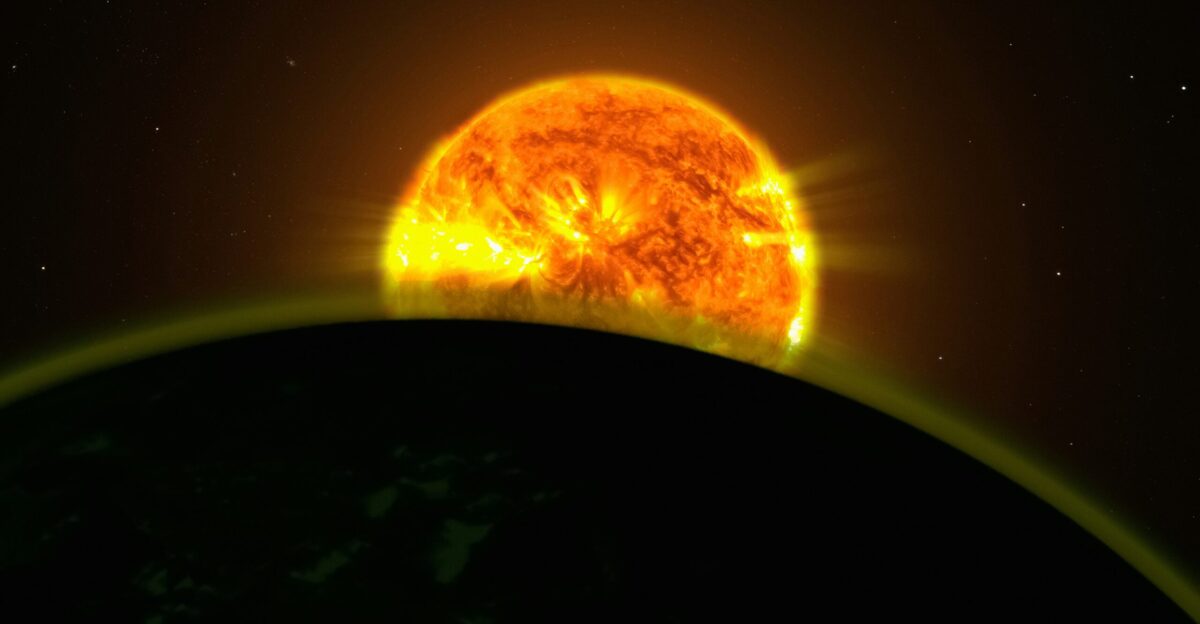
As humanity’s dependence on satellite technology grows, the vulnerability to space weather intensifies. The November 2025 solar storm event showed both the strength and the fragility of modern infrastructure. With space weather posing an ongoing threat, we must continue to develop strategies to protect our vital systems from the sun’s unpredictable power. The coming years will test our ability to manage and mitigate these cosmic challenges.
The solar storm was a wake-up call for the global community, emphasizing the need for greater preparedness and resilience in the face of space weather. With each cycle, we will face new challenges, but with continued advancements in technology and awareness, we can better navigate these cosmic events.