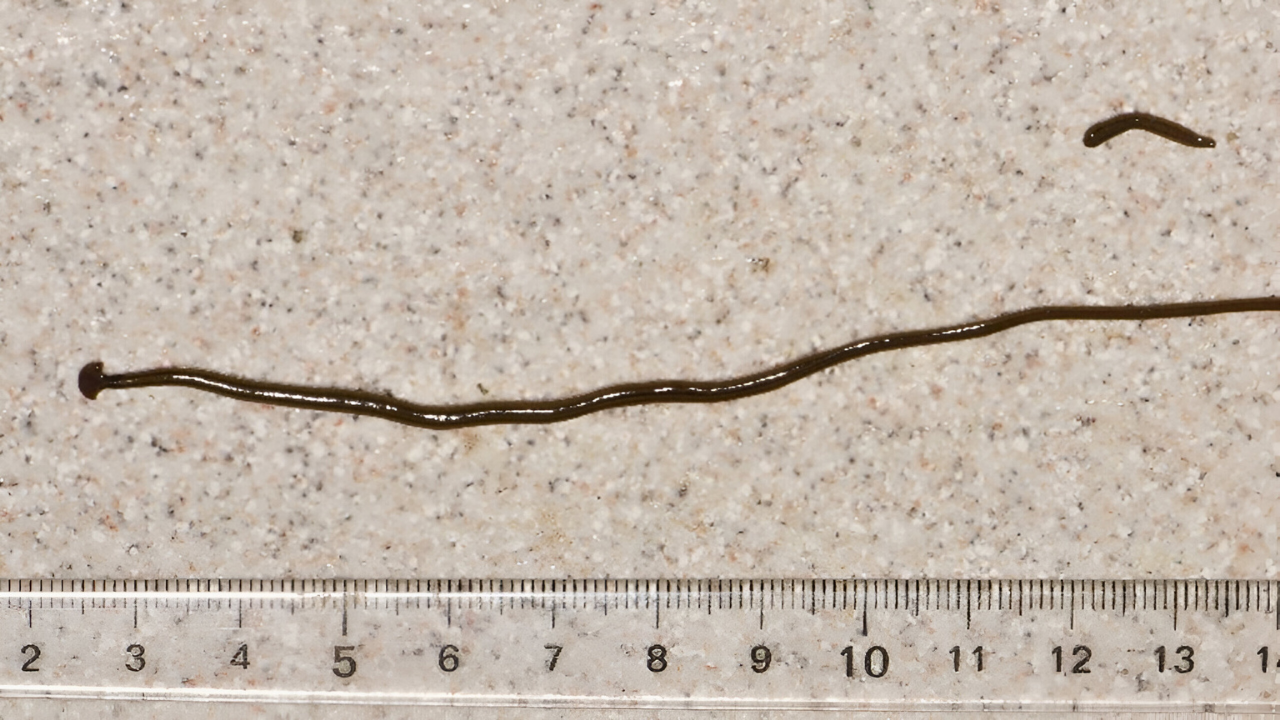
Giant hammerhead worms, reaching lengths up to 15 inches, have appeared across North Texas following heavy November 2025 rainfall. Texas Agriculture Commissioner Sid Miller is urging residents: “Don’t kill it, don’t squish it, don’t cut it up.”
These unusual invasive creatures require special handling protocols that go against common pest control instincts.
While they’ve been present in Texas since the 1980s, their increased visibility after rain has prompted renewed warnings. What makes these worms so concerning, and why could killing them make the problem worse?
Why Now? Heavy Rains Bring Worms to the Surface
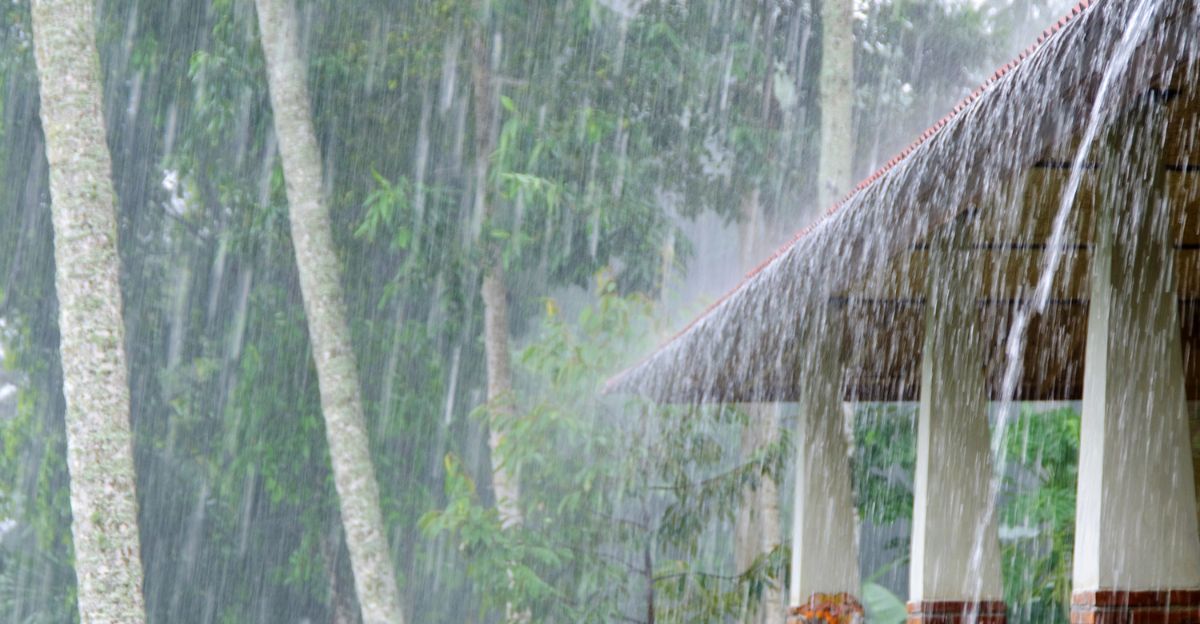
Heavy rainfall in November 2025 brought hammerhead worms to the surface in North Texas. These worms, originally introduced via global shipping and trade, have been established in the region for decades.
However, wet conditions drive them out from underground, making them more visible to residents and prompting public safety warnings.
Similar surges in sightings occurred in June 2025 and previous years following heavy rainfall. The worms thrive in moist environments, which explains their increased visibility during and after rain events.
Health and Safety Considerations for Residents
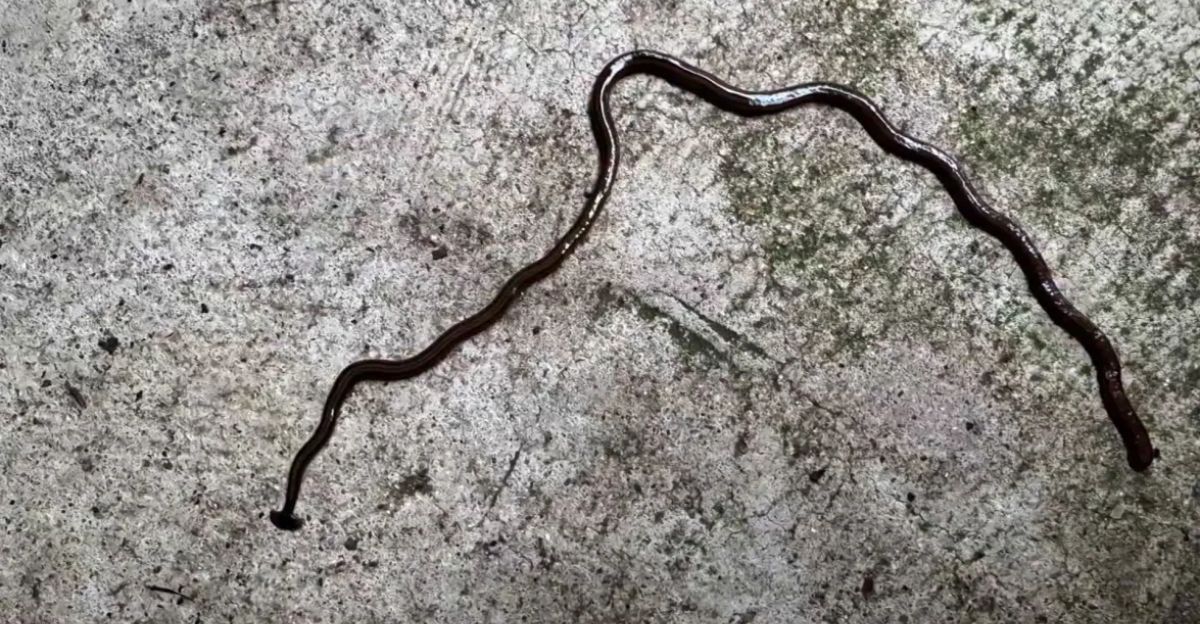
Residents are urged to avoid direct contact with hammerhead worms, as their neurotoxin can cause skin irritation or rashes. Additionally, pets may experience nausea or vomiting if they ingest the worms, although this is typically without long-term risk.
While no documented cases exist of humans becoming seriously ill from handling these worms, experts recommend taking precautions.
The likelihood of harm is low, but it increases if the mucus comes into contact with the mouth or eyes. Wearing gloves when handling these creatures is strongly advised.
Guidelines for Safe Disposal

To safely dispose of hammerhead worms, experts recommend using gloves and following specific disposal methods. Freezing worms in sealed bags for 48 hours, or applying salt, vinegar, or citrus oil to neutralize them, are the safest options.
It’s crucial not to cut or squish the worms, as fragments can regenerate into additional worms. This regenerative ability complicates control efforts.
Following proper disposal protocols prevents the creation of more worms from body fragments and ensures safe handling without direct skin contact.
Why Standard Pest Control Methods Don’t Work
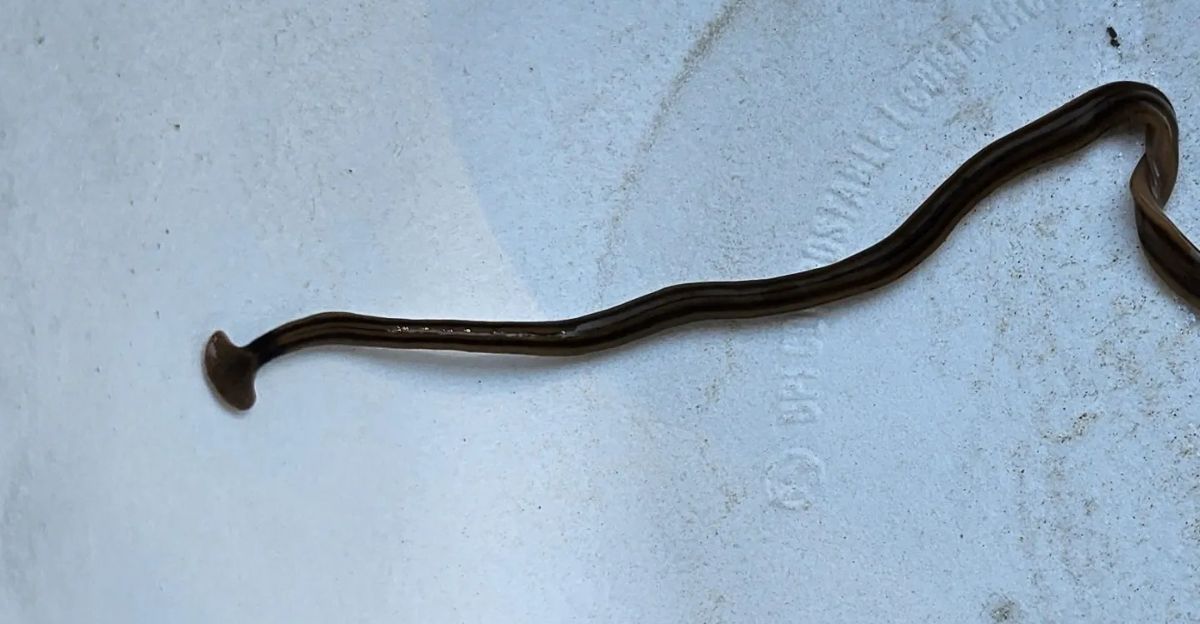
Unlike typical garden pests, hammerhead worms cannot be effectively controlled through conventional methods. Their remarkable regenerative abilities mean that cutting them triggers the formation of additional worms from body fragments.
This biological adaptation makes physical destruction counterproductive. Additionally, their toxic mucus may deter some natural predators, allowing populations to persist relatively unchecked.
Standard pesticides are also ineffective against these flatworms. Understanding these limitations explains why officials recommend specific disposal techniques rather than typical pest elimination approaches that work for other invasive species.
How Hammerhead Worms Arrived in North America
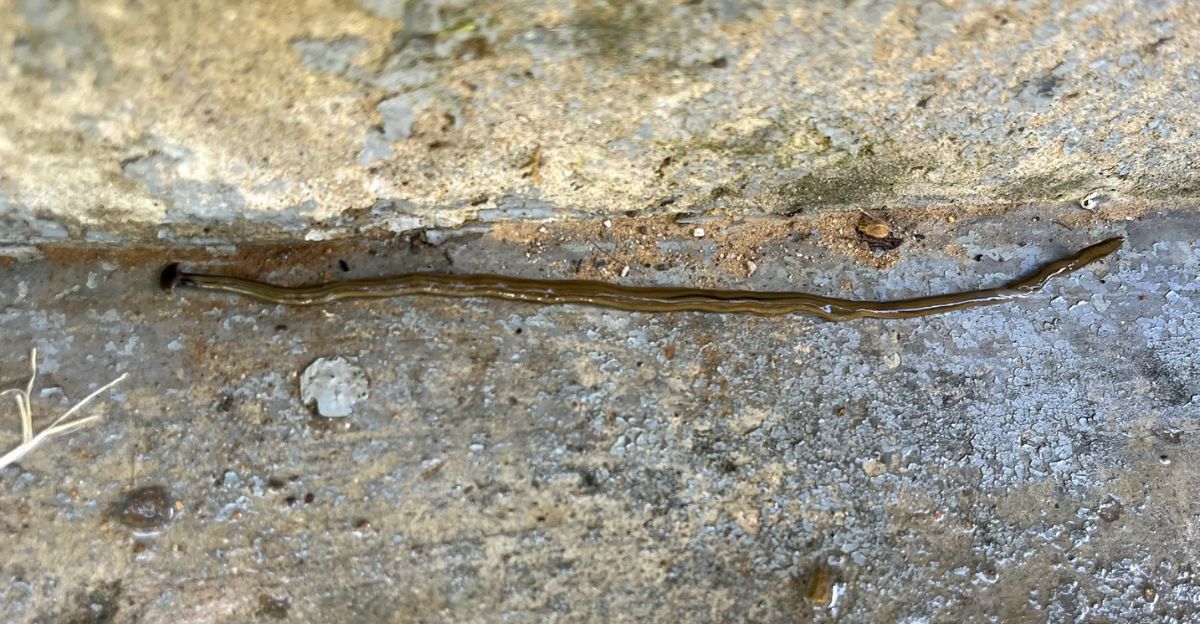
Native to Asia, hammerhead worms were introduced to North America through soil and plant shipments in shipping containers used in the horticultural trade. First documented in U.S. greenhouses around 1901, their population has gradually spread across multiple states over the past century.
Their introduction, like many invasive species, reflects ongoing challenges in managing non-native organisms transported through global trade networks.
The worms have been present in Texas specifically since the 1980s, making them a long-established rather than newly arrived species.
Ecological Concerns: Impact on Earthworm Populations
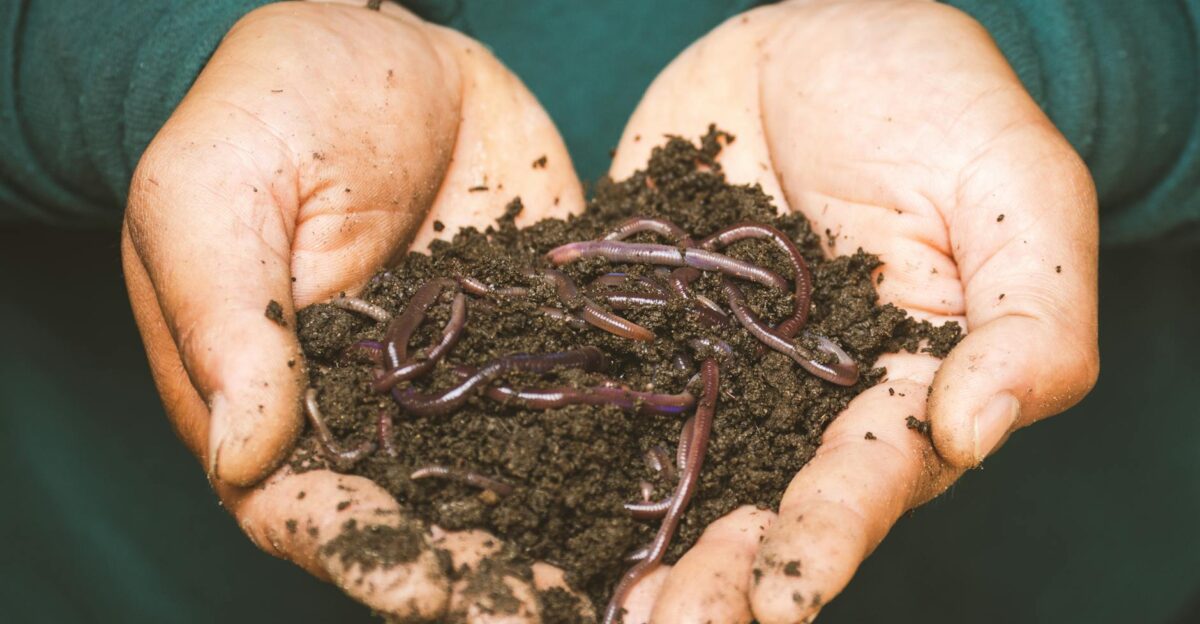
Hammerhead worms feed on earthworms, which are essential for soil health, aeration, and fertility. While they have the potential to decrease earthworm populations, research indicates that they typically haven’t reached densities high enough to significantly threaten local earthworm populations in most areas.
Texas A&M experts note that land planarians usually don’t achieve population levels that would seriously damage earthworm communities.
Ongoing research continues to monitor and assess the long-term ecological impact of these predators on native soil ecosystems and earthworm biodiversity.
State Officials Issue Guidance

Texas Agriculture Commissioner Sid Miller and invasive species experts have issued detailed guidelines for managing hammerhead worms, emphasizing safe handling practices and proper disposal methods.
Miller specifically warned residents: “Don’t kill it, don’t squish it, don’t cut it up” due to the worms’ regenerative abilities. Although hammerhead worms are not a regulated species requiring official reporting to state authorities, public awareness campaigns remain important.
The guidance focuses on education rather than regulatory enforcement, helping residents understand how to safely manage encounters with these worms.
How Hammerhead Worms Affect the Environment
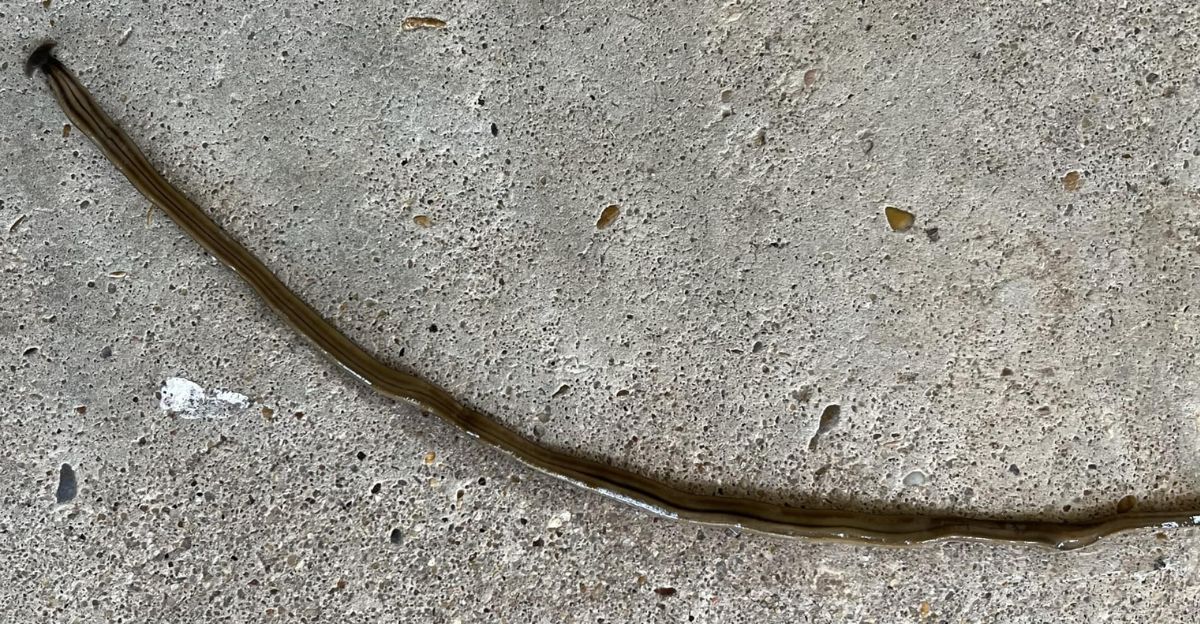
While hammerhead worms consume earthworms, their overall effect on soil health remains under scientific study. Earthworms are vital for maintaining soil fertility and structure, and predation by hammerhead worms could potentially impact these soil processes.
However, the full ecological ramifications of their presence remain unclear and difficult to assess. Long-term environmental impacts are still unknown, according to agricultural extension services.
Current evidence suggests that in most residential and agricultural settings, their population densities remain below levels that would cause significant soil degradation or agricultural impacts.
How Residents Are Responding
As awareness of hammerhead worms grows, Texas residents are adjusting their gardening habits and outdoor activities. Many gardeners now wear gloves routinely and employ proper disposal methods when encountering these worms in their yards.
Local agricultural extension offices and online guides provide critical information for identification and safe management of these invasive species. Community workshops help educate homeowners about best practices for maintaining their homes.
The increased visibility of these worms after rainfall events has prompted greater vigilance among outdoor enthusiasts, gardeners, and landscapers who regularly work with soil.
The Challenge of Effective Control
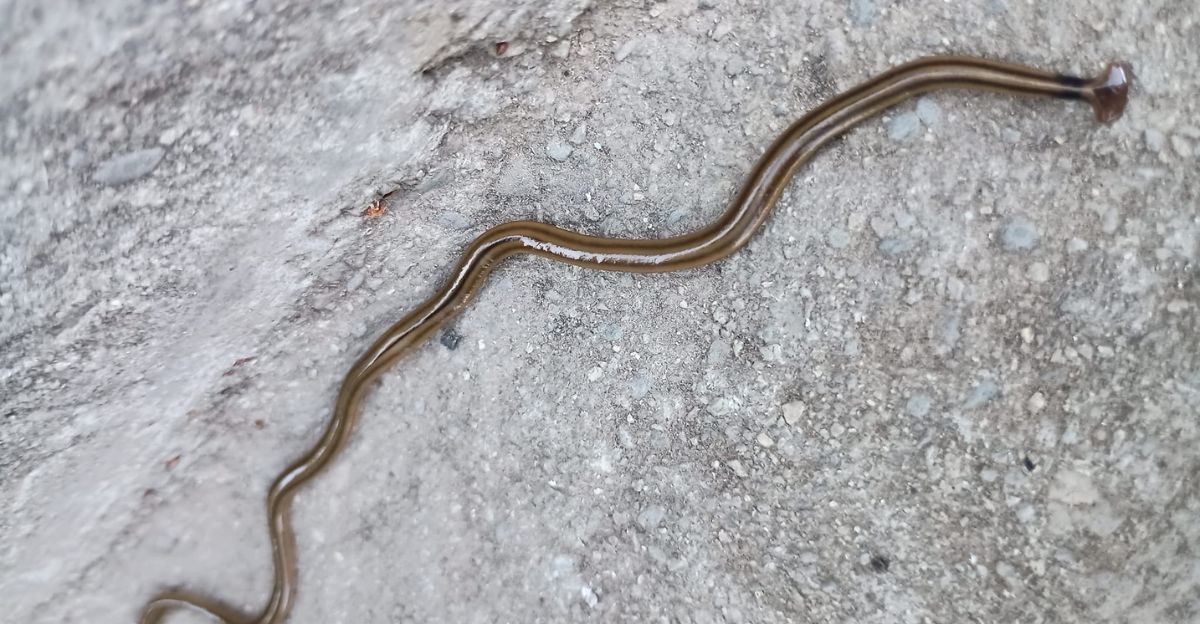
The hammerhead worm’s regenerative abilities present unique challenges for pest management and control efforts. When cut into pieces, substantial body fragments can regenerate into separate worms—typically producing 2-3 new worms from one individual—though they cannot regenerate from the smallest fragments as sometimes claimed.
This regenerative capacity makes cutting or crushing ineffective and potentially counterproductive control methods.
Experts stress the importance of following proper disposal protocols—freezing, or using salt, vinegar, or citrus oil—to prevent creating additional worms. Understanding these regenerative limitations helps residents manage encounters more effectively.
The Broader Challenge of Hammerhead Worms
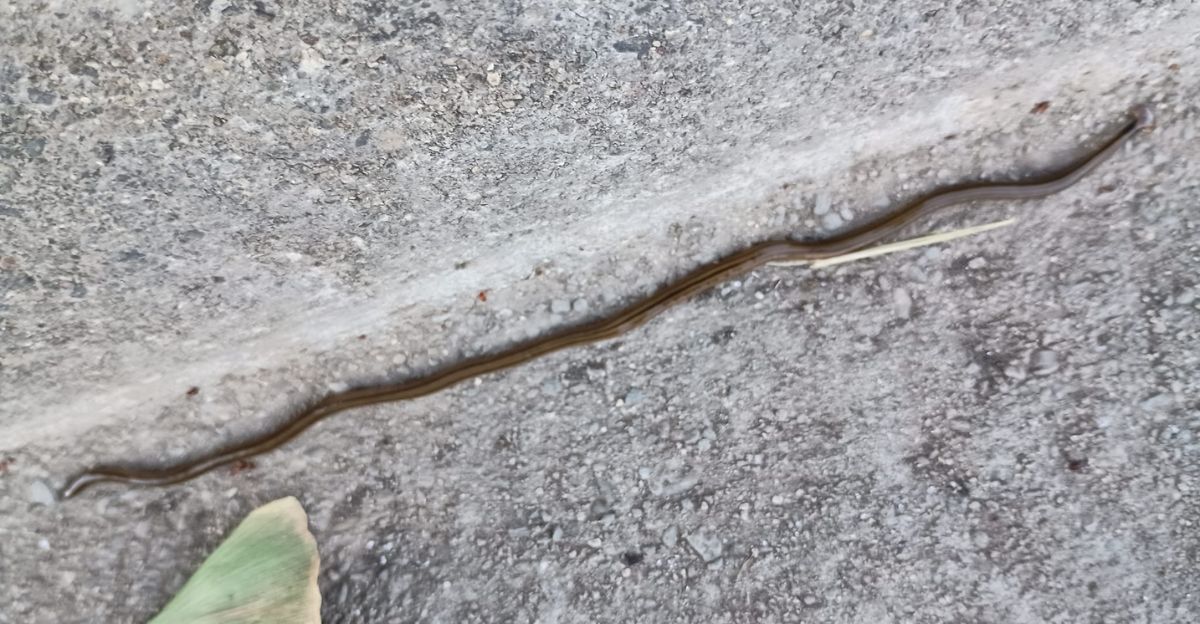
Hammerhead worms represent one of many invasive species affecting ecosystems throughout the United States. Though they’ve been established in Texas and other states for decades, their increased visibility during wet weather conditions highlights the persistent challenge of managing non-native species.
Unlike some invasive species, hammerhead worms are not currently regulated or tracked by most state agricultural agencies.
Proper public awareness and understanding of management techniques remain critical components of addressing this long-standing invasive species issue and protecting native soil fauna.
Understanding the Worm’s Role
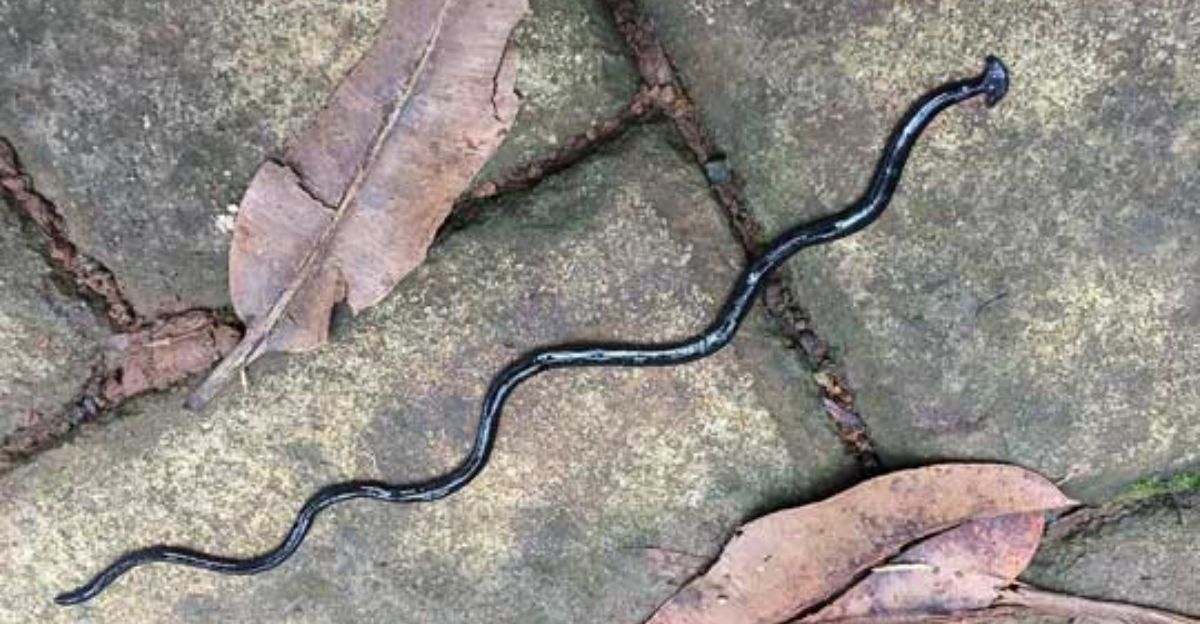
Hammerhead worms impact local ecosystems primarily through their predation on earthworms and other soil invertebrates. While research on their full ecological role is ongoing, their presence may alter the balance of soil health and affect local biodiversity.
Some predatory insects and birds may benefit from hammerhead worms as a new food source, though this remains largely unstudied. The cascading effects on soil structure, nutrient cycling, and plant growth require further investigation.
Scientists continue monitoring how these invasive predators integrate into and potentially disrupt native soil food webs.
Best Practices for Handling Hammerhead Worms

Homeowners should follow official guidelines for handling hammerhead worms: always wear gloves when disposing of them, seal the worms in plastic bags, and freeze them for at least 48 hours to ensure they’re dead.
Do not transport soil or plants that may contain worms or their egg capsules. Consider reporting significant infestations to local agricultural extension offices for guidance and documentation purposes.
Public Awareness of an Established Species
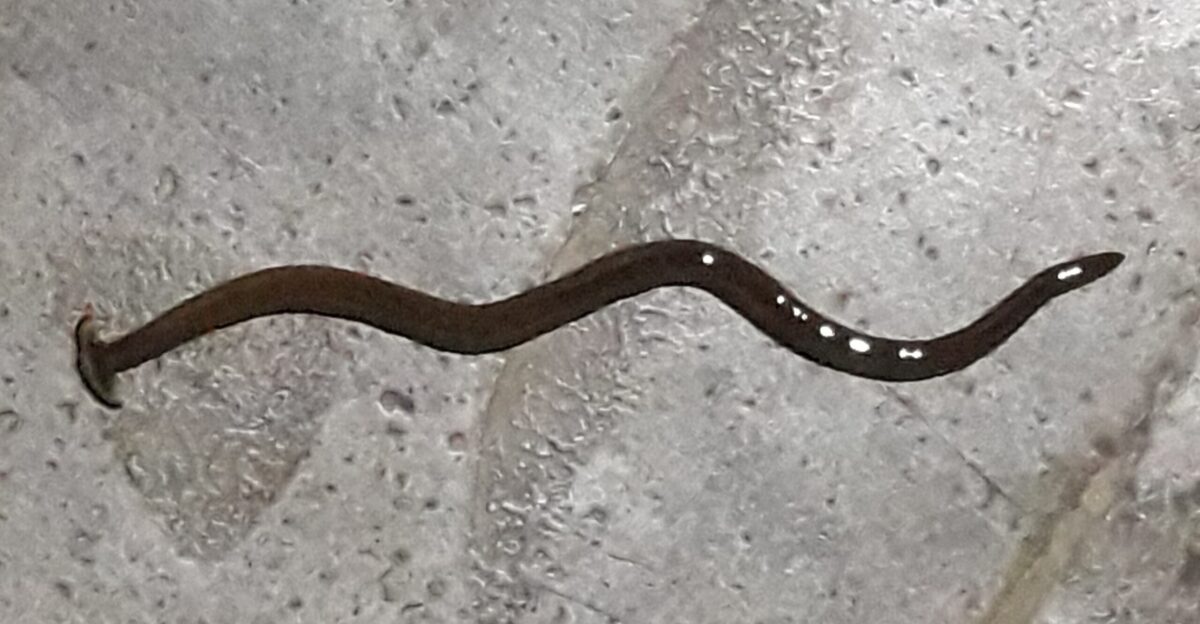
While hammerhead worms have been present in Texas for over 40 years, their visibility surges after rainfall events, prompting renewed emphasis on public awareness and education.
Experts continue to monitor populations and study long-term ecological impacts, ensuring the public understands the safest ways to handle these invasive worms.
The situation serves as a reminder of the ongoing challenges posed by established invasive species. Continued research will help determine whether population control measures become necessary or if current management through public education remains sufficient to address the long-term presence of this invasive species.