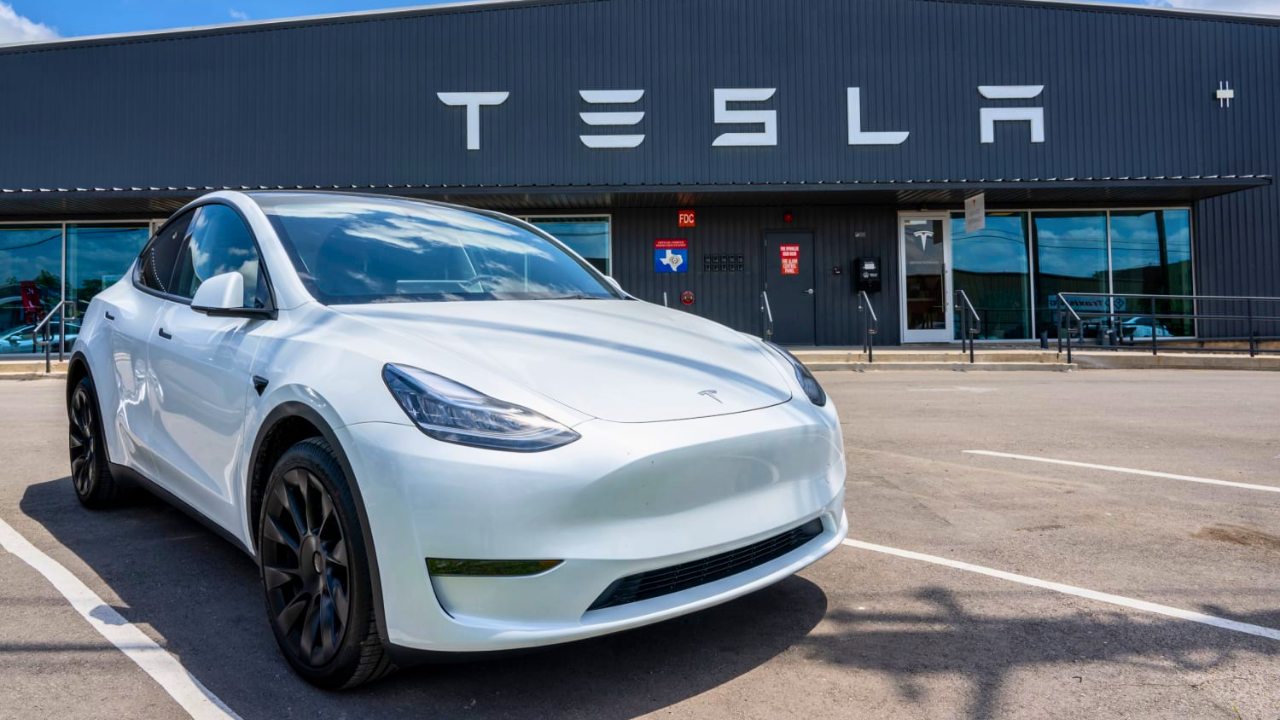
On November 4, 2025, Tesla raised lease prices by up to $80 per month, impacting customers who had benefited from a temporary promotional discount. The price jump hit Model 3, Model Y, and Cybertruck leases, forcing consumers to adjust their budgets.
This sudden shift, following the expiration of federal tax credits, left many wondering what caused this dramatic price change. The price hike raised concerns about the electric vehicle market’s affordability and Tesla’s competitive positioning.
The 5-Year Volatility Context
The October-November period marked unprecedented pricing volatility, with lease rates dropping dramatically in late October before rebounding within weeks. This level of fluctuation had not been seen in Tesla’s pricing history over the past five years.
According to industry observers tracking Tesla’s pricing since 2020, the company’s decision to reverse promotional pricing within a two-week window represents its shortest-lived discount campaign on record. This distinguishes the cycle from Tesla’s historically longer promotional periods.
Why Did Tesla Raise Lease Prices?
Tesla’s lease price hike, announced in late October and effective November 4, followed the expiration of federal EV tax credits. The company had been offering promotional prices for a brief window to boost end-of-quarter sales.
The $80 increase was driven by the need to stabilize margins and address shifting demand following the September 30 end of the $7,500 federal tax credit. This timing created a perfect storm for customers caught between promotional expectations and market reality.
The Two-Week Timeline
Though announced with a two-week implementation window, the speed of the transition caught many prospective customers off-guard. Those who had just begun considering a Tesla lease during the brief promotional period faced sudden sticker shock.
For customers who had locked in quotes or started lease applications during the discount window, the abrupt reversal created what felt like an overnight transformation in market conditions. The compressed timeline left little room for financial adjustment.
Consumer Price Impact
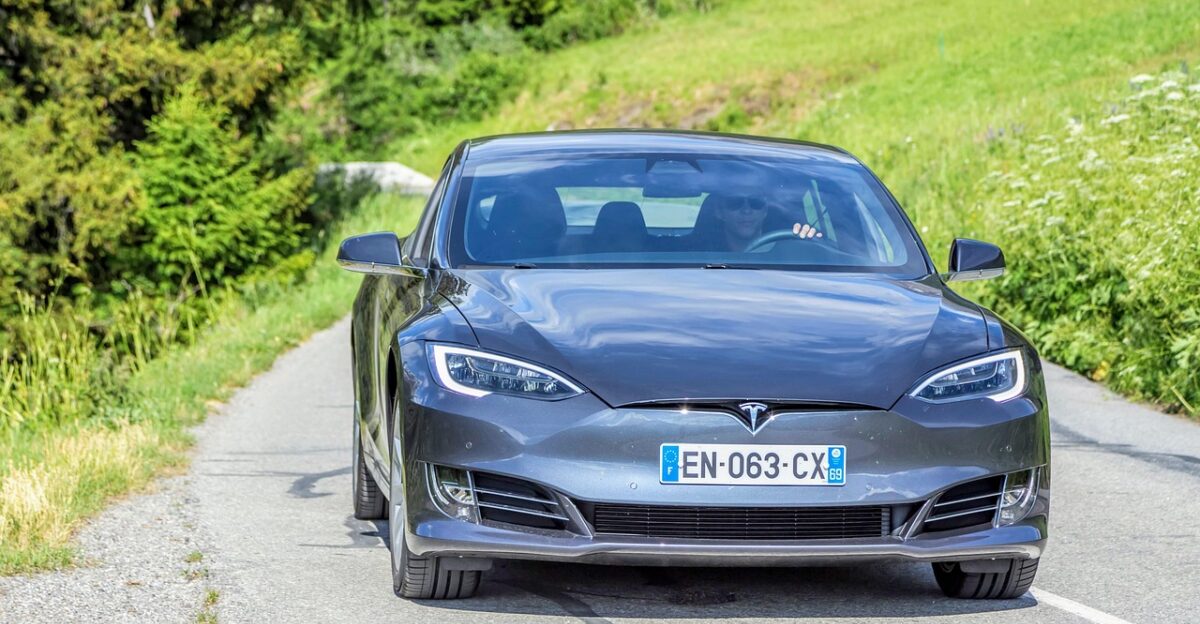
After the promotional period ended, Tesla customers across the U.S. saw lease prices return to pre-discount levels. The Model 3 RWD Premium lease increased from $329 to $409 per month—an $80 jump representing a 24% increase.
When combined with initial post-tax-credit adjustments in early October, some lease configurations fluctuated by over $250 per month within a 60-day window. This rapid back-and-forth exceeded typical market adjustments.
Impact on Thousands of Households

The price adjustment impacted American households who had budgeted for the lower promotional rates, forcing many to reassess their financial plans. For some, the $80 increase equates to an additional $960 annually.
Industry analysts estimate that thousands of active Tesla lease customers nationwide were directly impacted by the pricing changes. The adjustments applied to all new Model 3, Model Y, and Cybertruck lease agreements processed after November 4.
Tesla’s Dynamic Pricing Strategy

Elon Musk and Tesla’s leadership continue to embrace dynamic pricing, which allows the company to respond quickly to shifts in market conditions. This flexible strategy helps Tesla balance supply, demand, and profitability.
The approach keeps Tesla competitive in the rapidly evolving EV market. However, it also creates uncertainty for customers trying to time their purchases in an already volatile market.
Customer Trust Concerns

The frequency and magnitude of recent pricing changes—particularly the rapid promotional reversal in November—raise questions about Tesla’s approach to customer loyalty. Pricing transparency has become a growing concern among prospective buyers.
As the company adapts to shifting market forces, the impact on consumer trust remains critical. Many customers felt misled by the brevity of the promotional period.
Polestar’s Competitive Response
As Tesla raised its prices, competitors like Polestar moved quickly to capture price-sensitive customers. In November 2025, Polestar introduced an $18,000 lease incentive for the Polestar 3.
This aggressive pricing strategy offered an attractive alternative for those seeking more affordable electric vehicles. The move put additional pressure on Tesla’s market position at a vulnerable time.
Market Competition Intensifies

With competitors increasing their incentives, consumers are being presented with more options than ever. The EV market is becoming increasingly competitive as established and new automakers vie for market share.
Tesla’s price hikes have created an opening for rivals to position themselves as more customer-friendly alternatives. This shift challenges Tesla’s long-standing dominance in the electric vehicle sector.
Tesla’s UK Sales Decline

In October 2025, Tesla reported its weakest sales month of the year in the UK, with only 511 units sold. This marked a sharp decline, raising concerns about pricing strategy effectiveness internationally.
The timing coincided with the U.S. pricing volatility, suggesting broader challenges in Tesla’s global pricing approach. European markets face different competitive dynamics than North America.
International Market Challenges
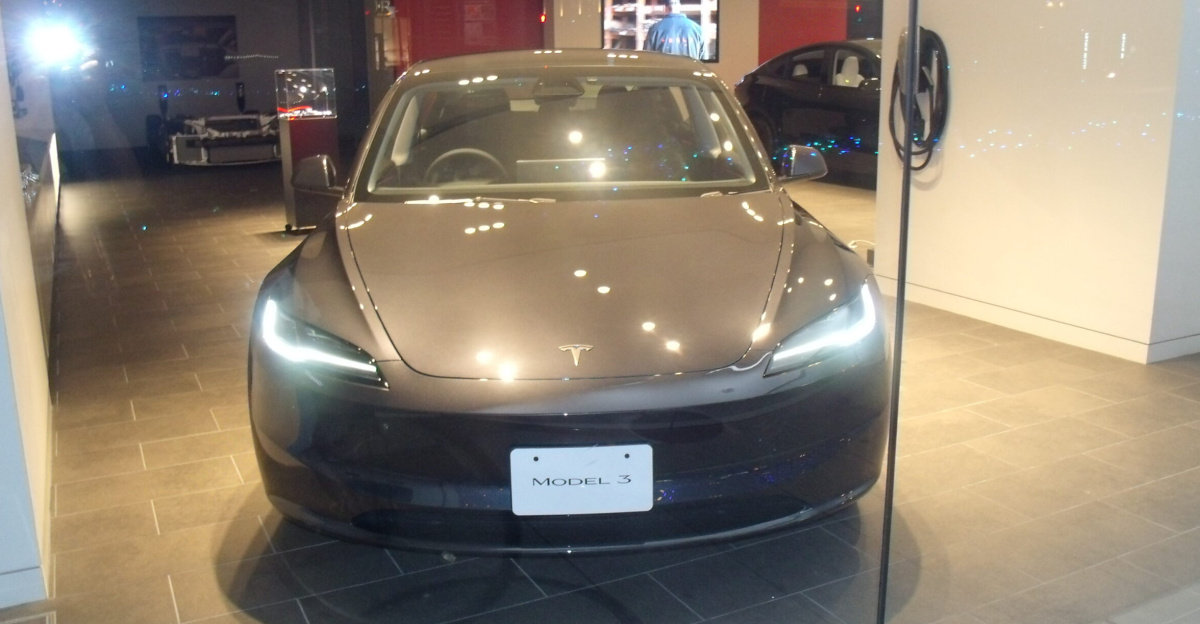
Although various factors contributed to the UK decline, including increased competition and economic conditions, price volatility likely played a role. Tesla faces growing competition from both established automakers and new entrants.
International markets are watching U.S. pricing strategies closely. The company’s ability to maintain consistent sales could be challenged by continued pricing fluctuations across regions.
Federal Tax Credit Expiration
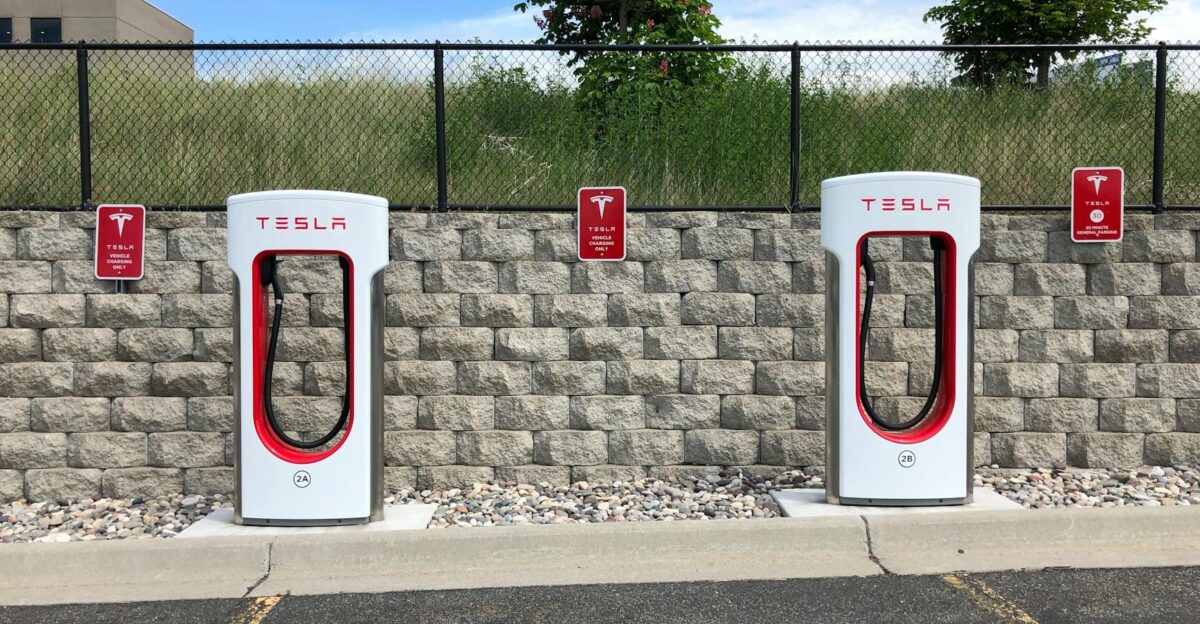
The expiration of the $7,500 federal EV tax credit on September 30, 2025, marked a significant turning point for the EV market. This long-standing incentive had helped make electric vehicles more accessible to mainstream buyers.
The sudden loss of this credit created immediate affordability challenges across the industry. Automakers scrambled to adjust pricing strategies and introduce their own incentives to offset the impact.
Tesla’s $6,500 Credit Response
In response to the federal credit expiration, Tesla introduced its own $6,500 lease credit to help offset the loss. This move aimed to soften the blow for customers facing higher effective prices.
However, the $1,000 gap between Tesla’s credit and the expired federal credit still left customers paying more. Combined with the subsequent promotional reversal, the net effect was substantially higher lease payments.
EV Affordability Challenges

With Tesla’s recent price hikes and the expiration of federal tax credits, affordability remains a critical issue in the EV market. These changes have made electric vehicles less accessible for many potential buyers.
The combined impact of lost federal incentives and volatile pricing creates uncertainty for consumers considering the switch to electric. Mainstream adoption depends heavily on predictable, accessible pricing.
Industry-Wide Impact
The end of federal tax credits has prompted ongoing discussions about the future of electric vehicle incentives. Governments are reevaluating their support for EVs as the market matures.
As policymakers debate future incentive structures, automakers and consumers must adapt to this shifting landscape. The industry faces a critical transition period between government support and market sustainability.
Promotional Strategy Shift
The November pricing reversal—coming so soon after promotional discounts were introduced—represents the most significant promotional strategy shift Tesla has implemented in recent history. This marks a departure from the company’s traditionally more stable pricing approach.
The rapid promotional cycle tested customer loyalty in unprecedented ways. Competitors seized the opportunity to position themselves as more reliable pricing partners for long-term vehicle commitments.
What This Means for Consumers

Prospective Tesla buyers should closely monitor pricing trends and act quickly when promotional offers appear. The two-week November window demonstrated that attractive pricing can disappear rapidly.
Consumers should also compare offers from competing automakers, as aggressive incentives from brands like Polestar may provide better value. Diversifying consideration sets protects against sudden pricing shifts.
Tesla’s Market Position Going Forward

Despite pricing controversies, Tesla remains a dominant player in the electric vehicle market. The company’s ability to adjust pricing dynamically provides strategic flexibility in changing market conditions.
However, maintaining customer trust while employing aggressive pricing tactics will be critical. Tesla’s future market share depends on balancing profitability with customer relationship management.
Looking Ahead

Tesla’s November 2025 lease price hikes reflect the company’s attempt to balance market demands and profitability following federal incentive changes. These adjustments highlight challenges facing consumers and the electric vehicle market.
The unprecedented October-November pricing volatility created conditions that tested customer loyalty and prompted competitors to seize opportunities with aggressive incentives. As competition intensifies, Tesla’s ability to navigate these changes while maintaining trust will determine its future in the evolving EV landscape.