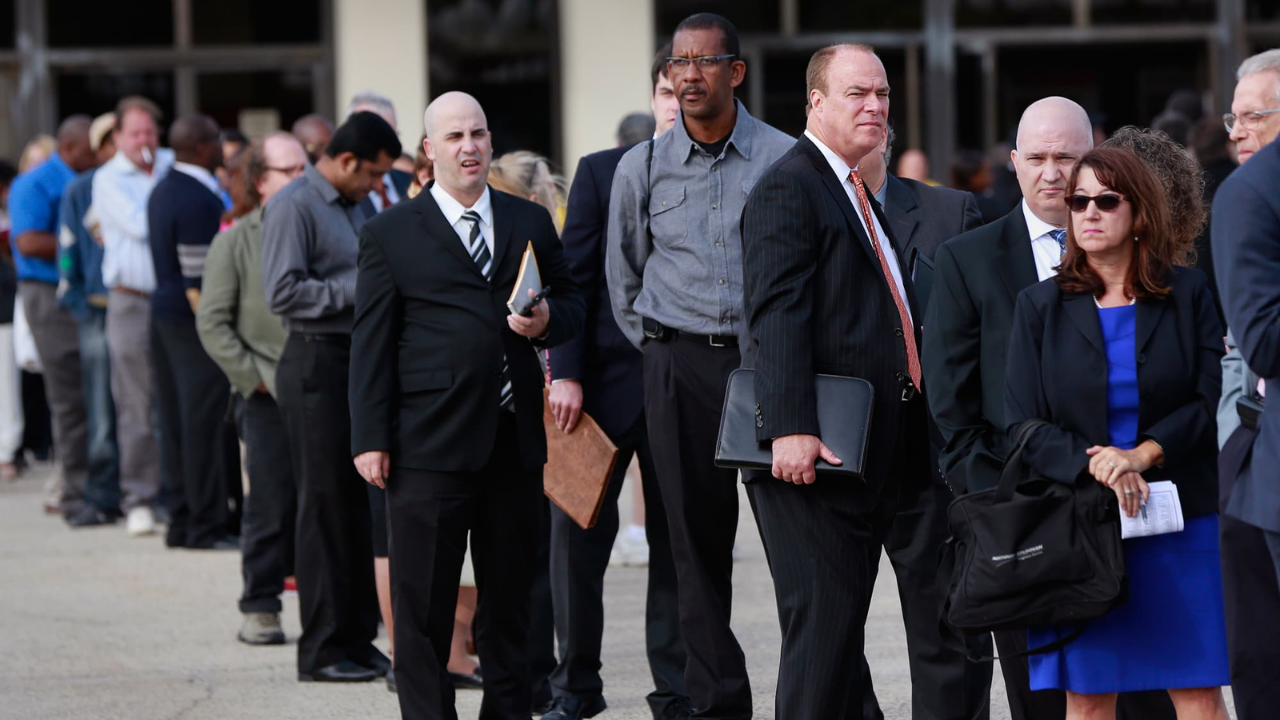
October 2025 saw a dramatic spike in U.S. job cuts, with 153,074 layoffs announced—marking the highest October total in more than two decades. From technology giants to warehouse operators, companies across the country initiated sweeping reductions, leaving thousands of workers facing sudden unemployment and sparking widespread concern about the broader economic impact. As the scale of these layoffs reverberates through the workforce, both employees and consumers are bracing for the consequences and searching for answers about what triggered this historic wave.
Key Forces Behind the Layoff Surge

Three primary factors are driving the current surge in job cuts: aggressive cost-cutting, rapid automation, and significant federal workforce restructuring. Companies are under pressure to streamline operations and reduce expenses, leading to widespread layoffs. The influence of artificial intelligence (AI) is particularly pronounced in the technology and warehousing sectors, where automation is replacing human labor at an accelerating pace. This marks a notable shift from previous years, when job cuts typically slowed in the final quarter. The federal government’s restructuring efforts have also contributed, with nearly 294,000 planned reductions among federal employees and contractors, fueling debates about the long-term effects on public services and spending priorities.
Economic Impact and Consumer Uncertainty

The announcement of over 153,000 job cuts in a single month has immediate implications for American households. Reduced incomes threaten to dampen consumer confidence and spending, especially as the holiday season approaches. With job competition intensifying, displaced workers face longer searches for new employment, increasing financial strain for families. Hiring plans have dropped by 35% year-over-year, signaling a potential slowdown in the U.S. economy. Economists warn that fewer job openings and declining consumer activity could foreshadow a broader downturn extending into 2026.
Technology and Warehousing at the Epicenter

The technology sector reported 33,281 layoffs in October, while warehousing experienced an even greater impact with 47,878 positions eliminated. Both industries are undergoing rapid transformation as AI-driven automation becomes more prevalent, fundamentally changing the nature of work. Major corporations such as Amazon and UPS have announced substantial reductions, with Amazon planning 14,000 corporate job cuts and UPS on track for 48,000 layoffs by year-end. These changes are not isolated; they ripple outward, affecting suppliers in packaging, transportation, and logistics, and contributing to disruptions throughout the supply chain.
Ripple Effects Across Industries

The effects of these layoffs extend beyond technology and warehousing. Retailers, facing both workforce reductions and evolving consumer behaviors, announced 88,664 job cuts in 2025—a 145% increase over the previous year. Many are adapting by shifting to e-commerce, closing physical stores, and reducing inventories. Other sectors, including staffing agencies, cleaning and outsourcing firms, and non-profit organizations, are also feeling the strain. In October, cleaning and outsourcing companies announced nearly 2,000 job cuts, while the non-profit sector saw a 419% surge in layoffs compared to last year, with over 27,000 positions lost due to declining government funding.
Supply Chain and Business Adjustments
The wave of layoffs is causing disruptions in U.S. supply chains, particularly for retailers and manufacturers. Reduced workforce capacity threatens to slow production and delivery, impacting suppliers of materials and transportation services. As businesses scale back, they are adjusting production levels and operational strategies, which could lead to reduced market competition and changes in pricing models. The secondary impact on ancillary services is expected to contribute to the overall strain on the economy in the coming months.
Looking Ahead: Uncertainty and Adaptation
As companies continue to embrace automation and streamline operations, the outlook for the U.S. workforce remains uncertain. With hiring plans at their lowest in 14 years and ongoing layoffs across multiple sectors, workers must adapt by acquiring new skills and remaining flexible in their job searches. Experts recommend that those affected review their financial plans, build emergency savings, and take advantage of retraining programs and job placement services. Investors and economists are closely monitoring these trends as potential indicators of larger economic shifts. While the immediate effects of the October layoffs are clear, the full impact will unfold in the months ahead, shaping the future of the American labor market and economy.