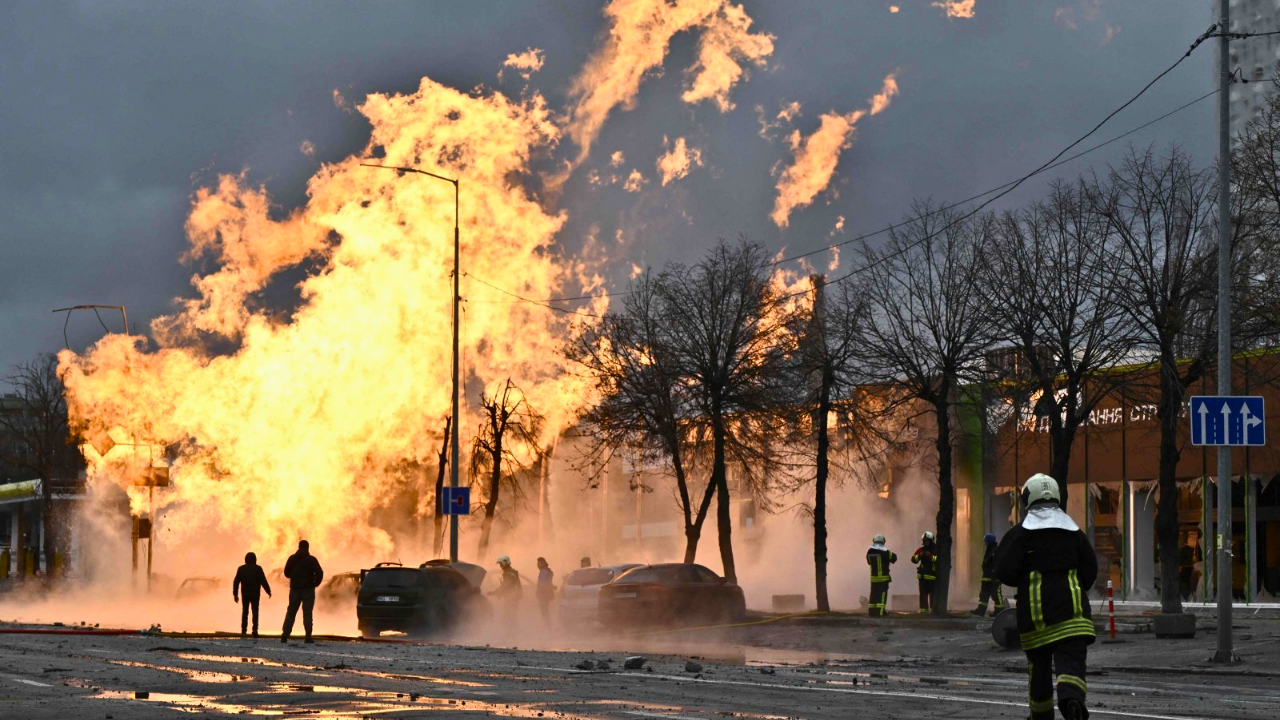
In August 2025, Ukrainian drones achieved the unthinkable: they destroyed a $45 million Buk-M3 air defense system along with two Tor-M2 systems in coordinated strikes that stunned defense experts and soldiers alike. The precision attacks demonstrated how advanced military technology could be defeated by innovative, low-cost solutions.
This series of attacks exposed a critical vulnerability: expensive, advanced technology is no longer invulnerable in modern warfare. The message was clear—high-tech, costly defense systems can be systematically dismantled through strategic drone warfare.
Ukraine’s Drone Warfare Revolution
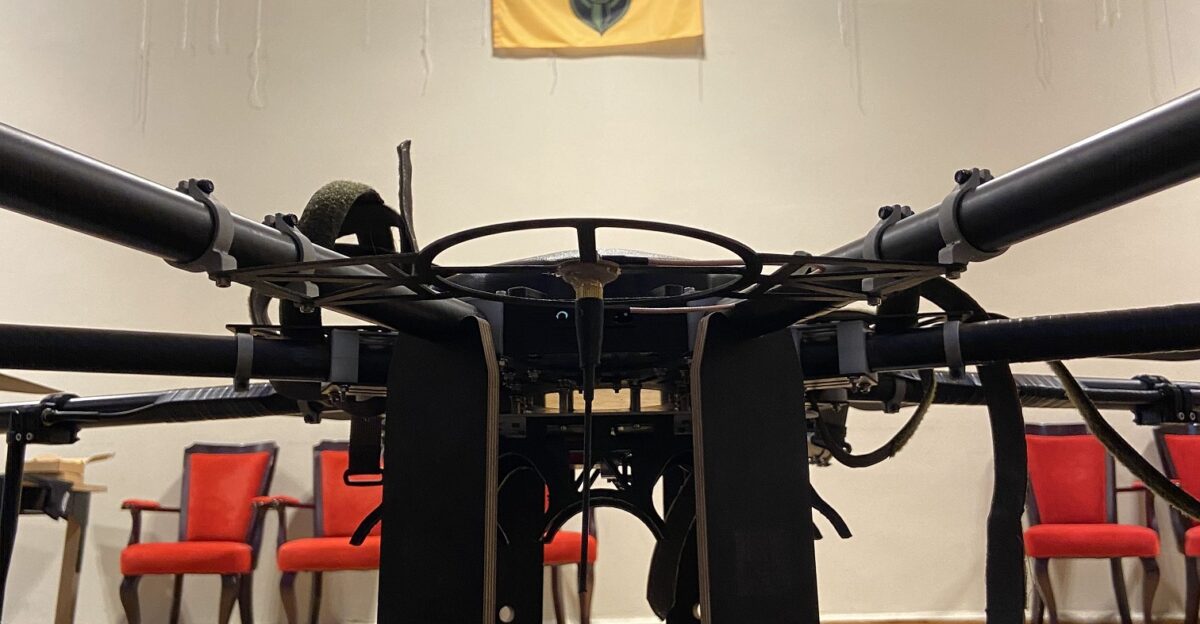
Facing overwhelming Russian firepower, Ukraine turned to cost-effective drones that could target the heart of Russian military defenses. This shift in strategy has flipped the script on modern conflict, demonstrating how smaller forces can compete with larger military powers.
The August attacks represent one example of how Ukraine is reshaping the battlefield. By leveraging low-cost, high-impact drones, Ukraine has proven that asymmetric warfare can succeed against the most advanced and expensive military technologies.
$90M in Air Defense Systems Destroyed
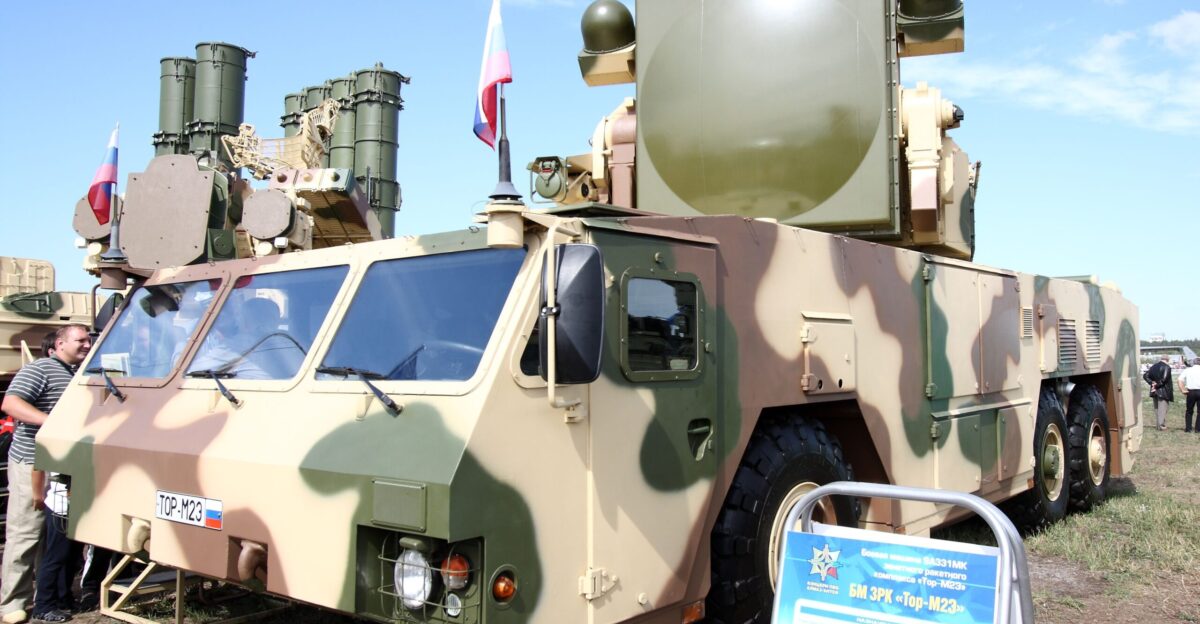
Ukraine’s drone strikes destroyed three major Russian air defense systems in August: two Tor-M2 systems valued at approximately $25 million each, and one Buk-M3 system worth $45 million. The total value of destroyed assets reached $90 million.
This unprecedented success exposed significant vulnerabilities in Russia’s multi-million-dollar defense infrastructure. The loss of such critical assets left large portions of Russian airspace exposed, greatly reducing Russia’s ability to respond to Ukrainian aerial threats.
Russian Defense Industry Under Pressure
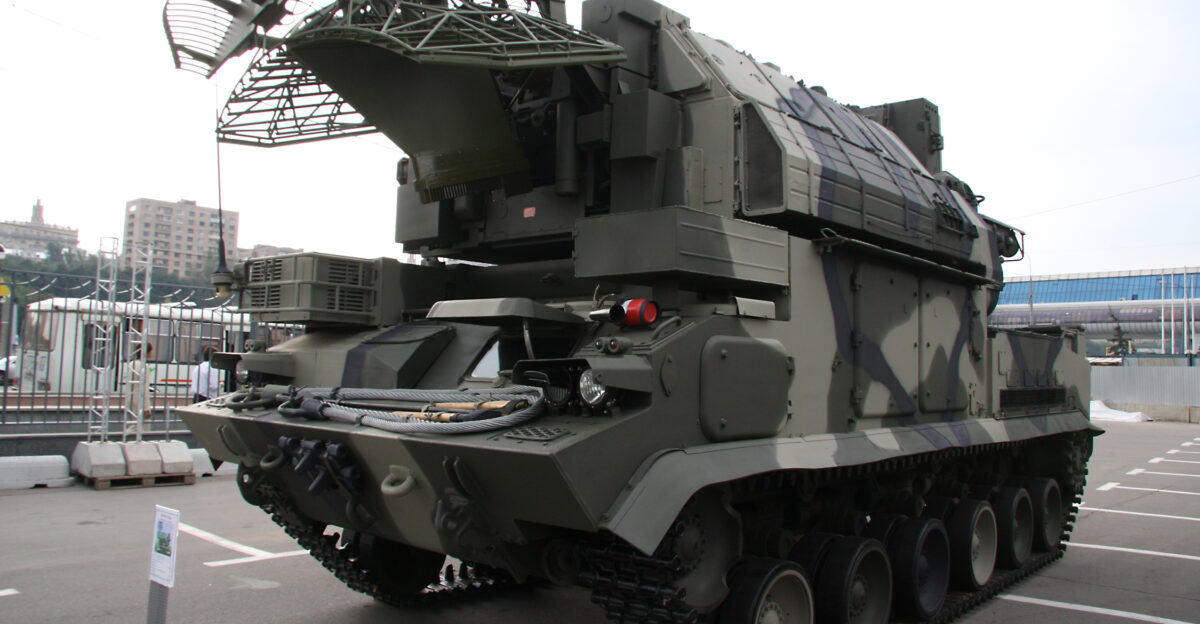
The destruction of high-value systems has sent shockwaves through the Russian defense industry. Contractors and manufacturers are scrambling to address weaknesses and improve air defense technologies as the vulnerabilities of their most advanced systems become apparent.
The losses have led to internal reviews and calls for innovation, setting a new course for Russia’s defense strategies. The urgency to adapt to these new threats is mounting as Russia faces a reckoning over its air defense capabilities.
Global Drone Demand Surges
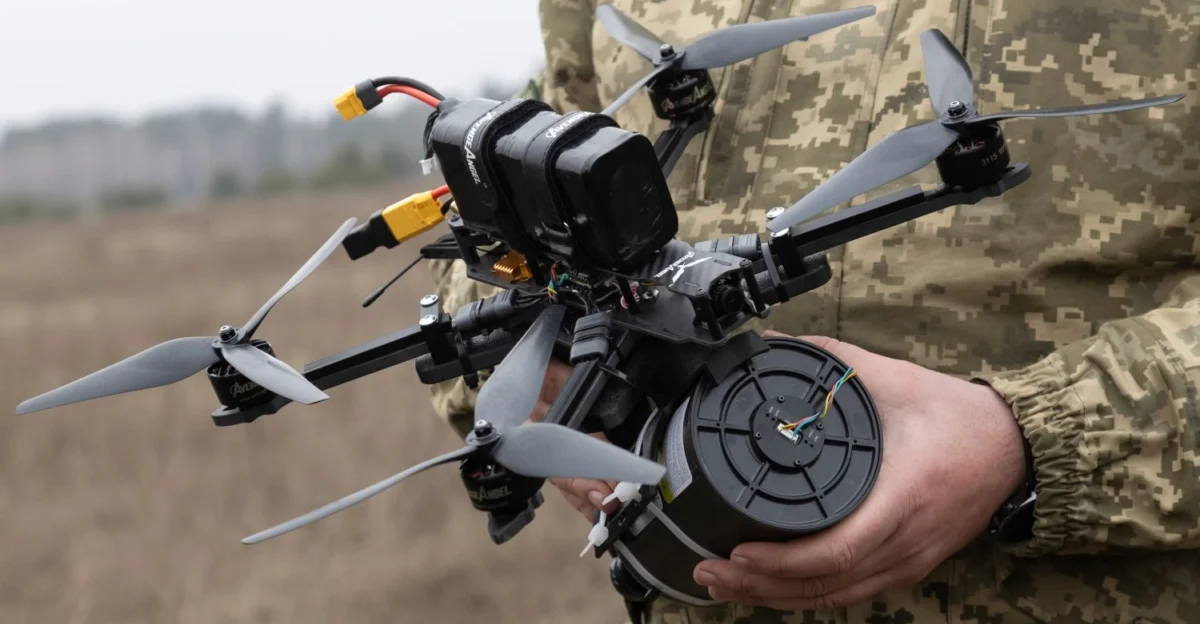
Ukraine’s success has ignited a worldwide surge in drone demand. Countries are increasingly seeking alternatives to traditional missile defense systems, recognizing the effectiveness and cost-efficiency demonstrated in the Ukraine-Russia conflict.
In Europe and Asia, defense manufacturers are ramping up drone and counter-drone production. Global defense markets are bracing for a sustained shift toward unmanned technology, with the growing interest in drones likely to reshape the defense landscape for years to come.
Western Sanctions Intensify
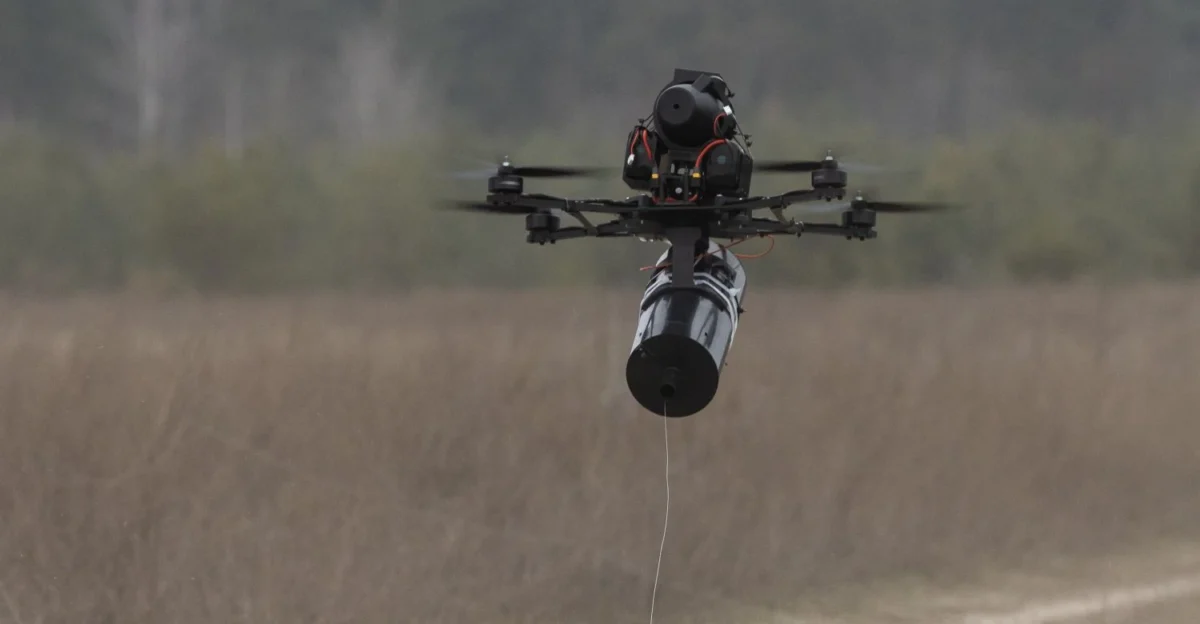
As Ukrainian drones decimate Russian assets, Western sanctions on Russian aerospace suppliers have intensified. These sanctions have disrupted supply chains, forcing Russia to seek alternative sources for vital military components.
This shift is reshaping global defense trade and influencing tech flow patterns across borders. As countries tighten their export controls, Russia is increasingly isolated from traditional suppliers, further complicating its defense efforts and equipment replacement needs.
Ukrainian Drone Operators—Heroes of the Battlefield
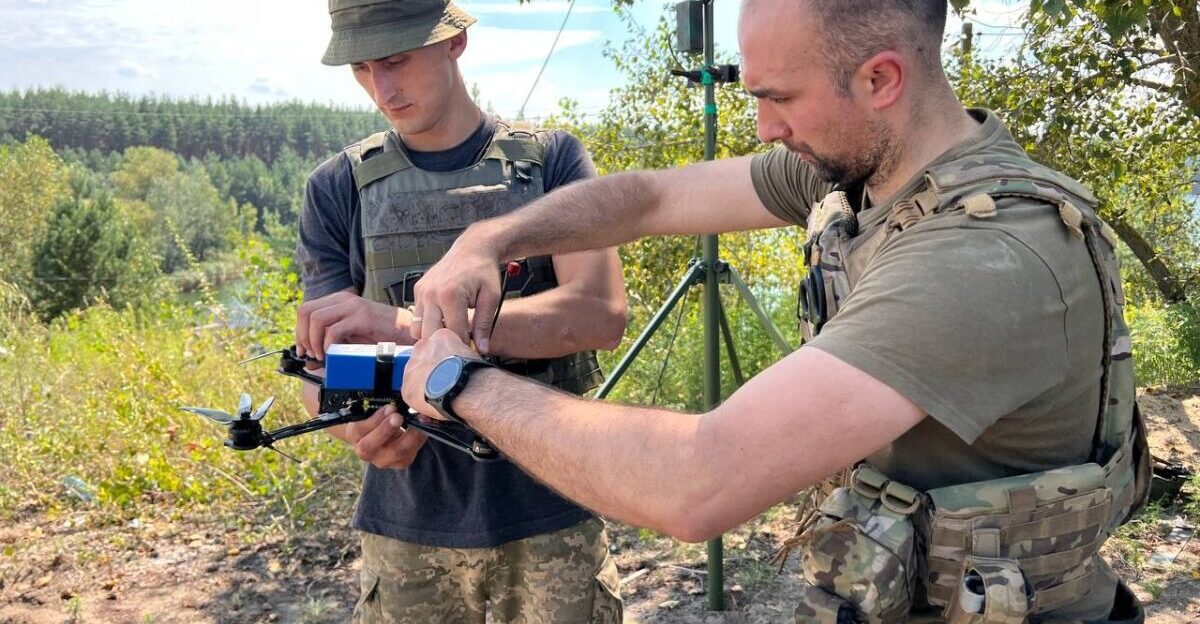
The operators behind Ukraine’s successful drone strikes have earned widespread recognition for their ingenuity and resourcefulness. Their tactical expertise has become the new gold standard in modern warfare.
Their success demonstrates how agile, low-cost solutions can make a significant battlefield impact. Ukrainian drone operators are being hailed for their ability to adapt quickly and decisively, providing a critical edge in the ongoing conflict.
Mounting Stress on Russian Troops
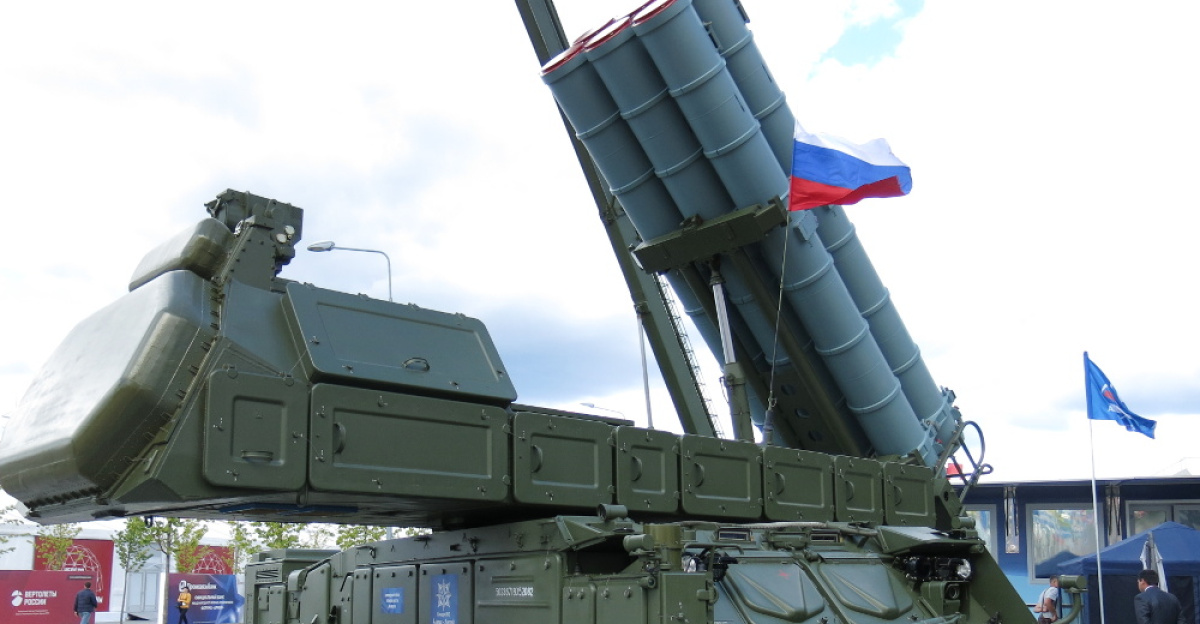
Russian air defense crews now face heightened stress, working under new and riskier conditions. With the vulnerability of their systems exposed, operators are relocated more frequently and must adapt to new, less predictable protocols.
These increased pressures have created a high degree of uncertainty on the Russian side. As Ukraine continues to exploit weaknesses, Russian troops must contend with rapidly evolving threats and the ever-present risk of being outmaneuvered by smaller, more agile forces.
Revising Military Doctrines
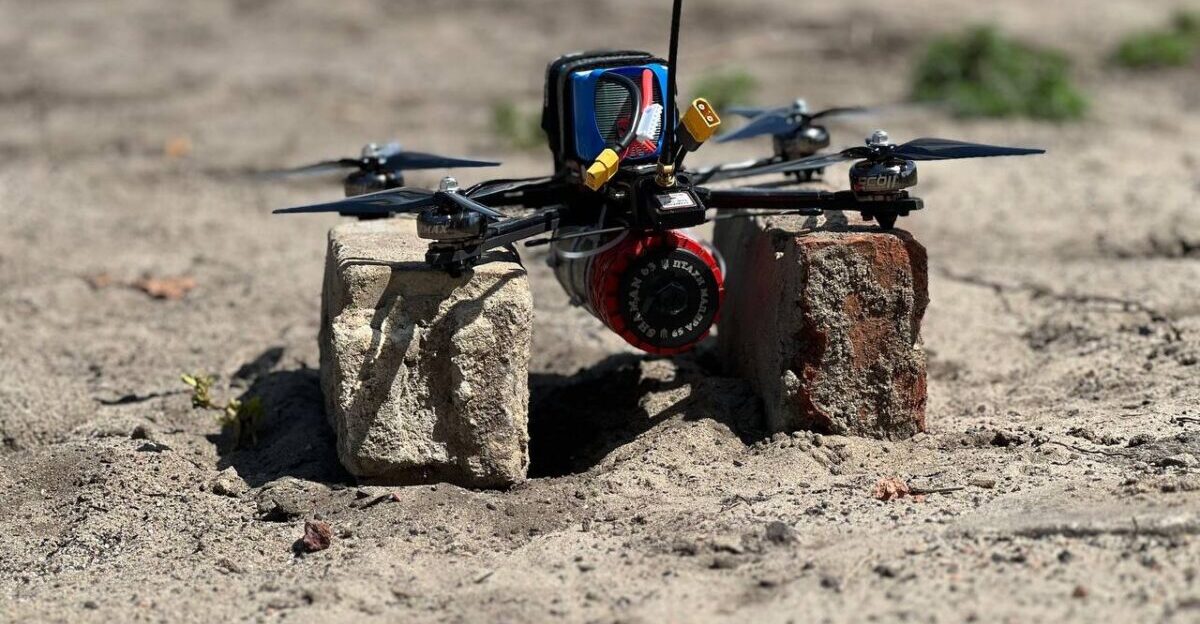
In response to these developments, both Ukraine and Russia are revising their military doctrines. Ukraine’s establishment of the Unmanned Systems Forces in 2024 set a clear precedent for integrating drones into military strategy.
Russia, meanwhile, is focusing on counter-drone measures to safeguard its assets. As both sides adapt their strategies, it’s clear that drone warfare will continue to shape military doctrine for years to come.
Financial Repercussions for Russia

The destruction of these high-end defense systems has profound financial consequences for Russia. The country faces urgent needs to replace lost assets, and the added expense of bolstering defenses against drones is putting immense strain on Russia’s defense budget.
As Russia scrambles to replace its air defense systems, the financial burden grows heavier. These costs are further compounded by the challenges of sourcing components under international sanctions, forcing Russia to consider alternative, potentially less effective systems.
Psychological Toll on Civilians
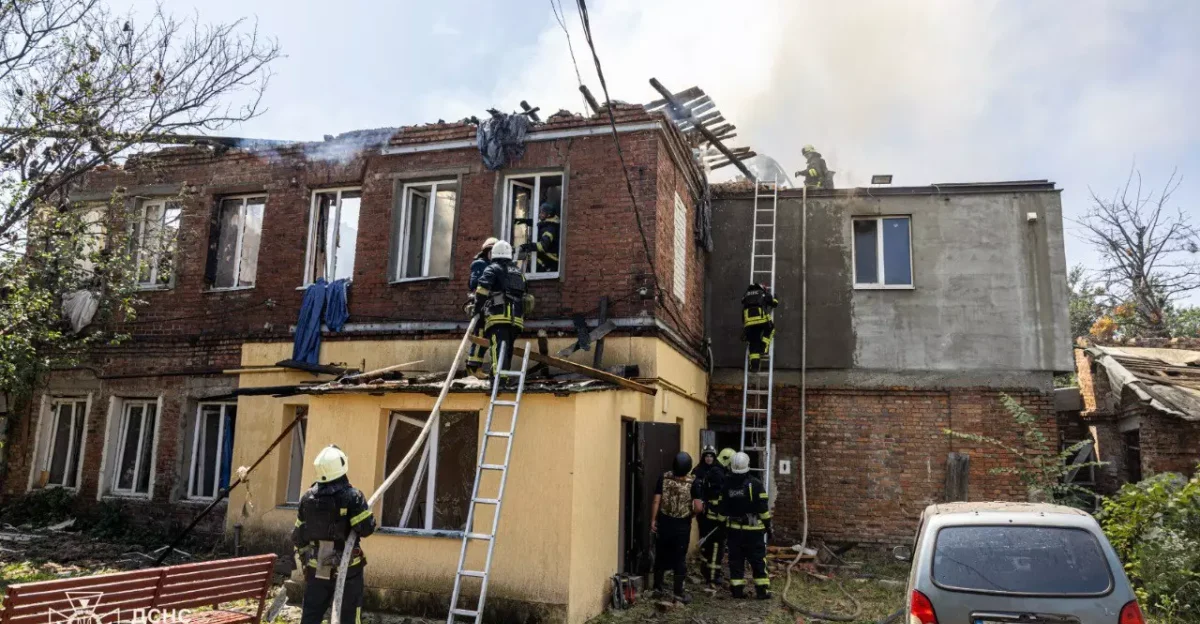
As drones dominate the battlefield, civilian populations in Ukraine and Russia are feeling the impact. Air raid alerts have become routine, and the psychological toll on civilians is mounting in both countries.
Mental health support services are expanding to help those affected by the constant threat of drone strikes. As the war drags on, the emotional strain of living under such conditions has become a significant concern for both nations.
Ethical Debates of Drone Warfare
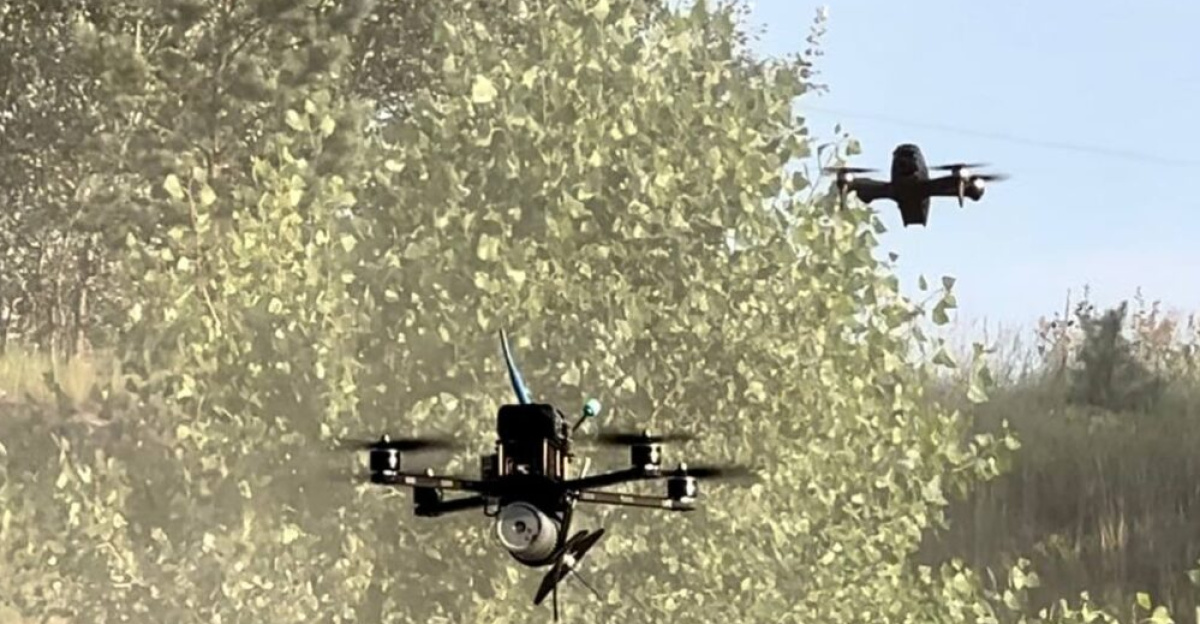
The growing use of drones in warfare has sparked intense ethical debates. Concerns about civilian casualties and the environmental impact of destroyed military hardware are at the forefront of these discussions.
However, proponents argue that drones, with their precision, can reduce direct human casualties by minimizing the need for troop engagement. Drones are seen as a way to strike key military targets with greater accuracy, potentially saving lives in the long run.
Tech Startups vs Legacy Defense Firms
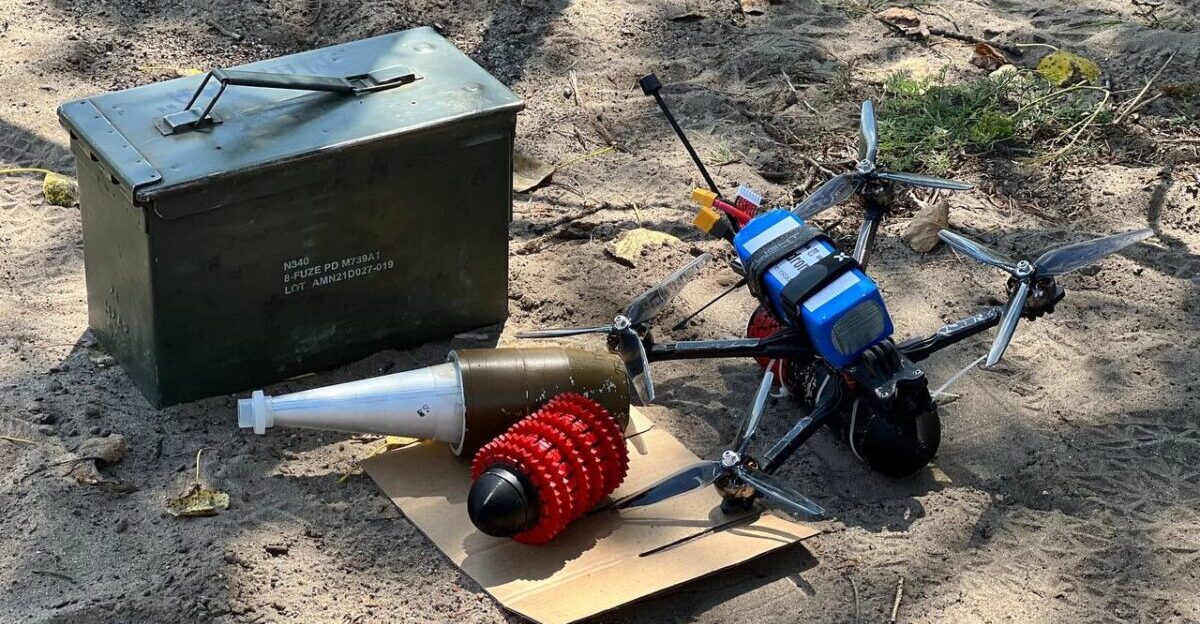
Ukraine’s drone success has bolstered tech startups in the defense industry, while legacy defense firms reliant on outdated systems are facing challenges. As demand for drones rises, traditional defense contractors are forced to adapt to new market realities.
These legacy firms are now grappling with the reality that agility and innovation are becoming more important than size and resources. The shift toward smaller, more flexible tech companies is a sign of the changing dynamics within the defense industry.
Financial Markets Respond
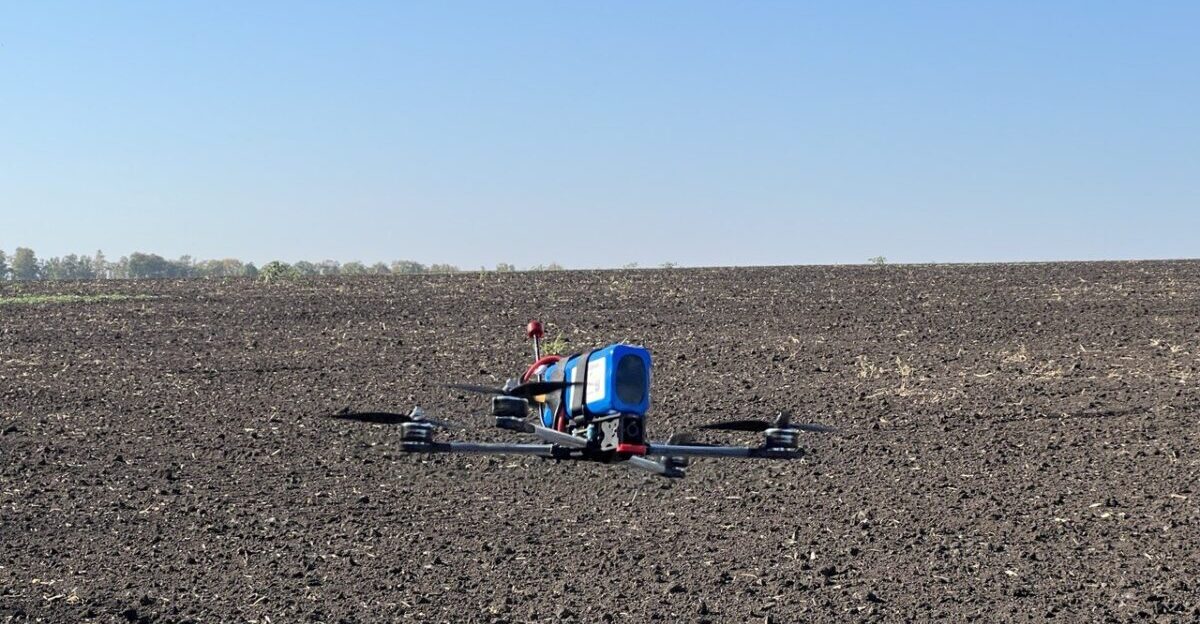
The surge in drone demand is causing ripples across global financial markets. Investors are keenly watching tech companies involved in drone production, with many outperforming traditional arms manufacturers.
Experts note that trends in drone regulation and cybersecurity will be key factors influencing future investments. As the drone industry continues to evolve, so too will the financial landscape, with new opportunities emerging for those who are quick to adapt.
The Future of Warfare
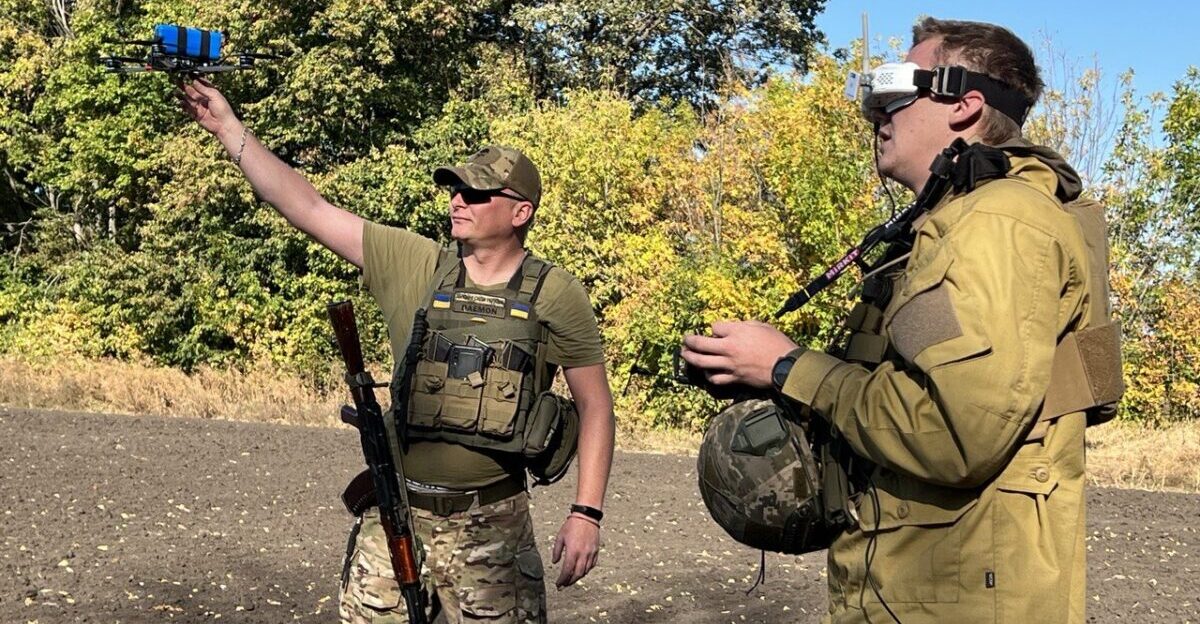
Ukraine’s success with drones signals a profound shift in the nature of warfare. The August 2025 drone strikes challenge long-held assumptions about the invincibility of expensive defense systems and open the door to a new era of conflict driven by technological innovation.
This shift raises questions about how future wars will be fought. With the emergence of asymmetric tactics, smaller forces equipped with smart technology can now compete with, and sometimes even surpass, traditional military powers.