On July 1, 2025, a telescope in Chile found something amazing moving through space at 130,000 miles per hour—the fastest object from another star system ever seen.
This visitor, known as 3I/ATLAS, was approximately the size of Manhattan and was only the third confirmed object from outside our solar system.
Scientists knew this ancient traveler could teach us about distant star systems formed billions of years ago.
Political Collision

By early November 2025, what should have been an exciting discovery turned into a mess. The U.S. government shutdown, which began on October 1, halted 85% of NASA’s work, forcing scientists to go home without pay.
Important data about 3I/ATLAS from its Mars flyby on October 3 stayed locked in NASA computers. Florida Congresswoman Anna Paulina Luna grew frustrated as weeks passed.
The comet was disappearing behind the Sun.
Discovery’s Promise
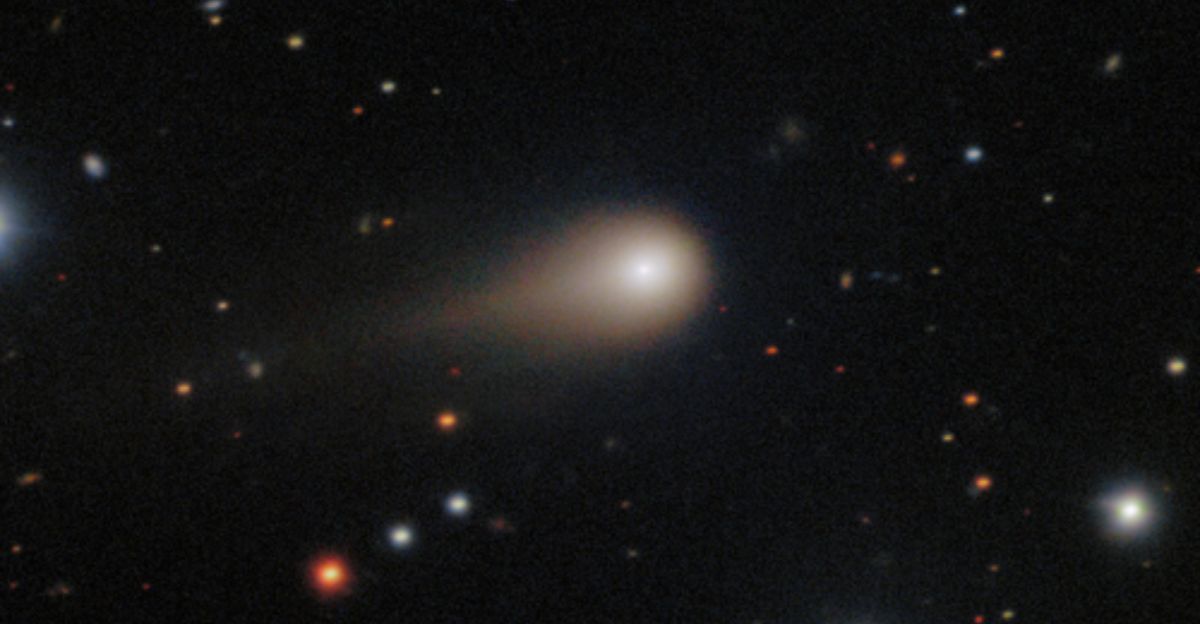
The ATLAS telescope in Chile first spotted the object on July 1.
Within one day, scientists confirmed that it came from outside our solar system based on its path—it would pass through once and never return.
The “3I” name marked it as the third visitor ever confirmed, after ‘Oumuamua in 2017 and Borisov in 2019.
Unlike ‘Oumuamua, this one clearly looked like a comet with gas and dust.
Mounting Urgency
As 3I/ATLAS moved toward the Sun during summer 2025, scientists around the world rushed to study it.
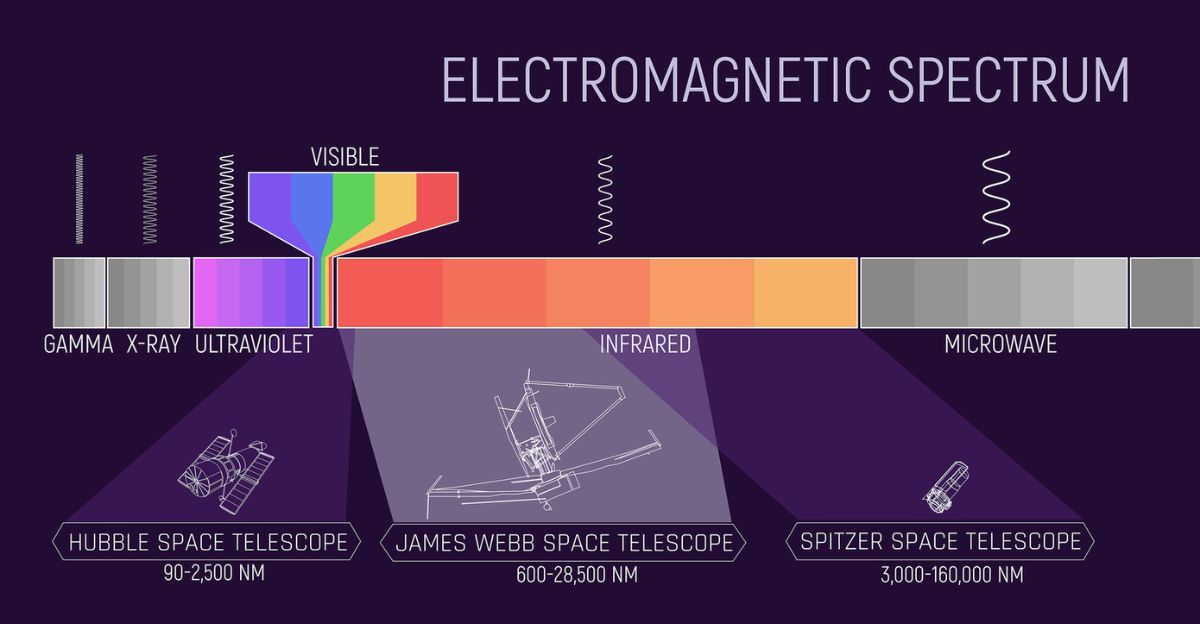
NASA’s Hubble Space Telescope took pictures on July 21, showing the comet was about 3.5 miles wide. The James Webb Space Telescope studied it on August 6, revealing the presence of unusual chemicals.
By late September, the comet was heading behind the Sun, where Earth’s telescopes couldn’t see it. NASA’s Mars spacecraft is prepared for close-up photos.
Shutdown Strikes
At midnight on October 1, 2025, the federal government shut down after Congress failed to agree on a budget, affecting approximately 900,000 workers.
NASA was hit hard, with 85% of its workers sent home. Public websites, databases, and social media went dark. NASA’s Mars spacecraft captured amazing photos of the comet on October 2 from a distance of 30 million kilometers.
Those pictures remained unreleased, as only essential staff were needed to keep the spacecraft running.
Goddard’s Struggle
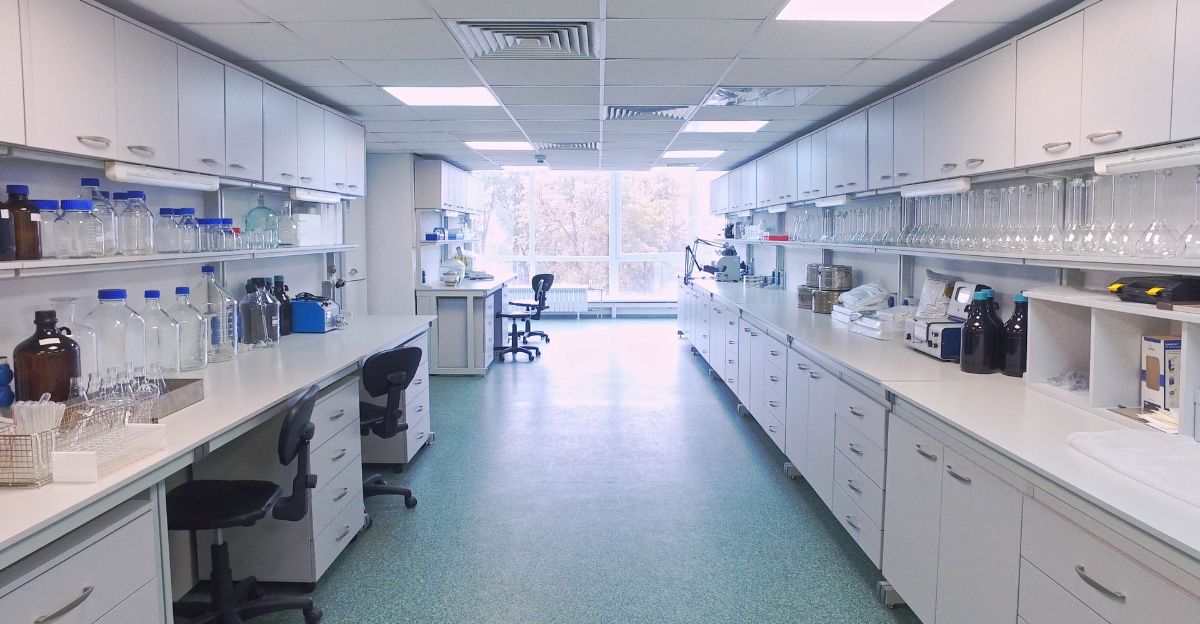
At NASA’s Goddard Space Flight Center in Maryland—home to the Hubble and Webb telescopes, as well as many other missions—the shutdown caused significant problems.
CNN obtained emails showing workers were called back just to empty buildings of equipment that might be “thrown away or donated.”
Thirteen buildings were being locked, including 100 labs. Workers worried that the shutdown was being used as a pretext to permanently close facilities. The problems affected all NASA science, not just 3I/ATLAS.
Scientist’s Frustration

Harvard scientist Avi Loeb became a prominent voice among researchers. He stated he’d asked NASA’s imaging team for data “but never received a response.”
Loeb emphasized that open communication is important in science. “When information gaps occur, conspiracy fills the void,” he noted. His remarks spread on social media, where various theories about the comet appeared.
Loeb also observed that European and Chinese space agencies had released their 3I/ATLAS observations, whereas NASA had not.
International Advantage
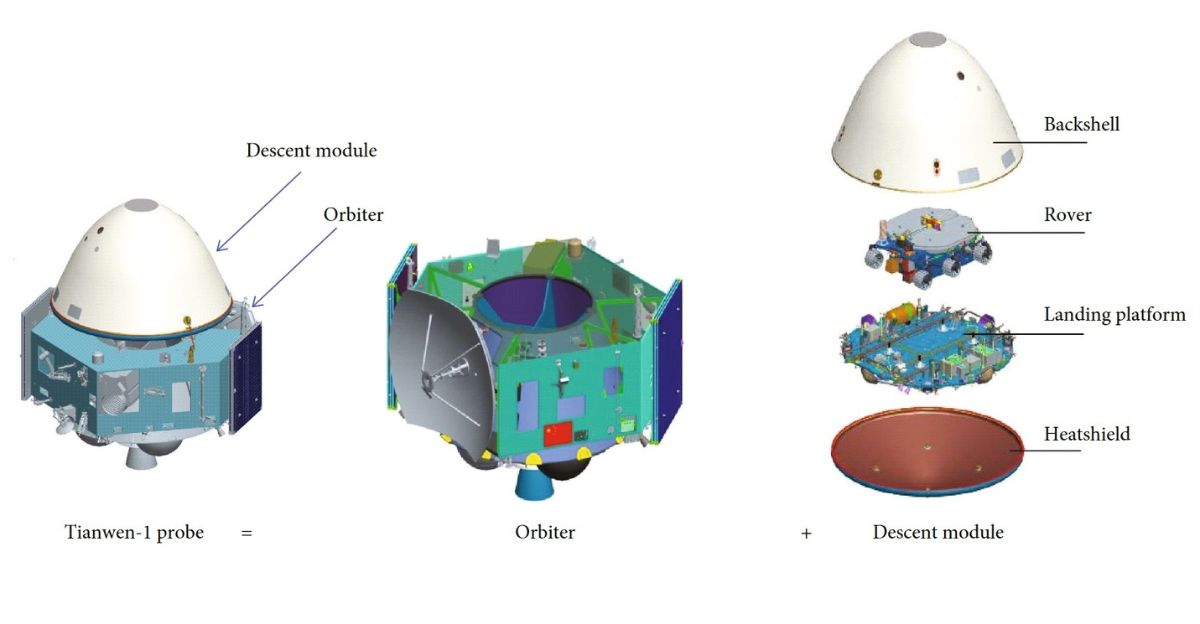
While NASA stayed frozen, other countries’ space agencies stepped in. China’s Mars orbiter captured images of 3I/ATLAS on October 3, revealing the comet’s center surrounded by a gas cloud.
The European Space Agency’s Mars spacecraft studied it from October 1 to 7, analyzing its chemical composition. ESA published its findings openly in November.
Japan planned future observations. While NASA sat silent, the rest of the world advanced in science. American researchers had to read discoveries they should have led.
Chemical Mystery
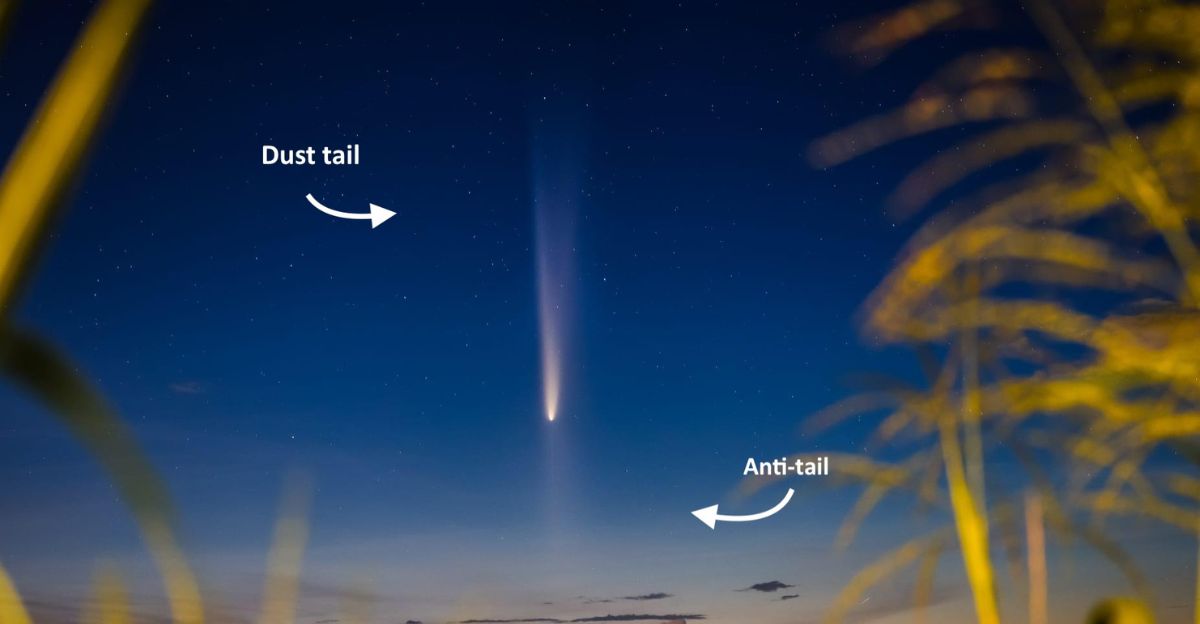
The science was urgent. James Webb Telescope data from August showed that 3I/ATLAS had the highest carbon dioxide-to-water ratio ever measured in any comet: 8 to 1, compared to the normal 1 to 1.
This suggested it formed near a different star under very different conditions. The comet’s 130,000 mph speed meant it had drifted through space for billions of years.
It’s unusual “anti-tail”—dust pointing toward the Sun—added another mystery. Every lost day meant lost science.
Hidden Cost

The shutdown’s real damage was more than delayed data—it hurt public trust in science. While NASA stayed silent, conspiracy theories about aliens spread on social media.
Even Kim Kardashian asked NASA to share information, receiving a quick response stating “No aliens. No threat,” while real scientists like Loeb were ignored.
If NASA answered celebrities but not researchers, what else was it hiding? The shutdown turned normal delays into fuel for doubt about scientific honesty.
Congressional Intervention

On October 31, 2025, Representative Anna Paulina Luna sent a letter to NASA’s head demanding the release of “specific observational data related to 3I/ATLAS.”
The Florida Republican’s request named the Mars photos from October 2-3 and any recordings of “unusual activity near Mars.”
“This information is of great importance,” Luna wrote, calling for openness and accountability. She was working with Loeb.
Luna asked NASA to fund more observations when the comet passes Jupiter in March 2026.
Briefing Promise
NASA quickly responded to Luna’s letter, setting a meeting for November 6, 2025. After the briefing, Luna announced she’d received a promise: “As soon as the government reopens, they’ll be releasing images/data.
Unfortunately, due to bureaucratic reasons, they cannot until then.” A government source confirmed NASA would release everything once operations resumed.
The explanation was clear: shutdown rules—not secrecy—prevented release. NASA’s hands were tied by law, not conspiracy. Some critics remained frustrated.
Breakthrough Observed
While waiting for NASA’s data, other astronomers captured 3I/ATLAS undergoing dramatic changes. The comet reached its closest point to the Sun on October 30 at 126 million miles.
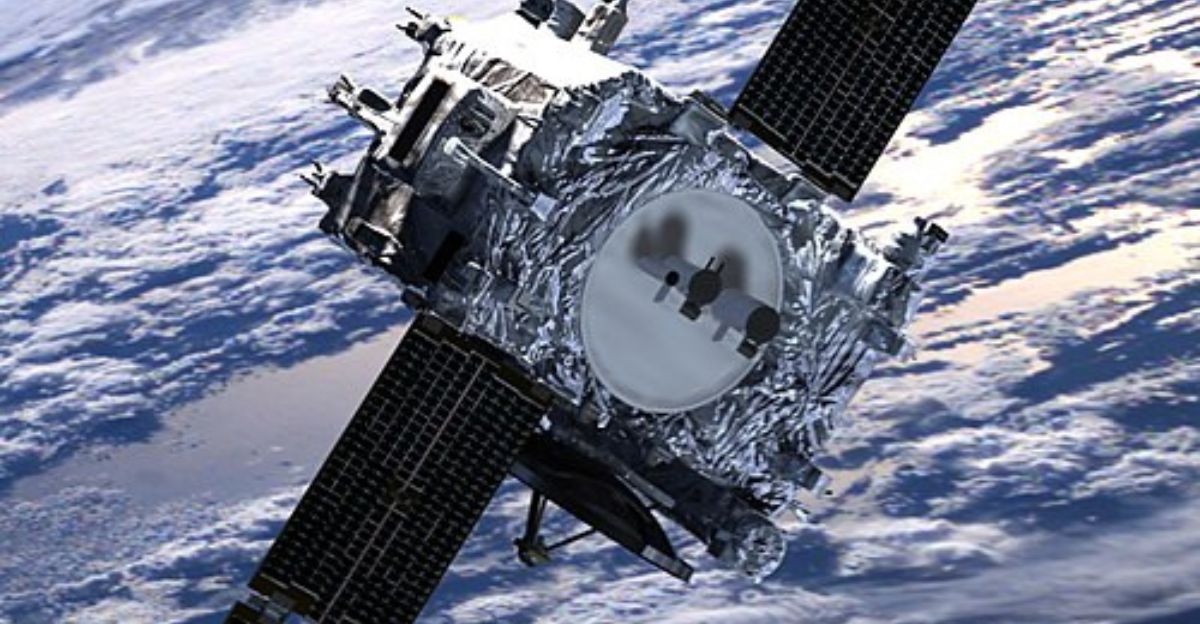
Sun-watching satellites observed it brightening much faster than expected—about twice the normal rate—suggesting an intense gas release as ice vaporized.
The comet appeared “distinctly bluer than the Sun,” showing gas rather than dust. South Africa’s radio telescope detected water signals, confirming the presence of H2O despite earlier findings of CO2.
Shutdown Ends
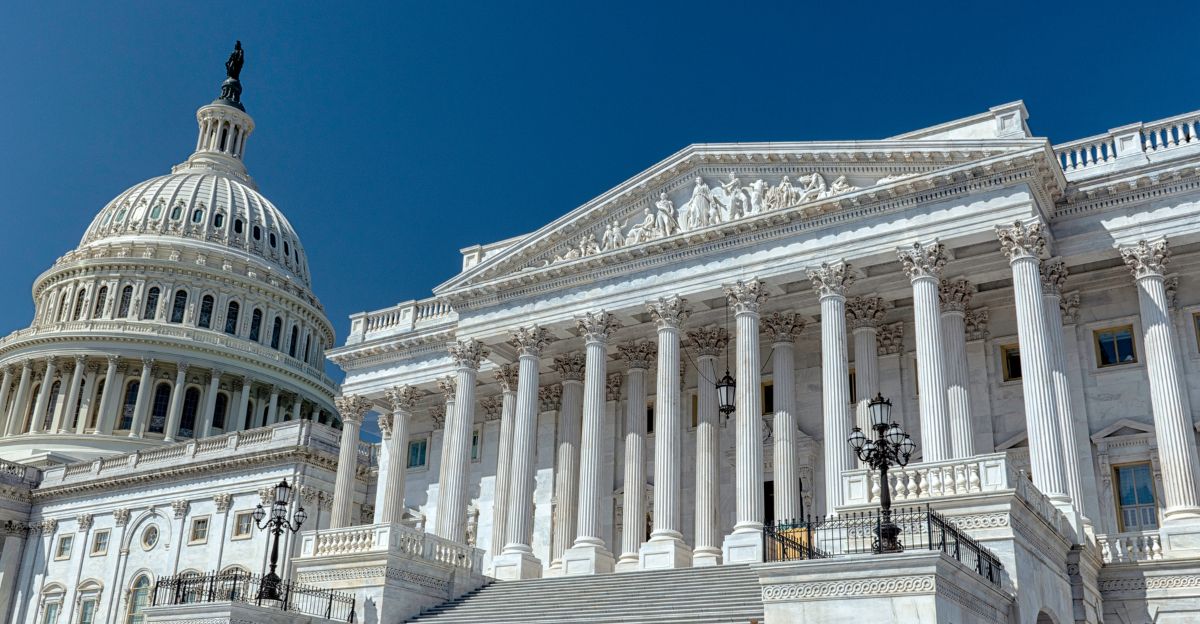
On November 11, 2025—day 41 of the shutdown—the Senate voted 60-40 to pass a funding bill to reopen the government.
The deal ended the longest shutdown in U.S. history, which had affected 900,000 workers. For NASA, the timing was critical: missions were delayed, partnerships strained, and trust damaged.
The space agency faced a huge backlog, including the 3I/ATLAS images. Scientists warned that weeks of lost observations during the comet’s most active period could never be recovered.
Final Passage
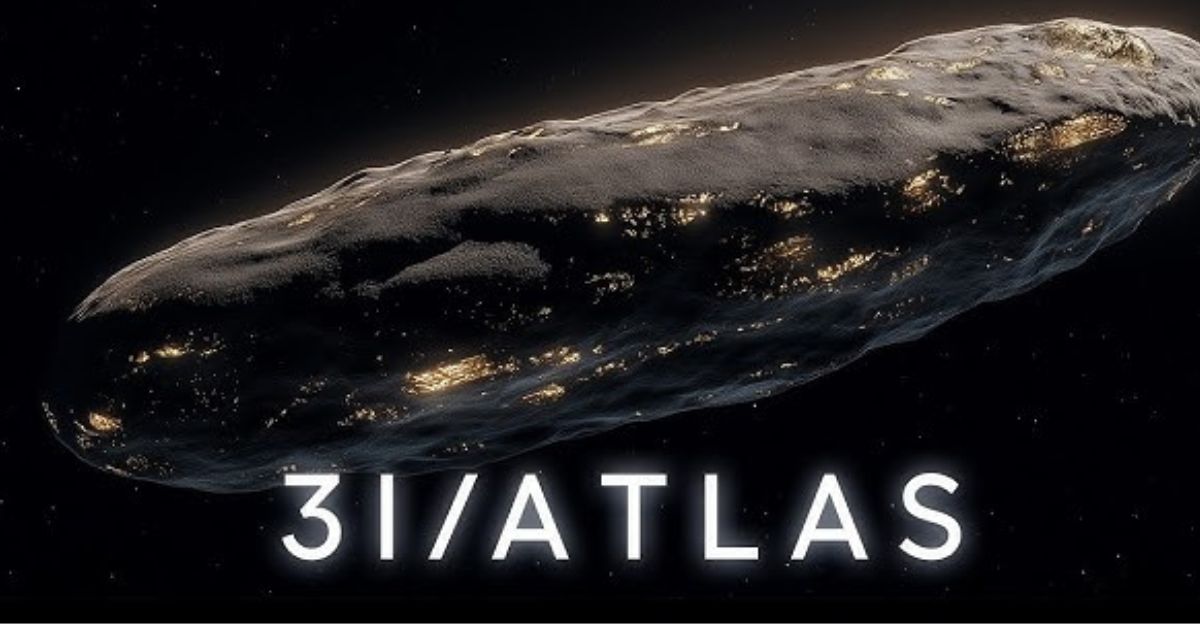
3I/ATLAS will pass closest to Earth on December 19, 2025, at a distance of 270 million kilometers. The comet reappeared in Earth’s morning sky on November 11, visible through large telescopes.
Scientists predict that it will remain visible through May 2026, disappear, and then return in September 2026 near Saturn’s orbit.
In March 2026, NASA’s Juno spacecraft will observe it near Jupiter before 3I/ATLAS leaves our solar system forever.
One question remains: Will political problems again block science when the next visitor arrives?