
Rafael Perales noticed his 1-year-old daughter Alisa mastering the alphabet and counting into the hundreds while other toddlers were just learning to walk. He made a life-changing choice: leave his law career to teach her full-time.
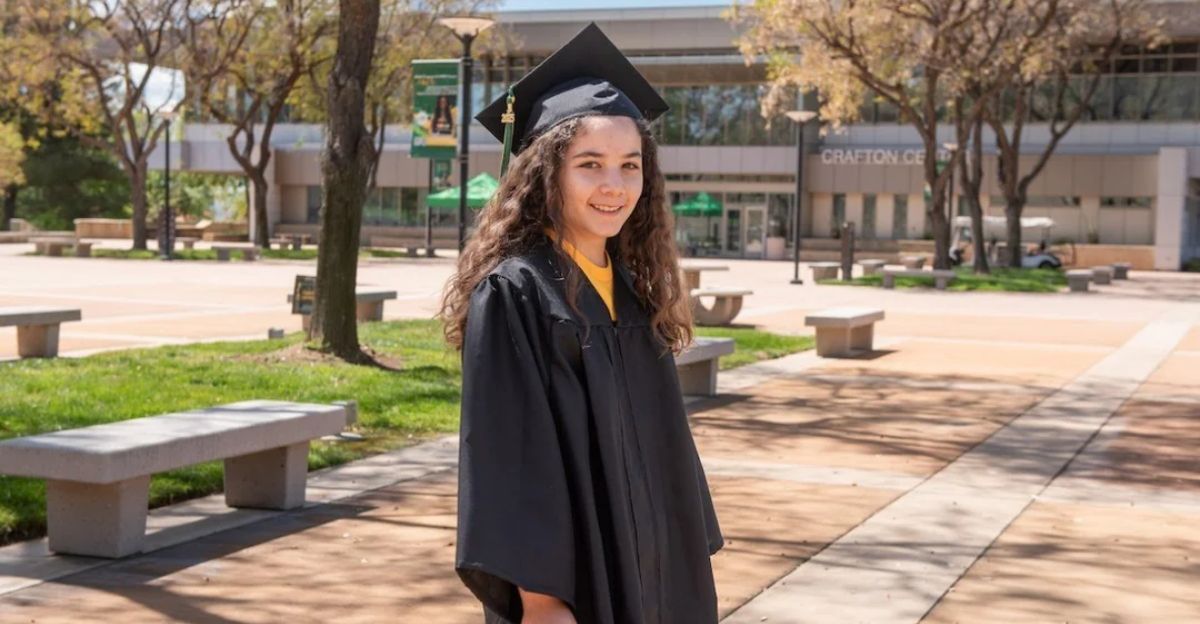
In May 2025, 11-year-old Alisa graduated from Crafton Hills College with two associate degrees. She is headed to UC Riverside for computer science. This achievement comes from one radical parenting philosophy that prioritizes children above everything else, shaping a decade of sacrifice and focus.
Meet Alisa: The Child Who Amazed Everyone
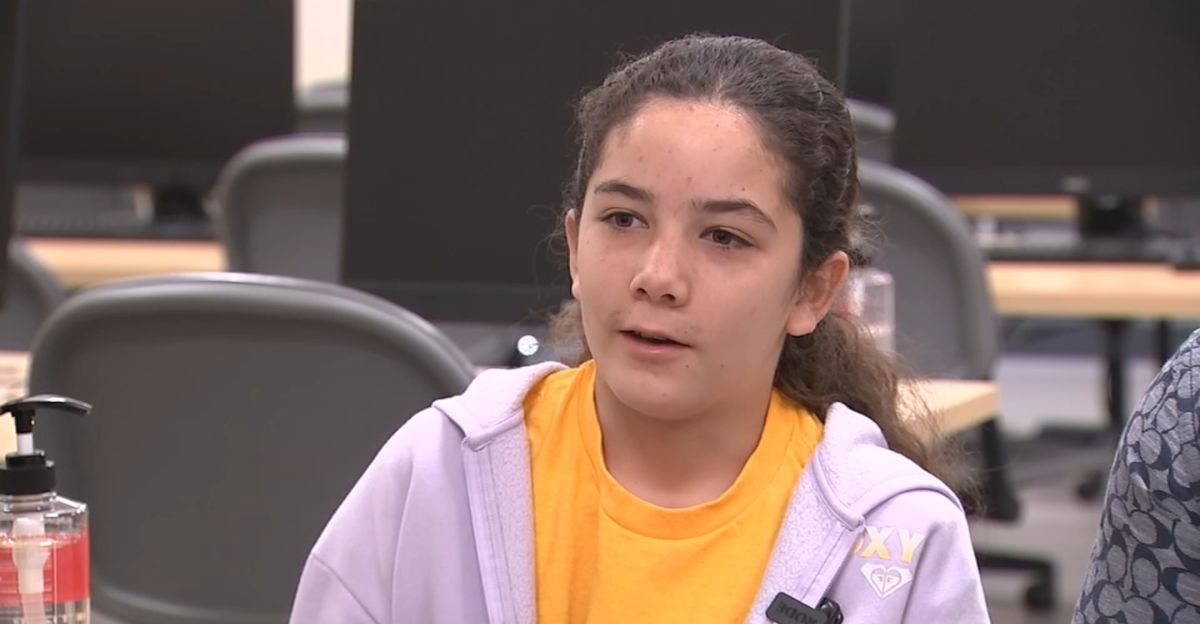
Alisa could read chapter books by age 2½, learned algebra at age 5, and finished high school at age 8. By 11, she had two associate degrees in math and science and a 3.8 GPA.
According to People magazine, she says learning is “very fun to me—almost as fun as playing outside.” Her progress wasn’t luck. It came from structured, intensive education that began before she could walk, laying the foundation for a decade of extraordinary achievement.
The Rule That Guides Every Decision
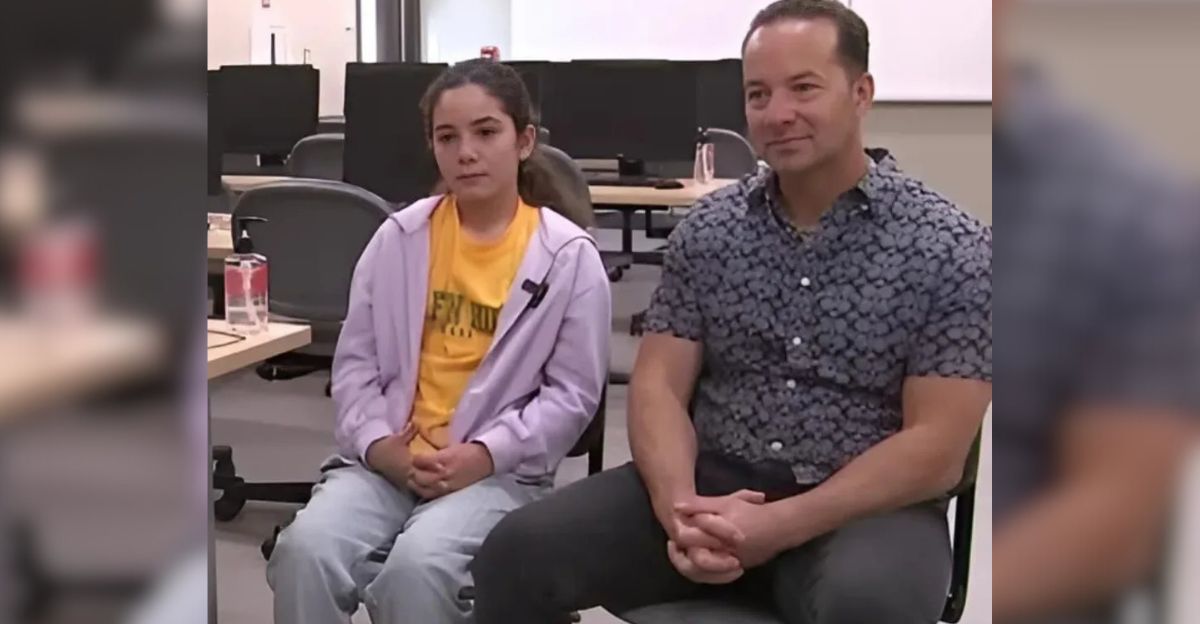
Rafael’s parenting rule is clear: “Kids come first. She comes before everything, including myself. I’m pretty far down the list of important things.” This rule has shaped every major choice he’s made for a decade.
His rule emphasizes prioritizing child development over money, career, and social expectations. This philosophy set the stage for Alisa’s extraordinary academic journey.
A Bold Choice in the Early Years
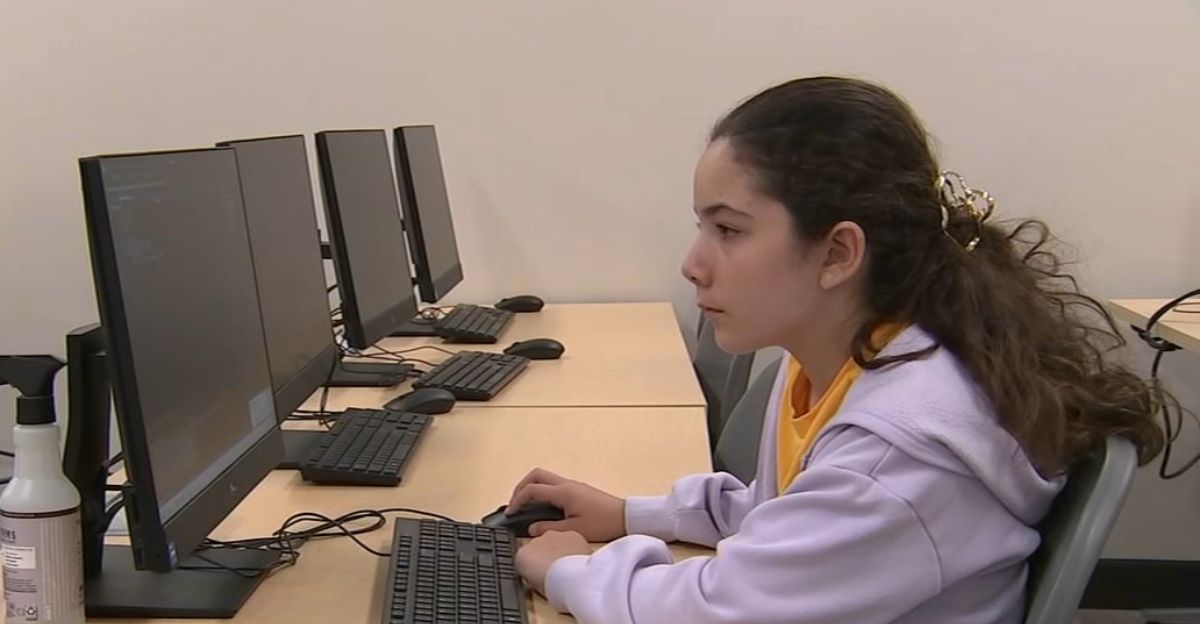
At age 1, Alisa’s advanced abilities pushed Rafael to make a difficult choice. He quit his law practice to focus entirely on her education. Financial security disappeared, replaced by income from real estate investments purchased with a modest inheritance.
This wasn’t impulsive. It was a calculated decision based on recognizing Alisa’s rare potential. Traditional schooling might not have met her needs. This choice laid the foundation for a structured, intensive learning environment that would carry her to college by age 11.
Building a Full-Time Learning Routine
Rafael created a daily schedule from 8 a.m. to 4 p.m., six days a week, with no traditional breaks. Learning became a profession, not a hobby.
The Spokesman-Review notes they “treated learning like a profession.” Research from Crown Counseling shows most homeschooled children study 3-5 hours daily, while Rafael’s approach was far more intensive. This rigorous routine built academic discipline and stamina, preparing Alisa for challenges far beyond her age and keeping her learning consistently engaging.
Learning Beyond Books and Classrooms

Rafael added educational trips to landmarks like the Grand Canyon, Mount Rushmore, and Yellowstone. These trips made abstract lessons real and kept learning exciting year-round.
People magazine highlights that this approach kept Alisa intellectually engaged. Research shows that children with involved parents perform better academically. Experiential learning, like these trips, reinforced her studies while offering adventure, connecting classroom knowledge to the world, and strengthening her understanding of science, math, and history.
Balancing Study and Play

Even with intensive academics, Rafael prioritized fun. Weekly Disneyland trips, playdates, and scooter rides gave Alisa opportunities to relax and enjoy childhood.
CNBC quotes Rafael calling Disneyland a “release valve.” Studies in the Journal for the Education of the Gifted show that gifted kids need both challenge and social activity to avoid isolation and burnout. Balancing academics and play helped Alisa stay motivated and happy, creating a foundation for long-term success.
Facing Emotional Challenges and Rewards

Rafael admits the journey brought financial struggles and uncertainty. They often “scraped by for many years.” Yet he stayed confident: “I always had confidence that I would find a way to make it, no matter what.”
Rafael says teaching Alisa was “a joy, privilege, and honor.” Emotional resilience was key. Despite stress and social criticism, he remained committed to her education. This steadfast approach ensured Alisa thrived academically while enjoying childhood milestones.
Sacrificing Finances for Education

Leaving a legal career meant a significant loss of income. The family relied on real estate investments for basic survival.
Research by Country Financial shows parents often take on $31,000 in debt for their children’s education. Laurel Road reports 78% of parents prioritize education over personal finances. Rafael’s sacrifice went further, abandoning an established career entirely. His commitment highlights the extreme lengths some parents go to support exceptional talent.
Alisa’s Next Adventure: College Life
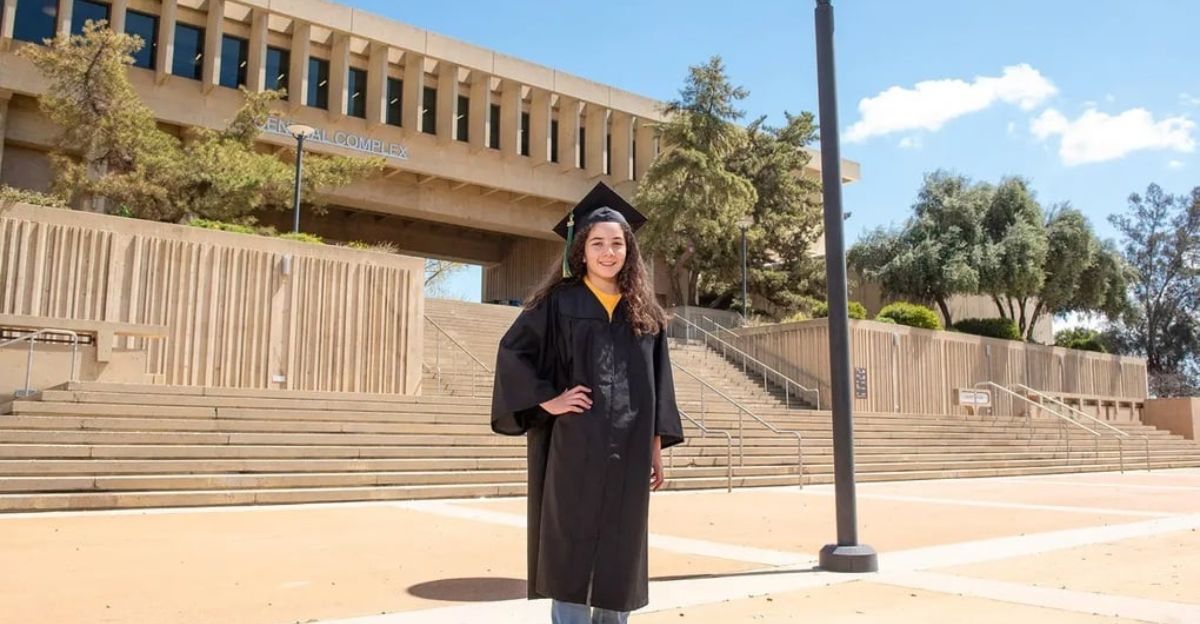
At 11, Alisa plans to study computer science at UC Riverside. She hopes to enter the tech industry or launch her own startup.
Rafael will stay closely involved, chaperoning travel, waiting on campus during classes, and supporting any ventures she pursues. His “kids first” philosophy extends beyond childhood, ensuring continued mentorship during higher education. This ongoing guidance demonstrates that exceptional parental dedication doesn’t end when children leave home.
Experts Explain Why Involvement Matters
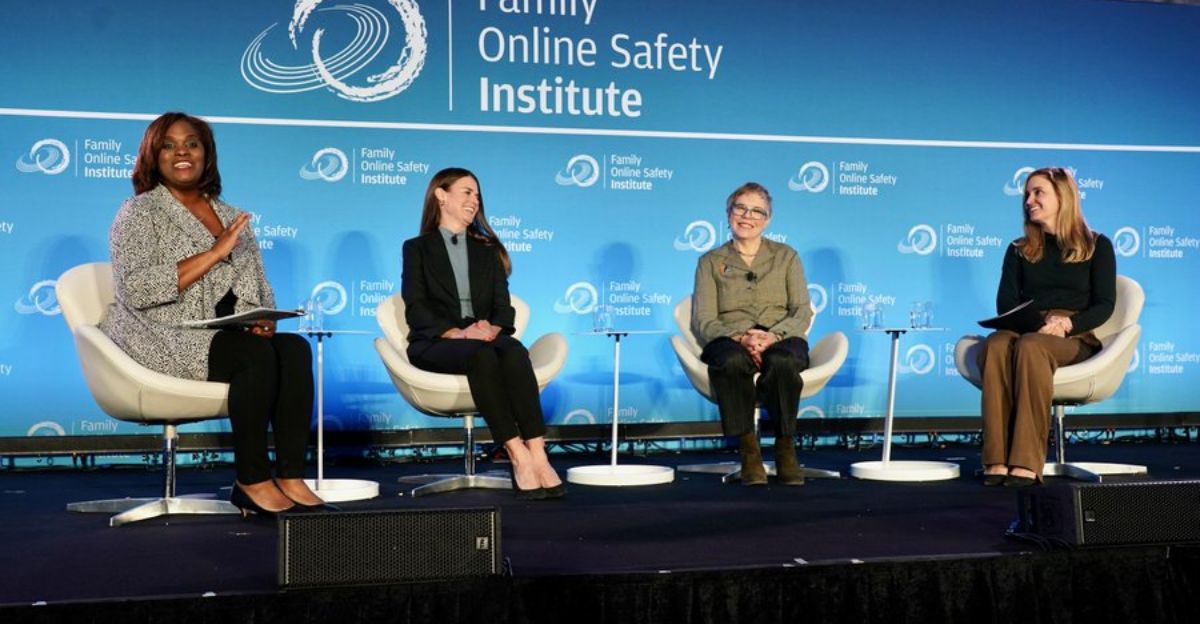
Child psychologist Tovah Klein tells CNBC Make It that “quality of time spent with kids typically matters more than quantity.” Engaged parenting fosters confident, motivated children.
Research shows parental involvement strongly predicts academic success. Homeschooled students score 15-25 percentile points higher on standardized tests than public school peers.
About 67% go on to college versus 59% in public schools. This evidence supports Rafael’s intensive involvement as a key factor in Alisa’s outstanding performance.
Is This Gifted or Extreme Parenting?
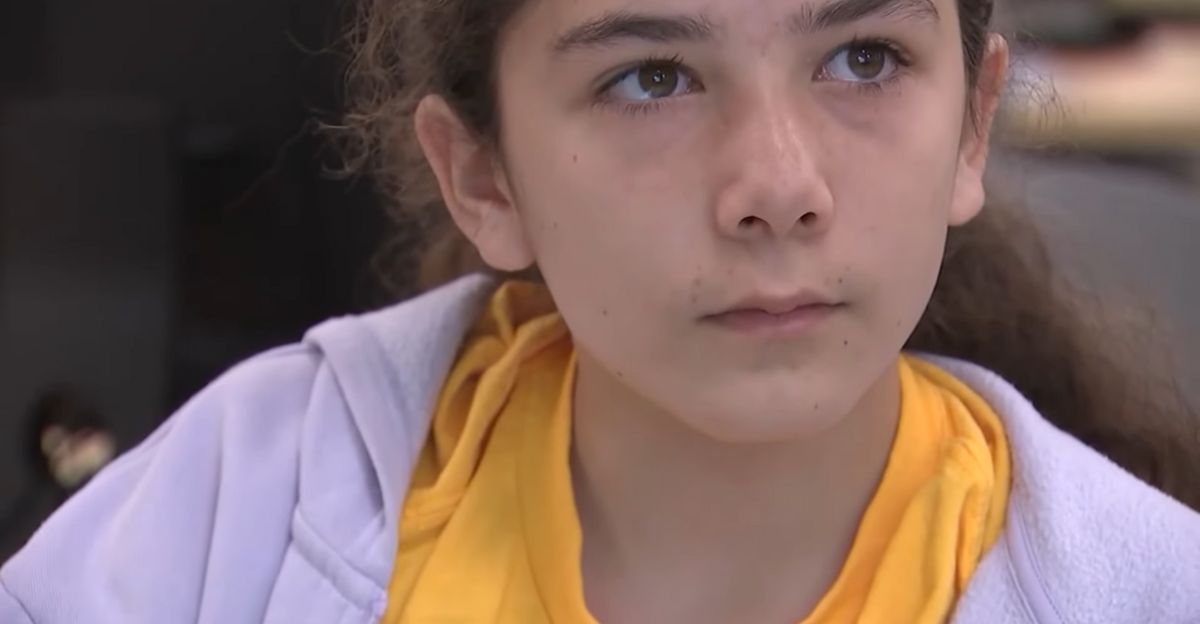
Some critics question whether Rafael’s approach is healthy or replicable. Mensa consultant Lyn Kendall warns that parenting gifted kids can be “exhausting, frustrating, nearly ruins marriages.”
Studies show intensive parenting can increase stress but also improve child outcomes. The debate focuses on whether such dedication unlocks potential or creates pressure. Rafael’s journey demonstrates careful balance: extreme support can yield exceptional results while managing emotional and social risks.
Lessons From Rafael’s Approach
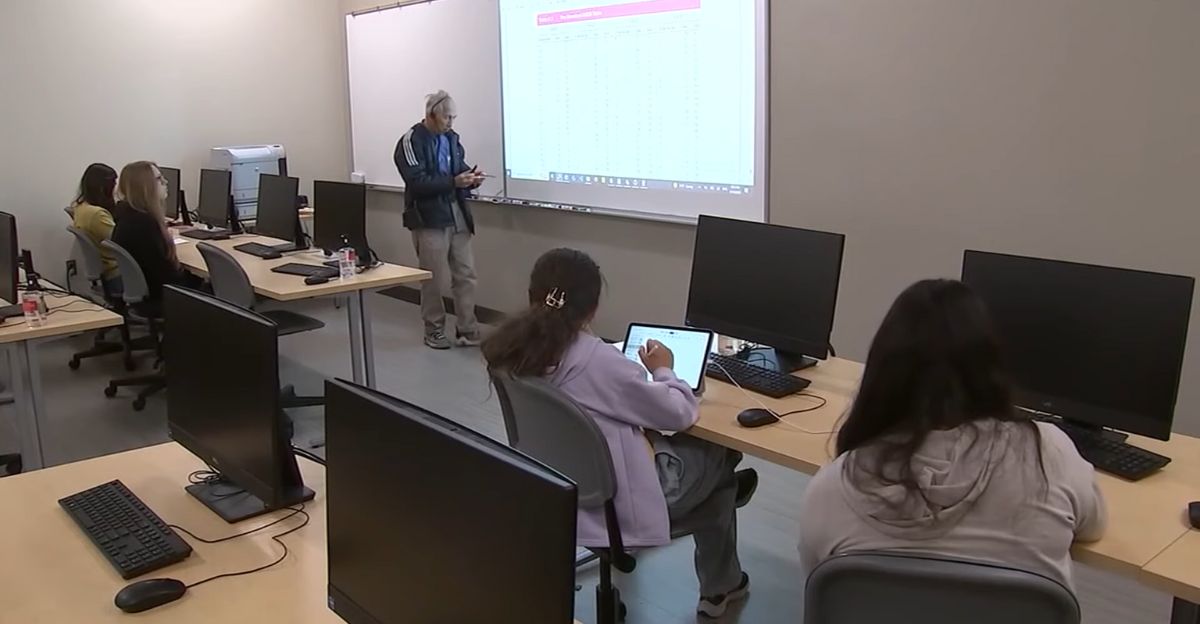
Rafael’s approach teaches valuable principles: prioritize children’s development, build structured routines, and think long-term.
Research by Carol Dweck finds praising effort rather than innate ability builds resilience and motivation. Johns Hopkins University notes 50,000-140,000 gifted students are homeschooled nationally. Rafael’s method shows that tailored, long-term strategies can help exceptional children reach their full potential while maintaining emotional well-being.
Supporting Social Growth

Alisa kept friendships through playdates and will meet college peers with shared interests. Gifted children often struggle socially due to asynchronous development.
Davidson Institute research explains that cognitive advancement can outpace social-emotional growth. Rafael balanced academics with age-appropriate interactions and peer learning, giving Alisa intellectual and social support. She experienced friendship and collaboration alongside rigorous study, ensuring a well-rounded childhood despite advanced academic placement.
Challenges and Criticism of Acceleration

Critics warn that accelerated childhoods can increase anxiety, isolation, and perfectionism. Gifted children may face social and emotional risks if not supported.
Research by Miraca Gross shows young accelerated students often report life satisfaction, strong careers, and positive relationships. Additional studies find that acceleration doesn’t harm psychological well-being when done correctly. Rafael’s method demonstrates that carefully managed acceleration can enhance success without causing lasting harm.
Alisa Speaks for Herself
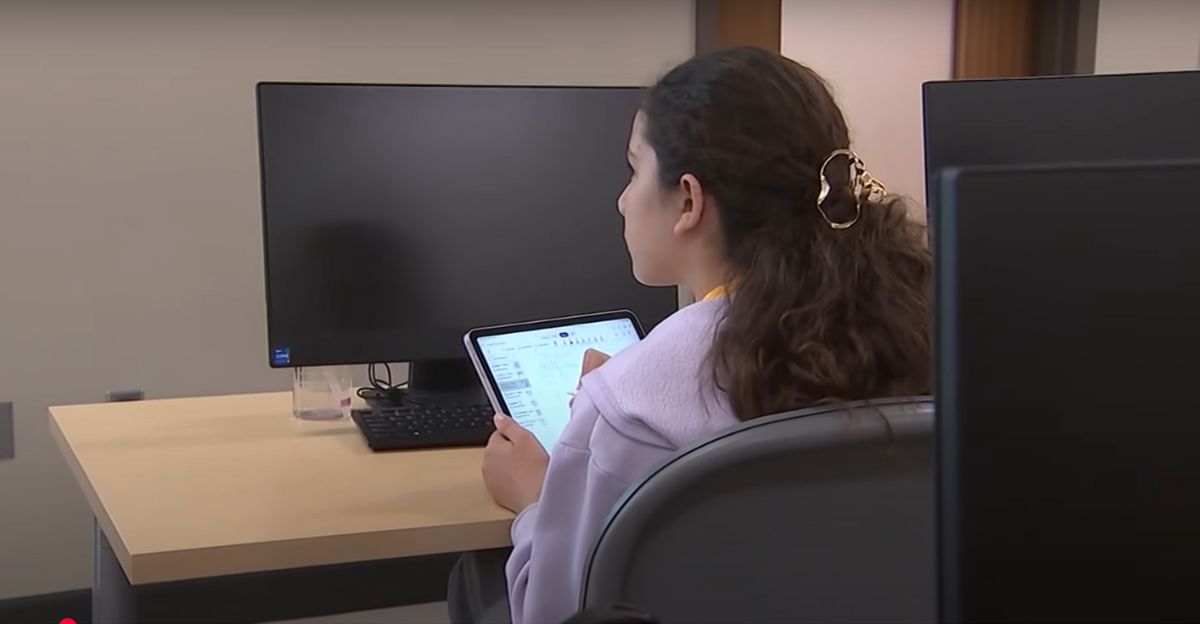
According to the Spokesman-Review, Alisa says her journey was “challenging but rewarding.” She worked hard and felt capable, yet she acknowledged the effort involved.
She adds, “It’s really exciting for me that I’m actually graduating at 11 with two degrees. It’s just cool,” told People magazine. Her words show she enjoyed learning and remained intrinsically motivated. Rafael’s guidance allowed her to thrive academically while keeping her own voice and enthusiasm central.
Is This Sacrifice Worth It?

Rafael’s extreme dedication is rare and not feasible for most families. Few have resources, flexible careers, or children with such early abilities.
Yet studies show parental involvement improves outcomes regardless of income. A 2022 analysis confirmed strong positive correlation between engagement and academic success. While not everyone can follow Rafael’s path, prioritizing children’s education over conventional careers can benefit many families if adapted thoughtfully.
Lessons for Education Systems

Alisa’s success questions standard grade levels and curricula. Gifted homeschooling often arises from dissatisfaction with traditional schools.
Research shows homeschooled students achieve 74% college attendance versus 44% in public schools. Rafael’s approach proves that individualized, intensive education can yield results that conventional schools rarely match. This suggests that flexible educational pathways can help exceptional students reach their full potential, highlighting gaps in current systems.
The Power of Putting Kids First

Rafael’s philosophy of prioritizing child development over convenience and financial security drove Alisa’s achievements.
Research by Miraca Gross shows appropriate acceleration leads to higher career satisfaction, academic achievement, and psychological well-being. Aligning parenting with developmental needs, rather than institutional expectations, supports exceptional outcomes. This rule proves that strategic, dedicated parenting can unlock remarkable potential when applied thoughtfully.
What We Can Learn About Parenting

Rafael Perales shows that extreme parental dedication can unlock exceptional human potential, though it comes with a cost. His decade-long commitment produced an 11-year-old with two college degrees.
The broader lesson isn’t quitting careers but valuing children’s developmental needs more in family decisions. Exceptional potential requires attention and care. Rafael’s story asks families to reflect on how far they are willing to go to nurture their children’s abilities and give them the opportunities to flourish.