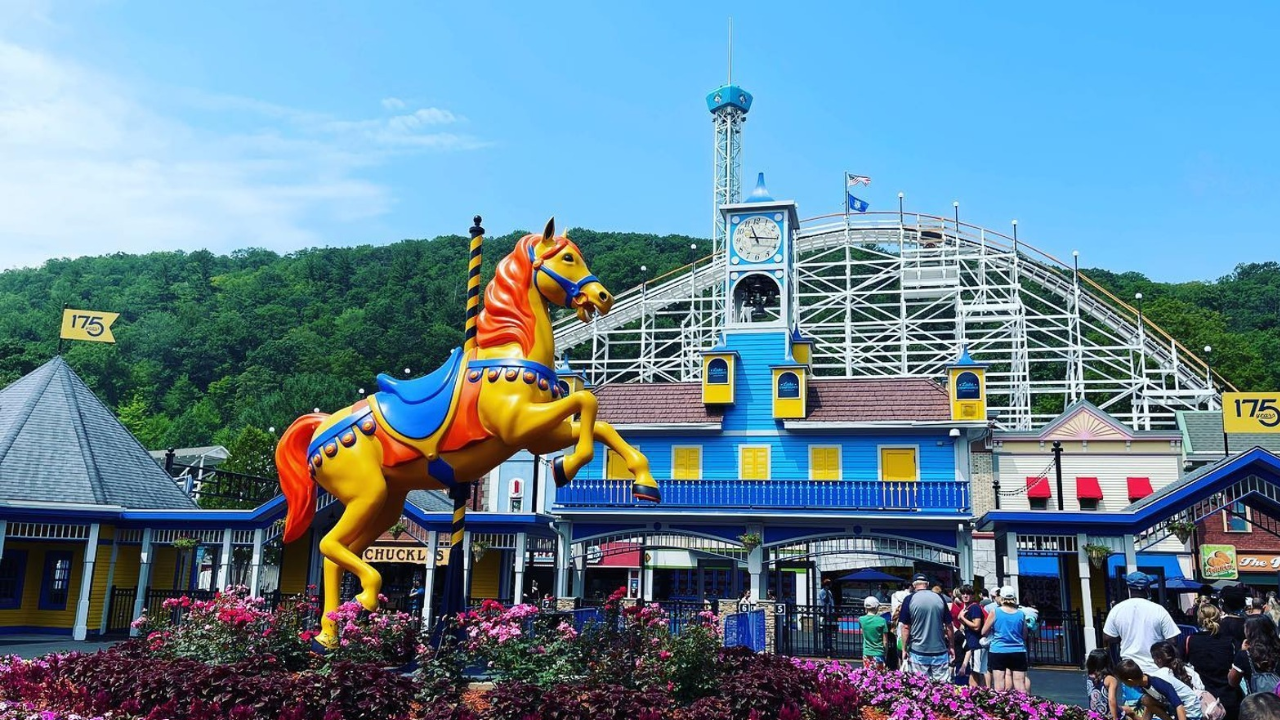
On November 2, 2025, Six Flags America closed its gates for the final time. For 51 years, the 131-acre amusement park was a staple in the Baltimore-Washington region, drawing families for thrilling rides and fond memories.
But corporate consolidation and escalating real estate value led to a historic decision. As the gates closed, families, employees, and fans all wondered: What happens next? The park’s closure was more than business; it was a cultural event that left a lasting impact on the region.
The Consolidation Wave
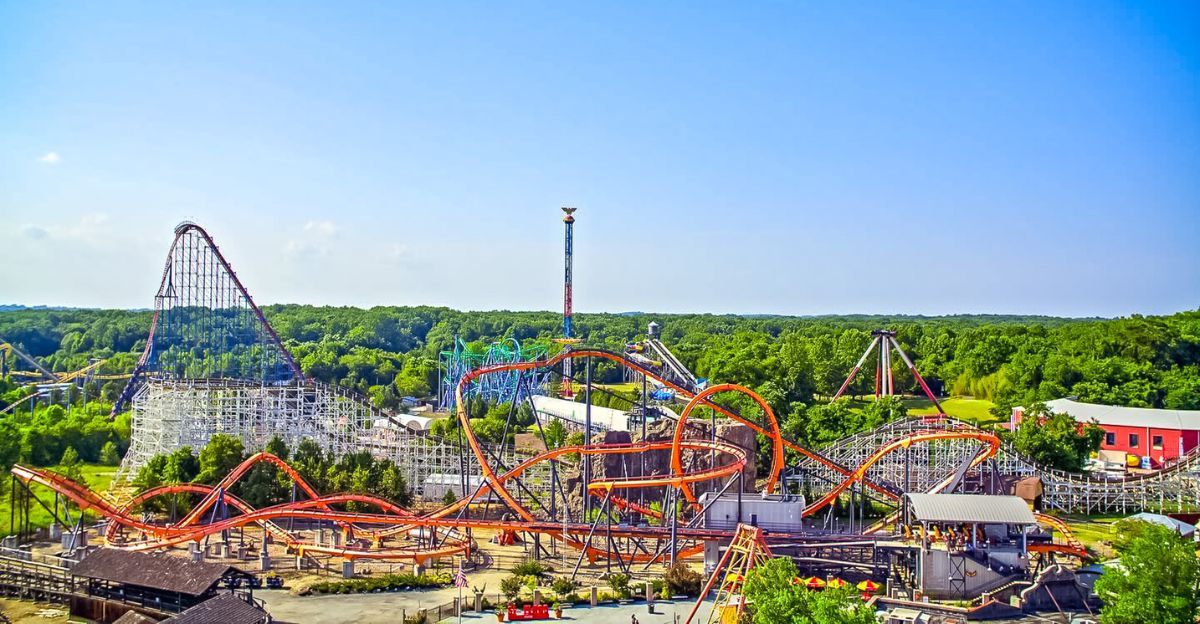
The landscape of amusement parks changed dramatically with the 2024 merger of Six Flags Entertainment and Cedar Fair. A wave of consolidation followed, with both companies conducting a “portfolio optimization” review.
Analysts questioned whether regional parks could continue to compete against mega-resorts. As the merger created the largest theme park operator in North America, legacy parks like Six Flags America were increasingly scrutinized, with some facing closure for real estate opportunities.
A History of Thrills
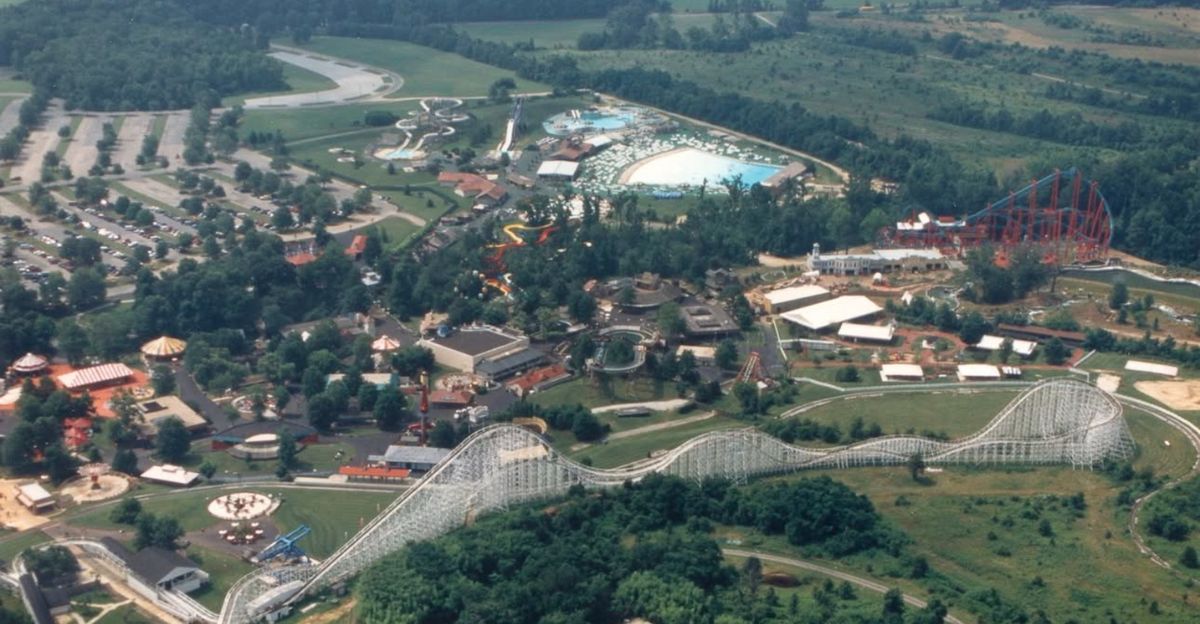
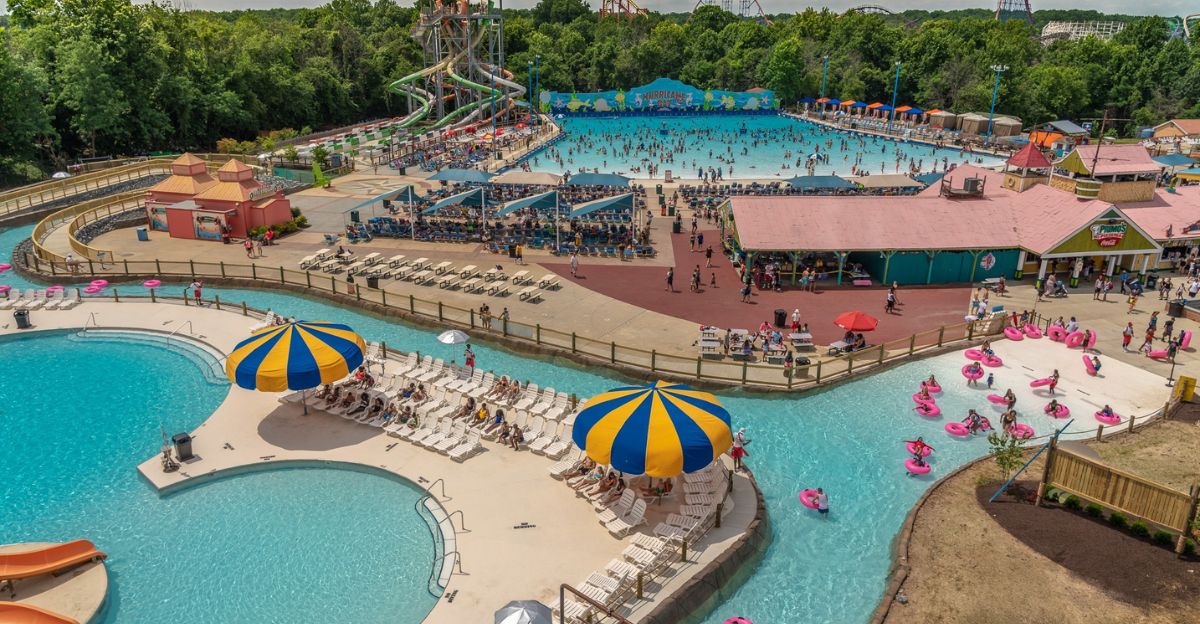
Opening in 1974 as Wild World, the park went through multiple rebrandings, finally becoming Six Flags America in 1999. Over the years, it offered approximately 40 rides and attractions, plus a water park—Hurricane Harbor—drawing visitors for over five decades.
The park became a key part of family vacations and regional leisure, especially in the Baltimore-Washington corridor. But as the years went by, it became clear that the park could no longer keep up with competitors like Hersheypark and Kings Dominion.
Struggling to Compete
Even with its rich history, Six Flags America faced mounting challenges. Nearby parks with newer attractions and stronger branding, such as Hersheypark and Six Flags Great Adventure, drew away visitors.
The park’s reputation suffered from operational issues, including safety concerns. Combined with the area’s rising real estate values, Six Flags America was no longer a competitive player in the regional market, putting its future in jeopardy.
The Final Announcement

In May 2025, Six Flags announced the permanent closure of Six Flags America and Hurricane Harbor. CEO Richard Zimmerman explained that the company had determined marketing the property for redevelopment would yield a higher return than continuing operations.
Despite decades of nostalgia, the decision boiled down to economics: the 500-acre property was more valuable as real estate than as a theme park.
Economic Ripple Effects

The park’s closure rippled across the local economy. Six Flags America employed hundreds, both full-time and seasonal workers, who now faced uncertainty.
Local businesses, from hotels to restaurants, felt the loss of foot traffic. The community lost not only a beloved amusement park but a major source of revenue and jobs. For many in Prince George’s County, the park had been a key fixture in the local economy for over five decades.
A Final Farewell
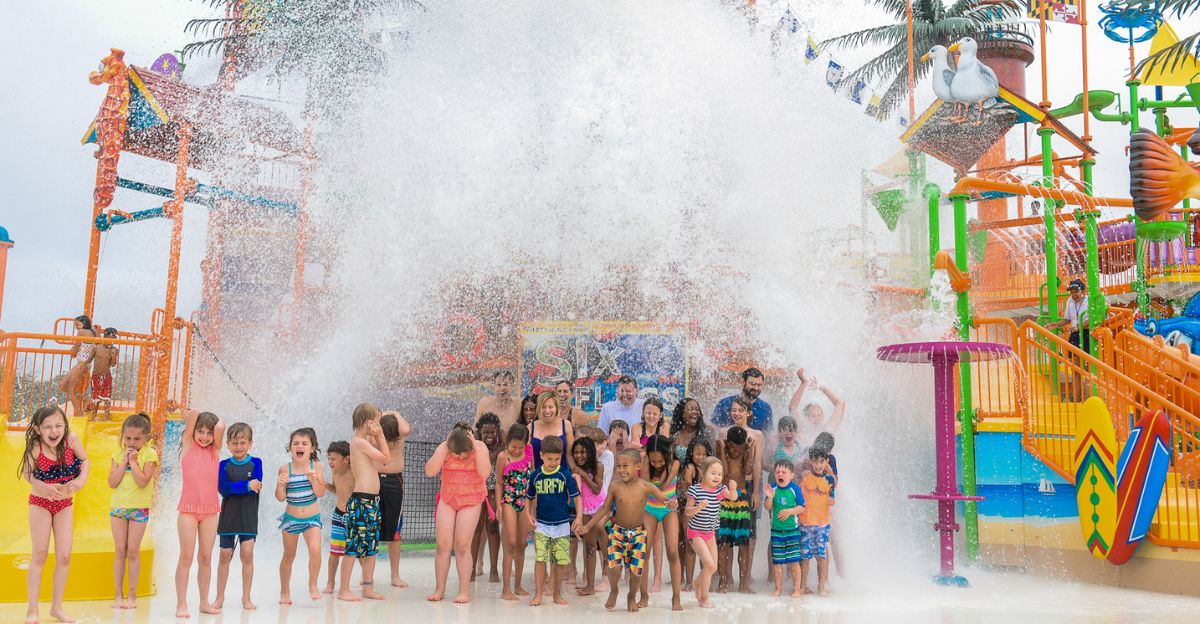
On November 2, 2025, crowds gathered for one last visit. Longtime fans and employees said goodbye to the park that had been part of their lives for generations.
Multi-generational families, many with emotional ties to the park, lined up for final rides on popular attractions like Superman Ride of Steel. Social media buzzed with tributes, as families and employees alike mourned the loss of a cultural landmark.
Shifting Market Dynamics
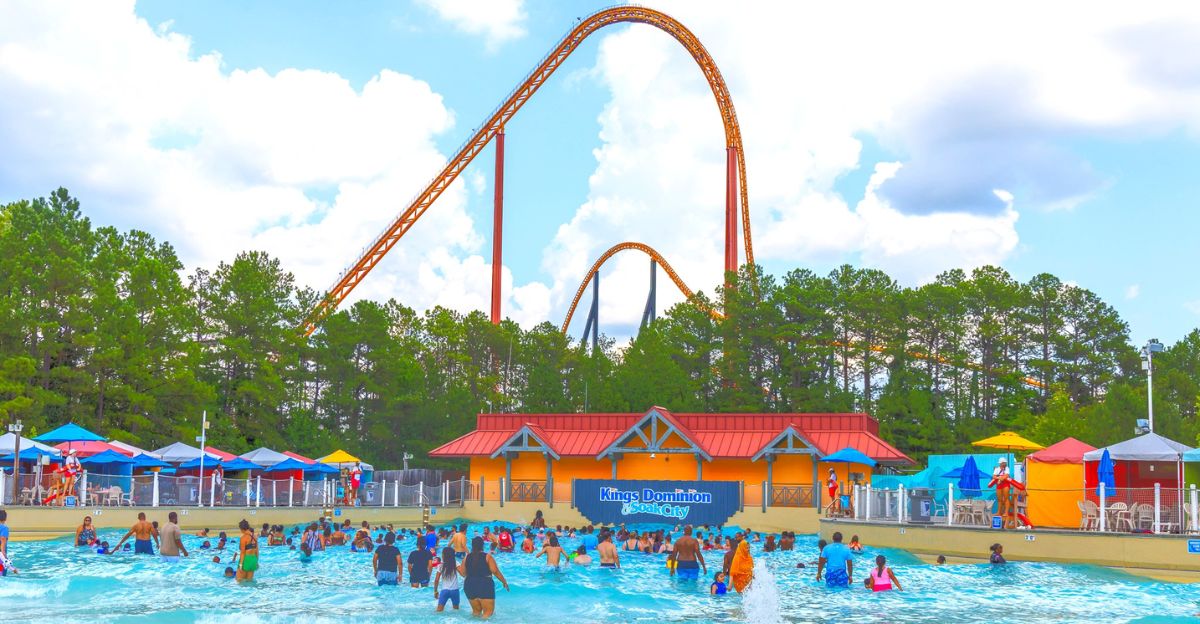
The closure of Six Flags America altered the competitive landscape. With one of the Mid-Atlantic region’s most popular parks closing, nearby attractions like Hersheypark, Kings Dominion, and Six Flags Great Adventure were poised to capture displaced visitors.
Smaller parks now faced even greater pressure to keep up with the industry’s focus on flagship destinations. Cedar Fair’s pivot toward investment in larger, more profitable parks was a clear sign of the future for regional properties.
The Consolidation Trend Continues
Six Flags America’s closure was not an isolated event. The merger between Six Flags and Cedar Fair reflected a larger trend of consolidation within the amusement park industry.
As operators focused on maximizing profitability, regional parks—once an essential part of local economies—were increasingly seen as outdated. The real estate boom made land redevelopment more appealing, and analysts expect more closures as operators seek higher margins.
Specialized Accessibility Lost
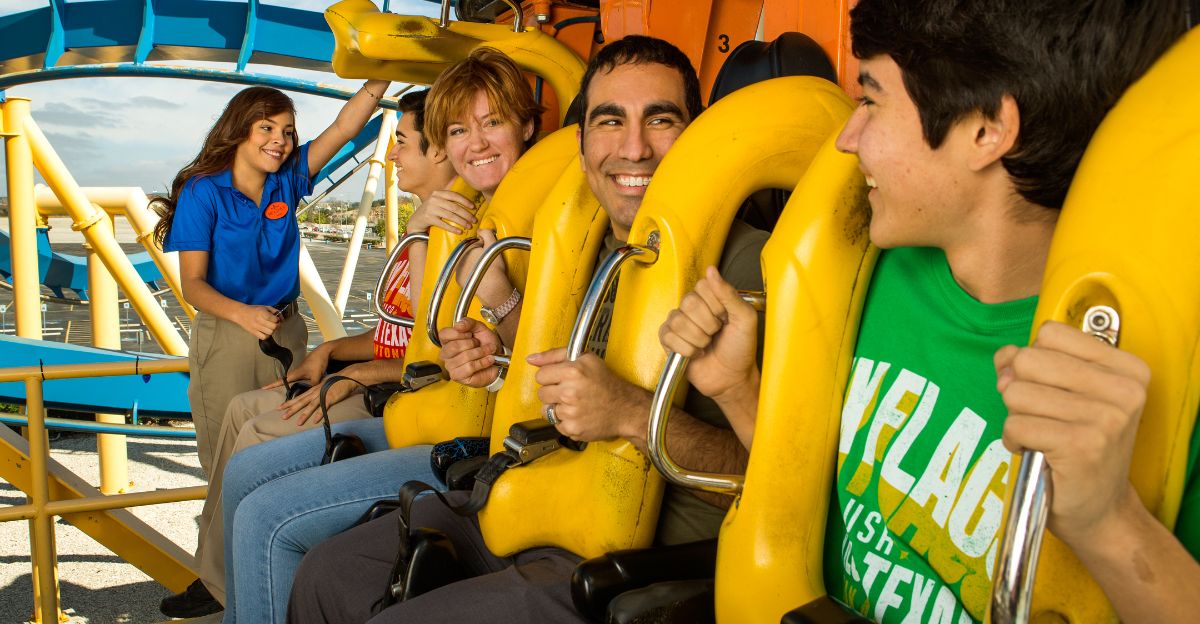
Six Flags America held a significant role for families with special needs. In 2022, it became the first Certified Autism Center park in the Washington-Baltimore region.
It offered sensory-friendly spaces, staff training, and accommodations for visitors with autism. The closure eliminated this resource, leaving a gap for families who relied on the park for accessible recreation. The future of these specialized services remained unclear.
Job Loss and Uncertainty
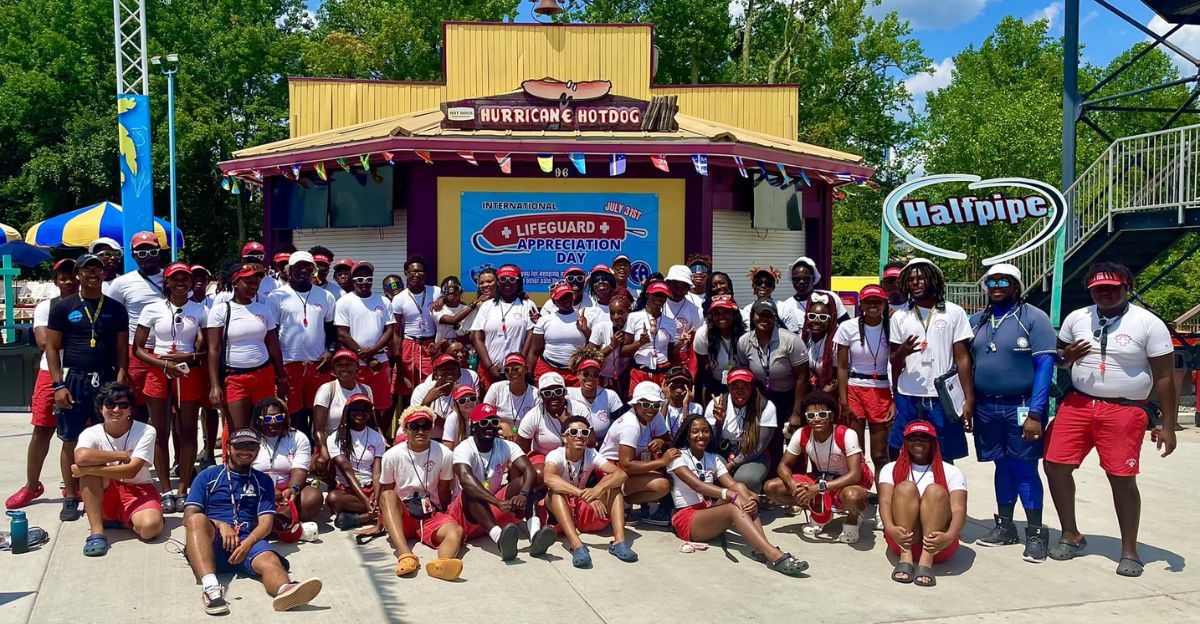
For the park’s employees, the closure represented not just the end of an era, but also a sudden loss of livelihood. While Six Flags pledged severance and benefits, workers expressed frustration at the abruptness of the decision.
Many had dedicated years to their jobs, fostering connections with regular guests. The loss of these jobs in a competitive labor market created hardship for employees, especially seasonal workers who lost income in the busy months ahead.
Corporate Strategy and Investor Pressure

CEO Richard Zimmerman framed the closure as a necessary business decision. With mounting pressure from investors to maximize returns, the Cedar Fair merger opened up opportunities to shed underperforming assets.
Zimmerman emphasized the company’s focus on optimizing its portfolio. As Six Flags sought to streamline operations, it became clear that the closure of Six Flags America was not about nostalgia but a calculated move to align with shareholder interests.
Real Estate Opportunities

Six Flags America’s 500-acre site (including the 131-acre park and surrounding land), located near the Washington, D.C., metro area, was expected to draw significant interest from developers. The property’s proximity to the nation’s capital made it attractive for potential residential or commercial redevelopment.
Ideas ranged from residential complexes to commercial developments. County officials promised to engage in thoughtful planning, though local communities expressed concerns about gentrification and the loss of green space.
Experts Weigh In on Future of Regional Parks
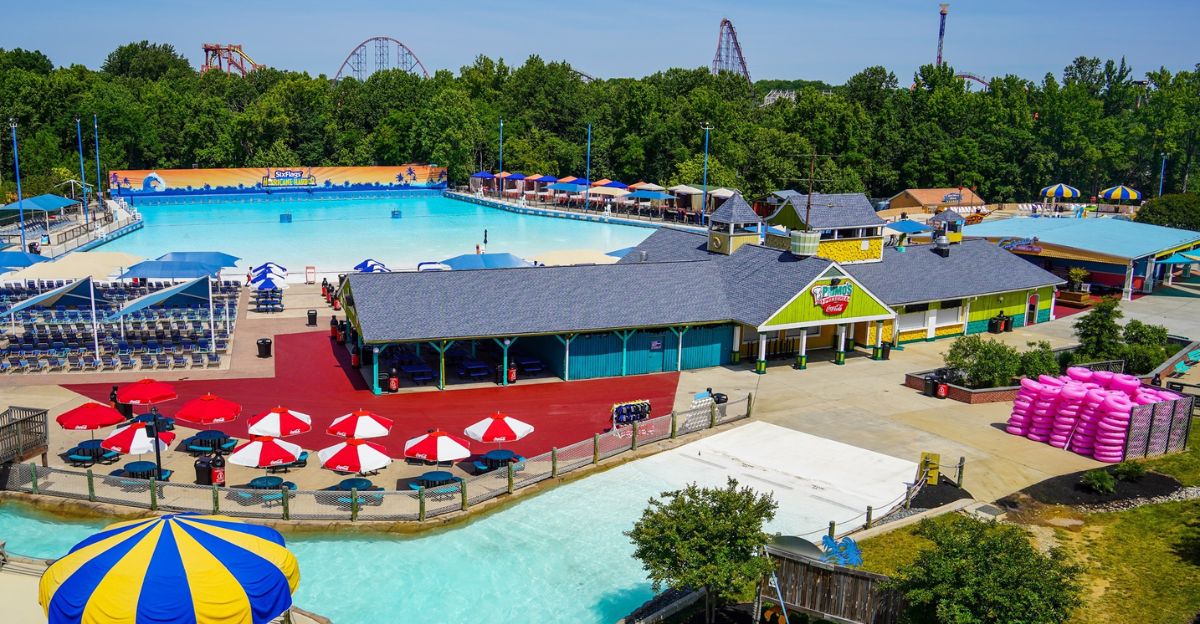
Industry analysts were skeptical about Six Flags America’s long-term viability. Despite its nostalgic value, the park’s attendance had dropped, and competition from larger parks with more advanced attractions had taken its toll.
While new investment might have helped, analysts argued that the park’s struggles were too significant to overcome. Its closure was more than a corporate decision; it was a reflection of broader trends reshaping the theme park industry.
Fate of the Rides
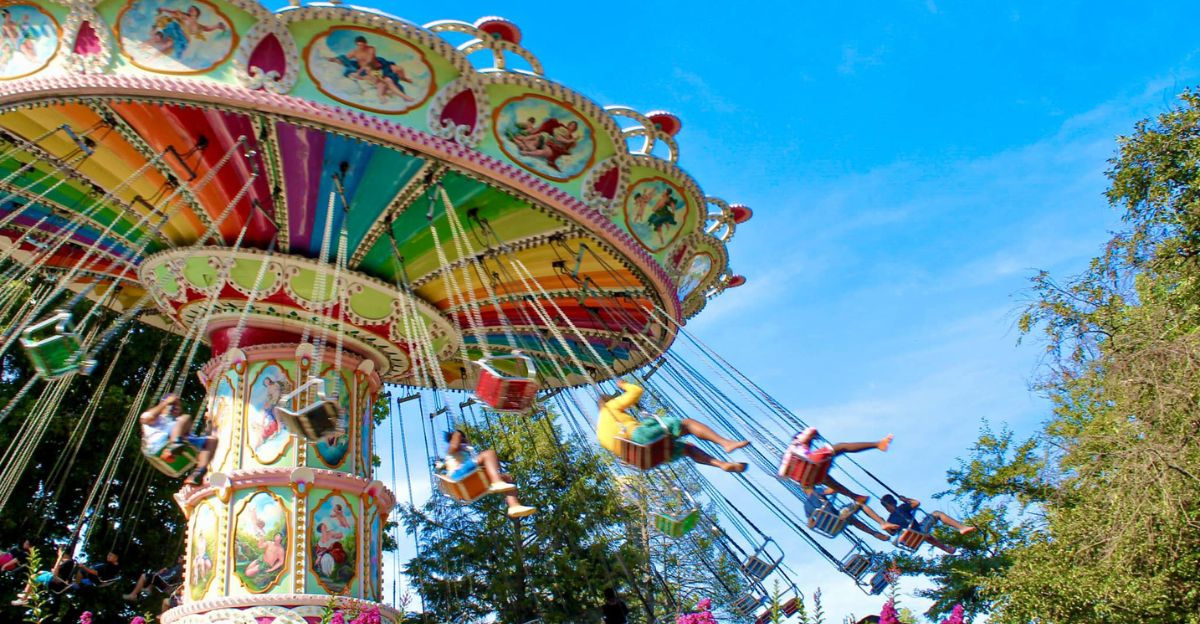
As for the park’s rides, questions arose about their future. Some could potentially be relocated to other Six Flags or Cedar Fair properties, while others may be dismantled, though the company has not announced specific plans.
The logistics of moving large, older attractions were complex and costly. For fans, the fate of their beloved roller coasters and water slides added to the sense of loss. The uncertainty around which attractions would survive highlighted the finality of the park’s closure.
Political Reactions

Local officials and community members expressed concern about the closure’s economic impact on Prince George’s County, which had relied on the park as a major tourism destination for five decades.
The closure sparked debates about the role of regional entertainment venues in economic development and the challenges facing traditional amusement parks in an era of consolidation. The community response highlighted ongoing concerns about preserving local entertainment options and the broader future of regional amusement parks.
Civic Contributions During the Pandemic

During the COVID-19 pandemic, Six Flags America served an unexpected civic role as a mass vaccination site. Over 339,000 doses were administered at the park before it resumed regular operations.
The closure of the park removed a valuable community asset that had been pivotal during the public health crisis. Its loss was not just an economic blow but a loss of infrastructure that could serve future public needs.
Environmental Concerns
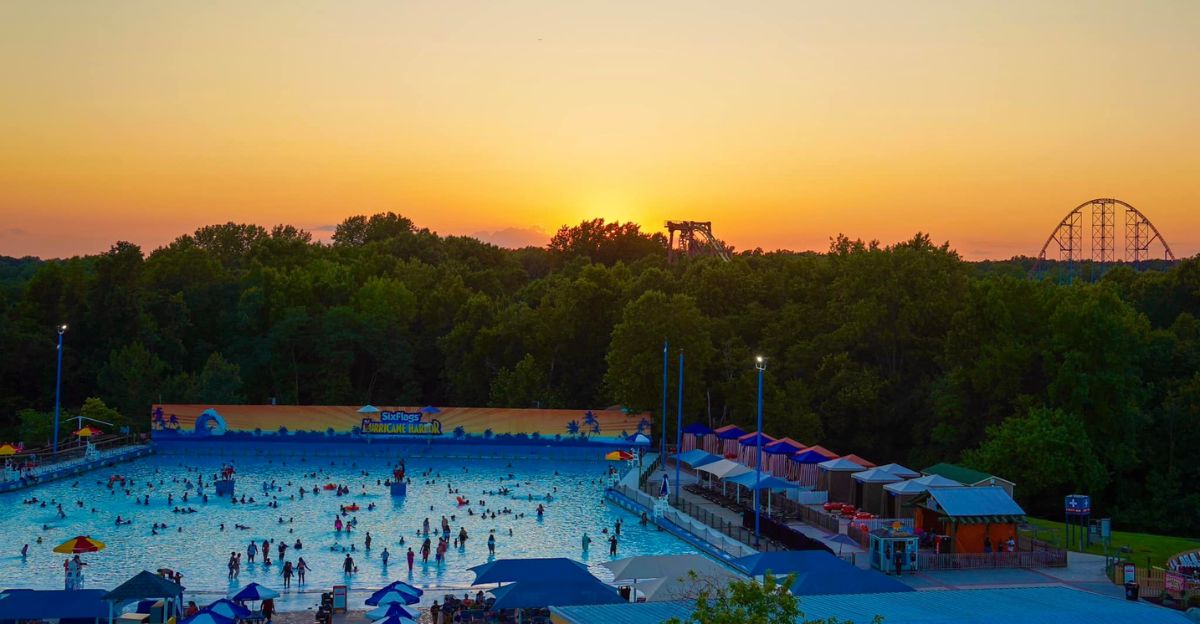
Redeveloping the 500-acre site raised environmental questions. The park’s infrastructure and utilities will require assessment as developers evaluate the property’s redevelopment potential.
While the area’s development could lead to economic growth, environmental advocates raised concerns about the long-term impact of replacing a large green space with commercial buildings or housing. Balancing redevelopment with environmental considerations would be key as the land changed hands.
A Cultural Shift

Six Flags America’s closure marked the end of an era. Generations of families had visited the park, and its loss symbolized a shift in American leisure.
As mega-parks became more dominant, the regional amusement park—once a hub for family entertainment—became increasingly obsolete. The park’s closure spoke to a broader cultural shift in how Americans spend their leisure time, as the amusement industry moves toward larger, more immersive experiences.
The Bigger Picture
The closure of Six Flags America is not just the end of a park, but a symbol of a larger trend in the entertainment industry. As regional parks close and land values soar, the industry is consolidating.
The era of smaller, family-oriented amusement parks may be coming to an end, replaced by larger, more profitable destination resorts. What remains to be seen is whether communities will fight to preserve these cultural landmarks or watch them vanish in the name of corporate optimization.