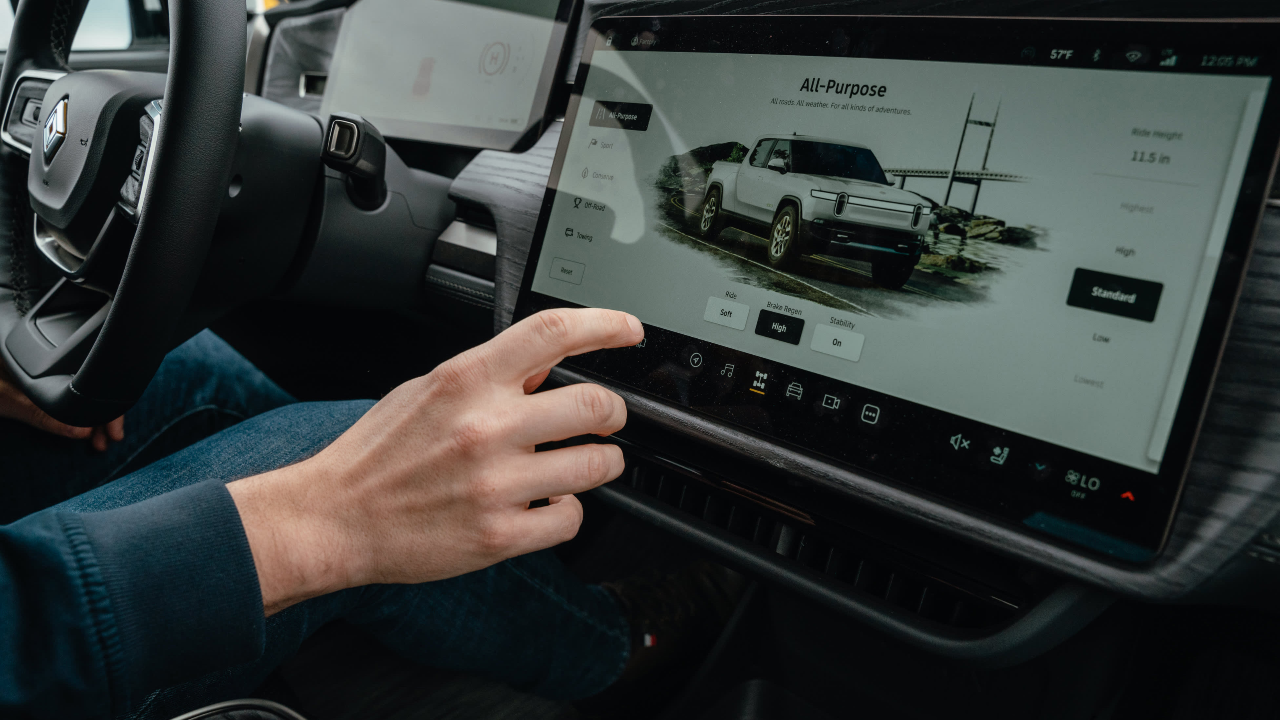
Touchscreens once symbolized the future of automotive design, promising streamlined dashboards and advanced technology. Yet, in a notable shift, major automakers are reversing course, reintroducing physical buttons and dials in new models. This move is not simply a nod to nostalgia—it’s a response to mounting safety concerns, consumer frustration, and evolving regulatory standards.
A Shift Driven by Safety and Usability
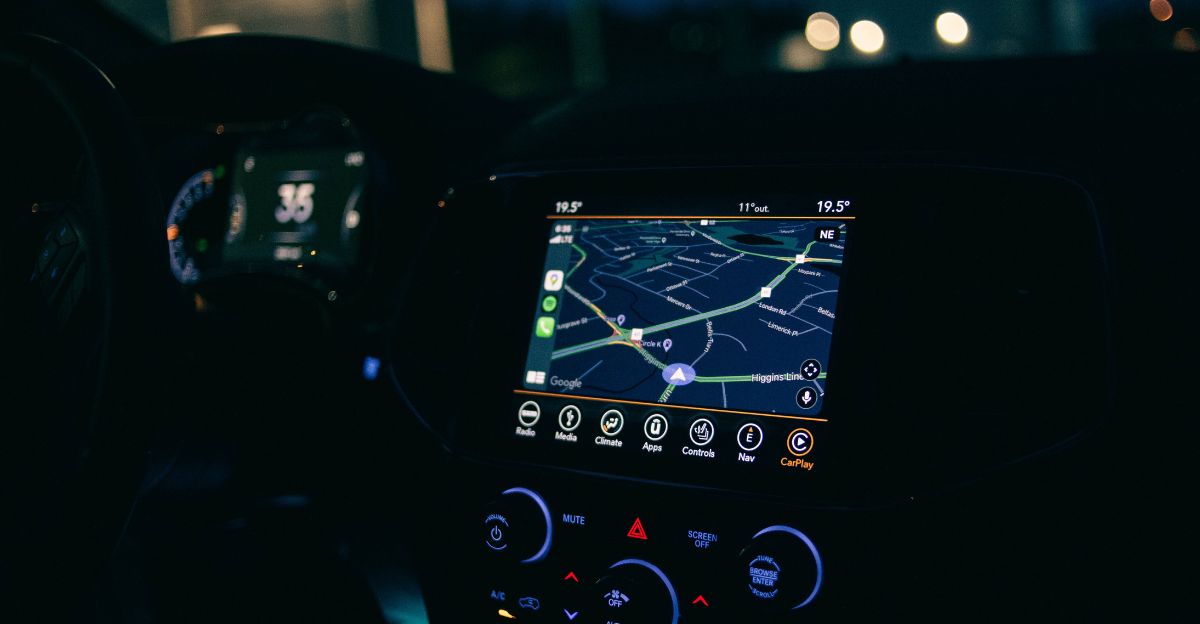
For years, car manufacturers such as Mercedes-Benz, Volkswagen, and Hyundai embraced touchscreens, aiming to create minimalist interiors and showcase technological prowess. However, research has revealed that these sleek interfaces come with significant drawbacks. Unlike physical controls, touchscreens require drivers to look away from the road to operate them, increasing the risk of distraction. Studies by the Transport Research Laboratory found that using touchscreens while driving can slow reaction times by up to 57 percent—worse than the impairment caused by alcohol. Additional research from Vi Bilägare demonstrated that drivers spend up to four times longer interacting with touchscreens compared to traditional buttons, a delay that can have serious consequences at highway speeds.
These findings have prompted a reevaluation within the industry. Automakers are now prioritizing safety and usability, recognizing that the promise of futuristic design cannot come at the expense of driver attention and control.
Consumer Pushback and Industry Response
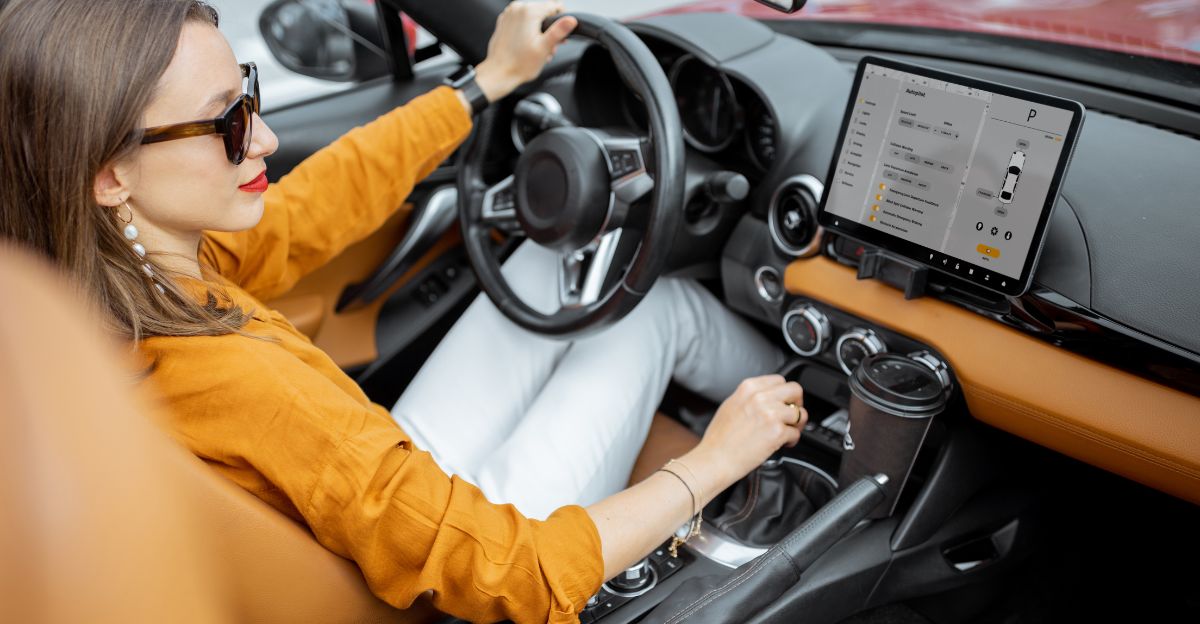
The backlash against touchscreens has been swift and vocal. What began as a novelty quickly became a source of frustration for many drivers. Complaints about laggy interfaces, confusing menus, and the need for constant visual attention have flooded manufacturer feedback channels. Satisfaction surveys reveal a clear trend: customers want simpler, more intuitive controls.
Automakers have taken notice. Brands that once championed all-digital dashboards are now reintroducing physical buttons for essential functions such as climate control, audio, and hazard lights. This shift is not just about appeasing critics—it reflects a broader recognition that technology should enhance, not complicate, the driving experience.
The Enduring Appeal of Physical Controls
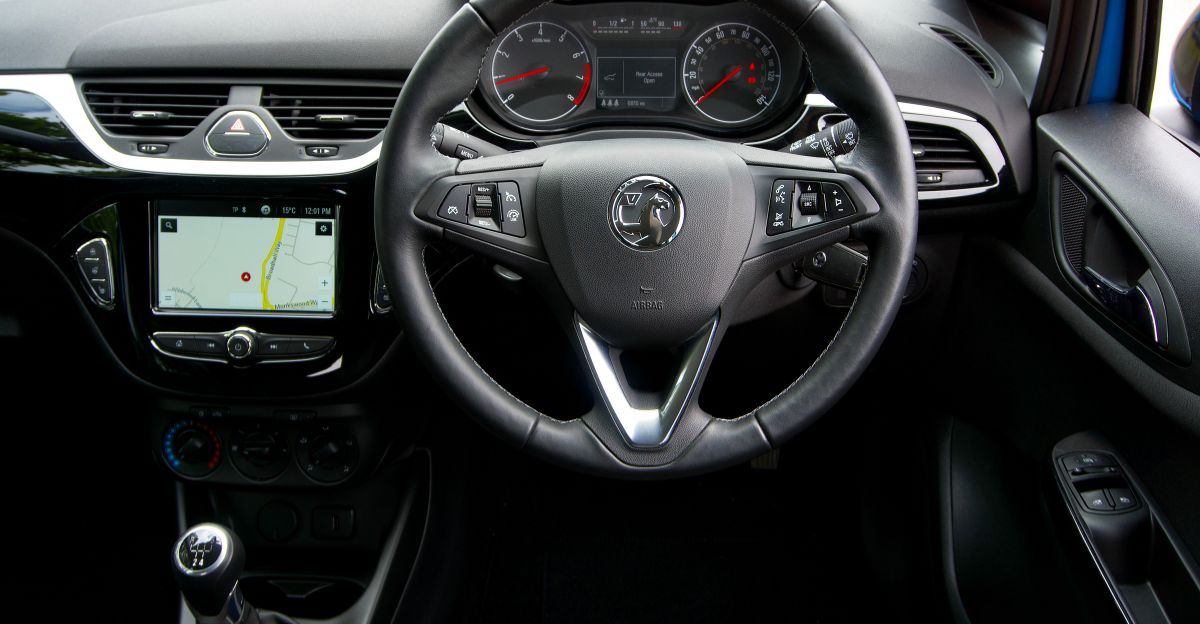
The resurgence of physical buttons is more than a design trend; it’s rooted in how people interact with their environment. Tactile controls provide immediate feedback, allowing drivers to adjust settings by feel rather than sight. This haptic reassurance is especially valuable in high-stress situations, where even a momentary distraction can be dangerous.
Cognitive science supports this approach. The act of turning a knob or pressing a button engages the brain in a way that touchscreens cannot, fostering a sense of control and comfort. As digital fatigue grows in other areas of life, many consumers are seeking out vehicles that offer a respite from constant screen interaction.
Regulatory Pressure and the Path Forward
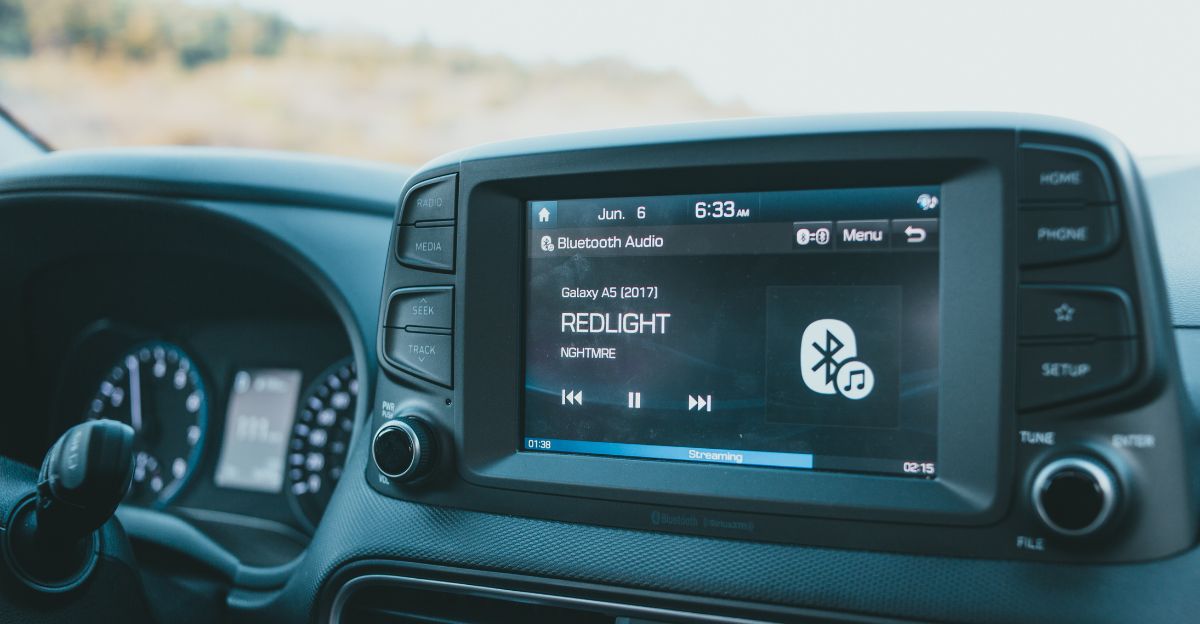
The movement away from touchscreens is also being shaped by new regulations. Beginning in January 2026, the European Union’s Euro NCAP will require tactile controls for critical vehicle functions, including turn signals, hazard lights, and windshield wipers. These standards are designed to ensure that drivers can operate essential systems without taking their eyes off the road.
While similar regulations have not yet been adopted in the United States, the European example is likely to influence global industry practices. Automakers are already redesigning interiors to comply with these requirements, signaling a broader shift toward safer, more intuitive car interfaces.
Cost, Durability, and the Return to Simplicity
Beyond safety and usability, practical considerations are also driving the return to physical controls. Touchscreens are expensive to manufacture and repair, with replacement costs for a single unit ranging from $1,500 to over $7,000. Their fragility—prone to cracking and malfunction—adds to consumer frustration and long-term ownership costs.
In response, manufacturers are streamlining interior designs, focusing on durability and ease of use. The new aesthetic emphasizes minimalism, with fewer but more thoughtfully placed controls. Brands like Volkswagen, Hyundai, and Mercedes-Benz are leading the way, blending digital convenience with the reliability of tactile feedback.
Looking Ahead: Balancing Innovation and Safety
The retreat from touchscreens does not signal a rejection of technology in automotive design. Instead, it marks an evolution toward interfaces that balance innovation with safety and user comfort. Future vehicles are expected to incorporate advanced features such as voice recognition, smart sensors, and improved haptic feedback, allowing drivers to interact with their cars without unnecessary distraction.
As the industry adapts, the focus is shifting from flashy displays to functional, human-centered design. The next generation of car interiors will likely reflect a renewed commitment to simplicity, control, and a safer driving experience for all.