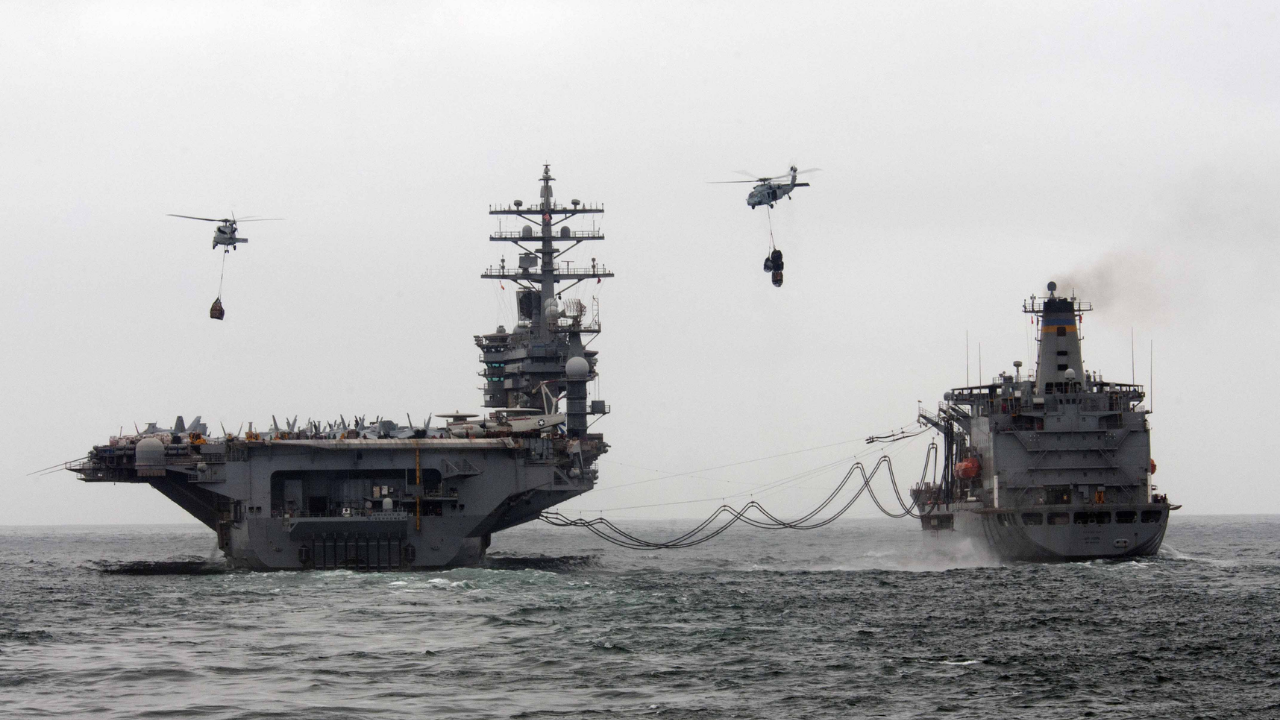
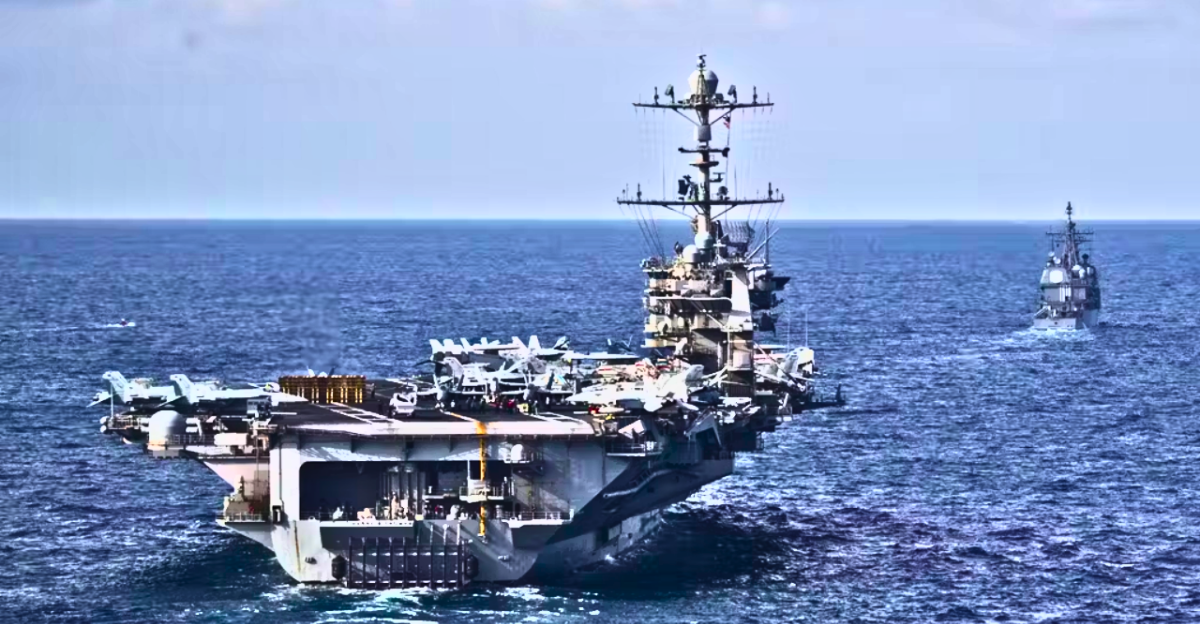
In November 2025, the USS Gerald R. Ford, the world’s largest and most advanced aircraft carrier, arrived in the Caribbean at the head of a formidable strike group. This deployment, involving over 75 aircraft and 4,500 personnel, marked the most significant display of American naval power in the region since the Cold War. The mission’s stated goal: to disrupt transnational criminal organizations, with a particular focus on drug trafficking networks operating in and around Venezuela.
A New Chapter in Naval Power
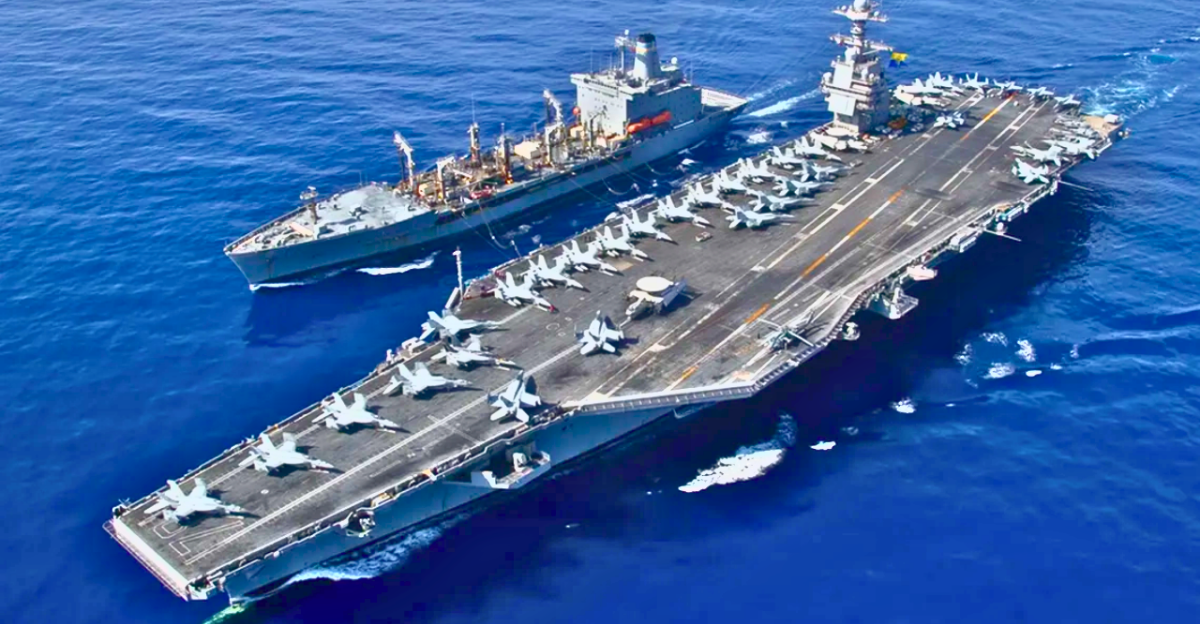
The arrival of the USS Gerald R. Ford in Caribbean waters signaled a dramatic shift in regional security dynamics. Equipped with Tomahawk missile-capable warships and state-of-the-art F-35 fighter jets, the carrier strike group demonstrated both the capacity for counternarcotics operations and readiness for rapid military escalation if required. This show of force was not only a tactical move against illicit drug flows but also a strategic message to adversaries and allies alike, blending deterrence with operational flexibility.
Historical Echoes and Strategic Messaging
American naval deployments in the Caribbean have long been shaped by the legacy of Cold War confrontations. During that era, U.S. fleets projected power to counter Soviet influence in a region viewed as a critical geopolitical theater. Today, the context has shifted from ideological rivalry to the fight against transnational crime. Yet, the presence of a fully equipped strike group near Venezuela evokes memories of past amphibious drills and military interventions, such as the 1989 invasion of Panama. The deployment’s proximity to Venezuelan territory serves as a potent reminder of the enduring role of military deterrence in U.S. foreign policy.
Technological Edge and Operational Reach
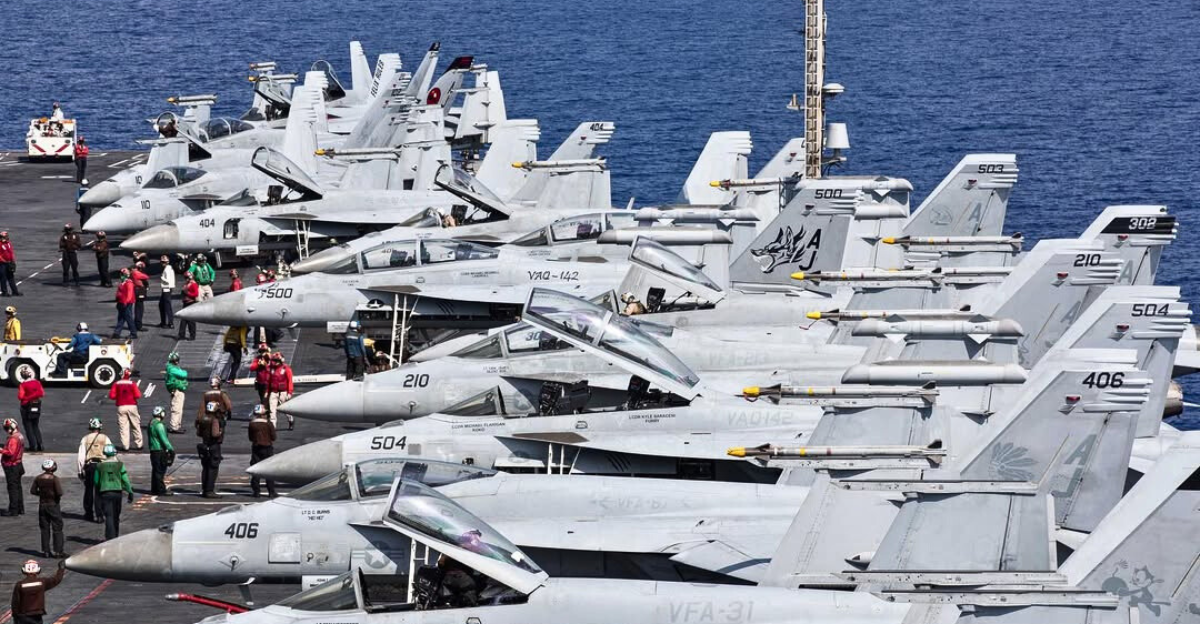
The USS Gerald R. Ford represents a leap forward in aircraft carrier technology. Outfitted with advanced radar systems, stealth-optimized F-35 jets, and electromagnetic launch systems, the carrier boasts unmatched strike capacity and endurance, thanks to its nuclear propulsion. With more than 75 attack, surveillance, and support aircraft, the Ford enables sustained operations in critical regions like the Caribbean. Its deployment enhances U.S. flexibility, allowing for rapid adaptation to evolving threats and supporting both law enforcement and military objectives.
Beyond Drug Interdiction: Geopolitical Stakes
While the mission is publicly framed as a counternarcotics effort, its implications extend far beyond law enforcement. By targeting vessels linked to drug trafficking, the operation exerts pressure on the Maduro government in Venezuela and signals readiness for swift escalation, including potential air strikes. The presence of Tomahawk missile cruisers expands the range of strike options, reinforcing the credibility of U.S. military threats. This dual approach—combining law enforcement with strategic deterrence—reshapes calculations across Latin America, influencing both regional security and diplomatic relations.
Disrupting Trafficking Networks
The Caribbean has long served as a conduit for illegal drugs entering the United States. In the six weeks following the Ford’s arrival, U.S. forces destroyed at least 20 suspected narcotics vessels, severely disrupting trafficking routes. The carrier strike group’s surveillance and interdiction capabilities have improved maritime domain awareness, enabling direct action against criminal networks. This aggressive posture reflects a tactical evolution in counternarcotics operations, integrating intelligence-driven missions with naval firepower to maximize impact.
Regional Reactions and Security Concerns
The unprecedented scale of the U.S. naval buildup has drawn concern from international observers and regional governments. Many in Latin America, particularly Venezuela, view the deployment as a provocative act that risks destabilizing the region. The timing, amid ongoing political volatility, underscores the delicate balance between deterrence and escalation. There are fears that heightened military presence could lead to unintended conflict spillover or disrupt fragile diplomatic arrangements.
Human Element and Crew Preparedness
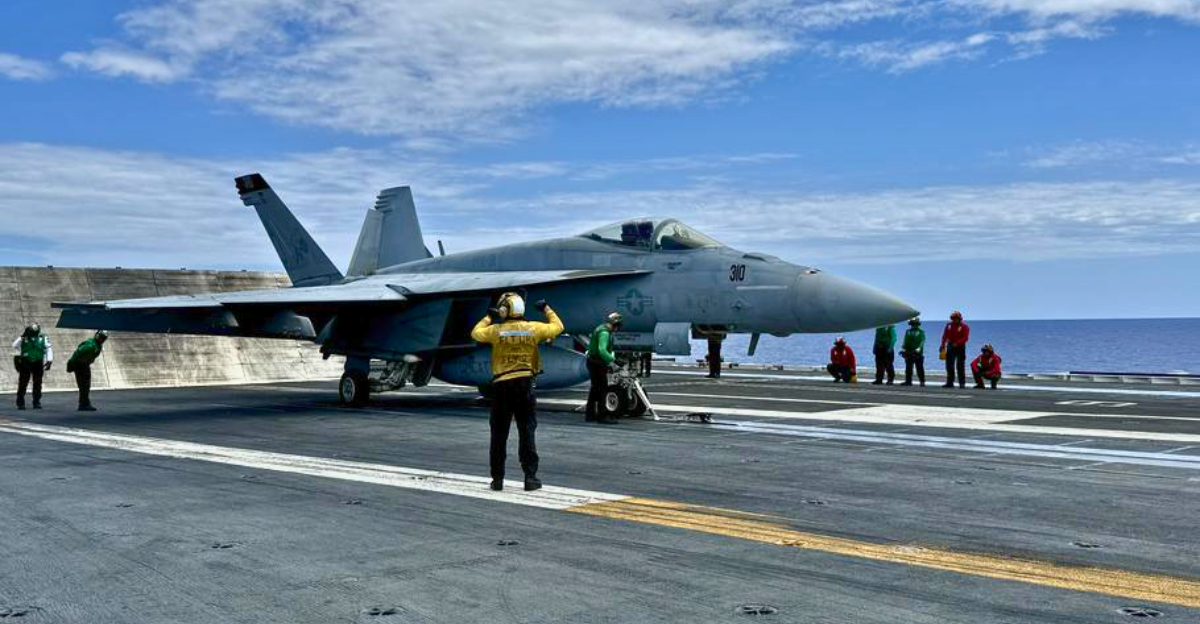
Behind the advanced technology and strategic objectives are the more than 6,000 American personnel serving aboard the strike group’s vessels. These crews face demanding operational and psychological challenges, requiring rigorous training in rapid response, interoperability, and endurance for extended deployments. Their preparedness is crucial to mission success, demonstrating how human resilience and teamwork underpin effective maritime operations.
International Collaboration and Criticism
The operation highlights extensive cooperation between U.S. military, intelligence, and law enforcement agencies, as well as partnerships with Caribbean and Latin American nations. This interagency and international synergy expands operational reach and enhances information sharing. However, critics argue that militarizing counternarcotics efforts risks escalating violence and civil unrest if underlying issues like social inequality and corruption are not addressed. Some analysts warn that the deployment could be interpreted as an attempt at regime change, emphasizing the need for complementary diplomatic and economic strategies.
Looking Ahead: Implications for Regional Security
The USS Gerald R. Ford’s deployment sets a precedent for high-tech, sustained naval operations in the Western Hemisphere. It demonstrates the United States’ commitment to countering transnational threats and maintaining regional influence, while signaling a willingness to escalate if necessary. As the operation continues, its impact on drug trafficking, regional stability, and U.S. military doctrine will shape the future of maritime power politics in Latin America. The stakes are high, with potential consequences for international relations, humanitarian conditions, and the broader architecture of regional security.