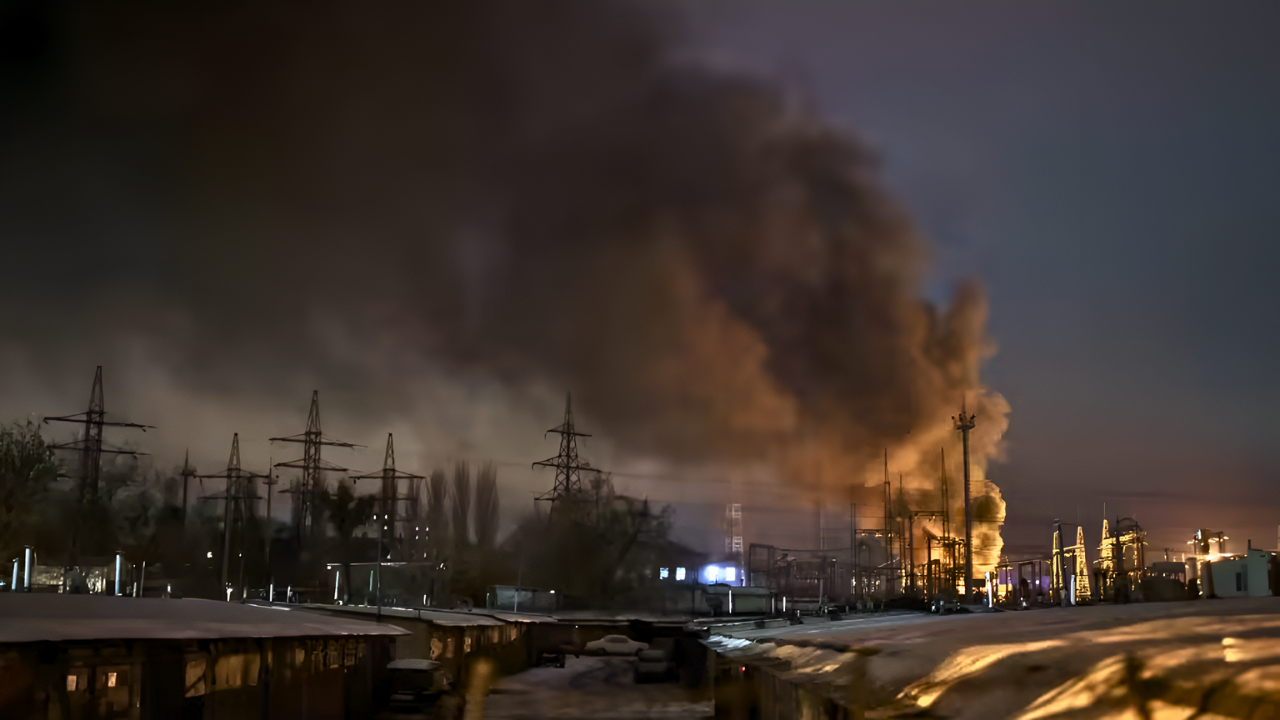
In the dead of night on November 6, 2025, a swarm of Ukrainian drones descended upon Russia’s largest southern oil refinery, the Volgograd plant. Explosions tore through the facility as fire engulfed the industrial complex, sending plumes of smoke into the sky.
The blast, which halted production, cut off 5% of Russia’s total fuel supply—one of the most devastating blows to Russian energy infrastructure since the war began.
Immediate Disruptions
The explosion’s effects were felt across southern Russia, as fuel shortages quickly spread. Thirteen major airports grounded flights, while emergency crews rushed to contain fires and assess the extensive damage.
Local authorities worked around the clock to restore order, but the ripple effects extended beyond Volgograd, sending shockwaves through transportation and industries reliant on the refinery’s output.
Targeting a Strategic Asset
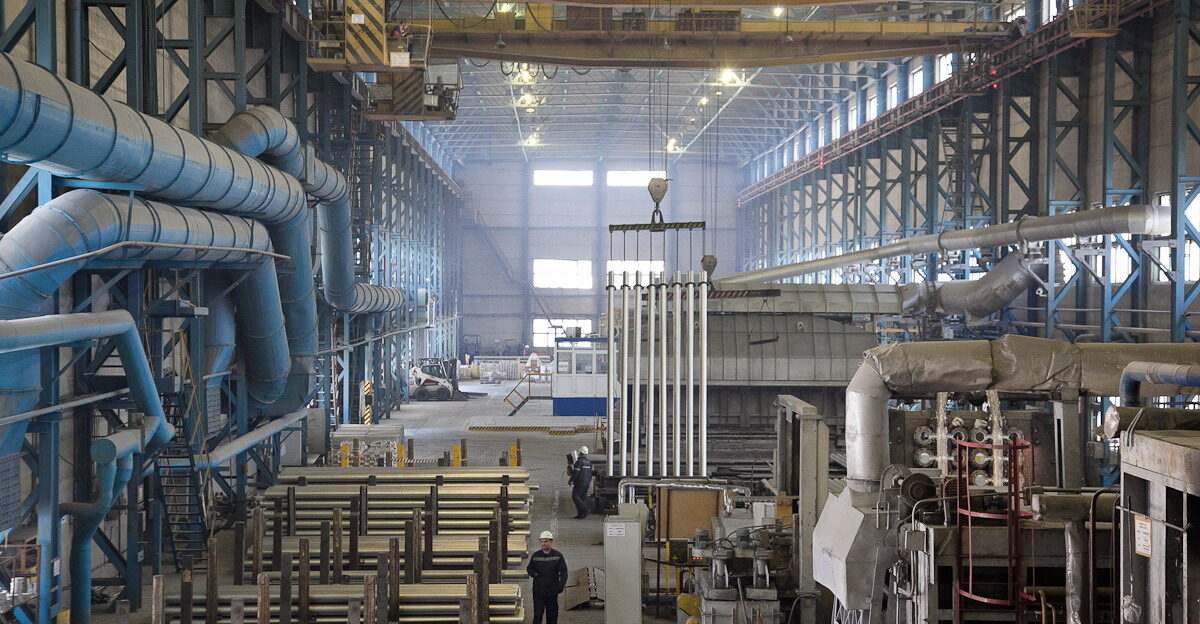
Located in Russia’s Southern Federal District, the Volgograd refinery is a key strategic asset, owned by Lukoil. With a refining capacity of up to 15.7 million tons annually, it serves as a crucial supplier for both civilian and military needs.
Its importance has made it a prime target in Ukraine’s ongoing campaign to disrupt Russia’s energy infrastructure and military logistics.
A War of Attrition
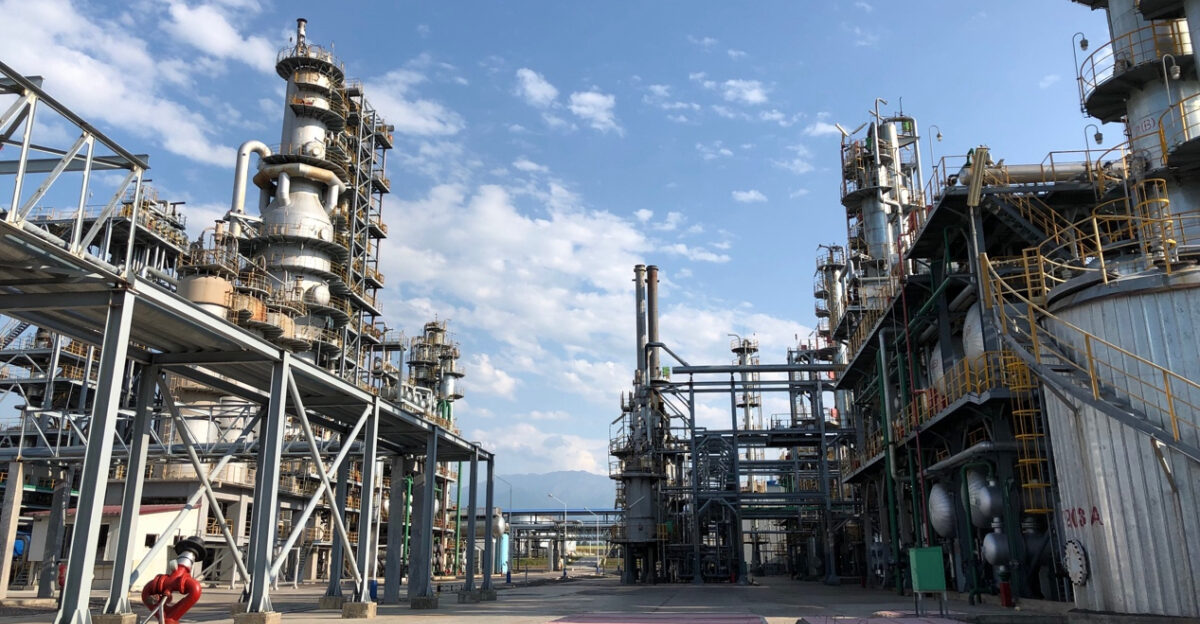
Throughout 2025, Ukraine has escalated its strikes on Russian energy facilities. More than 20 refineries were damaged by October alone, and the Volgograd plant had already been targeted in previous attacks.
This coordinated assault signals a broader strategy: to cripple Russia’s fuel supply and disrupt its military capabilities, putting increasing pressure on the country’s energy defenses.
The Devastation of November 6
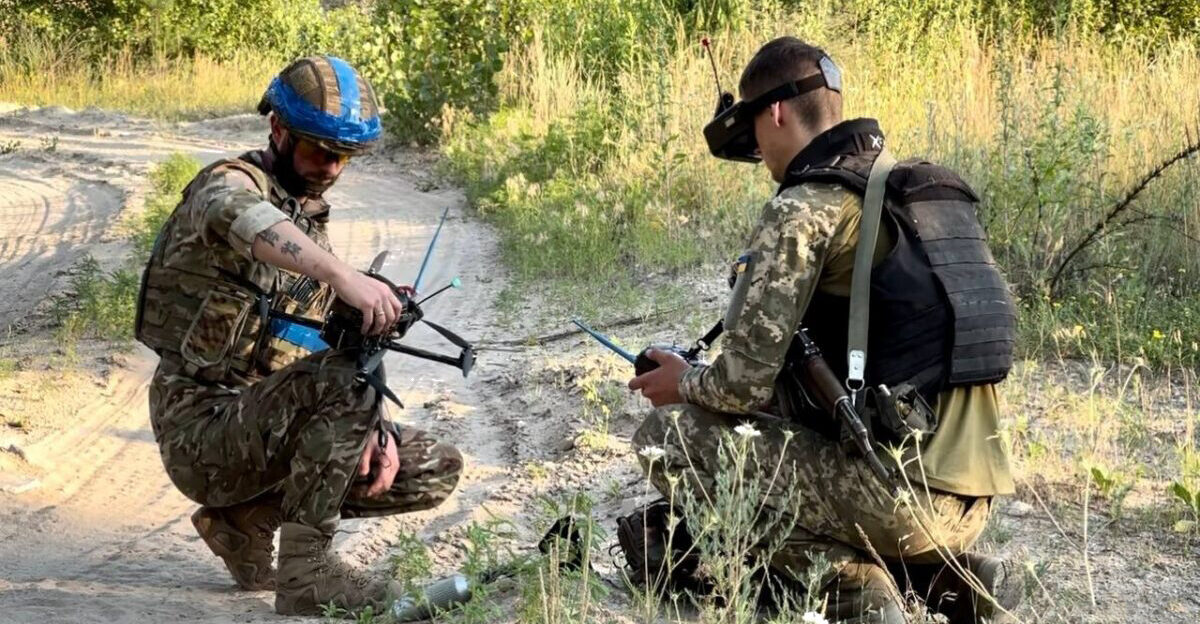
The strike on November 6 targeted critical units within the Volgograd refinery, including the CDU-5 processing unit and hydrocracker. These units, integral to the facility’s operations, were severely damaged.
The attack forced an immediate shutdown, taking out approximately 5% of Russia’s refining capacity in a matter of hours—marking one of the largest single-day disruptions of the war.
Regional Impact
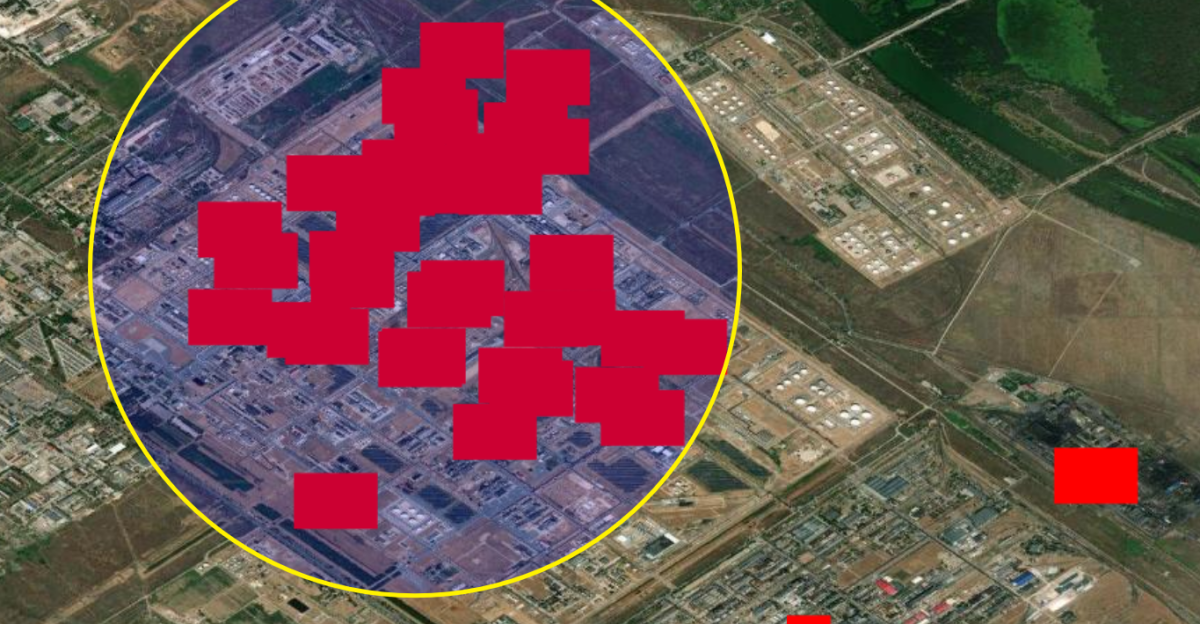
The effects of the refinery shutdown were felt most intensely in Volgograd and the surrounding districts. Fires broke out in the Krasnoarmeysk industrial zone, while homes in nearby residential areas were damaged by the blast.
With the city’s energy and transportation infrastructure heavily dependent on the refinery, residents faced significant disruption to their daily lives, including delays in emergency services.
Civilian Casualties
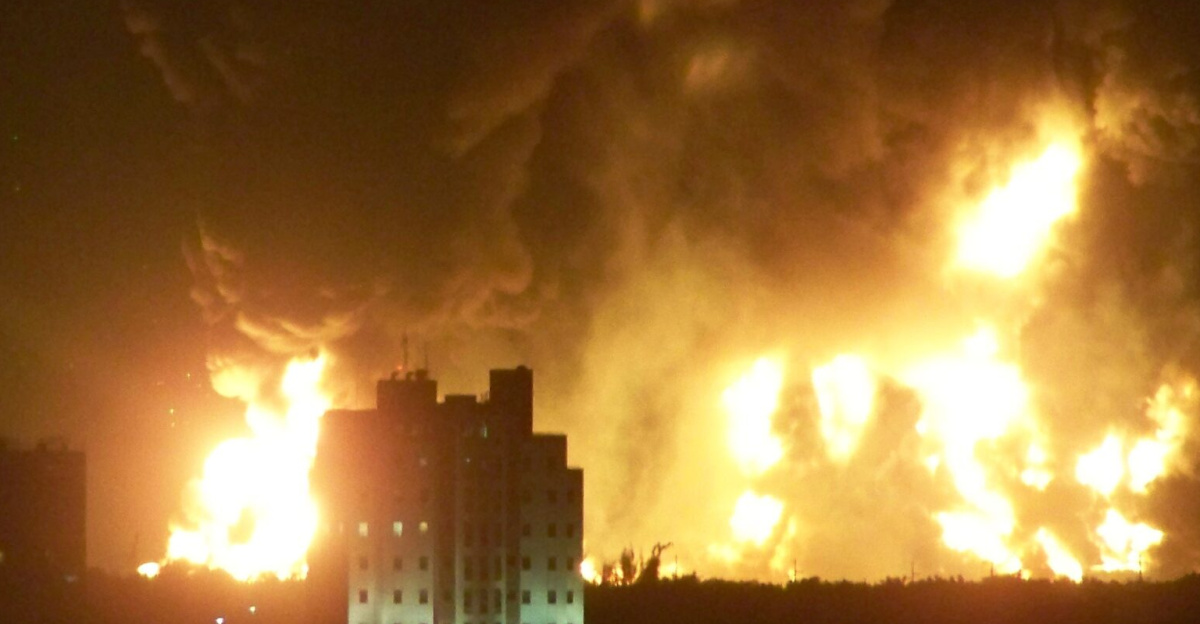
The drone strike didn’t just target infrastructure; it claimed human lives. A 48-year-old man was killed by shrapnel from the explosion, and several homes were severely damaged. The attack’s impact extended beyond immediate blast damage. As temperatures plummeted, thousands of residents faced power cuts that disabled electric heating and disrupted the city’s district heating infrastructure, which relies on electricity to pump hot water through residential buildings.
Local residents, posting images of the destruction, highlighted the personal toll of the attack. Volgograd’s governor confirmed the civilian death, adding to the human cost of the ongoing conflict.
Air Travel Chaos
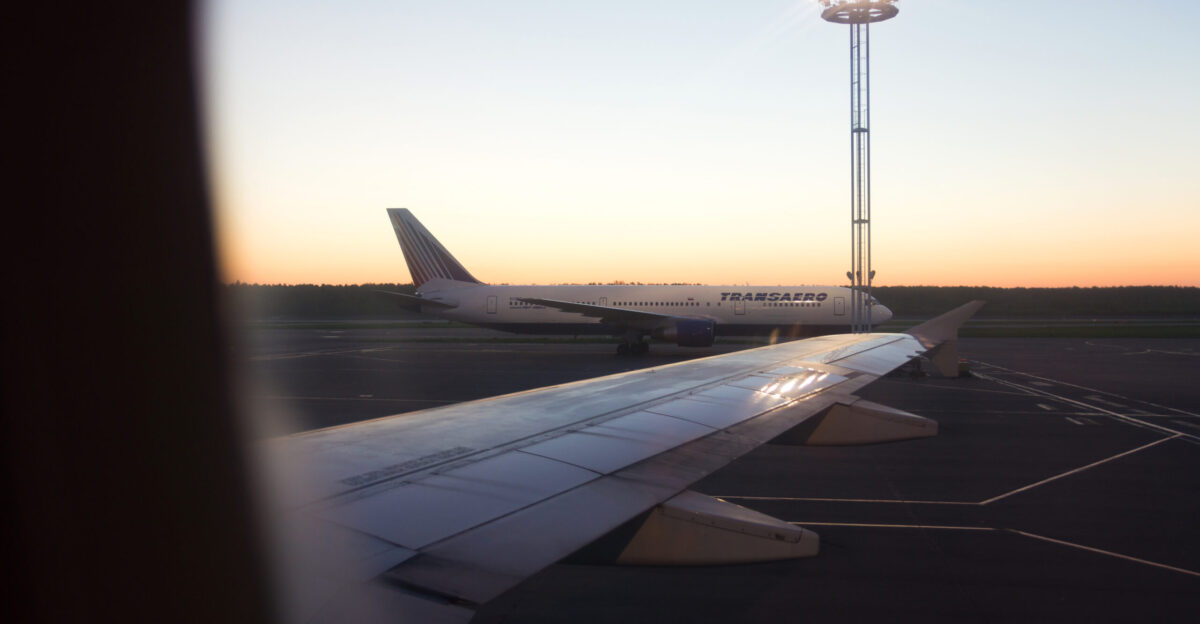
As news of the attack spread, flight operations across Russia were swiftly suspended. Thirteen airports grounded all flights, including those in major cities like Moscow and St. Petersburg.
The disruption revealed the far-reaching consequences of the ongoing energy war.
Fuel Crisis Escalates
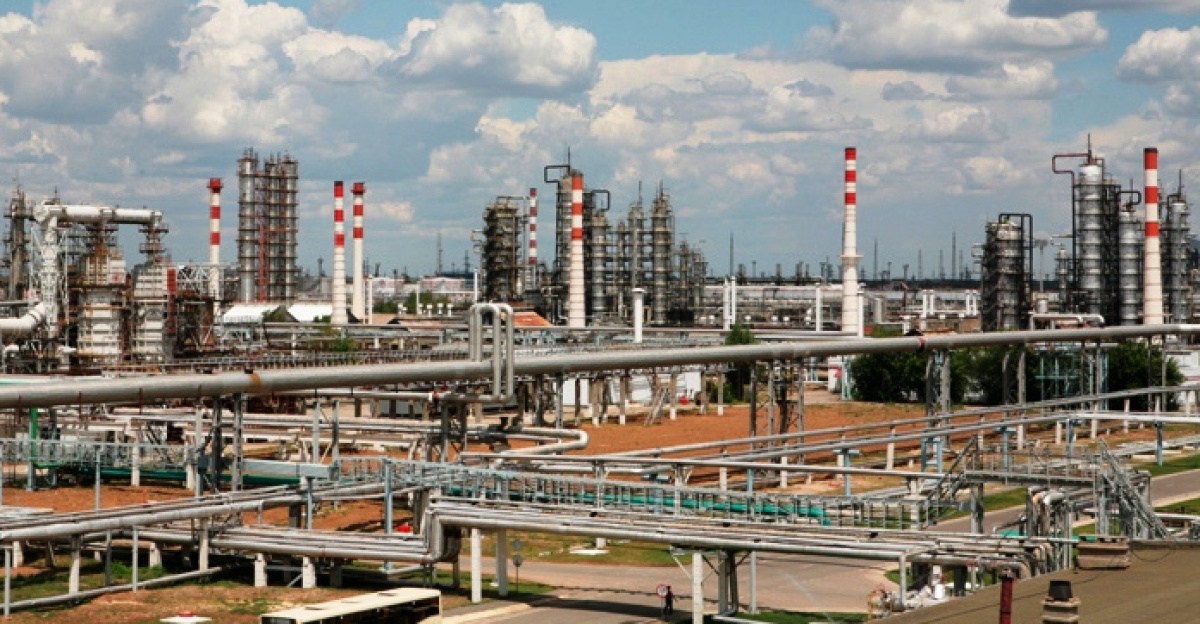
With the Volgograd refinery offline, fuel shortages surged across Russia. Gas stations in Volgograd and surrounding regions posted “out of service” signs as the country’s refining capacity took a significant hit.
Prices skyrocketed, while supply chain disruptions deepened, heightening concerns about the long-term stability of Russia’s energy markets. The energy crisis worsened on November 8 when Ukrainian drones struck electrical substations across Volgograd Oblast. Governor Andrey Bocharov confirmed widespread power outages in multiple districts, compounding the refinery shutdown’s impact. The dual blow—lost fuel production and damaged power infrastructure—left the region of over one million residents struggling with heating disruptions as winter conditions set in.
Firefighting Efforts
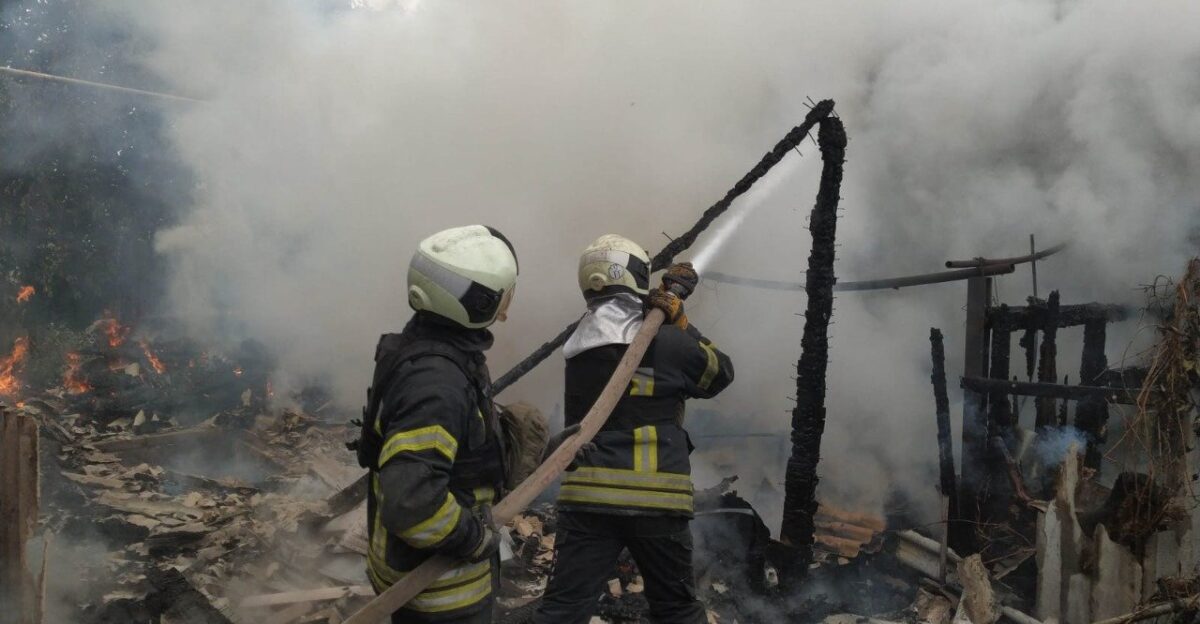
The damage wasn’t limited to the refinery itself. Fires spread into nearby districts, where residential buildings were caught in the blaze.
Firefighters and emergency responders worked tirelessly to extinguish the flames and contain the damage.
Lukoil Under Scrutiny
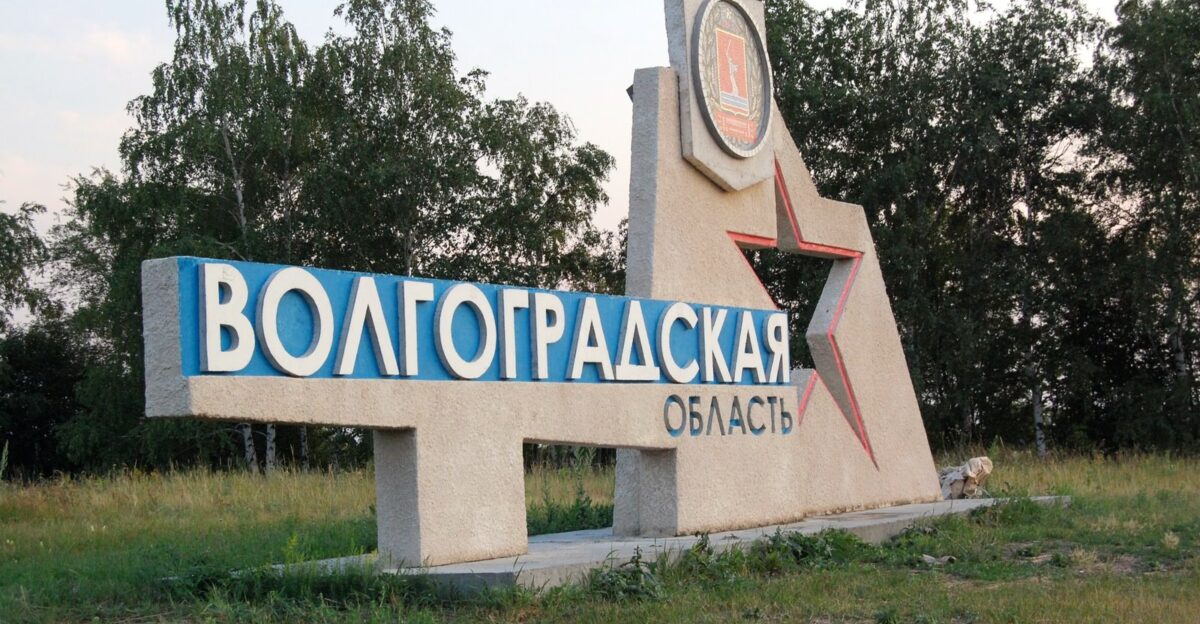
Lukoil, the operator of the Volgograd refinery, has faced increasing scrutiny in the wake of the attack. Despite the scale of the damage, Lukoil has yet to comment publicly on its crisis response or plans for recovery.
Local business owners and franchisees expressed frustration, concerned about prolonged outages and the long-term economic impact of the shutdown.
Government Response

Following the attack, the governor of Volgograd pledged to support residents and coordinate recovery efforts.
At the federal level, Russia’s leadership initiated a review of security protocols to prevent further damage to critical energy infrastructure.
Restoration Efforts Begin
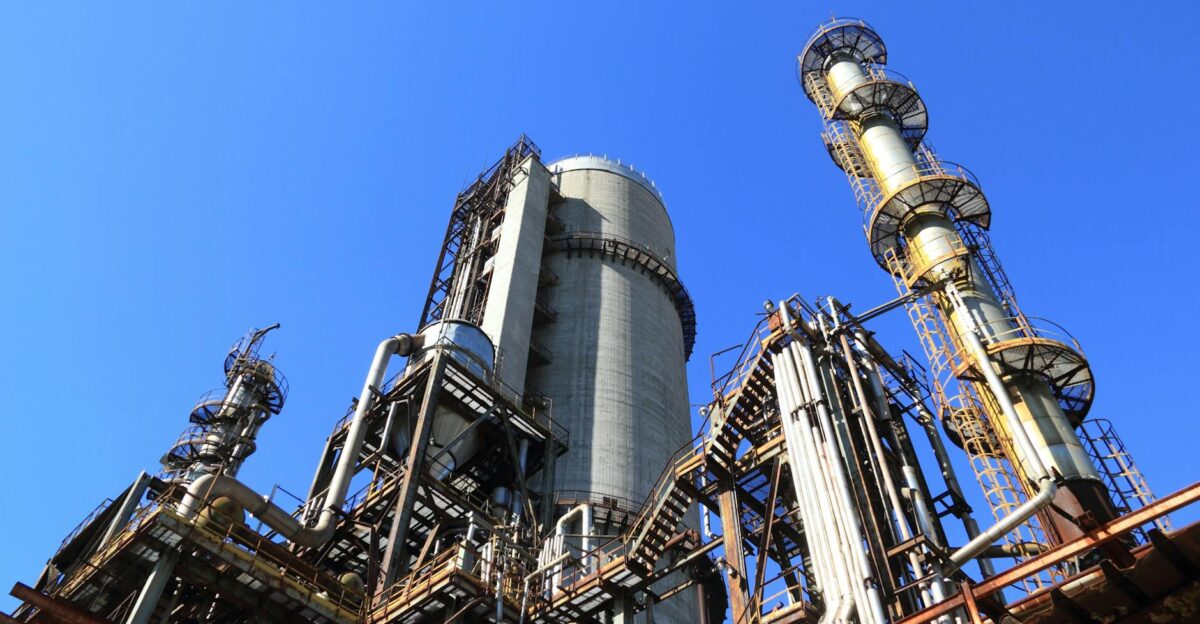
Repair crews were quickly dispatched to assess the damage caused by the November 6 attack. Key units, such as the CDU-5 and hydrocracker, sustained extensive damage, and while work is underway, experts warn that full restoration could take months.
The pressure to restore operations is mounting, as Russia faces a crucial winter ahead.
Growing Vulnerability

Energy experts warn that repeated strikes on Russian refineries are exposing deep vulnerabilities in the country’s energy sector. With key facilities like Volgograd in jeopardy, there is mounting skepticism about Russia’s ability to defend its energy infrastructure.
Experts predict further disruptions if defensive measures aren’t strengthened, particularly as Ukraine continues to target strategic sites.
Uncertain Future
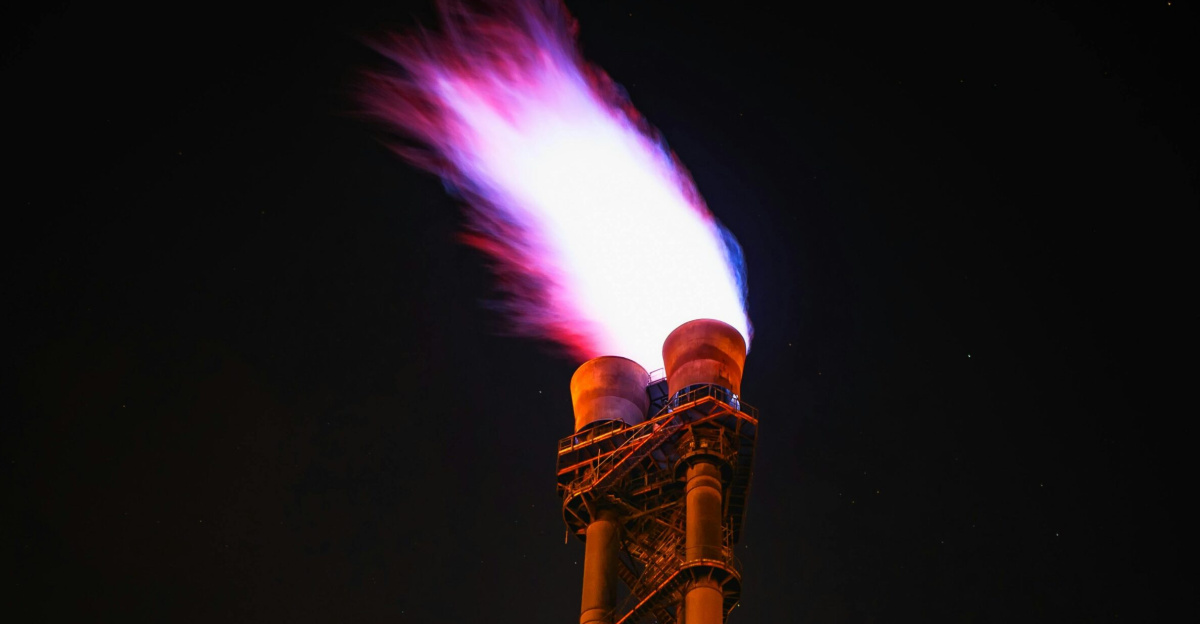
The Volgograd refinery attack raises unsettling questions about Russia’s long-term energy security. Will Ukraine’s drone campaign force Russia to rethink its energy strategy, or can the country adapt and recover from these setbacks?
As both sides continue to escalate attacks on critical infrastructure, the stakes for regional stability and global energy markets remain perilously high.