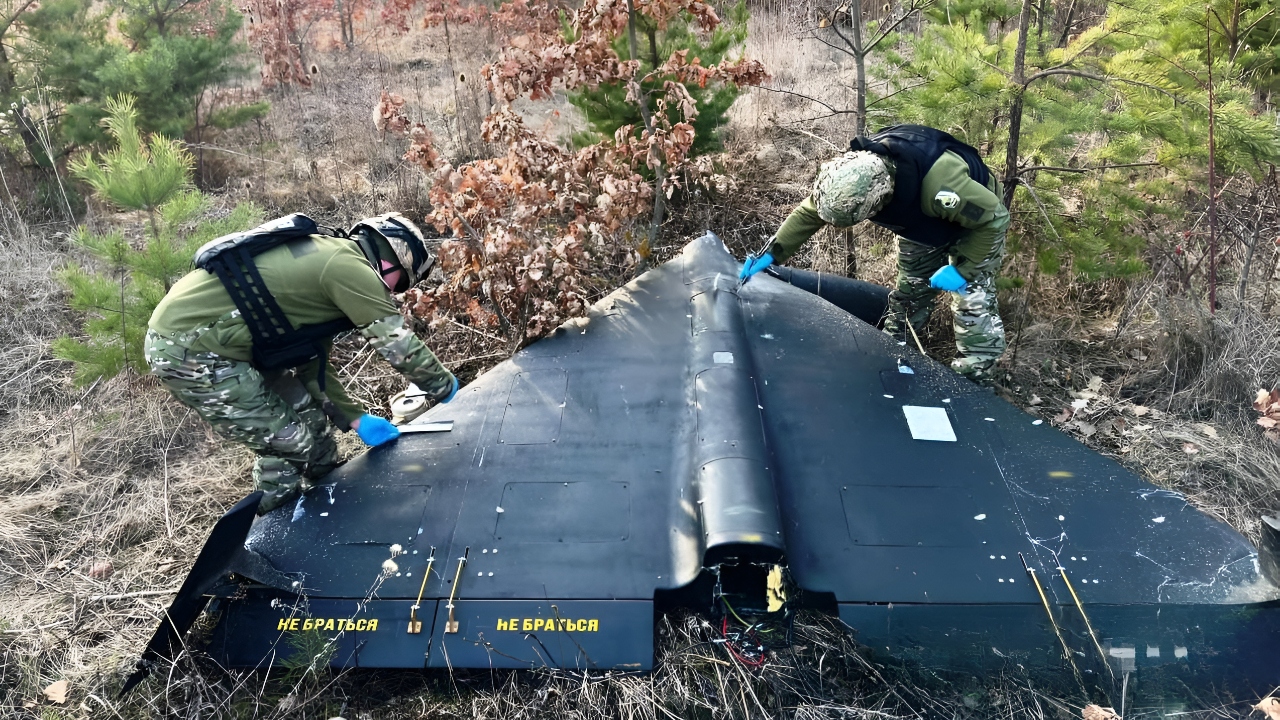
On November 5, 2025, Ukrainian forces struck a Russian drone warehouse at Donetsk airport, reportedly destroying up to 1,000 Shahed drones in what military observers describe as an unprecedented single-location strike on concentrated UAV assets. Ukrainian social media and military sources cite this unconfirmed figure, which Russian milbloggers have partially corroborated, noting substantial losses at the facility. The precision of this coordinated attack has drawn attention from military analysts worldwide, demonstrating the increasingly sophisticated role of drones in modern warfare.
This strike on Russia’s drone stockpile raises pressing questions about the future of high-tech warfare and the growing role of unmanned aerial systems in conflicts. The success of this operation signals a dramatic shift in military tactics, where drones play an increasingly central role in shaping the course of battle.
Escalating Stakes

Satellite imagery reveals devastating damage to the Russian drone base at Donetsk airport. OSINT analysts confirmed through satellite imagery that extensive destruction occurred at the facility, with damage patterns consistent with large-scale munitions and fuel storage. The destruction of the Shahed drones and associated infrastructure caused an estimated $70 million loss, based on typical Shahed unit costs of $20,000-$70,000 per drone, which aligns with the destruction of several hundred to one thousand units plus associated infrastructure and supplies. Ukraine’s drones and missiles hit over 90% of their targets with surgical precision, a stunning success rate for the coordinated operation.
As Russia continues to conduct missile and drone strikes on Ukrainian positions, this escalating warfare demonstrates how unmanned systems are reshaping military strategy. The tactical implications of this precision strike are far-reaching, signaling the continued evolution of drone technology as a critical component of modern warfare.
Origins of Drone Warfare
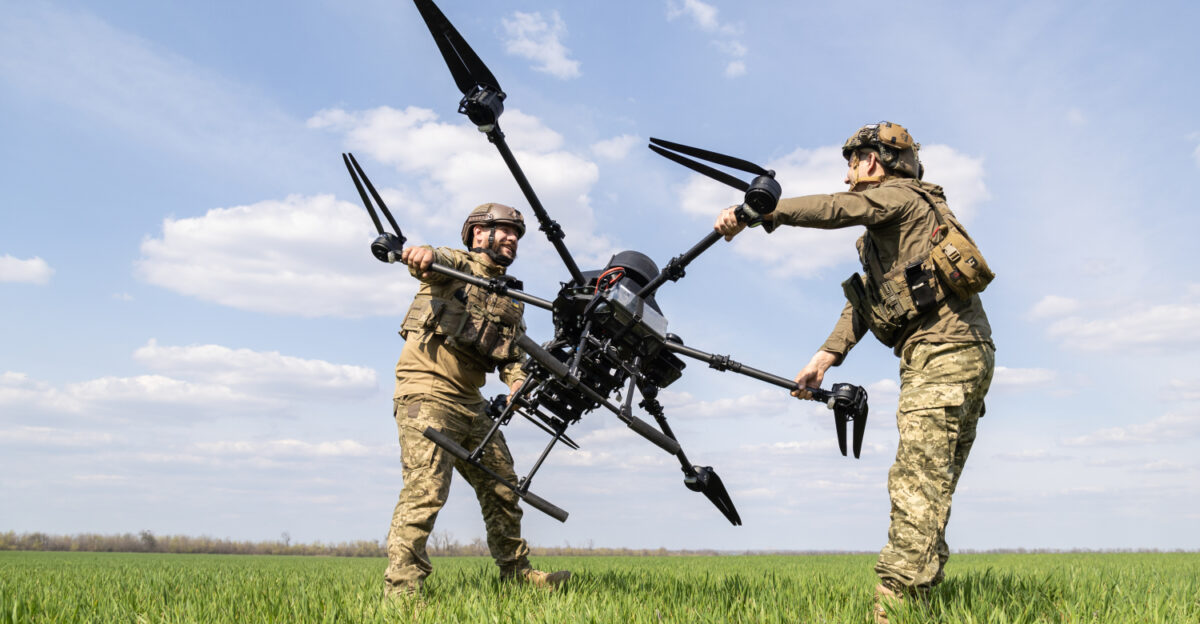
Ukrainian forces embraced drone warfare in 2022 as a strategic counter to Russia’s superior firepower. From humble beginnings, Ukraine quickly expanded its drone capabilities, with thousands of drones now produced annually domestically and through international partnerships.
This shift in tactics has altered the balance of power, pushing Ukraine to the forefront of drone innovation as unmanned systems become central to battlefield success. As more drones enter service, Ukraine’s increasing reliance on this technology has become a decisive factor in its ongoing defense strategy.
Pressure Builds on Russia
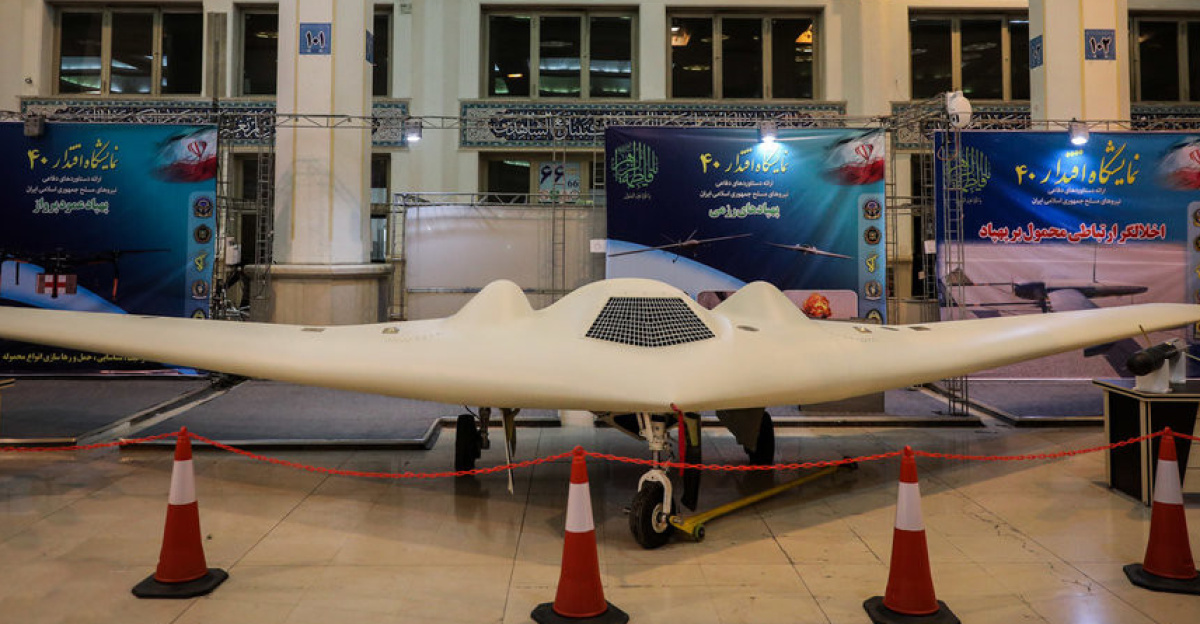
Russia, heavily reliant on Iranian-designed Shahed drones produced both in Iran and at facilities like the Alabuga plant in Russia, saw significantly increased deployment in 2025, with production reaching approximately 2,700 drones per month. In response, Ukraine invested heavily in countermeasures, including interceptor drones and reconnaissance technology, to disrupt Russia’s advantage.
Careful reconnaissance culminated in the precision strike on Donetsk, targeting Russia’s drone supply chain at a critical storage facility. This operation demonstrates Ukraine’s ability to leverage intelligence and high-tech resources to outmaneuver its adversary in drone warfare.
Record Strike Unfolds
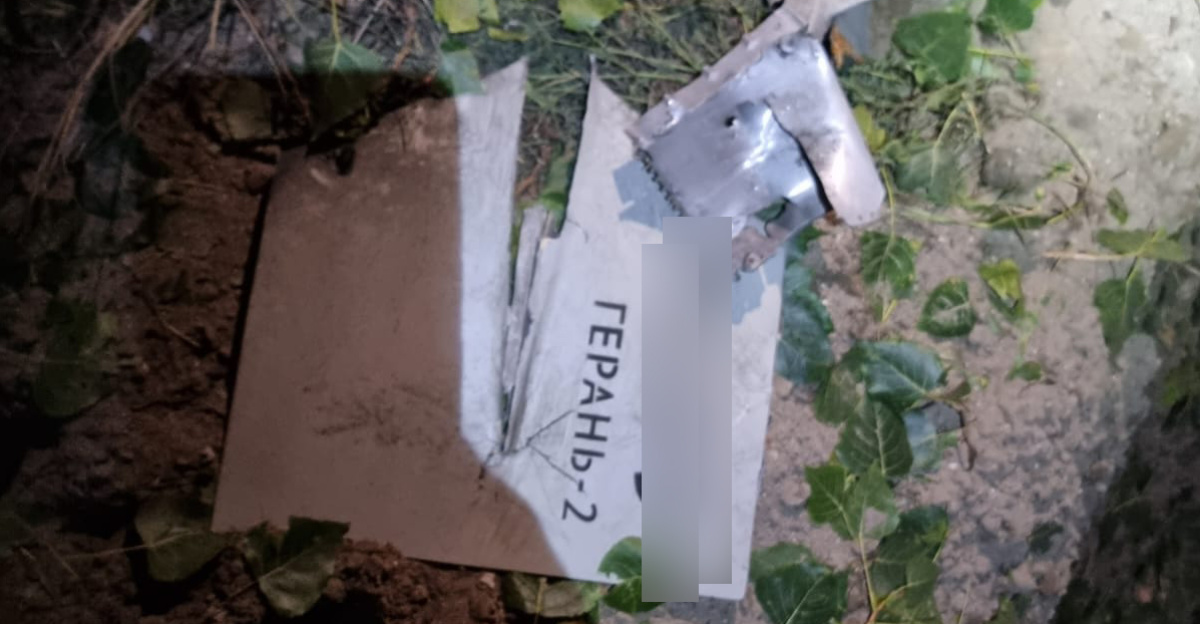
The November 5 operation, involving Ukrainian Special Operations Forces using both drones and missiles, reportedly destroyed a significant stockpile of Shahed drones in one evening. The operation’s scale distinguishes it within the conflict’s drone warfare evolution—no comparable attack on such a concentrated drone stockpile has been publicly documented, making this strike notable in modern warfare history. As flames erupted across the Donetsk airport facility, satellite images confirmed substantial damage to the site.
The Ukrainian strike not only targeted the drone stockpile but also hit critical infrastructure including ammunition and fuel supplies, striking a blow at Russia’s logistical capabilities in the region. This coordinated strike reveals a level of precision and planning that reflects Ukraine’s evolving battlefield capabilities.
Regional Fallout
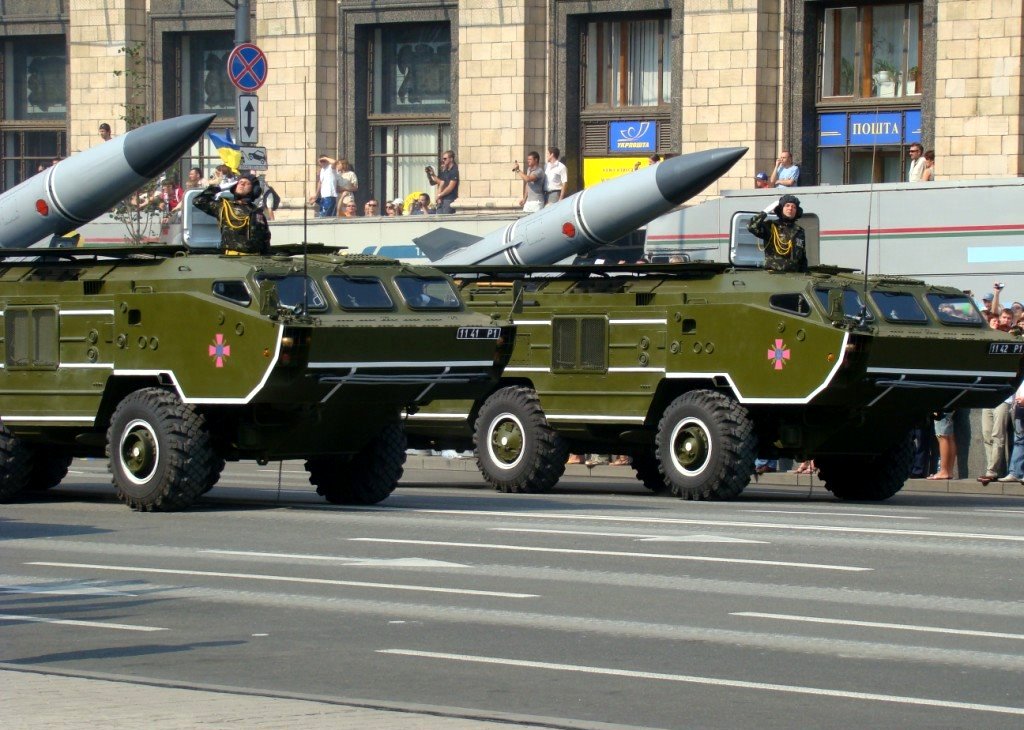
The effects of the Donetsk strike were felt across eastern Ukraine. Russian drone operations faced a setback in the immediate aftermath, while Ukrainian air defenses demonstrated their growing effectiveness. Military analysts noted changes in Russian drone activity patterns in the region following the strike.
The destruction of fuel, ammunition, and drone assets impacted Russia’s ability to sustain operations from this facility. Ukraine’s strategic targeting has demonstrated the vulnerability of concentrated military assets, potentially influencing how both sides approach logistics and storage in the conflict.
Human Stories Behind the Strike
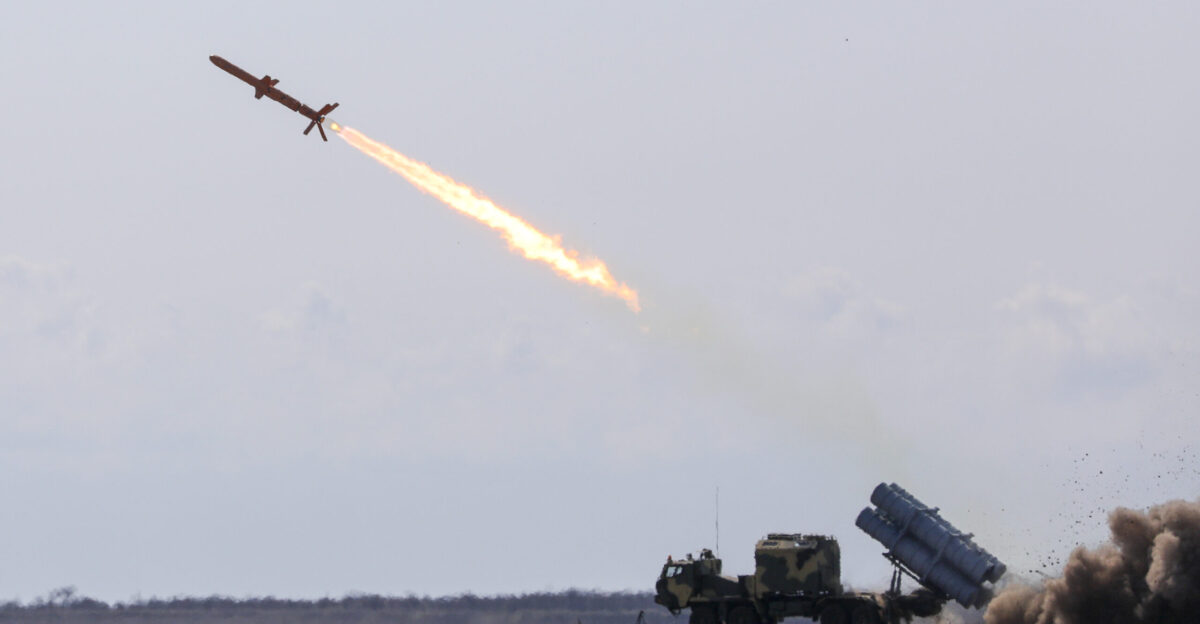
“The enemy’s military infrastructure was located on the territory of the former international airport,” Ukrainian Special Operations Forces reported in their official statement. For the Ukrainian troops involved, the mission was considered a significant success, boosting morale and demonstrating the effectiveness of coordinated drone and missile operations.
For Russian forces, the strike represented a substantial loss, disrupting operations from this facility. The psychological impact of such concentrated damage to military assets continues to influence both sides’ approach to force protection and asset distribution.
Russia Responds
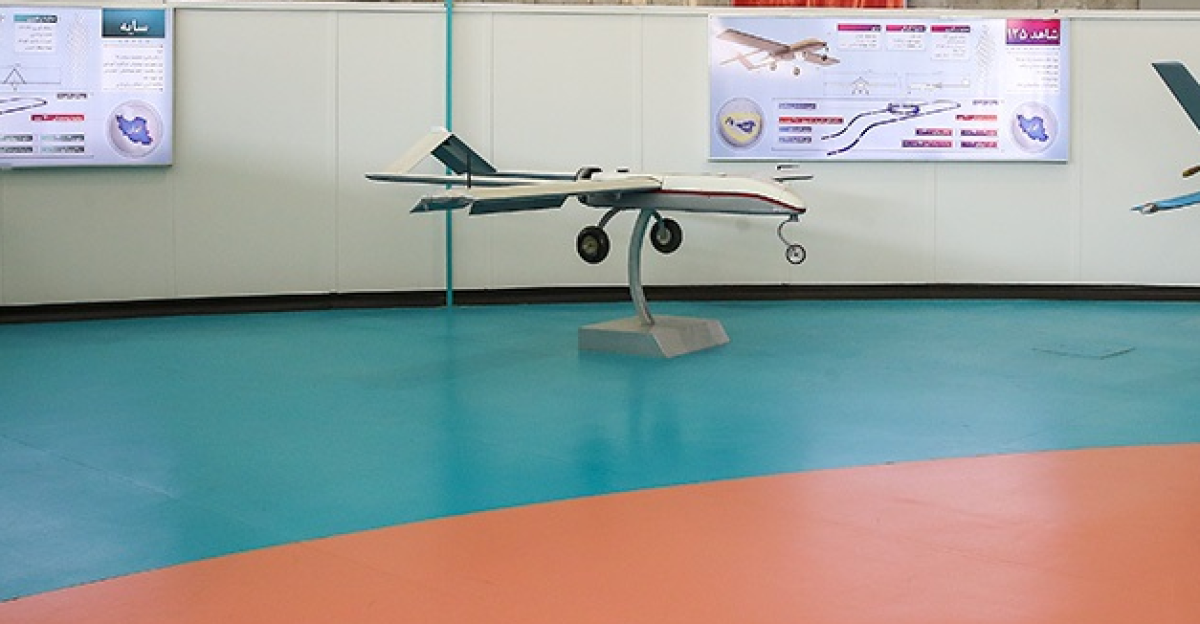
Russia continues to expand its domestic drone production capabilities. The Alabuga Special Economic Zone in Tatarstan has become a major production site, with facilities scaled up to produce thousands of Iranian-designed Shahed drones monthly.
Investments in production capacity, operator training, and technological improvements remain central to Russia’s ongoing strategy.
Drone Warfare Evolution

Ukraine’s innovations in drone warfare have established new benchmarks for unmanned systems in combat. By 2025, various sources estimate that drones account for between 60-75% of Russian equipment losses and casualties in certain operational contexts, particularly in positional warfare. The Donetsk attack demonstrates how coordinated drone and missile operations can achieve strategic effects against concentrated targets.
This evolution signals a future where unmanned systems play an increasingly determining role in conflict outcomes, complementing traditional military operations with technologically advanced precision strikes that can achieve significant strategic effects.
Beyond Drones – Disrupting Infrastructure
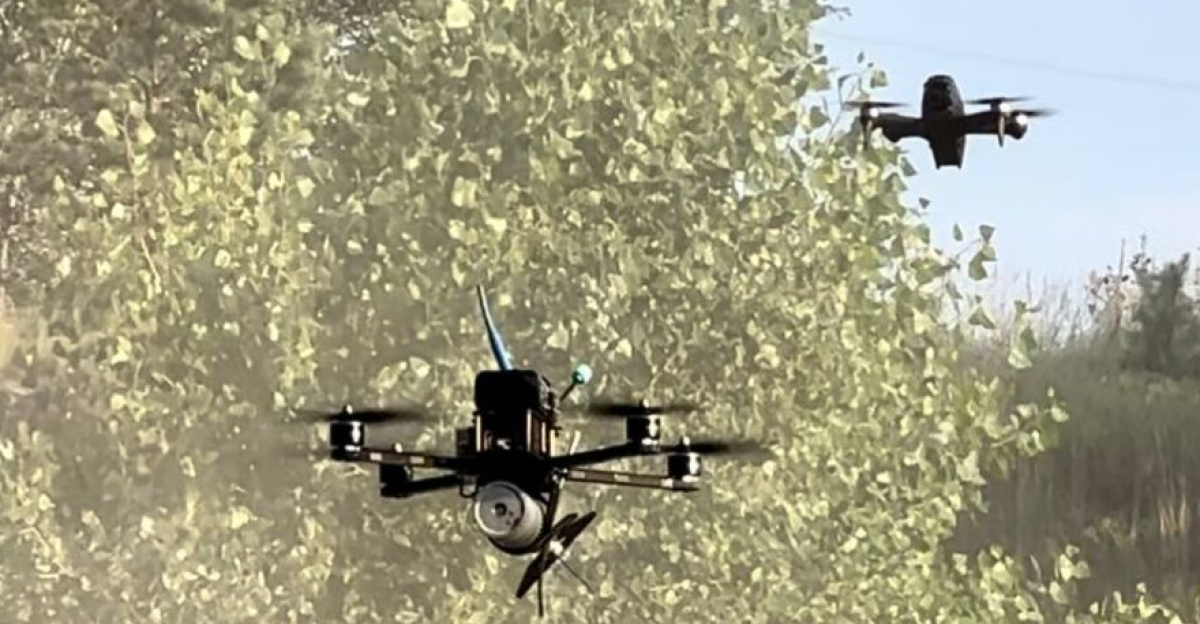
In addition to targeting the reported Shahed drone stockpile, the Ukrainian attack damaged ammunition depots, fuel reserves, and supporting infrastructure at the former Donetsk International Airport site. The comprehensive nature of the strike demonstrated a strategic approach: targeting not only military hardware but also the critical infrastructure that supports operations.
This approach has disrupted Russian operational capabilities at this location. The loss of concentrated assets and supporting infrastructure significantly impacts the ability to sustain operations from this facility, illustrating the risks of centralized military storage.
Challenges and Responses
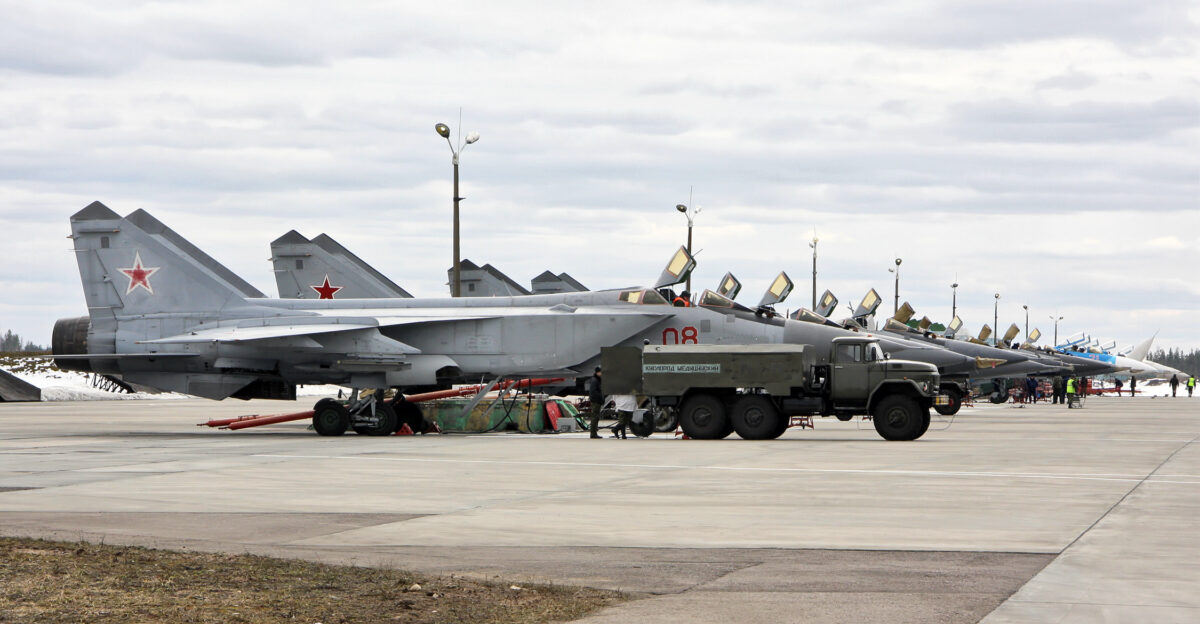
Reports from Russian military channels expressed frustration following the Donetsk strike, with some citing concerns about asset concentration and facility security. The loss of a significant drone stockpile has prompted discussions about improved protection measures and asset distribution.
Military planners on both sides face ongoing challenges in securing assets while maintaining operational efficiency. This tension between operational needs and force protection continues to shape tactical decisions throughout the conflict.
Adaptation and Evolution
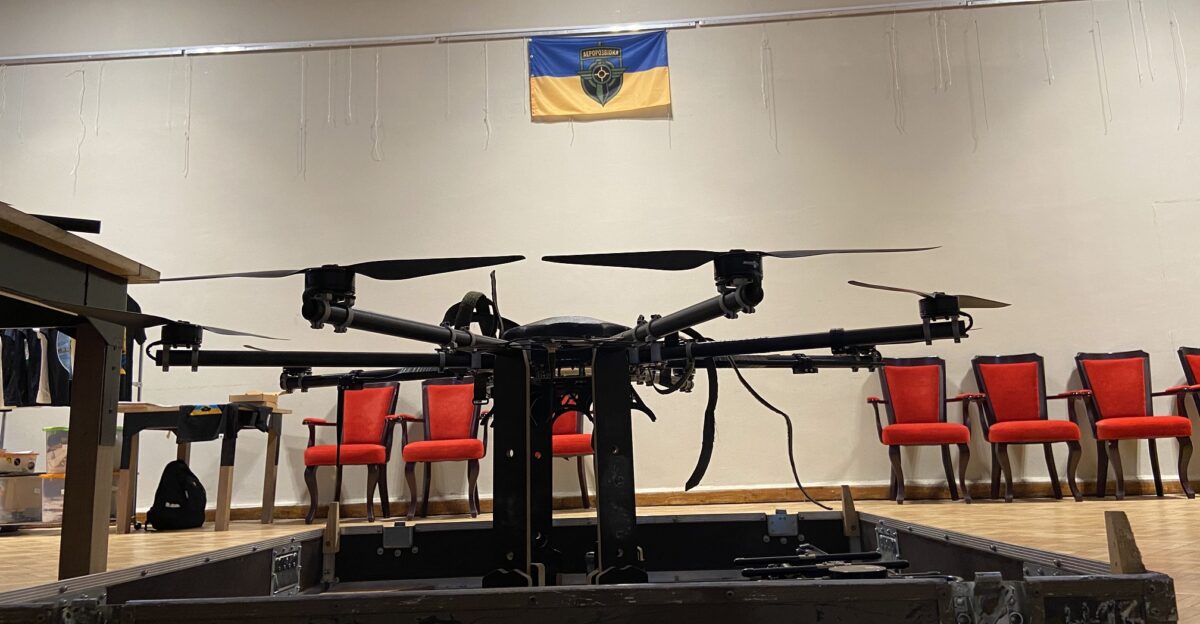
Following significant losses, military forces typically implement new protocols and adjust operational approaches. Both sides continue to adapt their drone storage, deployment, and protection strategies based on lessons learned from strikes like the one at Donetsk.
These adaptations reflect the dynamic nature of the conflict, where tactical innovations by one side prompt countermeasures by the other. The ability to quickly adapt to evolving threats remains a key factor in operational effectiveness.
Future Technologies
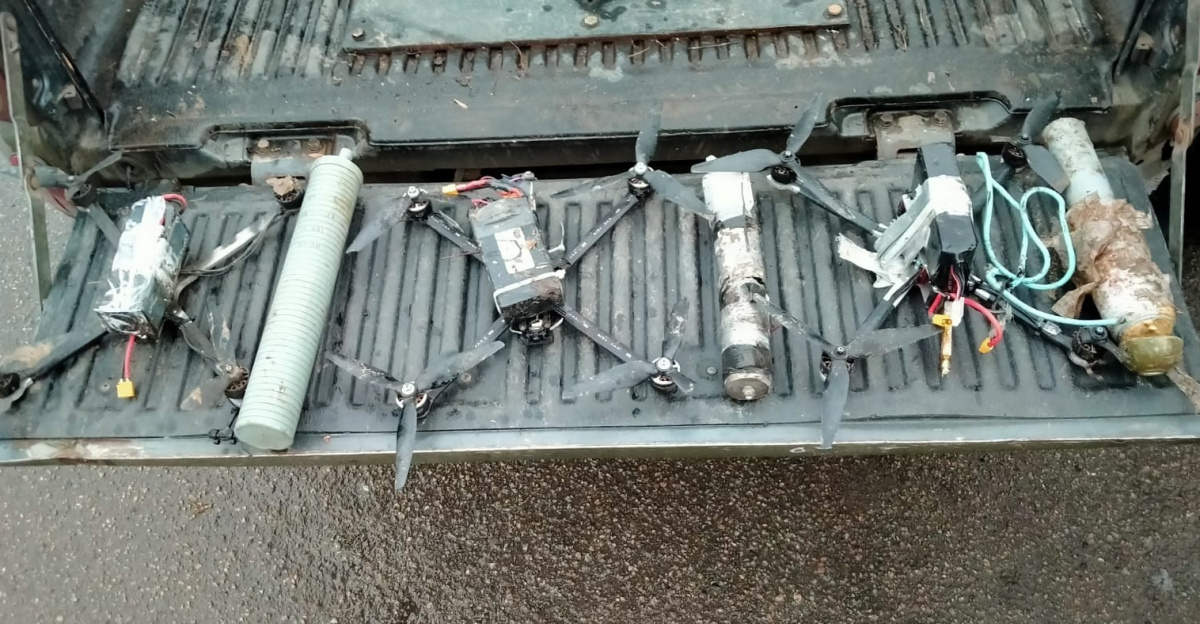
Both Ukraine and Russia continue investing in next-generation drone capabilities. Developments include longer-range systems, improved guidance and communications, swarm capabilities, and enhanced countermeasures. These technological advancements are being pursued by both sides as they seek advantages in the ongoing unmanned systems competition.
Russia’s investments in production capacity and technological improvements, including at the Alabuga facility, reflect its commitment to maintaining large-scale drone operations. Ukraine’s focus on innovation and cost-effective solutions continues to shape its approach to asymmetric warfare capabilities.
Expert Analysis
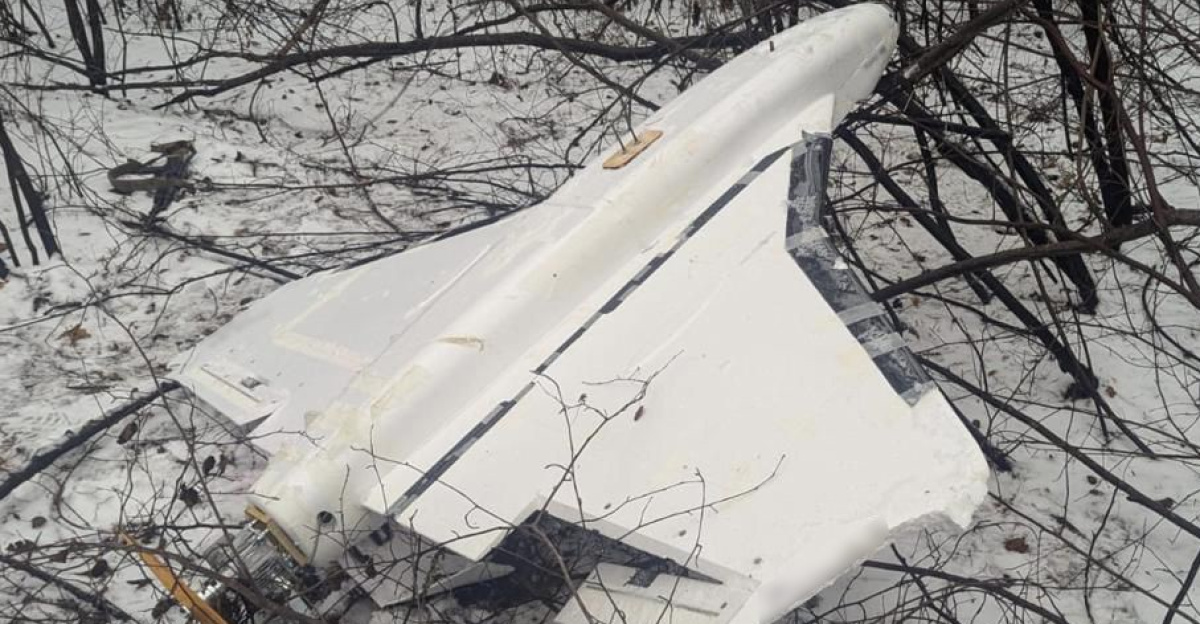
Military analysts emphasize that technological capabilities alone do not determine conflict outcomes. While Ukraine’s success with drone operations is significant, experts point out that effectiveness results from integrating technology with sound tactics, intelligence, training, and adaptability.
The real challenge for both sides lies in adapting strategy and operational approaches to leverage new technologies effectively. Success requires more than just advanced hardware—it demands comprehensive integration of capabilities with strategic thinking.
Looking Ahead
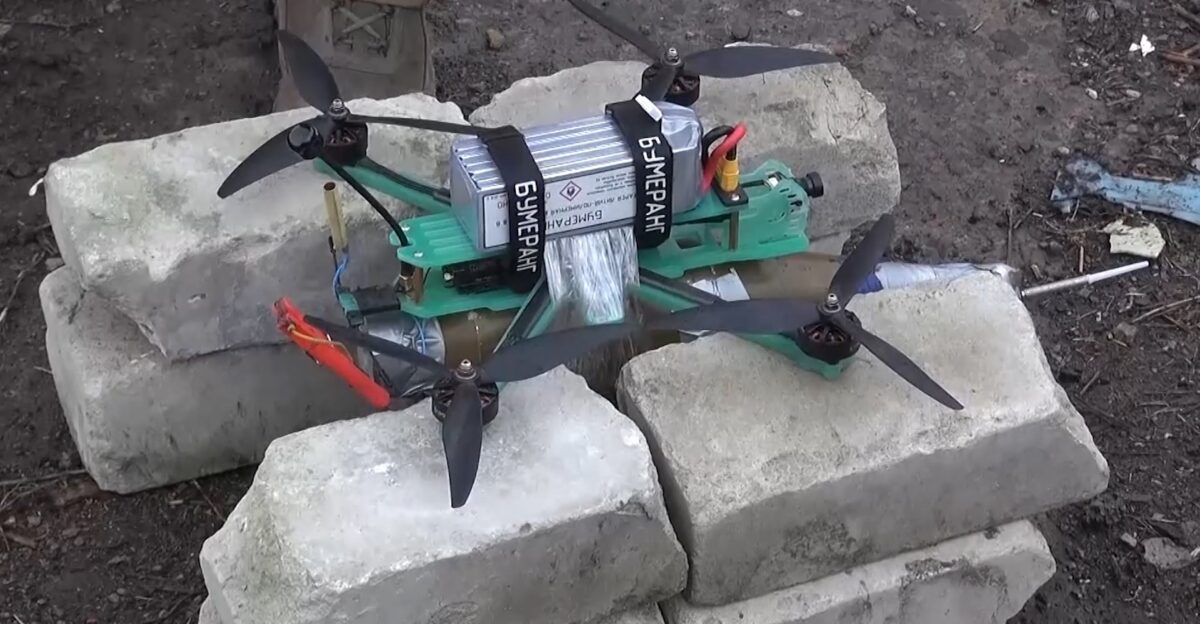
The Donetsk strike has reinforced key questions about the future of this conflict: How will both sides continue adapting their drone strategies? What vulnerabilities exist in concentrated military storage? How will the ongoing drone technology race influence broader conflict dynamics?
As both sides continue to develop and deploy unmanned systems, future operations will likely reflect lessons learned from strikes like the one at Donetsk. The evolution of drone warfare continues to shape not only this conflict but potentially how future wars are fought, with unmanned systems playing an increasingly central role in military operations.