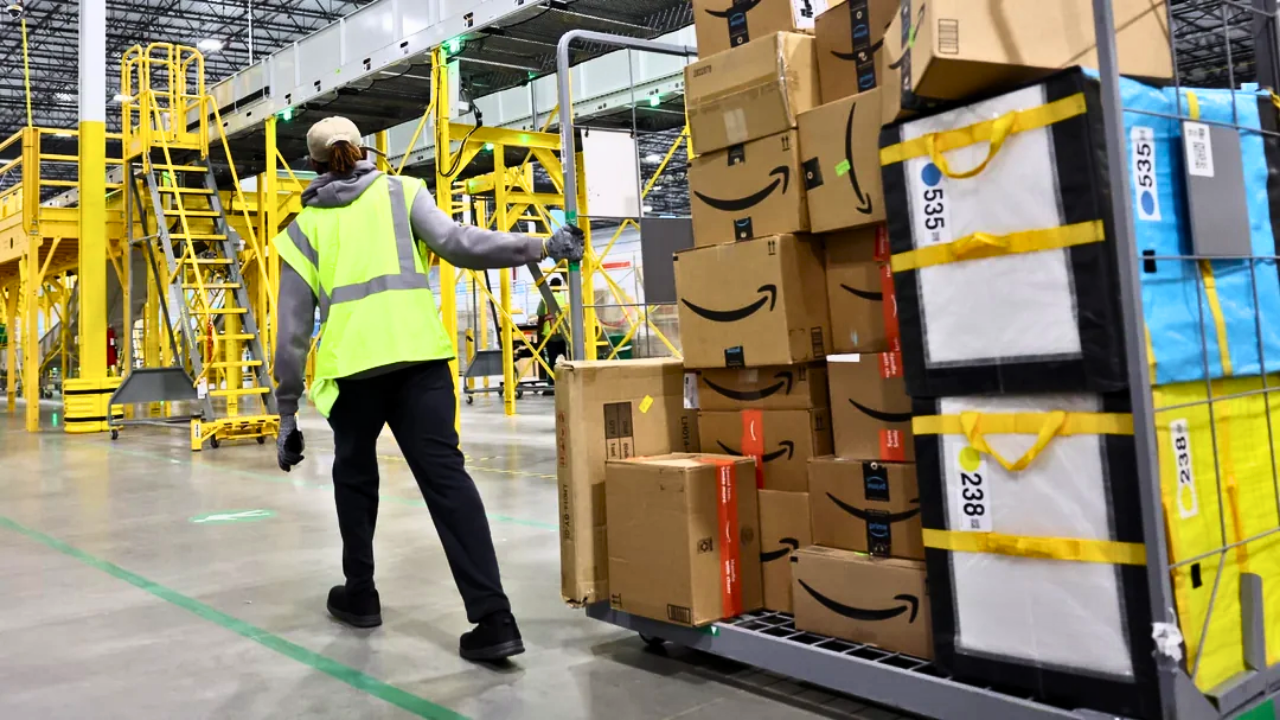
In early 2025, Amazon raised its U.S. online prices by 12.8%, a dramatic shift for a company long known for low costs. This increase far outpaces those at Walmart and Target, which lifted prices by 5.3% and 5.5%, respectively. The move has forced millions of American shoppers to reconsider where they find the best value, signaling a new era in retail competition and consumer behavior.
Tariffs and Policy Changes Drive Up Costs
The primary driver behind Amazon’s price hike is a wave of new tariffs on Chinese imports. Starting in 2025, the U.S. government imposed tariffs as high as 145% on a broad range of goods from China, dramatically raising costs for retailers. Compounding the impact, the government eliminated the de minimis exemption, which previously allowed shipments valued under $800 to enter the country duty-free. Now, even low-value imports face tariffs, hitting online retailers like Amazon especially hard. These policy changes have forced companies to pass much of the added expense onto consumers, raising questions about how long these elevated prices will persist and whether further policy shifts could bring relief.
Consumers Shoulder the Burden
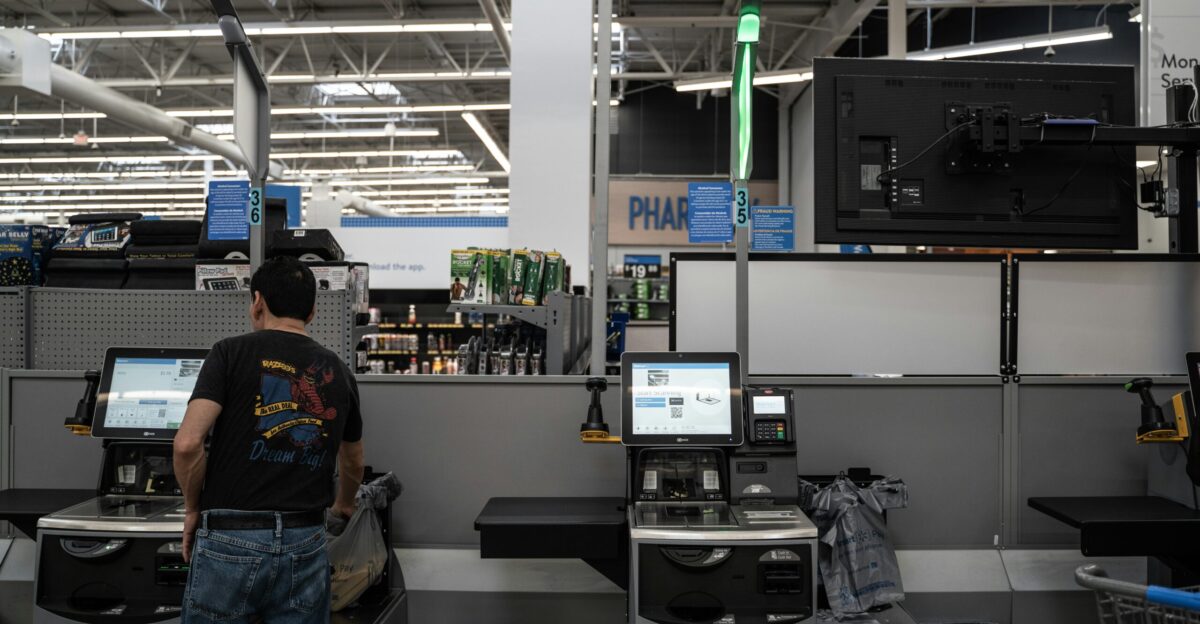
For American households, the effects are immediate and far-reaching. According to Goldman Sachs, consumers now bear about 55% of the tariff costs, leading to higher prices on everyday essentials. Inflationary pressures have intensified, squeezing family budgets and prompting many to seek more affordable alternatives. The price increases are especially pronounced in key categories: apparel prices jumped 11.5% and home goods rose 10.8% in 2025. These are staples for most families, making the cost hikes difficult to avoid and forcing tough choices about spending priorities.
Shoppers Pivot and Retailers Adapt

As Amazon’s prices climb, consumers are increasingly turning to discount retailers, private-label brands, and alternative e-commerce platforms. This shift underscores the adaptability of shoppers, who are now more price-sensitive and willing to explore new options. Walmart and Target, with their more modest price increases, have seen notable growth in online traffic as shoppers search for better deals. The divergence in pricing strategies reflects differences in sourcing and operational scale; Walmart, for example, has been able to absorb some tariff costs thanks to its size, while smaller retailers face greater challenges.
The migration of shoppers to other platforms is reshaping market dynamics, especially in sectors like electronics and home goods. Traditional brick-and-mortar retailers with robust online operations are benefiting from this trend, gaining market share at Amazon’s expense. Meanwhile, Amazon’s third-party sellers—many of whom rely on Chinese imports—are grappling with shrinking margins and reconsidering their participation on the platform. Nearly half of Amazon’s top vendors are based in China, amplifying the impact of tariffs on both sellers and consumers.
Supply Chains and Industry Responses
The tariff conflict has triggered a broader reevaluation of global supply chains. Retailers and manufacturers are exploring alternative sourcing in countries such as Vietnam, India, and Mexico to mitigate the effects of U.S.-China trade tensions. This realignment requires significant investment but may offer greater resilience against future disruptions. Technology is playing a crucial role in these adjustments, with companies investing in artificial intelligence and data analytics to optimize pricing, inventory, and sourcing strategies.
The ripple effects extend beyond retail. Industries reliant on Chinese imports—including pet food, fertilizers, and leather goods—are also experiencing substantial cost increases. The restaurant and hospitality sectors, which depend on affordable supplies, have begun raising menu prices and seeking domestic alternatives to manage expenses. These changes are reshaping consumer experiences and business operations across the economy.
Political Debate and Future Outlook
Tariffs have become a central issue in U.S. trade policy. In May 2025, President Trump announced a temporary 90-day reduction in certain tariffs, offering limited relief to businesses and consumers. However, uncertainty remains over the future direction of trade policy, with lawmakers actively debating measures to ease the burden on small businesses and households. The Federal Reserve reports that inflation remains above target, complicating efforts to stabilize prices and balance economic growth.
As retailers and consumers navigate this new landscape, the stakes are high. The ongoing shifts in supply chains, pricing strategies, and consumer behavior will continue to shape the future of American retail. Policymakers face mounting pressure to address the challenges posed by tariffs and inflation, while businesses invest in technology and operational resilience. The outcome will determine not only where Americans shop, but how they adapt to a rapidly changing global economy.