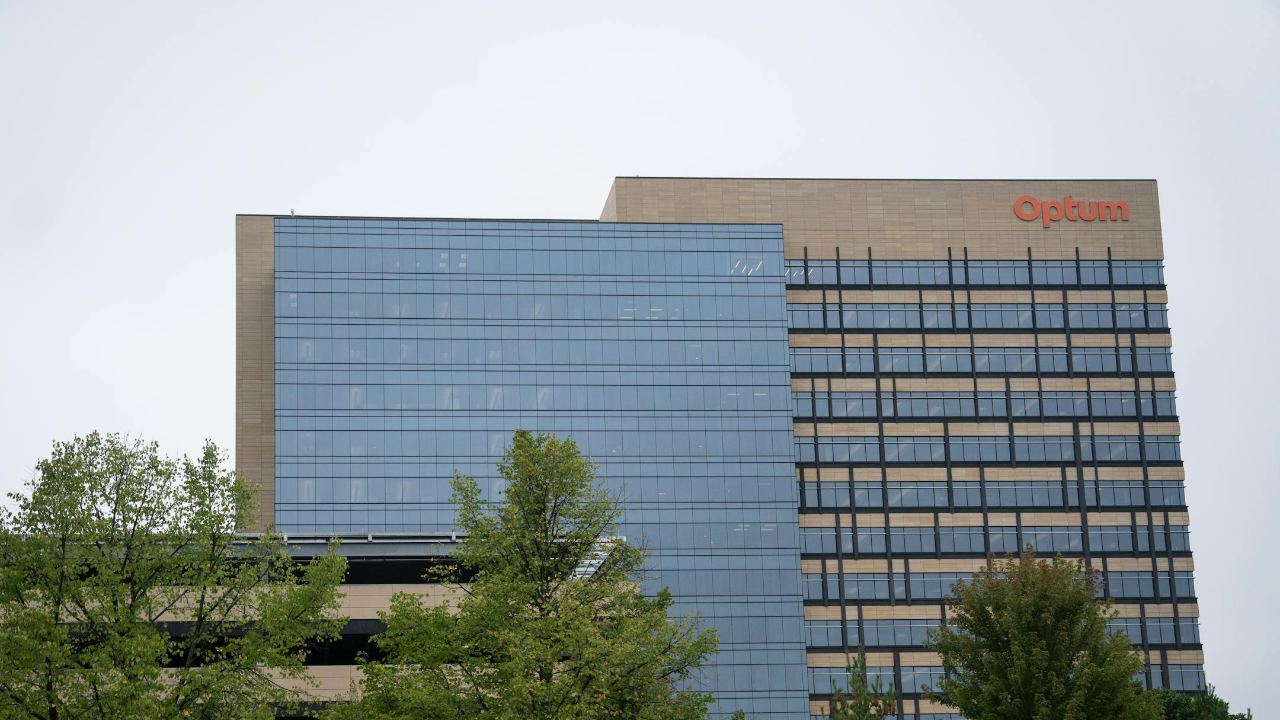
Communities across New Jersey are facing a major healthcare shakeup after Optum, a subsidiary of UnitedHealth Group, announced it will close nearly 90 medical offices statewide by December 1, 2025. The move will eliminate 572 jobs and force thousands of patients to find new doctors, with many learning of the closures through social media rather than direct communication. The abrupt decision has left families, healthcare workers, and local officials scrambling to address the fallout.
Widespread Closures and Service Cuts

Optum’s withdrawal affects a broad swath of New Jersey’s healthcare landscape. The company is shuttering about 20 primary care offices and 19 pediatric locations, along with dozens of other sites. In October, Optum filed four separate WARN notices, signaling the elimination of hundreds of positions across its divisions. Most affected employees will remain on payroll until early 2026, but the impact on patient care is immediate.
In a sweeping move, Optum is also discontinuing eight specialty services statewide, including behavioral health, gastroenterology, podiatry, dermatology, endocrinology, orthopedics, pulmonology, and chiropractic care. These specialties will not be consolidated elsewhere; instead, they are being eliminated entirely from Optum’s New Jersey operations. As of December 1, patients who relied on these services must seek care elsewhere, often with little notice.
Mental Health Services Disappear Amid Rising Demand

The closure of all Optum behavioral health services in New Jersey is particularly alarming for patients and providers. As of November 30, all mental health appointments are canceled, and clinicians are no longer part of Optum’s network. This comes at a time when demand for behavioral health care is surging nationwide, raising concerns about access for vulnerable populations.
Patients and clinicians alike have expressed frustration over the lack of communication and the abruptness of the transition. Many only learned of the changes through community forums or after attempting to schedule appointments, leaving little time to secure medical records or arrange alternative care.
Communities and Families Face Uncertainty
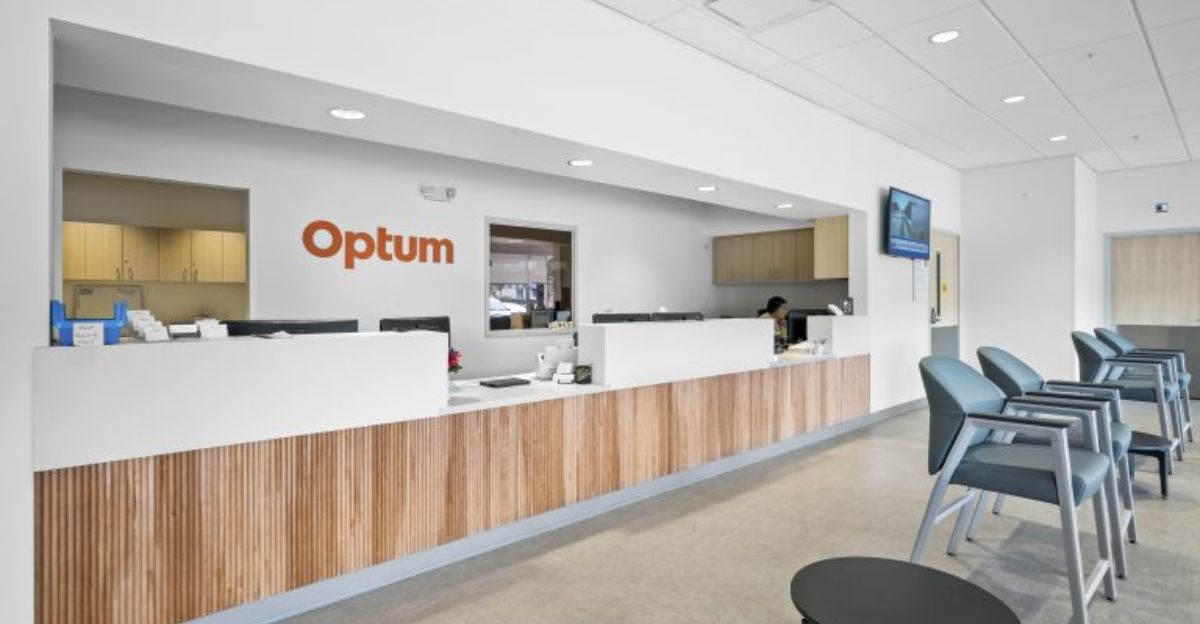
The closures are hitting densely populated areas especially hard. In Hudson County, for example, four pediatric offices—including both Hoboken locations—are shutting down. Local officials warn that the city could become a “pediatric desert,” with families losing access to long-standing providers. Parents report difficulty finding new doctors, especially as winter approaches and demand for pediatric care rises.
Longtime patient-doctor relationships are being severed with little warning. Some parents, like Cynthia Link of Hoboken, worry about the challenge of securing timely appointments for their children. Others, such as Tamela Hartman, must abruptly end decades-long relationships with trusted physicians. Many patients say they received no direct notification from Optum, learning of the closures only through word of mouth or last-minute emails.
Healthcare workers have also been caught off guard. Some doctors and nurses were informed in brief meetings that their positions were eliminated immediately, leaving them and their patients in limbo. The sudden loss of providers is expected to strain remaining practices, with some warning that the influx of displaced patients could overwhelm the system and jeopardize care.
Corporate Strategy and Financial Pressures
Optum’s decision to exit so many New Jersey locations is rooted in broader financial and strategic challenges. UnitedHealth Group, Optum’s parent company, has faced disappointing results in its Medicare Advantage business and acknowledged that its rapid expansion created an unsustainable provider network. In the third quarter of 2025, Optum Health’s revenues were flat, and the company’s medical loss ratio—a measure of how much revenue is spent on patient care—rose to 89.9%, well above its 80% target.
The company is also withdrawing from Medicare Advantage plans in 109 counties nationwide, affecting 180,000 beneficiaries. Rising medical costs and reduced federal funding have forced UnitedHealth to scale back, with executives citing “obstacles that no organization can overlook.” Beyond New Jersey, UnitedHealth is closing clinics in Arkansas and Texas and expects a 10% reduction in Optum’s value-based care membership in 2026.
Optum’s aggressive acquisition of local practices in recent years, including the Riverside Medical Group, has come under scrutiny. CEO Patrick Conway has admitted that the company “strayed from the initial intent” with its rapid growth. Meanwhile, a Health Affairs analysis found that Optum physicians are paid significantly more than outside providers, raising questions about the sustainability of its business model.
Community Response and Broader Implications
The closures have sparked concern among state legislators and community leaders, who are pressing for answers about the impact on patient care and the role of corporate ownership in healthcare. Some former patients feel abandoned after Optum acquired their longtime practices, and many worry that profit-driven decisions are undermining access to essential services.
UnitedHealth is also facing antitrust scrutiny from the Department of Justice, which is investigating whether the company’s market dominance and integration of insurance and provider networks harm competition and consumers.
Optum has pledged to support affected patients in finding new providers, but many report receiving inadequate guidance. As the healthcare landscape shifts, patients face longer wait times, disrupted care, and fewer options—underscoring the challenges of balancing corporate strategy with community health needs.
Looking Ahead: The Stakes for Patients and Providers
Optum’s retreat from New Jersey highlights the risks of rapid consolidation and the pressures facing large healthcare conglomerates. As companies prioritize financial sustainability, patients and providers are left to navigate the consequences. The closures raise fundamental questions about the future of healthcare access, the role of corporate ownership, and the ability of communities to maintain essential services in an era of industry upheaval.