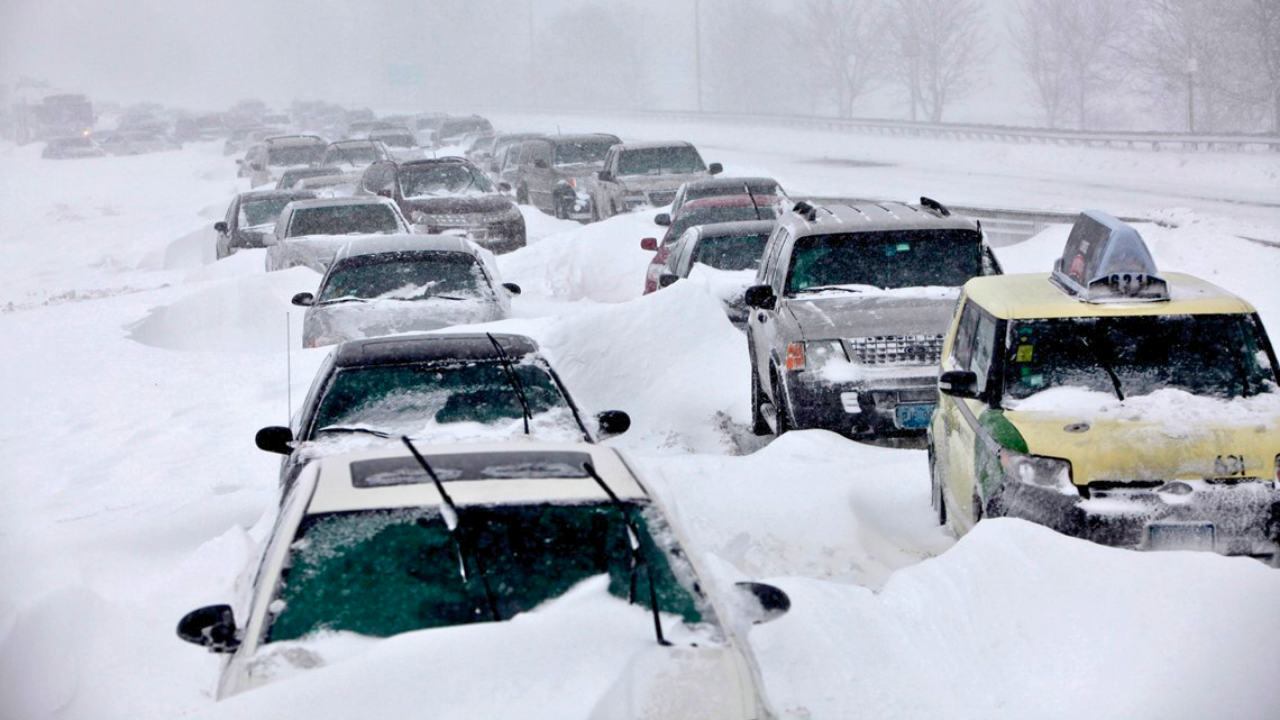
On Sunday evening, November 3, 2025, the Chicago metropolitan area was hit by its first Winter Storm Warning in seven years.
As snow began to fall heavily, lake-effect snow rates reached up to three inches per hour, intensifying in concentrated bands across Cook County, northwest Indiana, and lakefront areas.
By Monday morning, the storm’s peak would wreak havoc during the rush hour, creating dangerous travel conditions and stranding commuters across the hardest-hit suburban regions. How will the city manage this massive disruption, and what are the long-term effects for its 9 million residents?
Why This Storm Is Different: Lake-Effect Snow and Arctic Blast
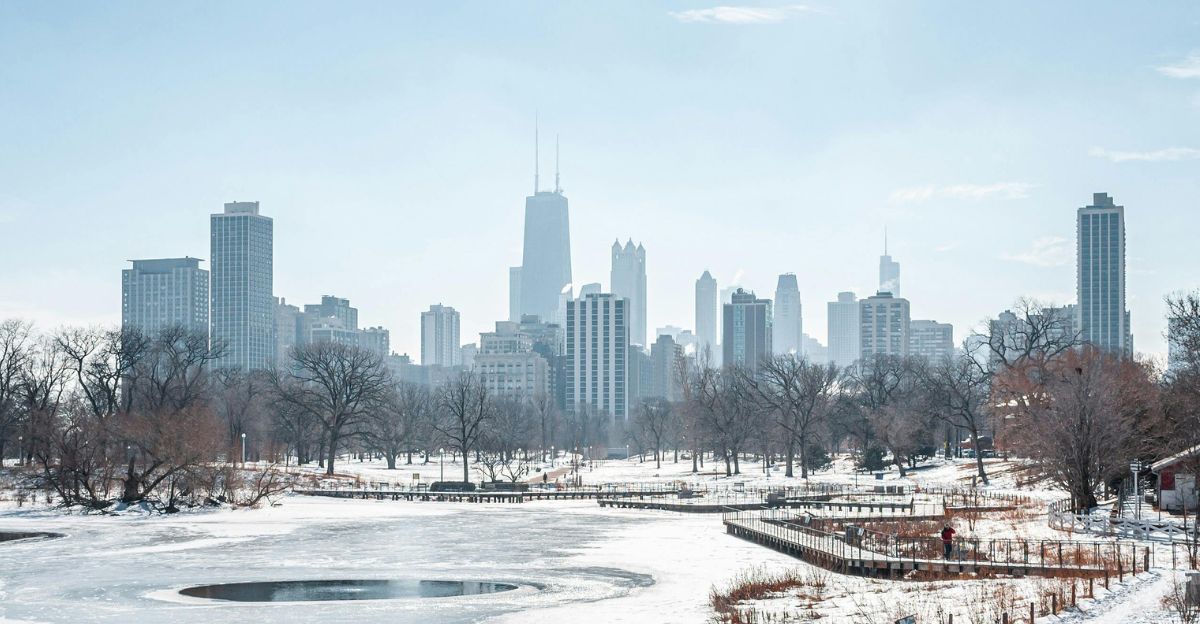
A unique combination of unusually warm lake waters and an Arctic air mass drives this storm. The intense lake-effect snow bands are small but incredibly concentrated, dumping up to 3 inches of snow per hour in the most heavily affected zones.
This rare weather phenomenon creates significant disruption for Chicago’s suburbs and nearby regions. Meteorologists note the unusual timing for such an intense November event, with conditions in the hardest-hit areas recalling the severity that older residents remember from historic winter storms.
Stranded Commuters Face Dangerous Travel Conditions
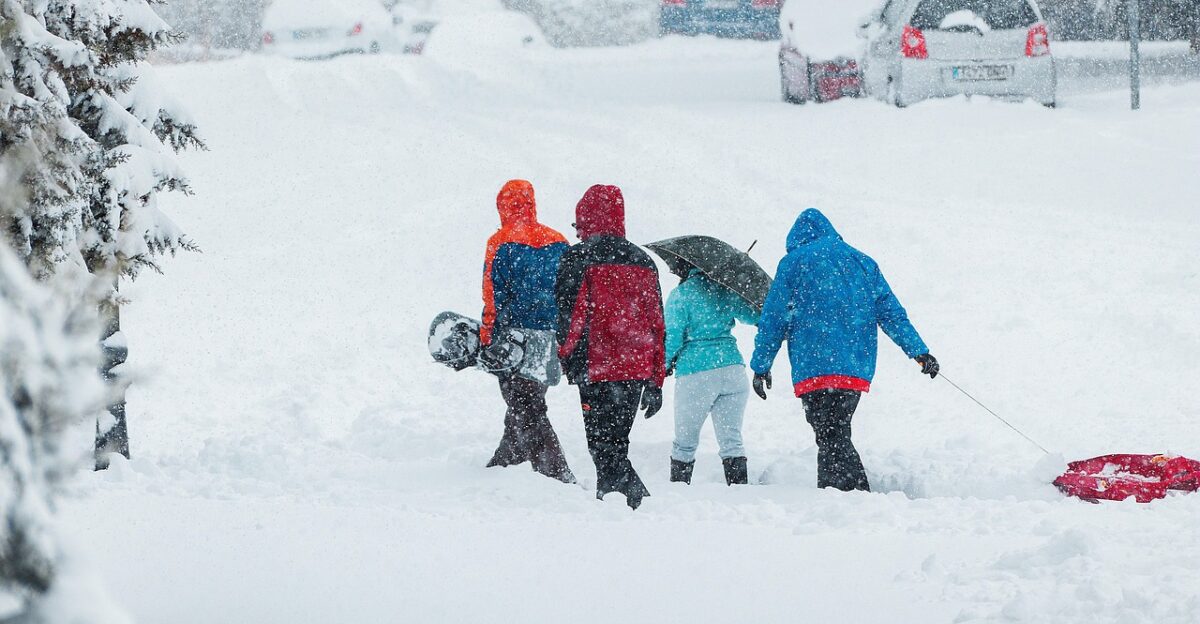
As snow intensifies, commuters in affected areas become stranded on impassable roads, with travel effectively halted in suburban zones receiving the heaviest accumulations.
With snow falling at rates of up to 3 inches per hour in concentrated bands, thousands find themselves trapped in their vehicles or unable to leave their homes.
The National Weather Service urges residents across the metro area to avoid travel during the storm’s peak on Monday morning, as lake-effect snow and reduced visibility create life-threatening conditions. Chicago’s transit system, serving over two million daily boardings, experiences significant delays.
Cancellations and Delays at O’Hare and Midway
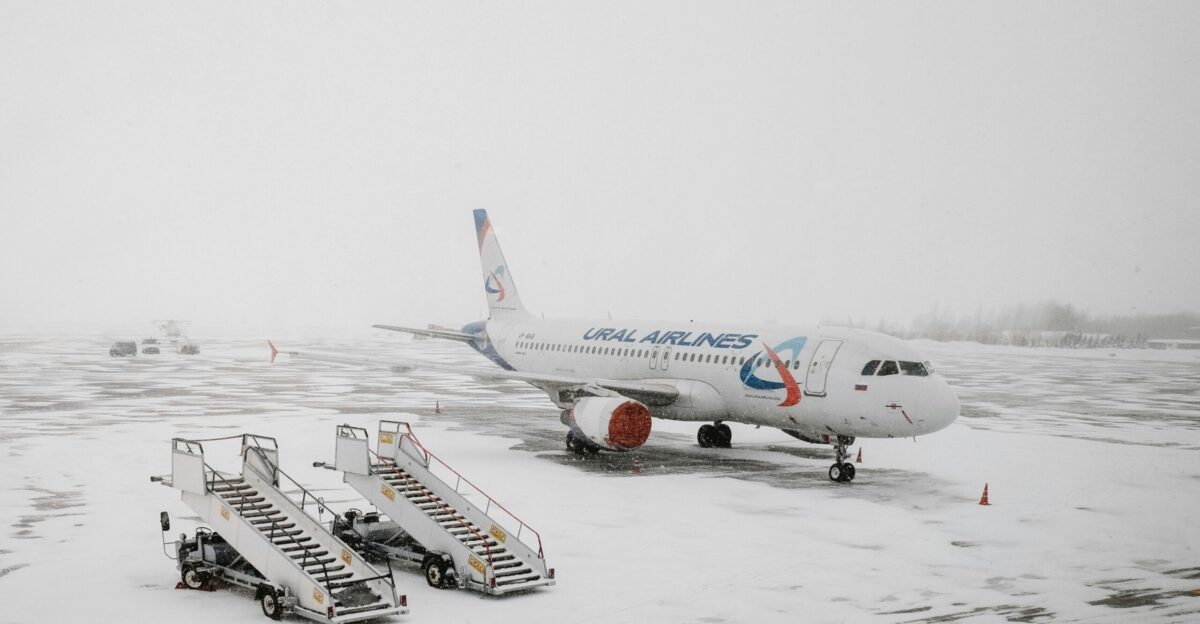
Chicago’s O’Hare and Midway airports face significant disruptions, with over 700 flight cancellations due to a combination of lake-effect snow and an ongoing 41-day federal government shutdown.
The snowstorm and a reduced number of air traffic controllers due to the shutdown exacerbate travel delays, trapping hundreds of thousands of passengers over multiple days in terminals or stranding them away from home.
The FAA had already ordered 6-10% flight reductions before the storm hit, compounding weather-related disruptions and creating a travel nightmare for the metro area.
Delivery and Logistics Struggles Across Suburban Chicago
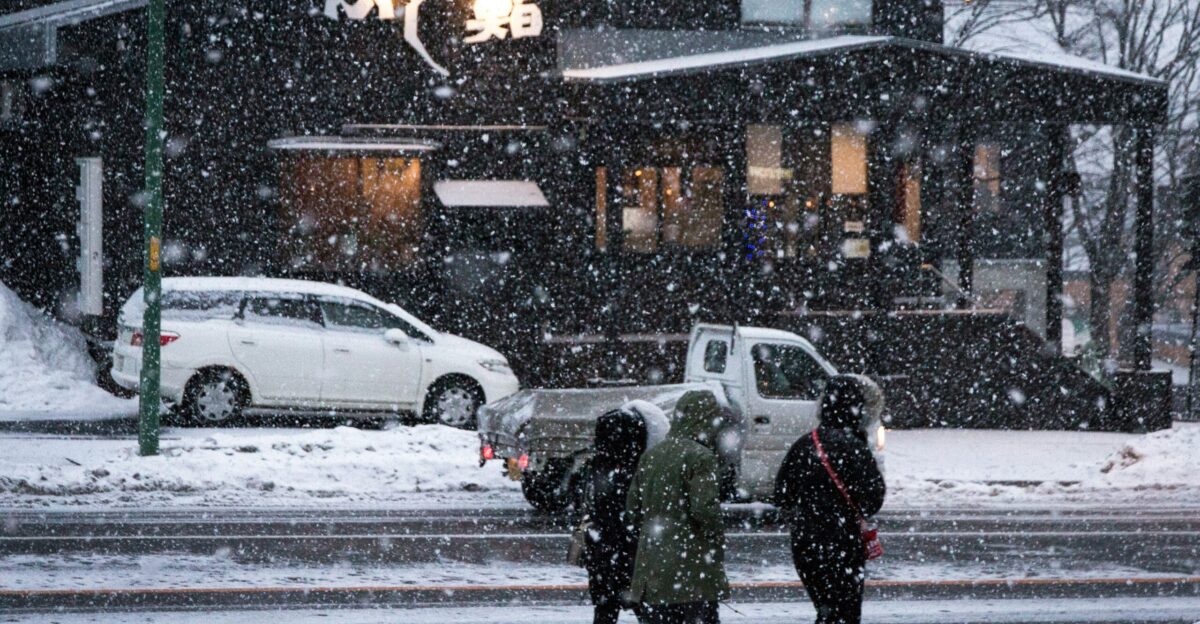
Heavy snow and hazardous conditions across suburban Chicago halt deliveries, trapping residents without access to essential goods, especially in northwest Indiana and northern suburbs that receive up to 12 inches.
The storm disrupts the usual flow of goods and services, with logistics companies struggling to maintain operations in heavily affected areas.
Downtown Chicago experiences less severe impacts with only 2-4 inches of accumulation, allowing some continued movement. Delivery delays are primarily concentrated in areas with the highest snowfall totals, where roads remain impassable.
Northwest Indiana Bears the Brunt: Echoes of Historic Storms
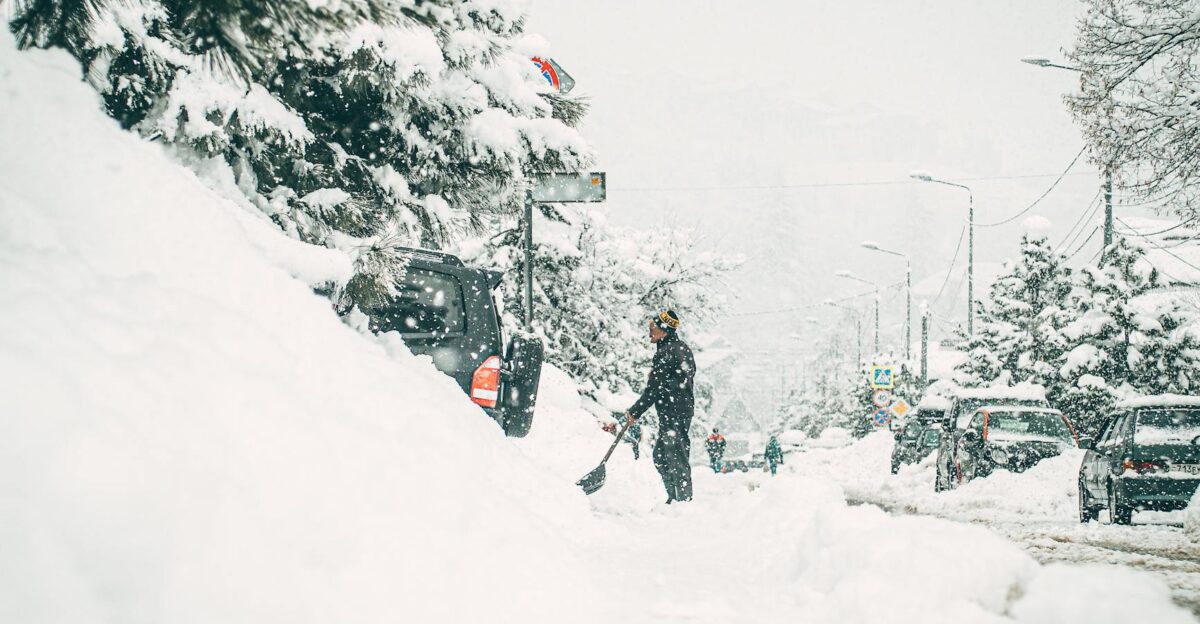
The hardest-hit region is northwest Indiana, where snowfall accumulates to depths of up to 12 inches—creating conditions that echo the paralyzing severity veteran residents recall from past historic winter events.
The storm creates major logistical challenges for trucking routes in the area, with some roads becoming completely impassable and trapping motorists.
The disruption impacts businesses and residents directly in the storm’s path, while suburban Chicago areas also experience significant accumulations. The concentrated snowfall in these zones creates a localized crisis reminiscent of Chicago’s worst winter weather.
Snow-Heavy Bands Cause Travel Hazards for Emergency Responders
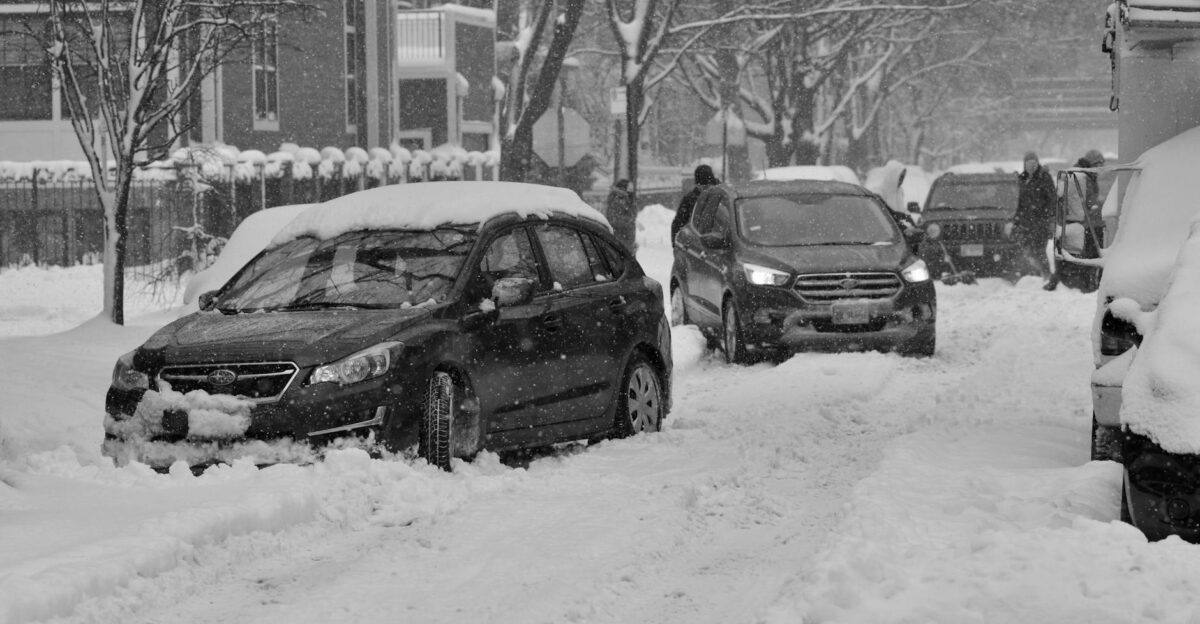
Emergency responders face major difficulties navigating streets due to near-zero visibility in the snow-heavy bands, with some crews temporarily unable to reach stranded residents.
The National Weather Service warns of “dangerous to impossible travel conditions” in areas experiencing the most intense lake-effect snow, urging residents to heed safety precautions and stay off roads.
Downtown Chicago’s Winter Storm Warning is later downgraded to a Winter Weather Advisory as conditions prove less severe than initially forecast in the city center, though suburban zones remain paralyzed.
Officials Mobilize Resources Early
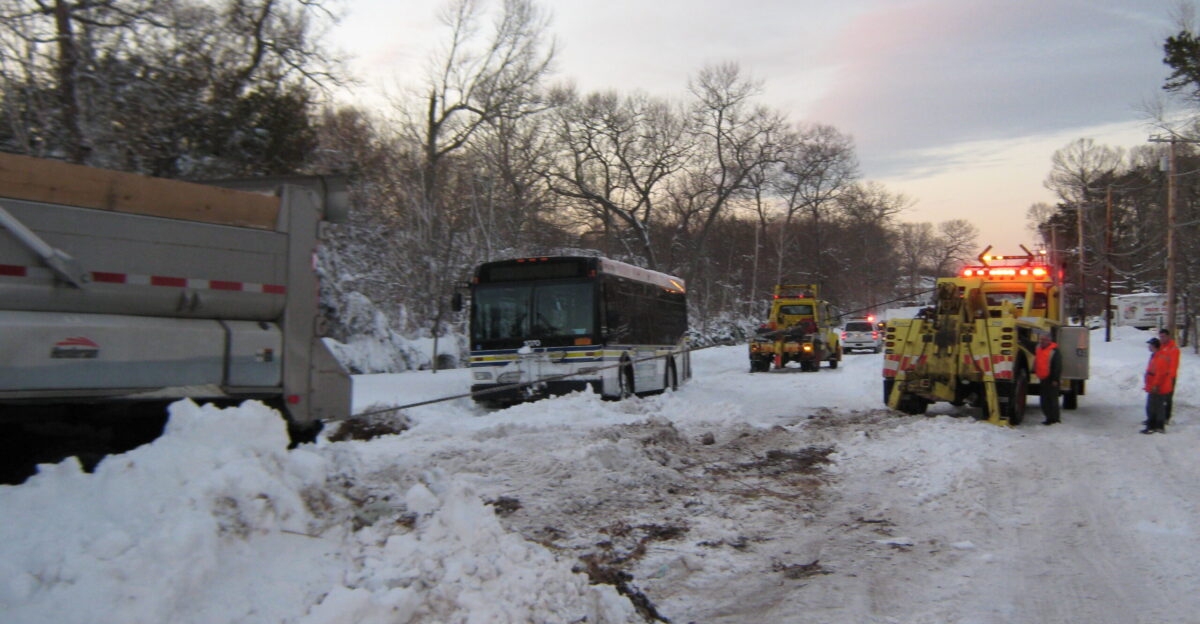
Local officials swiftly coordinate responses to this early-season storm, closing schools across multiple districts, deploying snow removal services, and issuing urgent safety advisories to the metro area’s 9 million residents.
With such an intense storm hitting in November, local agencies must act quickly to manage snow accumulation and reach stranded motorists in affected areas.
The early timing tests Chicago’s winter preparedness systems before they would typically be needed. Emergency services prioritize clearing main roads and assisting residents trapped by the sudden and severe conditions.
Suburban Businesses Face Disruptions as Workers Unable to Reach Jobs
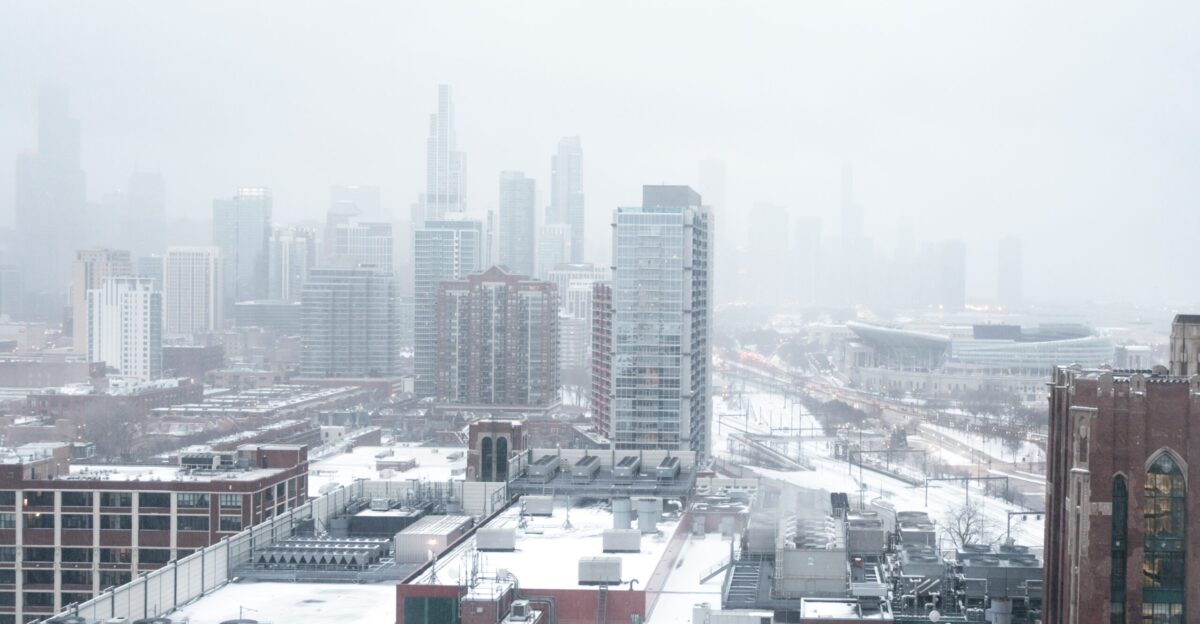
Suburban businesses, especially those in areas hit by 10+ inches of snow, experience closures and reduced operations as workers find themselves trapped at home, unable to navigate impassable roads during the storm.
Schools and public services across these regions also close, creating temporary economic disruptions but limiting the event’s broader regional impact.
Downtown Chicago businesses continue operating with minimal disruption, given lighter snowfall totals. The storm’s economic effects remain concentrated in the hardest-hit suburban and exurban zones where travel becomes impossible.
Pre-Storm Shopping as Metro Braces for Impact
In preparation for the storm, local grocery stores experience increased activity as the metro area’s 9 million residents brace for potential disruptions. Demand for food and emergency supplies peaks in the days leading up to the winter storm, reflecting the region’s readiness for heavy snowfall.
Retailers in areas expecting the heaviest snow prioritize stocking essentials such as bread, milk, and batteries.
The early-season timing means some residents are unprepared with winter emergency supplies, leaving some trapped at home without adequate provisions.
Impact on Restaurants and Hospitality Services

The storm forces restaurants and hospitality businesses in affected suburban areas to temporarily close as both staff and patrons find themselves trapped at home or unable to travel safely during peak conditions.
The worst conditions hit on Sunday evening and Monday morning, with reduced visibility creating unsafe travel conditions across the warning zone. Businesses in downtown Chicago experience less dramatic impacts due to lighter snowfall.
Some establishments have pivoted to delivery services where possible, although road conditions in hard-hit areas limit options and trap drivers.
Snow Removal and Utility Crews Mobilize to Tackle Accumulation
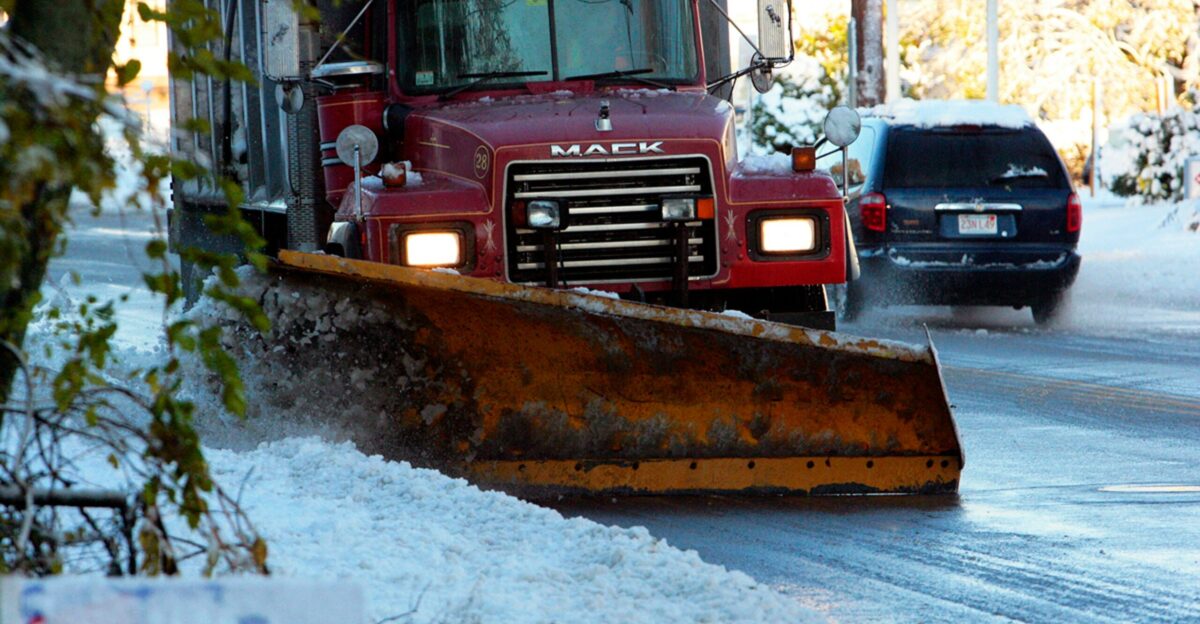
Snow removal and utility crews quickly respond to the storm, working around the clock to clear roads and free stranded motorists while addressing service issues where necessary.
The early timing of this event tests Chicago’s ability to handle heavy snow before full winter operations are typically deployed.
Crews prioritize major highways and emergency routes in areas receiving the heaviest accumulations where residents remain trapped. The concentrated nature of lake-effect bands means resources must be strategically deployed to the hardest-hit zones experiencing the most severe conditions.
Localized Supply Chain Delays
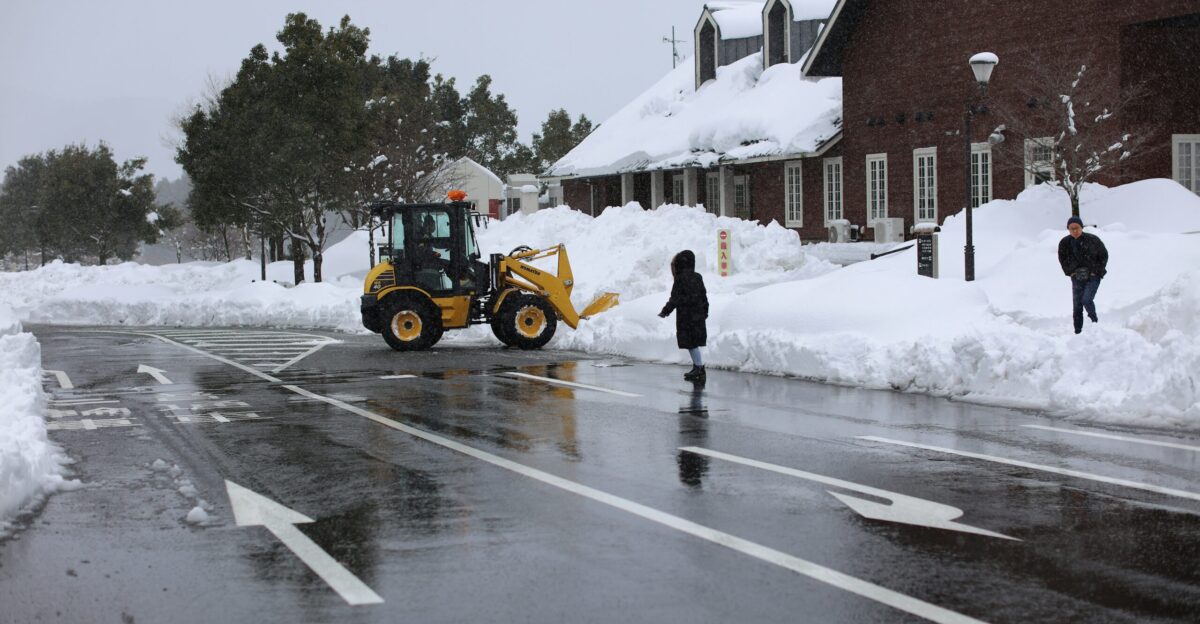
Localized delays impact the region’s supply chain, particularly in northwest Indiana and northern suburbs that receive 10+ inches of snow, temporarily trapping some residents without access to essential supplies.
However, the storm does not result in widespread regional supply chain disruptions beyond the immediate affected zones. Logistics operations in areas with lighter snowfall continue largely unaffected, while impacted regions focus on clearing roads and restoring normal operations.
The geographic concentration of heavy snow limits broader distribution network impacts across the Midwest despite severe localized conditions.
Health and Safety: Metro Under Advisory to Stay Home

Health and safety are top concerns for residents across the metro area’s 9 million population. Officials recommend avoiding unnecessary travel during peak conditions and preparing for potential service disruptions that could leave residents temporarily trapped at home.
As snow removal crews work to clear roads, residents are advised to take extra precautions when shoveling snow to avoid cold-weather injuries.
Vulnerable populations including the elderly receive special attention from emergency services. Warming centers open in some suburban communities experiencing the heaviest snowfall for those trapped without heat.
A Storm That Recalls Chicago’s Historic Winter Severity
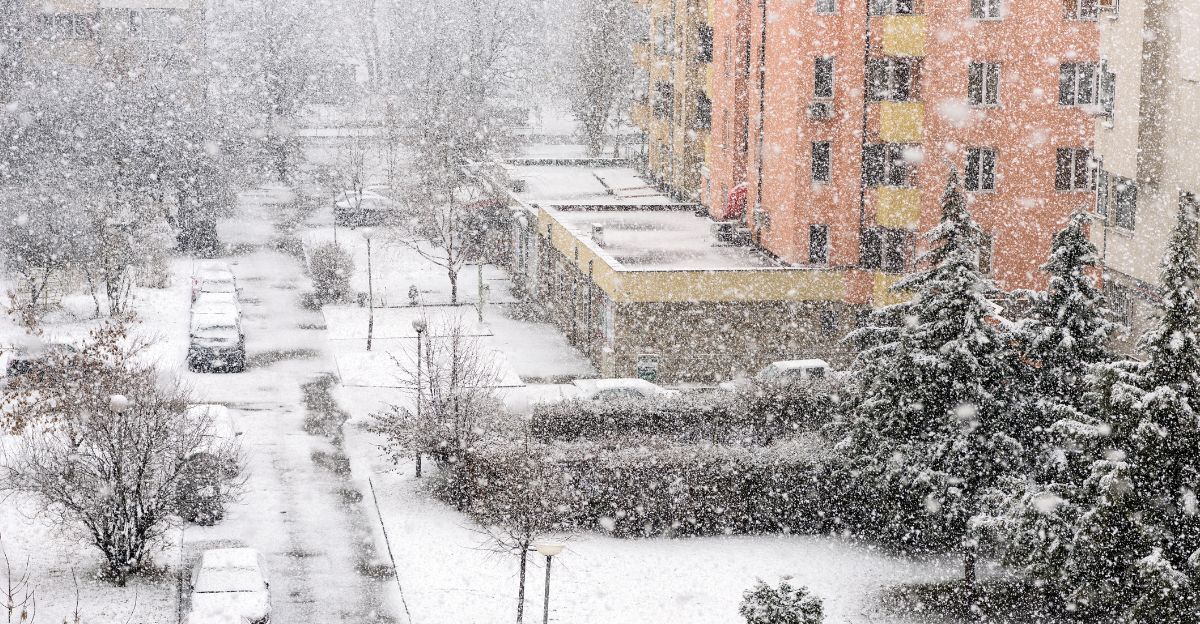
This snowstorm stands out as the first November Winter Storm Warning for Chicago in seven years, with conditions in the hardest-hit zones recalling the paralyzing severity of historic Chicago winter events.
While snowfall totals vary across the metro—with suburban regions and northwest Indiana receiving up to 12 inches and downtown Chicago seeing 2-4 inches—the intensity and early timing create significant disruptions.
The concentrated accumulations in affected areas echo the challenging conditions that longtime residents remember from Chicago’s worst winter weather, though each storm presents unique characteristics and impacts.
Variation in Snowfall: Some Areas Hit Harder
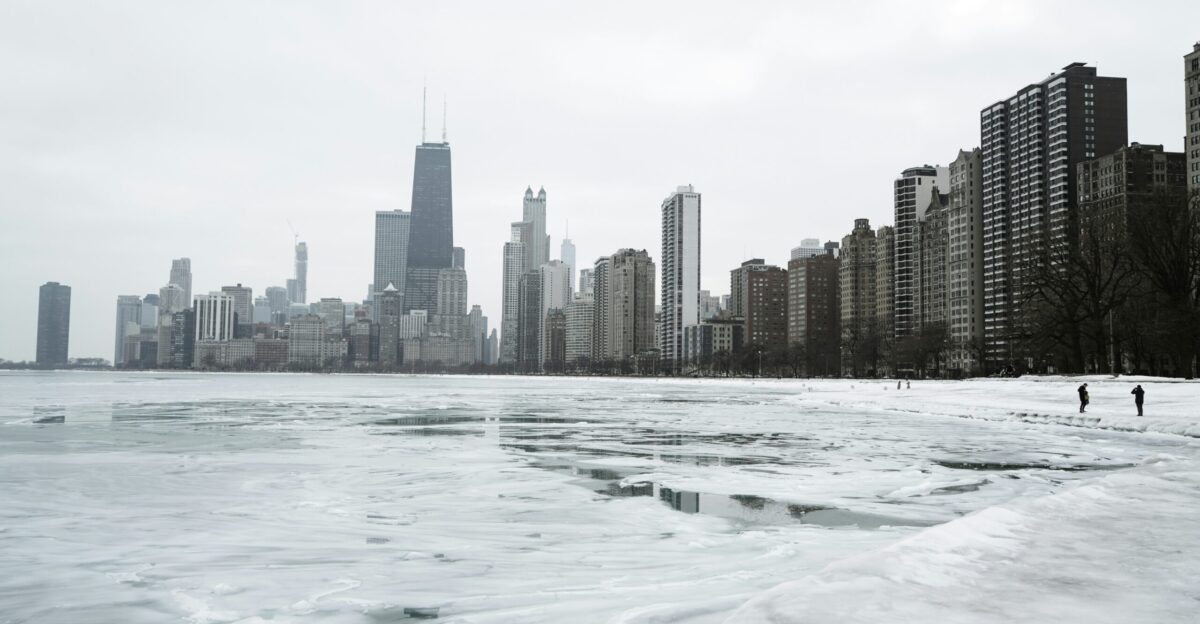
Snowfall accumulations vary dramatically across the Chicago metro area, with some neighborhoods experiencing near-blizzard conditions that trap residents, while others receive only light accumulation.
Suburban regions and northwest Indiana receive up to 12 inches with travel at a standstill, while downtown Chicago sees lighter totals of 2-4 inches. This difference highlights the localized nature of lake-effect snowstorms and the challenges of forecasting such events.
The concentrated snow bands create dramatically different conditions within relatively short distances, leaving some residents completely trapped while others maintain relative mobility.
Winter Preparedness: Metro Must Be Ready for Severe Conditions
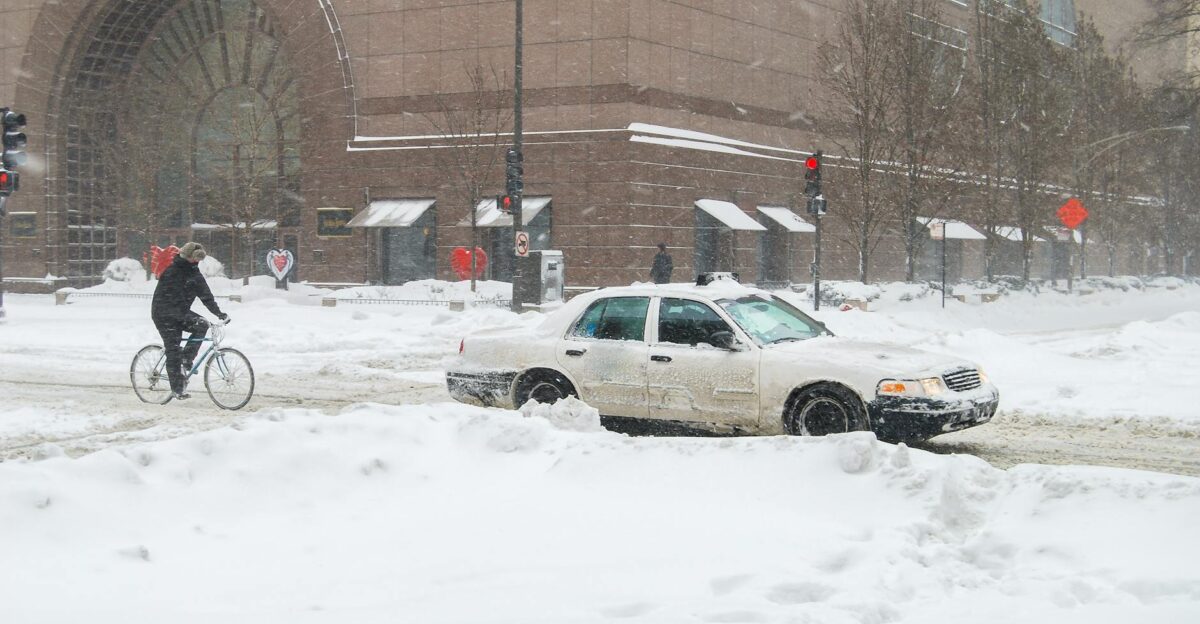
This early-season storm serves as a stark reminder for winter preparedness across the Chicago region’s 9 million residents. Residents are strongly encouraged to assemble emergency kits with flashlights, batteries, non-perishable food, and medications to avoid being trapped without essentials during severe weather.
Keeping adequate supplies on hand and reviewing safety protocols ensures readiness for future snowstorms. The November timing catches some residents unprepared, emphasizing the importance of early-season readiness.
Lake-effect snow zones should be particularly prepared for rapid-onset heavy snowfall that can trap residents throughout winter.
How to Prepare for Winter Weather
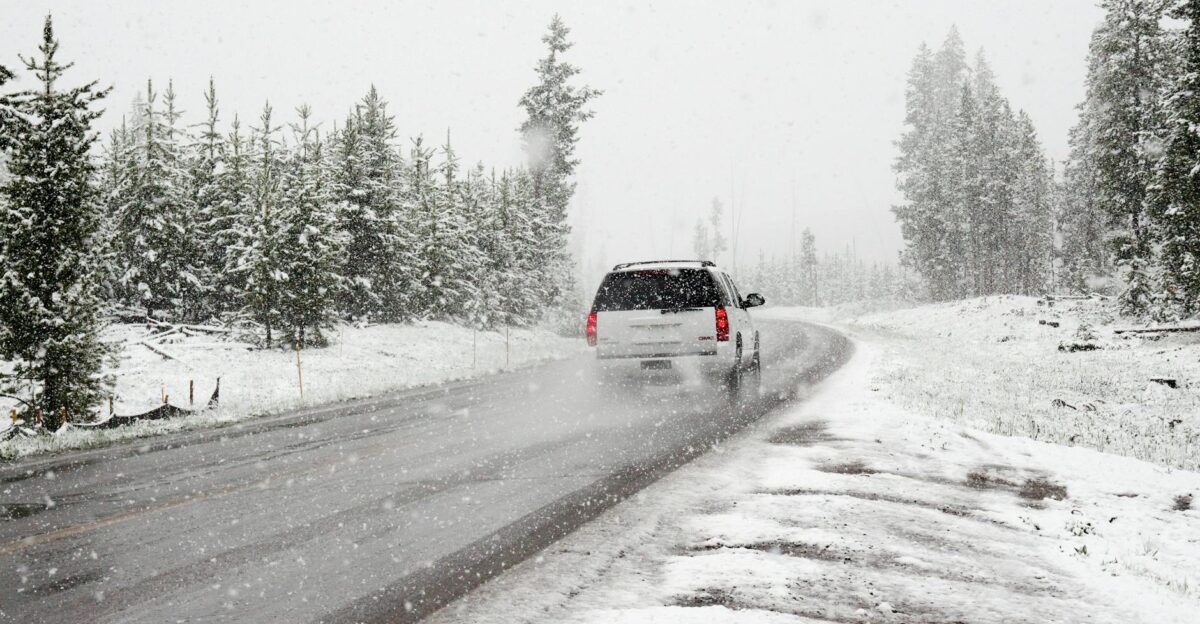
Experts advise preparing for winter weather by assembling comprehensive emergency kits with flashlights, batteries, and other essentials to ensure residents aren’t trapped without necessities during severe storms.
Stay informed through official weather channels, including the National Weather Service, and plan ahead for possible travel disruptions that could leave you stranded. Have alternative work and school arrangements ready for severe weather days.
Check heating systems before winter begins, and maintain vehicles with proper winter tires and emergency supplies. Supporting vulnerable neighbors during extreme weather strengthens community resilience across the metro.
Testing Early-Season Winter Systems Across the Metro

The November snowstorm provides an early test for Chicago’s winter operations systems before the traditional winter season begins in full.
The November snowstorm provides an early test for Chicago’s winter operations systems before the traditional winter season begins, with crews working to free stranded motorists and restore mobility across affected zones.
The city’s preparedness continues to be evaluated as winter progresses, with more potential lake-effect snow events expected to impact the region’s 9 million residents.
Early-season storms like this one help identify areas for improvement in snow removal, emergency response, and public communication. Local agencies use these experiences to refine winter preparedness protocols for future severe weather events.
The Localized Impact of This Early Storm
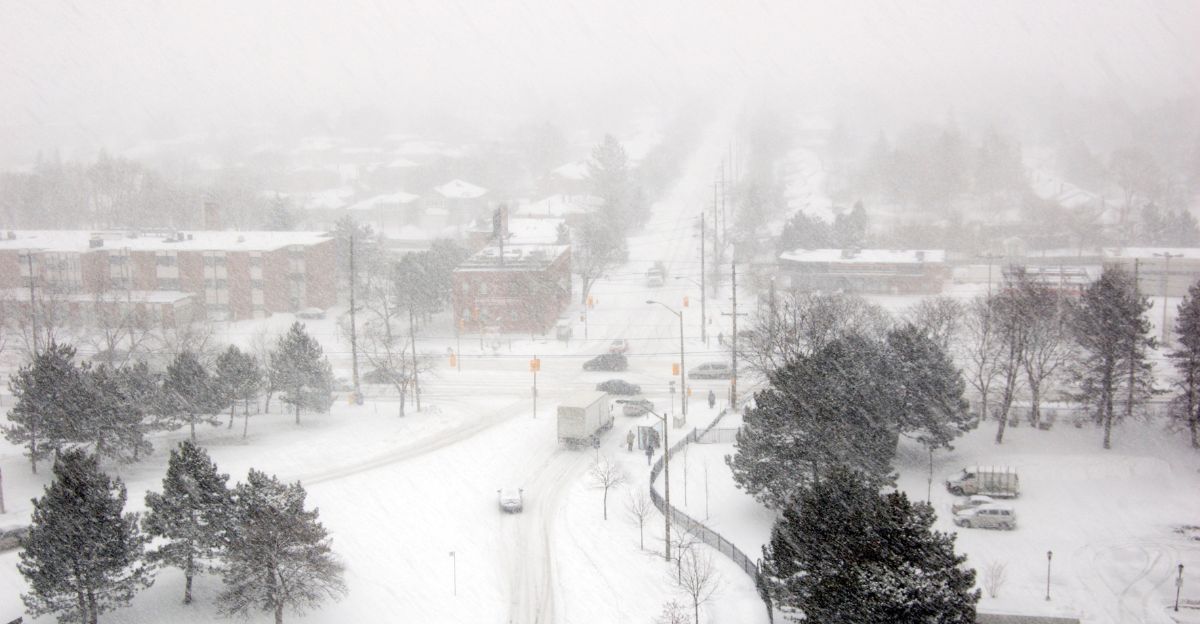
The November 2025 snowstorm in Chicago represents a significant early-season event, particularly for suburban areas and northwest Indiana, which received up to 12 inches of snow, creating conditions that trapped thousands of residents and recalled the severity of historic winter storms in the affected zones.
While the storm’s impact is localized rather than uniformly metropolitan-wide—with downtown experiencing manageable 2-4 inch totals—the concentrated severity in hard-hit areas creates a genuine crisis for those trapped by impassable roads and dangerous conditions. The event underscores the metro area’s vulnerability to intense lake-effect snow.