PepsiCo’s announcement hit like a bombshell on November 4, 2025: after 60 years, the Frito-Lay plant in Orlando, Florida, would shut down, putting 454 workers out of a job. The closure of the Silver Star Road facility, along with the nearby Park Oaks Avenue warehouse set to close in 2026, marks the end of an era for the iconic snack brand.
The loss of local jobs is a gut punch to the Orlando community, where generations of families worked at the plant. As the layoffs begin this week, families are left scrambling to make sense of the sudden upheaval. What led to this dramatic decision, and what comes next for the workers and the community?
A 60-Year Legacy Shattered in Florida
The Silver Star Road plant, operating in Orlando since 1965, has now closed its doors, taking with it 454 jobs.
For decades, the plant served as a cornerstone of the local community, and its abrupt closure leaves a deep hole in the region’s manufacturing sector. This closure highlights the tough decisions companies must make in an ever-evolving market.
The Economic Fallout: 500 Families Affected
With 454 workers losing their jobs at the main Orlando plant and another 46 at the Park Oaks Avenue warehouse, the closures will have a long-lasting effect on local families.
Despite PepsiCo’s commitment to severance and support, the loss of income just weeks before the holidays amplifies the emotional and financial strain on affected families.
Staggered Closure: Park Oaks Avenue Warehouse’s Fate
While the Silver Star plant has already shut down, the Park Oaks Avenue warehouse won’t close until May 9, 2026.
This delay gives employees some breathing room to adjust, though the uncertainty still looms large. The staggered closure signals a calculated approach by PepsiCo to minimize immediate disruption.
Emotional Impact: 60 Days of Severance
PepsiCo has promised 60 days of severance pay to employees affected by the Silver Star Road closure.
While this gesture helps ease the immediate transition, many workers are left grappling with uncertainty about their future job prospects.
A Community In Crisis: Workers’ Struggles
The Orlando community faces an uphill battle as hundreds of workers lose their livelihoods.
For many, the Frito-Lay plant was more than just a job; it was part of their family’s history. PepsiCo has promised support, but for many, the future remains uncertain in a shrinking job market.
Company-Wide Reductions: PepsiCo’s Broader Strategy
This closure is just one part of PepsiCo’s larger restructuring efforts. The company has initiated a 7% workforce reduction across its U.S. operations.
As one of the largest workforce adjustments in the company’s history, this move indicates the challenges PepsiCo faces in a rapidly changing snack industry.
Frito-Lay’s Decline: Struggling Sales in 2025
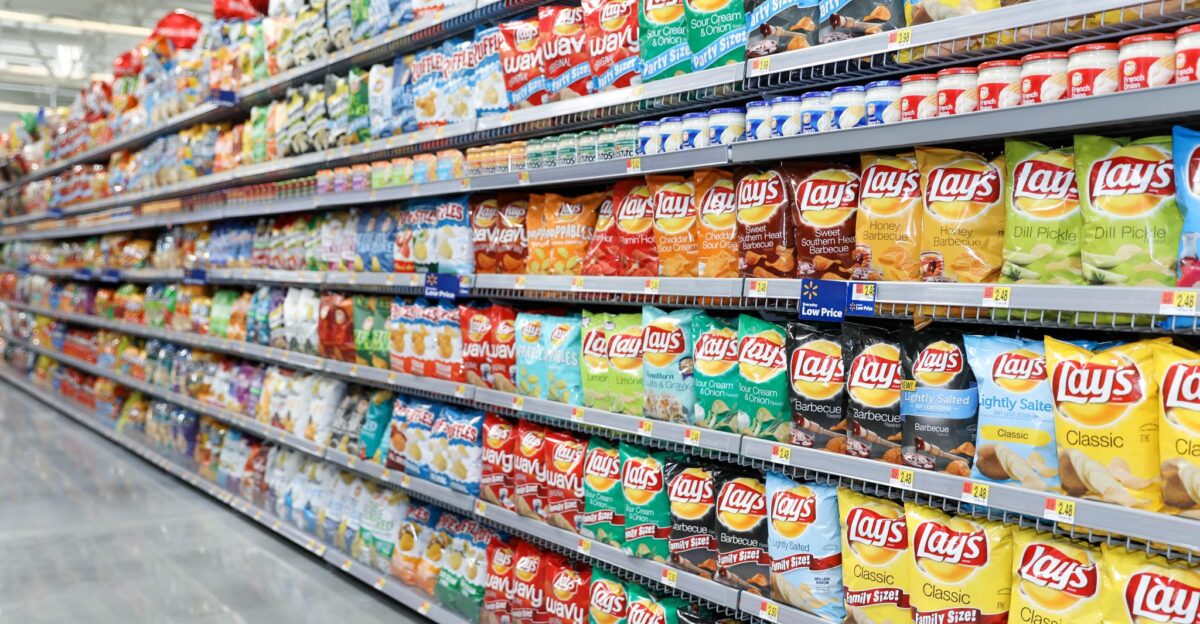
Frito-Lay North America, the segment behind these closures, has seen a 2% decline in both revenue and volume in 2025.
This decline highlights the changing tastes of consumers and the mounting pressure on companies like PepsiCo to reassess their manufacturing and distribution strategies.
Shift in Consumer Habits: The Health-Conscious Movement
Health-conscious eating trends have reshaped the snack food market.
With consumers increasingly seeking low-sodium, high-protein, and minimally processed foods, traditional snack brands like Frito-Lay face a growing challenge to meet these demands while staying profitable.
Inflation’s Role: Reduced Snack Purchases
The ongoing inflation crisis has made everyday snacks more expensive, leading to reduced discretionary spending.
As consumers cut back on purchasing salty snacks, PepsiCo and its competitors face significant pressure to cut costs and optimize their production processes.
PepsiCo’s Strategy: Consolidating Operations
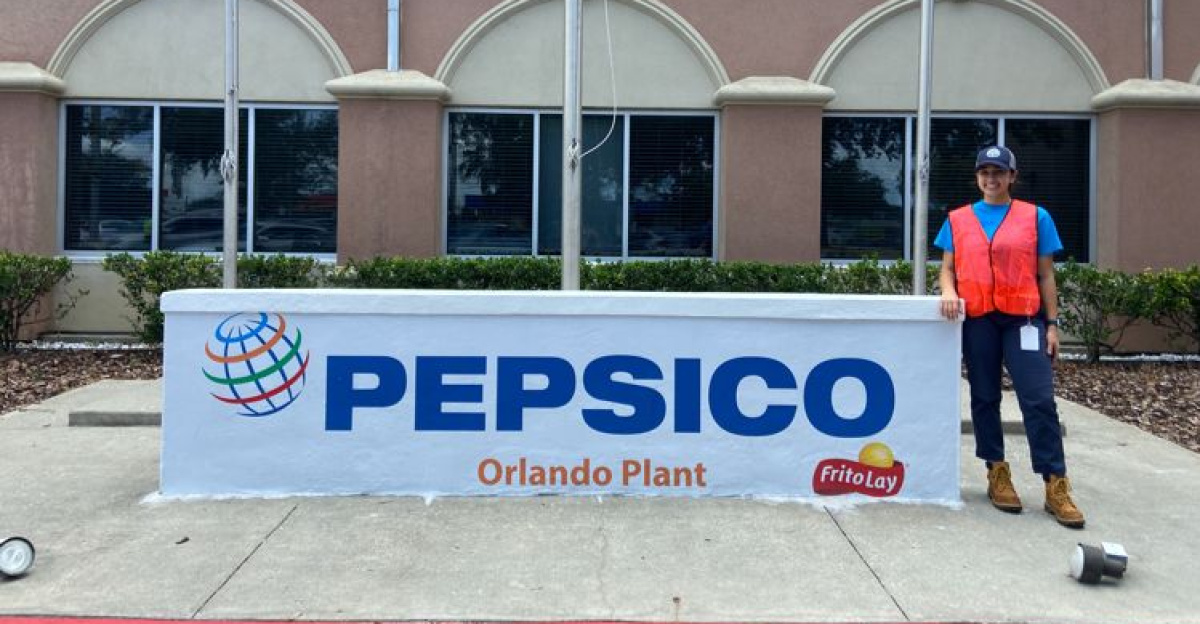
The closure of the Orlando plants is part of PepsiCo’s broader strategy to consolidate operations into fewer, more efficient facilities.
By reducing the number of plants, the company can streamline operations and focus on maximizing efficiency in its remaining facilities.
No Impact on Product Availability: PepsiCo’s Assurance
PepsiCo assures consumers that despite the closures, the production and distribution of Frito-Lay products will continue without interruption.
By shifting production to other plants, PepsiCo aims to minimize the impact on its retail and consumer base.
Supply Chain Adjustments: Production Moves On
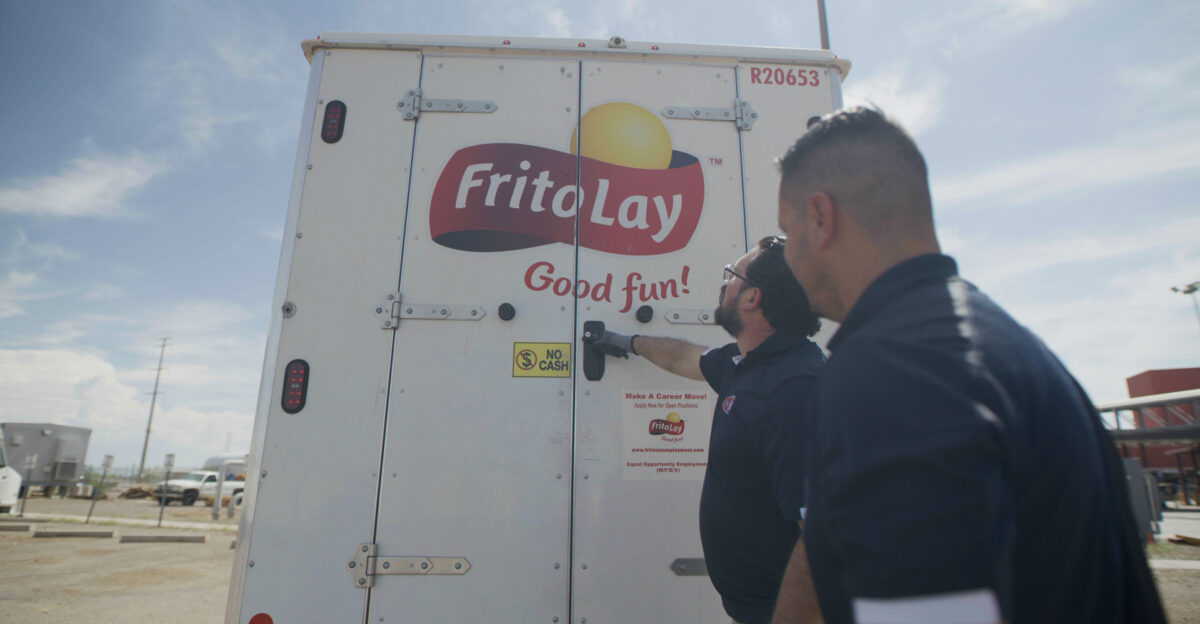
As part of the company’s transition, production from the Orlando plants will be distributed to other Frito-Lay plants across the U.S.
This redistribution of manufacturing capacity ensures that consumers continue to have access to their favorite snacks while reducing PepsiCo’s operational costs.
Local Economic Impact: A Blow to Orlando’s Job Market
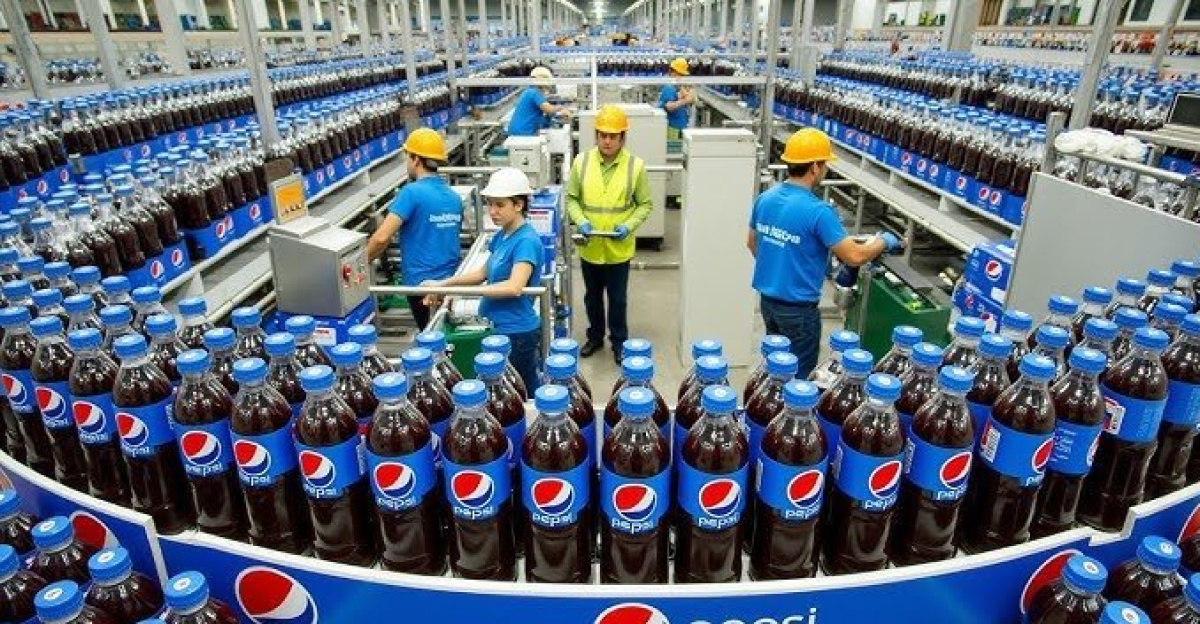
The closure of the Orlando plants represents a significant loss to the local economy, particularly in the manufacturing sector.
As Frito-Lay was one of the area’s major employers, the loss of 500 jobs could ripple across the region’s job market and affect additional workers in related industries.
Manufacturing Consolidation: A Nationwide Trend
The Orlando plant closures reflect a broader trend in the food manufacturing industry. Companies are consolidating older, smaller facilities to maximize operational efficiency.
This shift is driven by the desire to reduce costs and adapt to changing consumer preferences.
More Closures on the Horizon? Industry Experts Weigh In
Experts predict that more closures and workforce reductions could occur across the snack industry as companies strive for efficiency and competitiveness.
If PepsiCo’s Orlando closure is any indication, we could see further plant shutdowns across the U.S. in the near future.
Efficiency Gains: PepsiCo’s Long-Term Vision
The Orlando closures are part of PepsiCo’s ongoing efforts to achieve operational efficiency.
By consolidating manufacturing into fewer, more automated plants, the company aims to reduce production costs and improve profit margins in an increasingly competitive snack market.
The Future of American Snack Brands: A Changing Landscape
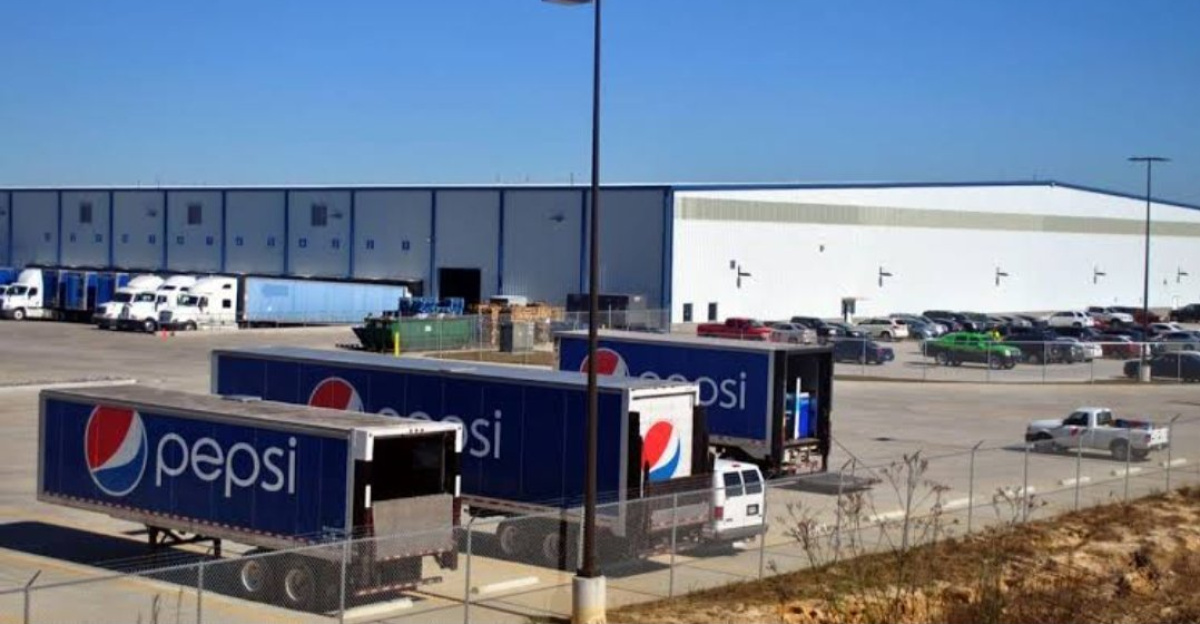
The closures signal a shift in the American snack food industry, with companies like PepsiCo adapting to a market that demands healthier snacks and lower costs.
What this means for the future of iconic snack brands like Lay’s, Doritos, and Cheetos remains uncertain.
Will PepsiCo Thrive or Struggle? The Stakes Are High
As PepsiCo moves forward with its restructuring, the company’s ability to adapt to evolving consumer preferences and operational challenges will determine its future.
The closures in Orlando are just one piece of a much larger puzzle in the company’s ongoing transformation.
A Difficult Era for American Snacks
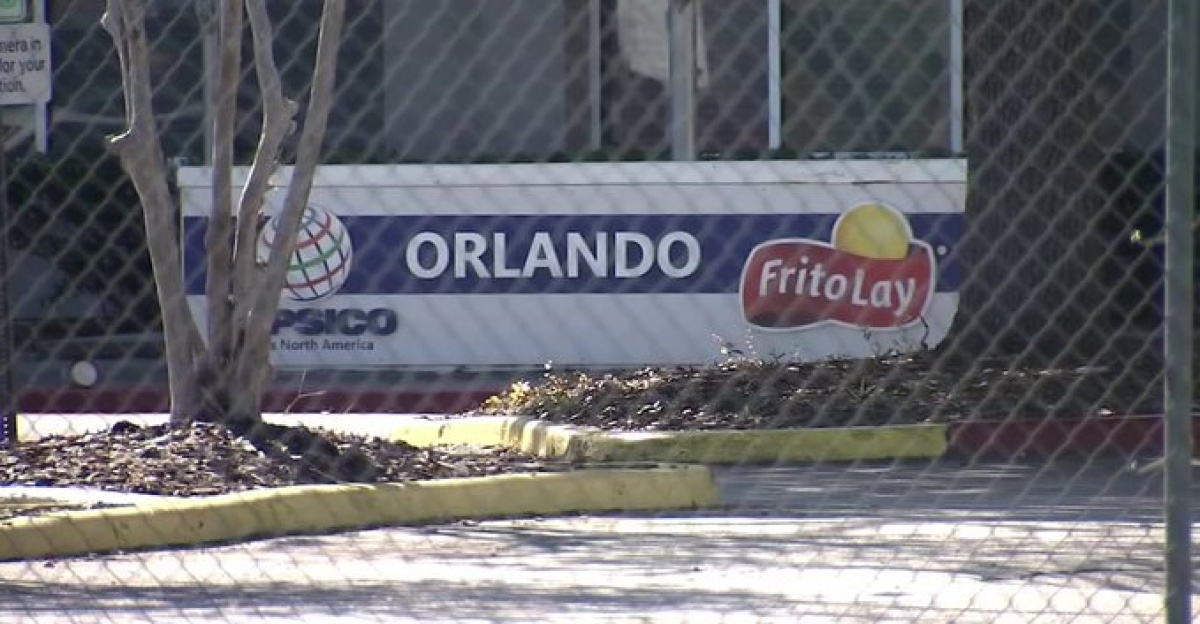
The closure of the Frito-Lay plants in Orlando marks the end of an era for the snack giant. With 500 jobs lost and local manufacturing operations shutting down, the closures symbolize the broader challenges PepsiCo faces in a rapidly changing market.
The question remains: Can the company adapt to the evolving snack landscape?