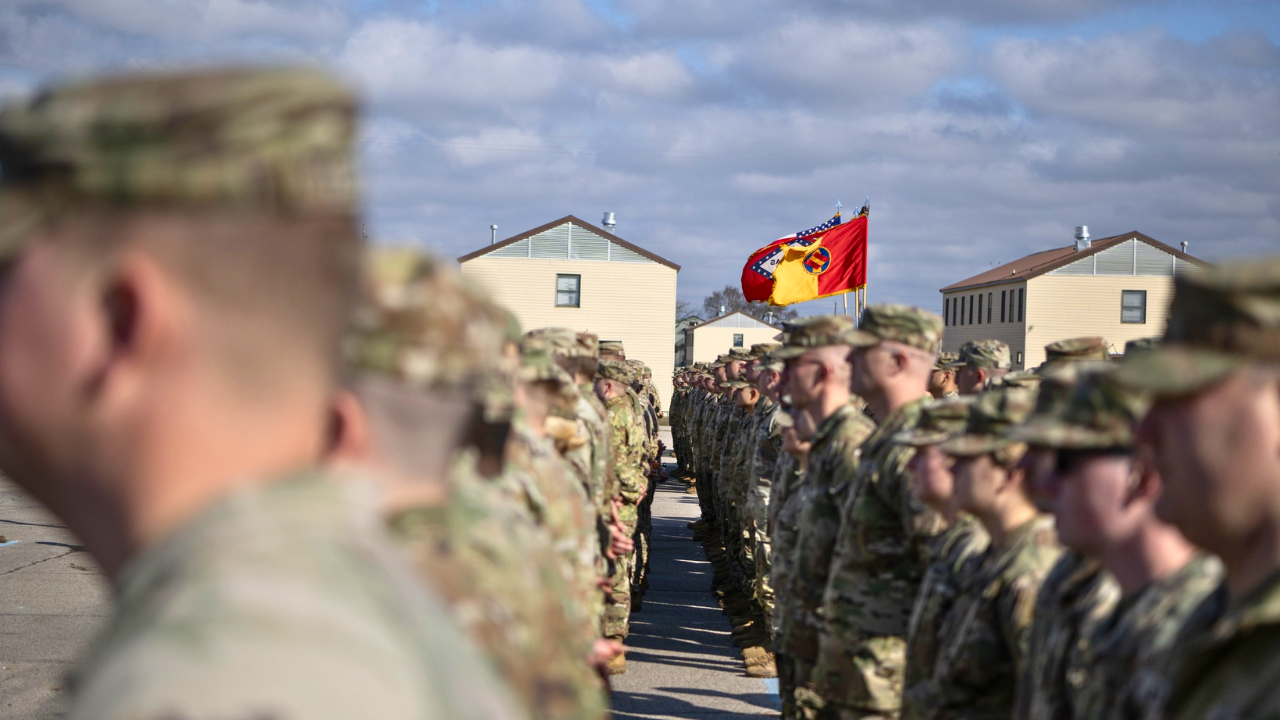
Before dawn at Fort Chaffee, Arkansas National Guard soldiers gathered in the humid air, preparing for a mission that would take nearly 100 of them to Washington, D.C.
This deployment, part of a federally funded rotation, will see the 142nd Field Artillery Brigade supporting civil-security operations in the nation’s capital through winter 2025.
Their assignment underscores the ongoing security operations in Washington and highlights the personal and logistical complexities behind such missions.
Mission Objectives and Federal Coordination
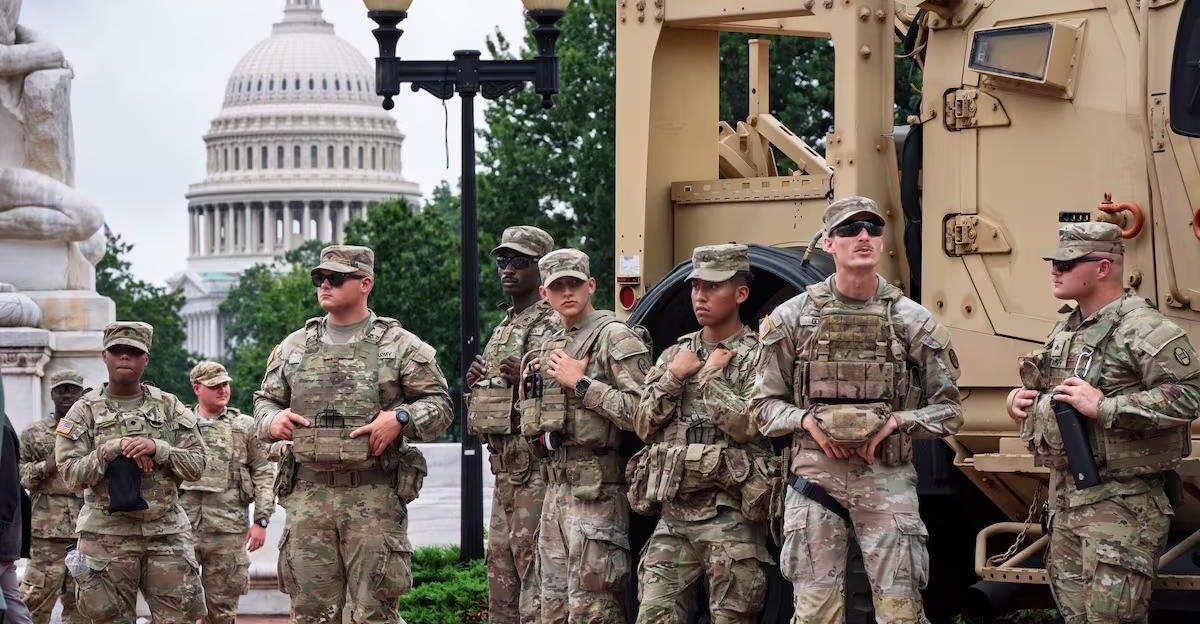
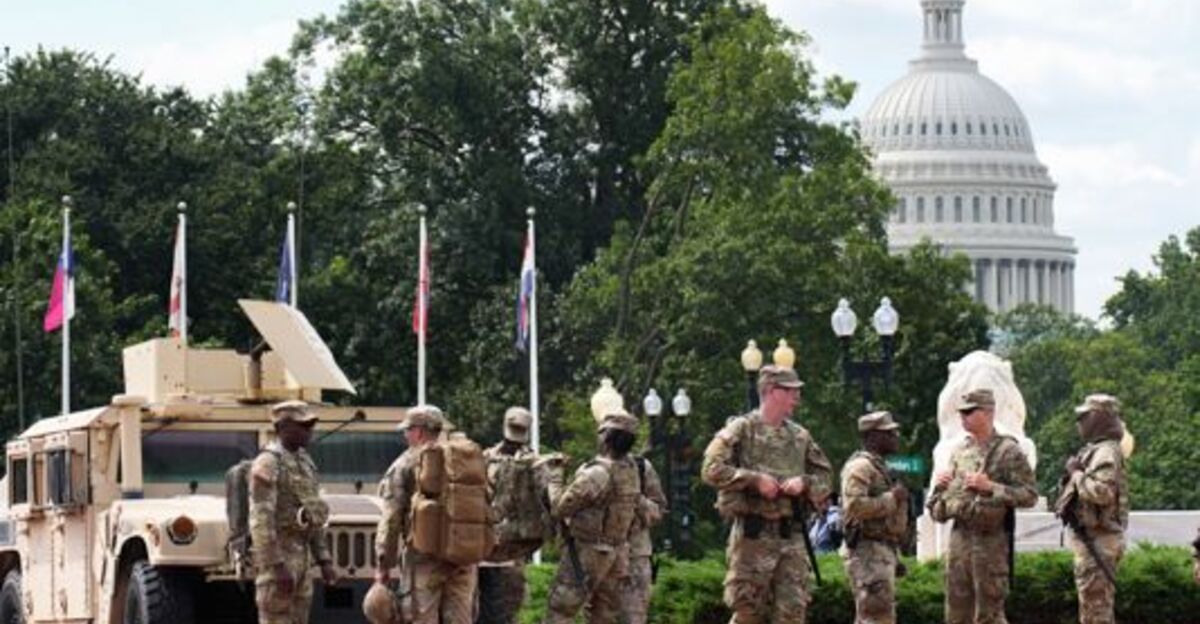
The Arkansas troops will bolster civil-security efforts in Washington, D.C., working alongside the D.C. National Guard to conduct security presence patrols and provide law enforcement support in designated areas.
Their presence is intended to supplement local law enforcement, ensuring that security coverage remains consistent. The operation is funded by the Department of Defense and is part of a rotational relief program.
This approach enables the continuous protection of federal sites while distributing the operational burden among National Guard units from various states.
Preparation and Deployment
Before heading to Washington, the soldiers will undergo administrative processing, medical checks, and specialized training at Fort Chaffee Joint Maneuver Training Center.
Their preparation includes civil-support protocols and urban coordination drills, equipping them for the unique challenges of operating in a densely populated, politically sensitive environment.
The deployment is scheduled to begin shortly after Thanksgiving, with the Arkansas unit expected to remain in the capital for several months. During this period, they will integrate with existing D.C. National Guard units and participate in security operations.
Selection of the Arkansas Brigade
The 142nd Field Artillery Brigade was chosen for this mission based on its readiness and experience in both state and federal assignments. The unit has previously participated in disaster relief and homeland security operations, demonstrating the operational excellence required for high-profile deployments.
The Department of Defense rotates participating states to ensure that readiness and experience are balanced across the National Guard system.
Arkansas’s brigade met all necessary training and operational benchmarks, making it a suitable choice for the upcoming rotation.
Community and Family Impact
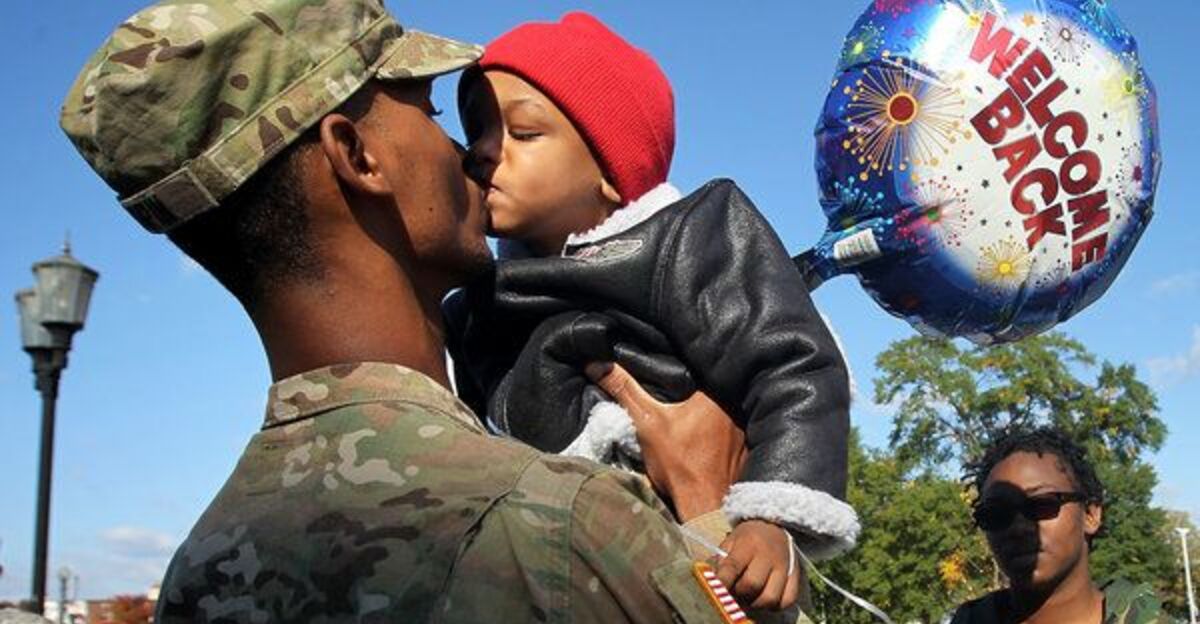
For the soldiers and their families, the deployment means months of separation, including time away during the holiday season. Arkansas officials have implemented support systems, offering counseling and financial assistance to help families navigate the challenges of deployment.
The state’s leadership has publicly recognized the sacrifices made by both the soldiers and their loved ones, emphasizing the importance of family resilience in enabling the Guard’s service.
The deployment also brings economic benefits to Arkansas, as all costs—including salaries, equipment, and logistics—are covered by federal funding, ensuring that no additional burden is placed on state taxpayers.
Broader Security Strategy and Public Response
The federal government has deployed National Guard units from multiple states to maintain security in Washington, D.C., following executive action in August 2025. This system ensures uninterrupted coverage of critical sites, including the Capitol, White House, and National Mall.
Federal officials describe these deployments as part of security operations in the capital, though they remain a subject of public discussion in Washington. Some residents appreciate the visible security presence, while others express concern about the militarization of civic spaces and federal authority in local matters.
Civil liberties organizations have raised questions about the scope of military resources for domestic operations. Local leaders emphasize the importance of transparency and communication in maintaining public trust, noting that Guard members will focus on federal sites.
Sustained Protection in the Capital
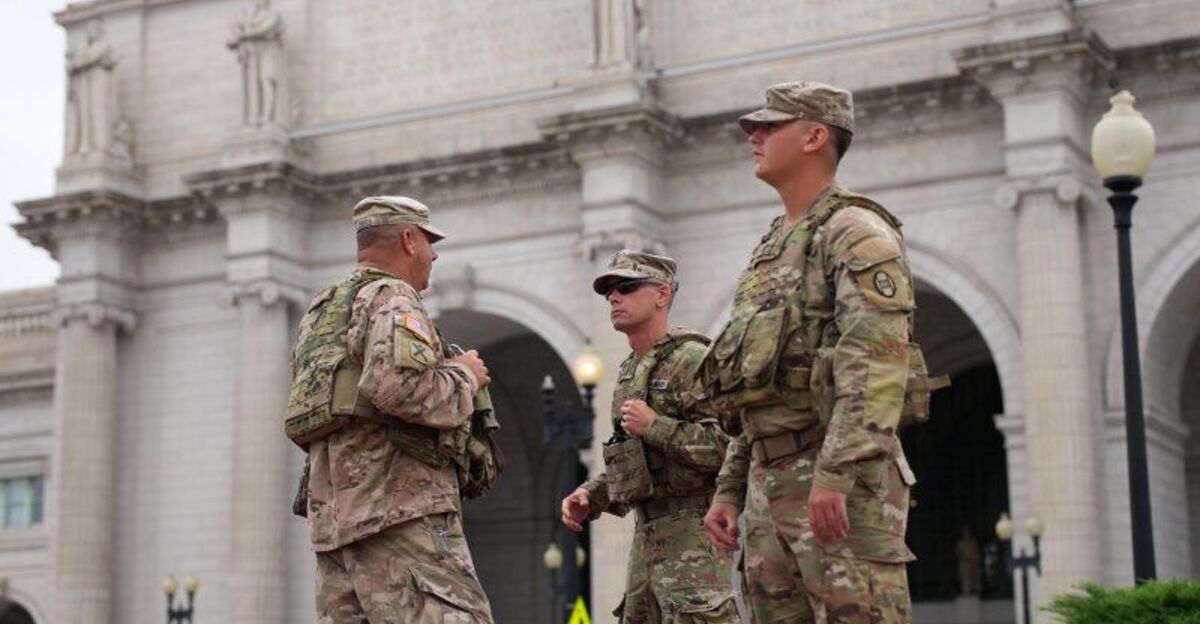
As the Arkansas troops prepare for their assignment, the deployment reflects the current approach to security operations in the nation’s capital. The rotational system enables sustained protection without relying on full-time, active-duty forces, thereby blending military readiness with federal coordination.
When the mission concludes, Arkansas soldiers will return home for debriefing and reintegration, while federal officials review operational outcomes to inform future rotations. The experience gained in Washington will further strengthen the brigade’s capabilities for both domestic and international missions.
For now, the 142nd Field Artillery Brigade stands as part of ongoing state and federal cooperation in the nation’s capital.