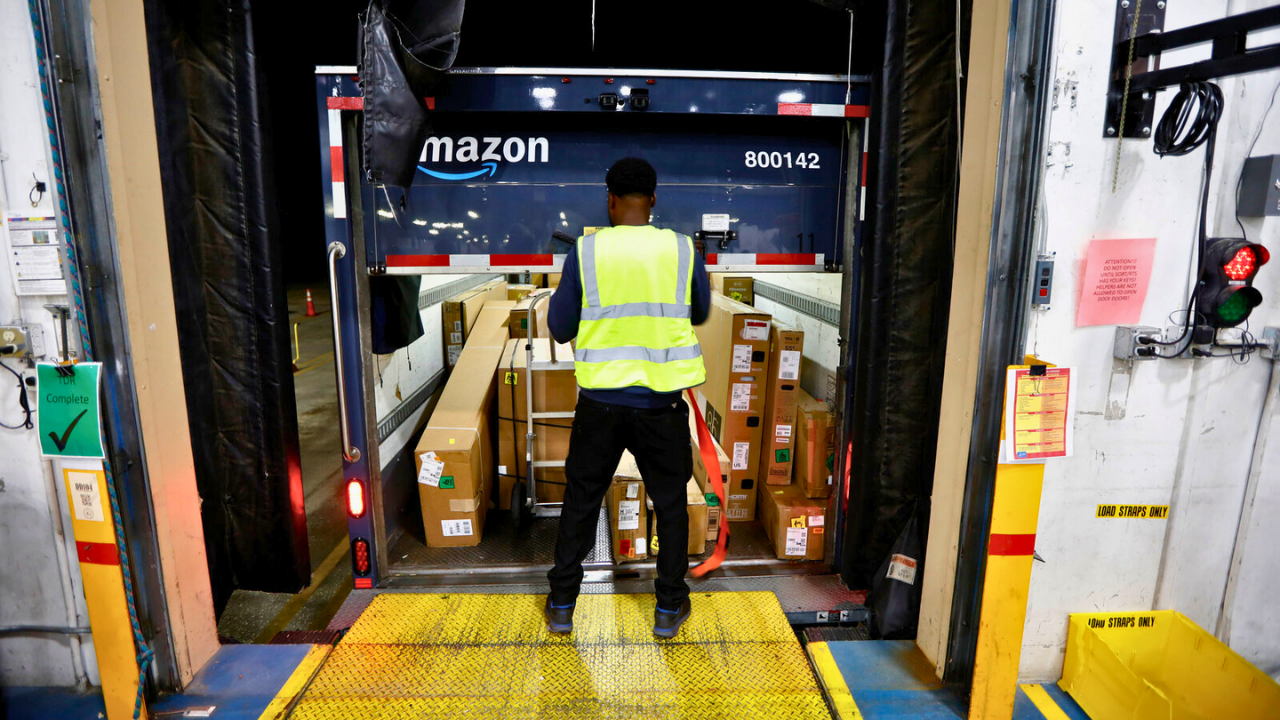
In 2025, Amazon increased its U.S. online prices by 12.8%, marking a notable departure from its long-standing reputation for offering low costs. This hike is more than double the increases observed at Walmart and Target, which raised their prices by only 5.3% and 5.5%, respectively.
The new pricing landscape poses significant challenges for American consumers and signals a shift in the competitive dynamic of retail, as shoppers now reconsider where they find the best value.
Tariffs Fuel Price Increases

The escalating tariffs on Chinese imports are the primary catalyst for Amazon’s price increase. Beginning in early 2025, the U.S. government imposed tariffs as high as 145% on various Chinese goods, placing a significant financial burden on retailers.
As companies grapple with these additional costs, consumers are increasingly shouldering the financial impact. This raises critical questions about the sustainability of these price increases and how long they will last under current economic conditions.
The End of De Minimis Exemption

The removal of the de minimis exemption for low-value goods has compounded the pressure on Amazon and other retailers to adjust prices accordingly. Previously, shipments valued under $800 could enter the U.S. duty-free, but this policy change means even small-value imports now face tariffs.
This particularly impacts online retailers like Amazon that rely heavily on high-volume, low-value shipments from international suppliers, especially from China.
Cost Shifts to American Consumers

For millions of U.S. consumers, the consequences of rising retail prices are immediate and tangible. Goldman Sachs estimates that American consumers bear approximately 55% of tariff costs, with households facing higher expenses on essential items.
These inflated costs are intensifying inflationary pressures and depleting family budgets across the nation. The ripple effect of rising prices not only complicates budgeting for families but also reshapes consumer behavior as many seek more affordable alternatives.
Impact on Essential Goods

The price hikes particularly affect everyday necessities like apparel and home goods. Recent data indicate that average prices for apparel surged by 11.5%, while home goods increased by 10.8% in 2025. These categories represent significant portions of household spending, making the increases especially impactful for American families.
The concentrated effect on essential items means that consumers cannot easily avoid these higher costs, forcing many to make difficult budgetary decisions.
Shoppers Seek Alternatives

As Amazon’s prices escalate, consumers are pivoting towards discount retailers, private-label brands, and various e-commerce platforms in search of better deals. This trend highlights the adaptive nature of consumers, revealing a market increasingly focused on value amid price turbulence.
Shoppers are comparing prices more carefully and exploring options they might not have considered previously. The shift demonstrates how price sensitivity can quickly reshape long-established shopping habits and brand loyalties in the retail sector.
Retailers Respond But Not Equally
In the wake of Amazon’s price hikes, retailers such as Walmart and Target are responding with more moderate increases of 5.3% and 5.5%, respectively. This divergence in pricing strategies is indicative of differing sourcing approaches and operational efficiencies.
Walmart CEO Doug McMillon noted that tariffs have created cost hikes, but the company’s scale allows it to absorb some impact. This situation places smaller retailers at a disadvantage, while larger corporations exploit economies of scale to manage costs.
Market Share Shifts Online
Reports indicate that Walmart and Target have experienced notable increases in online traffic as shoppers seek relief from rising costs at Amazon. Traditional brick-and-mortar retailers with strong e-commerce platforms are benefiting from this shift, particularly in sectors such as electronics and home goods.
This migration of online shoppers represents a significant competitive opportunity for Amazon’s rivals and demonstrates how pricing decisions can rapidly alter market dynamics in the digital retail landscape.
Supply Chain Realignment Accelerates

The tariff conflicts between the U.S. and China are significantly impacting global supply chains. Companies are now reevaluating their supply chains, considering alternative sourcing options in countries such as Vietnam, India, and Mexico to mitigate the effects of tariffs.
As these reconfigurations occur, we can expect to see shifting consumer patterns influenced by global trade dynamics. This diversification strategy requires significant investment but may provide long-term resilience against future trade disruptions.
Amazon Sellers Face Challenges
Amazon sellers, heavily reliant on imports from China, are facing existential challenges due to the surge in costs. Nearly half of Amazon’s most prominent third-party vendors originate from China, meaning that higher costs are affecting not only U.S. consumers but also vendors.
Many sellers are reconsidering their participation on the Amazon platform as margins compress and U.S. manufacturing becomes increasingly financially unviable for many product categories.
Human Impact on Workers and Vendors
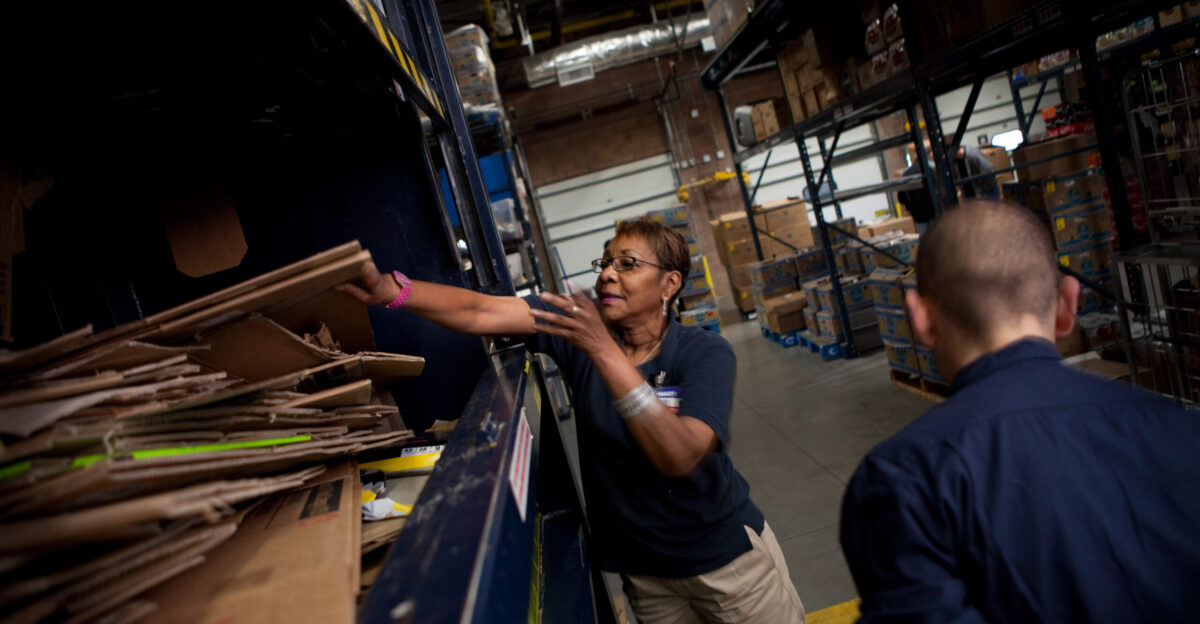
The strain on sellers and workers illustrates the human impact behind these economic shifts. Warehouse workers and logistics staff confront uncertainties as order volumes fluctuate and operational demands change.
Small business owners operating on Amazon face difficult decisions about pricing, sourcing, and whether to continue selling on the platform. These challenges emphasize the need for policies that can better support both workers and small business operators during turbulent economic times.
Political and Policy Developments
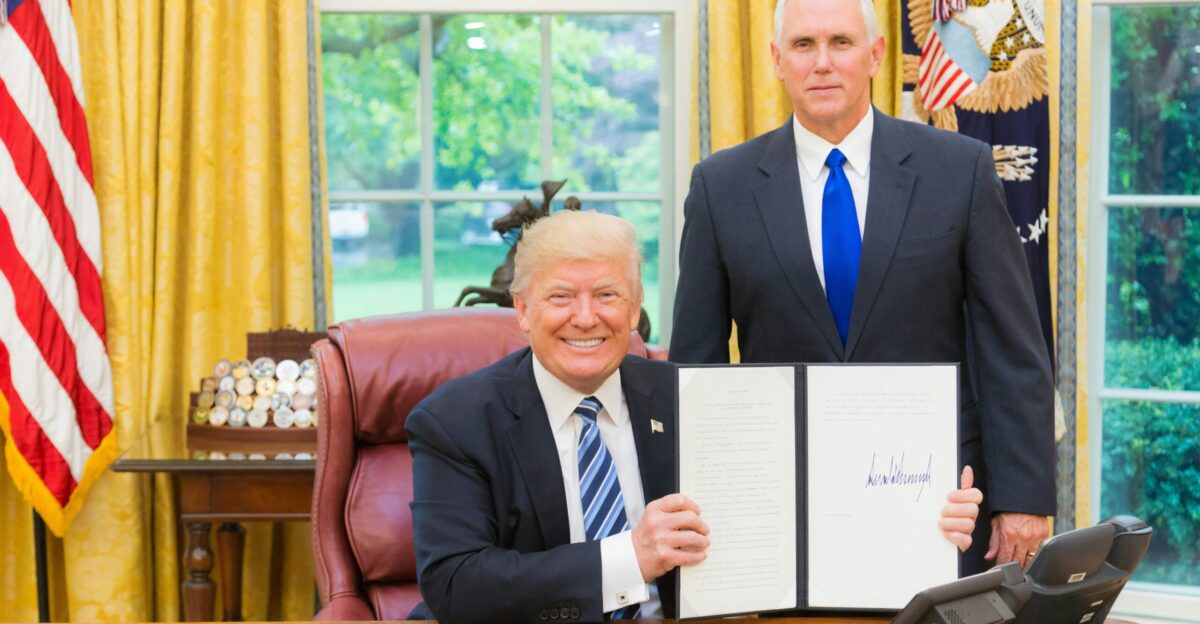
In 2025, tariffs emerged as a cornerstone of U.S. trade policy. In May, President Trump announced a temporary 90-day reduction in certain tariffs, providing limited relief to businesses and consumers.
However, uncertainty remains over future tariff escalations and long-term trade policy direction. Lawmakers are actively debating measures to alleviate the burden on small businesses and consumers most affected by rising costs, though concrete legislative solutions remain elusive.
Inflation Pressures Mount Nationwide

The sharp increase in retail prices is contributing to heightened inflation throughout the U.S. economy. The Federal Reserve reports that inflation remains above target levels, complicating efforts to stabilize prices across various sectors.
Tariff-driven price increases create additional challenges for monetary policy, as they represent supply-side shocks rather than demand-driven inflation. This situation creates difficult tradeoffs for policymakers attempting to balance economic growth with price stability.
Retailers Rethink Operational Strategies

In response to tariff-induced challenges, retailers are reassessing their operational strategies by adjusting sourcing methods, renegotiating supplier contracts, and investing in automation. Major players such as Amazon, Walmart, and Target are utilizing data analytics to optimize pricing and inventory management more effectively.
This deliberate shift in strategy reflects a broader industry trend toward adaptability in the face of changing economic landscapes. Technology investments are becoming crucial for maintaining competitive advantages.
Global Consumer Impact Expands

The U.S. tariff policies are resonating globally, affecting consumers beyond American borders. International shoppers using Amazon’s U.S. platform are now facing increased prices, while foreign sellers must navigate higher costs associated with tariffs.
The ripple effects of domestic policy extend into the global economy, highlighting the interconnected nature of modern trade and the strain it places on consumers and sellers alike, both inside and outside the U.S. market.
Restaurant and Hospitality Adjust

Rising costs for imported goods are beginning to impact the restaurant and hospitality sectors, which are heavily reliant on affordable supplies for their operations. As prices rise, many establishments are being forced to increase menu prices, placing additional financial strain on consumers.
To manage these rising costs, restaurants are seeking domestic alternatives or different suppliers to help maintain quality while minimizing price increases. These adjustments are reshaping dining experiences as businesses adapt.
Adjacent Industries Feel Effects

The repercussions of rising retail prices extend beyond online shopping. Industries that rely heavily on Chinese imports, such as pet food, fertilizers, and leather goods, are also experiencing substantial cost increases.
As these sectors reassess their supply chains and pricing strategies, the downstream effects impact consumers across various demographics, including farmers, pet owners, and gardeners. This interconnectedness in today’s supply chain landscape highlights the broader economic implications of trade policies.
Technology Drives Retail Resilience
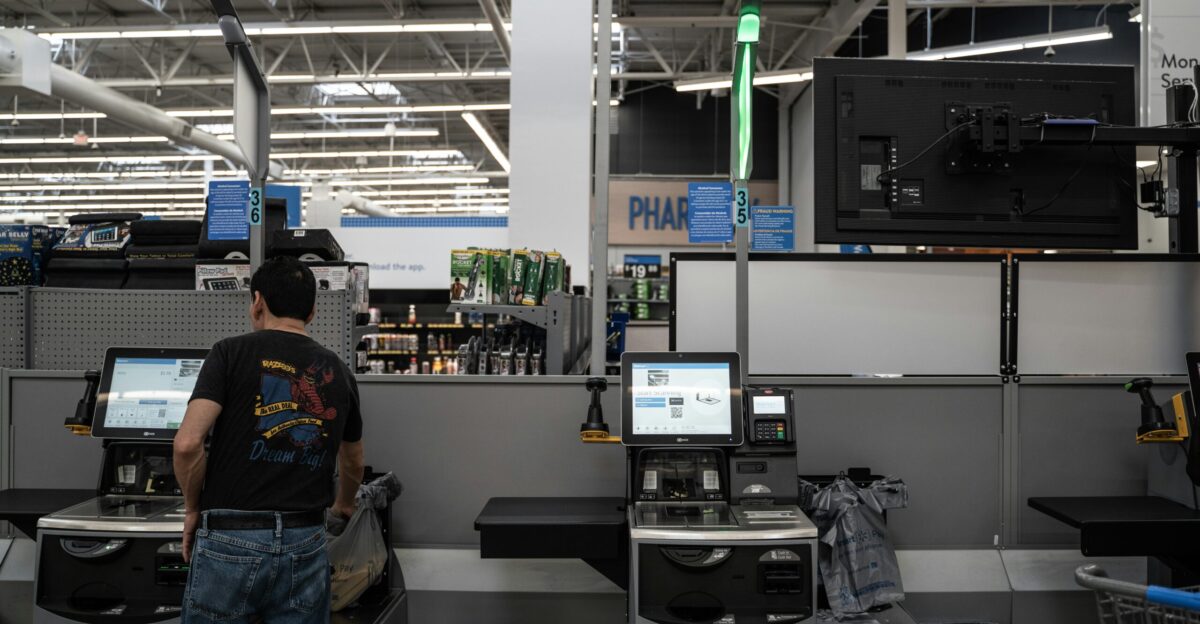
As retailers adapt to new pricing pressures, technology is becoming increasingly essential in their strategy. Artificial intelligence, machine learning, and data analytics are supporting more innovative inventory management and pricing optimization.
Companies that leverage these technologies are better positioned to respond swiftly to market changes and consumer demands in a rapidly evolving environment. Technology allows businesses to be more agile and enhance efficiency, bolstering their competitive edge amid ongoing challenges.
Consumer Values Evolve
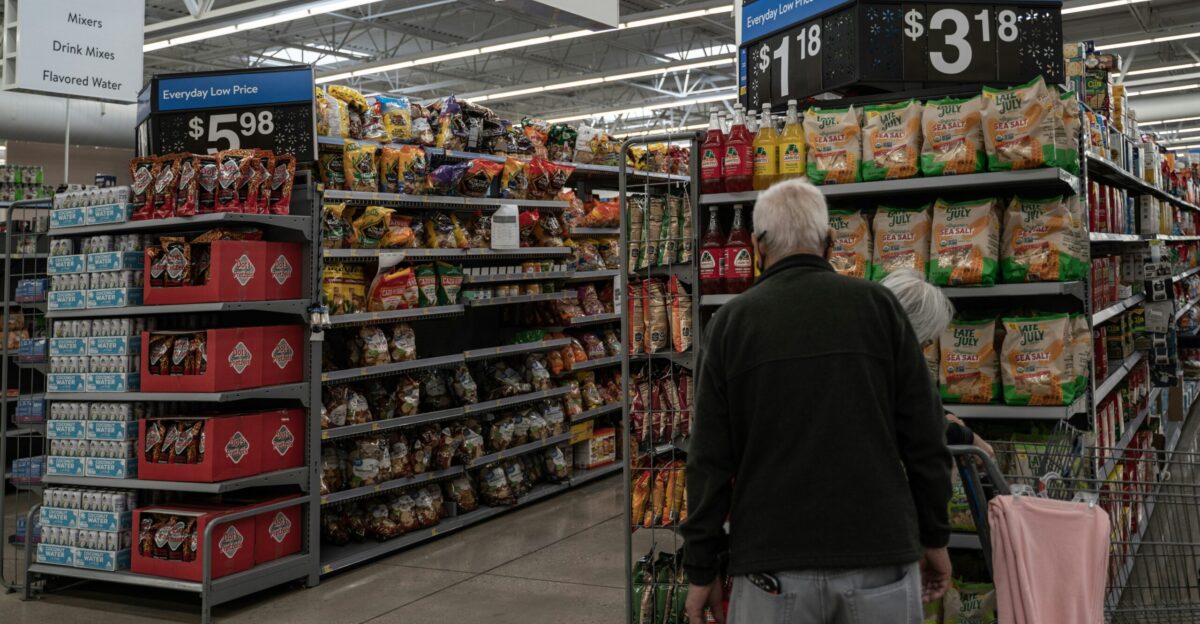
As price surges become more pronounced, consumer awareness about sourcing practices and corporate responsibility is rising. Shoppers are increasingly educated about the origins of their products and the factors contributing to price increases.
This elevated awareness is encouraging more discerning shopping behavior, where customers are willing to support brands that prioritize ethical sourcing and transparency. This increased consumer consciousness may drive long-term changes in market practices, reshaping how retailers approach customer engagement.
Legislative Actions Anticipated

Recognizing the widespread repercussions of tariff-induced price increases, some lawmakers are beginning to advocate for structural legislative changes. Proposals to provide relief measures for both consumers and small businesses affected by rising costs are gaining traction.
Lawmakers are exploring varied approaches to alleviate the burden, from tax incentives to subsidies for affected industries. The growing political will reveals recognition of the intertwined nature of economic policy and everyday lives as stakeholders seek solutions.