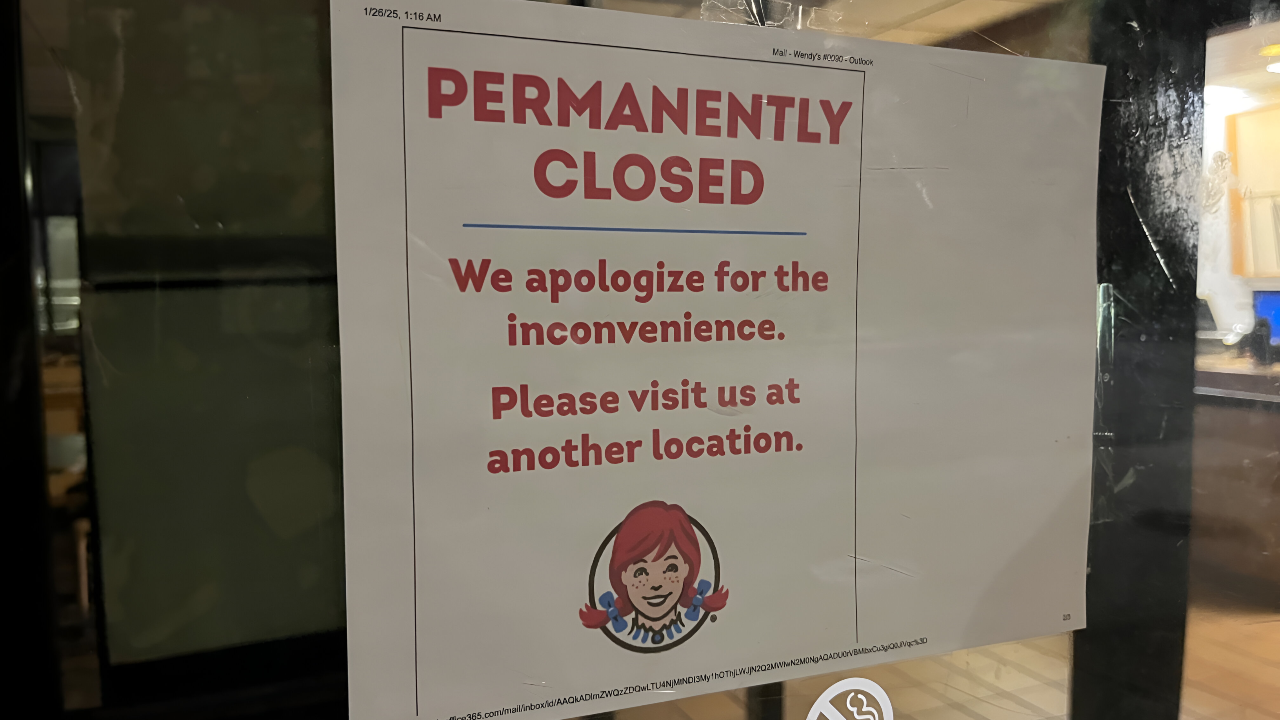
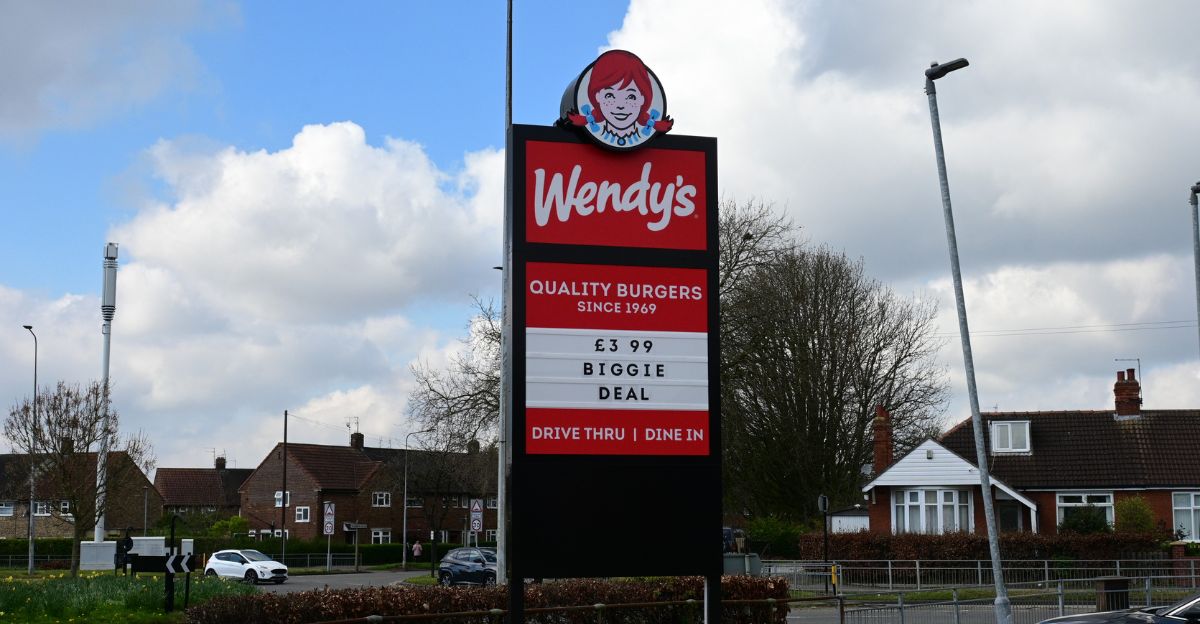
Wendy’s has just made a bombshell announcement: 200 to 350 of its U.S. locations will close starting in late 2025 and continuing through 2026. This significant move sends ripples through the fast-food industry, affecting thousands of workers and customers alike.
As Wendy’s trims down its footprint, it’s raising eyebrows—how will the company’s bold decision impact local communities, employees, and the fast-food scene as a whole?
What’s Behind Wendy’s Decision to Close Locations
Interim CEO Ken Cook explains that these closures are part of Wendy’s turnaround strategy. With U.S. same-store sales declining 4.7% in Q3 2025, the company is working to cut underperforming locations to boost profitability.
As consumer habits change and economic pressures mount, Wendy’s is reducing its footprint to focus on more profitable outlets.
Impact on U.S. Communities and Consumers
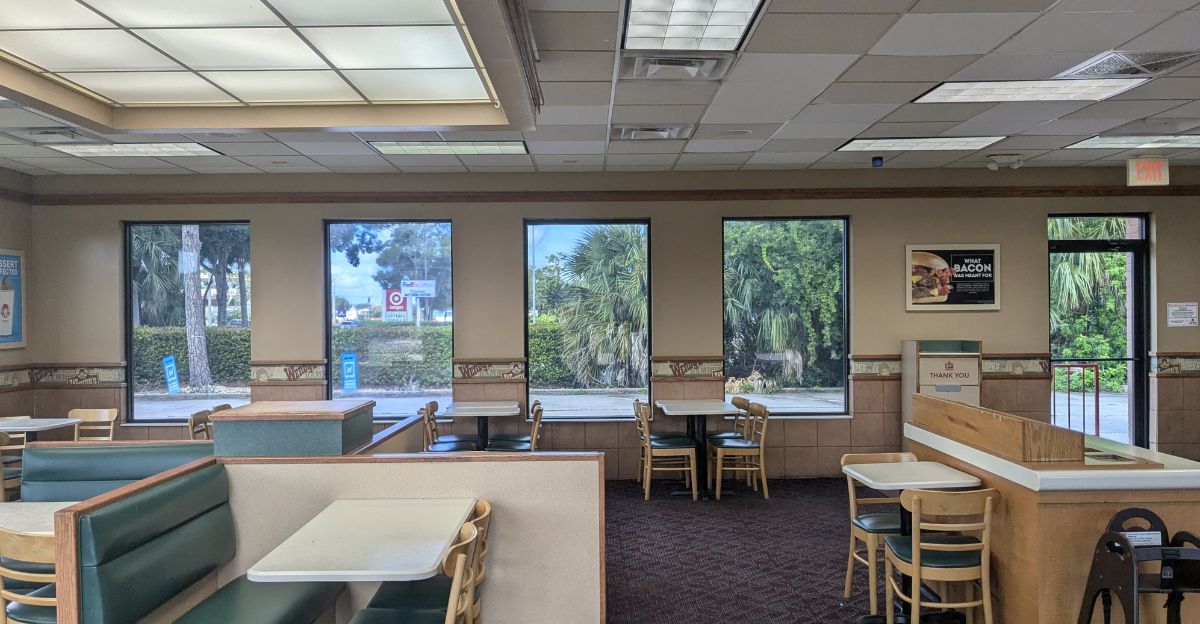
For many, Wendy’s is a staple of quick, affordable meals. The closure of up to 350 locations could significantly affect communities, especially those in smaller towns where these restaurants serve as convenient dining options.
The impact on local residents and accessibility to quick-service food options could be substantial.
Fast-Food Industry Reaction to Wendy’s Moves
Wendy’s isn’t alone in facing challenges. Competitors like Subway closed over 600 locations in 2024, and Denny’s has announced closures of approximately 150 stores.
Wendy’s move is part of a broader trend of fast-food industry consolidation, as chains reassess their performance amidst mounting economic pressures.
Rival Chains and Market Adaptations
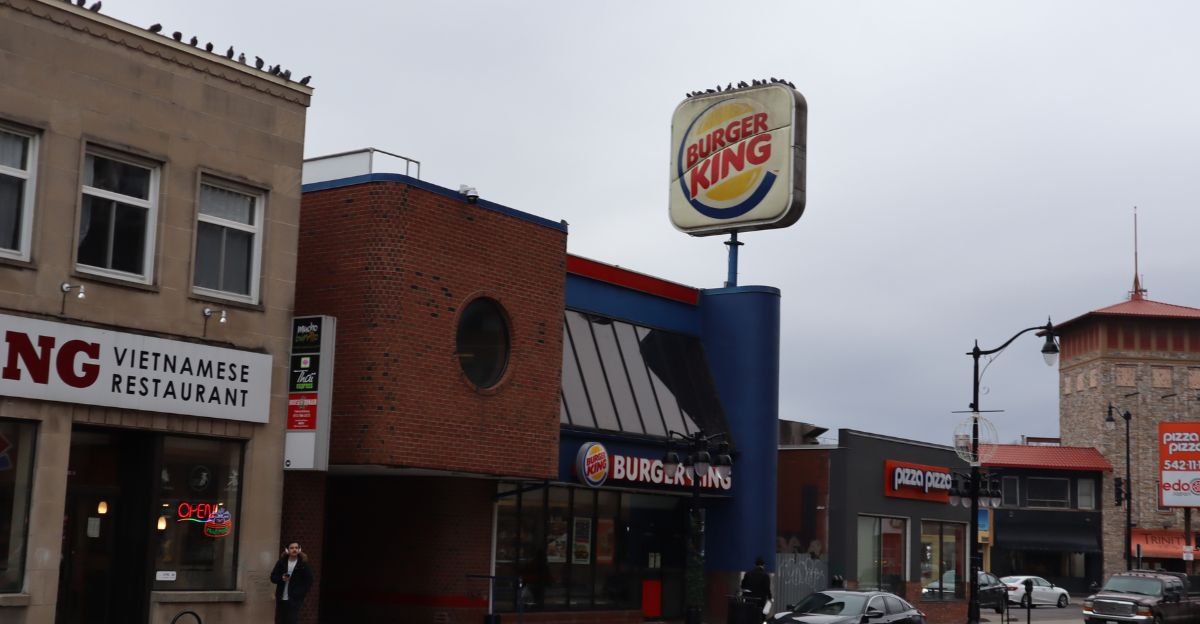
As Wendy’s pulls back, competitors like McDonald’s and Burger King, which have reported stronger same-store sales performance in recent quarters, may see a boost in foot traffic.
Meanwhile, local diners and convenience stores could capitalize on the closures, filling the gaps left by Wendy’s departure and attracting the displaced customers.
Supply Chain Repercussions
Wendy’s closures won’t just affect customers and employees—they could ripple through the supply chain.
Suppliers of essential ingredients like beef and potatoes may see reduced demand, which could affect both domestic production and distribution strategies.
The Human Cost: Employees and Franchisees
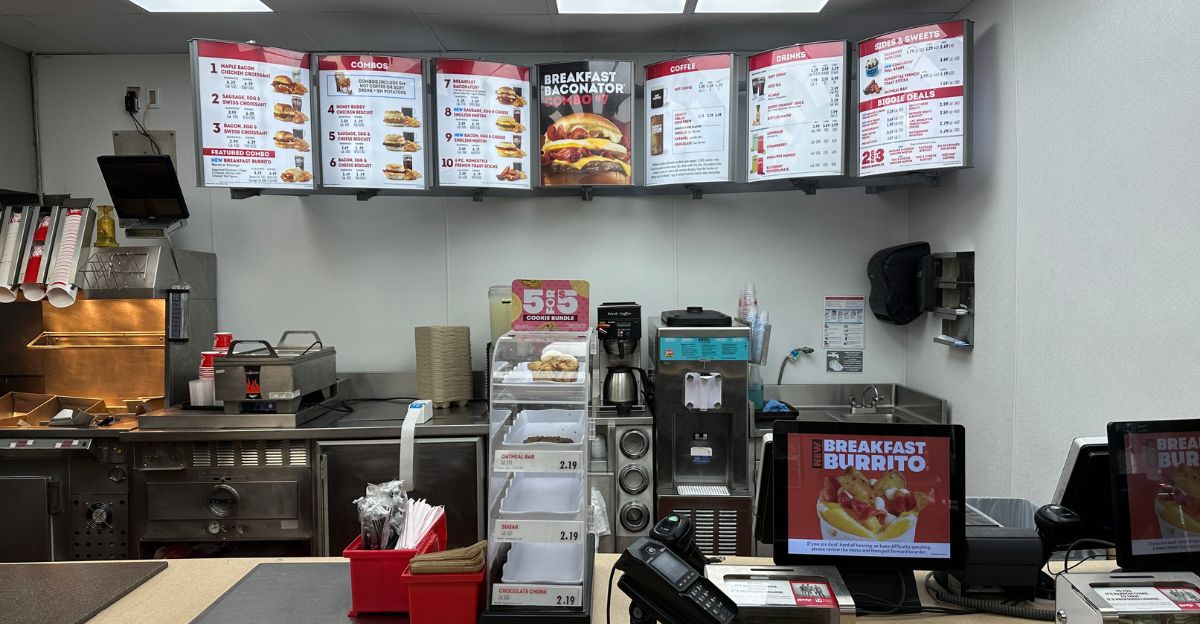
The store closures could put thousands of jobs at risk, affecting employees from cooks to managers. While Wendy’s has not officially disclosed expected job losses, based on typical fast-food restaurant staffing levels, the closures could potentially impact between 7,000 and 14,000 workers.
Franchisees are also facing difficult decisions as the company focuses on closing underperforming stores to improve overall system health. This isn’t just a financial decision—it’s a human one, impacting livelihoods and local economies.
Political and Policy Responses
The closures could prompt local governments to consider measures to support affected workers or repurpose shuttered sites.
Policymakers may look for ways to mitigate the economic fallout, potentially offering support for displaced workers or encouraging small businesses to fill the gap left by Wendy’s.
Inflation and Its Effect on the Restaurant Sector
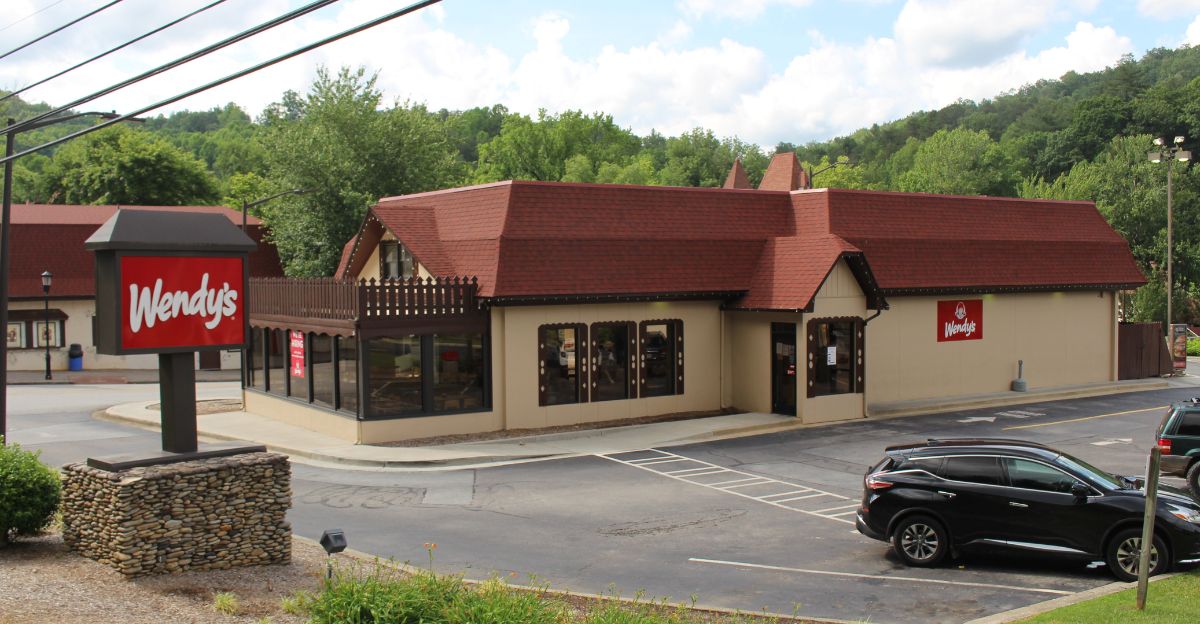
The closures highlight the broader issue of inflation within the restaurant sector. Rising labor and ingredient costs are squeezing margins, forcing chains to shut down locations that aren’t pulling in profits.
As the industry adapts to these pressures, consumers may notice changes at surviving locations.
Retailers and Competitors React
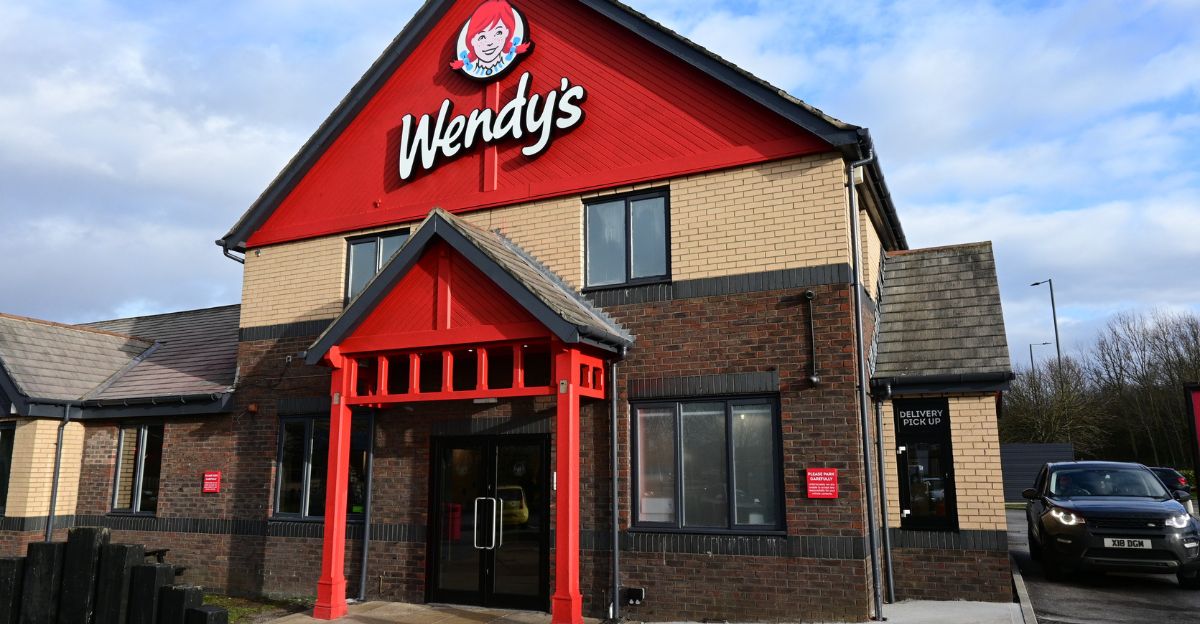
Local retailers near Wendy’s closures could pivot to attract displaced customers. Grocery stores might promote ready-to-eat meals, while convenience stores may expand their hot food sections.
In a rapidly changing landscape, these businesses may adapt to capture new clientele.
Hospitality and Dining Sector Shifts
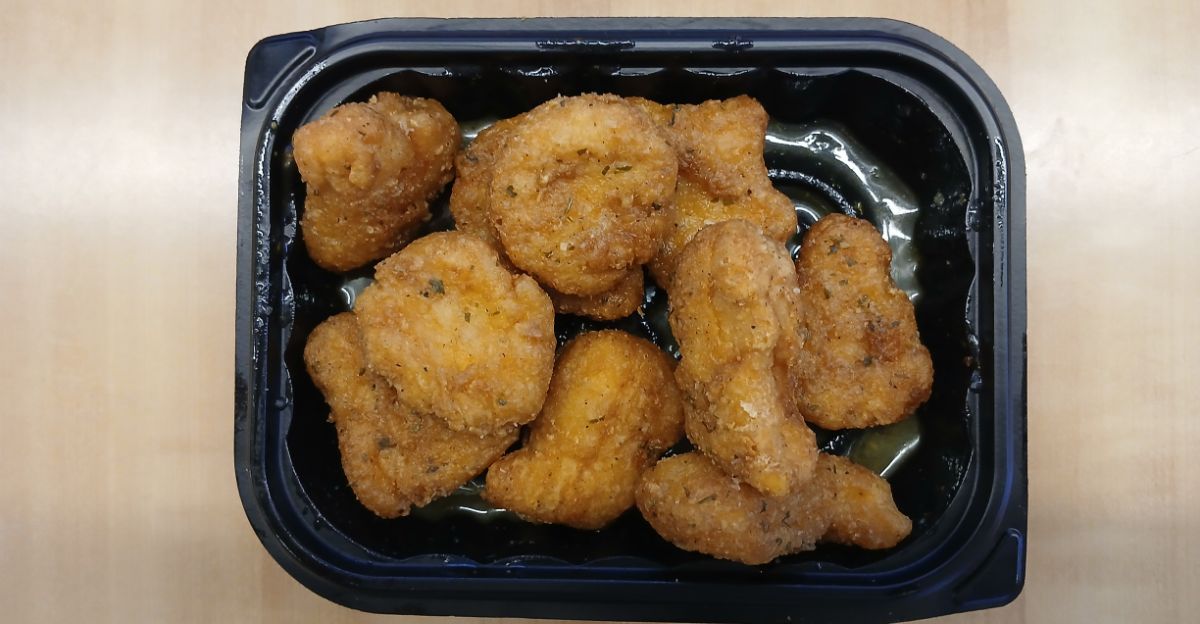
With fewer fast-food chains, independent restaurants and other dining options could see opportunities. Some may see increased demand, while larger chains may consolidate their market share.
This shift in the dining landscape presents potential opportunities for both local eateries and more successful chains to fill the void left by Wendy’s.
Indirect Effects on Related Industries
From suppliers of cleaning products to logistics companies, industries that support Wendy’s operations may feel the impact.
A reduction in locations means less demand for uniforms, packaging, and other supplies, potentially affecting businesses beyond the restaurant sector.
Global Perspectives on Wendy’s Closures
Internationally, the U.S. fast-food contraction is being watched closely. Wendy’s global footprint saw growth in Q3 2025, but with domestic closures looming, chains overseas may rethink expansion strategies.
The trend could prompt shifts in the way fast food operates, especially as more chains face similar challenges.
Health and Lifestyle Impact
With fewer Wendy’s locations, some communities might see changes in dining options. Reduced access to fast food could affect local eating patterns or drive demand for alternative dining options.
However, for many, convenience remains key, and the loss of familiar outlets could have lifestyle consequences.
Cultural and Environmental Repercussions
Wendy’s closures continue debates over the role of fast food in American culture and its environmental impact.
While some may view the closures as a shift in the industry, others will note the loss of convenient dining options and the community spaces they provided.
Winners and Losers in the Fast-Food Shake-Up
While some franchisees may benefit financially from focusing resources on better-performing stores, others face the challenge of closing their businesses.
Competing chains may capitalize on the situation, while suppliers and workers face an uncertain future. The closures leave a complex aftermath for everyone involved.
Stock Market Reaction
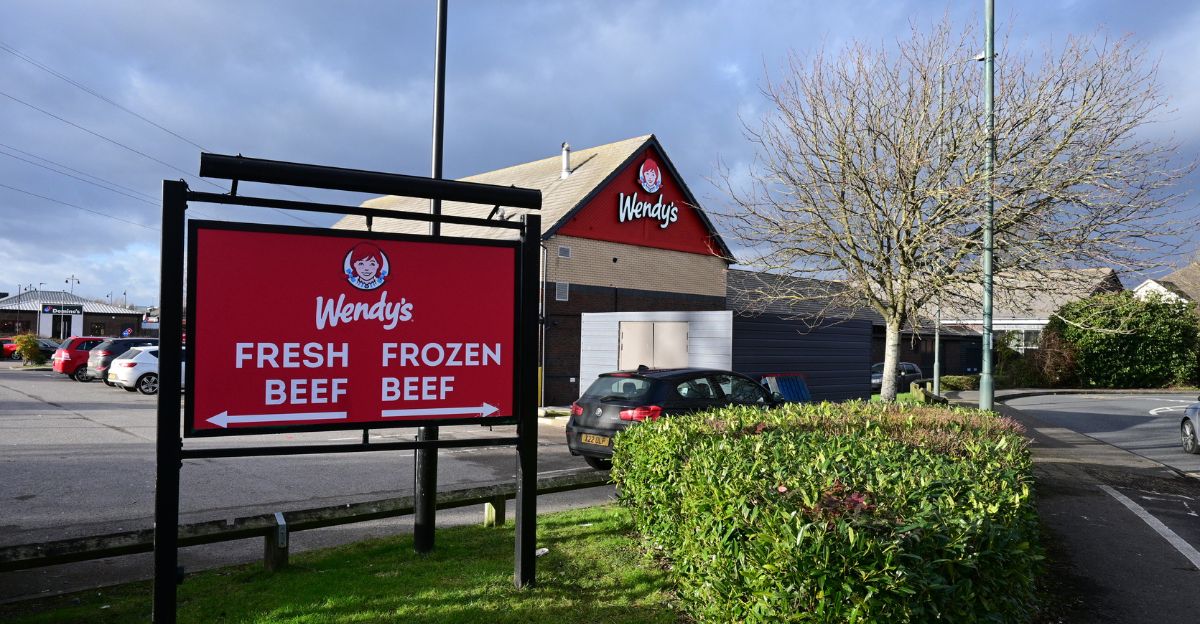
Despite the announcement of mass closures, Wendy’s stock surged 11.66% in premarket trading on November 7, 2025.
The positive response from investors reflects optimism about increased profitability through reduced overhead and a focus on more profitable locations. This market reaction underscores the financial complexities of the fast-food sector.
What Consumers Need to Know
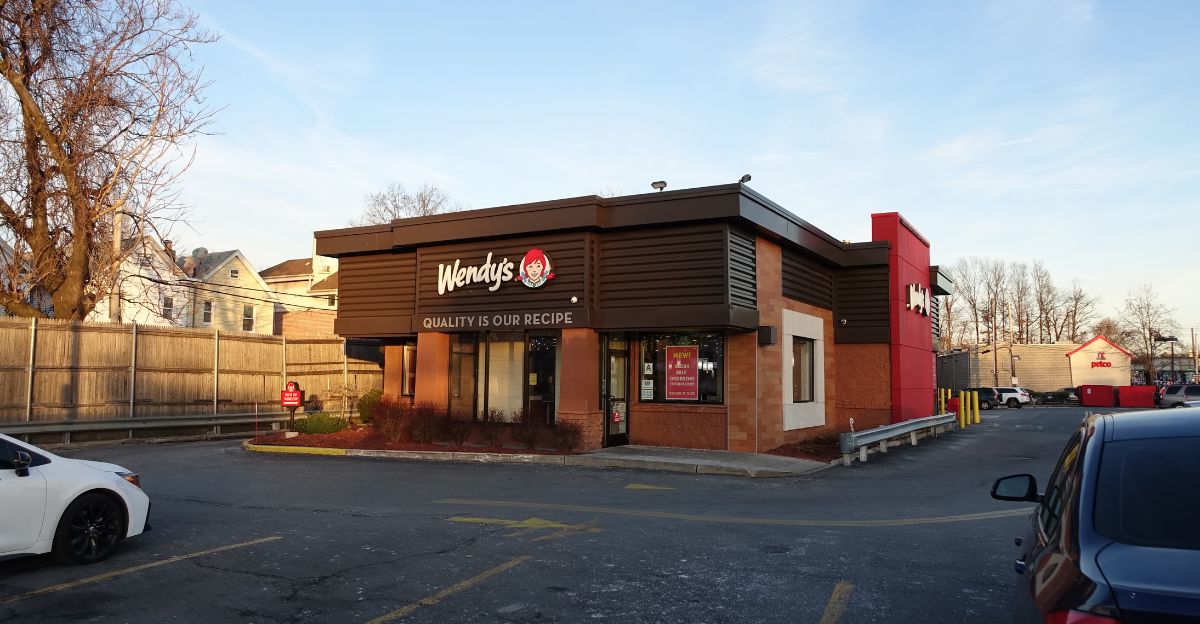
Consumers should stay informed about closures in their area, as their local Wendy’s might be next. For those potentially affected by job losses, local resources and retraining programs may provide support.
As the fast-food landscape shifts, being adaptable to new dining options is key to navigating the changes.
What’s Next for the Fast-Food Industry?
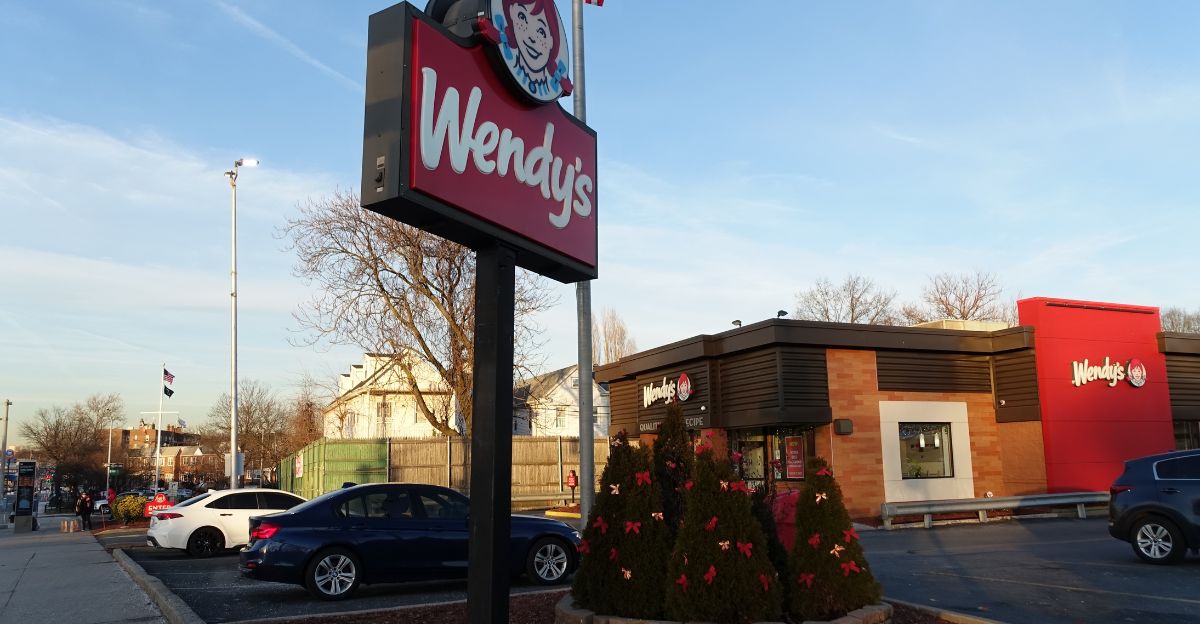
The fast-food industry is expected to see continued consolidation and innovation. Chains may turn to technology, menu adjustments, and delivery services to stay competitive.
Wendy’s, for its part, plans to open new international locations while closing U.S. stores, with international growth projected at over 9% in 2025. The company has also seen success with new menu items like Tendys chicken tenders, which have experienced high demand at many locations.
The Broader Impact: Shifting Trends in the U.S.
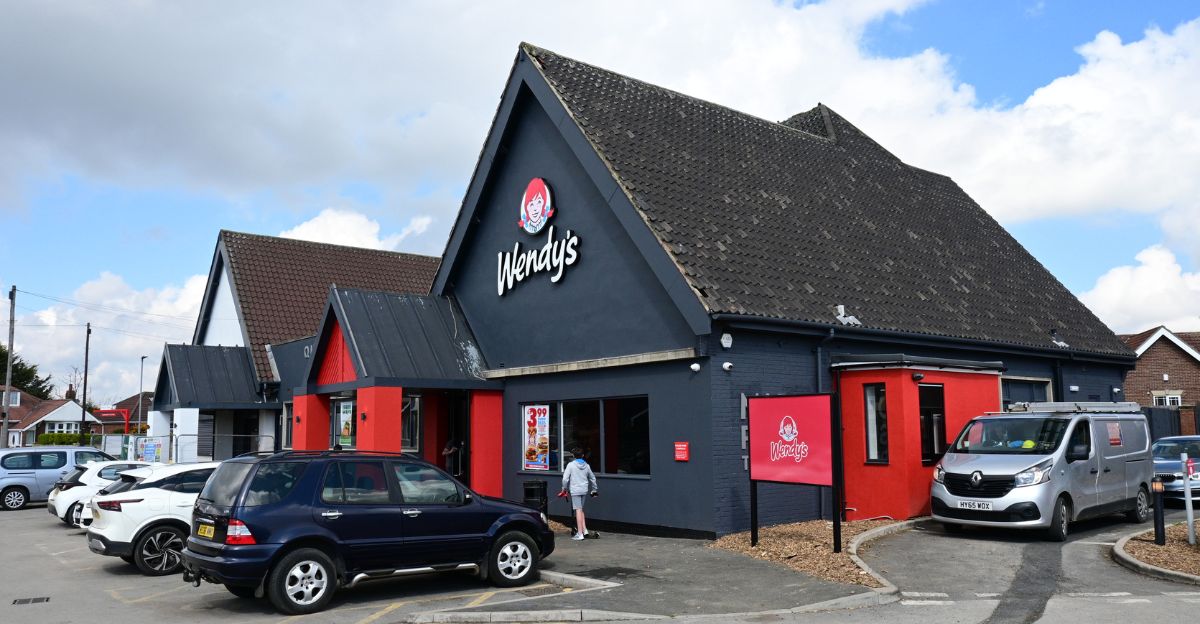
Wendy’s planned closures of 200-350 locations are part of a larger trend in the fast-food industry, where companies are rethinking their strategies to adapt to changing consumer preferences and economic challenges.
As these closures unfold, the U.S. will witness a transformed fast-food landscape, with far-reaching social and economic effects.