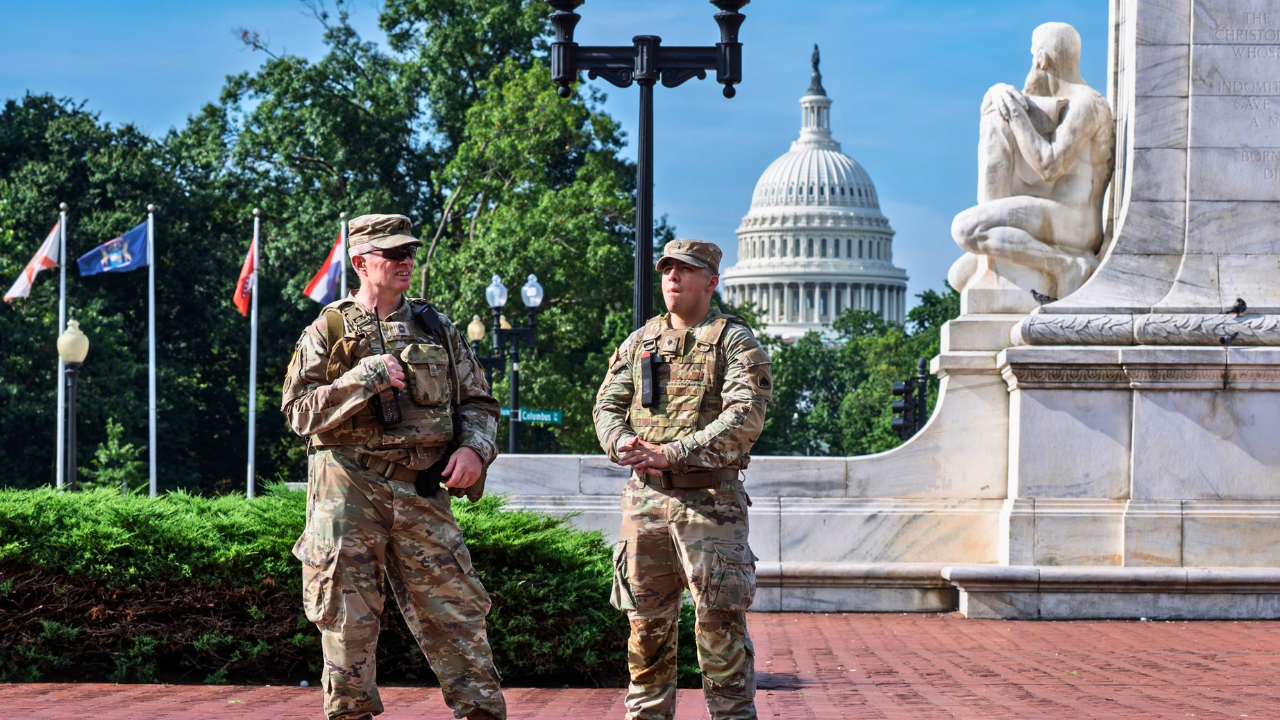
The early-morning air at Fort Chaffee hung thick with steam as rows of Arkansas National Guard soldiers hoisted rucksacks and tightened uniform straps.
Within days, nearly 100 members of the 142nd Field Artillery Brigade will depart for Washington, D.C., part of a federally funded rotation supporting civil-security operations through winter 2025.
Governor Sarah Huckabee Sanders calls their mission “essential to keeping our nation’s capital safe.” But what awaits these troops once they reach the capital’s guarded streets?
Purpose and Scope of the Mission
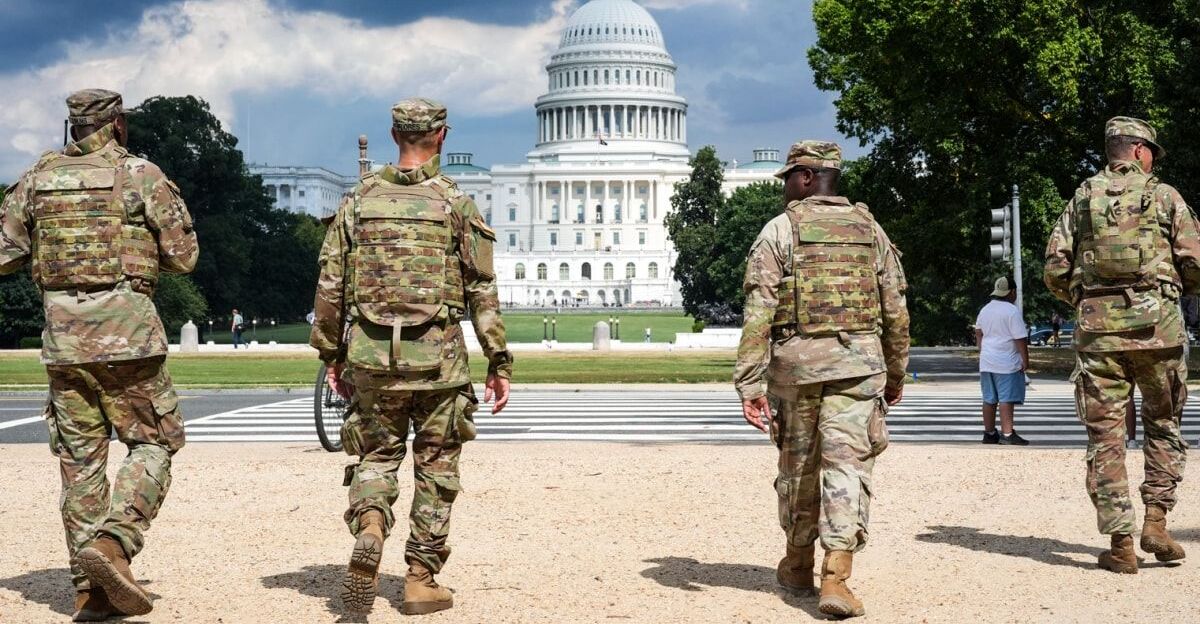
The Arkansas troops will assist with civil-security operations, including security presence patrols and law enforcement support in designated areas.
Their duties will supplement existing D.C. National Guard efforts to secure federal buildings and high-traffic zones throughout the capital region.
The operation is federally funded through the Department of Defense, forming part of an ongoing, multi-state rotational relief program designed to maintain consistent security coverage in the capital without overburdening local forces during extended operations and ensuring continuity of protection.
Operational Details and Training
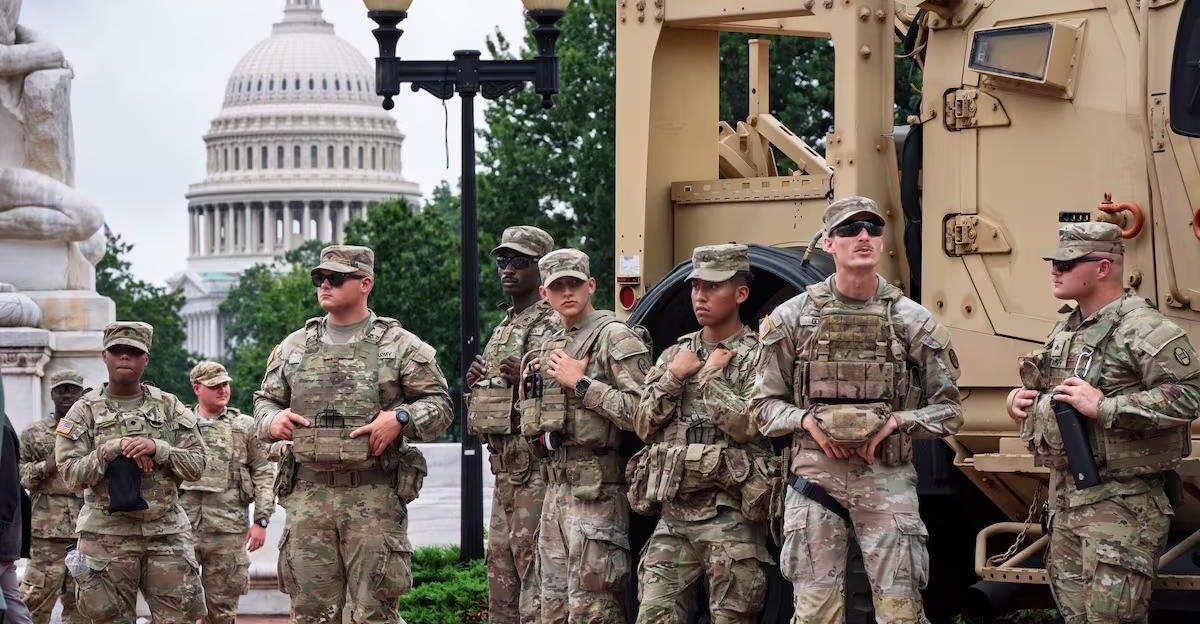
Before deployment, all soldiers will assemble at Fort Chaffee Joint Maneuver Training Center in Barling, Arkansas, for administrative processing, medical screenings, and pre-mobilization training.
Exercises will include civil-support protocols and urban coordination drills to ensure troops are fully prepared for D.C.’s security environment.
Once deployed after Thanksgiving, they will operate under federal authority for several months, supporting both preventive patrols and emergency response readiness across designated areas while integrating with existing D.C. National Guard units already stationed in the capital.
Why Arkansas Was Selected
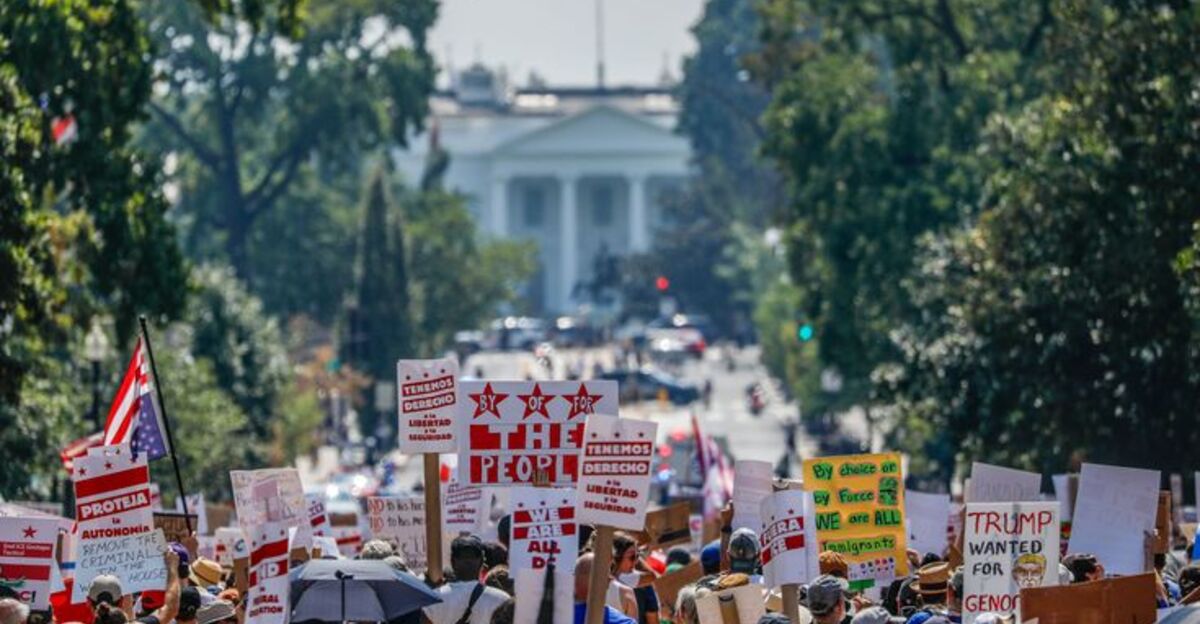
The 142nd Field Artillery Brigade was chosen due to its strong record of readiness and previous civil-support experience across multiple missions.
The unit has completed state and federal assignments, including disaster relief and homeland security operations, demonstrating operational excellence. Federal officials rotate participating states every few months to ensure readiness is balanced across the National Guard system.
Arkansas’s unit met all training and operational benchmarks, making it well-suited for the upcoming D.C. rotation scheduled to begin shortly after the Thanksgiving holiday period concludes this year.
Governor Sanders’ Remarks

Governor Sanders commended the troops and their families, emphasizing their professionalism and dedication to public service. “I have no doubt that in this mission, they will show the same skill and discipline that make them such valuable public servants,” she said during the deployment announcement.
Sanders expressed gratitude to the soldiers for their willingness to serve and thanked their families for supporting them.
She also acknowledged federal authorities for facilitating smooth coordination and praised former President Trump’s administration for its efforts to address security concerns in Washington.
Reaction from Federal and Local Officials
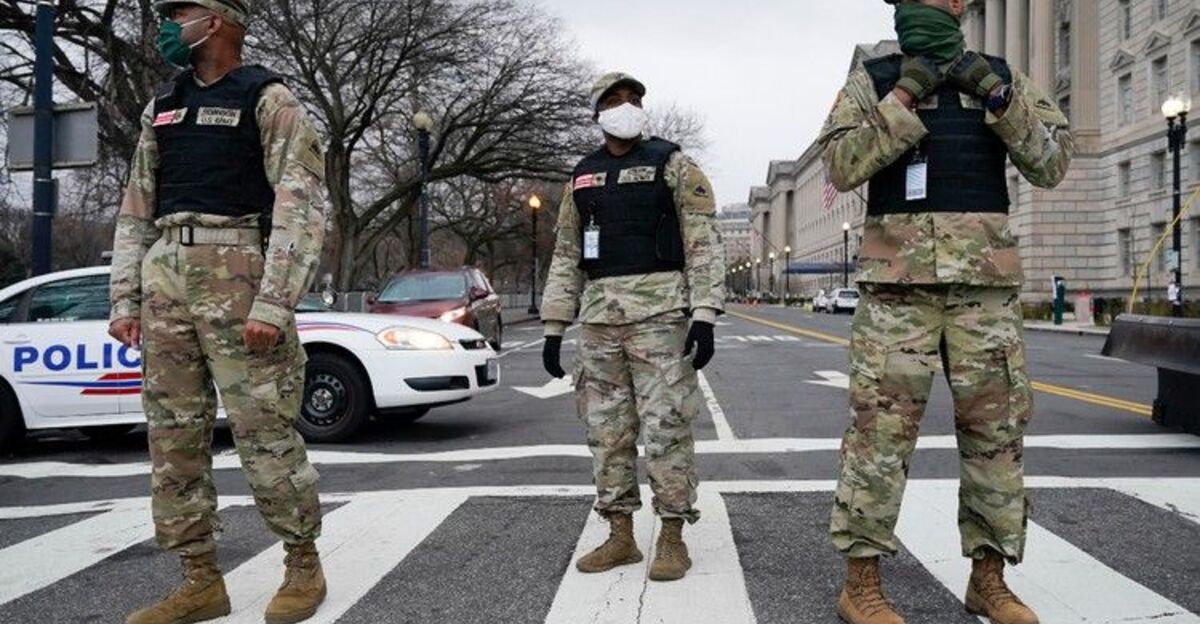
The D.C. National Guard welcomed Arkansas’s assistance, calling interstate coordination essential for sustained security operations throughout the capital region. Federal officials confirmed the mission’s funding and oversight under the Department of Defense.
Brigadier General Chad Bridges, Arkansas’s Adjutant General, praised the soldiers’ commitment and readiness.
Some local officials acknowledged the deployment’s routine nature within the rotational system but noted public sensitivity to visible military patrols. Authorities emphasized that Guard members support—rather than replace—local police officers in maintaining safety around federal complexes.
Arkansas Families and Soldiers
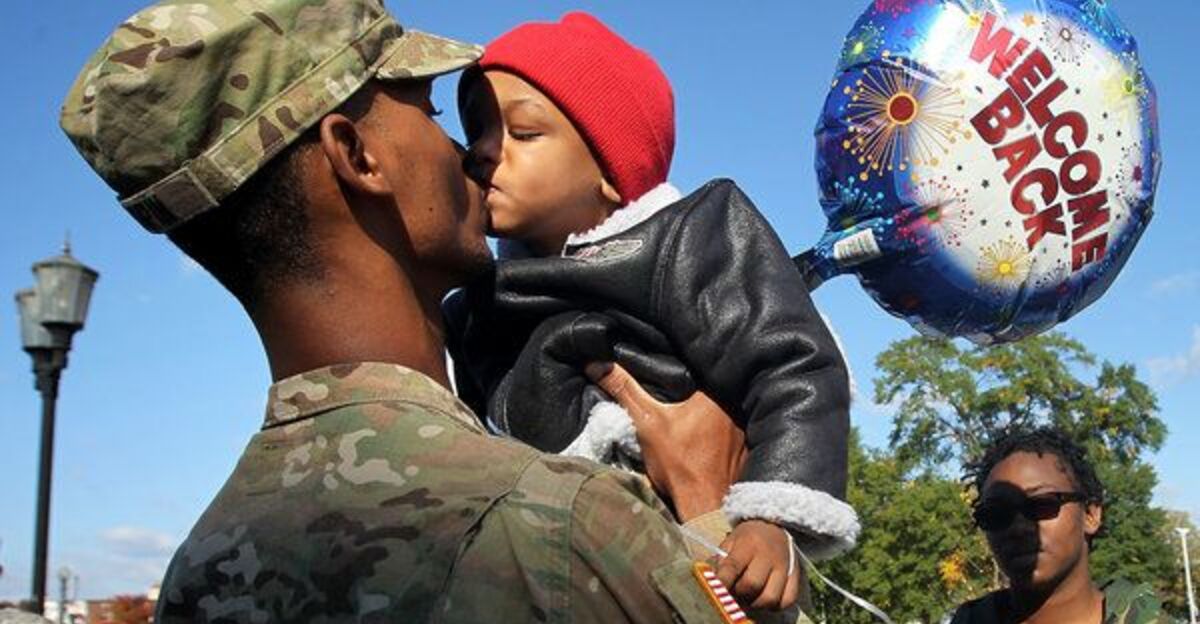
For the soldiers, the assignment means months away from home during the holiday season, creating a significant personal sacrifice. Families are preparing for temporary separations as loved ones undergo training and deployment to the nation’s capital.
Arkansas officials are providing family-readiness support, including counseling services and financial-assistance resources, to help families cope.
Governor Sanders publicly thanked spouses and children for their sacrifices, saying their commitment and resilience allow the state’s soldiers to serve with focus and dedication while helping safeguard one of America’s most important cities.
Economic Dimensions and Federal Funding
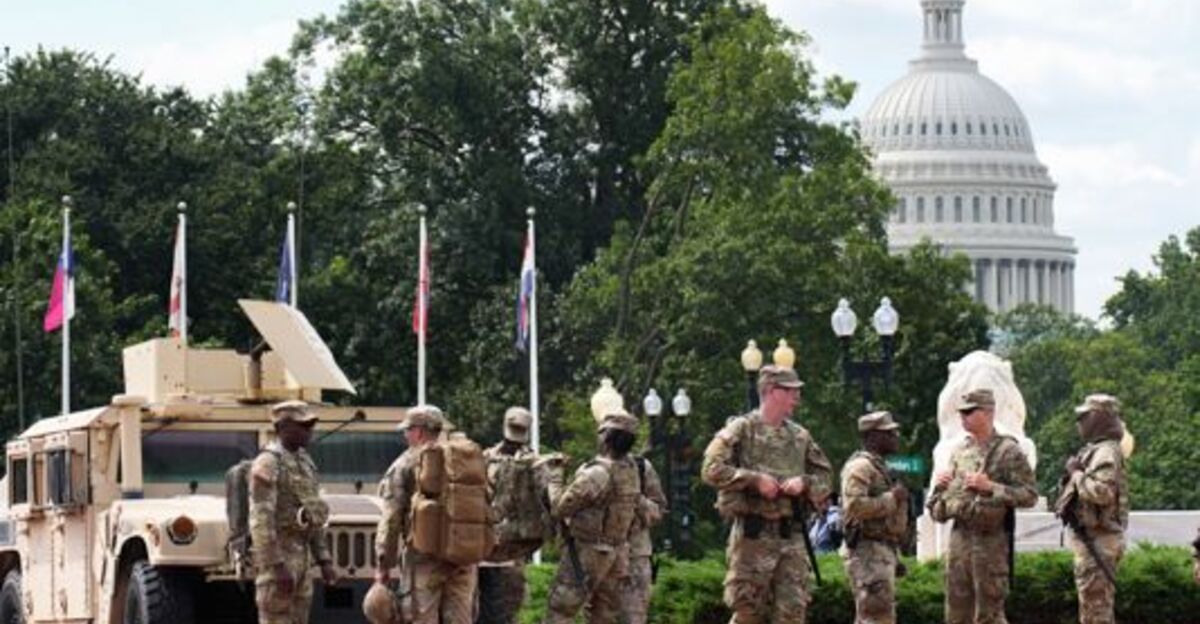
The deployment is fully funded by the federal government, covering salaries, equipment, lodging, transportation, and all operational costs, without burdening Arkansas taxpayers.
Analysts estimate that multi-month missions of this size typically represent several million dollars in federal spending, depending on mission duration and logistical requirements.
The funding arrangement ensures seamless execution while reinforcing the broader U.S. policy of rotational Guard deployments to sustain domestic security readiness in high-priority national zones like Washington, D.C., where continuous federal presence is deemed necessary.
National Guard Rotations in D.C.
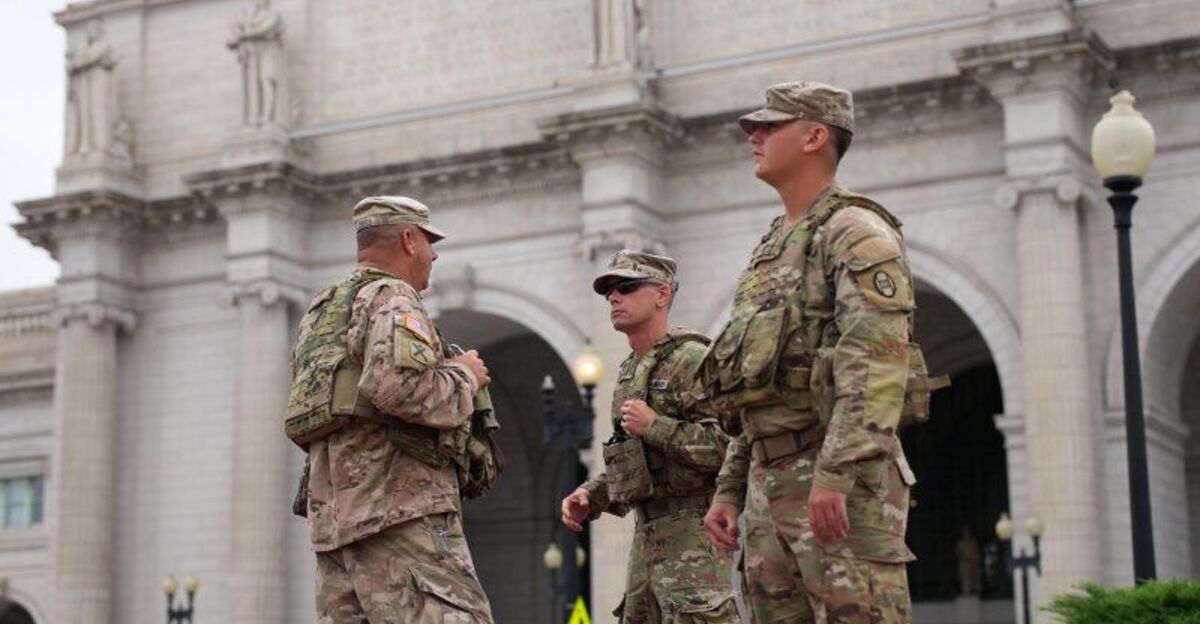
Since 2021, multiple states have rotated Guard units into D.C. to maintain civil-security operations following the restructuring of federal safety protocols after major security events.
These deployments, which last several months each, ensure uninterrupted coverage of critical sites, including the Capitol, White House, and National Mall.
The Arkansas rotation continues this established system, highlighting how interstate Guard cooperation has become a normalized feature of U.S. domestic defense strategy in safeguarding the capital’s institutions and maintaining consistent protective postures across political transitions.
Political Reactions and Policy Implications
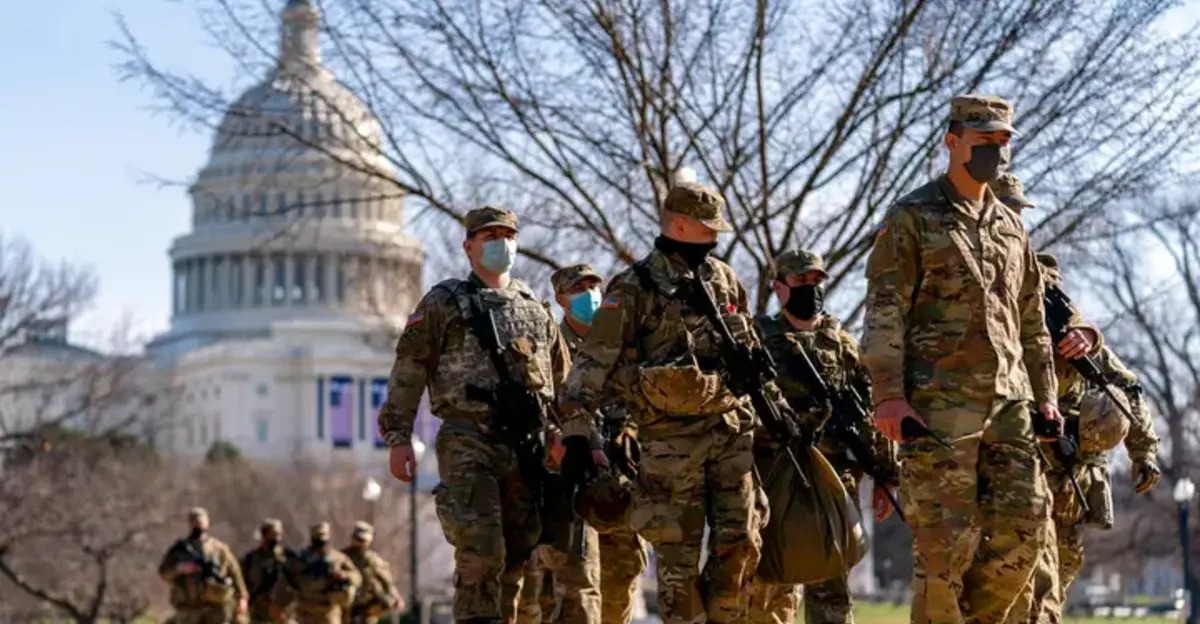
While viewed as routine by federal officials coordinating the mission, the deployment has prompted ongoing discussion about the long-term role of National Guard forces in civilian environments.
Supporters argue the deployments demonstrate practical intergovernmental cooperation and readiness to respond. Critics, including some D.C. officials and civil rights advocates, worry that an extended Guard presence may normalize military involvement in domestic affairs and undermine local autonomy.
Policy experts suggest the continuing rotations reflect evolving national-security practices, balancing public-safety needs with federal commitments to protect critical infrastructure.
Public Perception and Community Impact
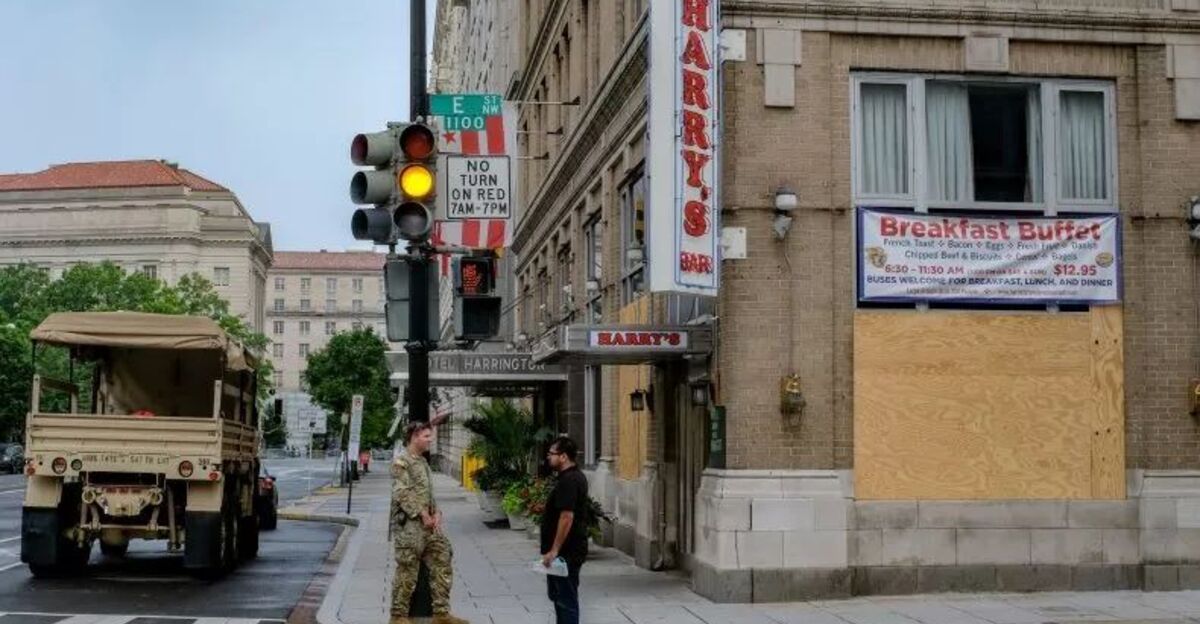
Washington residents are accustomed to periodic Guard presences, but each rotation sparks renewed public conversation about the militarization of civic spaces.
Some citizens feel reassured by the visible security presence and appreciate the enhanced protection, while others express concern about the over-militarization affecting their daily lives.
Local leaders have emphasized the importance of transparency regarding the mission’s goals, duration, and operational scope to maintain public trust. Officials emphasize that soldiers will primarily operate near federal sites and will not interfere with everyday community life or local policing activities in residential neighborhoods.
National Security and Stability Messaging
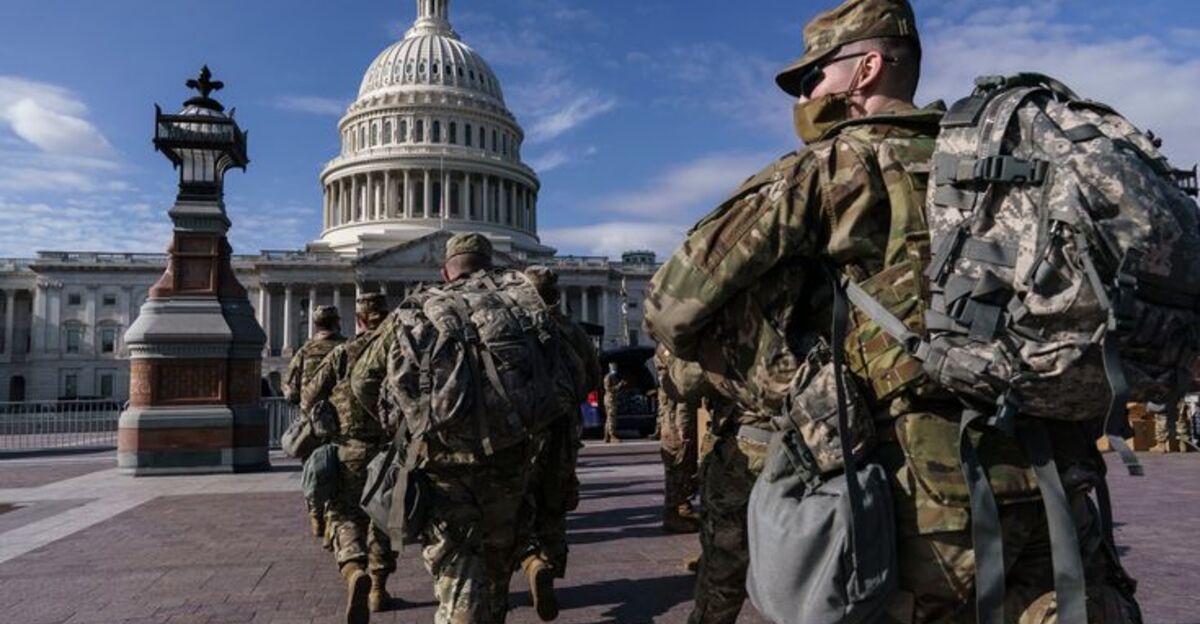
Federal agencies maintain that continued Guard rotations signal proactive management rather than crisis response to immediate threats. The Defense Department describes these missions as part of a long-term stability framework, ensuring operational continuity regardless of political cycles or transitions.
Each rotation enables Guard members to gain hands-on training in complex urban security environments, thereby strengthening their overall readiness for both domestic emergencies and potential international mobilizations, while maintaining a consistent protective posture in the capital that reassures federal officials and personnel working in government facilities.
Arkansas’s Broader National Guard Commitments
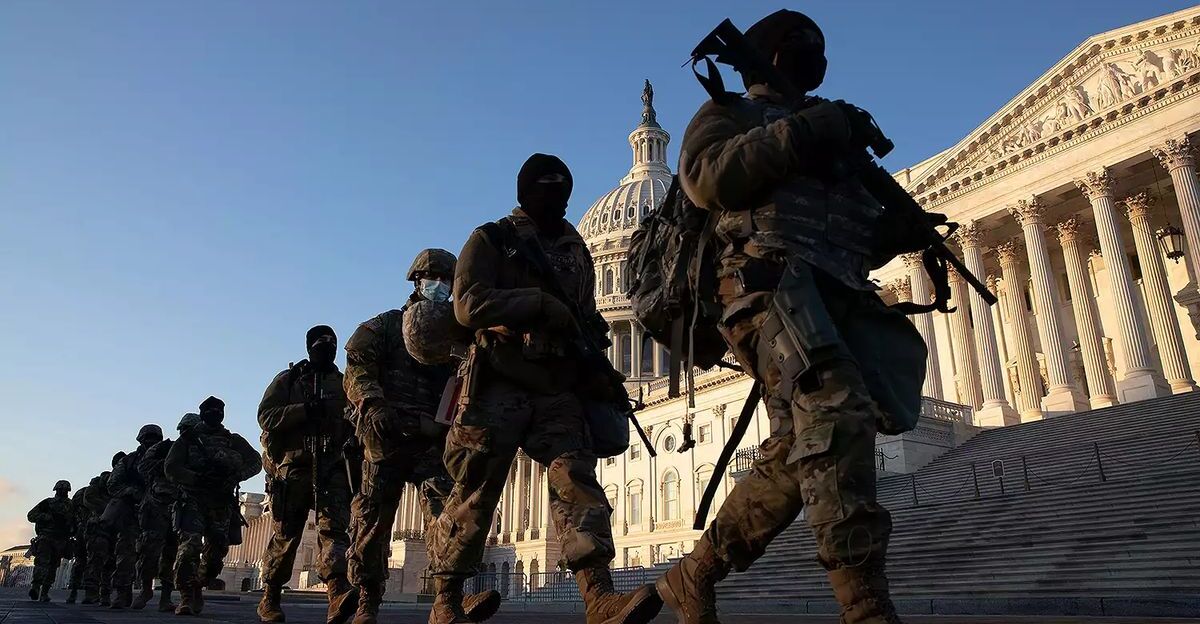
Beyond the D.C. mission, Arkansas’ National Guard remains active in disaster response efforts, international deployments, and state emergency operations.
The 142nd Brigade’s participation reinforces its dual mission—serving the state during local emergencies and supporting national defense objectives abroad. Its soldiers have recently contributed to hurricane relief operations and overseas peacekeeping missions.
The upcoming deployment underscores Arkansas’s reliability as a partner in the National Guard system and its strong record of operational excellence, professionalism, and commitment to both state and federal security priorities.
Long-Term Trends and Future Planning
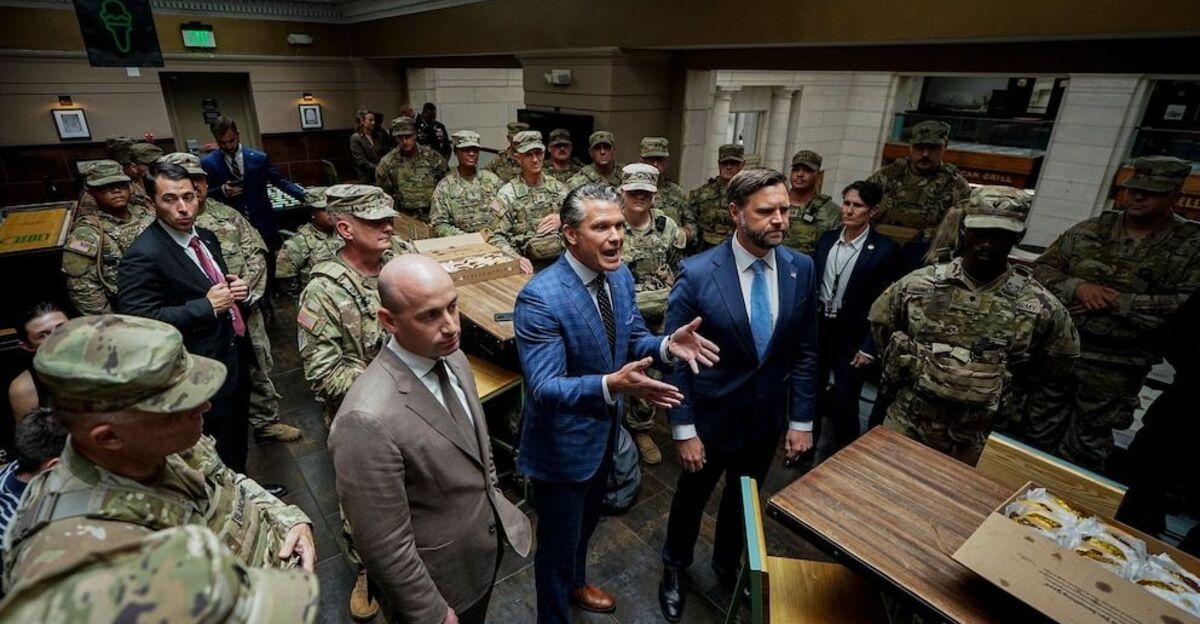
Experts say these multi-state rotations illustrate an evolving approach to urban security, blending military readiness with civilian protection in major metropolitan areas.
Federal planners expect the program to continue through 2026 and potentially beyond, involving rotating Guard units from various states nationwide. Officials view it as a sustainable solution that maintains security without requiring the activation of full-time active-duty forces.
The Arkansas rotation demonstrates how states collectively contribute to long-term stability in the nation’s most politically significant region while maintaining distributed readiness.
What Comes Next for D.C. and Arkansas Troops?
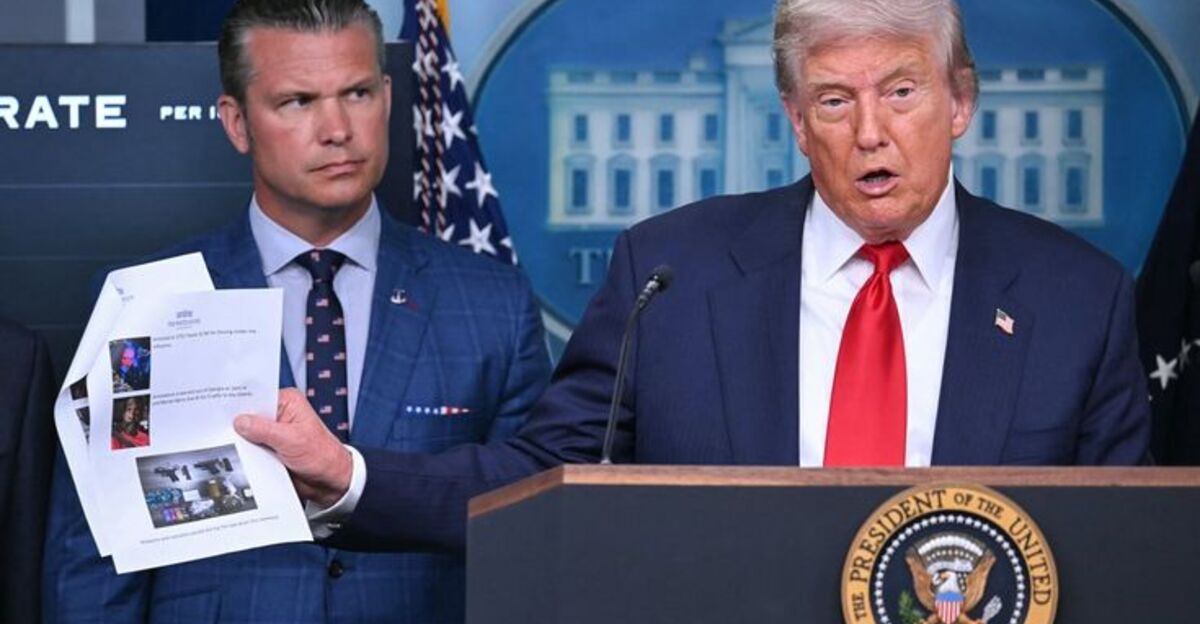
When the mission concludes after several months, Arkansas troops will return to Fort Chaffee for debriefing, reintegration support, and post-deployment health assessments.
Federal officials will review operational data and lessons learned to plan the next state rotation in the continuing cycle. Meanwhile, discussions continue over whether these missions should remain permanent fixtures or be phased out eventually.
For now, Arkansas’s 142nd Field Artillery Brigade represents the next link in a continuing chain of cooperation between state and federal forces protecting the U.S. capital and its critical government infrastructure.