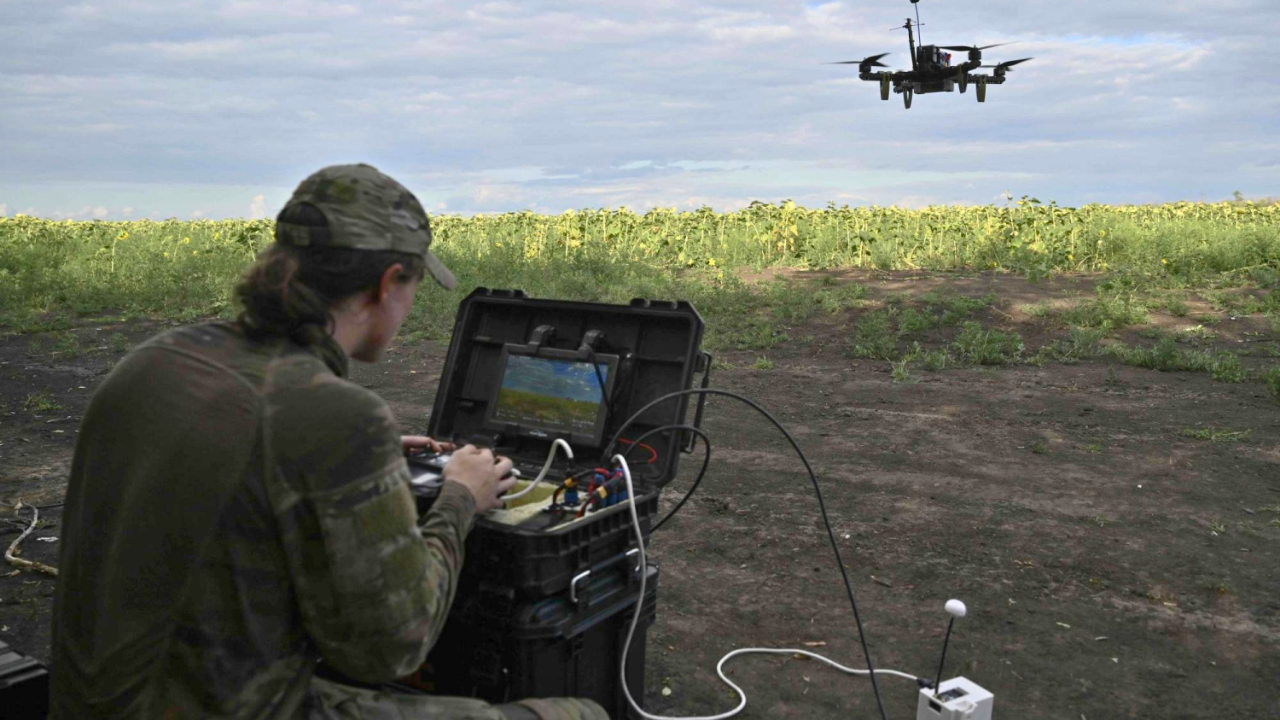
A Ukrainian drone operation in early October captured global attention and signaled a dramatic shift in modern warfare. Footage released by Ukraine’s National Guard showed a quadcopter drone landing atop a moving Russian Buk-series air defense vehicle, riding undetected for 15 kilometers before detonating with precision. This incident, documented by the 27th Pechersk Brigade’s Lasar’s Group, revealed a new era of “parasite warfare,” where small, AI-enabled drones exploit vulnerabilities in advanced military hardware.
Parasite Warfare and the Element of Surprise
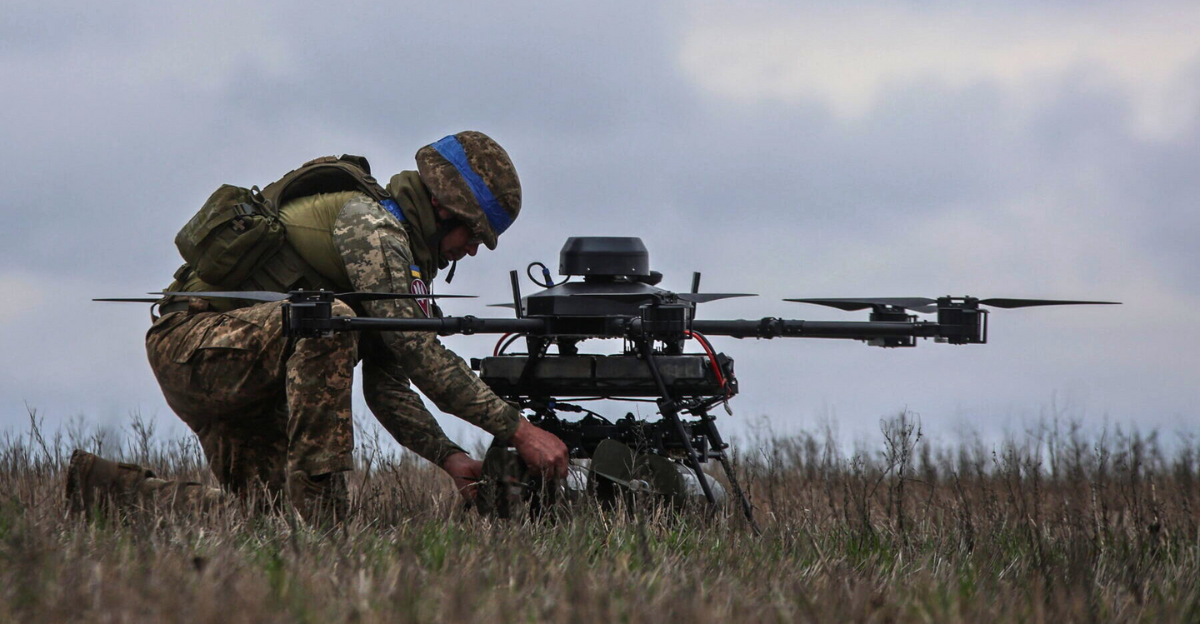
The drone’s success hinged on its ability to synchronize with the Buk’s movement, maintaining real-time communication with Ukrainian operators and relaying its position as it traveled. A “SYNC” indicator on the drone’s feed confirmed its coordinated movement with the Russian 9A316 launch-loading vehicle. This tactic exposed a critical blind spot in traditional air defense systems, which are engineered to detect fast-moving, high-altitude threats like jets and missiles—not slow, low-flying quadcopters. The Buk-M1 system, valued at around $10 million, failed to register the drone’s presence, highlighting a billion-dollar vulnerability in Russia’s defensive arsenal.
Detection Failures and Human Factors

Video evidence showed Russian soldiers reacting with disbelief and casual curiosity to the drone perched on their vehicle. Some took photos, others poked at it with sticks, underestimating the threat it posed. This response underscored a dangerous assumption: that anything landing gently on their equipment was harmless. Military doctrine had trained crews to monitor the skies, not their own vehicles. By the time the true nature of the drone was realized, it was too late to prevent the explosion. The incident demonstrated how psychological factors and outdated threat models can leave even sophisticated systems exposed.
Ukrainian Innovation and Economic Impact
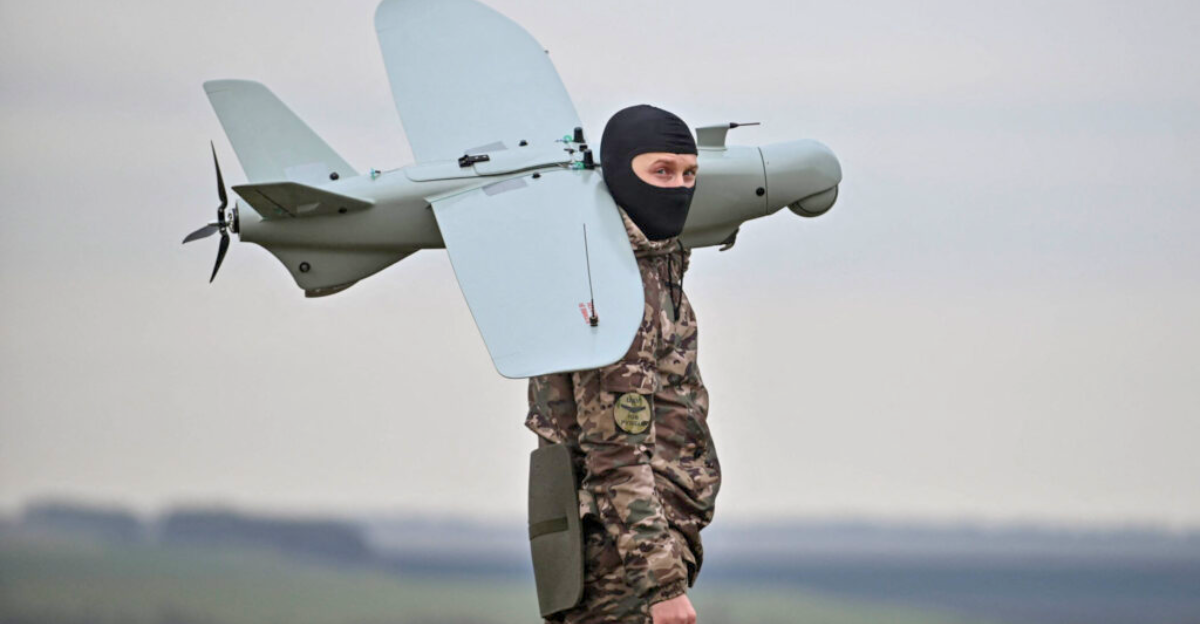
Ukraine’s approach to drone warfare is not accidental but the result of deliberate innovation. The country’s drone industry, according to President Zelenskyy, now produces over 4 million units annually, enabling rapid experimentation and adaptation. The economic calculus is stark: a $5,000 self-detonating drone can destroy a $10 million air defense system, creating a cost exchange ratio that heavily favors the attacker. Ukrainian commanders note that while Western interceptors like NASAMS missiles cost about $1 million each, their drones achieve similar results for a fraction of the price. This strategy has forced Russia to confront unsustainable losses and rethink its defensive posture.
Intelligence and Tactical Precision
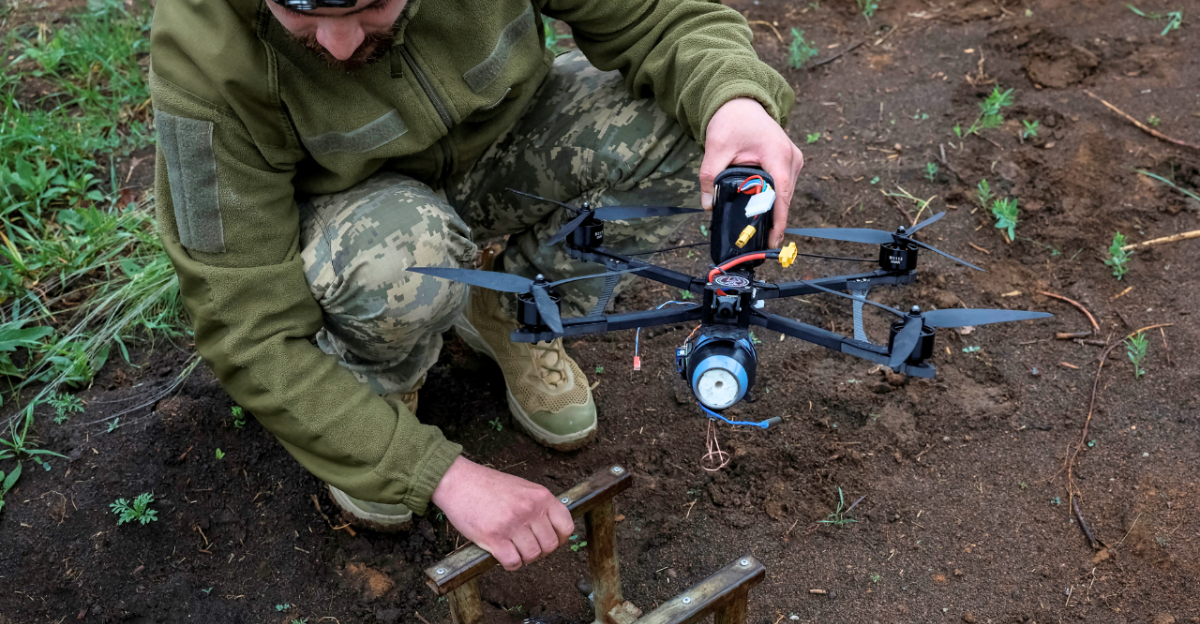
The success of the October operation relied not only on technology but also on precise intelligence. Ukrainian sources credit resistance groups embedded within Russian ranks for providing coordinates and photographic evidence of the Buk’s location. This human intelligence, combined with real-time tracking by Ukrainian operators, enabled the drone to approach and synchronize with the target vehicle. Previous Ukrainian strikes had destroyed Buk systems using direct drone attacks, but the “parasite warfare” tactic was distinguished by its documentation and intentional exploitation of detection gaps.
Implications for Future Warfare
Military analysts worldwide are studying the incident for its broader lessons. The principle is clear: systems designed for conventional threats can fail catastrophically against unconventional tactics. Even modern air-defense batteries struggle to counter swarming, ground-level threats launched from short range. As drone production scales and operators refine their methods, “parasite warfare” is poised to become a systematic strategy rather than a one-off event. Western defense firms are racing to develop new detection technologies, such as acoustic sensors and advanced radars, but the challenge remains—how to detect a threat that is already on top of the target.
Ukraine’s industrial advantage in drone production allows for continued experimentation and loss absorption, widening the gap with Russian capabilities. Ukrainian sources suggest that success rates could rise further if Western munitions were permitted for strikes on Russian soil. The psychological impact of these tactics is significant, as Russian crews witness their own vehicles turned against them.
The October drone strike marks a turning point in the evolution of asymmetric warfare. It demonstrates that ingenuity and adaptability can undermine even the most advanced military systems. As nations reassess their defense strategies, the incident serves as a warning: the future of conflict will be shaped not just by technology, but by the ability to exploit the unexpected.