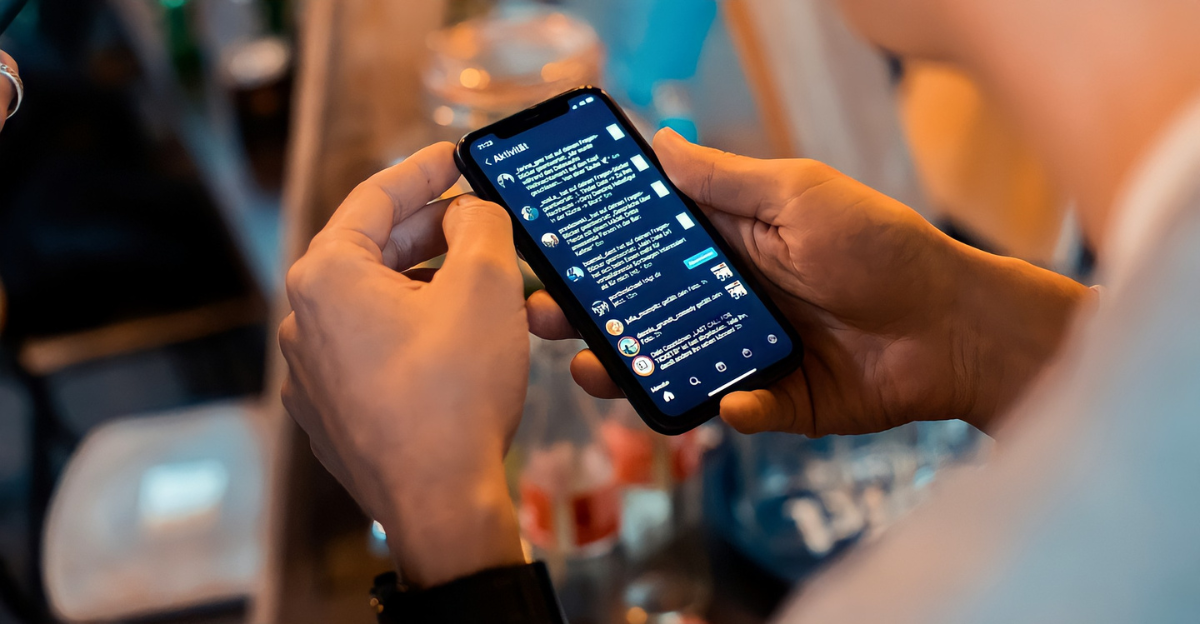
When we think about social media, we imagine endless chatter and millions of posts, memes, selfies, and hot takes flooding our feeds. Yet, behind this digital noise lies a quieter majority. Most users are not constantly posting or tweeting; they’re simply scrolling, consuming, and observing.
In digital sociology, this group is often called “lurkers.” Studies such as Jakob Nielsen’s well‑known “90-9-1 rule” suggest that in most online communities, about 90% of people consume content, 9% interact occasionally, and only 1% actively create. Other modern Reddit, Twitter/X, and Instagram surveys confirm that most engage quietly, leaving little trace beyond feed activity.
Why Silent Browsers Matter
It’s tempting to see posting, commenting, and sharing as “active” contributions and scrolling without posting as “passive.” But that framing misses the invisible power of silent users.
Algorithms feed off attention. A video with a million views but only 10,000 likes still rockets to the top because views and watch time count as signals. Advertisers care just as much about impressions as engagement. And influencers live or die by silent followers who may never comment but still make up most of their audience.
For example, TikTok creators often note that only a small fraction of viewers comment. Yet, views from these “invisible” scrollers decide whether a clip hits the algorithmic jackpot. The same is true on YouTube, where “watch time” weighs more than comments.
Psychological and Social Dimensions

People often look at social media instead of posting for different reasons. Some are shy or don’t feel confident speaking up online. Others worry about being judged or don’t want their posts to be seen by strangers or remembered for years.
In some cultures, it’s normal not to share much about yourself publicly. For many, these reasons mix—someone might stay quiet to avoid problems at work, and because it makes them feel more comfortable.
Sometimes, people are happy to post anonymously but remain quiet on sites like Facebook. Ultimately, staying silent online doesn’t always mean someone is shy or uninterested; it can be a smart, careful, or practical choice.
A Balanced Perspective
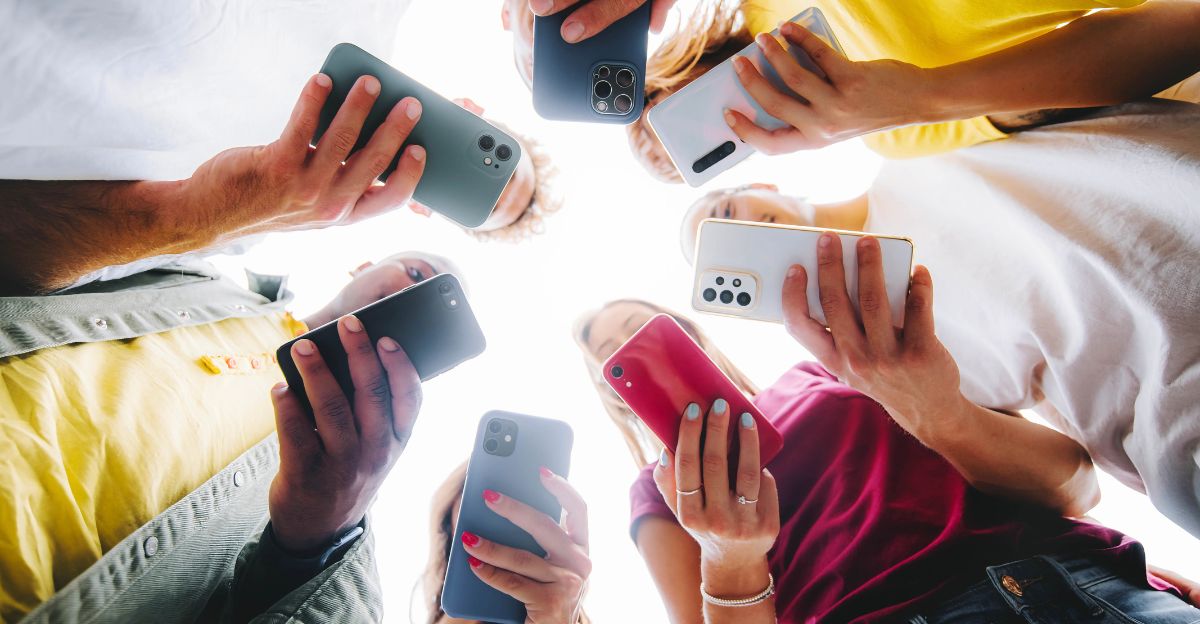
For younger users, silence may be about managing reputations. Teens may worry that posting embarrassing content could brand them forever if classmates screenshot it. College students often describe curating minimal online profiles to avoid future employers’ scrutiny.
For older generations, silence can reflect a different story. Many view posting as unnecessary. They may prefer offline self‑expression and treat social media as an information tool.
Cultural background matters too. In the U.S., public expression is encouraged, but in East Asia, modesty in public forums often discourages “loud” participation. A Japanese Twitter user, for example, may use a “sub‑account” for expression, while their prominent presence remains silent or minimal.
Trait 1: Privacy-Conscious Individuals

Many silent users prioritize privacy. Every post becomes a data point, feeding personal profiles built by advertisers and sometimes scraped by unknown third parties.
These users are keenly aware that online traces can resurface unexpectedly—from job recruiters googling candidates to hackers piecing together information for scams.
They know that once something goes online, actual deletion is nearly impossible. So they withhold, scroll, and consume without leaving behind much evidence.
The Strength of Privacy-Conscious Browsing

Silence provides a shield. Privacy-focused lurkers who do not volunteer personal details are at lower risk of identity theft or targeted scams.
They are less likely to suffer harassment over controversial opinions—or regret a tweet that gets resurfaced years later. In the current era of constant digital monitoring, cautious silence can even be a form of self‑defense.
The Downside of Excessive Guardedness
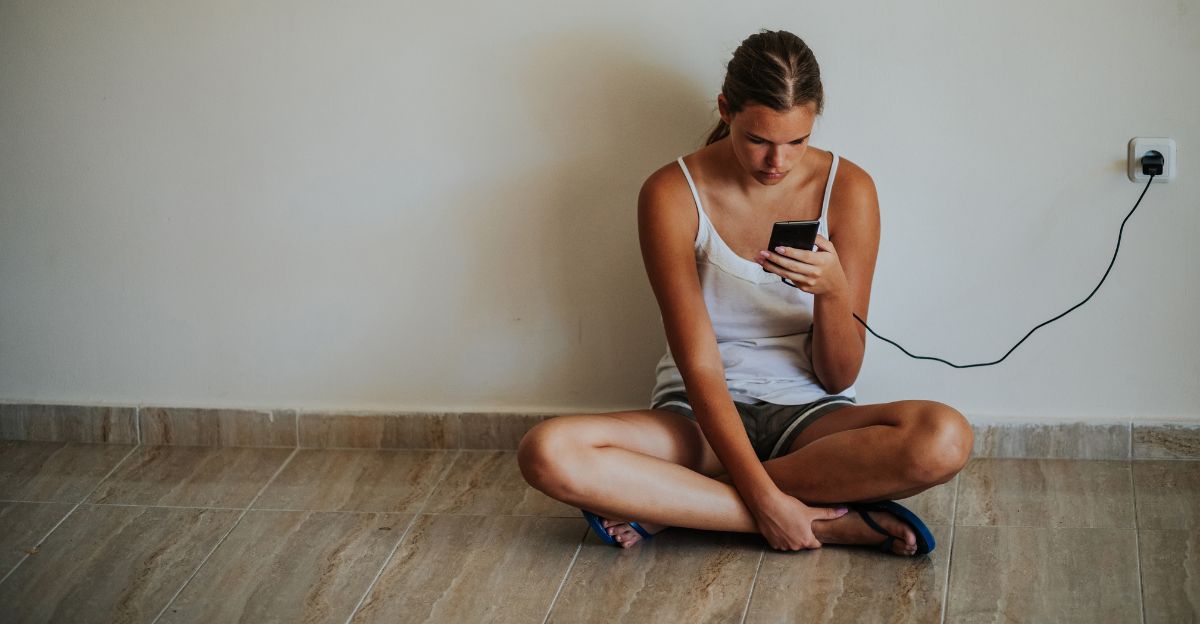
Still, holding back entirely can limit opportunities. Social networks have become career platforms, activist forums, and creative showcases. Sharing voice and identity can unlock jobs, relationships, and communities.
A purely invisible presence reduces visibility and weakens social capital—people may never know what these users can offer professionally or socially.
Trait 2: Observational Learners

For another group, silence reflects curiosity. These are “observers,” not performers. They scroll to gather information, not to broadcast identity.
Some might follow Twitter political analysts, Reddit science communities, or cook TikToks without posting themselves. They see social media as education and trend‑tracking—a giant free learning hub.
The Strength of Observation

This trait brings depth. Observational learners are often better informed because they spend less time generating posts and more time absorbing diverse perspectives. They develop rich mental models, usually spotting trends earlier than casual posters.
Unlike those seeking validation, they position themselves as researchers more than performers.
A classic example: Reddit’s majority lurkers often become experts in niche hobbies or news subreddits, even though they rarely comment.
Possible Downsides of Pure Consumption
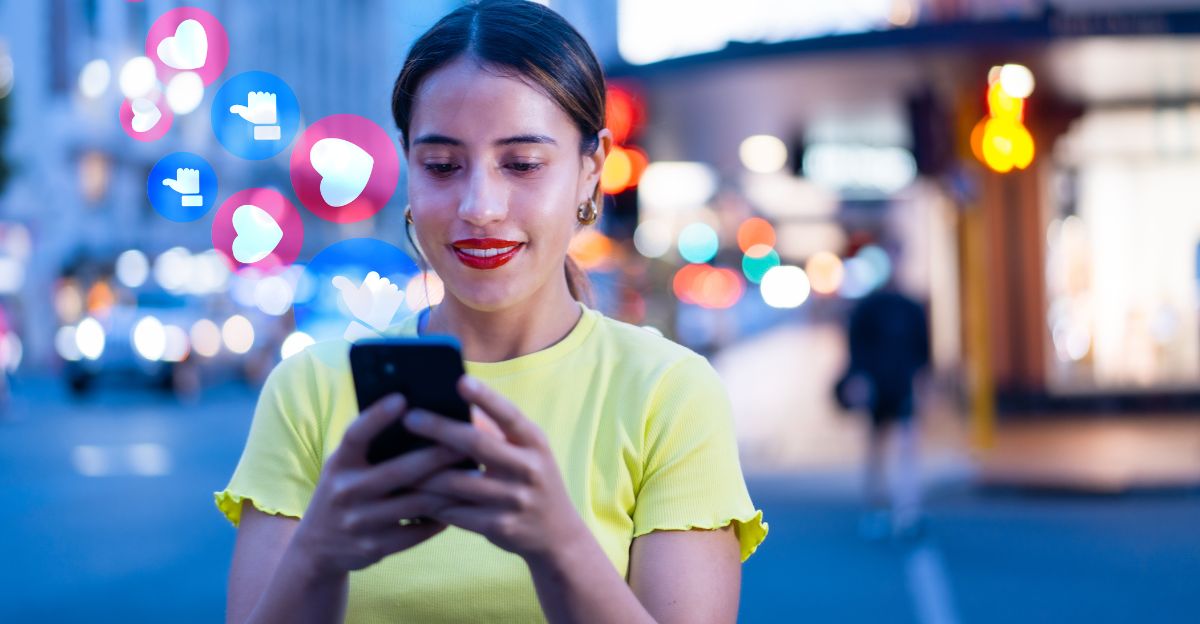
But silence can also stifle growth. Engagement builds confidence and sharpens communication. Without posting, observers risk being invisible to communities that could help them grow.
They can also internalize misinformation without the corrections that dialogue might bring. Balanced feedback loops develop through both reading and speaking.
Trait 3: Socially Cautious Personalities
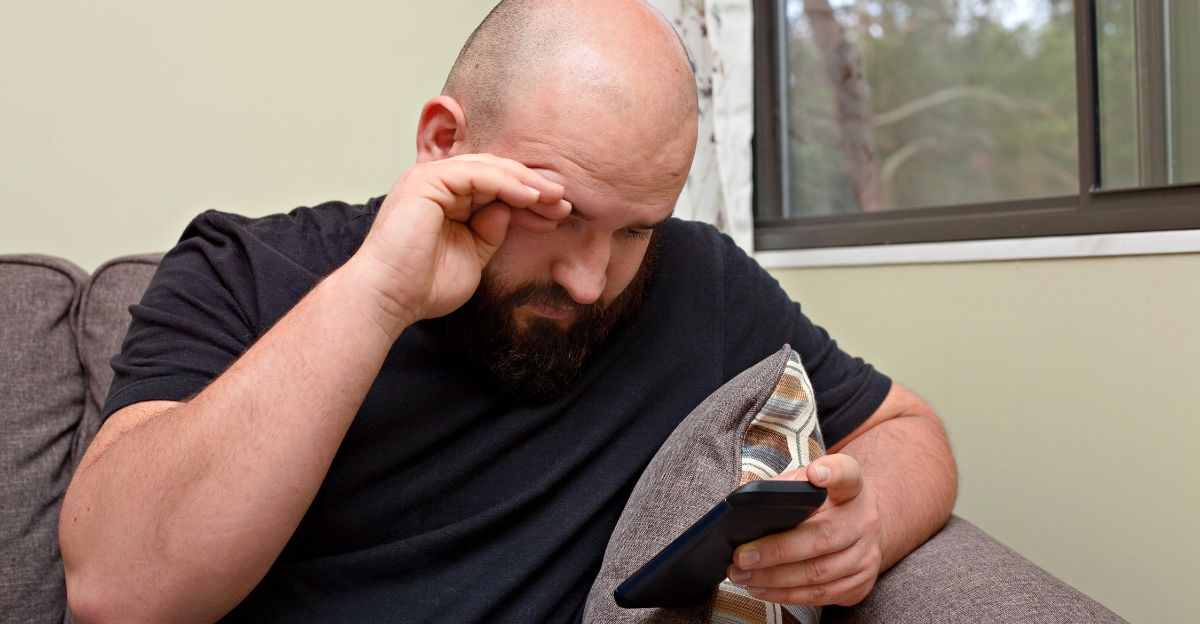
Another major category is the socially cautious. They avoid posting because a single word, meme, or picture can be misinterpreted and criticized.
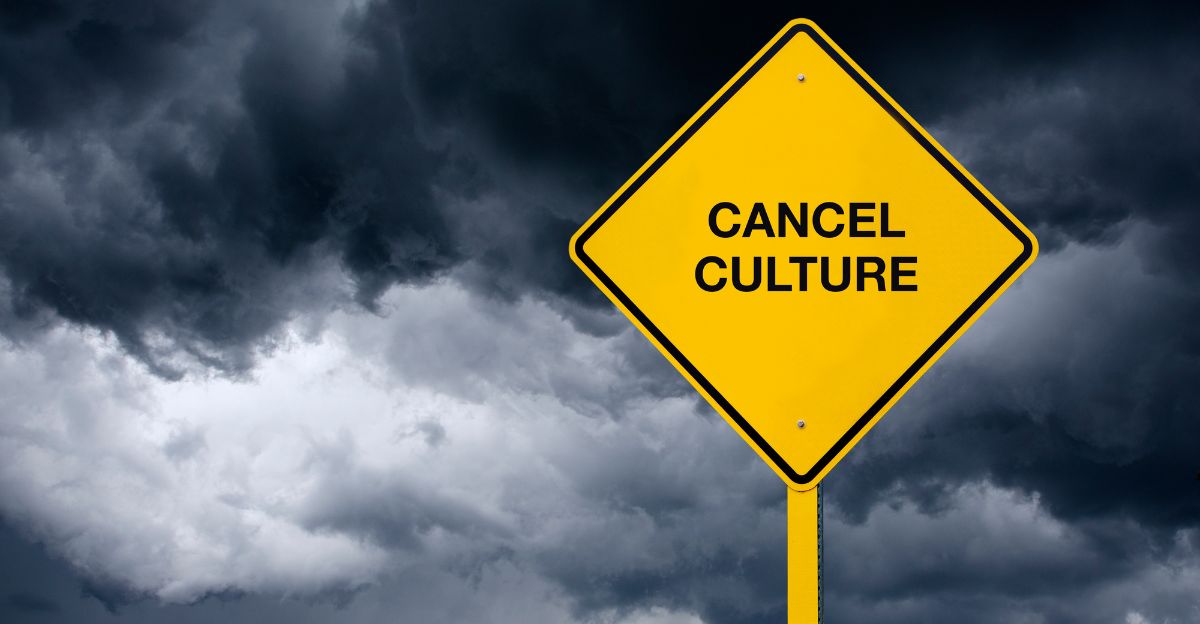
In a world where digital content spreads fast, the stakes feel high. Better to say nothing than risk being “canceled,” mocked, or misunderstood.
Benefits of Social Caution
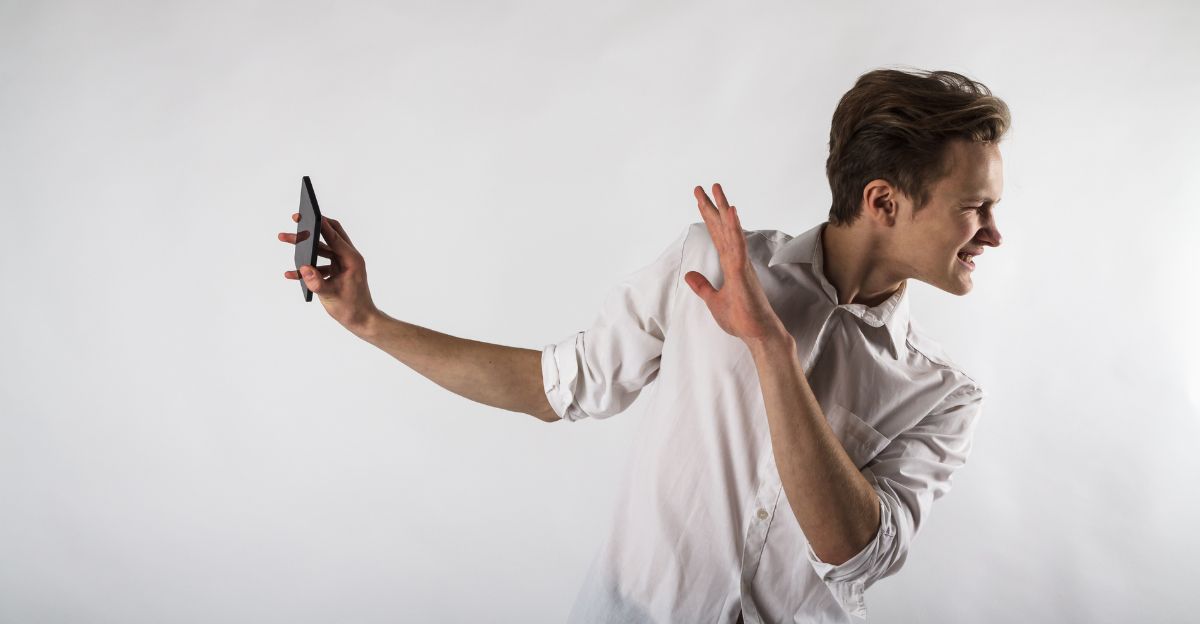
This attitude isn’t always negative. Online shaming, bullying, and pile‑ons are real risks. By staying quiet, these users avoid unnecessary exposure and stress.
They may also demonstrate emotional intelligence—recognizing that not all thoughts should be public and that some silence is wise.
Drawbacks of Excessive Hesitation
But too much caution can erode the connection. Social bonds form through communication, and silent individuals risk invisibility. They might watch peers forge friendships, join conversations, or go viral while they hold back.
Over time, this can build loneliness or even reinforce social anxiety. Their perspective may be valuable, but it never enters the dialogue.
Trait 4: Time-Conscious Minimalists

Some remain silent out of pure practicality. Social media is a quick tool for them, not a personal stage. They log on to check headlines, follow one or two influencers, or scan updates—then log off.
They value attention as scarce and don’t invest in curating posts or replies. Their silence is a time‑management strategy.
Benefits of Digital Minimalism

The upside is discipline. They avoid doom‑scrolling debates or likes addiction. By skipping the vanity loop of posting, they redirect energy toward offline priorities—career goals, hobbies, family.
Studies even suggest that light or observational use of social media correlates with less stress than constantly performing for digital approval.
Limitations of Strict Minimalism
However, avoiding posting altogether can mean missed connections. Many job opportunities, collaborations, or communities now spring directly from online presence.
Without visibility, minimalists risk being overlooked for chances that more active peers can seize. The challenge is being digitally efficient without vanishing from valuable networks.
Trait 5: Passive Entertainment Seekers

Many silent users treat social media platforms mainly as sources of entertainment rather than spaces for contribution. Just as people once passed the time watching television, these individuals browse their feeds looking for jokes, uplifting stories, or a simple distraction from daily life.
Their approach is entirely focused on enjoyment and relaxation. They prefer to consume content created by others rather than participate in discussions or generate their own posts.
Social media becomes a personal digital show, curated for pleasure and amusement, where interaction is unnecessary.
Strength of Passive Consumption

Passive entertainment seekers benefit from this hands-off approach in several ways. By refraining from posting or engaging in comment sections, they sidestep hostile arguments, internet drama, and the pressure to collect likes or responses.
This keeps their social media experience light and stress-free, letting them control what they see and enjoy.
Instead of being swept up in emotional debates or negativity, they use platforms to relax, recharge, and maintain their mental health through selective, low-pressure viewing.
The Risk of Overconsumption

However, problems can surface if entertainment browsing turns into compulsive behavior. Users can lose hours and miss out on more meaningful activities when they start scrolling endlessly without intention.
Moreover, constantly viewing highly curated highlight reels of other people’s lives can make their own experiences feel inadequate, slowly decreasing self-esteem.
Enjoying social media for fun is perfectly healthy, but passive consumption can lead to wasted time and unwanted emotional consequences if not managed thoughtfully.
The Importance of Silent Users

Silent users are not mere bystanders. Their clicks, follows, and quiet attention fuel algorithms, drive ads, and make influencers rich.
They embody strategic privacy, thoughtful observation, time minimalism, cautious anxiety, or simple escapism. Their silence has both wisdom and fragility.
Dismissing them as disengaged is misleading. They are active participants, but not in ways visible through comments.