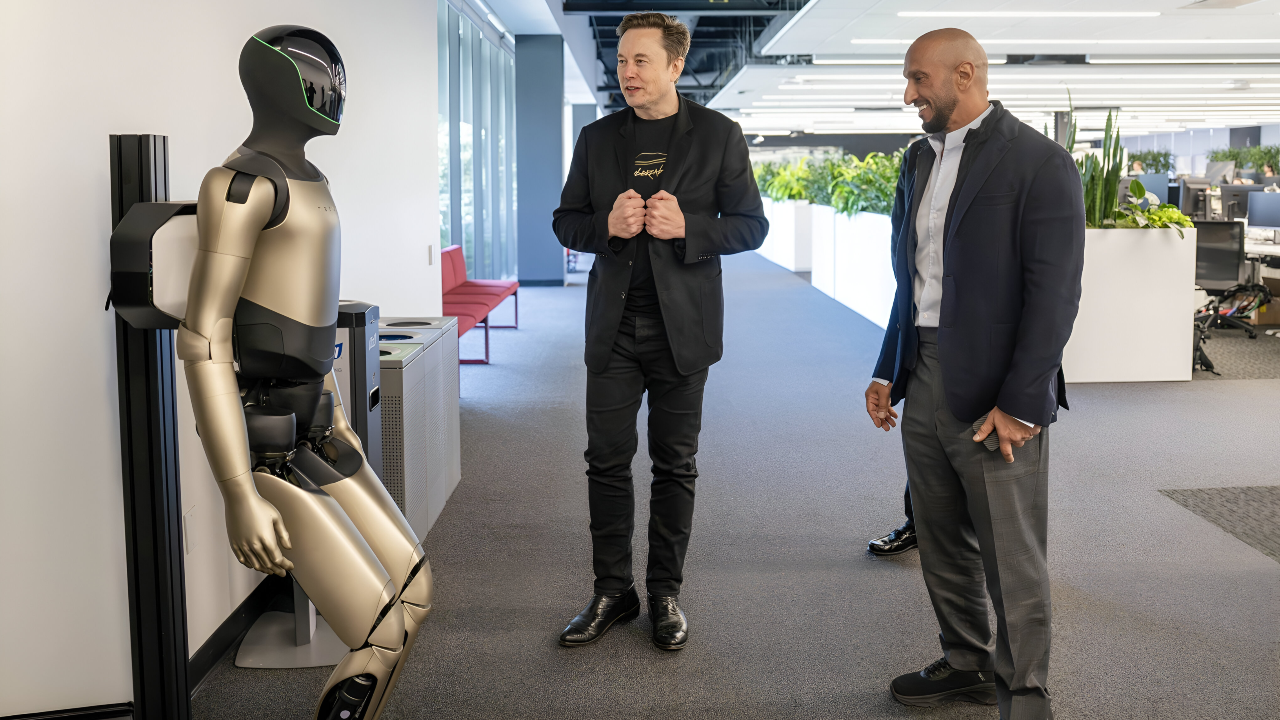
Elon Musk is set to receive a staggering $1 trillion compensation package, an award unprecedented in corporate history. Beyond the eye-popping figures, Musk promises a “robot revolution” that could reshape work, wealth, and daily life.
From factory floors in California to homes worldwide, Tesla’s Optimus robots are central to this vision. This story examines how Musk plans to utilize AI, automation, and mass production to address poverty, revamp the economy, and potentially redefine what it means to work. Let’s dive into the details behind this historic deal.
What’s Going On?
Elon Musk has secured a $1 trillion compensation package, approved by Tesla shareholders on November 6, 2025. This deal, unprecedented in corporate history, could make him the first trillionaire.
Musk frames the package as a stepping stone to a “robot revolution,” promising to eliminate poverty. Here’s what this means for Tesla, workers, and the global economy.
The Man Behind the Payday
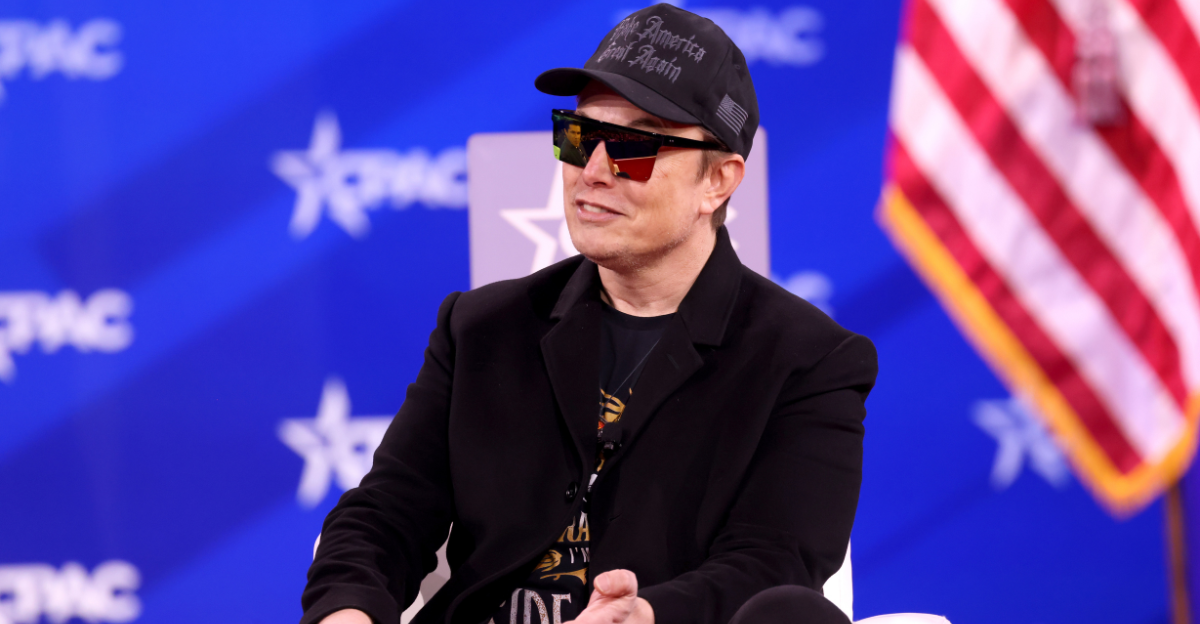
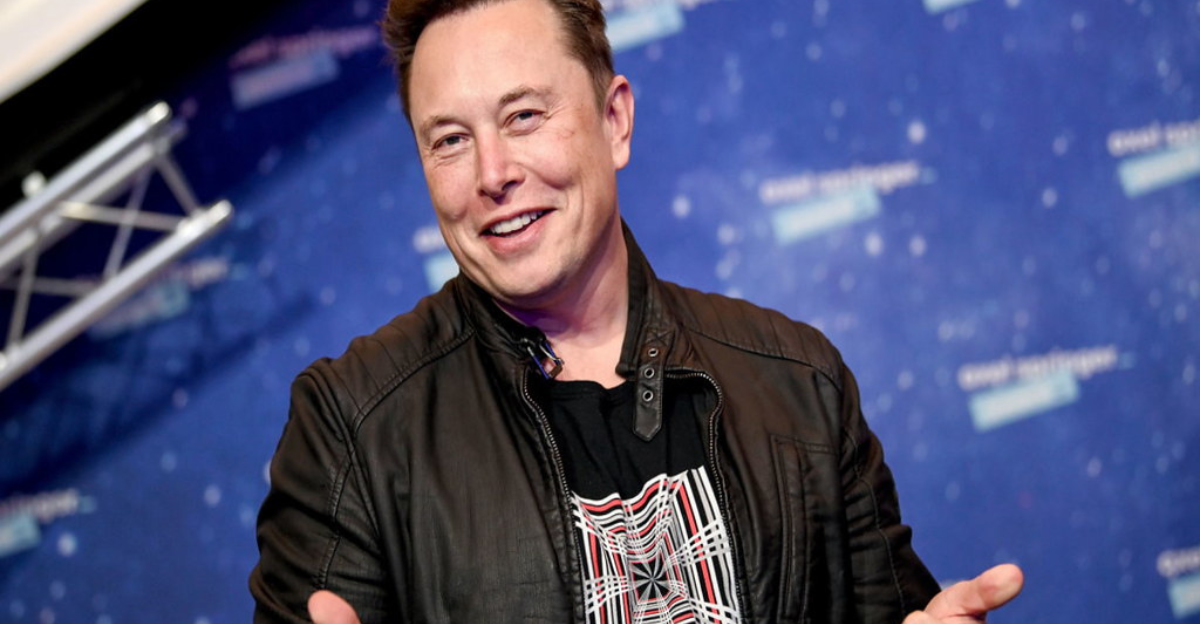
Elon Musk, Tesla CEO, and the world’s richest person, holds a net worth of $491.4 billion as of 07 November 2025. He now stands poised to become the first trillionaire through a performance-based stock grant.
His vision drives Tesla’s push for Optimus robots and large-scale automation, raising questions about workforce displacement. But how did shareholders react to this historic proposal?
Shareholders Approve With Over 75 Percent
On 06 November 2025, more than 75% of Tesla shareholders voted in favor of the $1 trillion pay package, excluding Musk’s 15% stake. Approval grants Musk over 423 million additional shares.
This would raise his ownership from roughly 13% to 25%, potentially 29%, giving him significant control over Tesla’s future. Yet some major investors opposed the plan.
Critics Push Back Strongly
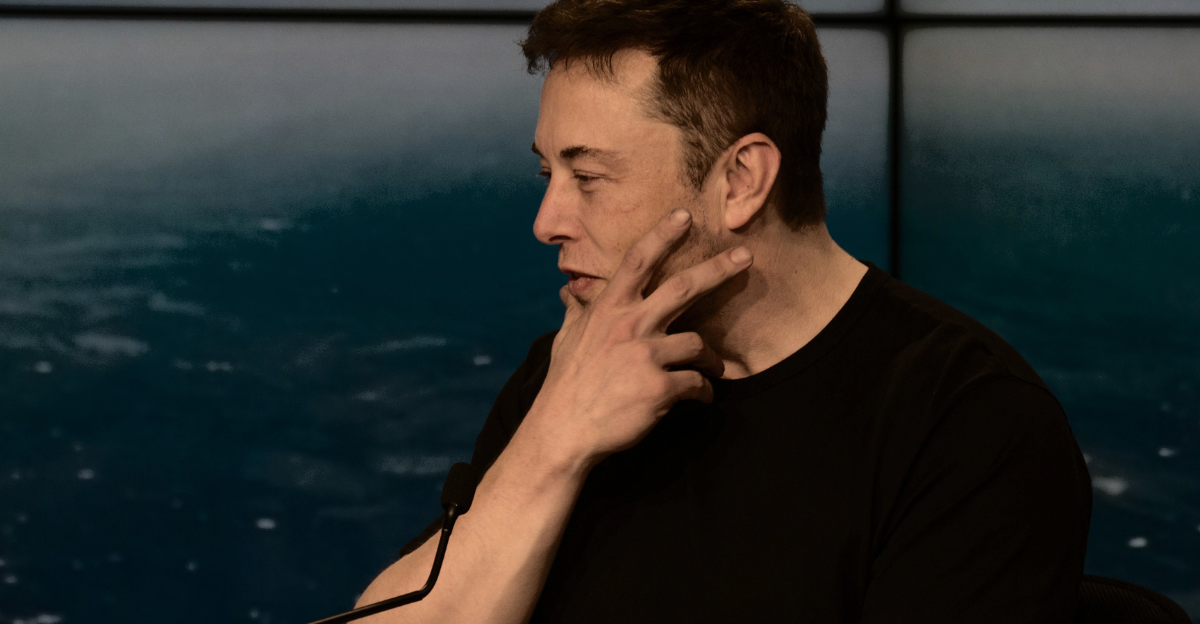
Norway’s sovereign wealth fund and CalPERS voted against Musk’s pay package, citing dilution and “lack of mitigation of key person risk.” Proxy advisory firms Glass Lewis and ISS recommended rejection.
Musk responded by calling critics “corporate terrorists.” The tension underscores broader debates about executive compensation and corporate governance in high-stakes tech companies. Could this level of control be sustainable?
Supporters Highlight Musk’s Success
Counterpoint Global, the Florida State Board, and Charles Schwab supported the package, praising Musk’s “remarkable fundamental success” and shareholder returns. They argue the award aligns management and shareholder interests.
Supporters view Musk’s vision, particularly around Optimus, as crucial for Tesla’s transformative growth. However, the scale of the package raises questions about feasibility and risk.
The Trillion-Dollar Structure
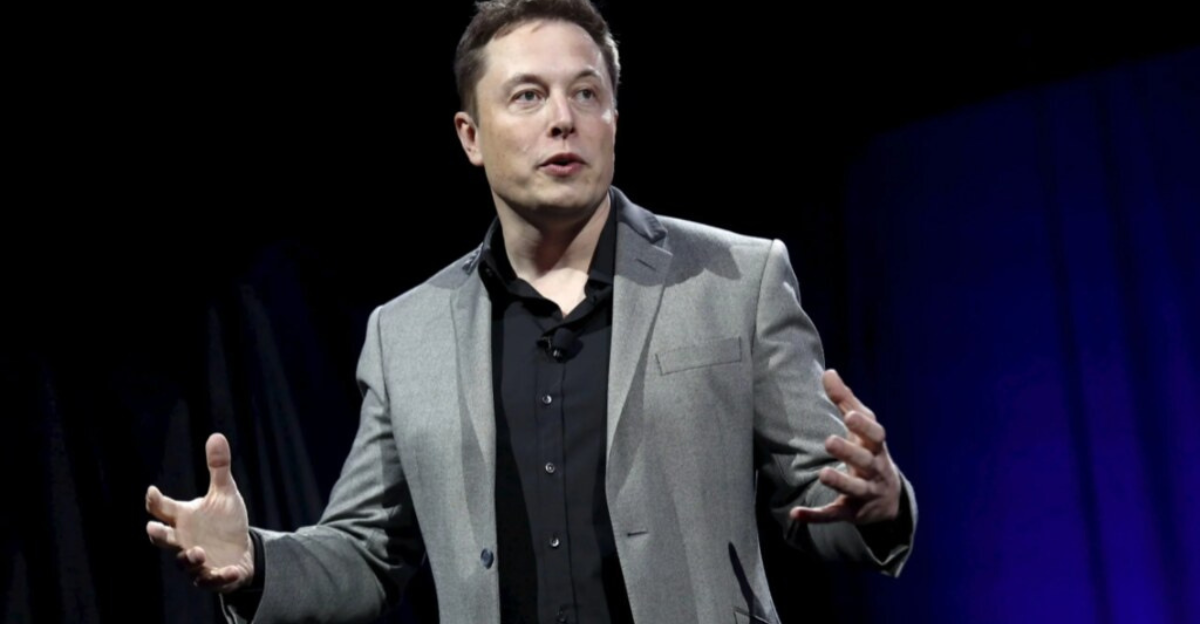
The $1 trillion package will be vested over 10 years, from 2025 to 2035, in 12 equal tranches. Musk could earn approximately $275 million per day if all shares are acquired.
To unlock the full award, Tesla must achieve extraordinary operational and market milestones. The numbers alone hint at unprecedented expectations for the company.
Tesla’s Market Cap Milestones
Musk must grow Tesla’s market capitalization from $1.43 trillion to $8.5 trillion by 2035, representing a 466% increase. Intermediate tranches require $500 billion to $1 trillion increments in valuation.
Meeting these milestones would surpass the combined value of Meta, Microsoft, and Alphabet and exceed the GDPs of most countries. But can Tesla scale that rapidly?
Operational Hurdles Ahead
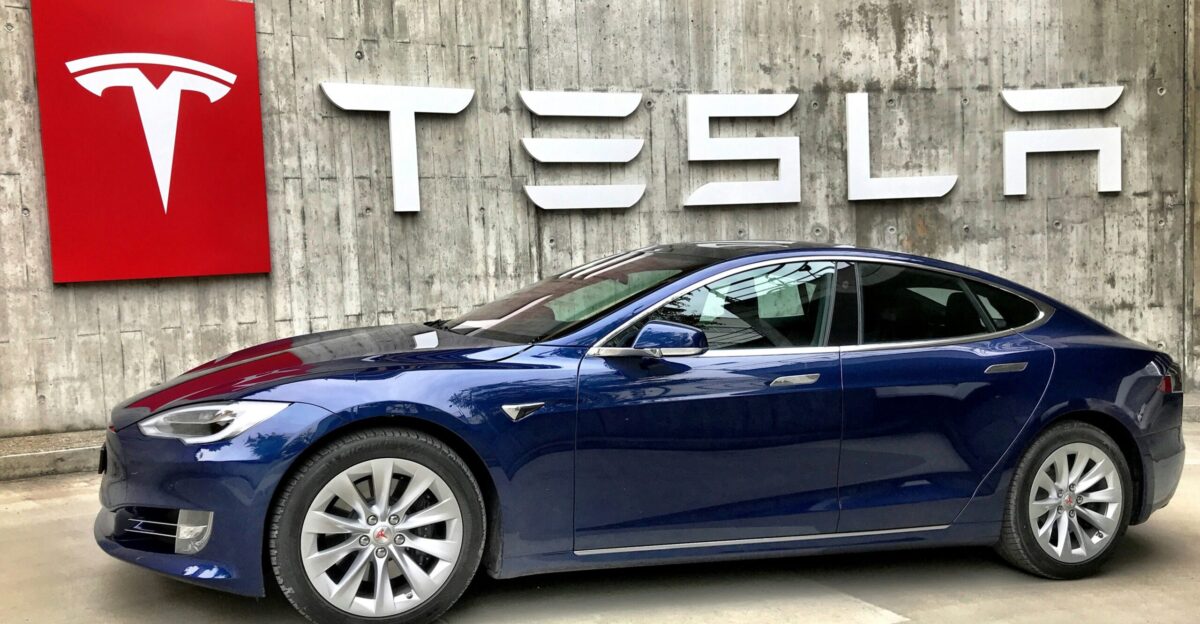
Tesla must deliver 20 million vehicles, 10 million Full Self-Driving subscriptions, and 1 million Optimus robots. Annual adjusted profit must rise from $50 billion to $400 billion.
These operational targets reflect the difficulty of the package. Tesla’s history shows ambitious production ramps often face delays, hinting at potential challenges ahead.
The Optimus Robots
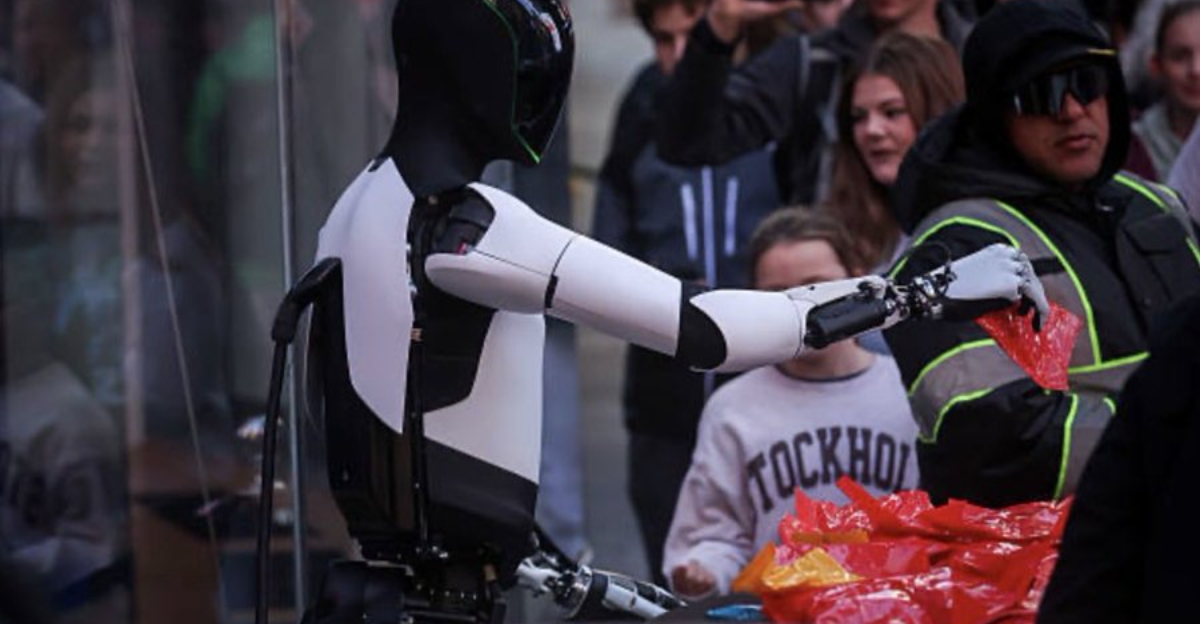
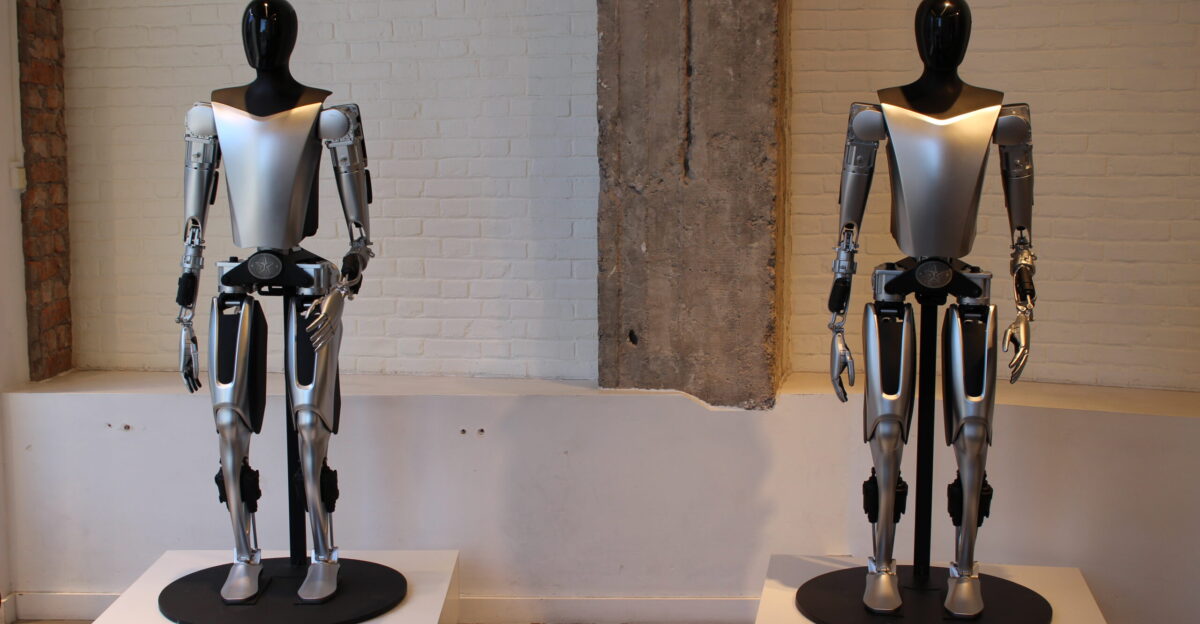
Optimus is central to Musk’s vision. Production begins at Fremont and Gigafactory Texas, aiming for 1 million robots per year in California and 10 million per year in Texas.
Tesla plans consumer availability in 2026, first for rental, then for purchase. The scale of this automation sets the stage for massive economic shifts.
Training the Robot Workforce
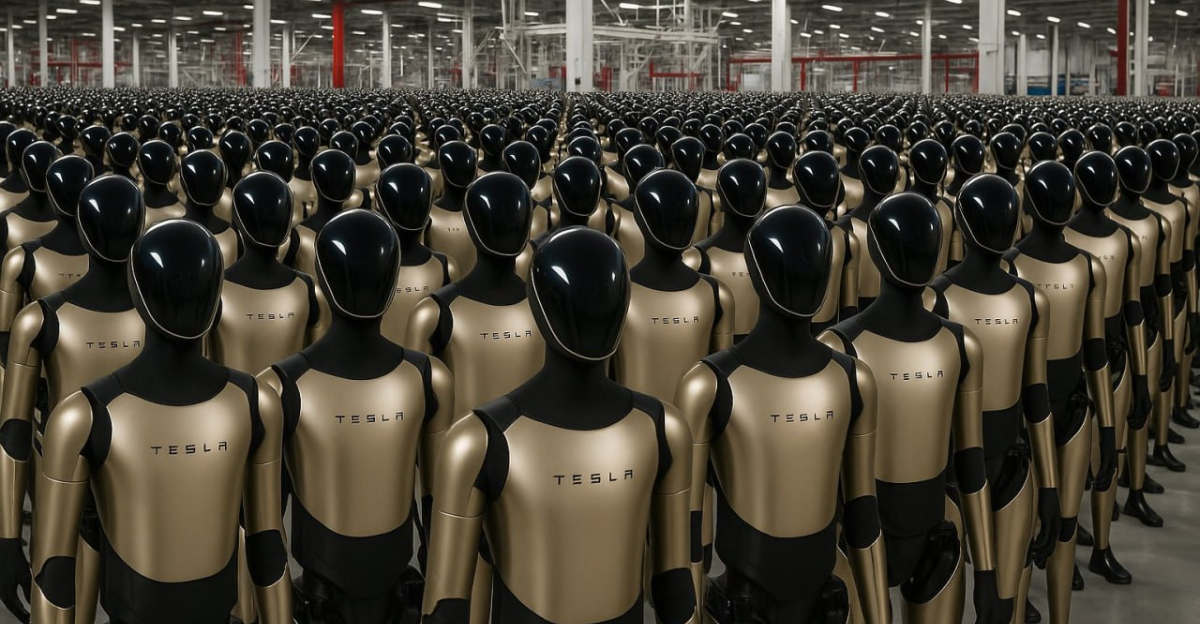
Human operators at Fremont wear camera-equipped helmets and backpacks, performing repetitive motions to teach robots human movement. Haptic gloves capture fine motor skills.
This data-driven training process aims to make Optimus highly functional. But scaling to millions of units will require unprecedented coordination and labor.
Supply Chain Backbone
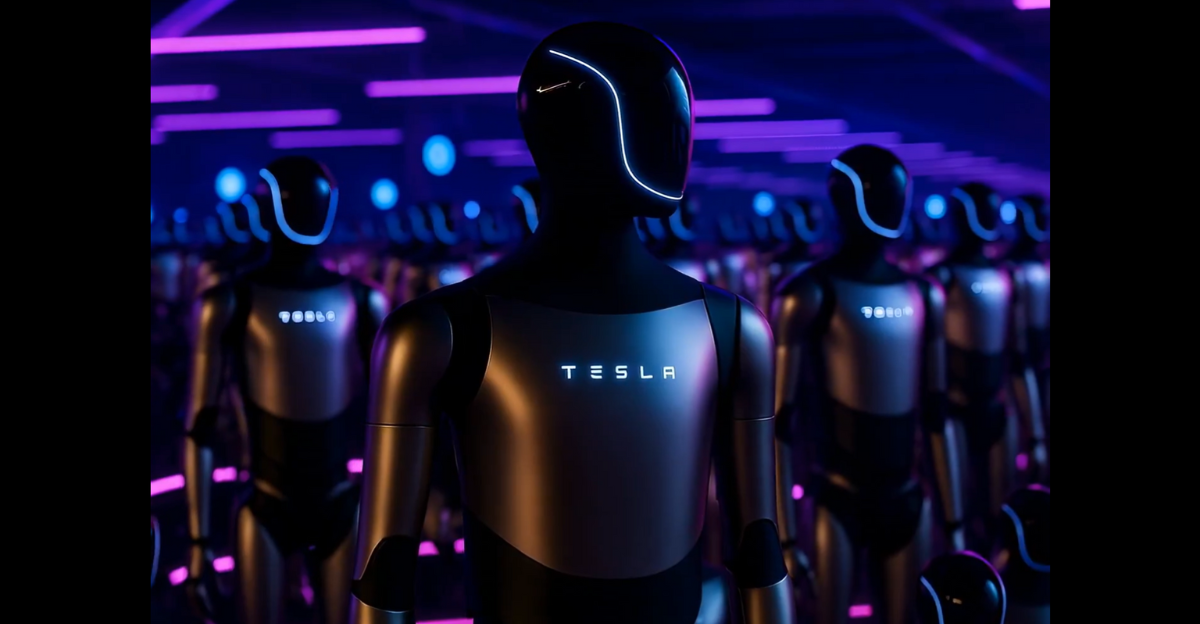
Tesla relies on Chinese suppliers for critical components: Sanhua Intelligent Controls, Green Harmonics, Tuopu Group, and CATL batteries. TSMC in Taiwan produces D1 AI chips.
China provides 63% of the global humanoid robot supply chain. Dependence on these suppliers raises questions about logistics, geopolitical risk, and production continuity.
Competing Robots Worldwide
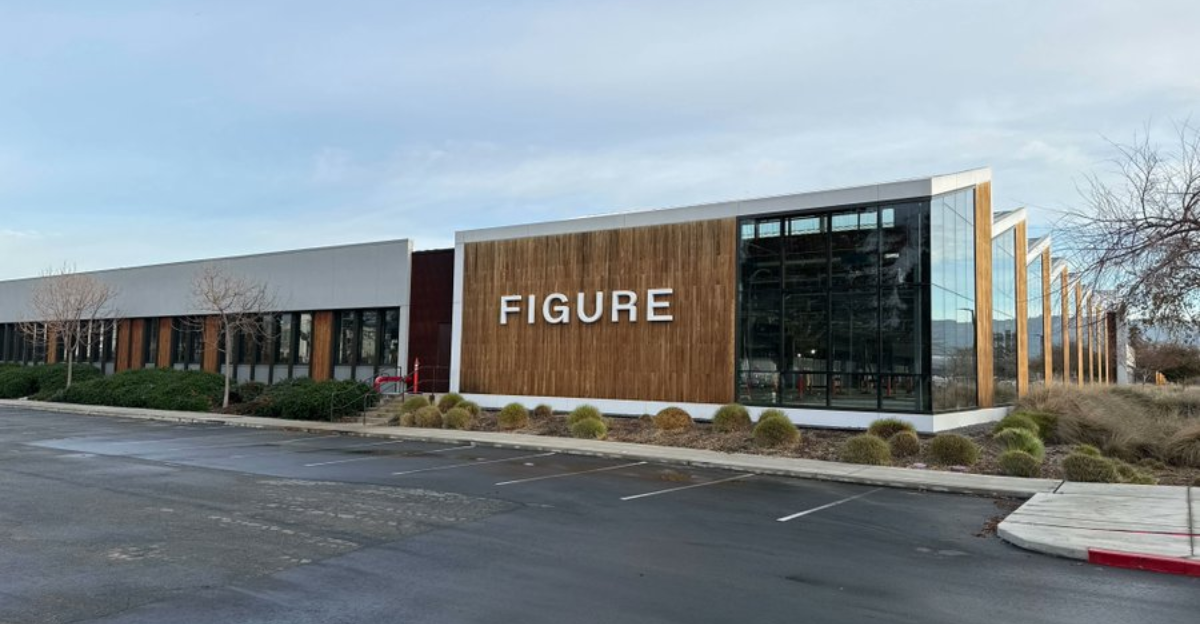
Figure AI, 1X Technologies, Agility Robotics, and Boston Dynamics are deploying humanoid robots in manufacturing and homes. China’s Unitree Robotics prepares mass-market G1 robots at $16,000.
Musk must outperform these competitors in price, production speed, and functionality to make Optimus ubiquitous. How Tesla meets this challenge will shape the market.
Economic Transformation Claim
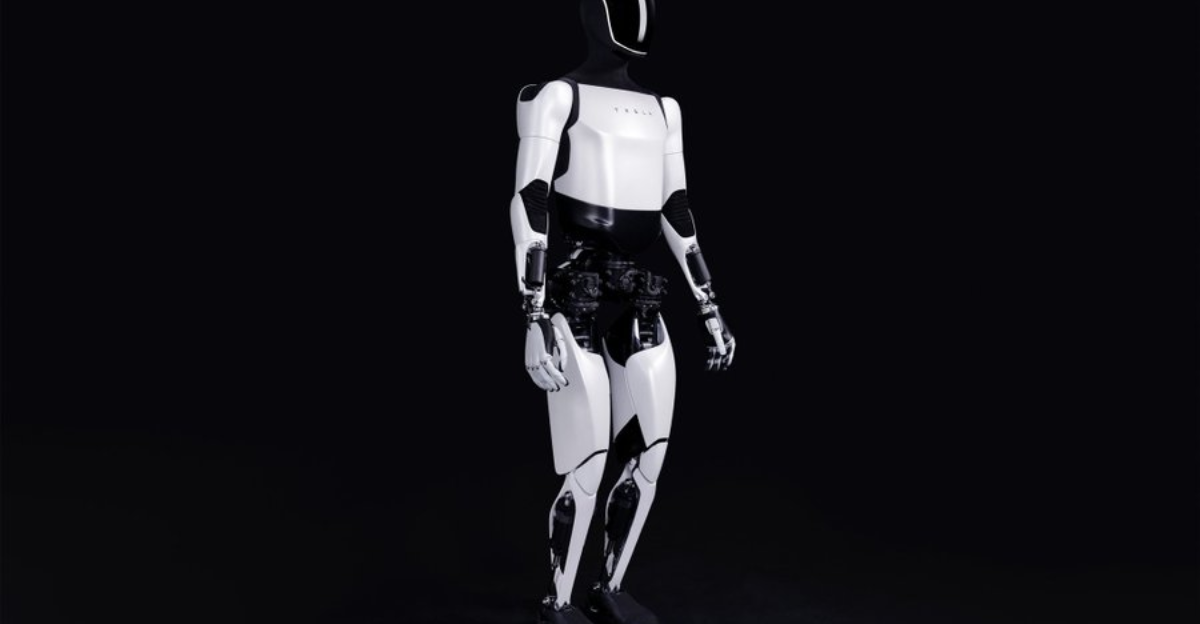
Musk predicts Optimus will increase global productivity fivefold, working 24/7 compared to humans’ 2,080 hours per year. This could potentially multiply the global economy by 10 to 100 times.
His vision includes “universal high income,” replacing scarcity with abundance. However, implementing such radical economic changes could lead to disruption and resistance along the way.
Poverty Elimination Promise
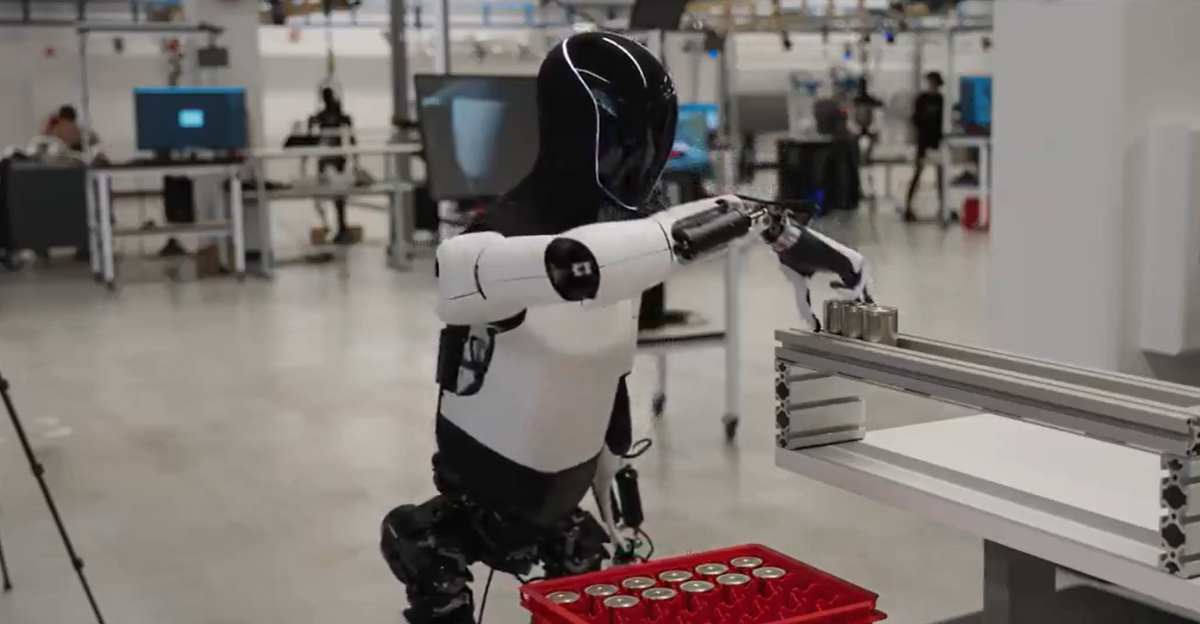
At the November 6 shareholder meeting, Musk declared, “Optimus will actually eliminate poverty.” He envisions work becoming optional and AI providing any desired goods or services.
This ambitious goal raises questions about feasibility, ethical oversight, and global adoption. Could robots truly replace human labor at such a scale?
Health and Safety Applications
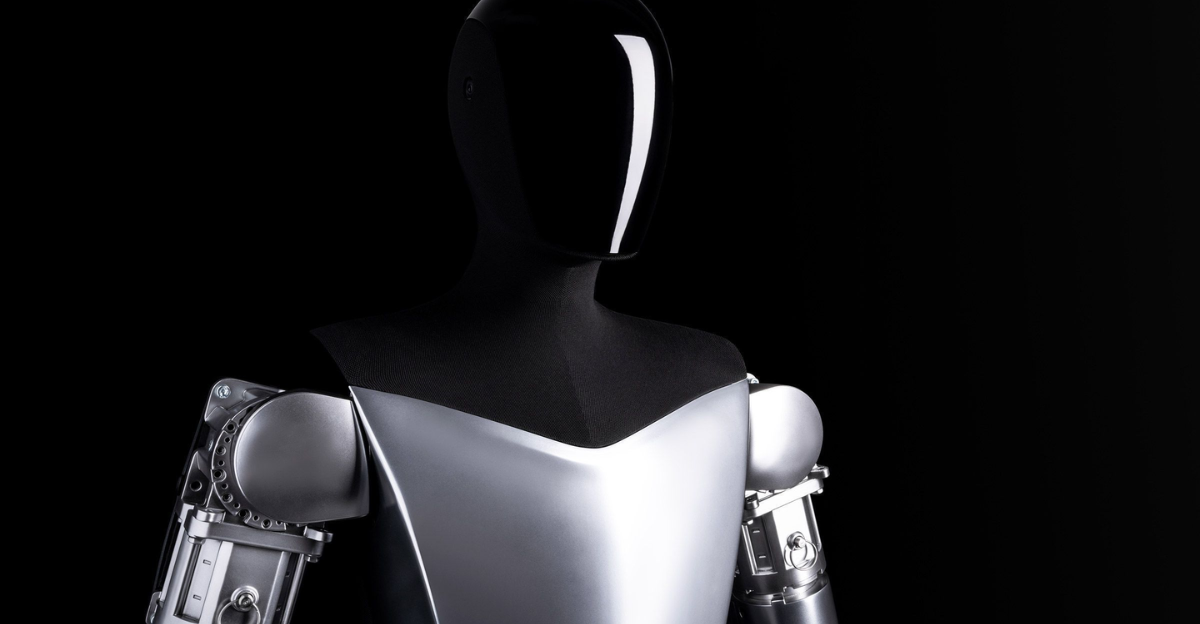
Optimus could serve as medical assistants, caregiving aids, and even crime prevention tools. Musk claims the robots could outperform humans in surgery and childcare.
If realized, these functions could disrupt the healthcare and public safety industries. The societal implications are immense and largely untested.
Legal Shield in Texas
Tesla relocated from Delaware to Texas in 2024, passing laws (SB 29 and SB 1057) that limit shareholder lawsuits. Derivative actions now require a 3% ownership threshold.
This strategic move protects Musk’s autonomy but could generate tension with investors seeking accountability. It also sets a precedent for other tech companies.
Market Reaction After Approval
Following the vote, Tesla stock fell 3.6% on 07 November 2025, wiping $10 billion off Musk’s net worth. Analysts called the package “outrageous” with “Everest-sized goals.”
The immediate market reaction highlights investor skepticism, suggesting excitement about the vision is tempered by caution regarding execution. Could stock volatility continue as milestones are pursued?
Job Displacement Risks
MIT research indicates that one robot per 1,000 workers reduces wages by 0.42% and displaces six workers locally. Approximately 400,000 U.S. jobs have been lost to industrial robots so far.
One-third of all jobs could be at risk in the next decade. Musk acknowledges “trauma and disruption” as automation expands, leaving policymakers and workers bracing for change.
The Billionaire’s Philosophy
Musk frames AI and robotics as a “supersonic tsunami” replacing desk jobs while providing “sustainable abundance.” He envisions capitalism delivering a communist-style utopia through technology.
His pathologically optimistic outlook drives Tesla’s strategy. But balancing radical innovation with social impact remains a daunting challenge. What happens if Optimus falls short of expectations?
What Comes Next
By 2035, Musk aims to sell 1 million Optimus robots, scale Tesla to $8.5 trillion market cap, and reshape global labor and economy.
The next decade will test whether this vision is achievable, or if the $1 trillion payday becomes a cautionary tale in corporate ambition.