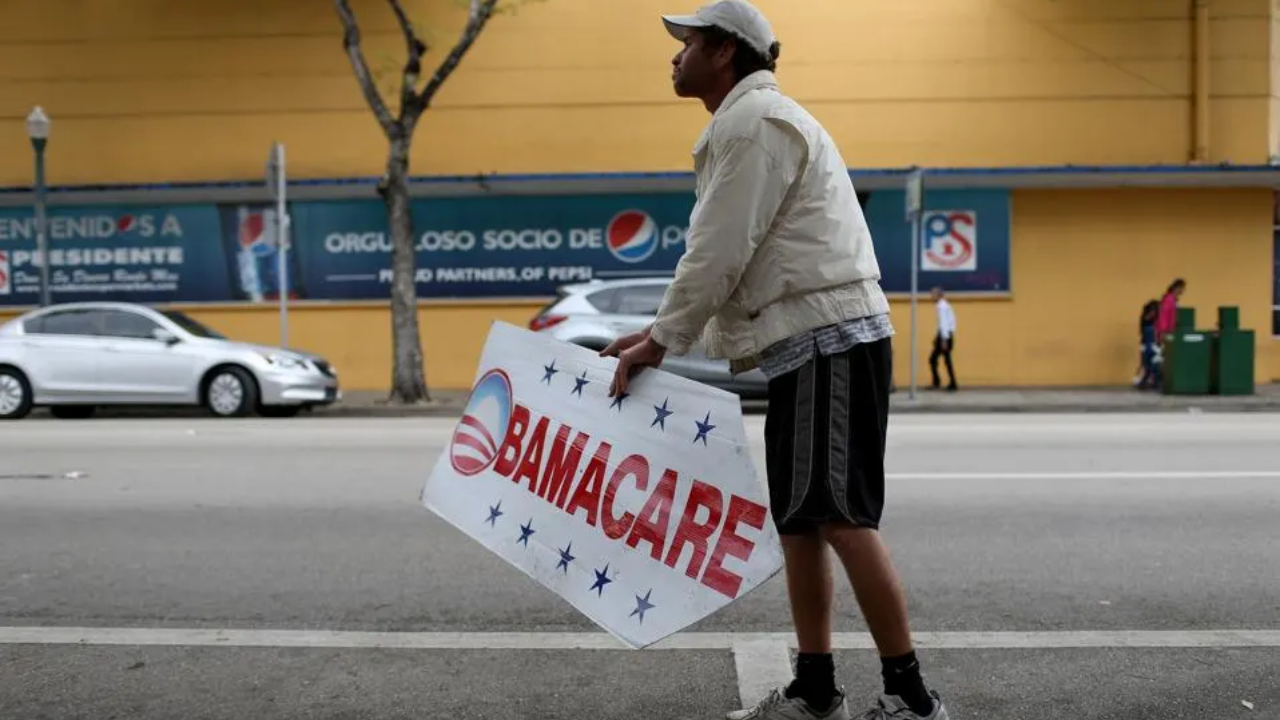
Open enrollment for Affordable Care Act (ACA) health plans has begun just as Americans face the sharpest premium increases in the program’s history. With average rates for 2026 coverage climbing 26% and enhanced federal subsidies set to expire at year’s end, millions are bracing for a dramatic shift in what health insurance will cost—and who can afford it.
Premiums Surge as Subsidies Expire
This year’s open enrollment arrives amid a perfect storm for the ACA marketplace. Benchmark plans on Healthcare.gov are up 30% on average, while state-run exchanges report increases of about 17%. The driving force behind these hikes is the scheduled expiration of enhanced subsidies, which were introduced during the pandemic and extended through the Inflation Reduction Act. Unless Congress acts before December 31, these subsidies will vanish, causing monthly payments for most enrollees to more than double overnight.
The impact is widespread: about 22 million Americans currently benefit from these subsidies. If they expire, families, small business owners, and self-employed workers will see their premiums spike, with some facing increases of $10,000 to $14,000 per year in high-cost states. Even those who already pay full price—roughly 2 million higher-income enrollees—will still contend with the base 26% increase.
Who Will Feel the Pinch?

Older adults and early retirees are among those most exposed. Americans aged 50 to 64 make up a significant portion of ACA participants, many of whom rely on the marketplace before they become eligible for Medicare. In states like Colorado and New Jersey, the situation is especially acute.
Colorado faces an average increase of 101%, putting 75,000 residents at risk of losing coverage. In New Jersey, premiums could rise as much as 174%, potentially eliminating affordable options for 60,000 people.
Small business owners and the self-employed—about 4.2 million people—are also vulnerable. Many operate on thin margins and depend on ACA plans for health coverage. Without subsidies, some may be forced to drop insurance altogether, raising concerns about the stability of the small business sector and the broader workforce.
Why Are Costs Climbing?
The looming premium surge is rooted in the expiration of pandemic-era subsidies, but other factors are compounding the problem. Hospital and prescription drug prices continue to rise, and the introduction of expensive new treatments is putting additional strain on insurers. In some regions, reduced competition among insurers is further driving up costs.
These pressures have created what some analysts describe as a “perfect storm” for premium escalation. The last time ACA premiums spiked this dramatically was in 2018, when costs jumped 37% after certain federal payments were cut. However, the current increases are broader and affect a much larger pool of enrollees—over 24 million people, a record high for the program.
Political Stalemate Threatens Relief

Efforts to renew the enhanced subsidies have stalled in Congress. A government shutdown that began October 1 has frozen budget negotiations, leaving the fate of ACA subsidies in limbo. Democrats argue that extending the credits is essential to protect working families, while Republicans cite the $350 billion price tag over ten years and call for stricter oversight and spending cuts.
If lawmakers fail to reach an agreement by December 31, the subsidies will expire automatically. This would trigger the full projected premium increases, with the Congressional Budget Office estimating that 4.2 million more Americans could become uninsured by 2034. Other analyses suggest total coverage losses could approach 14 million when factoring in related Medicaid reductions.
Ripple Effects Across the Health System
The consequences of these changes extend beyond individual households. Hospitals are preparing for a surge in uncompensated care as more patients lose insurance, with projections of a $28 billion drop in hospital spending over the next decade. This could worsen staffing shortages and burnout in already strained facilities.
Public health experts warn that as more Americans go uninsured, fewer will seek preventive care or early treatment, potentially increasing long-term healthcare costs and worsening chronic disease outcomes. The loss of coverage could also force some early retirees back into the workforce or push small business owners to abandon entrepreneurship.
A Critical Deadline Approaches
With open enrollment underway and the subsidy deadline looming, the stakes are high for millions of Americans. If Congress does not act by the end of the year, the largest premium hike in ACA history will take effect on January 1, reshaping the landscape of health insurance affordability in the United States. The outcome will determine not only who can afford coverage, but also the stability of the nation’s health system for years to come.