
A quarter-point interest rate cut by the Federal Reserve in September 2025 marked the first such move of 2025, sending a ripple through financial markets and households alike. Instead of celebration, the decision was met with caution, as the central bank sought to steady an economy facing rising unemployment and stubborn inflation. The cut, which lowered the federal funds target range to 4.00%–4.25%, signaled a delicate balancing act rather than a dramatic policy shift.
Fed Acts Amid Mixed Economic Signals
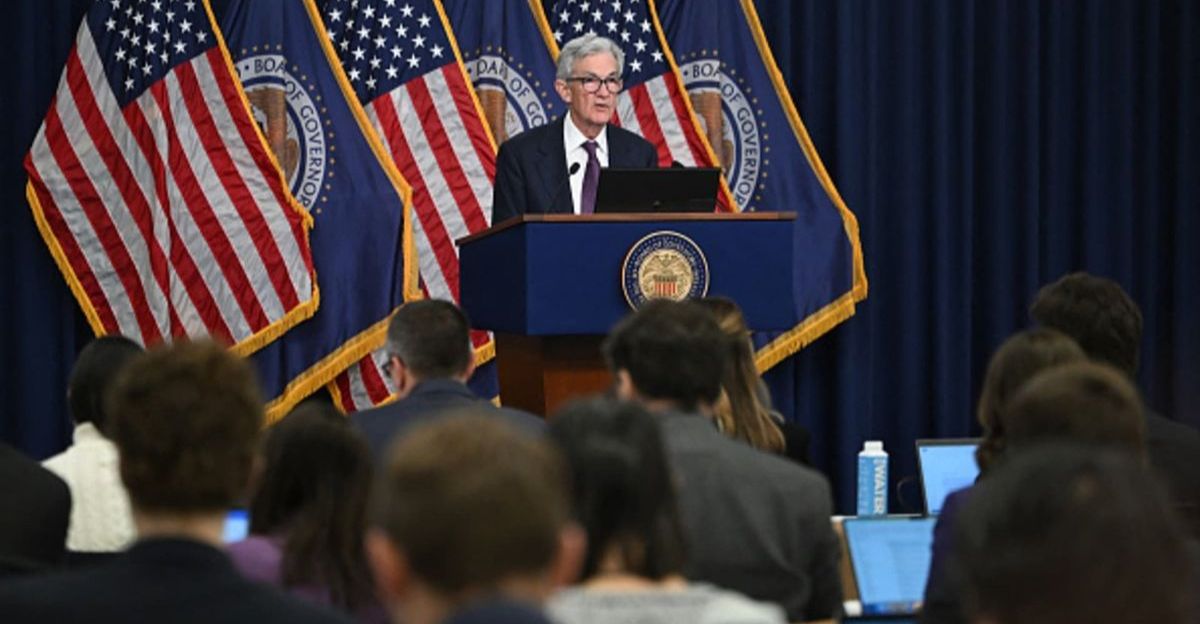
The Federal Open Market Committee’s decision came as the U.S. economy flashed conflicting signals. While the job market showed signs of softening and unemployment ticked upward, inflation remained above the Fed’s target, refusing to cool as quickly as policymakers hoped. Fed Chair Jerome Powell described the move as a risk-management step, aiming to prevent the economy from overheating or stalling. The committee’s statement acknowledged persistent inflation pressures, underscoring the challenge of supporting growth without fueling further price increases.
Despite the rate cut, the Fed projected only two additional reductions for the rest of 2025 and just one more in 2026. This cautious outlook contrasted sharply with political calls for deeper cuts, highlighting the central bank’s commitment to independence and its focus on long-term stability over short-term relief.
Credit Card and Loan Relief Slow to Arrive

For millions of Americans carrying credit card debt, the Fed’s move offers little immediate relief. The average credit card interest rate stood at 20.12% in September 2025, and rate cuts typically take several billing cycles to filter through to consumers. Nearly half of cardholders carry balances month to month, and the modest quarter-point reduction will translate to minimal savings in the short term.
Banks and credit card issuers, while influenced by the federal funds rate, set their own rates based on a mix of factors including creditworthiness, income, and state regulations. This means the timeline for lower rates reaching consumers is unpredictable, often lagging behind Fed policy changes. The frustration is especially acute for those who accumulated high-interest debt during the recent period of rising rates.
Auto loan borrowers may see gradual changes as well. While car loan rates do not move in lockstep with Fed decisions, they generally decline when monetary policy loosens. However, relief will be modest and uneven, depending on vehicle type, borrower credit, and timing. Meanwhile, a growing number of car owners are underwater on their loans—owing more than their vehicles are worth—compounding financial strain as delinquencies rise.
Housing Market Remains Challenging

Prospective homebuyers hoping for relief may be disappointed. Thirty-year mortgage rates are more closely tied to 10-year Treasury yields than to the federal funds rate. In 2024 and again in 2025, longer-term rates rose even as the Fed cut short-term rates, driven by market expectations of persistent inflation. This disconnect means that the housing affordability crisis is likely to persist, as lower rates could spur demand without addressing the underlying shortage of homes for sale.
For current homeowners, refinancing opportunities are emerging, especially for those with mortgage rates above 7%. The traditional advice is to refinance when savings reach at least one percentage point, but many borrowers may need to wait for further declines. Adjustable-rate mortgages, which would benefit most directly from Fed cuts, remain uncommon after the 2008 financial crisis, leaving most homeowners insulated from both rate hikes and reductions.
Savers and Investors Adjust Strategies

The rate cut also signals the end of an era for savers who enjoyed high yields on savings accounts and certificates of deposit. As rates decline, financial advisors recommend reviewing cash positions and locking in competitive CD rates before further cuts erode returns. Municipal bonds, trading at historical discounts in 2025, offer attractive tax-free income for investors in high-tax states, but the window to secure elevated yields is closing as the interest rate environment shifts.
Treasury investors who locked in yields before the cut stand to benefit, as their holdings become more valuable in a lower-rate environment. The yield curve, reflecting market expectations for future Fed moves and inflation, continues to shape investment strategies and could influence the central bank’s next steps.
Looking Ahead: Gradual Change, Persistent Challenges
The Fed’s quarter-point cut marks a cautious turn in monetary policy, not a dramatic reversal. With only limited further cuts projected, Americans should temper expectations for rapid relief from high borrowing costs. The effects will unfold slowly across credit cards, mortgages, auto loans, and savings rates, requiring patience and careful financial planning.
Crucially, lower interest rates alone cannot solve deeper structural issues such as the housing supply shortage. Without increased construction and reduced building costs, lower rates may simply fuel higher prices, worsening affordability. As the Fed navigates persistent inflation and labor market uncertainty, the path forward will be gradual, demanding resilience from households and vigilance from policymakers.