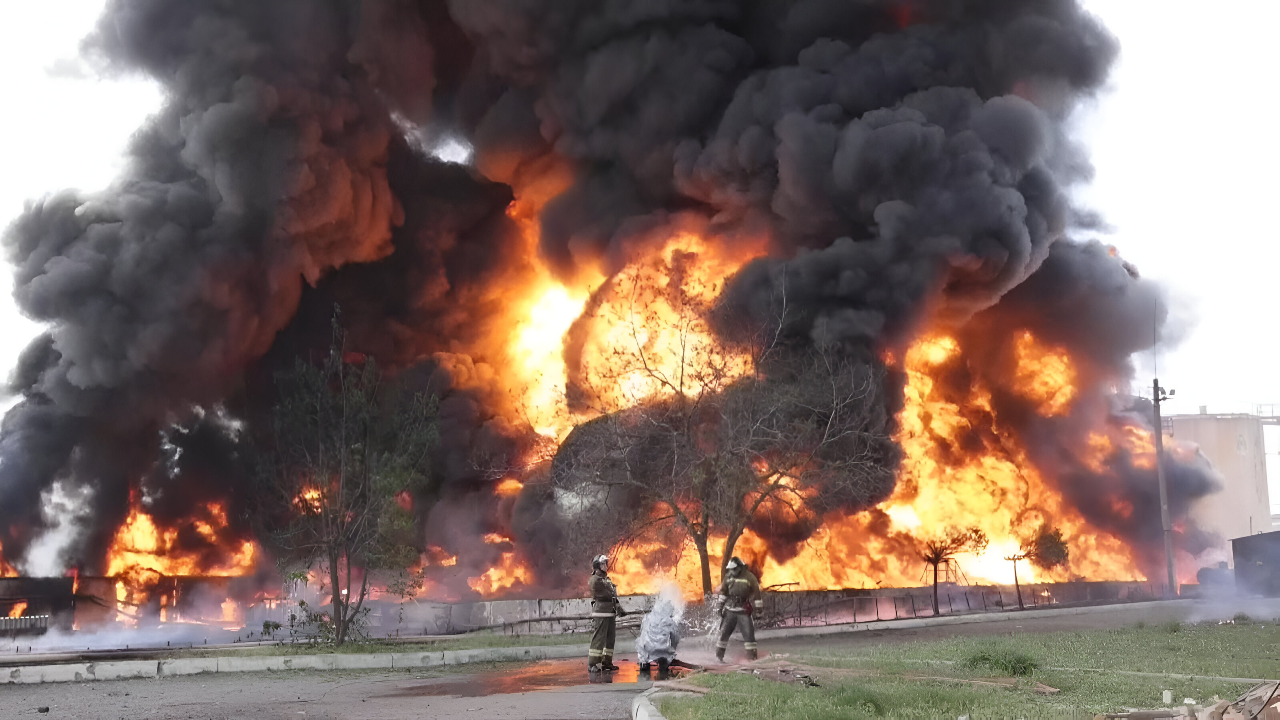
On the evening of November 2, 2025, a series of powerful explosions shattered the night sky above Shakhtarsk, a city in Russian-occupied eastern Ukraine. Ukrainian forces targeted a major oil depot, igniting massive fuel tanks and sending flames and smoke visible for kilometers. This was not the first time the facility had been struck—Ukraine had previously targeted the same depot twice since 2022, each time after Russian forces rebuilt it. The attack marked a dramatic escalation in Ukraine’s campaign to cripple Russia’s military logistics and energy infrastructure.
A Strategic Target in the War’s East
The Shakhtarsk oil depot, located about 50 kilometers east of Donetsk, serves as a crucial logistics hub for Russian military operations in the region. The facility stores and distributes fuel essential for sustaining Moscow’s occupation forces across eastern Ukraine. Ukrainian drone strikes on November 2 triggered a chain of explosions, destroying multiple storage tanks despite the presence of Russian air defenses. The repeated targeting of this depot underscores its strategic value: disrupting fuel supplies directly undermines Russia’s ability to maintain its military presence and conduct operations in occupied territories.
Russian proxy officials have consistently downplayed the extent of the damage, but the frequency and intensity of Ukrainian attacks reveal ongoing vulnerabilities in Russia’s supply lines. Each strike forces Moscow to divert resources to rebuild, highlighting the depot’s irreplaceable role in the broader conflict.
Relentless Pressure: Ukraine’s Energy War
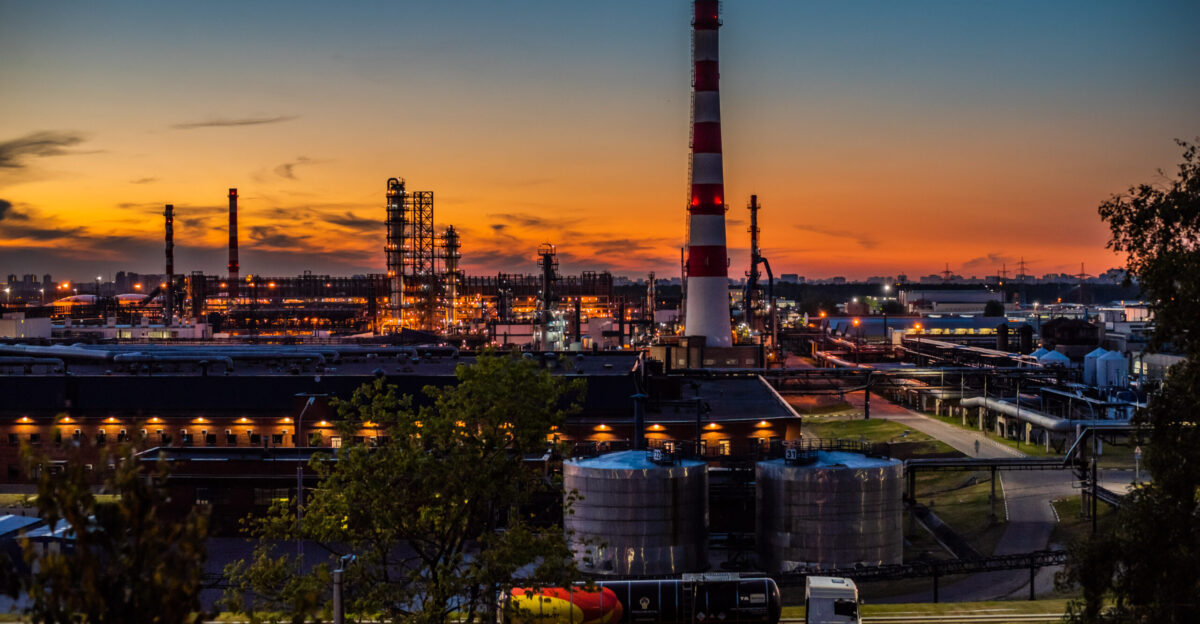
The November strike on Shakhtarsk is part of a much larger Ukrainian campaign aimed at Russia’s energy infrastructure. According to Ukrainian officials, nearly 160 successful strikes have been carried out against Russian oil facilities in 2025 alone—averaging one attack every two days. These operations have targeted not only depots like Shakhtarsk but also major refineries and pipelines deep inside Russian territory.
Ukraine’s strategy is rooted in the recognition that oil revenues are the lifeblood of Russia’s war effort. Estimates suggest that oil extraction and refining account for about 90 percent of Russia’s defense budget. By systematically degrading these assets, Ukraine seeks to starve the Russian military of both fuel and funding. The campaign has forced Russia to shut down approximately 37 percent of its refining capacity, leading to fuel shortages in 57 regions and prompting Moscow to impose a gasoline export ban through the end of the year.
Technological Edge and Escalating Impact

A key factor in Ukraine’s recent successes has been the rapid development and deployment of domestically produced drones. These drones, assembled in dispersed workshops, have extended Ukraine’s reach far beyond the front lines. On October 31, Ukrainian forces struck the Koltsevoy pipeline in Moscow Oblast, a critical 400-kilometer artery supplying Russian troops. The attack destroyed all three major fuel lines, demonstrating Ukraine’s ability to penetrate even heavily defended targets.
The cumulative effect of these strikes has been profound. Sixteen major Russian refineries—representing about 38 percent of the country’s refining capacity—have been hit, with some facilities forced offline for weeks. While Russia has managed to restore operations at certain sites, the relentless pace of attacks prevents sustained recovery. The result is a cycle of destruction and reconstruction that strains Russian resources and exposes persistent weaknesses in its energy infrastructure.
Global Ripples: Economic and Strategic Consequences

Ukraine’s campaign has not only weakened Russia’s military logistics but also sent shockwaves through global energy markets. Disruptions to Russian oil exports have contributed to a sharp decline in seaborne refined product shipments, with volumes dropping by 500,000 barrels per day to their lowest level in over five years. This supply shock has driven up refining margins worldwide, resulting in a 61 percent surge in profits for major Western oil companies in the third quarter of 2025.
Meanwhile, both Russia and Ukraine face mounting energy challenges as winter approaches. Russian forces have intensified attacks on Ukrainian power plants, shutting down half of Ukraine’s natural gas production. Yet Ukraine’s strikes on Russian refineries have created a situation of mutual vulnerability, where neither side can inflict decisive energy shortages without suffering consequences themselves.
A War of Attrition With No End in Sight

The repeated strikes on Shakhtarsk and other energy facilities signal Ukraine’s determination to escalate its campaign through the winter and beyond. With drone production ramping up and operational reach expanding, Ukraine continues to challenge Russia’s ability to rebuild and resupply. Moscow now faces a stark choice: continue pouring resources into reconstruction while enduring escalating attacks, accept crippling supply deficits that undermine its military, or seek a diplomatic resolution.
As the conflict grinds on, the battle over energy infrastructure has become a central front in the war, shaping both the immediate military balance and the broader strategic landscape. The November 2 attack on Shakhtarsk is unlikely to be the last, as Ukraine signals its intent to deny Russia the ability to rebuild what it destroys—turning the war of attrition into a test of endurance for both nations.