
On October 23, 2025, a wave of uncertainty swept through Target’s Minneapolis headquarters as the company announced its largest workforce reduction in a decade: 1,800 corporate jobs eliminated. The decision marked a pivotal moment for the iconic retailer, signaling not just a routine restructuring but a response to mounting pressures that have shaken its once-stable foundation. As employees absorbed the news, questions arose about the forces driving this drastic move and what it means for Target’s future.
Pressures Mount: Why Target Cut Jobs

Target’s sweeping layoffs stem from a confluence of financial and competitive challenges. The retailer has faced stagnant sales and a dramatic 65% drop in its stock value since 2021, eroding investor confidence and prompting urgent action. Executives cited the need to streamline operations and adapt to rapidly changing consumer habits, especially as rivals like Walmart and Amazon have outpaced Target in agility and innovation. Walmart, for example, has seen its stock rise by 110% during the same period, underscoring the competitive gap Target must close. The company’s leadership acknowledged that these cuts are designed to position Target for long-term survival in a retail landscape increasingly defined by efficiency and digital transformation.
Shoppers and Stores: What Changes on the Ground

For Target’s nearly 2,000 stores and millions of customers, the effects of corporate restructuring may soon become visible. With fewer staff at the corporate level, the rollout of new products could slow, and in-store innovations may be less frequent. Shoppers might notice longer waits for service and changes in the availability of certain items, as the company prioritizes operational efficiency over experimentation. The focus is shifting toward core categories and essentials, reflecting broader consumer trends as inflation and tighter budgets push shoppers to spend more cautiously. As Target adapts, the familiar shopping experience may evolve, with fewer flashy launches and a greater emphasis on value and reliability.
Inside the Company: Impact on Employees and Culture
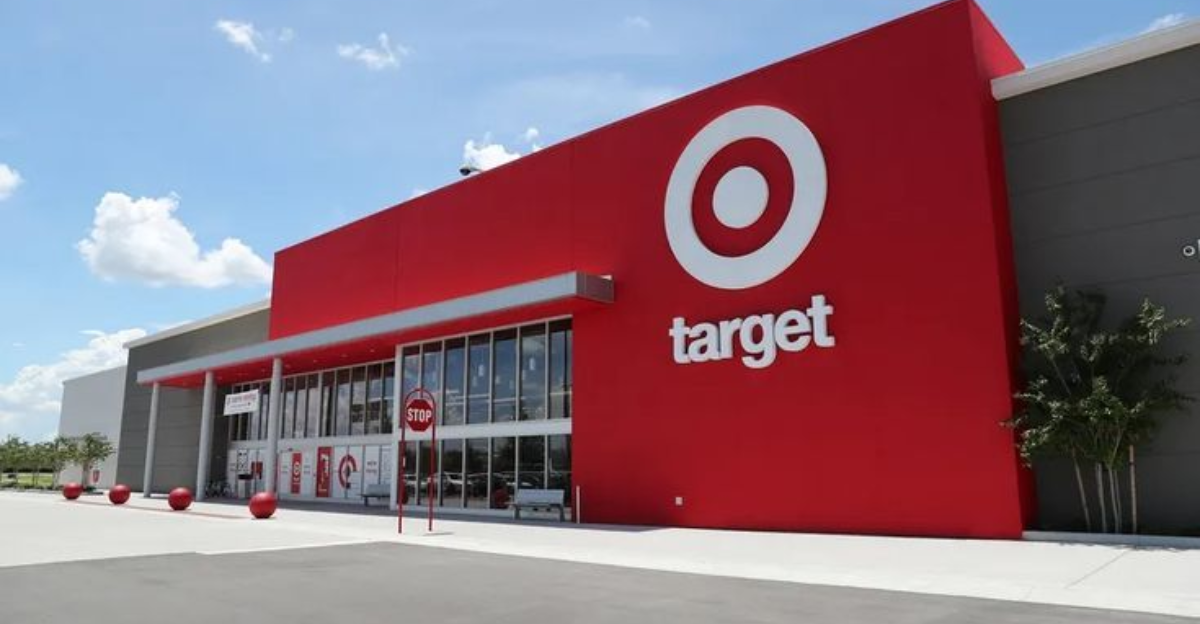
The layoffs have touched nearly every corner of Target’s corporate structure, from engineering and product design to analytics and human resources. Leadership roles were particularly affected, intensifying the sense of upheaval among remaining employees. Many workers learned of their fate through impersonal digital communications, adding to the stress and uncertainty. While severance and benefits are guaranteed through early 2026, the job market remains competitive, especially for those with long tenures at Target. The company now faces the challenge of rebuilding morale and maintaining productivity as it accelerates decision-making and adapts to a leaner structure. Meanwhile, debates over corporate identity and workplace culture have intensified, with the layoffs sparking renewed scrutiny of Target’s values and its approach to diversity, equity, and inclusion.
Ripple Effects: Competitors, Communities, and Supply Chains
Target’s downsizing is reverberating beyond its own walls. Competitors like Walmart and Amazon are poised to capture market share as Target navigates its transition. Smaller retailers and e-commerce platforms may also benefit as consumer loyalty shifts. In Minnesota, where Target is the fourth-largest employer, state officials are monitoring the situation closely. WARN notices have been filed for hundreds of jobs lost in Minneapolis and Brooklyn Park, prompting discussions about economic support and retraining programs. The layoffs could also disrupt global supply chains, as reduced corporate headcount may slow contract negotiations and impact manufacturers and logistics partners worldwide. Local service providers and vendors, from tech firms to marketing agencies, may feel the pinch as Target tightens its spending.
Looking Ahead: Stakes for Target and the Retail Industry

The road ahead for Target is uncertain. Michael Fiddelke, set to become CEO in February 2026, inherits a company at a crossroads. His mandate: restore agility, rebuild trust, and reclaim market share in a sector undergoing rapid transformation. The stakes extend beyond Target itself, reflecting a broader trend of white-collar job cuts and strategic shifts across the retail industry. As companies like Best Buy, Starbucks, and others pursue their own restructurings, the future of work—and the future of retail—hangs in the balance. For Target, the coming months will test its ability to adapt, innovate, and remain relevant to both shoppers and employees in a changing economic landscape.