
The phone call was brief, but its impact was seismic: a major Texas freight company announced nearly 9,000 job cuts across the U.S. and Mexico. This was not an isolated event. Instead, it marked the latest wave in a series of layoffs sweeping through the freight, trucking, warehousing, and manufacturing sectors. As the logistics industry contracts, workers and businesses alike are left grappling with uncertainty and searching for answers.
Freight Jobs Under Pressure
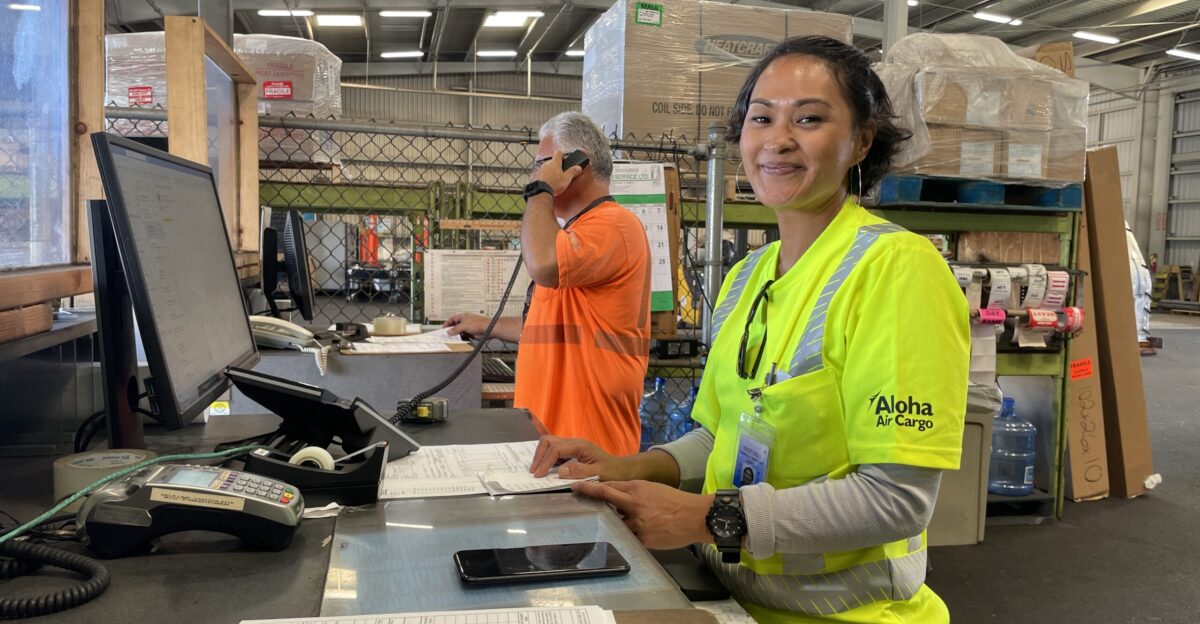
The roots of these job losses run deep. Industry analysts point to a combination of market volatility, shifting consumer habits, and rising operational costs as the primary drivers. Declining shipment volumes and the burden of new tariffs have forced companies to make difficult decisions. Many are reducing staff and closing facilities in an effort to weather the unpredictable economic climate. The result is a shrinking workforce and a logistics sector in flux.
For workers, the consequences are immediate and personal. Thousands of truck drivers, warehouse employees, and support staff now face a challenging job market. The 2023 bankruptcy of Yellow Corp alone left 30,000 people without work, underscoring the scale of the disruption. As companies tighten their belts, the ripple effects are felt not just in lost jobs, but in the communities and families that depend on them.
Industry Response: Restructuring and Automation
In response to mounting pressures, leading logistics firms are restructuring their operations. UPS, for example, eliminated 48,000 positions in 2025, while Geodis and Swissport Cargo have shuttered facilities in key states like Texas, Georgia, and New Jersey. These moves are part of a broader strategy to consolidate networks and cut costs, but they also raise concerns about long-term job stability.
E-commerce giants are not immune. Amazon’s decision to close seven fulfillment centers in Quebec in early 2025 resulted in approximately 4,500 job losses, including those at delivery service partners. The company’s shift toward outsourcing logistics and relying more on gig delivery services reflects a wider trend in the industry. As traditional freight jobs disappear, new roles are emerging in last-mile delivery and automation, but these often come with less security and fewer benefits.
Global and Economic Ripple Effects
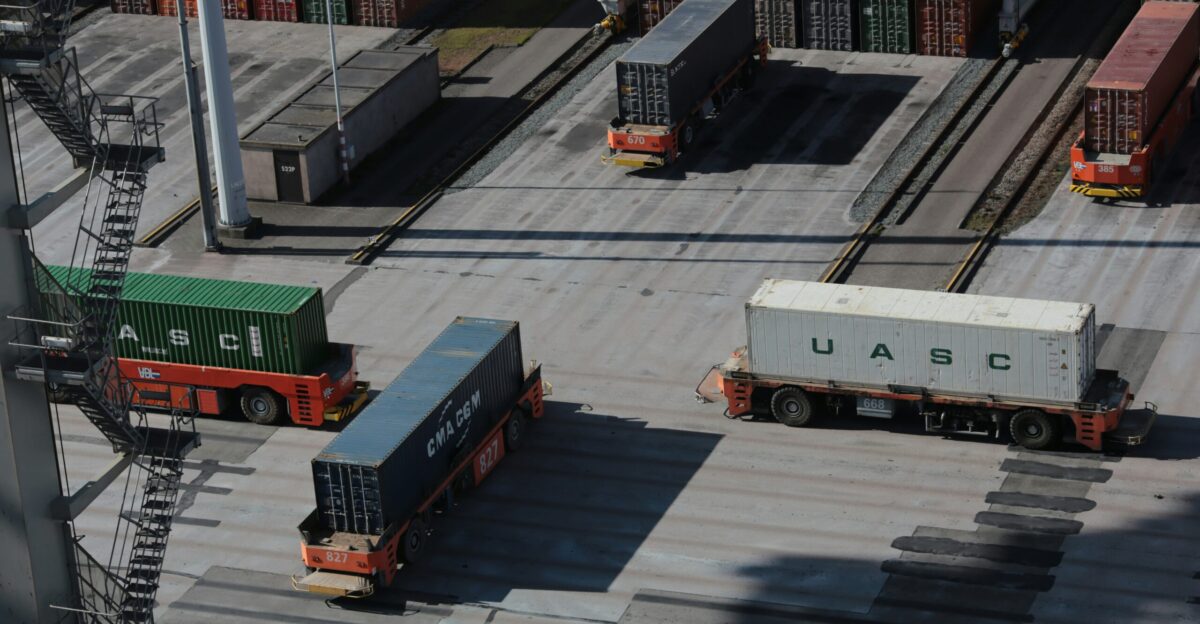
The freight downturn is not confined to North America. International trade has been disrupted as tariffs and reduced shipment volumes strain cross-border supply chains. DHL’s closure of a major facility in Ontario, California, affected 346 workers, while 8,000 jobs were cut in Germany, highlighting the global reach of the crisis. Industries that depend on timely shipments—such as leather production, pet food, and fertilizer—are experiencing delays and shortages, driving up costs for businesses and consumers alike.
Retailers and restaurants are adapting to these challenges by rethinking their supply chains. Many are renegotiating contracts with alternative logistics providers or expanding in-house delivery services to maintain inventory flow. In the hospitality sector, menu changes and a shift toward local sourcing have become common strategies to cope with higher costs and unpredictable deliveries.
Human and Social Impact

Beyond the economic statistics, the freight crisis is taking a toll on workers’ well-being. The uncertainty of layoffs, the need to retrain or relocate, and the stress of finding new employment are affecting families across the logistics sector. Labor unions, such as the Teamsters, are negotiating for severance packages and improved benefits, while policymakers debate new support measures and retraining programs to help displaced workers transition to new roles.
Consumers, too, are feeling the effects. Delivery delays and higher shipping costs have become more common, prompting advice to plan purchases in advance and consider local alternatives. The disruptions are also fueling debates about the future of logistics: some advocate for greener, more sustainable practices, while others prioritize efficiency and cost-cutting through automation.
Looking Forward: A Sector in Transition

As the logistics industry navigates this period of upheaval, the stakes remain high for workers, businesses, and consumers. Companies are investing in automation and exploring new business models, but further job losses may be on the horizon if market conditions do not stabilize. The outcome will depend on a complex interplay of economic trends, government intervention, and the ability of the workforce to adapt.
The freight job cuts of 2025 are more than a temporary setback—they signal a fundamental transformation in how goods move around the world. The coming years will test the resilience of the logistics sector and the communities it supports, as all involved search for stability in a rapidly changing landscape.